A Ranking of Ken Watanabe's Best Movies
From Samurai Legends to Hollywood Blockbusters
Explore the most essential performances of Ken Watanabe, from his breakout role in The Last Samurai to mind-bending hits like Inception.
About Ken Watanabe
In the landscape of modern cinema, few actors possess the ability to command a frame simply by standing still. Ken Watanabe operates with a quiet, tectonic power, a performer whose mere presence suggests a deep reservoir of history and principle. While many international stars find themselves boxed into caricatures when they cross over into Hollywood, he carved out a space defined by gravity and intellectual weight. He does not just play characters; he anchors worlds.
His rise to global prominence arrived with a performance so magnetic it threatened to eclipse the biggest movie star on the planet. As the noble warrior Katsumoto in The Last Samurai, he breathed humanity into a role that could have easily drifted into archetype, earning an Academy Award nomination and establishing himself as the definitive bridge between Eastern and Western storytelling. It was a formal introduction that proved he could hold his own against any blockbuster spectacle without sacrificing his soul.
This versatility became his calling card. He transitioned seamlessly from the historical heartbreak of Letters from Iwo Jima to the sleek, metaphysical noir of Inception. In the latter, as the enigmatic businessman Saito, he traded his robes for a tailored suit and matched Christopher Nolan’s complex ambition with a cool, calculated charisma. Whether he is navigating the shadowy origins of a superhero in Batman Begins or lending a necessary sense of awe to the chaos of Godzilla, his performances act as a moral compass for the audience. There is a perceptible dignity in his craft that makes us trust him, regardless of whether he is a soldier, a corporate titan, or a scientist.
His career is not defined solely by these massive English language epics. His roots go back to the kinetic energy of the 1985 noodle western Tampopo, and he later revisited the samurai genre with a grit that felt entirely modern in the 2013 reimagining of Unforgiven. In projects like Rage and The Unbroken, he explored the darker, more fractured corners of the human psyche, proving that his range extends far beyond the stoic leader. More recently, his work in The Creator showed a veteran actor still finding new ways to humanize science fiction, using his voice and eyes to ground high concept ideas in intimate emotion.
Audiences connect with him because there is no artifice in his intensity. He represents an old world craftsmanship in a digital age. Even as he looks toward future projects like Kokuho and The Final Piece, his legacy feels firmly rooted in his ability to make silence feel heavy and a glance feel like a conversation. He remains one of the few actors who can inhabit the largest screens imaginable while maintaining the focused, razor sharp intimacy of a stage veteran. He is the rare titan who understands that true power comes from restraint.
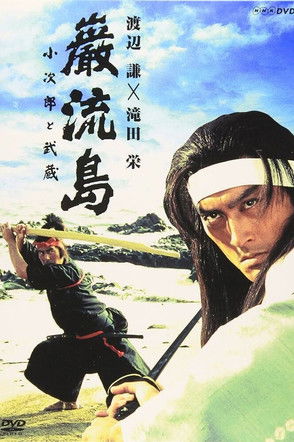
Ganryujima: Kojiro and Musashi
1992In the 16th Year of Keityo (1611), the lord of Ogura Castle in Kyushu admitted Sasaki Kojiro's because of his great sword techniques. However, a group within the feudal clan which supported to use guns considered Kojiro an obstacle in their goals and has the well-known ronin, Miyamoto Musashi, fight him. Now because of political gain and greed, two honorable men are to fight to the death on Ganryu Island.
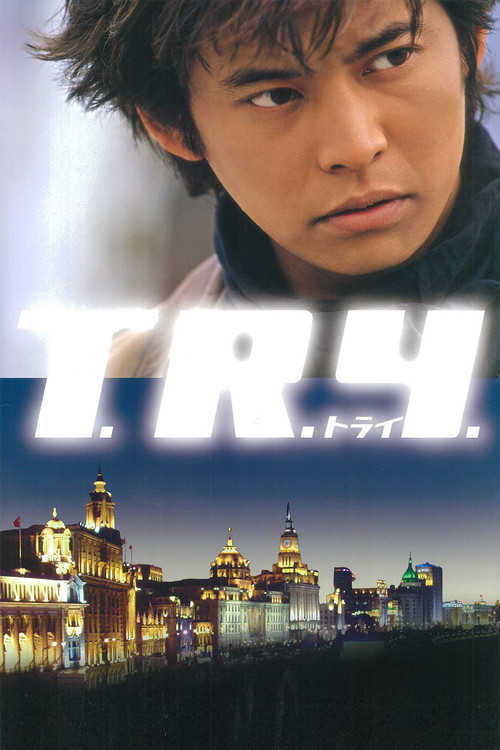
T.R.Y.
2003At the turn of the 20th Century amongst tension between China and Japan, a Japanese swindler in Shanghai plans to profit by selling weapons. He steals arms from the Japanese military and sells them to the rich Chinese.
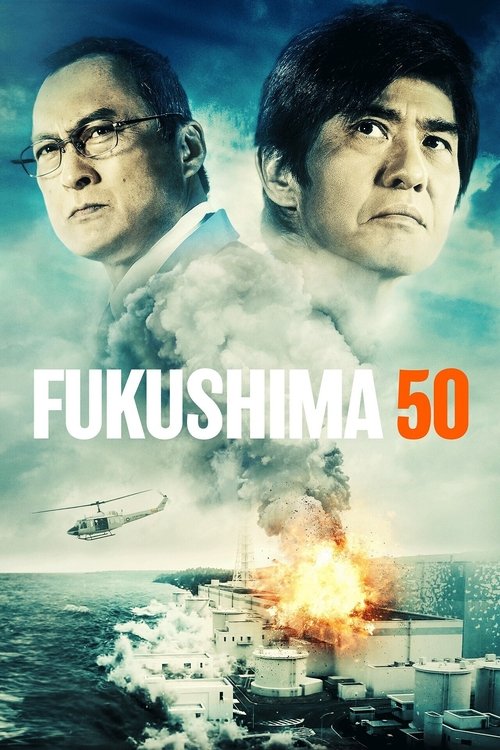
Fukushima 50
2020Workers at the Fukushima Daiichi facility in Japan risk their lives and stay at the nuclear power plant to prevent total destruction after the region is devastated by an earthquake and tsunami in 2011.
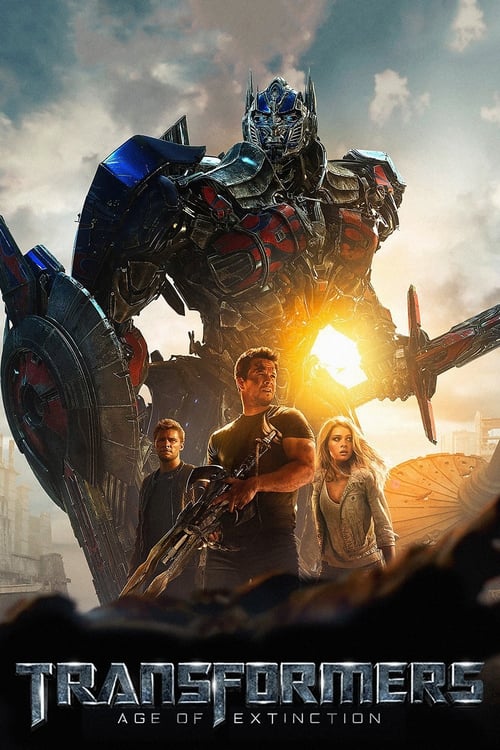
Transformers: Age of Extinction
2014As humanity picks up the pieces after the battle of Chicago, a shadowy group reveals itself in an attempt to control the direction of history…while an ancient, powerful new menace sets Earth in its crosshairs. With help from Cade Yeager, Optimus Prime and the Autobots rise to meet their most fearsome challenge yet.
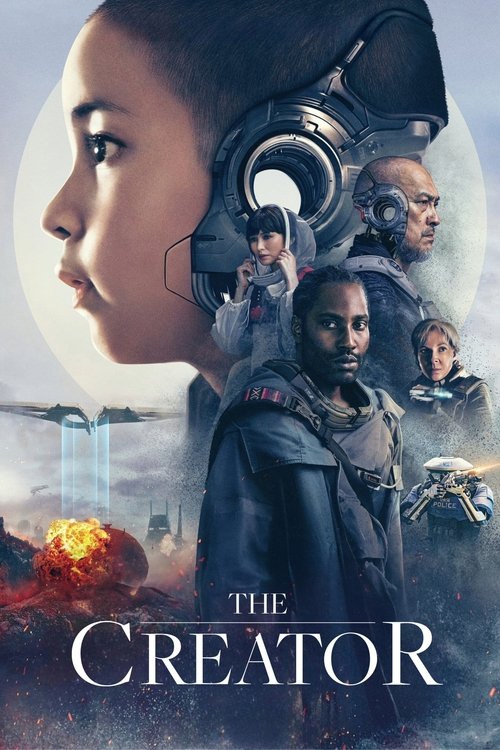
The Creator
2023Amid a future war between the human race and the forces of artificial intelligence, a hardened ex-special forces agent grieving the disappearance of his wife, is recruited to hunt down and kill the Creator, the elusive architect of advanced AI who has developed a mysterious weapon with the power to end the war—and mankind itself.
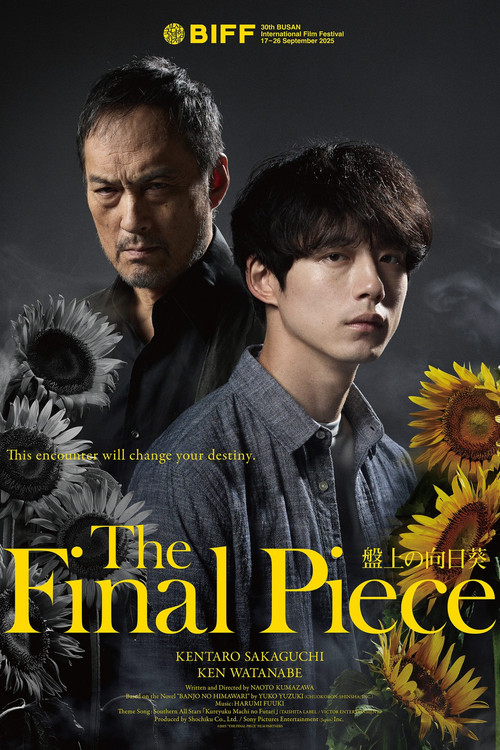
The Final Piece
2025Keisuke, a 10-year-old boy, living hard despite being abused by his father, finds a ray of light in the midst of his suffering and conflict ---- a shogi world where he fights quietly and passionately in his sharpened senses. Even though he gives up and tries to escape from the light, his passion for shogi continues to guide him thereafter. Eventually, he would learn the true meaning of life.
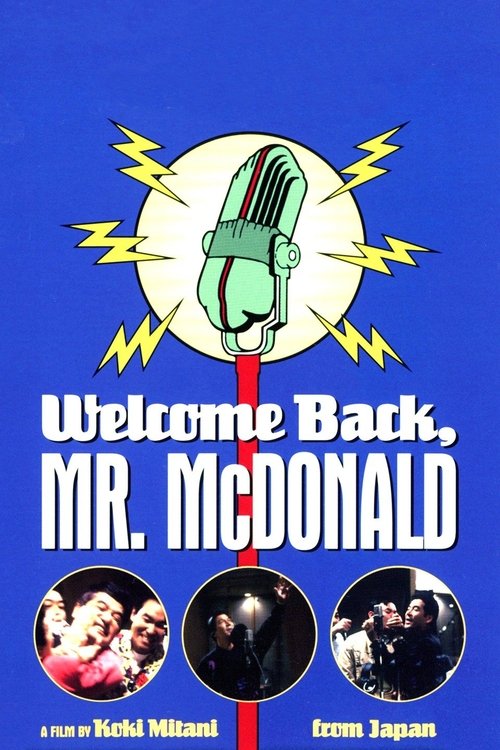
Welcome Back, Mr. McDonald
1997A love story written by an ordinary housewife is going to be broadcast as a radio drama and almost everyone among the crew insists on changing various parts of the play to their liking.
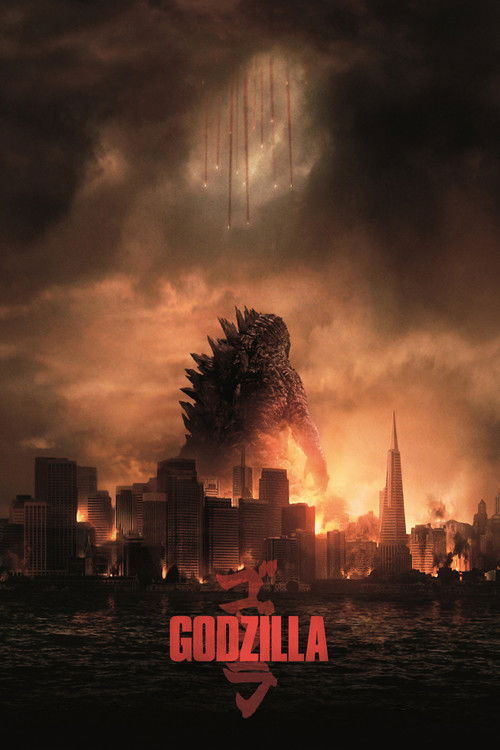
Godzilla
2014Ford Brody, a Navy bomb expert, has just reunited with his family in San Francisco when he is forced to go to Japan to help his estranged father, Joe. Soon, both men are swept up in an escalating crisis when an ancient alpha predator arises from the sea to combat malevolent adversaries that threaten the survival of humanity. The creatures leave colossal destruction in their wake, as they make their way toward their final battleground: San Francisco.
Isle of Dogs
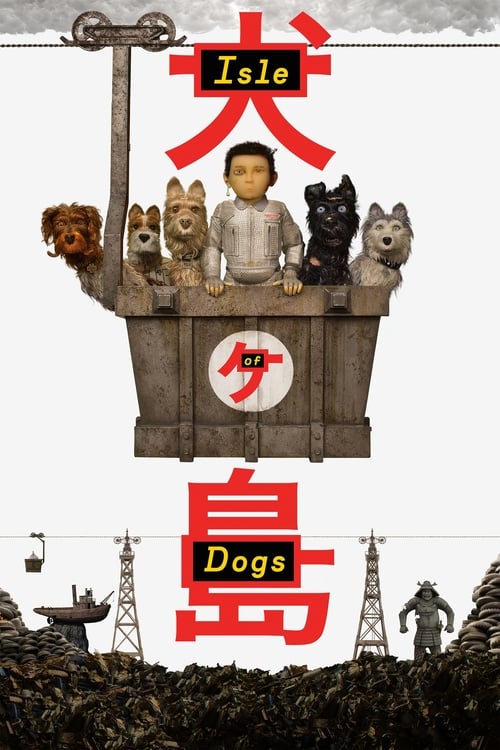
2018In the future, an outbreak of canine flu leads the mayor of a Japanese city to banish all dogs to an island used as a garbage dump. The outcasts must soon embark on an epic journey when a 12-year-old boy arrives on the island to find his beloved pet.

Kokuho
2025Nagasaki, 1964: Following the death of his yakuza father, 15-year-old Kikuo is taken under the wing of a famous kabuki actor. Alongside Shunsuke, the actor’s only son, he decides to dedicate himself to this traditional form of theatre. For decades, the two young men grow and evolve together – and one will become the greatest Japanese master of the art of kabuki.
Returning to the world of Kabuki, Watanabe brings decades of refined stagecraft to this upcoming look at traditional artistry. Expectations are high for him to provide a seasoned, mentor-like perspective that bridges the gap between old-world discipline and modern cinematic flair.
The Unbroken
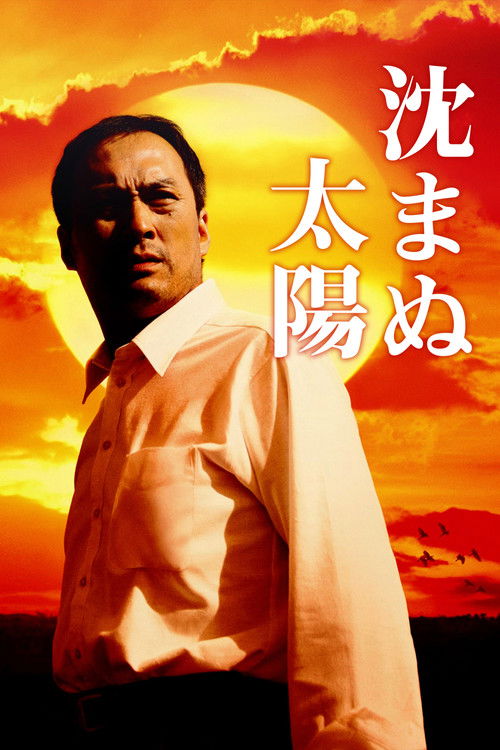
2009Onchi was exiled to posts around Asia and Africa due to his work as head of a labor union for National Air Line. He is ordered to return to head office after ten years, and continues to struggle. When a National Air Line plane is involved in the worst air disaster in Japanese history, he is assigned to console and provide restitution to the families of the victims.
In this sprawling corporate drama, he portrays a whistleblower with a fierce, uncompromising moral compass. It is a quintessential Watanabe role that utilizes his natural gravitas to turn a bureaucratic struggle into a soaring, Shakespearean battle of wills.
Rage
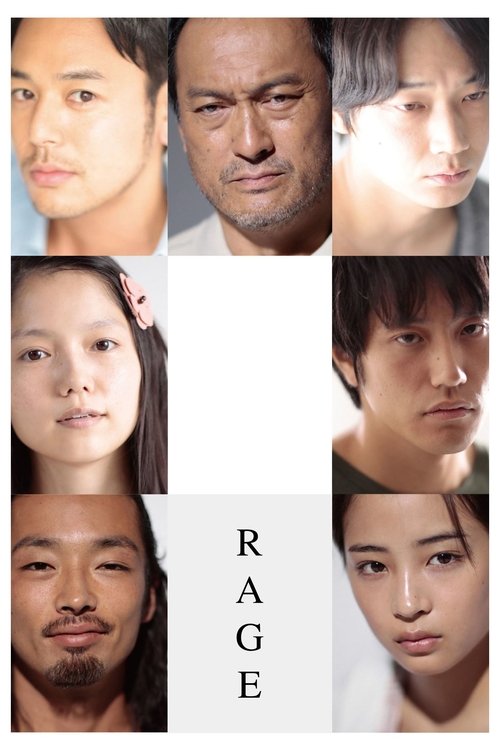
2016A man brutally murders a married couple and leaves the word “ikari” (“rage”) written with their blood. The killer undergoes plastic surgery and flees. At three different locations in Japan, a male stranger appears. People suspect that the stranger might be the murderer.
Watanabe delivers a raw, grounded performance as a father grappling with the terrifying possibility that his daughter’s partner is a killer. He strips away his usual composure to expose a vulnerable, blue-collar desperation that keeps the film’s central mystery anchored in genuine domestic anxiety.
Unforgiven
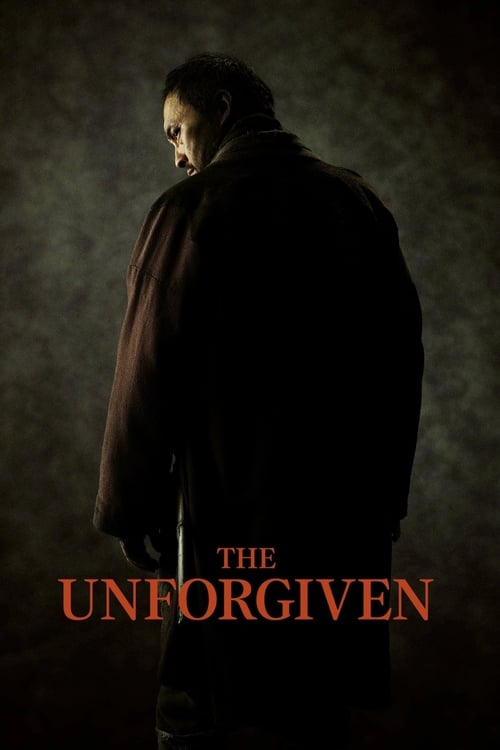
2013An old swordsman, his former comrade and a young braggart are hired by prostitutes to track down bandits who mutilated one of the women.
Stepping into a role originated by Morgan Freeman, Watanabe reinterprets the weary gunslinger within a stark Hokkaido landscape. He avoids imitation by leaning into a specifically Japanese sense of karmic exhaustion, proving his ability to carry the heavy mantle of cinematic history.

Tampopo
1985In this humorous paean to the joys of food, a pair of truck drivers happen onto a decrepit roadside shop selling ramen noodles. The widowed owner, Tampopo, begs them to help her turn her establishment into a paragon of the "art of noodle-soup making". Interspersed are satirical vignettes about the importance of food to different aspects of human life.
A glimpse at the actor’s early charismatic roots, this role shows a rugged, playful side far removed from his later statesman-like persona. Even in a minor capacity, his presence in this ramen western helps solidify the film’s unique blend of rough-edged charm and culinary whimsy.

Memoirs of a Geisha
2005In the years before World War II, a penniless Japanese child is torn from her family to work as a maid in a geisha house.
As the Chairman, Watanabe operates through glances and silences, providing the gentle emotional center in a film often criticized for its visual excess. His ability to project warmth and paternal longing makes him the only believable catalyst for the protagonist’s lifelong obsession.
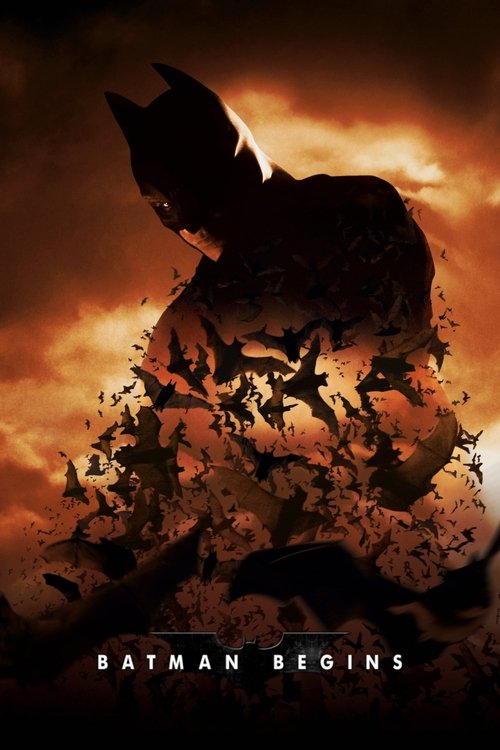
Batman Begins
2005Driven by tragedy, billionaire Bruce Wayne dedicates his life to uncovering and defeating the corruption that plagues his home, Gotham City. Unable to work within the system, he instead creates a new identity, a symbol of fear for the criminal underworld - The Batman.
Though his screen time is brief, Watanabe provides the essential menacing iconography required to establish the League of Shadows. He functions as a vital decoy, using his formidable physical presence to lend the Ra’s al Ghul mythos an immediate, terrifying legitimacy.
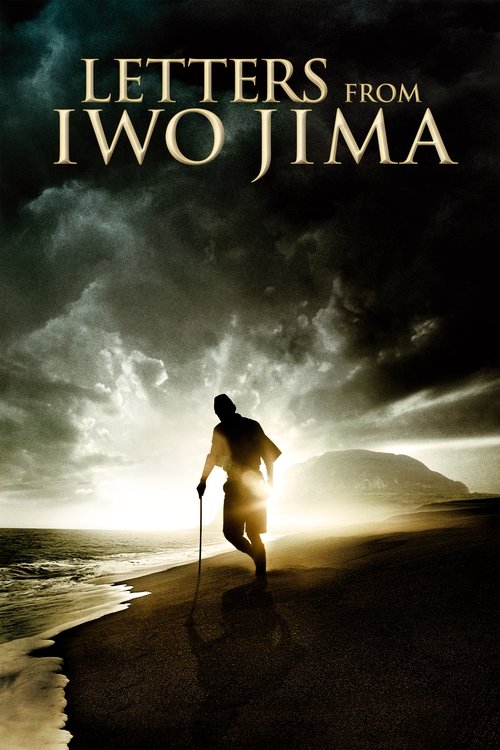
Letters from Iwo Jima
2006The story of the battle of Iwo Jima between the United States and Imperial Japan during World War II, as told from the perspective of the Japanese who fought it.
Portraying General Kuribayashi, Watanabe eschews typical military bravado for a hauntingly intellectual brand of stoicism. It is a masterclass in interiority, capturing the crushing isolation of a man trapped between his Western sensibilities and an impossible duty.
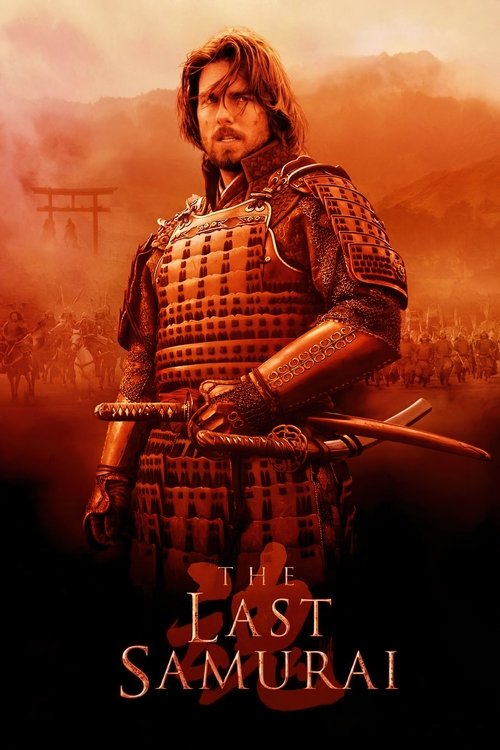
The Last Samurai
2003Nathan Algren is an American hired to instruct the Japanese army in the ways of modern warfare, which finds him learning to respect the samurai and the honorable principles that rule them. Pressed to destroy the samurai's way of life in the name of modernization and open trade, Algren decides to become an ultimate warrior himself and to fight for their right to exist.
This was the definitive international breakthrough where Watanabe’s Katsumoto effectively outshines the lead through sheer, soulful conviction. He manages to modernize the bushido archetype, replacing flat tradition with a vibrant, tragic humanity that earned him his rightful seat at the global table.
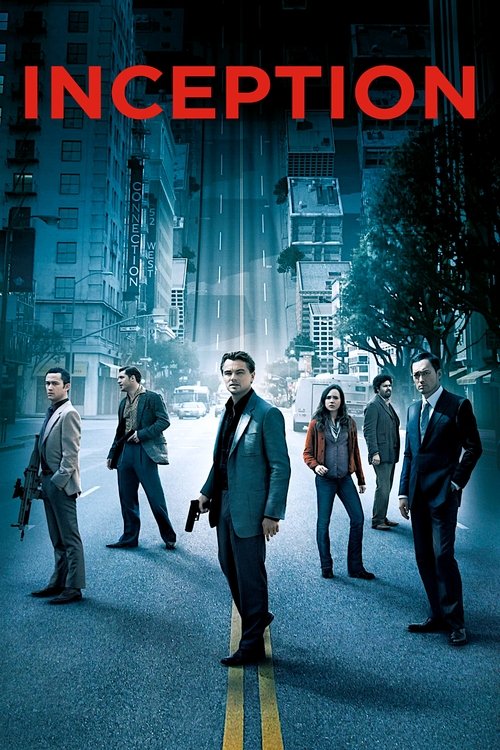
Inception
2010Cobb, a skilled thief who commits corporate espionage by infiltrating the subconscious of his targets is offered a chance to regain his old life as payment for a task considered to be impossible: "inception", the implantation of another person's idea into a target's subconscious.
Watanabe radiates a smooth, architectural authority as Saito, serving as the narrative's sophisticated anchor amidst Christopher Nolan’s shifting dreamscapes. His transition from a high-stakes mark to a weathered patriarch proves he can command blockbuster scale with understated gravity.
Frequently Asked Questions
Everything you need to know about this list and SnakeDrafts
- Ken Watanabe's most acclaimed films often explore themes of honor, conflict, and cultural identity, as seen in works like The Last Samurai and Letters from Iwo Jima. These films showcase his ability to portray complex characters navigating moral dilemmas.
- Ken Watanabe's work with Christopher Nolan in films such as Inception and Batman Begins helped elevate his profile in Hollywood, highlighting his versatility in both action-packed and psychologically intricate roles. Nolan's direction complements Watanabe's intense yet restrained acting style.
- Ken Watanabe delivers a powerful performance in Letters from Iwo Jima, which blends historical drama with intense war film elements, portraying the Japanese perspective of World War II with depth and nuance.
- Ken Watanabe showcases his lighter, comedic talents in the film Tampopo, which centers on a quirky, food-focused storyline and allows him to display his range beyond dramatic roles.
- Films such as Memoirs of a Geisha and Isle of Dogs highlight Ken Watanabe’s talent for anchoring complex narratives alongside ensemble casts, proving his skill in both intimate dramas and animated adventures.
- Ken Watanabe’s performance style is marked by a quiet intensity and profound presence that brings depth and gravity to his roles, whether in action-packed movies like Godzilla or dramatic pieces like The Unbroken.
- Yes, Ken Watanabe has acted in notable science fiction films like Inception and Godzilla, demonstrating his adaptability to both cerebral sci-fi and blockbuster action genres.
- Recent and upcoming projects featuring Ken Watanabe include The Creator (2023) and Kokuho (2025), indicating his continuing presence in diverse and highly anticipated films.