The Definitive Jesse Plemons Movie Ranking: A Career of Masterclass Performances
From Scene Stealer to Leading Man
Explore the finest performances by Jesse Plemons, from his chilling character studies to his powerful dramatic roles in award-winning cinema.
About Jesse Plemons
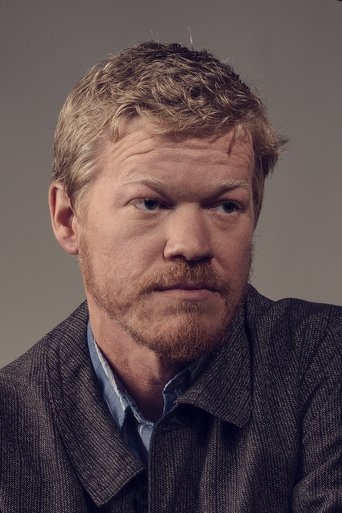
Jesse Plemons possesses a quality that is increasingly rare in the age of the hyper-exposed movie star: he is an absolute enigma. For years, he was affectionately tagged with nicknames comparing him to more famous peers, but those comparisons have long since withered away. Today, he stands alone as the most versatile character actor of his generation, a performer who can pivot from chilling sociopathy to heartbreaking tenderness without ever appearing to break a sweat. He does not demand the spotlight; instead, he absorbs it, often becoming the most interesting person in the frame by doing the absolute least.
His trajectory toward becoming a titan of the screen didn't happen overnight, yet it feels inevitable in hindsight. While many first clocked his talent as a polite but lethal fixer in El Camino: A Breaking Bad Movie, his filmography is a masterclass in selecting prestige projects that challenge the audience's equilibrium. He has become a recurring muse for the world's most exacting directors, sliding into the meticulously crafted landscapes of Martin Scorsese and Paul Thomas Anderson. In The Master, he showcased a quiet intensity that held its own against heavy hitters, while his turn in The Irishman proved he could navigate the complex loyalty of a period epic with effortless grace. By the time he led the investigation in Killers of the Flower Moon, it was clear that he had graduated from a reliable supporting player to a foundational element of modern cinema.
What makes him so compelling to watch is his refusal to signal his intentions. In the suburban comedy Game Night, he turned a potentially one-note creepy neighbor into a comedic tour de force through sheer stillness and a terrifyingly flat delivery. Conversely, his work in The Power of the Dog allowed him to explore a softer, more grounded brand of masculinity that served as the perfect foil to the film's more volatile elements. He creates characters who feel like they existed long before the cameras started rolling and will continue to live their strange, private lives once the credits crawl. This groundedness is perhaps why his more surreal excursions, such as the mind-bending I'm Thinking of Ending Things or his shape-shifting roles in Kinds of Kindness, feel so visceral and disturbing.
His reputation on set is that of a quiet chameleon, a reputation bolstered by his work in high-stakes dramas like Judas and the Black Messiah and Bridge of Spies. Even when he ventures into mainstream blockbusters like Jungle Cruise or political satires like Vice, he brings a level of psychological detail that elevates the entire production. He is the actor who makes everyone else look better. Audiences connect with him because there is zero artifice in his work. Whether he is playing a small-town lawyer in The Post or a sinister presence in Black Mass, he finds the humanity within the archetype. He has become a shorthand for quality; if his name is on the poster, you know you are about to see something deeply considered and entirely unpredictable. He is the rare performer who has mastered the art of being everywhere while remaining entirely himself.
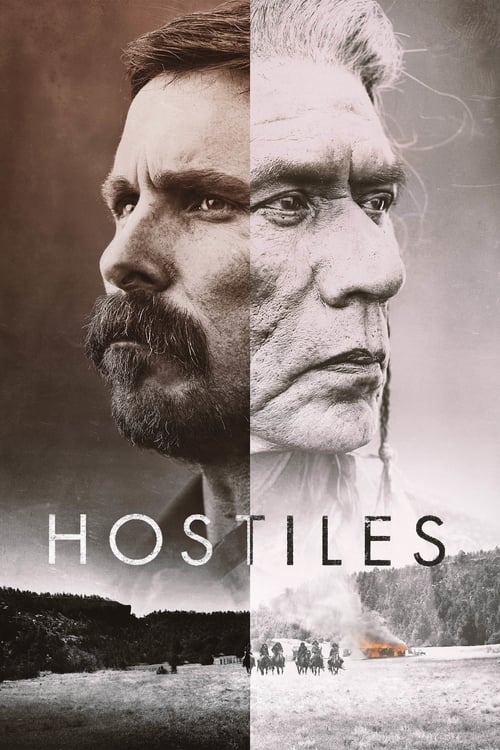
Hostiles
2017A legendary Native American-hating Army captain nearing retirement in 1892 is given one last assignment: to escort a Cheyenne chief and his family through dangerous territory back to his Montana reservation.
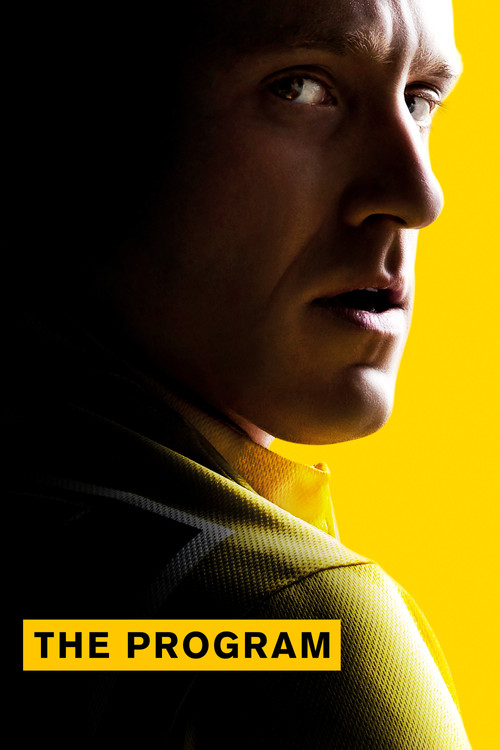
The Program
2015An Irish sports journalist becomes convinced that Lance Armstrong's performances during the Tour de France victories are fueled by banned substances. With this conviction, he starts hunting for evidence that will expose Armstrong.
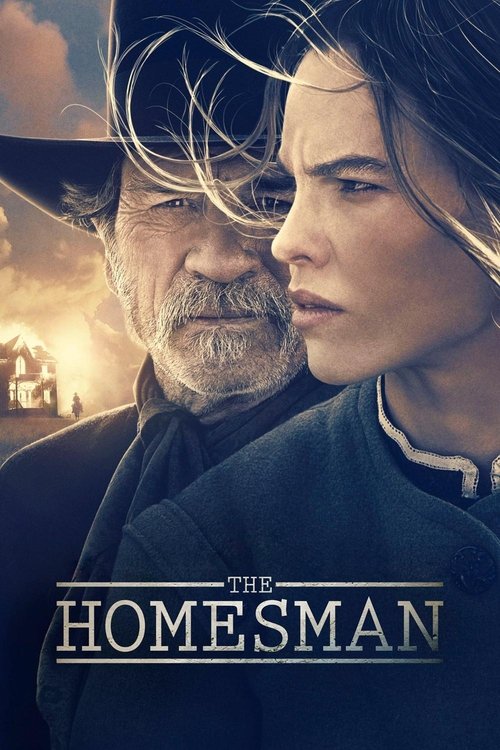
The Homesman
2014When three women living on the edge of the American frontier are driven mad by harsh pioneer life, the task of saving them falls to the pious, independent-minded Mary Bee Cuddy. Transporting the women by covered wagon to Iowa, she soon realizes just how daunting the journey will be, and employs a low-life drifter, George Briggs, to join her. The unlikely pair and the three women head east, where a waiting minister and his wife have offered to take the women in. But the group first must traverse the harsh Nebraska Territories marked by stark beauty, psychological peril and constant threat.

Other People
2016David, a struggling comedy writer fresh off from breaking up with his boyfriend, moves from New York City to Sacramento to help his sick mother. Living with his conservative father and much-younger sisters for the first time in ten years, he feels like a stranger in his childhood home. As his mother’s health declines, David frantically tries to extract meaning from this horrible experience and convince everyone (including himself) that he's "doing okay.”

Antlers
2021A small-town Oregon teacher and her brother, the local sheriff, discover a young student is harbouring a dangerous secret that could have frightening consequences.
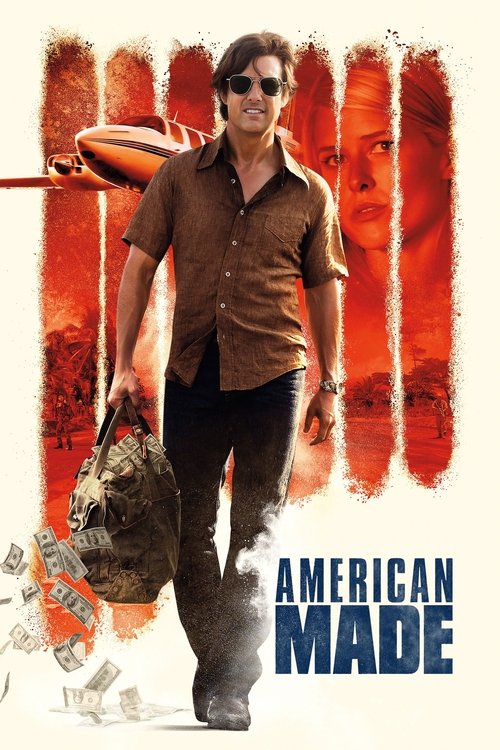
American Made
2017The true story of pilot Barry Seal, who transported contraband for the CIA and the Medellin cartel in the 1980s.

Jungle Cruise
2021Dr. Lily Houghton enlists the aid of wisecracking skipper Frank Wolff to take her down the Amazon in his dilapidated boat. Together, they search for an ancient tree that holds the power to heal – a discovery that will change the future of medicine.
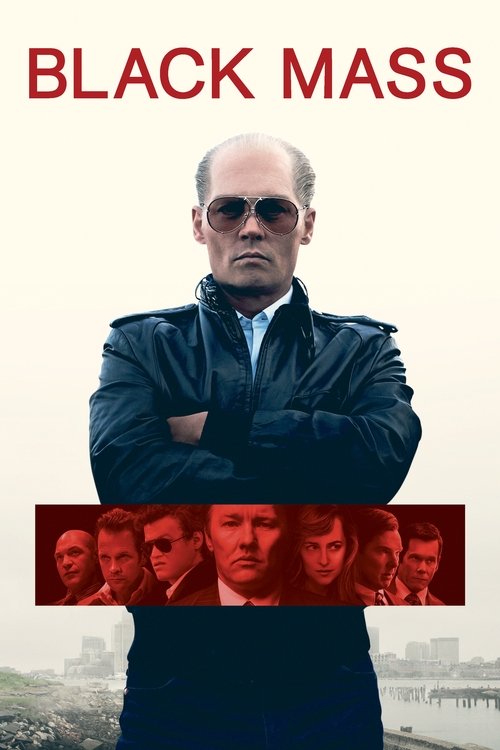
Black Mass
2015The true story of Whitey Bulger, the brother of a state senator and the most infamous violent criminal in the history of South Boston, who became an FBI informant to take down a Mafia family invading his turf.
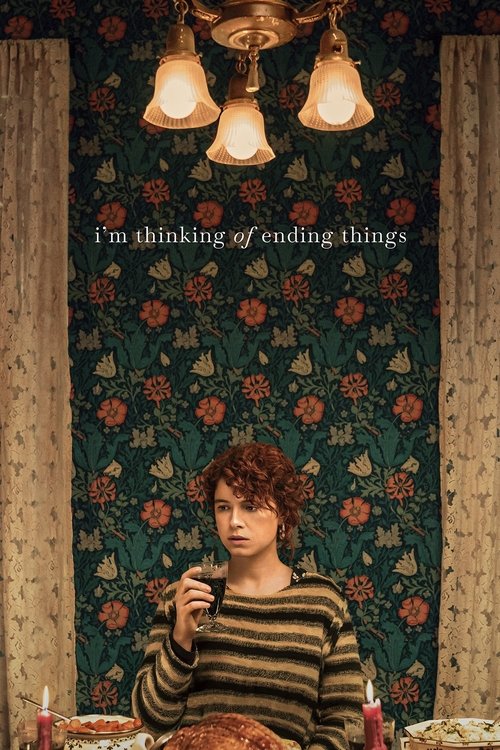
I'm Thinking of Ending Things
2020Nothing is as it seems when a woman experiencing misgivings about her new boyfriend joins him on a road trip to meet his parents at their remote farm.

Vice
2018George W. Bush picks Dick Cheney, the CEO of Halliburton Co., to be his Republican running mate in the 2000 presidential election. No stranger to politics, Cheney's impressive résumé includes stints as White House chief of staff, House Minority Whip and Defense Secretary. When Bush wins by a narrow margin, Cheney begins to use his newfound power to help reshape the country and the world.
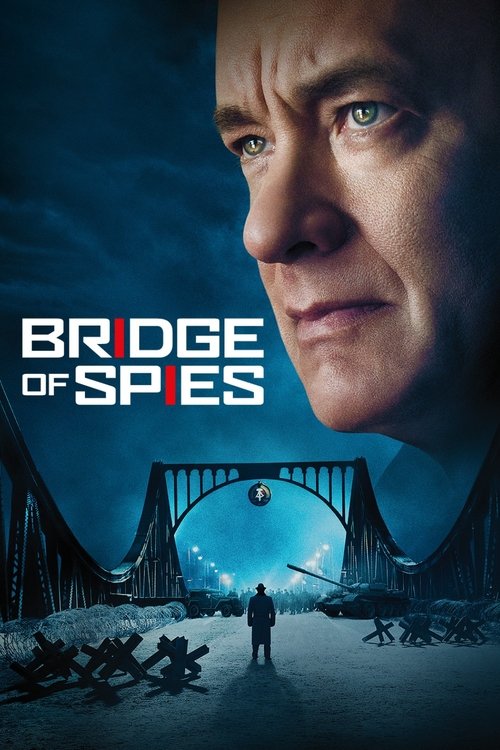
Bridge of Spies
2015During the Cold War, the Soviet Union captures U.S. pilot Francis Gary Powers after shooting down his U-2 spy plane. Sentenced to 10 years in prison, Powers' only hope is New York lawyer James Donovan, recruited by a CIA operative to negotiate his release. Donovan boards a plane to Berlin, hoping to win the young man's freedom through a prisoner exchange. If all goes well, the Russians would get Rudolf Abel, the convicted spy who Donovan defended in court.
As an American pilot, Plemons offers a brief but vital glimpse into the rigid military professionalism of the Cold War era. Even in a minor capacity, his presence adds a necessary texture of period authenticity to Spielberg’s polished espionage drama.
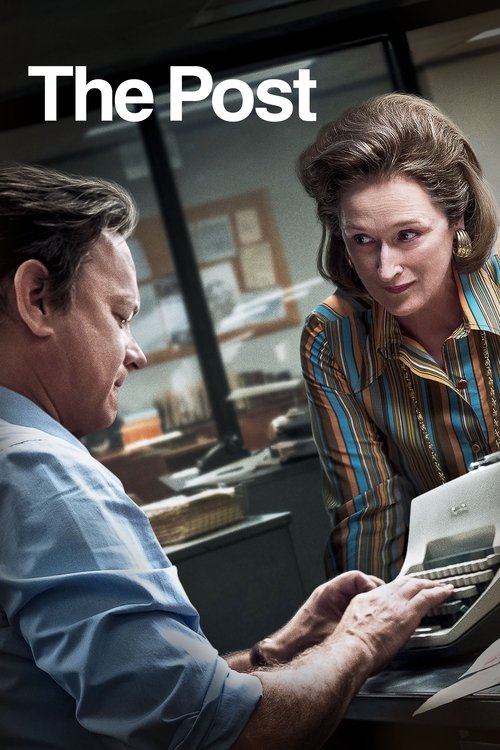
The Post
2017A cover-up that spanned four U.S. Presidents pushed the country's first female newspaper publisher and a hard-driving editor to join an unprecedented battle between journalist and government. Inspired by true events.
Providing legal friction in a high-stakes newsroom, Plemons infuses a small supporting role with a palpable sense of duty and ethical conflict. He adds a layer of grounded procedural realism that helps anchor the film’s grander ideological debates.
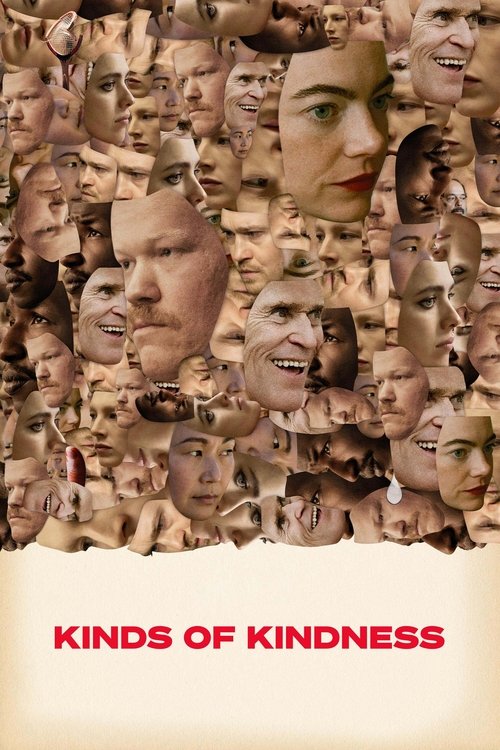
Kinds of Kindness
2024A triptych fable following a man without choice who tries to take control of his own life; a policeman who is alarmed that his wife who was missing-at-sea has returned and seems a different person; and a woman determined to find a specific someone with a special ability, who is destined to become a prodigious spiritual leader.
Under Yorgos Lanthimos, Plemons leans into the grotesque and the absurd, handling the director’s stylized dialogue with a jarring, hypnotic rhythm. This triptych showcase confirms his status as a premier character actor capable of navigating the most extreme tonal shifts in modern cinema.
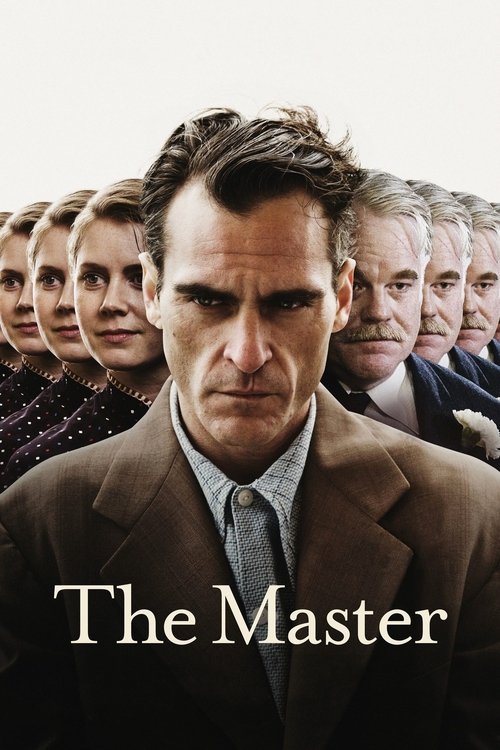
The Master
2012Freddie, a volatile, heavy-drinking veteran who suffers from post-traumatic stress disorder, finds some semblance of a family when he stumbles onto the ship of Lancaster Dodd, the charismatic leader of a new "religion" he forms after World War II.
As the skeptical son of a cult leader, Plemons provides a grounded skepticism that subtly challenges the grandiosity of the film’s central figures. It is an early signal of his ability to integrate seamlessly into complex, auteur-driven worlds without sacrificing his character’s individual bite.
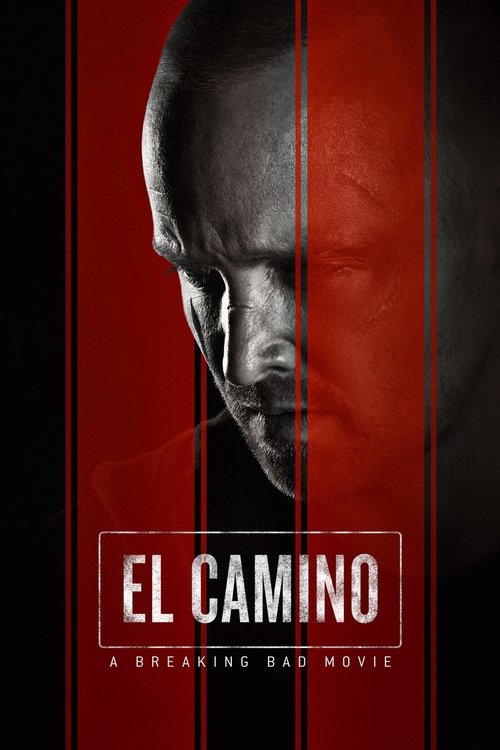
El Camino: A Breaking Bad Movie
2019In the wake of his dramatic escape from captivity, Jesse Pinkman must come to terms with his past in order to forge some kind of future.
Reviving a television legacy, Plemons leans into the unsettlingly casual sociopathy of Todd Alquist with haunting precision. He manages to be both physically imposing and strangely polite, reminding audiences why his specific brand of soft-spoken villainy is so uniquely terrifying.

Game Night
2018Max and Annie's weekly game night gets kicked up a notch when Max's brother Brooks arranges a murder mystery party -- complete with fake thugs and federal agents. So when Brooks gets kidnapped, it's all supposed to be part of the game. As the competitors set out to solve the case, they start to learn that neither the game nor Brooks are what they seem to be. The friends soon find themselves in over their heads as each twist leads to another unexpected turn over the course of one chaotic night.
Stealing every scene with a buzz-cut intensity and a singular lack of social awareness, Plemons reveals a genius for deadpan surrealism. This role remains his most undeniable proof of comedic range, turning a standard neighbor archetype into something wonderfully eerie and hilarious.
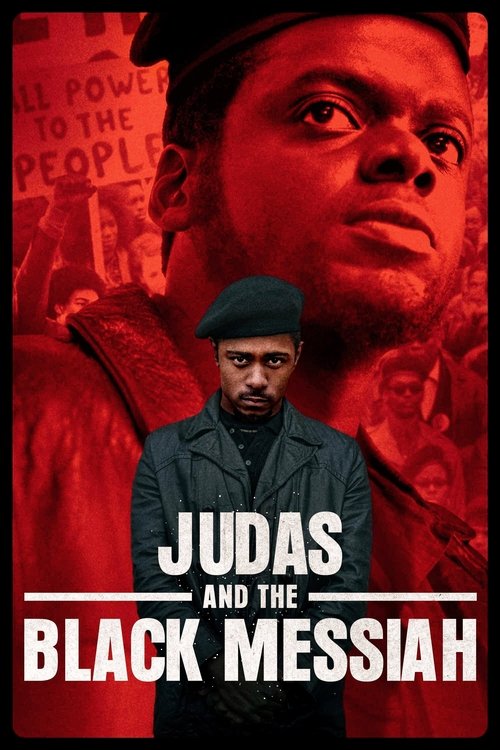
Judas and the Black Messiah
2021Bill O'Neal infiltrates the Black Panthers on the orders of FBI Agent Mitchell and J. Edgar Hoover. As Black Panther Chairman Fred Hampton ascends—falling for a fellow revolutionary en route—a battle wages for O’Neal’s soul.
Plemons projects a chilling, bureaucratic banality as an FBI handler, weaponizing his polite Midwestern veneer to mask a deep-seated systemic malice. He occupies the screen with a serpent-like stillness that makes every soft-spoken demand feel like a direct threat.
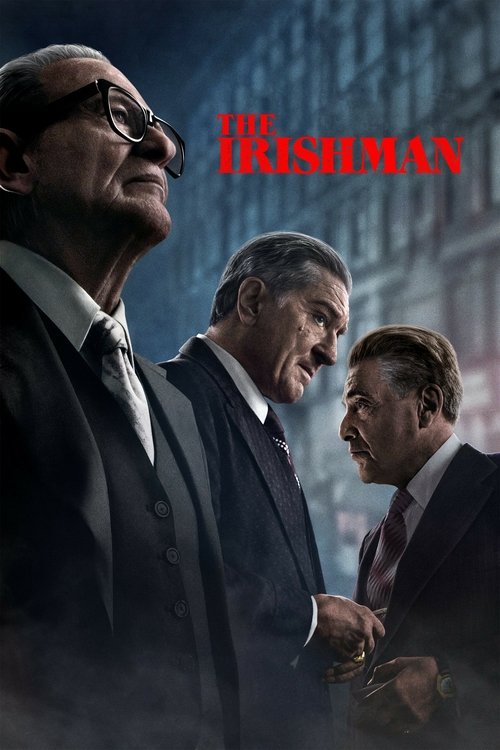
The Irishman
2019Pennsylvania, 1956. Frank Sheeran, a war veteran of Irish origin who works as a truck driver, accidentally meets mobster Russell Bufalino. Once Frank becomes his trusted man, Bufalino sends him to Chicago with the task of helping Jimmy Hoffa, a powerful union leader related to organized crime, with whom Frank will maintain a close friendship for nearly twenty years.
Tasked with portraying the loyalty and eventual suspicion of a surrogate son, Plemons brings a youthful, jittery energy to this elegiac mob epic. It is a subtle masterclass in reactive acting that holds its own within an ensemble of icons.
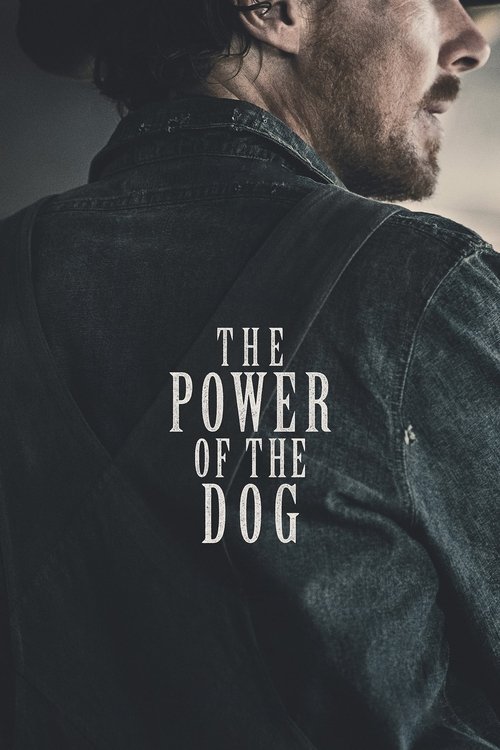
The Power of the Dog
2021A domineering but charismatic rancher wages a war of intimidation on his brother's new wife and her teen son, until long-hidden secrets come to light.
In this exercise of restrained masculinity, Plemons excels by playing the quiet space between his costars’ louder neuroses. He crafts a portrait of decent, dull kindness that becomes the essential, aching heart of Jane Campion’s subverted Western.
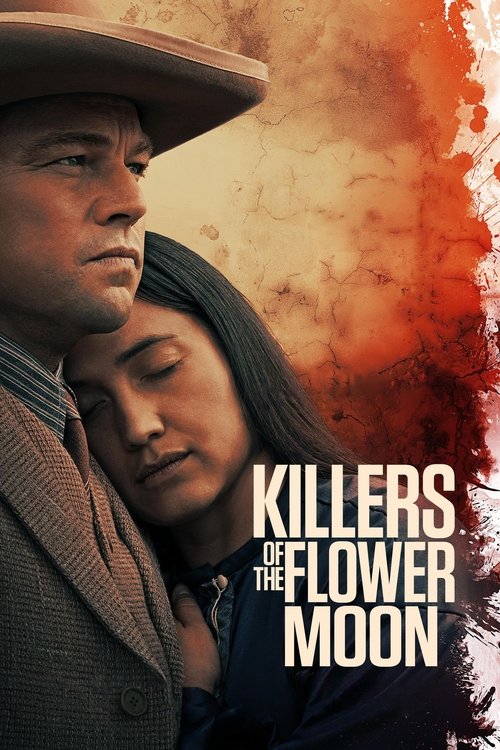
Killers of the Flower Moon
2023When oil is discovered in 1920s Oklahoma under Osage Nation land, the Osage people are murdered one by one—until the FBI steps in to unravel the mystery.
Plemons serves as the moral anchor in Scorsese’s sweeping tragedy, channeling a stolid bureaucratic resolve that eventually pierces through the film’s atmospheric dread. His arrival marks a pivotal shift in the narrative weight, proving he can command the frame even when playing against heavyweights like De Niro and DiCaprio.
Frequently Asked Questions
Everything you need to know about this list and SnakeDrafts
- In 'The Power of the Dog,' Jesse Plemons delivers a masterclass in embodying a chilling sociopath with nuanced intensity, capturing the dark complexities of his character in this acclaimed drama-western.
- Jesse Plemons' roles in Martin Scorsese's films like 'Killers of the Flower Moon' and 'The Irishman' have significantly elevated his profile, highlighting his versatility and ability to hold his own in high-caliber historical crime dramas.
- Plemons reprises his role as Todd Alquist with an unsettling calmness and layered menace, demonstrating his skill in bringing depth to a seemingly cold and methodical character, which enhances the thriller's intense atmosphere.
- Jesse Plemons has delivered compelling performances across a diverse range of genres including drama, crime, comedy, thriller, and even fantasy-adventure as seen in 'Jungle Cruise,' showcasing his exceptional adaptability as an actor.
- In 'The Master,' Jesse Plemons plays a supporting yet memorable role that contributes to the film's intense psychological drama, underscoring his ability to enrich complex narratives even in smaller but impactful parts.
- Movies like 'The Power of the Dog' and 'Vice' reveal Plemons' unique capacity to oscillate between tender vulnerability and chilling menace, often within the same performance, which defines his signature style.
- In the 2024 film 'Kinds of Kindness,' Plemons explores a blend of drama and comedy under Yorgos Lanthimos’ direction, further proving his prowess in tackling complex emotional tones with subtlety and depth.
- His roles in 'Killers of the Flower Moon,' 'The Irishman,' and 'Judas and the Black Messiah' showcase Plemons’ powerful presence in historical dramas, where his nuanced performances add authenticity and emotional weight to real-life stories.