Best Christopher Nolan Films of All Time
Mastering Time and Space Through Cinema
Explore the definitive ranking of Christopher Nolan's legendary filmography, featuring mind-bending thrillers and epic cinematic achievements.
About Christopher Nolan

In an era where the boundary between a blockbuster and a high-concept art piece has nearly dissolved, Christopher Nolan stands as the primary architect of the bridge. He operates with the precision of a watchmaker and the scale of a cathedral builder, consistently proving that mass audiences are far more intellectually curious than the studio system often assumes. Walking into one of his films requires a specific kind of mental posture. You expect to be challenged by non-linear structures, overwhelmed by practical spectacle, and ultimately moved by the ticking clock of human mortality.
The obsession with time serves as his signature fingerprints across every frame. It began with the fragmented, backward-moving pulse of Memento, a noir that turned a memory disorder into a structural masterclass. By the time he reached the staggering heights of Inception, he was no longer just rearranging minutes but layering them, building a heist movie inside the subconscious where decades pass in the span of a single van drop. This architectural approach to narrative transforms his movies into puzzles that the viewer does not just watch, but inhabits.
Even when he stepped into the gargantuan machinery of the superhero genre, he refused to abandon his grounded, tactile philosophy. The Dark Knight trilogy remains the gold standard for prestige genre filmmaking because it treated Gotham City like a sprawling urban drama rather than a comic book panel. Batman Begins grounded the mythos in shadow and grit, while its sequels expanded into philosophical inquiries about chaos and order. His insistence on shooting on film and favoring massive practical sets over digital shortcuts gives movies like Dunkirk and Tenet a physical weight that is increasingly rare in the CGI era. When a plane crashes or a ship sinks in his world, the audience feels the displacement of air and water.
His creative legacy is defined by a refusal to talk down to his public. Interstellar took the cold physics of black holes and relativity and used them as a backdrop for a devastating story about a father and daughter. He makes the gargantuan feel intimate. This culminates in Oppenheimer, a three-hour biographical epic that moves with the velocity of a thriller. He managed to make the internal conflict of a theoretical physicist feel as explosive as the Trinity test itself, stripping away the comfort of a traditional protagonist to show the fractured morality of the atomic age.
What truly separates him from his contemporaries is this marriage of immense ambition and rigorous logic. Whether he is exploring the competitive madness of turn-of-the-century magicians in The Prestige or the claustrophobia of a sun-drenched murder mystery in Insomnia, his work carries an unmistakable gravity. He has revived the idea of the event movie, convincing millions to sit in a dark room to contemplate entropy, sacrifice, and the very nature of reality. He remains one of the few directors working today whose name functions as a genre of its own, promising a cinematic experience that is as mathematically complex as it is emotionally resonant.
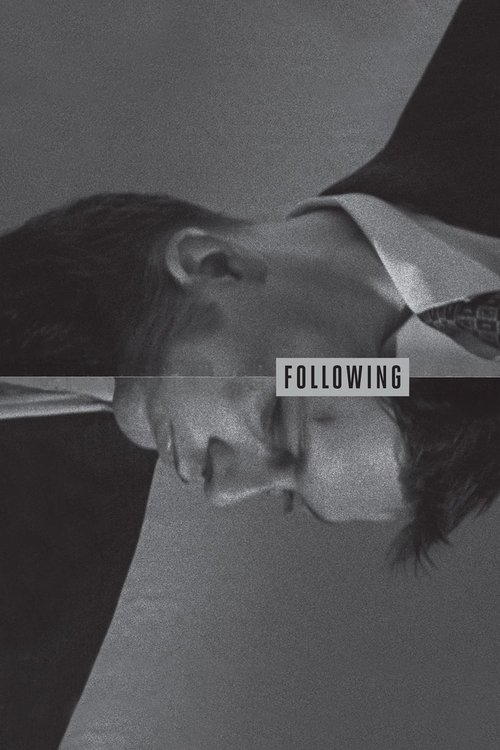
Following
1999Bill, an idle, unemployed aspiring writer, walks the crowded streets of London following randomly chosen strangers, a seemingly innocent entertainment that becomes dangerous when he crosses paths with a mysterious character.
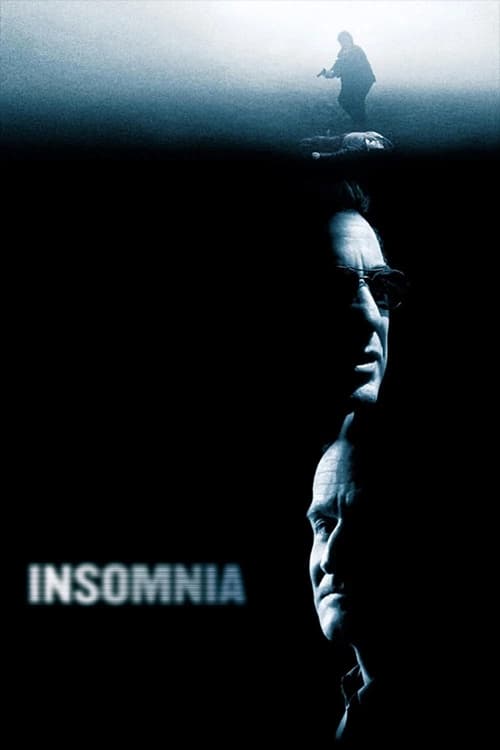
Insomnia
2002Two Los Angeles homicide detectives are dispatched to a northern town where the sun doesn't set to investigate the methodical murder of a local teen.
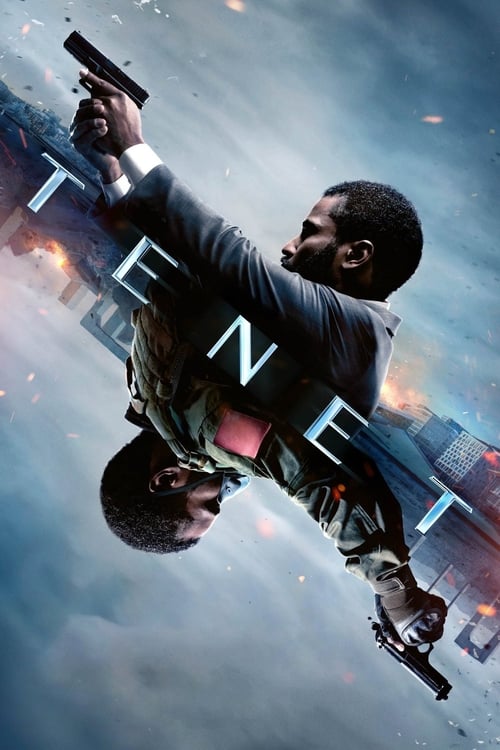
Tenet
2020Armed with only one word - Tenet - and fighting for the survival of the entire world, the Protagonist journeys through a twilight world of international espionage on a mission that will unfold in something beyond real time.
In this cold and rigorous inversion of the spy genre, Nolan treats time as a physical weapon. The film represents the director’s most uncompromising departure from traditional storytelling, demanding total surrender to its complex visual choreography and inverted entropy.
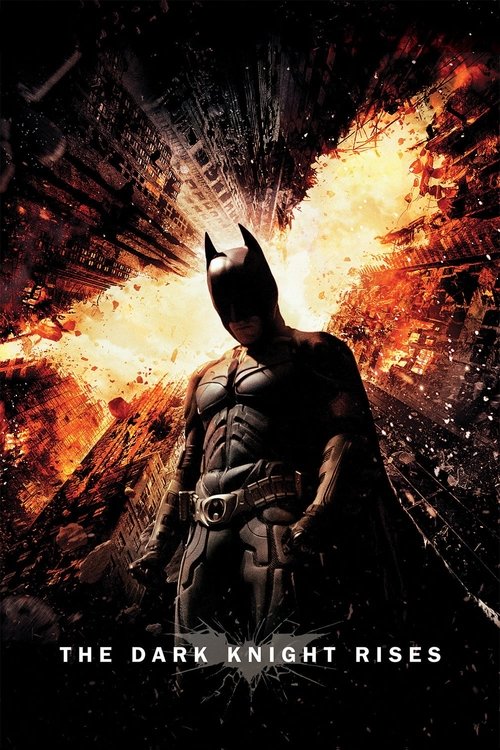
Following the death of District Attorney Harvey Dent, Batman assumes responsibility for Dent's crimes to protect the late attorney's reputation and is subsequently hunted by the Gotham City Police Department. Eight years later, Batman encounters the mysterious Selina Kyle and the villainous Bane, a new terrorist leader who overwhelms Gotham's finest. The Dark Knight resurfaces to protect a city that has branded him an enemy.
This operatic conclusion leans into the sheer scale of social collapse and myth-making. While broader in scope than its predecessors, it remains a fascinating look at the logistical challenges of depicting a city under siege within a heightened cinematic reality.
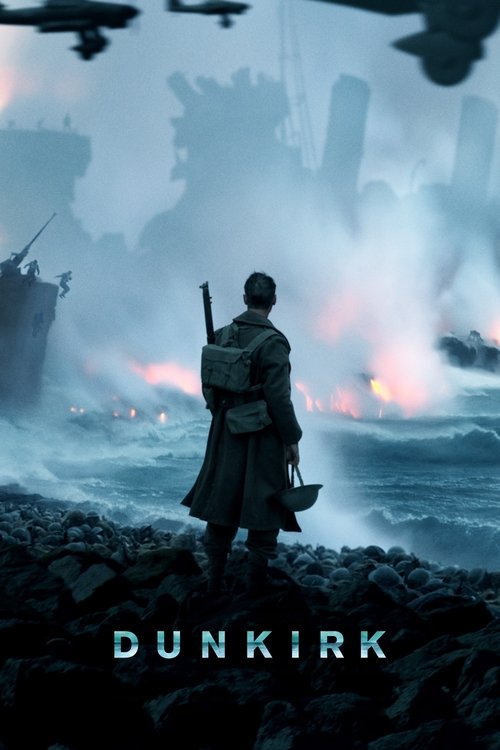
Dunkirk
2017The story of the miraculous evacuation of Allied soldiers from Belgium, Britain, Canada and France, who were cut off and surrounded by the German army from the beaches and harbour of Dunkirk between May 26th and June 4th 1940 during World War II.
A triumph of experiential filmmaking, this lean survival story strips away dialogue to favor a triptych of overlapping timelines. The result is a masterclass in sustained tension that treats history not as a series of names, but as a visceral, ticking-clock sensation.
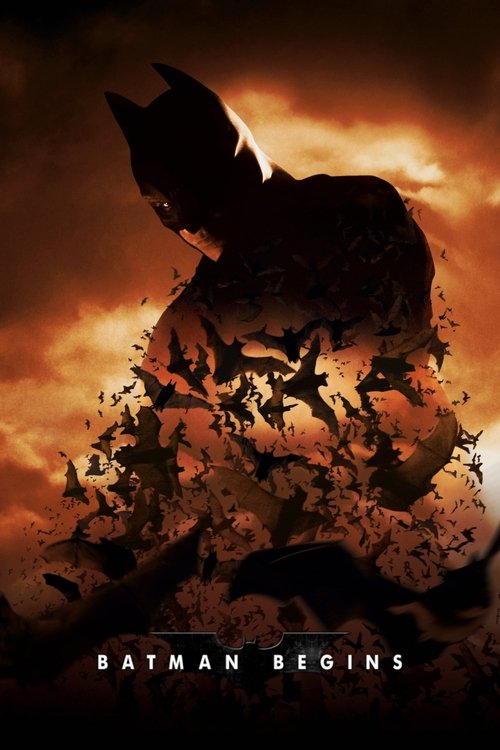
Batman Begins
2005Driven by tragedy, billionaire Bruce Wayne dedicates his life to uncovering and defeating the corruption that plagues his home, Gotham City. Unable to work within the system, he instead creates a new identity, a symbol of fear for the criminal underworld - The Batman.
Nolan successfully stripped away the camp of previous incarnations to rebuild a fallen icon through the lens of atmospheric terror and tactical realism. This entry established the grounded aesthetic and thematic weight that would soon dominate the modern cinematic landscape.
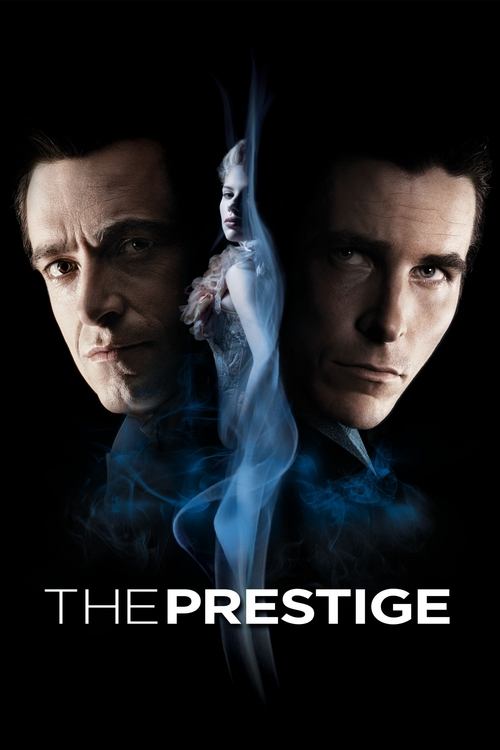
The Prestige
2006A mysterious story of two magicians whose intense rivalry leads them on a life-long battle for supremacy -- full of obsession, deceit and jealousy with dangerous and deadly consequences.
Through a narrative that functions as its own sleight of hand, this period piece explores the destructive nature of creative obsession. It is perhaps Nolan’s most rewarding film for repeat viewings, revealing a clockwork internal logic that mirrors the perfectionism of its protagonists.
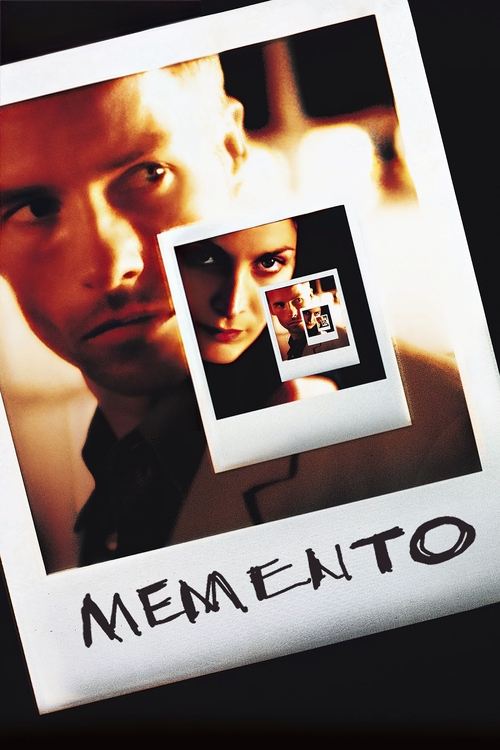
Memento
2000Leonard Shelby is tracking down the man who raped and murdered his wife. The difficulty of locating his wife's killer, however, is compounded by the fact that he suffers from a rare, untreatable form of short-term memory loss. Although he can recall details of life before his accident, Leonard cannot remember what happened fifteen minutes ago, where he's going, or why.
The reverse-chronological structure serves as a bold manifesto for Nolan’s career-long obsession with the mutability of time. It is a lean, caustic exercise in subjective filmmaking that forces the audience to inhabit a fractured perspective with surgical precision.
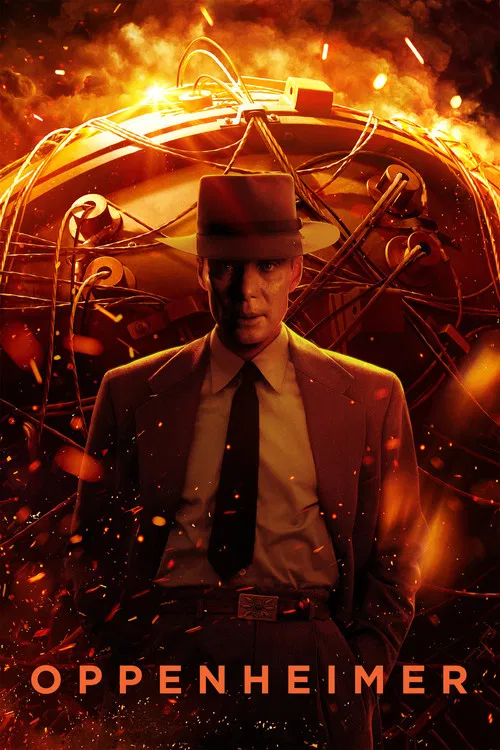
Oppenheimer
2023The story of J. Robert Oppenheimer's role in the development of the atomic bomb during World War II.
This sensory assault of a biopic transforms historical record into a relentless psychological thriller driven by sound and shadow. It represents the director at his most disciplined, pivoting away from high-concept gimmicks to focus on the terrifying gravity of a single man’s legacy.
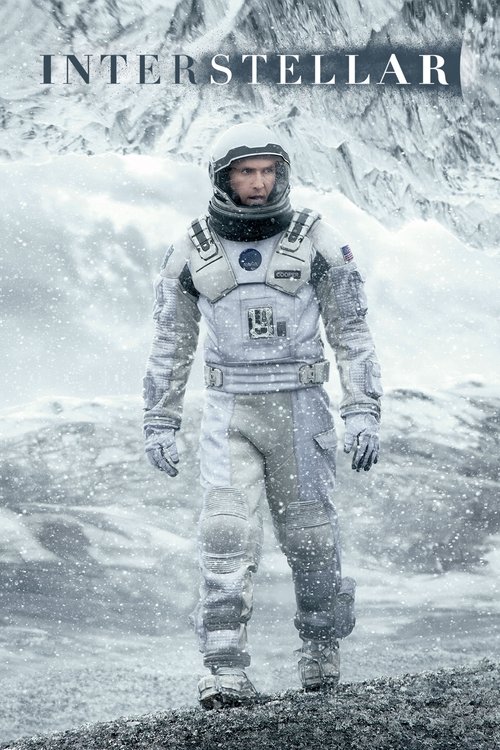
Interstellar
2014The adventures of a group of explorers who make use of a newly discovered wormhole to surpass the limitations on human space travel and conquer the vast distances involved in an interstellar voyage.
By wedding hard science fiction to unabashed sentimentality, Nolan crafts an odyssey that is as intimate as it is infinite. The film utilizes massive practical effects to ground its cosmic ambitions, securing its place as his most spiritually resonant work.
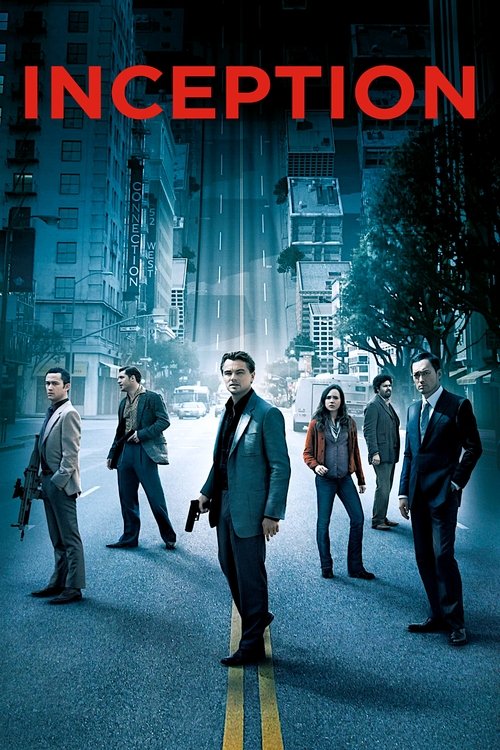
Inception
2010Cobb, a skilled thief who commits corporate espionage by infiltrating the subconscious of his targets is offered a chance to regain his old life as payment for a task considered to be impossible: "inception", the implantation of another person's idea into a target's subconscious.
A masterful convergence of heist tropes and metaphysical architecture, this film proves Nolan's unique ability to map the human subconscious as a physical landscape. It remain his most tactile intellectual puzzle, balancing emotional stakes with a staggering structural complexity.
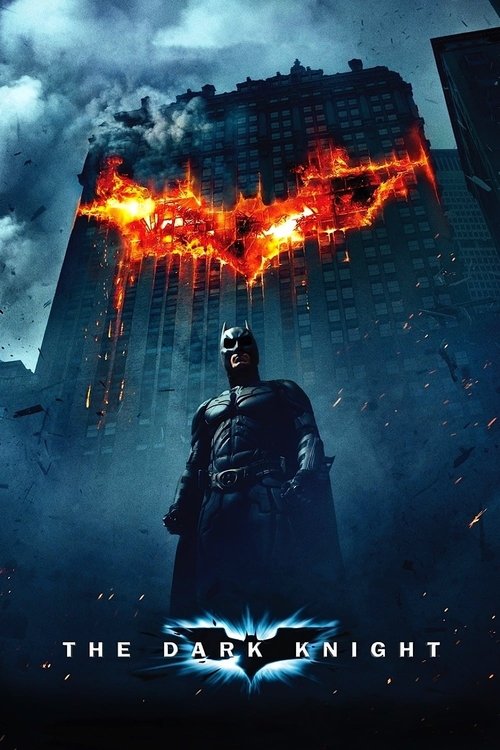
The Dark Knight
2008Batman raises the stakes in his war on crime. With the help of Lt. Jim Gordon and District Attorney Harvey Dent, Batman sets out to dismantle the remaining criminal organizations that plague the streets. The partnership proves to be effective, but they soon find themselves prey to a reign of chaos unleashed by a rising criminal mastermind known to the terrified citizens of Gotham as the Joker.
Nolan redefined the parameters of the blockbuster by injecting a gritty, nihilistic realism into the superhero framework. This film stands as his magnum opus of escalation, where tectonic shifts in morality meet a flawlessly executed urban crime epic.
Frequently Asked Questions
Everything you need to know about this list and SnakeDrafts
- 'The Dark Knight' is hailed as Nolan's best film for its groundbreaking approach to the superhero genre, combining a complex narrative with deep psychological themes. Heath Ledger's iconic Joker performance and the film's critical and commercial success solidified its status as a modern cinematic masterpiece.
- 'Inception' stands out due to its innovative storytelling involving dream layers and its blend of action with high-concept science fiction. Its visual effects, complex narrative structure, and emotional core exemplify Nolan's skill at merging blockbuster spectacle with intellectual depth.
- 'Oppenheimer' marks a departure by focusing on historical drama instead of Nolan's usual science fiction or thriller genres. It showcases Nolan's versatility and commitment to exploring profound moral and existential questions through a biographical lens.
- 'Memento' and 'The Prestige' are crucial for appreciating Nolan's fascination with non-linear storytelling and psychological intrigue. Both films emphasize complex narratives, unreliable perceptions of reality, and thematic depth that have become signatures of his directing style.
- 'Dunkirk' is a masterclass in tension and minimalism, using practical effects and real locations to immerse audiences in the chaos of war. Nolan's use of intersecting timelines and sound design highlights his innovative narrative techniques, making 'Dunkirk' a unique war film experience.
- 'Tenet' is one of Nolan's most complex films, featuring time inversion as a central concept. Although praised for its ambition and technical achievements, it received mixed reviews due to its challenging plot, exemplifying Nolan's penchant for pushing cinematic boundaries.
- 'Batman Begins' and 'The Dark Knight Rises' are essential for understanding Nolan's revitalization of the Batman franchise, blending grounded storytelling with epic scale. Together with 'The Dark Knight,' they form a critically acclaimed trilogy that redefined superhero cinema.