Gabriel Byrne Movies Ranked From Worst to Best
Definitive Performances from a Master of Screen Presence
Explore the best films of Gabriel Byrne, from neo-noir classics and psychological horror to epic period dramas and high-stakes thrillers.
About Gabriel Byrne
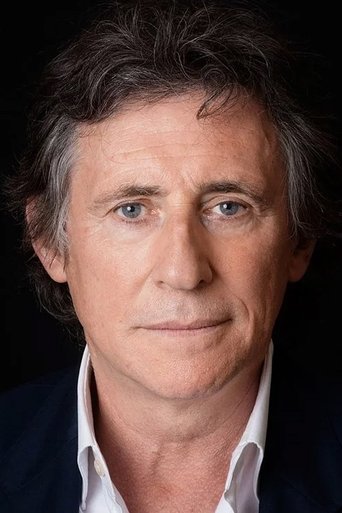
Gabriel Byrne possesses a face that seems to hold the weight of several lifetimes, marked by a weary elegance and a gaze that suggests he knows exactly what you are hiding. He belongs to that rare echelon of actors who can anchor a blockbuster with effortless authority while remaining the darling of the arthouse circuit. To watch him on screen is to witness a masterclass in stillness. He does not need to raise his voice to command a room; he simply occupies the space with a soulful, dark-eyed intensity that bridges the gap between old-world tragedy and modern cynicism.
His ascent to international prominence was cemented through a pair of performances that redefined the cinematic anti-hero. In Miller's Crossing, he navigated the intricate betrayals of a Prohibition-era power struggle with a poetic vulnerability, portraying a man whose intellect was his only shield. Half a decade later, he provided the moral, if crooked, compass for The Usual Suspects. As Dean Keaton, he gave the film its heartbeat, playing a criminal trying to outrun his own shadow, a performance that remains a cornerstone of the nineties neo-noir revival. These roles established his reputation as the thinking man's tough guy, an actor capable of projecting deep intelligence behind a veneer of grit.
Byrne has never been a performer easily pinned down by genre. He can pivot from the period grandeur of The Man in the Iron Mask to the claustrophobic, psychological terror of Hereditary without losing his groundedness. In the latter, he offered a heartbreakingly quiet counterpoint to the spiraling chaos around him, proving that even in a supernatural nightmare, his greatest strength is his humanity. This versatility was evident early on when he transitioned from the mythic scale of Excalibur to the sharp, paranoid energy of the political thriller Defence of the Realm. Whether he is playing the romantic lead in Little Women or a grizzled captain in the high-seas horror of Ghost Ship, there is a consistent dignity to his work that makes even the most outlandish premises feel lived-in and real.
Audiences connect with him because he feels like an adult in a landscape of caricatures. There is a perceptible depth to his characters, a sense of a back story that exists beyond the frame. This was perhaps most visible in his turn in Spider, where he navigated a complex paternal role with shattering precision, and in his contribution to Jim Jarmusch's Dead Man, where he helped paint a surreal, monochromatic vision of the American West. His filmography is a testament to a restless creative spirit, stretching from the gritty tension of the Assault on Precinct 13 remake to the sprawling science fiction of Enemy of the State and the mystical controversy of Stigmata.
Even as he moves into new chapters, such as the upcoming Ballerina, he retains the same magnetic gravity that made Into the West a touchstone of Irish storytelling. He remains one of the few actors who can inhabit the skin of a villain, a saint, or a broken father with equal conviction. Byrne does not just play a part; he lends his characters a legacy. He is a reminder that the most compelling thing a screen can capture is the nuance of a human soul in conflict with itself. In a town built on artifice, he remains the genuine article.
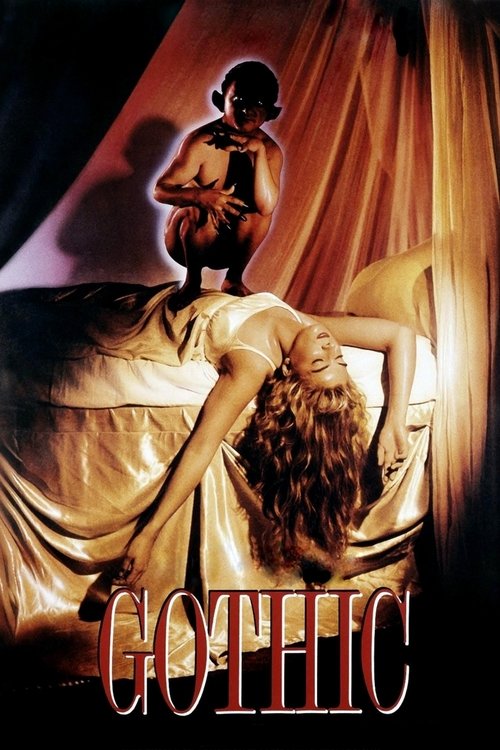
Gothic
1987Living on an estate on the shores of Lake Geneva, Lord Byron is visited by Percy and Mary Shelley. Together with Byron's lover Claire Clairmont, and aided by hallucinogenic substances, they devise an evening of ghoulish tales. However, when confronted by horrors, ostensibly of their own creation, it becomes difficult to tell apparition from reality.
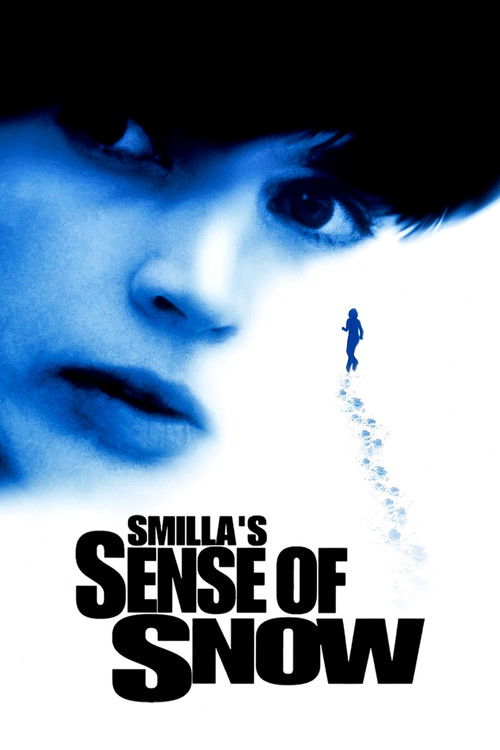
Smilla's Sense of Snow
1997Smilla Jaspersen attempts to understand the death of a small boy who falls from the roof of her apartment building. Suspecting wrongdoing, Smilla uncovers a trail of clues leading towards a secretive corporation that has made several mysterious expeditions to Greenland.
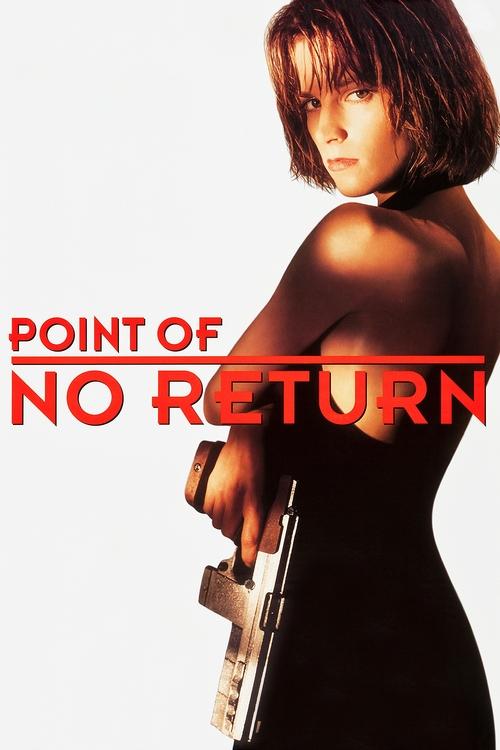
Point of No Return
1993Hardened criminal Maggie Hayward's consistent violence, even in police custody, ends in the execution chamber. However, top-secret US government agent 'Bob' arranges a staged death, so Maggie can be elaborately trained as a phantom killer and subdued into obedience.
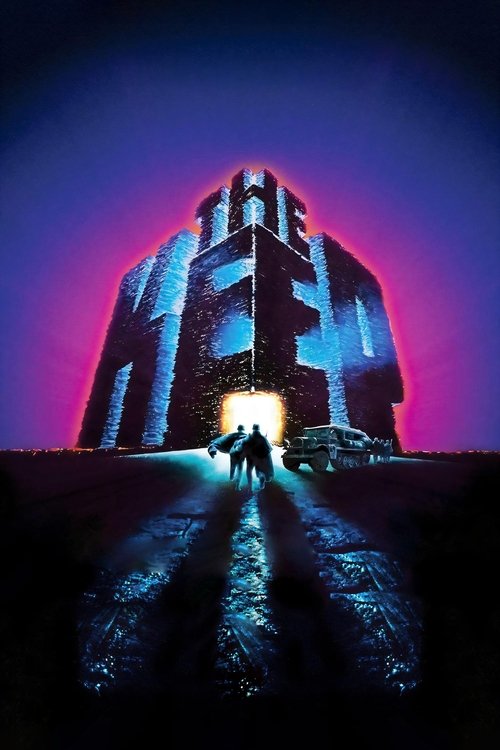
The Keep
1983Set during World War II, a German army garrison is sent to guard a mountain pass in a village in Romania's Carpathian mountains and sets up barracks in an ancient stone fortress. Two of the soldiers unwittingly release a mysterious entity that kills or corrupts those within its influence, drawing the attention of a Gestapo commander, a Jewish scholar, and a mysterious traveller.

Carrie Pilby
2017Awkward, isolated and disapproving of most of the people around her, a precocious 19-year-old genius is challenged to put her convictions to the test by venturing out on to the NYC dating scene.
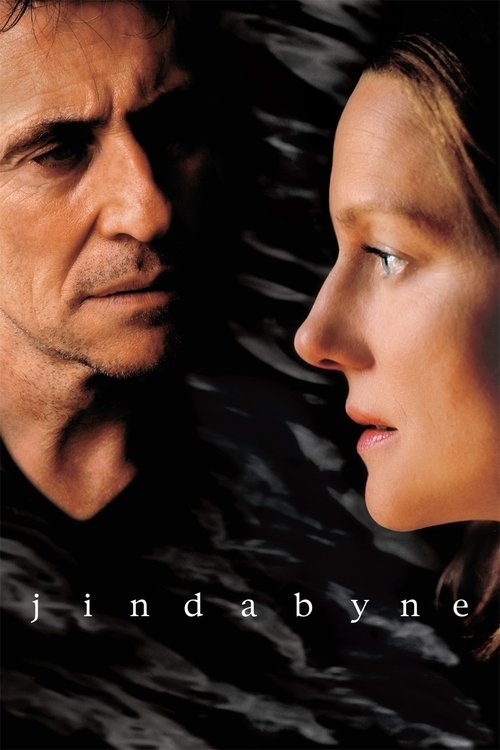
Jindabyne
2006Outside the Australian town of Jindabyne, local man Stuart Kane is on a fishing trip with friends when they discover the body of a murdered girl.

Louder Than Bombs
2015Three years after his wife, acclaimed photographer Isabelle Reed, dies in a car crash, Gene keeps everyday life going with his shy teenage son, Conrad. A planned exhibition of Isabelle’s photographs prompts Gene's older son, Jonah, to return to the house he grew up in - and for the first time in a very long time, the father and the two brothers are living under the same roof.
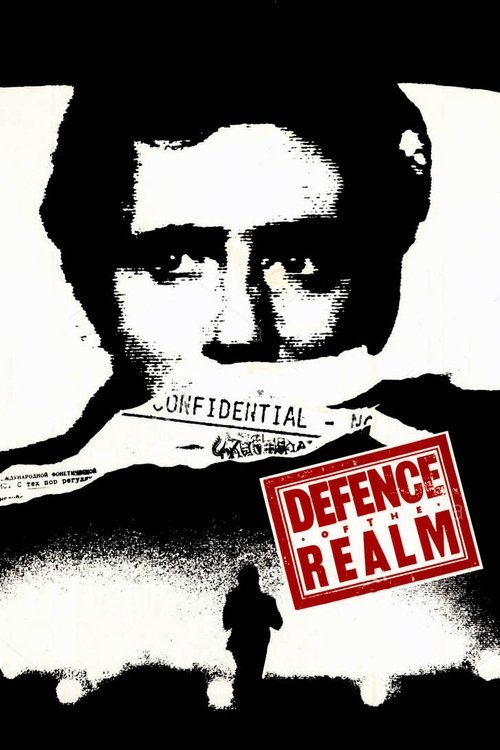
Defence of the Realm
1986A reporter named Mullen 'stumbles' onto a story linking a prominent Member of Parliament to a KGB agent and a near-nuclear disaster involving a teenage runaway and a U.S. Air Force base. Has there been a Government cover-up? Mullen teams up with Vernon Bayliss, an old hack, and Nina Beckam, the MP's assistant, to find out the truth.
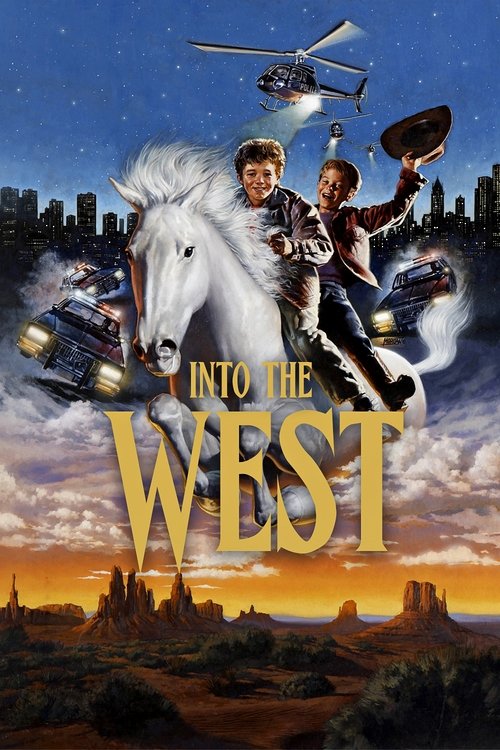
Into the West
1992Accused of a crime they didn't commit, two city kids and a magical horse are about to become the coolest outlaws ever to ride Into The West.
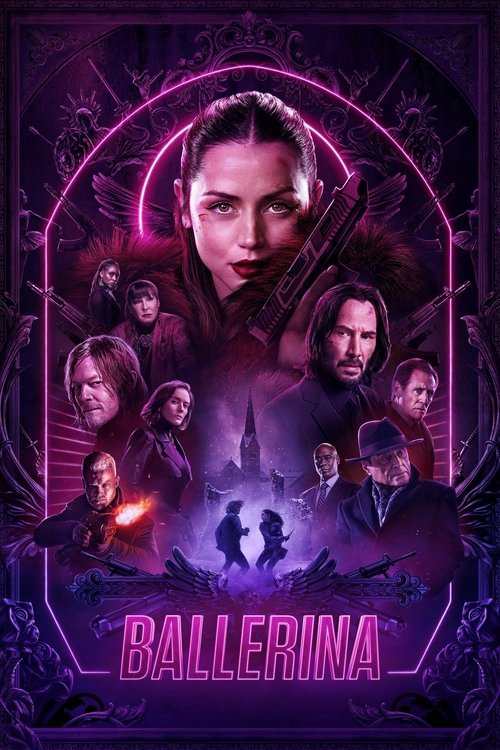
Ballerina
2025Taking place during the events of John Wick: Chapter 3 – Parabellum, Eve Macarro begins her training in the assassin traditions of the Ruska Roma.
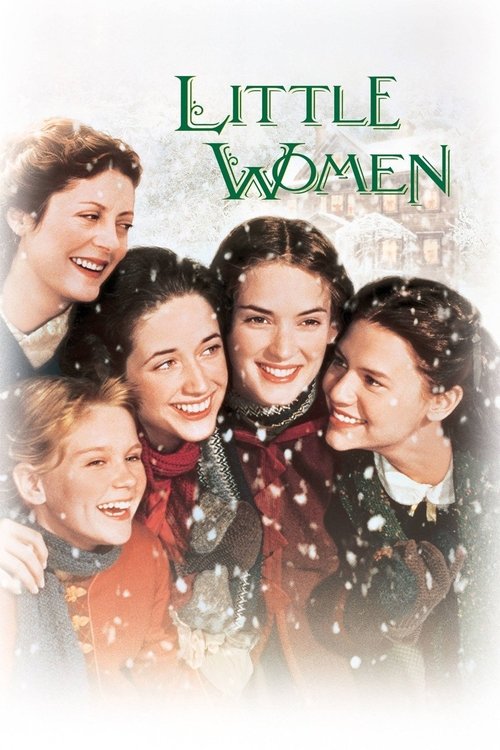
Little Women
1994Four sisters come of age in America in the aftermath of the Civil War.
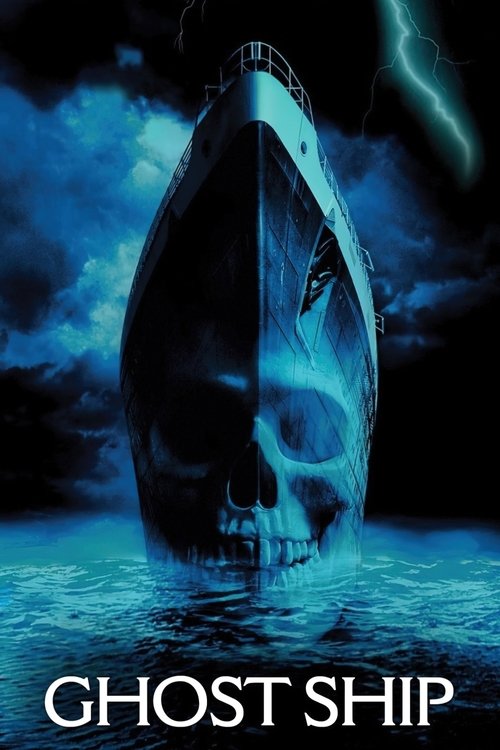
Ghost Ship
2002After discovering a passenger ship missing since 1962 floating adrift on the Bering Sea, salvagers claim the vessel as their own. Once they begin towing the ghost ship towards harbor, a series of bizarre occurrences happen and the group becomes trapped inside the ship, which they soon learn is inhabited by a demonic creature.
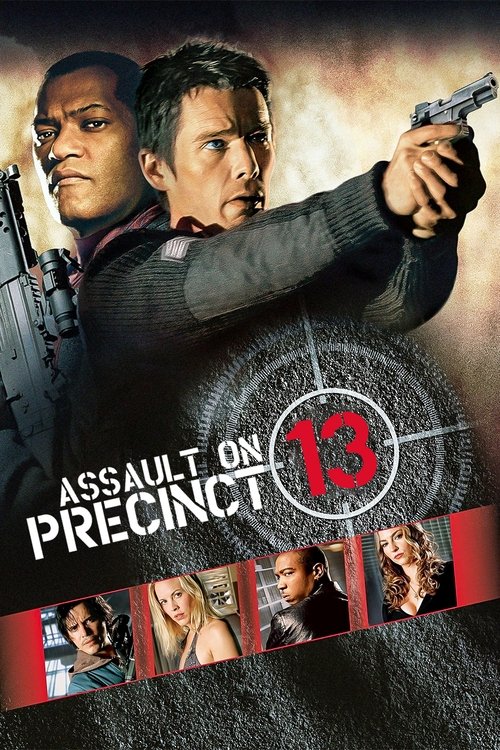
Assault on Precinct 13
2005On New Year's Eve, inside a police station that's about to be closed for good, officer Jake Roenick must cobble together a force made up cops and criminals to save themselves from a mob looking to kill mobster Marion Bishop.
Byrne inhabits the role of a corrupt, tactical mastermind with a crisp professional precision that sharpens this siege thriller. By leaning into a cold and methodical villainy, he provides a necessary, high-stakes foil to the film's desperate protagonists.
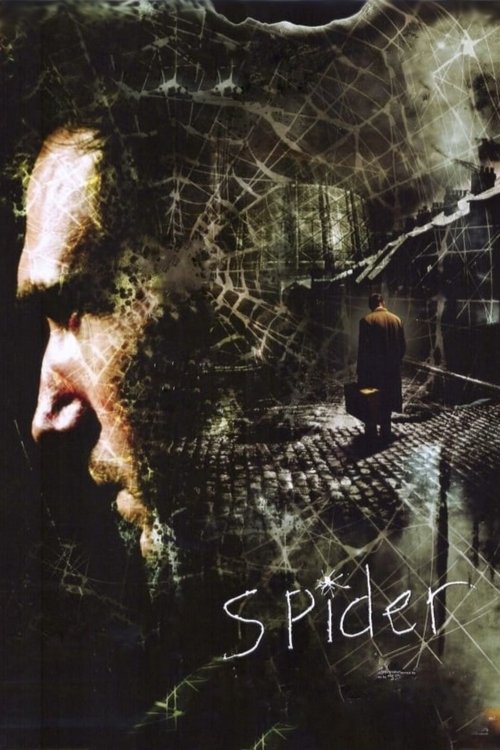
Spider
2002A mentally disturbed man takes residence in a halfway house. His mind gradually slips back into the realm created by his illness, where he replays a key part of his childhood.
In David Cronenberg's claustrophobic character study, Byrne delivers a chillingly multifaceted performance as a father perceived through the distorted lens of mental illness. He brilliantly inhabits different versions of the same man, shifting between domestic stability and monstrous ambiguity.
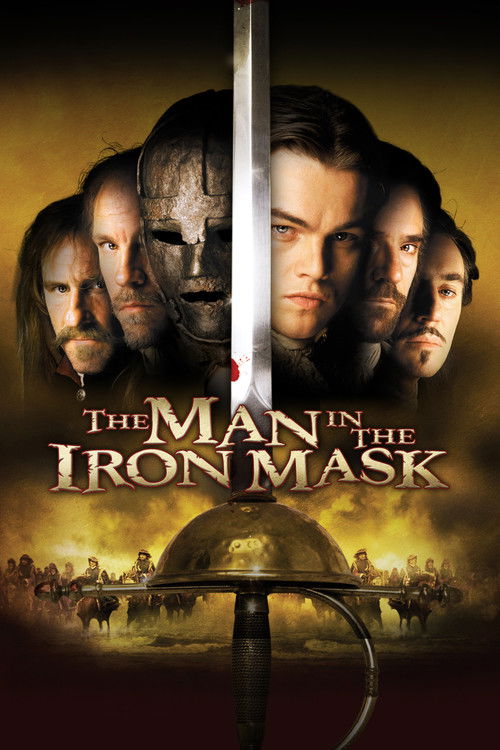
The Man in the Iron Mask
1998Years have passed since the Three Musketeers, Aramis, Athos and Porthos, have fought together with their friend, D'Artagnan. But with the tyrannical King Louis using his power to wreak havoc in the kingdom while his twin brother, Philippe, remains imprisoned, the Musketeers reunite to abduct Louis and replace him with Philippe.
Taking on the mantle of D'Artagnan, Byrne brings a sophisticated, world-weary dignity to the iconic musketeer. He successfully bypasses the camp of the swashbuckling genre by infusing the character with a poignant sense of duty and aging nobility.
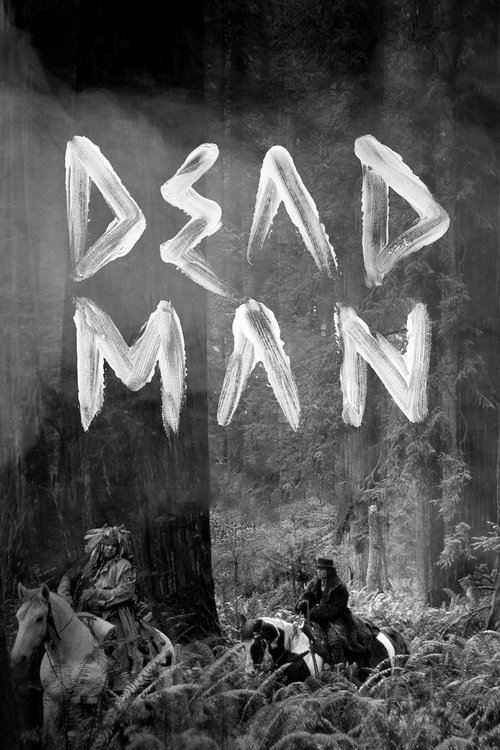
Dead Man
1995On the run after committing murder, an accountant encounters a strange Native American man who prepares him for his journey into the spiritual world.
Byrne makes a brief but volatile impact in Jim Jarmusch’s psychedelic western, serving as the catalyst for the entire surreal journey. His gritty, brief appearance demonstrates his willingness to inhabit unglamorous, pivotal roles within the American independent film movement.
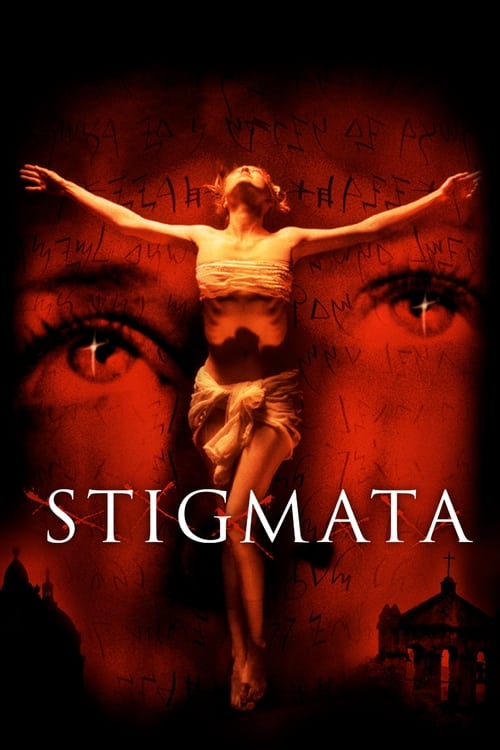
Stigmata
1999A young woman with no strong religious beliefs, Frankie Paige begins having strange and violent experiences, showing signs of the wounds that Jesus received when crucified. When the Vatican gets word of Frankie's situation, a high-ranking cardinal requests that the Rev. Andrew Kiernan investigate her case. Soon Kiernan realizes that very sinister forces are at work, and tries to rescue Frankie from the entity that is plaguing her.
Tasked with playing a skeptical priest entangled in the supernatural, Byrne navigates a stylized religious thriller with surprising gravitas. He manages to ground a high-concept premise through a weary, intellectual curiosity that elevated the film beyond its contemporary genre trappings.
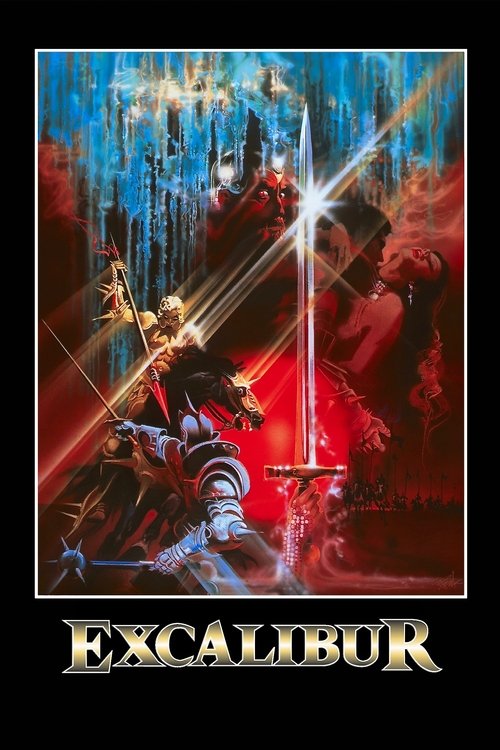
Excalibur
1981Arthur fulfills his fate by bringing together the Knights of the Round Table at Camelot and unifying the country. However, this flawed monarch faces greater tests ahead in pursuit of love, the Holy Grail, and his nation's survival.
In his debut cinematic outing, Byrne captures the raw, primal energy of Uther Pendragon to set the stage for John Boorman's operatic fantasy. This early performance established the intense, brooding charisma that would remain a trademark of his psychological profile for decades.
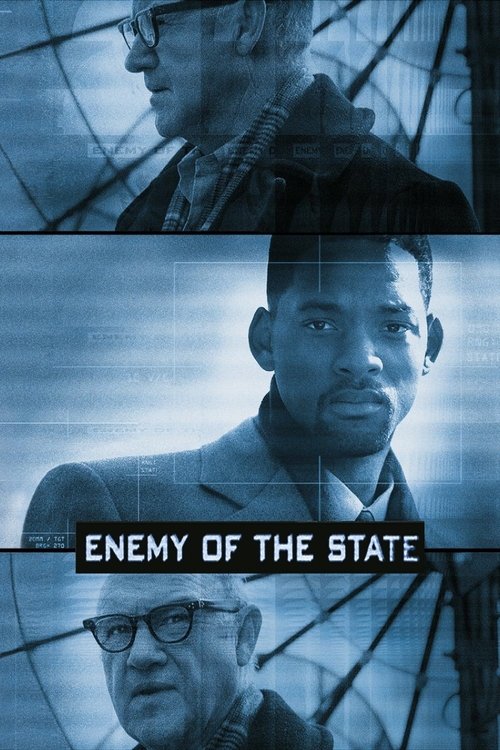
When the videotape of the murder of a congressman unknowingly ends up in the hands of labor lawyer and dedicated family man Robert Clayton Dean, he is framed for the murder. With the help of the mysterious Brill, Dean attempts to throw the NSA off his trail and prove his innocence.
Playing a cold-blooded operative in this high-tech thriller, Byrne utilizes his natural screen presence to project a calculated, shadowy menace. This role showcased his versatility in transitioning from thoughtful indie protagonist to a formidable antagonist in large-scale studio blockbusters.
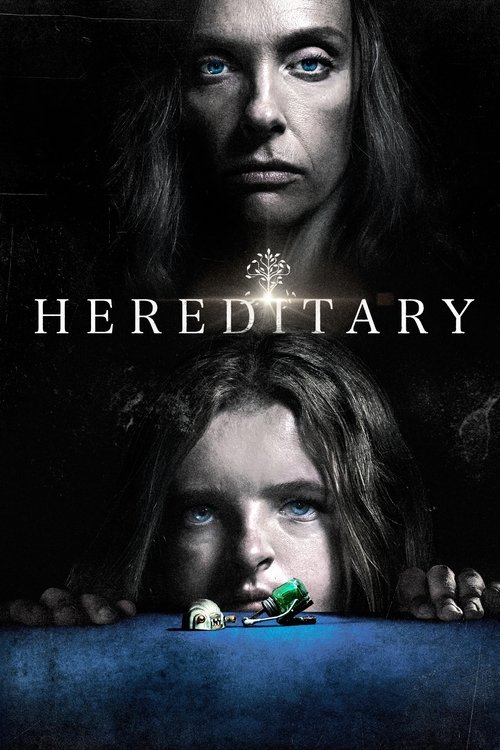
Hereditary
2018Following the death of the Leigh family matriarch, Annie and her children uncover disturbing secrets about their heritage. Their daily lives are not only impacted, but they also become entangled in a chilling fate from which they cannot escape, driving them to the brink of madness.
Byrne serves as the tragic voice of futile rationality in this modern horror essential, portraying a father helplessly watching his family unit dissolve. It is a hauntingly grounded turn that highlights his ability to humanize unthinkable trauma without ever resorting to melodrama.
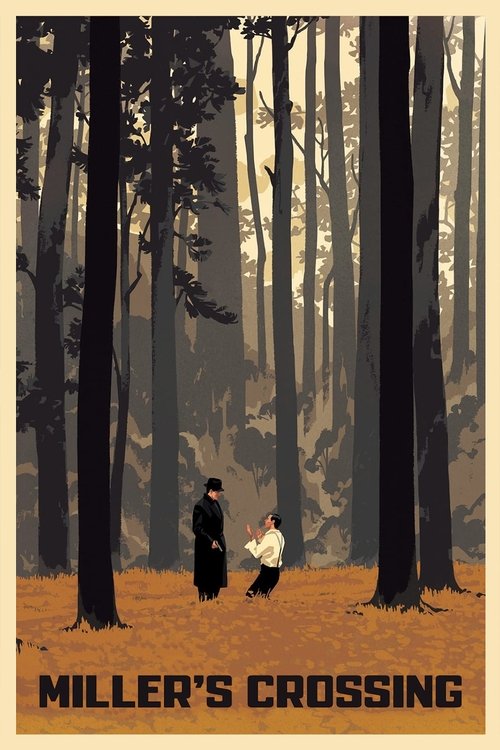
Set in 1929, a political boss and his advisor have a parting of the ways when they both fall for the same woman.
In the Coen brothers' prohibition-era masterpiece, Byrne masters the art of the poker-faced strategist navigating a deadly underworld. His Tom Reagan is a masterclass in internal tension, proving he could carry a complex narrative through intellect and subtle gestures rather than overt bravado.
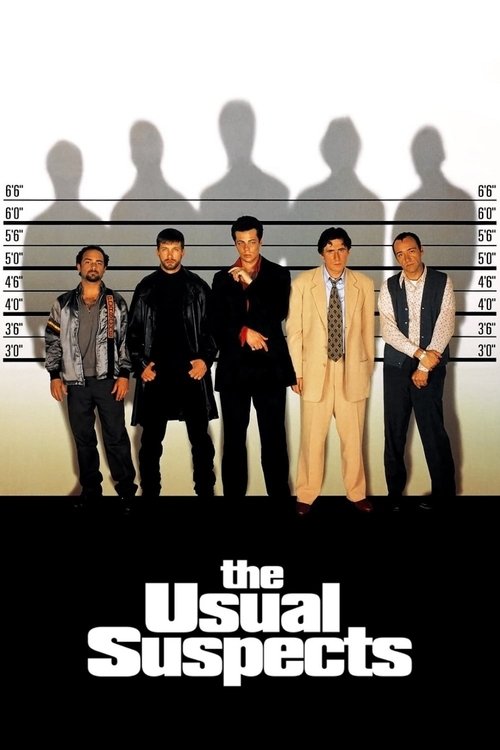
Held in an L.A. interrogation room, Verbal Kint attempts to convince the feds that a mythic crime lord, Keyser Soze, not only exists, but was also responsible for drawing him and his four partners into a multi-million dollar heist that ended with an explosion in San Pedro harbor – leaving few survivors. Verbal lures his interrogators with an incredible story of the crime lord's almost supernatural prowess.
As the weary anchor of a labyrinthine neo-noir, Byrne provides the crucial emotional weight that makes the film's legendary deception truly sting. His portrayal of Dean Keaton balances criminal cynicism with a desperate desire for reformation, cementing his status as a premier leading man of the 1990s.
Frequently Asked Questions
Everything you need to know about this list and SnakeDrafts
- Miller's Crossing is regarded as a neo-noir classic in this listicle, featuring Gabriel Byrne in a complex plot of crime and betrayal directed by Joel Coen. Its intricate storytelling and atmospheric tension highlight Byrne's ability to navigate dark, layered characters.
- The list showcases Byrne's versatility by including films from various genres such as psychological horror in Hereditary, epic fantasy in Excalibur, and action thrillers like Enemy of the State. This range underscores his skill in anchoring diverse narratives with a compelling presence.
- A recurring theme in Byrne's films on this list is the exploration of complex moral ambiguity and intense psychological depth, evident in titles like The Usual Suspects and Spider. These films allow Byrne to portray characters grappling with internal and external conflicts.
- Hereditary is noted for showcasing Gabriel Byrne in a psychological horror context, where his character confronts disturbing and mysterious family dynamics. This role demonstrates his ability to convey subtle emotional turmoil under a tense, eerie atmosphere.
- Yes, Excalibur stands out as an epic period drama that features Gabriel Byrne. The film’s fantastical retelling of Arthurian legend benefits from Byrne’s commanding performance bringing gravitas to the legendary figure.
- Gabriel Byrne is frequently described as embodying a soulful and authoritative presence that anchors each film, with a gaze that conveys depth and hidden emotions. His ability to command the screen without overt dramatics is a hallmark noted throughout these ranked movies.
- Yes, the list includes Into the West, which blends adventure, family, and fantasy genres, highlighting Byrne’s ability to engage audiences across different age groups with emotionally rich storytelling. This inclusion emphasizes his adaptability beyond adult-centric thrillers and dramas.