Best Movies Directed by Edward Zwick
Epic Historical Dramas and Human Resilience
Discover the finest films directed by Edward Zwick, featuring powerful historical epics, intense war dramas, and celebrated cinematic masterpieces.
About Edward Zwick
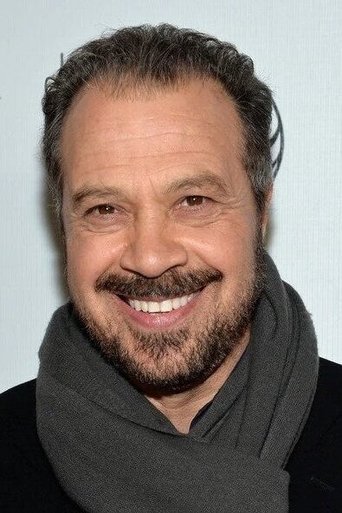
In an era of cinema increasingly defined by micro-budget indies or superhero spectacles, Edward Zwick remains the primary architect of the muscular, intelligent mid-budget drama. He occupies a rare space in Hollywood as a classicist who refuses to sacrifice intellectual rigor for the sake of a sweeping landscape. His filmography reads like an interrogation of the human conscience set against the backdrop of history, moving fluidly between the intimate tremors of the heart and the thunderous roar of a battlefield. What defines his lens is a relentless pursuit of the heroic impulse within flawed men, stripped of cartoonish bravado and grounded in the heavy cost of conviction.
Zwick understands that a wide shot is only as powerful as the desperation of the person standing in it. Consider the haunting dignity of the 54th Massachusetts Infantry in Glory. It would have been easy to lean into simple hagiography, but he instead focused on the visceral, muddy reality of sacrifice, demanding the audience feel the weight of every musket ball. This ability to capture grand historical shifts through a personal prism is his greatest trick. He replicated this feat in The Last Samurai, where the collision of Eastern tradition and Western industrialization became a backdrop for a nuanced study of redemption. Even in Blood Diamond, a film that moves with the kinetic energy of a political thriller, he never lets the spectacle of the Sierra Leone Civil War overshadow the moral rot and eventual awakening of its protagonists.
His visual language is unapologetically epic, yet he possesses a nimble touch when the scope narrows. In Legends of the Fall, he transformed the American wilderness into a mythic stage for family tragedy, proving he could handle romantic scale just as comfortably as combat. However, he often does his most provocative work when examining the friction of modern ethics. The Siege and Courage Under Fire serve as blueprints for the thinking person's thriller, anticipating global anxieties and military complexities long before they became staples of the cultural zeitgeist. He is a director who trusts his audience to sit with ambiguity, whether he is exploring the pharmaceutical industry in the surprisingly melancholic Love & Other Drugs or the psychological toll of global competition in Pawn Sacrifice.
Even his more recent ventures, like the searing Trial by Fire, maintain that signature sense of urgency and moral weight. He has never been a filmmaker interested in irony or detached cynicism. Instead, his work represents a commitment to the Big Idea, rendered with high-gloss craftsmanship and a belief that cinema should strive for something profound. He builds bridges between eras and genres, consistently proving that the most spectacular thing on screen is not an explosion or a vast army, but the moment a character decides who they truly are. He remains the definitive voice for anyone who still believes in the power of the grand, meaningful narrative.
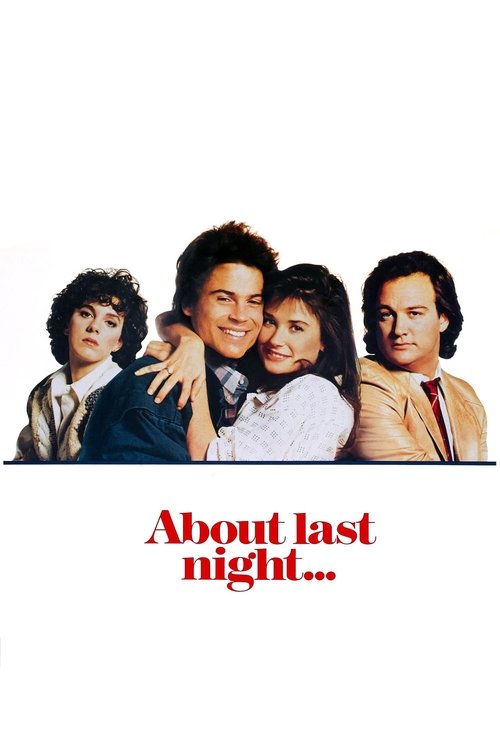
About Last Night...
1986A man and woman meet and try to have a romantic affair, despite their personal problems and the interference of their disapproving friends.
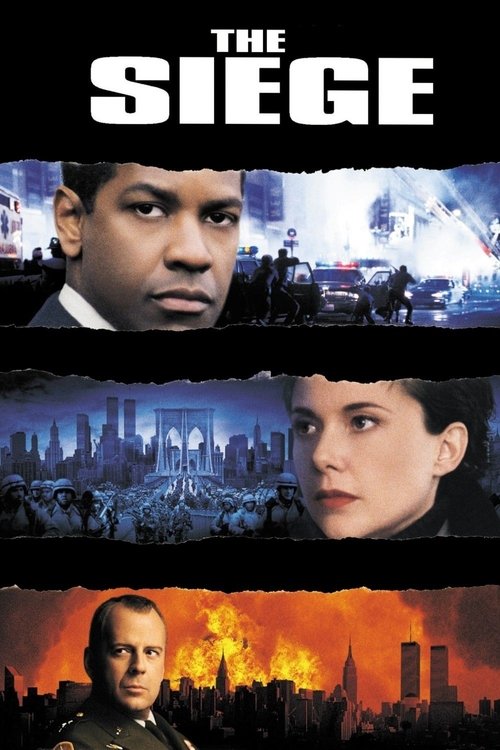
The Siege
1998The secret US abduction of a suspected terrorist from his Middle East homeland leads to a wave of terrorist attacks in New York. An FBI senior agent and his team attempt to locate and decommission the enemy cells, but must also deal with an Army General gone rogue and a female CIA agent of uncertain loyalties.
Zwick offers an eerily prescient look at the fragility of civil liberties when faced with domestic terror. The film stands out for its bold willingness to confront the dark side of American patriotism through a sharp, procedural lens.
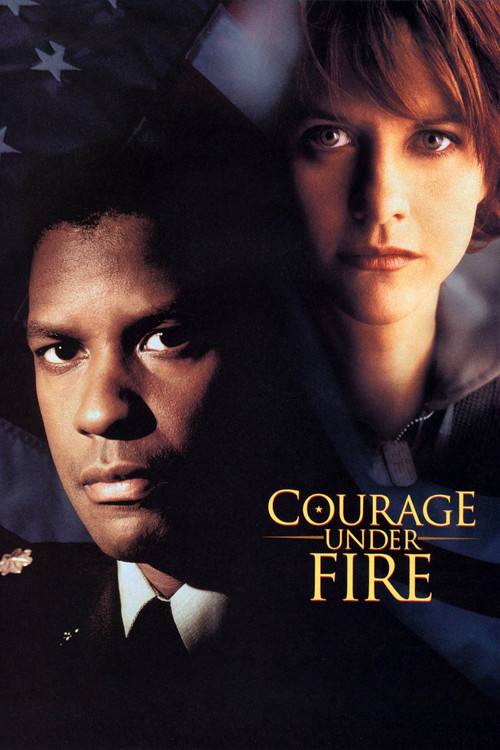
Courage Under Fire
1996A US Army officer, who made a "friendly fire" mistake that was covered up, has been reassigned to a desk job. He is tasked to investigate a female chopper commander's worthiness to be awarded the Medal of Honor. At first all seems in order. But then he begins to notice inconsistencies between the testimonies of the witnesses...
Utilizing a fractured, Rashomon style structure, Zwick interrogates the subjective nature of truth and the weight of military bureaucracy. This film represents his burgeoning interest in the psychological fallout of combat and the complexity of the modern war hero.
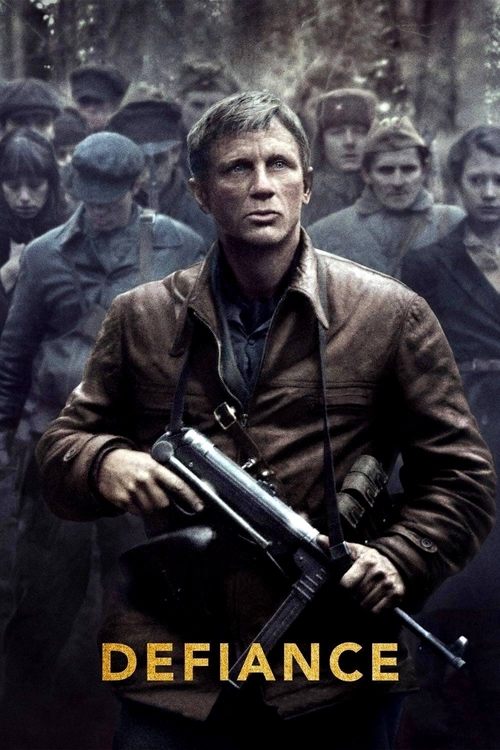
Defiance
2008Based on a true story, during World War II, four Jewish brothers escape their Nazi-occupied homeland of West Belarus in Poland and join the Soviet partisans to combat the Nazis. The brothers begin the rescue of roughly 1,200 Jews still trapped in the ghettos of Poland.
Zwick explores the moral ambiguity of survival in this rugged historical drama that deconstructs the myth of the flawless hero. His direction prioritizes the visceral, muddy reality of forest warfare over sanitized cinematic valor.
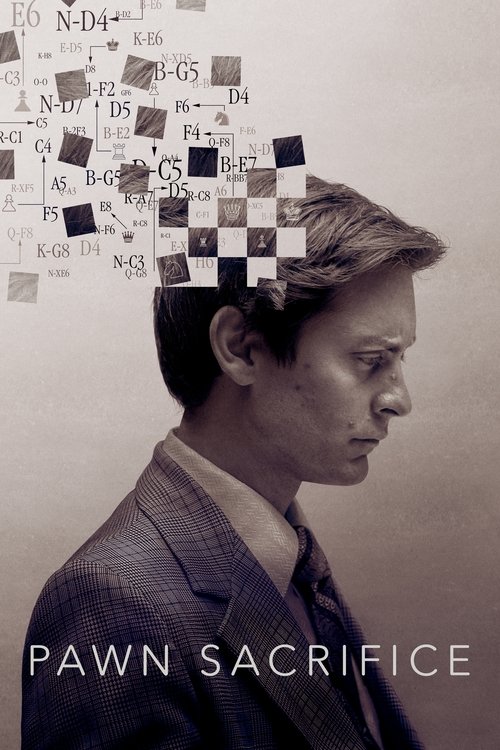
Pawn Sacrifice
2015During the height of the Cold War, American chess prodigy Bobby Fischer finds himself caught between two superpowers when he challenges the Soviet Empire.
By treating a chessboard like a psychological battlefield, Zwick crafts a tense, internal thriller that avoids the tropes of the standard biopic. The film is a sharp exploration of the razor thin line between genius and psychosis, set against the cold paranoia of the 1970s.

Love & Other Drugs
2010Maggie is an alluring free spirit who won't let anyone – or anything – tie her down. But she meets her match in Jamie, whose relentless and nearly infallible charm serves him well with the ladies and the cutthroat world of pharmaceutical sales. Maggie and Jamie's evolving relationship takes them both by surprise, as they find themselves under the influence of the ultimate drug: love.
Zwick disrupts the expectations of the romantic comedy by injecting a heavy dose of corporate cynicism and medical reality into the genre. This film highlights his versatility, proving he can navigate tonal shifts from buoyant satire to sobering drama within a single narrative arc.
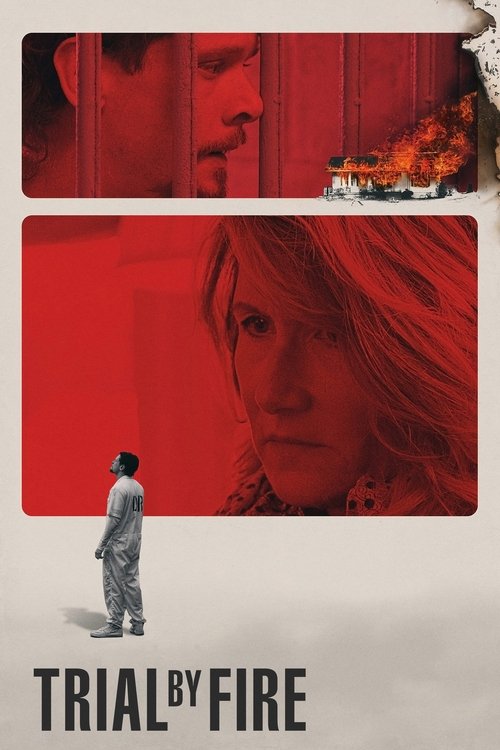
Trial by Fire
2019The tragic and controversial story of Cameron Todd Willingham, who was executed in Texas for killing his three children after scientific evidence and expert testimony that bolstered his claims of innocence were suppressed.
Moving away from global battlefields, Zwick adopts a claustrophobic and gritty realism to dissect the systemic failures of the death penalty. It marks a significant tonal pivot in his career, trading his signature spectacle for a harrowing, unvarnished look at institutional injustice.
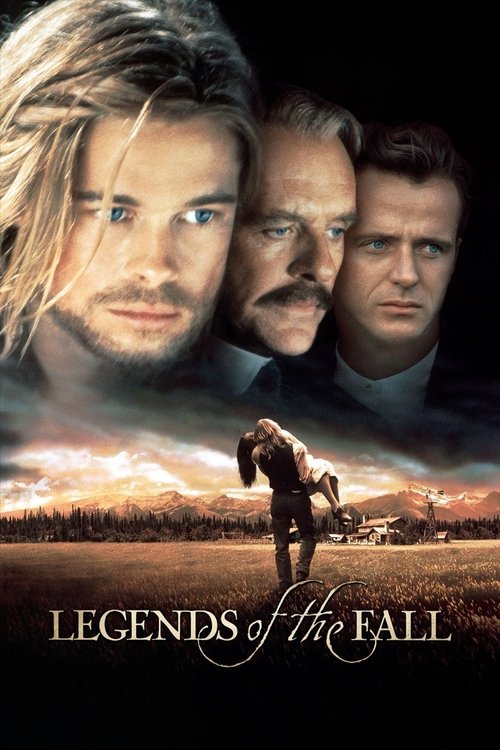
In early 20th-century Montana, Col. William Ludlow lives on a ranch in the wilderness with his sons, Alfred, Tristan, and Samuel. Eventually, the unconventional but close-knit family are bound by loyalty, tested by war, and torn apart by love, as told over the course of several decades in this epic saga.
Zwick leans into a lush, maximalist aesthetic to create a quintessential American melodrama that feels both timeless and operatic. The film serves as a testament to his skill in managing sprawling family chronologies against the backdrop of an untamed landscape.
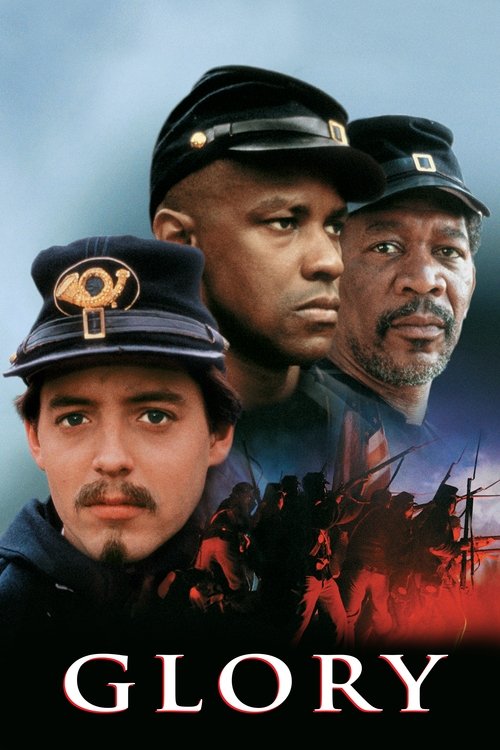
Glory
1989Robert Gould Shaw leads the US Civil War's first all-black volunteer company, fighting prejudices of both his own Union army and the Confederates.
This pivotal achievement redefined the American war film by centering a forgotten historical perspective within a rigorous, classical framework. Zwick uses the mechanics of the military ensemble to examine the corrosive nature of prejudice and the transcendent power of collective dignity.
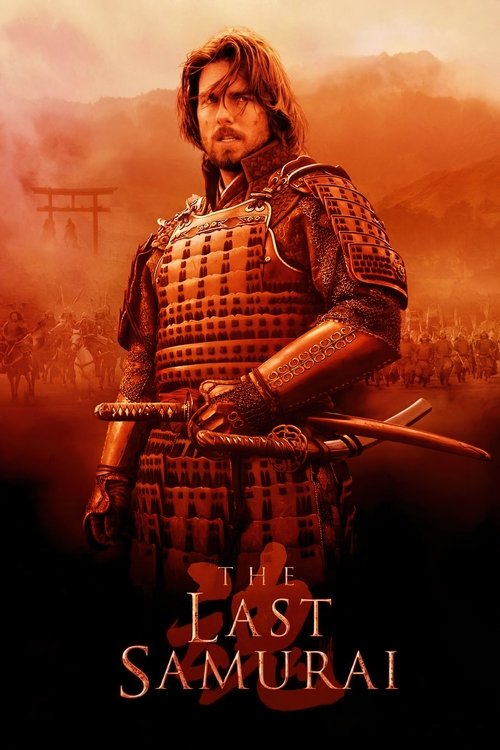
The Last Samurai
2003Nathan Algren is an American hired to instruct the Japanese army in the ways of modern warfare, which finds him learning to respect the samurai and the honorable principles that rule them. Pressed to destroy the samurai's way of life in the name of modernization and open trade, Algren decides to become an ultimate warrior himself and to fight for their right to exist.
A masterclass in the intersection of epic sweep and intimate character study, this film showcases Zwick's obsession with the friction between tradition and modernity. It stands as a definitive example of his ability to frame cross-cultural transformation through grand, painterly widescreen compositions.
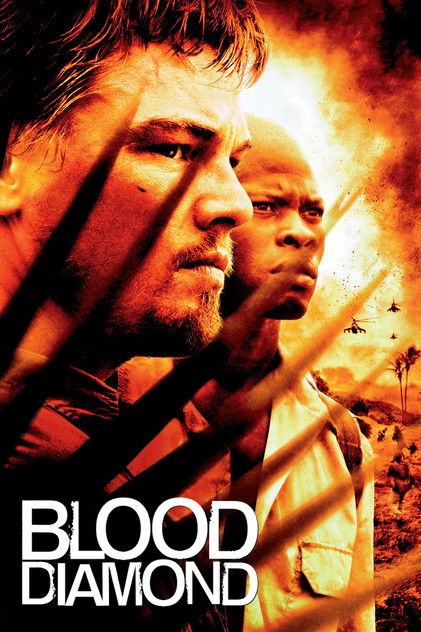
Blood Diamond
2006An ex-mercenary turned smuggler. A Mende fisherman. Amid the explosive civil war overtaking 1999 Sierra Leone, these men join for two desperate missions: recovering a rare pink diamond of immense value and rescuing the fisherman's son, conscripted as a child soldier into the brutal rebel forces ripping a swath of torture and bloodshed countrywide.
Zwick reaches his zenith by marrying muscular action with a searing indictment of global consumerism. This film represents the director at his most ethically urgent, utilizing a frantic, handheld visual language to bridge the gap between high-stakes thriller and investigative journalism.
Frequently Asked Questions
Everything you need to know about this list and SnakeDrafts
- Edward Zwick often explores themes of war, history, moral conflict, and human resilience in his movies. Films like Glory and Defiance showcase his focus on historical epics, while movies like Blood Diamond reveal his interest in intense, character-driven drama.
- Glory is the acclaimed Edward Zwick film that depicts the story of the first all-African-American regiment in the Civil War. It is celebrated for its realistic battle scenes and powerful exploration of racial courage and sacrifice.
- The Last Samurai embodies Zwick's talent for blending intimate character development with sweeping historical narratives. His direction highlights cultural conflict and personal transformation against the backdrop of 19th-century Japan, showcasing his classicist approach to epic storytelling.
- Yes, Edward Zwick has directed romantic dramas such as Legends of the Fall and Love & Other Drugs. These films combine emotional depth and complex relationships with broader societal or historical contexts, demonstrating his range beyond war and action genres.
- Films like Courage Under Fire and Blood Diamond mix intense war drama with elements of thriller and mystery. Zwick uses suspenseful storytelling to delve into themes of honor, truth, and the volatility of conflict environments.
- Trial by Fire diverges slightly from Zwick's usual historical or war themes by focusing on a crime drama based on true events. It still reflects his hallmark attention to moral complexity and human struggle, emphasizing a gripping, real-life legal battle.
- Edward Zwick is known for meticulous attention to historical detail and authenticity in films like Defiance and Glory. His dedication to realism enhances the emotional impact and educational value, grounding epic narratives in credible and impactful historical contexts.