Best Max von Sydow Movies Ranked
The Legendary Career of Cinema’s Spiritual Giant
Explore the most iconic performances of Max von Sydow, from Bergman masterpieces and The Exorcist to Hollywood blockbusters and prestige dramas.
About Max von Sydow
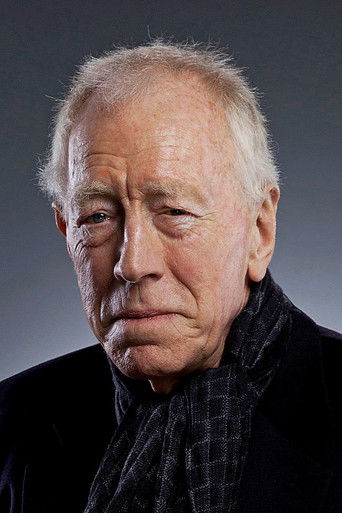
In the history of cinema, few faces have carried the weight of the human soul as visibly as that of Max von Sydow. Standing tall with a weathered, architectural grace, he possessed a voice that sounded like shifting tectonic plates. While many actors spend their careers trying to be seen, he was an artist who excelled at being haunted. He became the avatar for existential dread and spiritual searching, a man whose presence could anchor a film in the profound even when the subject matter flickered into the surreal.
His legacy is inseparable from his deep collaboration with Ingmar Bergman. Together, they mapped the darkest corners of the human psyche during a run of masterpieces that redefined what movies could achieve. In The Seventh Seal, he offered an indelible image of mortality, playing chess with Death on a desolate beach. It was a role that required a rare combination of vulnerability and steel, traits he would continue to refine in Wild Strawberries and The Virgin Spring. Whether he was grappling with the silence of God in Winter Light or navigating the psychological fractures of Through a Glass Darkly and Shame, he brought a quiet, towering dignity to desperation. He did not just play characters; he inhabited their theological and emotional crises.
Hollywood eventually came calling, though it rarely knew how to handle a man of such gravity without casting him as a monumental force of nature. In The Exorcist, he underwent hours of makeup to become Father Merrin, providing the film with its moral and spiritual spine. Even beneath layers of prosthetics, his eyes conveyed a weary, ancient wisdom that made the supernatural terror feel grounded in reality. He was just as effective when playing the chillingly professional assassin in Three Days of the Condor, moving with a calculated, terrifying stillness that proved he could dominate a frame without saying a word.
What made audiences connect with him was his refusal to wink at the camera. He treated every role, from the gritty struggles of a father in Pelle the Conqueror and The Emigrants to the intellectual cynicism of Hannah and Her Sisters, with a religious devotion to truth. Even in his later years, he remained a vital presence for a new generation of directors. He brought a sense of historical ghosts to the atmospheric Shutter Island, reminding viewers that he was the bridge between the golden age of European art house cinema and the modern blockbuster.
He never relied on theatrics or loud outbursts to command attention. Instead, he utilized his immense frame and the hollows of his cheeks to suggest worlds of unspoken thought. There was a granite-like permanence to his performances in The Magician and The Passion of Anna, a sense that he was carved from the very earth he stood upon. By the time he appeared in The New Land, he had established himself as a performer who could bridge the gap between the divine and the dirt. He remains the ultimate poet of the screen, a man who looked into the abyss and, through his art, invited us to look right along with him.
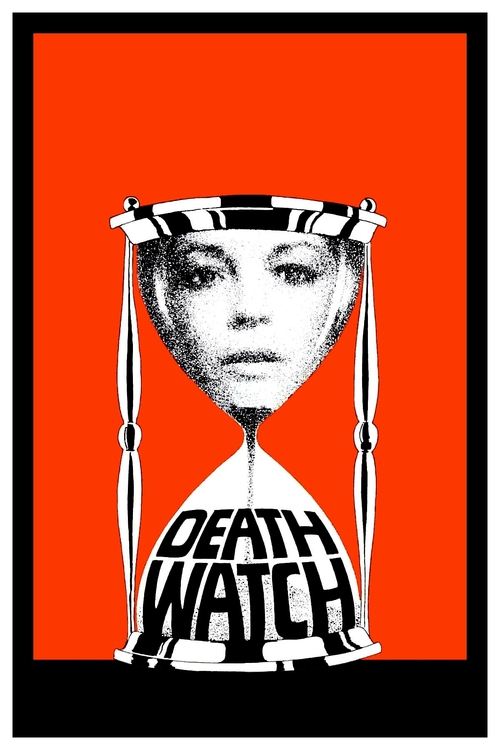
Death Watch
1980In a future world where the disease has been finally defeated and everything can be sold, even the crude spectacle of death, the rare case of a dying woman becomes the morbid theme of a revolutionary reality show, broadcast through the curious eyes of a peculiar camera.
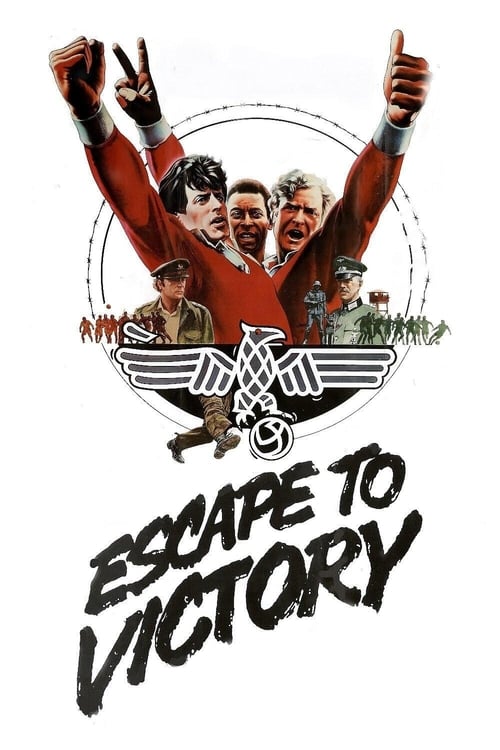
Escape to Victory
1981A group of POWs in a German prison camp during World War II play the German National Soccer Team in this powerful film depicting the role of prisoners during wartime.
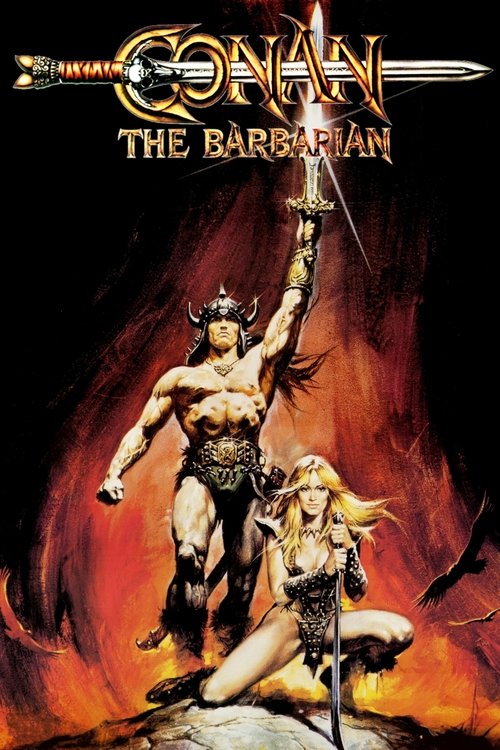
Conan the Barbarian
1982A horde of rampaging warriors massacre the parents of young Conan and enslave the young child for years on The Wheel of Pain. As the sole survivor of the childhood massacre, Conan is released from slavery and taught the ancient arts of fighting. Transforming himself into a killing machine, Conan travels into the wilderness to seek vengeance on Thulsa Doom, the man responsible for killing his family. In the wilderness, Conan takes up with the thieves Valeria and Subotai. The group comes upon King Osric, who wants the trio of warriors to help rescue his daughter who has joined Doom in the hills.
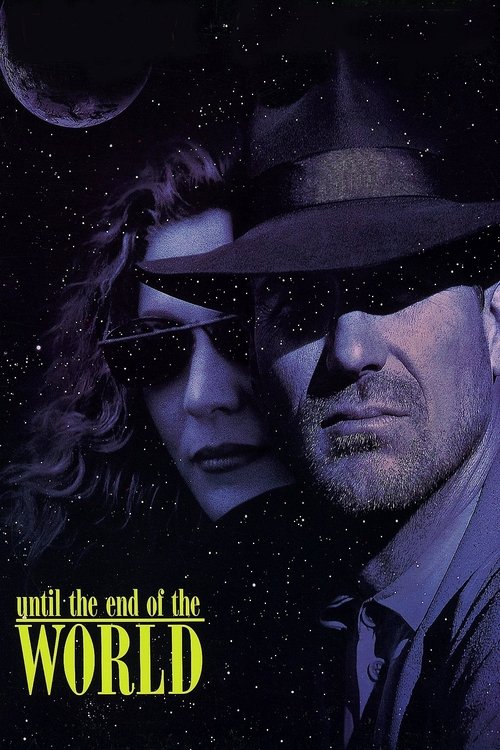
Until the End of the World
1991In 1999, a woman's life is forever changed after she survives a car crash with two bank robbers, who enlist her help to take the money to a drop in Paris. On the way, she runs into another fugitive from the law — an American doctor on the run from the CIA. They want to confiscate his father's invention – a device which allows anyone to record their dreams and visions.

Minority Report
2002John Anderton is a top 'Precrime' cop in the late-21st century, when technology can predict crimes before they're committed. But Anderton becomes the quarry when another investigator targets him for a murder charge.
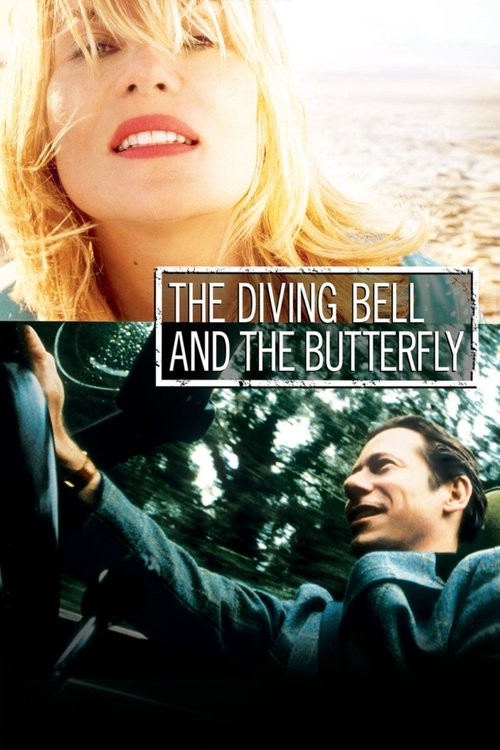
The Diving Bell and the Butterfly
2007Jean-Dominique Bauby, editor-in-chief of French fashion bible Elle magazine, has a devastating stroke at age 43. The damage to his brain stem results in locked-in syndrome, with which he is almost completely paralyzed and only able to communicate by blinking an eye. Bauby painstakingly dictates his memoir via the only means of expression left to him.
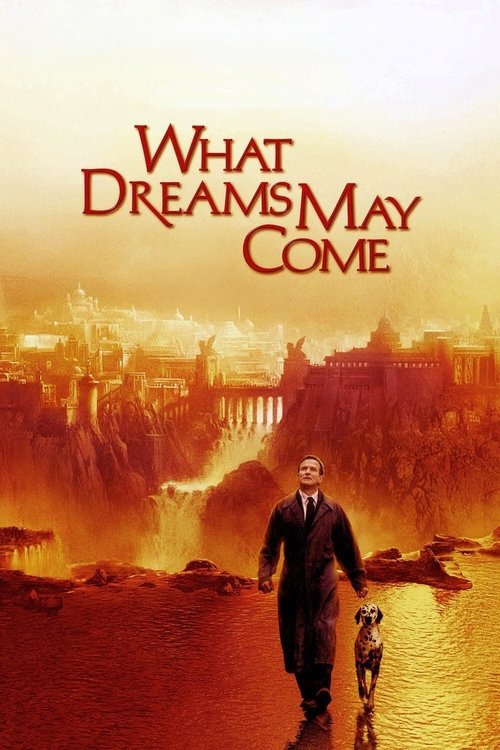
Chris Nielsen dies to find himself in a heaven more amazing than he could have ever dreamed of. There is one thing missing: his wife. After he dies, his wife Annie killed herself and went to hell. Chris decides to risk eternity in Hades for the small chance that he will be able to bring her back to heaven.
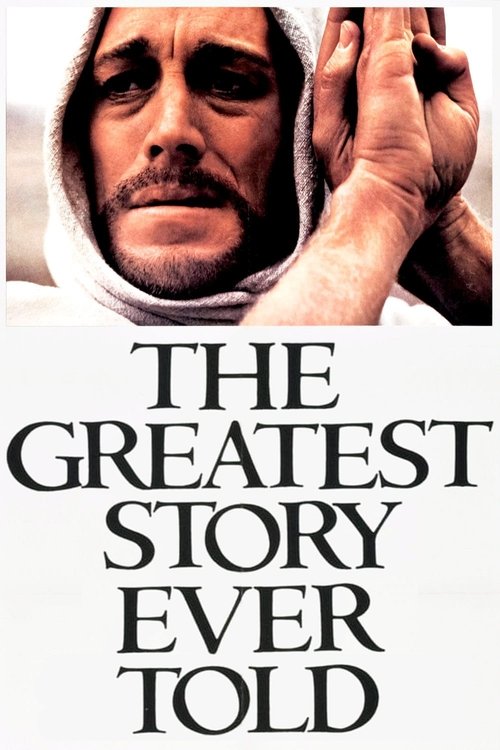
The Greatest Story Ever Told
1965From his birth in Bethlehem to his death and eventual resurrection, the life of Jesus Christ is given the all-star treatment in this epic retelling. Major aspects of Christ's life are touched upon, including the execution of all the newborn males in Egypt by King Herod; Christ's baptism by John the Baptist; and the betrayal by Judas after the Last Supper that eventually leads to Christ's crucifixion and miraculous return.
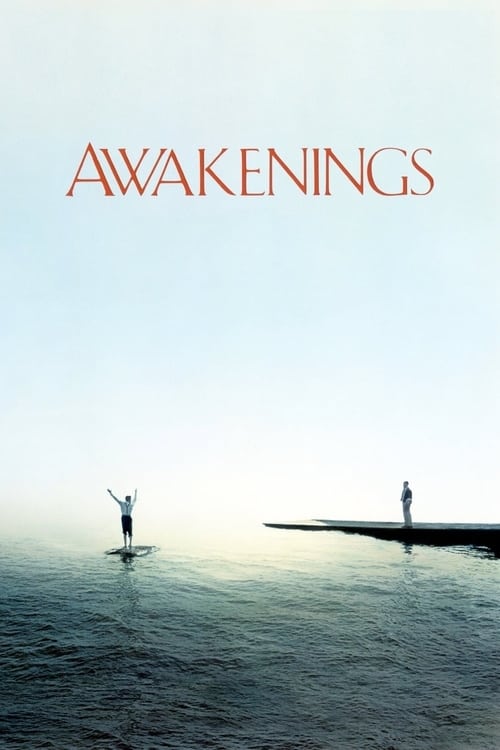
Awakenings
1990Dr. Malcolm Sayer, a shy research physician, uses an experimental drug to "awaken" the catatonic victims of a rare disease. Leonard is the first patient to receive the controversial treatment. His awakening, filled with awe and enthusiasm, proves a rebirth for Sayer too, as the exuberant patient reveals life's simple but unutterably sweet pleasures to the introverted doctor.
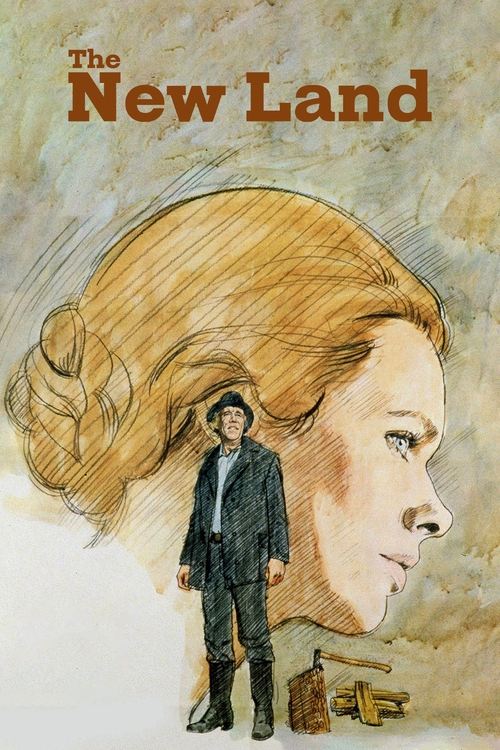
The New Land
1972A Swedish immigrant family struggles to adapt to their new life on the American frontier during the second half of the 19th century amidst civil war, native uprising and the lure of gold in California.
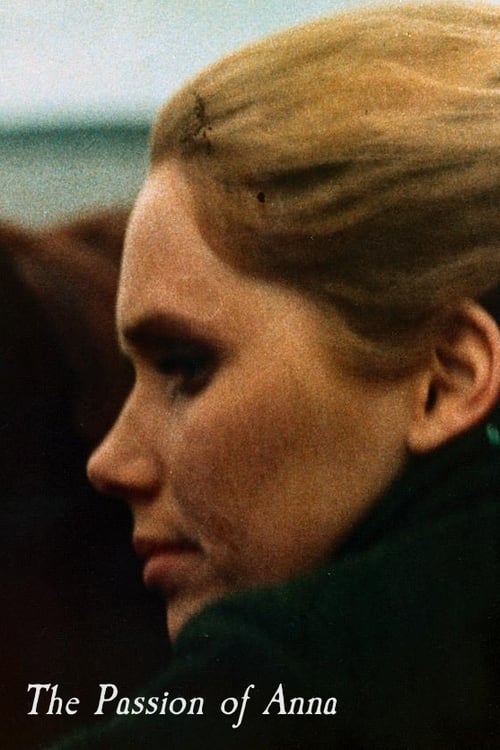
The Passion of Anna
1969A recently divorced man and an emotionally devastated widow begin a love affair.
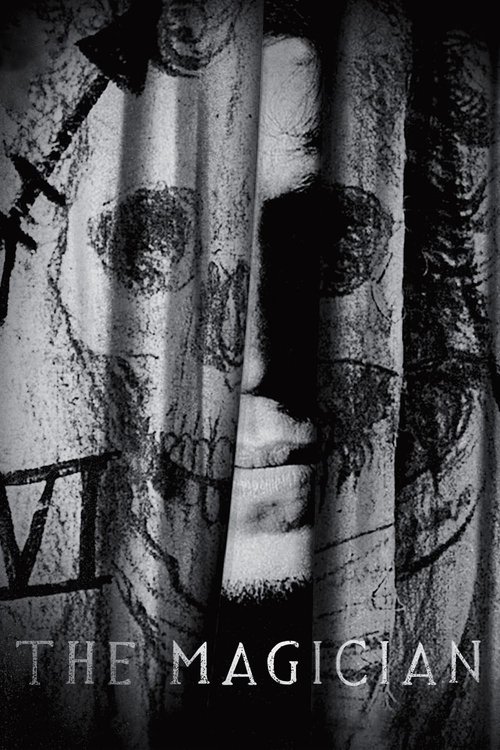
The Magician
1958A traveling magician and his troupe arrive in a Swedish town in the 1840s, where their act is scrutinized by local authorities and a skeptical medical official. Their stay leads to a series of confrontations that test the boundaries between performance, belief, and deception.
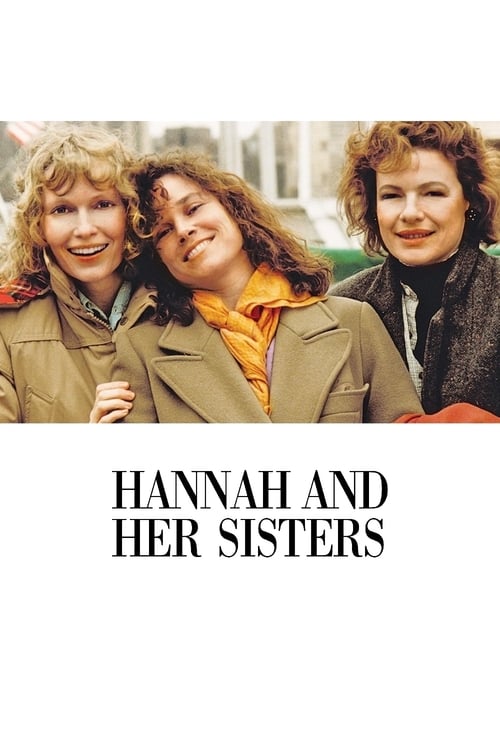
Between two Thanksgivings, Hannah's husband falls in love with her sister Lee, while her hypochondriac ex-husband rekindles his relationship with her sister Holly.
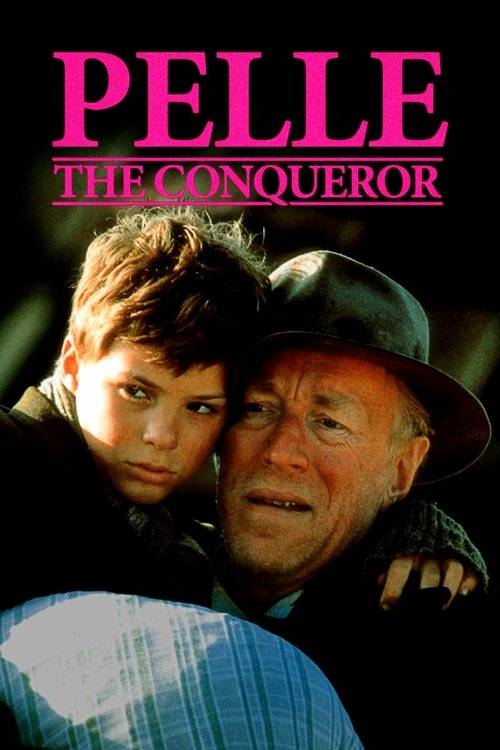
Pelle the Conqueror
1987In the late 19th century, two Swedish emigrants, Lasse Karlsson and his son Pelle, arrive on the Danish island of Bornholm hoping to find work on a farm and save enough money to travel to the United States of America.
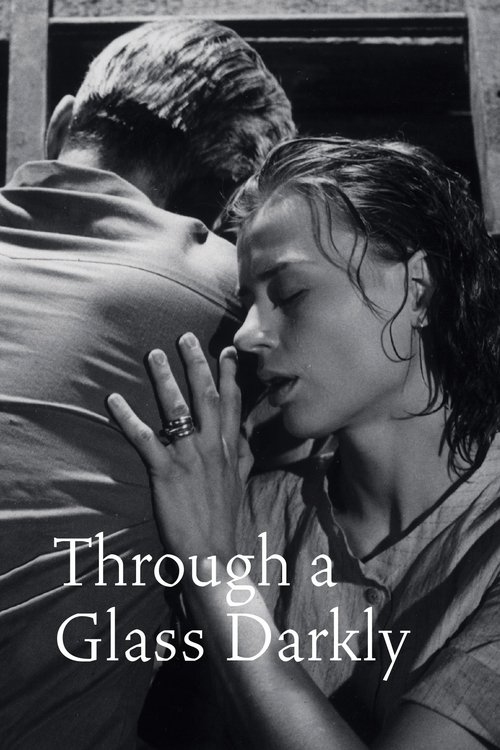
Through a Glass Darkly
1961Karin hopes to recover from her recent stay at a mental hospital by spending the summer at her family's cottage on a tiny island. Her husband, Martin, cares for her but is frustrated by her physical withdrawal. Her younger brother, Minus, is confused by Karin's vulnerability and his own budding sexuality. Their father, David, cannot overcome his haughty remoteness. Beset by visions, Karin descends further into madness.
Serving as the empathetic observer to a family’s psychological fracturing, von Sydow provides a grounded, humanistic center to this claustrophobic chamber piece. He masterfully conveys the agony of watching a loved one disappear into madness while remaining unable to bridge the gap of human isolation.
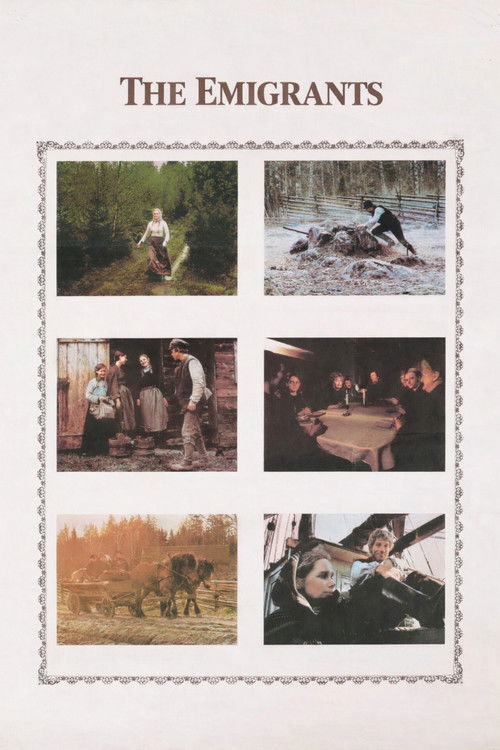
The Emigrants
1971Karl and Kristina Nilsson work on a farm in a cold and desolate area of 19th century rural Sweden. Growing privations, combined with increasing social and religious persecution, motivate the Nilssons and many of their neighbors to strike out for the United States. Following a treacherous ocean crossing and an equally grueling land passage, the emigrants find themselves in seemingly idyllic Minnesota.
In this epic tale of survival, von Sydow sheds his intellectual persona to ground the immigrant experience in grit and quiet resilience. His portrayal of a hopeful patriarch is a masterclass in subtlety, emphasizing the physical and emotional toll of carving out a life from the wilderness.
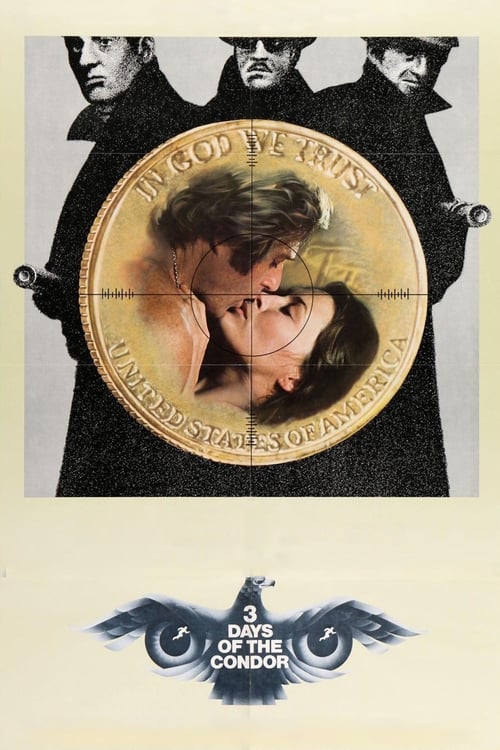
When bookish CIA researcher Joe Turner finds all his co-workers dead, he, together with a woman he has kidnapped, must work together to outwit those responsible until he determines who he can really trust.
As a sophisticated professional assassin, he defines the archetype of the cold, gentlemanly killer who views murder as a mere matter of logistics. This role cemented his status in Hollywood as the go to actor for highly intelligent, morally ambiguous antagonists who command respect through sheer presence.
Shame
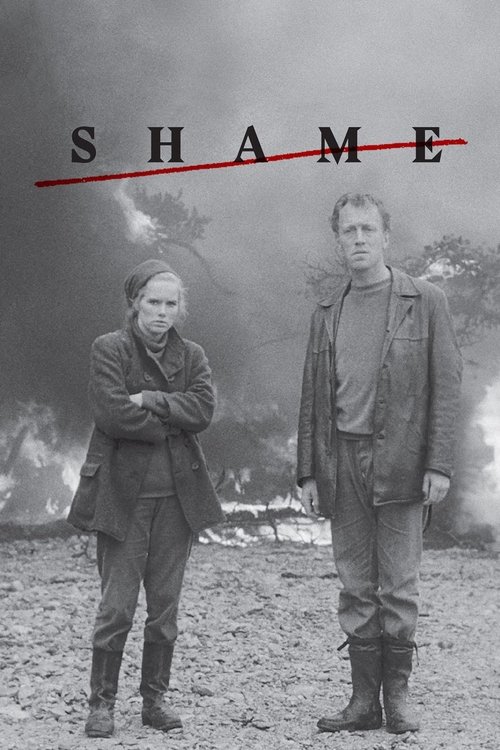
1968In the midst of a civil war, a pair of former violinists in a tempestuous marriage oversee a farm on a rural island. In spite of their best efforts to escape their homeland, the war impinges on every aspect of their lives.
Trapped in the disintegration of a marriage amidst the chaos of war, von Sydow explores a more frantic and fragile side of his screen persona. He brilliantly tracks the character's descent from a gentle musician into a hollowed out shell of a man, reflecting the corrosive effects of societal collapse.
Winter Light
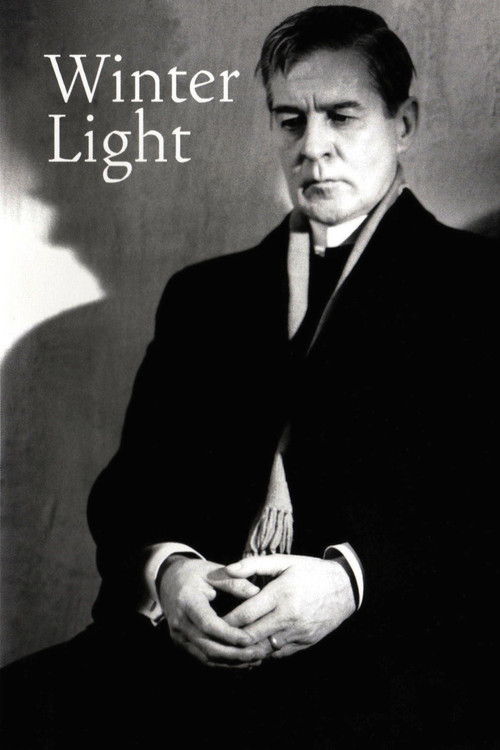
1963A Swedish pastor fails a loving woman, a suicidal fisherman and God.
His portrayal of a man paralyzed by nuclear anxiety offers a stark, vulnerable counterpoint to the film’s central crisis of faith. Von Sydow captures the quiet desperation of the mid century psyche with a trembling sensitivity that proves his range far exceeded the typical hero or villain.
The Virgin Spring
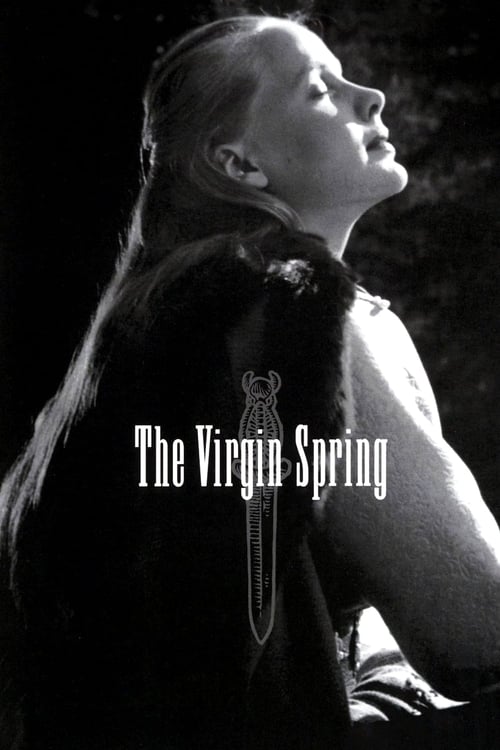
1960Devout Christians Töre and Märeta send their only daughter, the virginal Karin, and their foster daughter, the unrepentant Ingeri, to deliver candles to a distant church. On their way through the woods, the girls encounter a group of savage goat herders who brutally rape and murder Karin as Ingeri remains hidden. When the killers unwittingly seek refuge in the farmhouse of Töre and Märeta, Töre plots a fitting revenge.
Playing a father gripped by a primal need for retribution, von Sydow delivers a physically demanding performance that culminates in a ritualistic display of grief and violence. It is a frighteningly disciplined turn that showcases his capacity for portraying raw, unbridled human emotion restrained by religious duty.
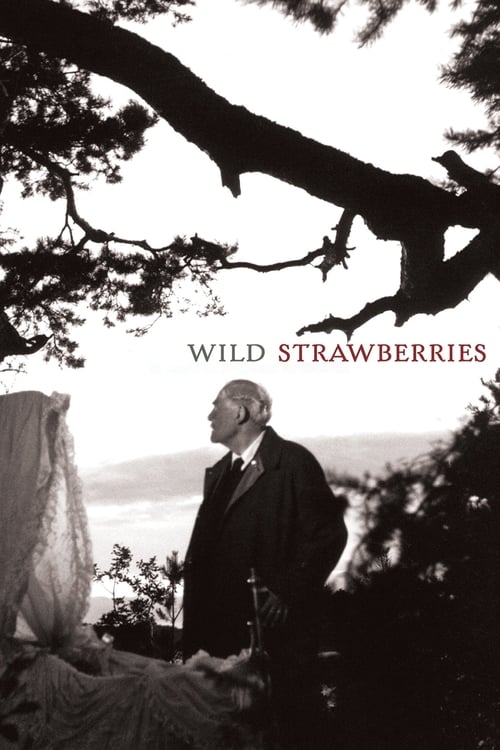
Wild Strawberries
1957Crotchety retired doctor Isak Borg travels from Stockholm to Lund, Sweden, with his pregnant and unhappy daughter-in-law, Marianne, in order to receive an honorary degree from his alma mater. Along the way, they encounter a series of hitchhikers, each of whom causes the elderly doctor to muse upon the pleasures and failures of his own life. These include the vivacious young Sara, a dead ringer for the doctor's own first love.
Appearing briefly as a gas station attendant, von Sydow demonstrates his early versatility by stepping away from his usual intensity to provide a moment of warmth and vitality. Even in this minor capacity, he leaves an indelible mark on the narrative by acting as a bridge between the protagonist’s past and present.
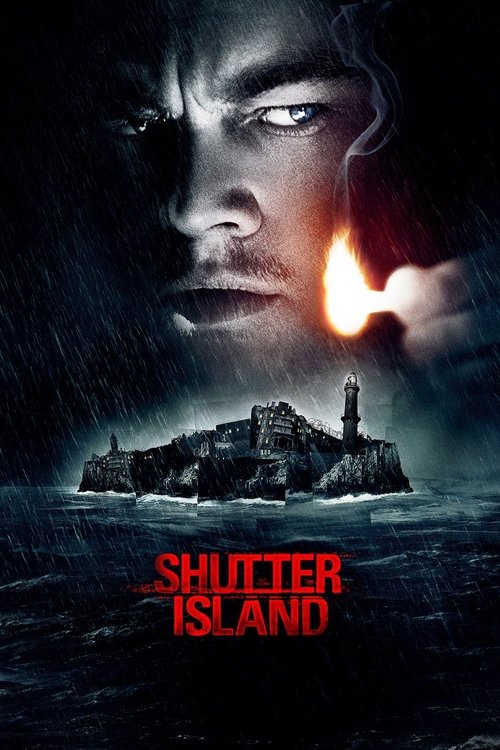
Shutter Island
2010World War II soldier-turned-U.S. Marshal Teddy Daniels investigates the disappearance of a patient from a hospital for the criminally insane, but his efforts are compromised by troubling visions and a mysterious doctor.
In his late career, he weaponized his intimidating stature and sharp diction to portray a psychiatrist whose clinical detachment borders on the sinister. This role serves as a chilling reminder of his ability to dominate the frame using nothing but the terrifying precision of his voice.
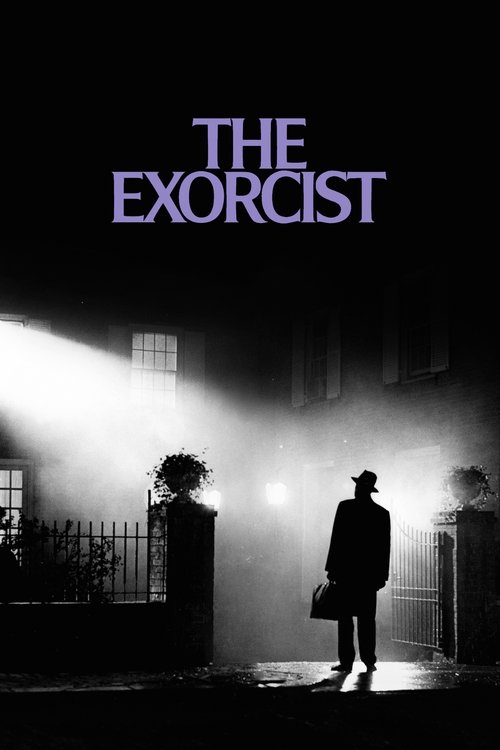
The Exorcist
1973When a mysterious entity possesses a young girl, her mother seeks the help of two Catholic priests to save her life.
Buried under layers of prosthetic age, von Sydow projects an immense spiritual authority that anchors the film’s visceral horror in a profound sense of theological weight. His casting provides the necessary gravitas to make the battle for a young soul feel like a clash of cosmic civilizations.
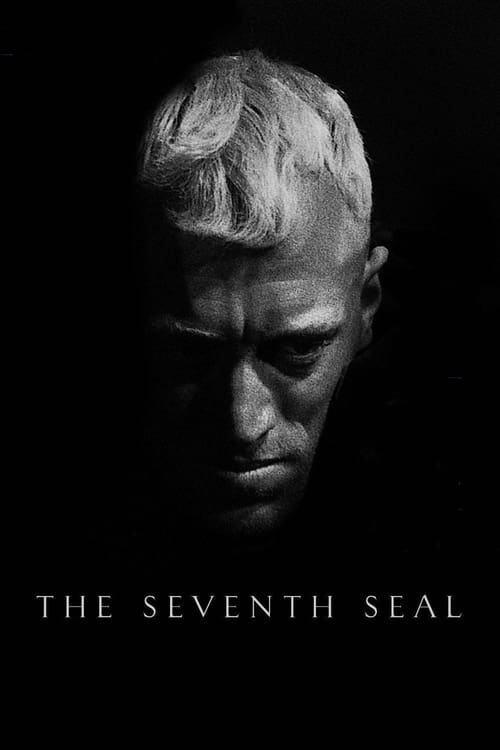
The Seventh Seal
1957When disillusioned Swedish knight Antonius Block returns home from the Crusades to find his country in the grips of the Black Death, he challenges Death to a chess match for his life. Tormented by the belief that God does not exist, Block sets off on a journey, meeting up with traveling players Jof and his wife, Mia, and becoming determined to evade Death long enough to commit one redemptive act while he still lives.
Von Sydow’s stoic silhouette against the Swedish coastline became the definitive image of existential crisis. He navigates the intellectual heavy lifting of Bergman’s masterpiece with a haunting, weary gravity that transformed him into an international icon of arthouse cinema.
Frequently Asked Questions
Everything you need to know about this list and SnakeDrafts
- Max von Sydow frequently collaborated with the renowned director Ingmar Bergman, starring in several masterpieces such as 'The Seventh Seal', 'Wild Strawberries', and 'Winter Light'. These collaborations solidified his place as a leading figure in Scandinavian cinema.
- Max von Sydow’s horror role in 'The Exorcist' showcased his ability to convey deep spiritual and emotional conflict in a suspenseful context, contrasting with the existential and philosophical undertones of his roles in Bergman’s dramas like 'Through a Glass Darkly'.
- Films such as 'The Seventh Seal', 'Winter Light', and 'Through a Glass Darkly' highlight von Sydow’s talent for embodying characters grappling with profound spiritual and existential questions, a recurring theme throughout his career.
- Max von Sydow starred in several historical dramas like 'The Virgin Spring', 'The Emigrants', and 'The New Land', where his compelling performances brought depth to stories set in various pivotal historical contexts.
- Aside from his European works, Max von Sydow made significant contributions to American cinema through roles in films like 'Shutter Island' directed by Martin Scorsese, as well as thrillers like 'Three Days of the Condor', showcasing his versatility across genres.
- Themes of existential dread, spiritual searching, and human frailty dominate Max von Sydow’s filmography, particularly in his collaborations with Ingmar Bergman, making his performances haunting and deeply philosophical.
- Max von Sydow’s performances in Jan Troell’s 'The Emigrants' and 'The New Land' are significant for their portrayal of immigrant resilience and human endurance, contributing richly to Scandinavian and global cinema narratives.