Alejandro González Iñárritu's Top Films Ranked
Master of Visceral Realism and Existential Drama
Explore the definitive filmography of Alejandro González Iñárritu, the visionary director behind Oscar winners like Birdman and The Revenant.
About Alejandro González Iñárritu
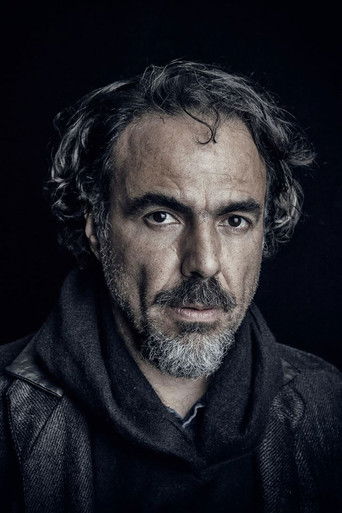
To watch an Alejandro Gonzalez Inarritu film is to surrender to a state of spiritual and physical exhaustion. He is a filmmaker who treats the camera not as an observer, but as a restless, breathing participant in the chaos of the human condition. While his contemporaries might settle for polished artifice, he pursues a visceral authenticity that often pushes his cast and crew to the brink of collapse. He does not just tell stories; he captures the frantic rhythm of survival, the weight of grief, and the porous border between reality and memory.
His arrival on the global stage with Amores Perros signaled a shift in Latin American cinema, introducing a fragmented, hyper-kinetic storytelling style that felt dangerous. That film, along with 21 Grams and Babel, formed what many call his death trilogy. These works used non-linear structures to highlight how tragedy connects strangers across borders and social strata. In this era of his career, his vision was defined by a gritty, handheld urgency, forcing the audience into the sweat and blood of characters who were perpetually running out of time.
As his career deepened, his aesthetic evolved from jagged realism into something more fluid and hallucinatory. Birdman marked a radical departure, utilizing seamless long takes that mimicked a single, unbroken thought. By trapping the audience in that claustrophobic backstage environment, he transformed a mid-life crisis into a high-wire act of technical bravado. He followed this with The Revenant, a brutal epic that traded the theater for the frozen wilderness. Here, he used natural light and wide lenses to create a paradox: a film that felt both intimate and impossibly vast, proving that his obsession with craftsmanship could make even a simple revenge story feel like a mythic struggle for the soul.
Biutiful remains perhaps his most crushing meditation on mortality, centered on a man navigating the supernatural and the mundane in the shadows of Barcelona. It serves as a bridge to his more recent, deeply personal work like Bardo, where he finally turned the camera inward. In that film, he abandoned traditional logic altogether, opting instead for a dreamlike stream of consciousness to explore his own identity and the surreal nature of home.
What truly distinguishes his legacy is this refusal to be comfortable. He demands an immersive experience, often stripping away the safety net of traditional editing to keep his viewers locked in the present moment. Whether he is filming a high-speed car crash in Mexico City or a bear attack in the snowy plains, there is a recurring sense of kinetic energy that refuses to settle. He remains a poet of the visceral, a director who believes that the most profound truths are found only when a character is pushed to their absolute limit. His body of work stands as a testament to the idea that cinema should be felt in the nerves and the marrow, not just seen on a screen.
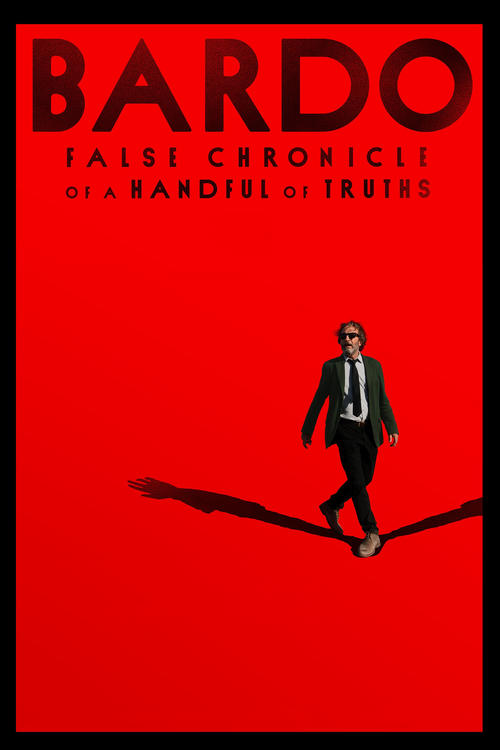
BARDO, False Chronicle of a Handful of Truths
2022A renowned Mexican journalist and documentary filmmaker living in Los Angeles, after being named the recipient of a prestigious international award, is compelled to return to his native country, unaware that this simple trip will push him to an existential limit.
This phantasmagoric odyssey serves as a maximalist self-reckoning, blending surrealist imagery with deeply personal reflections on national identity. It is a sprawling, unapologetic dive into the director's own subconscious, marking his most experimental departure from traditional narrative logic.
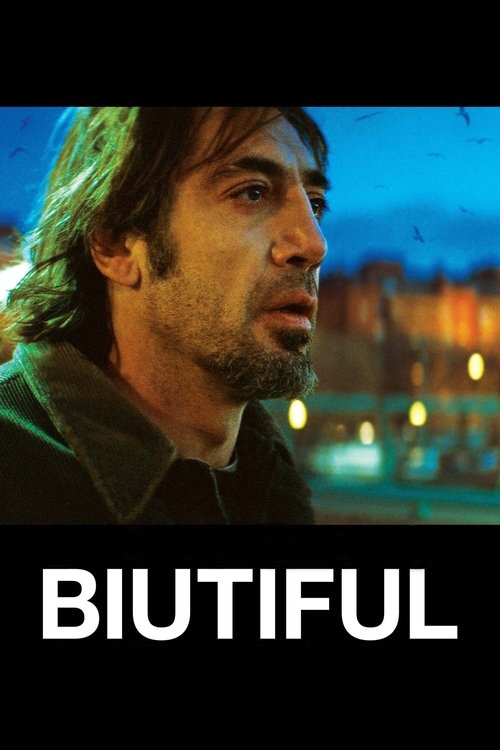
Biutiful
2010This is a story of a man in free fall. On the road to redemption, darkness lights his way. Connected with the afterlife, Uxbal is a tragic hero and father of two who's sensing the danger of death. He struggles with a tainted reality and a fate that works against him in order to forgive, for love, and forever.
Moving away from ensemble mosaics, this somber character study dives into the gritty underbelly of Barcelona with an almost oppressive intimacy. It marks a transition toward more singular, linear tragedies while maintaining his relentless focus on the intersection of mortality and fatherhood.
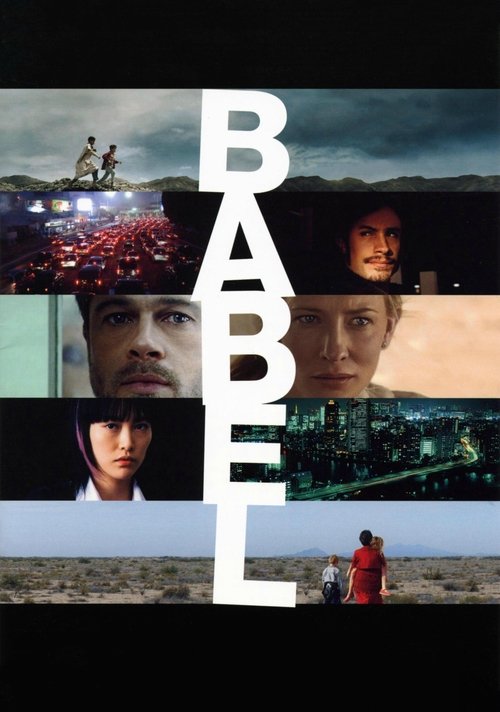
Babel
2006Tragedy strikes a married couple vacationing in the Moroccan desert, which jumpstarts an interlocking story involving four different families.
A global tapestry that scales his intricate triptych style to a multilingual, multi-continental level. This ambitious project functions as a grand thesis on the failure of communication, proving his unique ability to find universal emotional frequencies across disparate cultures and borders.
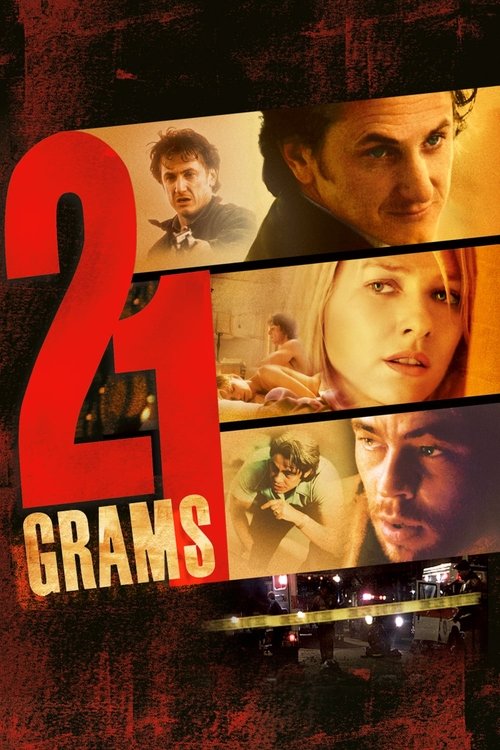
21 Grams
2003Paul Rivers, an ailing mathematician lovelessly married to an English émigré; Christina Peck, an upper-middle-class suburban housewife and mother of two girls; and Jack Jordan, a born-again ex-con, are brought together by a terrible accident that changes their lives.
In his first English language venture, the director masterfully deconstructs the weight of the human soul using a jagged, non-chronological structure. The film solidifies his signature preoccupations with interconnectedness and the chaotic ripples caused by singular moments of tragedy.
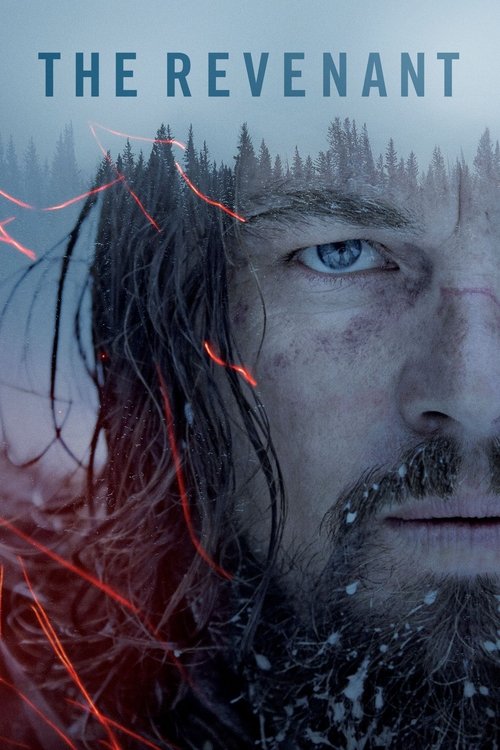
The Revenant
2015In the 1820s, a frontiersman, Hugh Glass, sets out on a path of vengeance against those who left him for dead after a bear mauling.
This is a triumph of elemental endurance where the director pushes the limits of naturalism and cinematography to capture the raw hostility of the wilderness. It represents the pinnacle of his obsession with the physical body in crisis, rendered with a haunting, spiritual grandiosity.
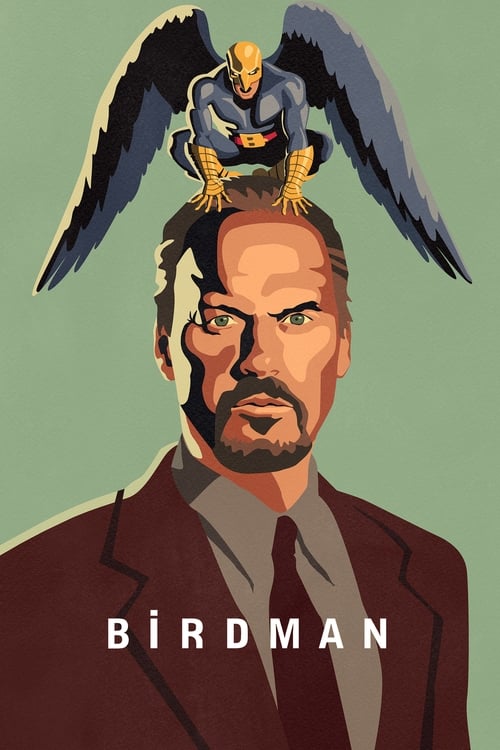
A fading actor best known for his portrayal of a popular superhero attempts to mount a comeback by appearing in a Broadway play. As opening night approaches, his attempts to become more altruistic, rebuild his career, and reconnect with friends and family prove more difficult than expected.
The camera becomes a restless, airborne spirit in this high wire act of technical virtuosity that blurs the boundary between theater and psyche. It stands as his most meta-textual achievement, interrogating the ego through a rhythmic, breathless visual flow that redefined the modern long take.
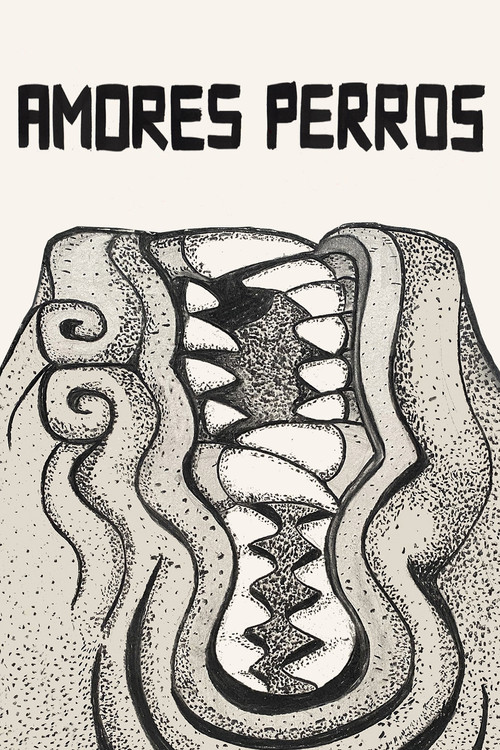
Amores Perros
2000A fatalistic car crash in Mexico city sets off a chain of events in the lives of three people: a supermodel, a young man wanting to run off with his sister-in-law, and a homeless man.
A tectonic shift in world cinema, this debut shattered linear storytelling through a gritty, visceral exploration of fate and urban decay. By anchoring primal human desperation within a fractured narrative mosaic, Iñarritu announced a bold new grammar for the millennium.
Frequently Asked Questions
Everything you need to know about this list and SnakeDrafts
- Amores Perros (2000) holds the top spot in this ranking, recognized for its gritty narrative and innovative storytelling that established Iñárritu as a major voice in contemporary cinema.
- Birdman (2014) is celebrated for its unique single-take cinematography and sharp commentary on fame and artistic identity, earning it critical acclaim and multiple Oscars, including Best Picture.
- The Revenant (2015) exemplifies Iñárritu’s dedication to visceral authenticity and immersive storytelling, featuring intense physical performances and breathtaking natural settings that highlight survival and human endurance.
- Yes, Iñárritu’s films often explore themes of survival, mortality, and human interconnectedness, with narratives delving deep into grief and redemption, as seen in Amores Perros, 21 Grams, and Babel.
- 21 Grams (2003) is notable for its nonlinear storytelling and emotional intensity, exploring the impact of a tragic accident on several lives, reinforcing Iñárritu's reputation for complex, character-driven narratives.
- Biutiful (2010) offers a more intimate and somber examination of mortality and guilt, focusing on a single protagonist’s struggle, which contrasts with the broader ensemble casts and intense action of Iñárritu’s other works.
- BARDO (2022) stands out for its blend of comedy and drama, showcasing Iñárritu’s willingness to experiment with tone while continuing to explore existential themes through a surreal and reflective narrative.