Ranking Woody Allen's Greatest Films
Masterpieces of Neurotic Comedy and Cinematic Philosophy
Explore the definitive filmography of Woody Allen, featuring iconic classics, Academy Award winners, and his most influential directorial achievements.
About Woody Allen
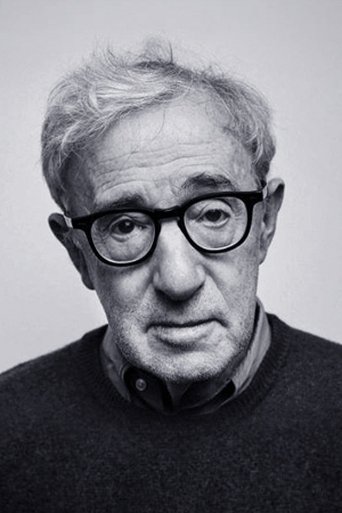
In the landscape of American cinema, few silhouettes are as instantly recognizable as the neurotic, stammering intellectual wandering through a rain-slicked Upper West Side. Woody Allen did more than just film New York City; he drafted a romantic, monochrome myth of the metropolis that transformed it into a character as vital as any of his actors. His vision is built on a specific kind of literate anxiety, where the cosmic despair of Ingmar Bergman meets the rhythmic slapstick of the Marx Brothers. This collision of high-brow philosophy and low-brow gag-writing created a genre entirely of his own making, defined by a restless intellectual curiosity and an obsession with the fragility of human relationships.
The quintessential breakthrough came with Annie Hall, a non-linear masterpiece that shattered the fourth wall and redefined the romantic comedy. It prioritized the messy, honest disintegration of a relationship over the fairy-tale ending, using split screens and animation to map the internal psyche. He followed this with Manhattan, a visual love letter shot in soaring black and white that canonized the Gershwin-soaked aesthetic of his middle period. These films established his signature directorial touch: long, continuous takes where characters weave in and out of the frame while engaging in overlapping, rapid-fire dialogue. There is a jazz-like spontaneity to his blocking that makes even the most scripted debates feel like they are being thought up in real time.
While he is often tied to the cobblestones of Manhattan, his versatility shifts between existential dread and whimsical magic realism. In The Purple Rose of Cairo, he blurred the lines between fantasy and reality as a screen idol stepped off the celluloid and into the lives of the audience, while Zelig utilized groundbreaking mockumentary techniques to explore the desperate need for social conformity. When he pivots toward the dark underbelly of fate and morality, as seen in Crimes and Misdemeanors and Match Point, he strips away the jokes to reveal a cold, cynical worldview where luck often triumphs over justice. These thrillers trade the clarinet scores for grand opera, yet they retain that unmistakable focus on the consequences of human frailty.
In his later years, he became a cinematic traveler, capturing the golden light of Europe with the same reverence he once reserved for Central Park. Midnight in Paris serves as a lush meditation on nostalgia, proving he could still find magic in the past while acknowledging the folly of living there. In Blue Jasmine, he returned to the psychological depth of his greatest heritage, crafting a searing portrait of a socialite in freefall. Whether he is staging a chaotic heist in Take the Money and Run or exploring the intricate dynamics of sisterhood in Hannah and Her Sisters, his work remains a massive, interconnected diary of the 20th and 21st century mind. His legacy is found in the DNA of every modern comedy that dares to be smart, every drama that refuses to be simple, and the enduring image of a tweed jacket disappearing into a twilight city street.
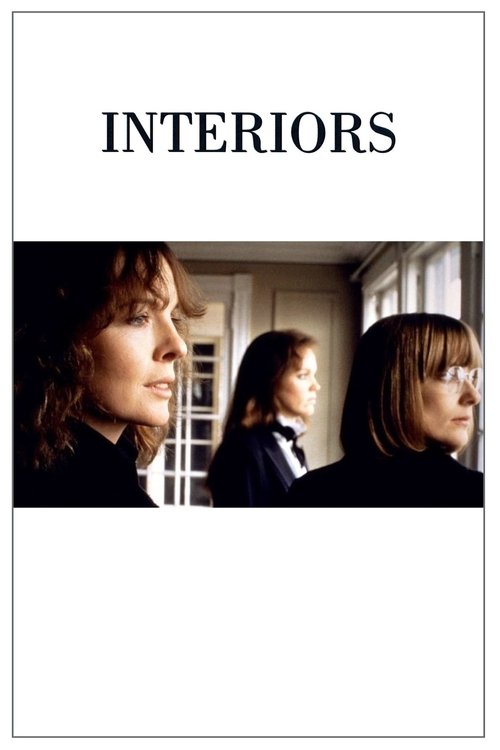
Interiors
1978When Eve, an interior designer, is deserted by her husband of many years, Arthur, the emotionally glacial relationships of the three grown-up daughters are laid bare. Twisted by jealousy, insecurity and resentment, Renata, a successful writer; Joey, a woman crippled by indecision; and Flyn, a budding actress; struggle to communicate for the sake of their shattered mother. But when their father unexpectedly falls for another woman, his decision to remarry sets in motion a terrible twist of fate…
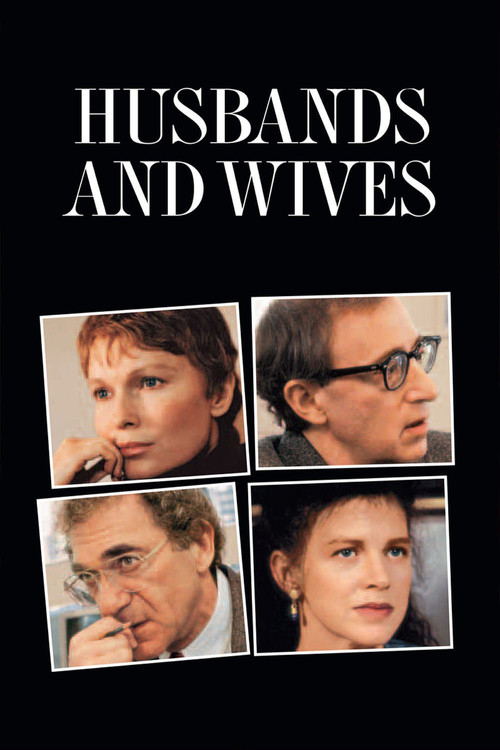
Husbands and Wives
1992When their best friends announce that they're separating, a professor and his wife discover the faults in their own marriage.
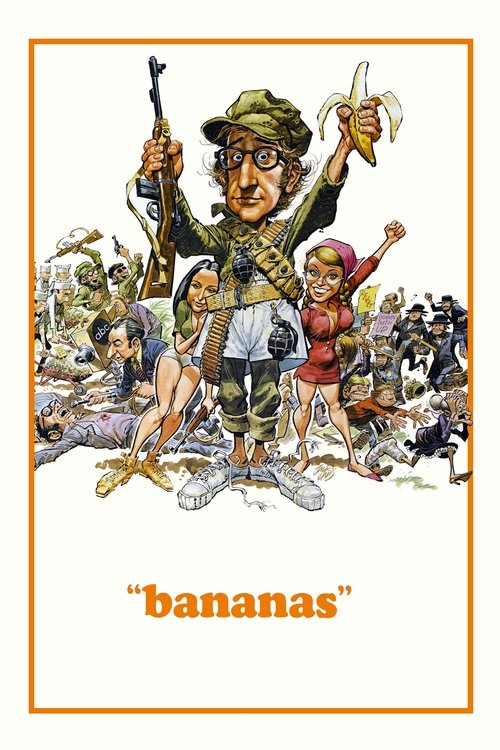
Bananas
1971When a bumbling New Yorker is dumped by his activist girlfriend, he travels to a tiny Latin American nation and becomes involved in its latest rebellion.
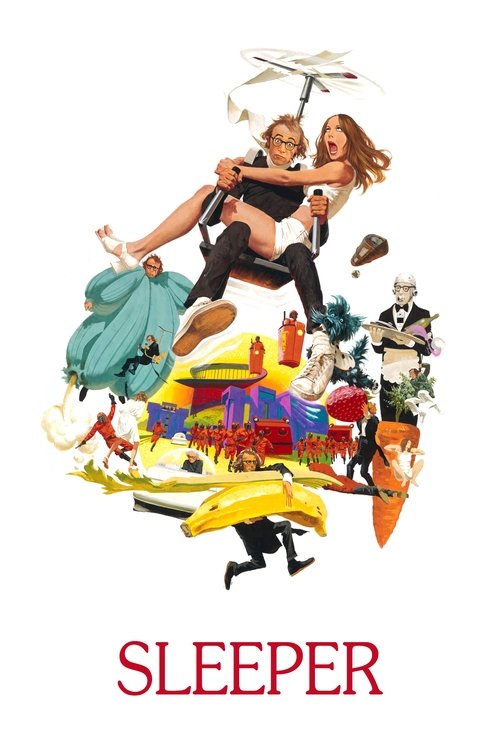
Sleeper
1973Miles Monroe, a clarinet-playing health food store proprietor, is revived out of cryostasis 200 years into a future world in order to help rebels fight an oppressive government regime.
A hapless talent manager named Danny Rose, by helping a client, gets dragged into a love triangle involving the mob. His story is told in flashback, an anecdote shared amongst a group of comedians over lunch at New York's Carnegie Deli. Rose's one-man talent agency represents countless incompetent entertainers, including a one-legged tap dancer, and one slightly talented one: washed-up lounge singer Lou Canova, whose career is on the rebound.
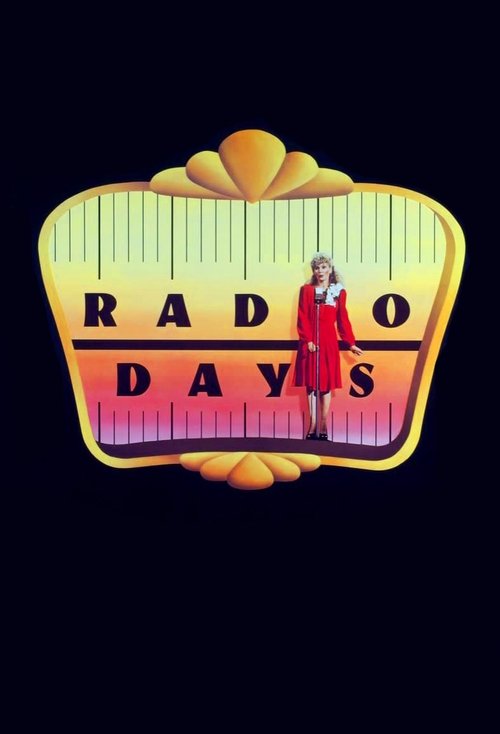
Radio Days
1987The Narrator tells us how the radio influenced his childhood in the days before TV. In the New York City of the late 1930s to the New Year's Eve 1944, this coming-of-age tale mixes the narrator's experiences with contemporary anecdotes and urban legends of the radio stars.
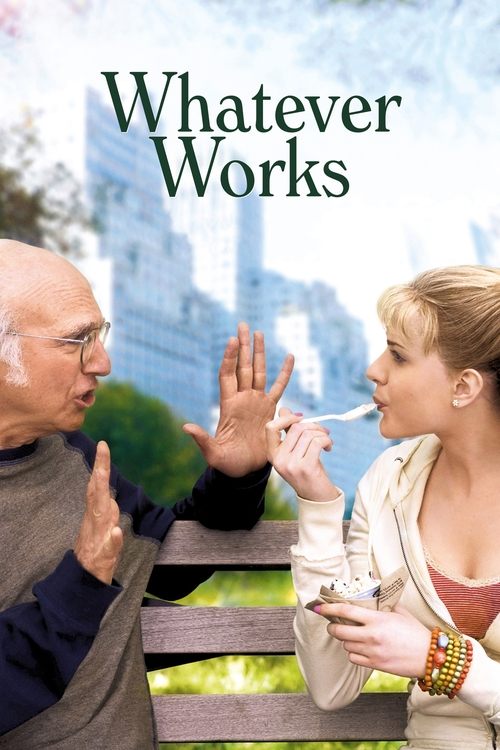
Whatever Works
2009Whatever Works explores the relationship between a crotchety misanthrope, Boris and a naïve, impressionable young runaway from the south, Melody. When Melody's uptight parents arrive in New York to rescue her, they are quickly drawn into wildly unexpected romantic entanglements. Everyone discovers that finding love is just a combination of lucky chance and appreciating the value of "whatever works."
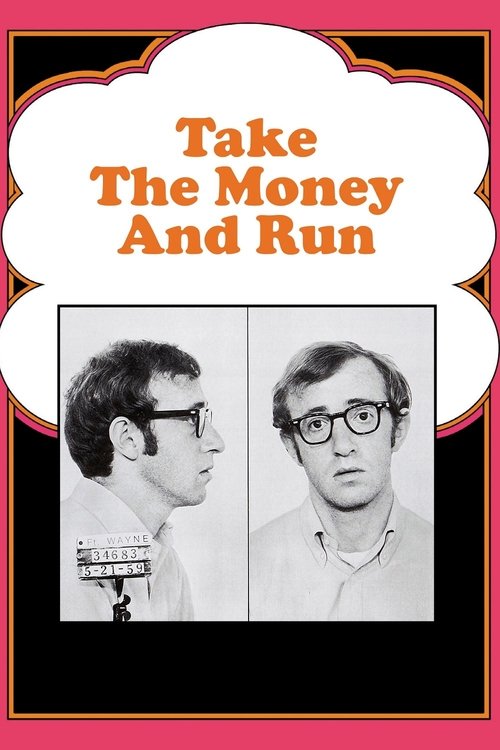
Take the Money and Run
1969Virgil Starkwell is intent on becoming a notorious bank robber. Unfortunately for Virgil and his not-so-budding career, he is completely incompetent.
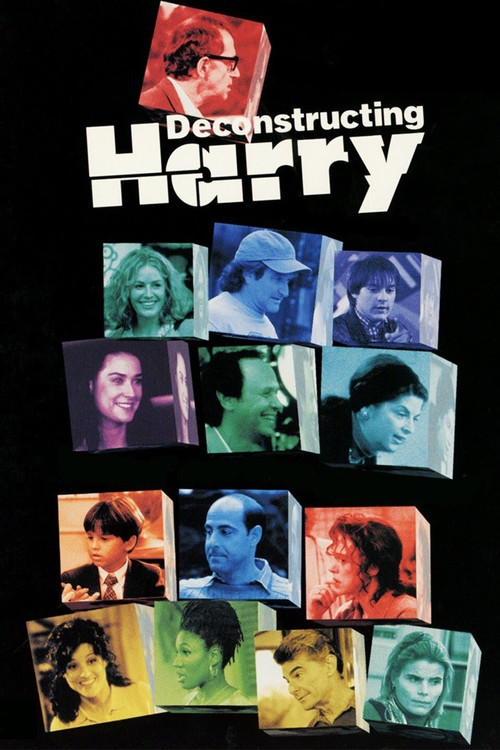
Deconstructing Harry
1997Writer Harry Block draws inspiration from people he knows, and from events that happened to him, sometimes causing these people to become alienated from him as a result.
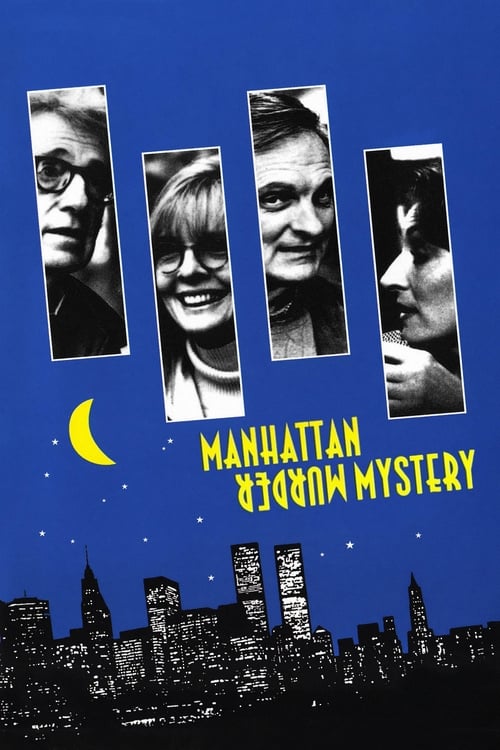
Manhattan Murder Mystery
1993A middle-aged couple suspects foul play when their neighbor's wife suddenly drops dead.
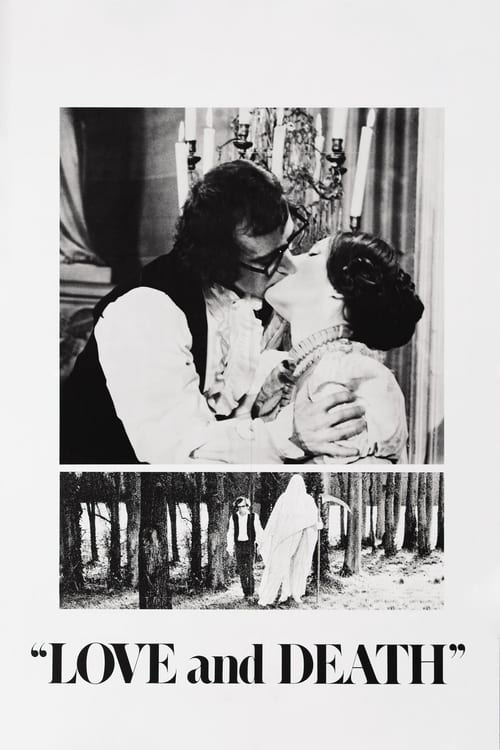
Love and Death
1975In czarist Russia, a neurotic soldier and his distant cousin formulate a plot to assassinate Napoleon.

Zelig
1983Fictional documentary about the life of human chameleon Leonard Zelig, a man who becomes a celebrity in the 1920s due to his ability to look and act like whoever is around him. Clever editing places Zelig in real newsreel footage of Woodrow Wilson, Babe Ruth, and others.
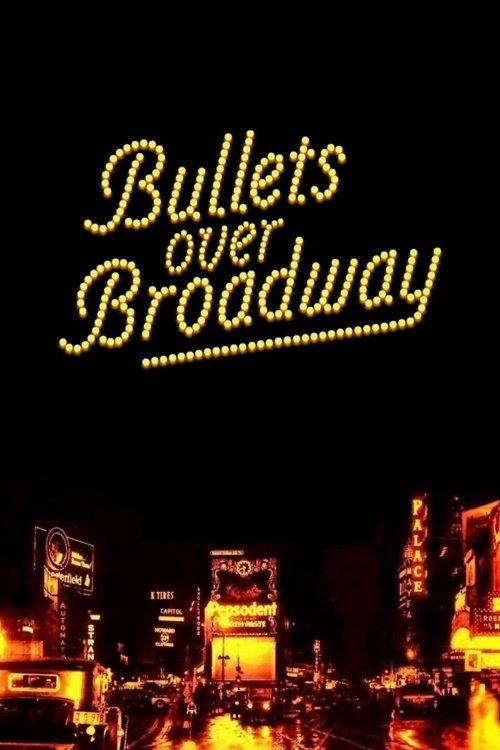
After young playwright, David Shayne obtains funding for his play from gangster Nick Valenti, Nick's girlfriend Olive miraculously lands the role of a psychiatrist—but not only is she a bimbo who could never pass for a psychiatrist—she's a dreadful actress. David puts up with the leading man who is a compulsive eater, the grand dame who wants her part jazzed up, and Olive's interfering hitman/bodyguard—but, eventually he must decide whether art or life is more important.
Theatricality and crime collide in this pitch perfect farce that skewers the vanity of the creative process. It is a masterclass in comic timing and ensemble dynamics, highlighting a cynical yet hilarious view of the compromises required to stage a masterpiece.

Vicky Cristina Barcelona
2008Two girlfriends on a summer holiday in Spain become enamored with the same painter, unaware that his ex-wife, with whom he has a tempestuous relationship, is about to re-enter the picture.
Lush and sensory, this film captures the volatile intersections of passion and artistic temperament under the Catalan sun. It marks a successful transition into the director's European period, utilizing the setting not just as a backdrop but as a catalyst for romantic chaos.

Blue Jasmine
2013After experiencing a traumatic misfortune, Jasmine French, a wealthy woman from New York, moves to San Francisco to live with her foster sister Ginger and the firm purpose of getting a new life, but she will be haunted by anxiety and memories of the past.
A searing character study that borrows the skeleton of A Streetcar Named Desire to dissect the modern collapse of the American aristocracy. It showcases a mastery of psychological disintegration, anchored by a directorial gaze that is as compassionate as it is clinical.
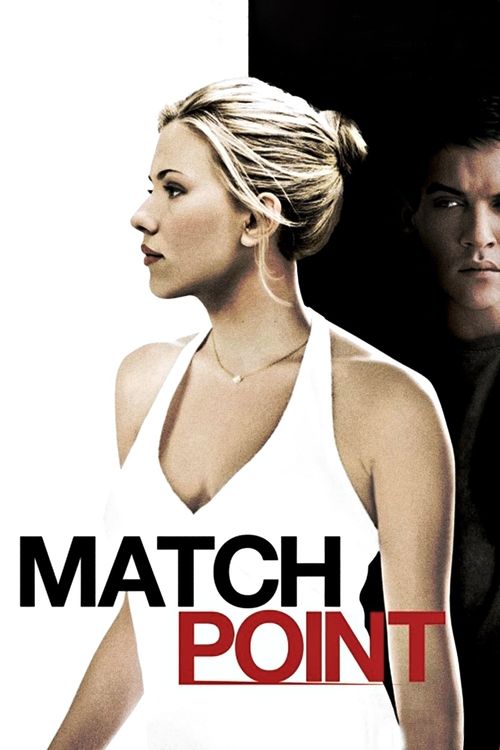
Match Point
2005Chris, a former tennis pro, takes a job as an instructor and befriends his wealthy young student, Tom. After being introduced to his family, Chris is soon engaged to Tom's sister, Chloe. Despite the professional and financial advantages that this relationship affords him, Chris becomes obsessed with Tom's fiancee, American actress Nola.
Trading his signature neuroses for a cold, Hitchcockian precision, Allen explores the terrifying role of luck in the pursuit of ambition. This British thriller revitalized his career by stripping away the humor to focus on the ruthless mechanics of social climbing and murder.
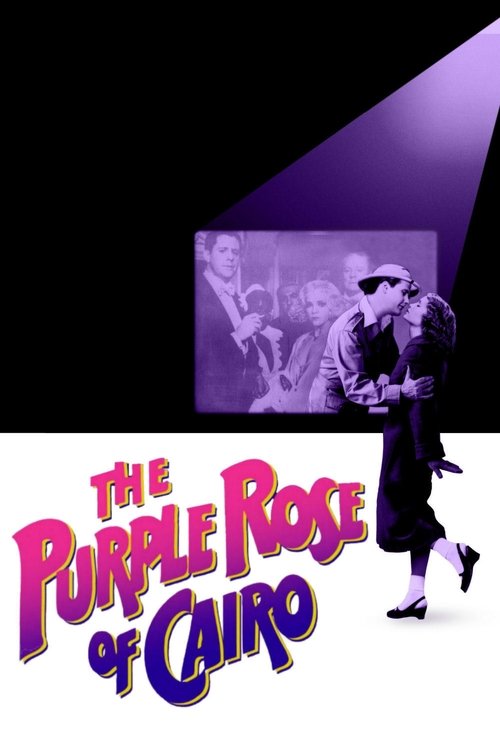
Cecilia is a waitress in New Jersey, living a dreary life during the Great Depression. Her only escape from her mundane reality is the movie theatre. After losing her job, Cecilia goes to see 'The Purple Rose of Cairo' in hopes of raising her spirits, where she watches dashing archaeologist Tom Baxter time and again.
Blurring the boundary between the silver screen and reality, this bittersweet fantasy serves as a love letter to the escapist power of cinema. It is a poignant, formally inventive look at how the magic of film can both save and break the hearts of its most devoted viewers.
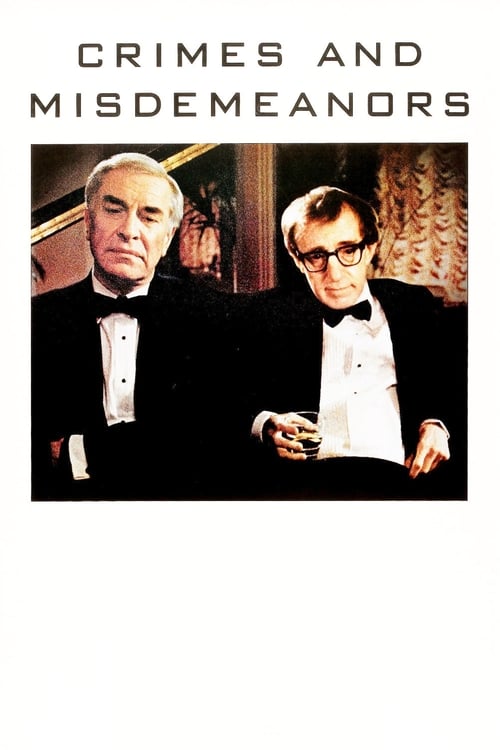
A renowned ophthalmologist is desperate to cut off an adulterous relationship…which ends up in murder; and a frustrated documentary filmmaker woos an attractive television producer while making a film about her insufferably self-centered boss.
This chillingly cynical work juxtaposes high comedy with a bleak, Dostoevskian exploration of a universe devoid of divine justice. It stands as the director’s most intellectually rigorous examination of the ease with which the human conscience can be silenced.
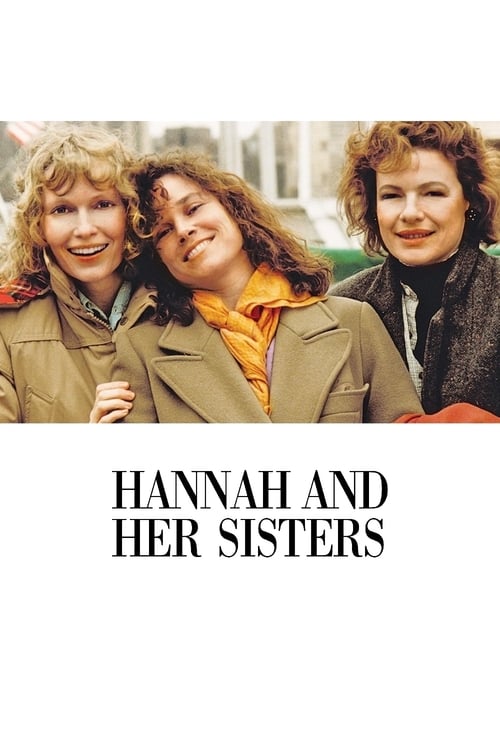
Between two Thanksgivings, Hannah's husband falls in love with her sister Lee, while her hypochondriac ex-husband rekindles his relationship with her sister Holly.
Structured with the depth of a great novel, this ensemble masterpiece balances Chekhovian melancholy with moments of profound spiritual levity. It represents the director at his most humanistic, finding a delicate equilibrium between the weight of existence and the joy of the movies.
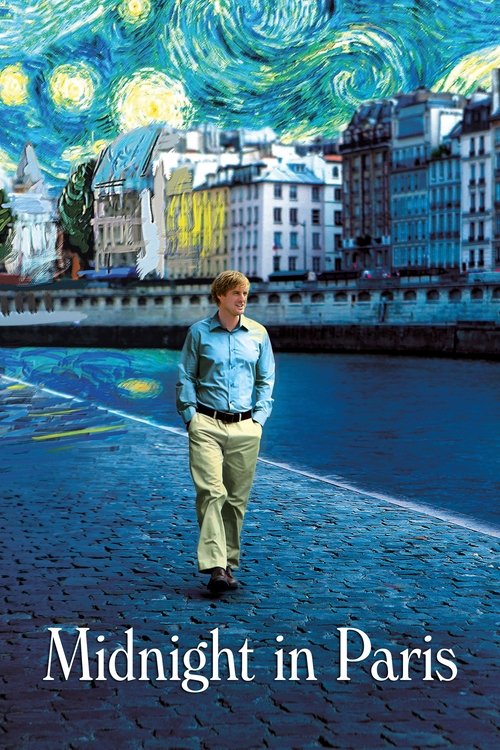
Midnight in Paris
2011While on a trip to Paris with his fiancée's family, a nostalgic screenwriter finds himself mysteriously going back to the 1920s every day at midnight.
This enchanting late career triumph interrogates the trap of golden age thinking through a whimsical, time bending lens. It serves as a vibrant reminder of the director's ability to weave philosophical inquiries into high concept cinematic fables.
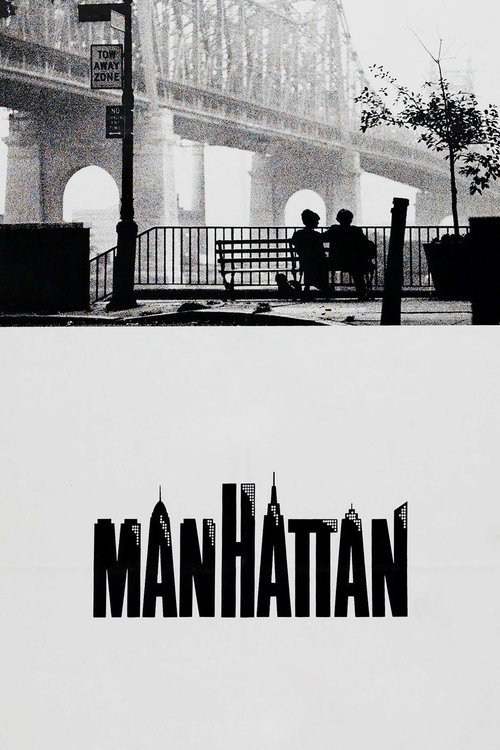
Manhattan
1979Manhattan explores how the life of a middle-aged television writer dating a teenage girl is further complicated when he falls in love with his best friend's mistress.
The aesthetic pinnacle of Allen's career transforms New York into a shimmering black and white dreamscape set to the swell of Gershwin. It is a visually arresting meditation on the search for moral clarity within a sophisticated, yet deeply flawed, urban elite.
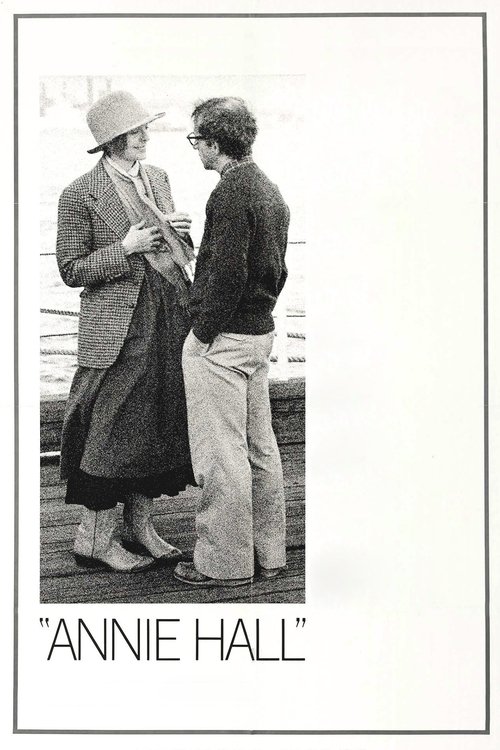
Annie Hall
1977New York comedian Alvy Singer falls in love with the ditsy Annie Hall.
A watershed moment for the romantic comedy, this film shattered the fourth wall and dismantled narrative linearity to capture the neurosis of modern love. It remains the definitive blueprint for the director’s fusion of intellectual wit and vulnerable introspection.
Frequently Asked Questions
Everything you need to know about this list and SnakeDrafts
- Annie Hall is considered Woody Allen's greatest film because it revolutionized romantic comedies with its witty dialogue, innovative narrative structure, and deep exploration of relationships. It won four Academy Awards including Best Picture, showcasing Allen's unique blend of comedy and introspective drama.
- Woody Allen's top-ranked films such as Manhattan and Hannah and Her Sisters prominently feature themes of neuroticism, complex romantic relationships, existential anxiety, and New York City as a character. These films blend humor with melancholy to depict human vulnerability and the search for meaning.
- Midnight in Paris stands out by incorporating fantasy elements that transport characters to different historical periods, a departure from Allen's usual New York-centric realist style. This 2011 film combines romance and nostalgia with a magical realism that broadens his thematic range.
- Match Point is significant because it represents a tonal shift towards darker, thriller elements within Woody Allen's oeuvre. It explores themes of luck, morality, and ambition, differing from his traditional neurotic comedies and emphasizing dramatic tension and suspense.
- Yes, Woody Allen uses a mix of slapstick, satire, and character-driven humor in films like Bullets Over Broadway and Zelig. These films showcase his ability to blend absurdity with sharp social commentary, often highlighting the quirks of human behavior and historical contexts.
- Take the Money and Run is ranked lower as it represents Woody Allen's early, broader slapstick comedy phase, which is less nuanced than his later, more sophisticated films. While important historically, these earlier works are often overshadowed by his mature films that blend comedy with deeper themes.
- New York City is almost a living character in Woody Allen's highest-ranked films like Annie Hall and Manhattan, shaping the narrative and mood. The city’s iconic locations, atmosphere, and cultural vibrancy provide a backdrop that reflects the characters' emotional and intellectual journeys.
- 'Crimes and Misdemeanors' masterfully blends drama, comedy, and crime genres to examine moral dilemmas and human conscience. Its sophisticated storytelling and philosophical themes earn it high regard as one of Allen's most thought-provoking works.