Robert Duvall's Greatest Movie Roles Ranked
Legendary Performances from an American Cinema Icon
Explore the finest films of Robert Duvall, from his role as Tom Hagen in The Godfather to his unforgettable turn in Apocalypse Now.
About Robert Duvall
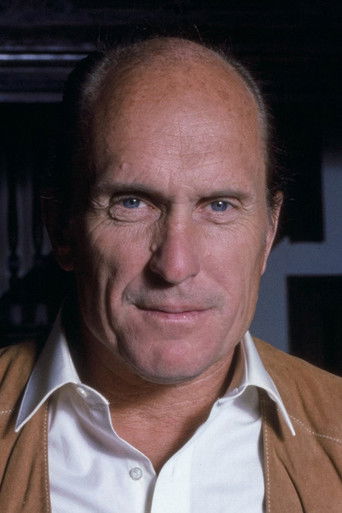
In the quiet architecture of American cinema, few pillars stand as tall or as weathered as Robert Duvall. He is the ultimate chameleon of the salt of the earth, an actor who possesses the rare ability to disappear into a role while simultaneously grounding every frame in a gritty, undeniable reality. While his contemporaries often leaned into the pyrotechnics of Method acting, he perfected the art of the observant silence. He does not just play a part. He occupies a space until it feels like he has lived there for decades.
This gravitational pull started with a ghost. In To Kill a Mockingbird, his debut as Boo Radley required him to communicate the entire spectrum of human vulnerability without uttering a single word. It was a masterclass in presence that set the tone for a career defined by nuances rather than noise. By the time the 1970s rolled around, he had become the indispensable glue of Hollywood’s Golden Age. Whether he was the tightly coiled Frank Burns in MASH or the chillingly pragmatic Tom Hagen in The Godfather and its masterful sequel, Duvall functioned as the conscience and the strategist. He played the consigliere with such effortless poise that he made the business of the Mafia feel as routine as a board meeting.
Audiences connect with him because there is no vanity in his craft. He is often at his best when he is slightly dangerous or profoundly tired. In Apocalypse Now, his Lieutenant Colonel Kilgore became an instant icon of military bravado, delivering lines about the smell of napalm with a chilling, surf-obsessed nonchalance. Yet he could pivot instantly to the corporate frenzy of Network or the quiet, simmering resentment of a father in The Judge. He inhabits the Western genre with a rugged authenticity that modern stars rarely touch. In Open Range and True Grit, he carries himself like a man who actually knows how to saddle a horse and survive a long winter.
His filmography reads like a roadmap of the American psyche. He can play the relentless pursuer in Falling Down, the eccentric hermit in Get Low, or the ruthless tobacco tycoon in Thank You for Smoking, and in each instance, you believe the man has a history that exists off-camera. Even in supporting turns like Sling Blade or The Natural, he commands the screen with a steady hand. He represents a specific type of masculinity that is both stoic and deeply felt, a reminder of an era of filmmaking where the character mattered more than the spectacle. Now a venerable statesman of the industry, Duvall remains the gold standard for any actor who prefers the truth over a spotlight. He is the quiet engine of the movies, a performer who proved long ago that you do not need to shout to be the most powerful person in the room.
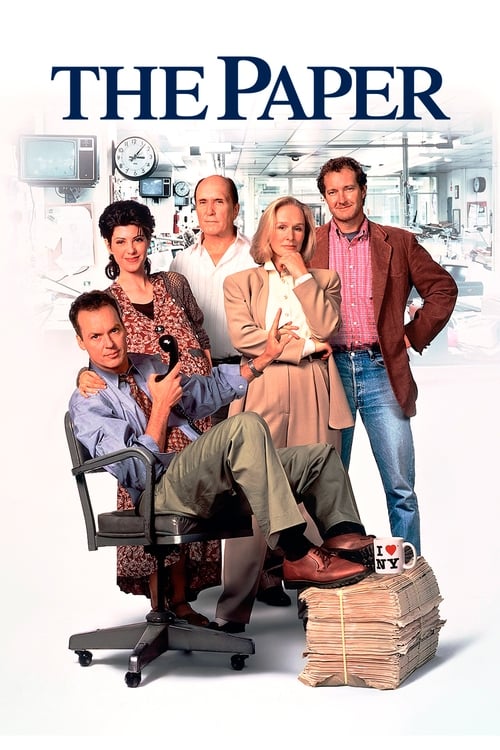
The Paper
1994Henry Hackett is the workaholic editor of a New York City tabloid. He loves his job, but the long hours and low pay are leading to discontent. Also, publisher Bernie White faces financial straits, and has hatchet-man Alicia Clark—Henry's nemesis—impose unpopular cutbacks.
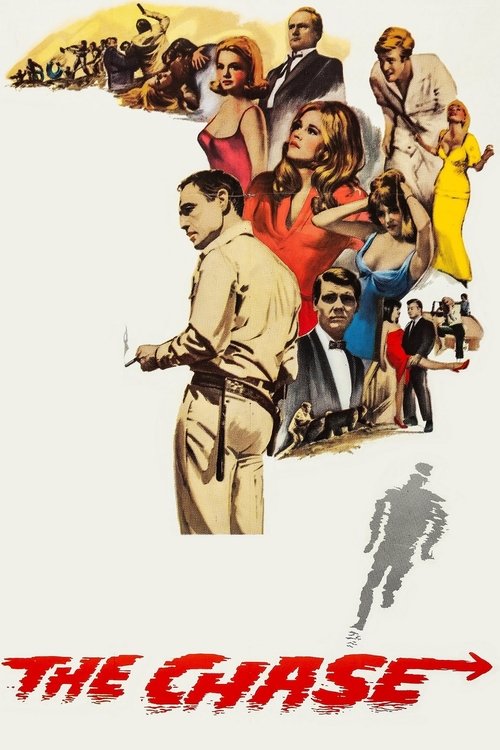
The Chase
1966The escape of Bubber Reeves from prison affects the inhabitants of a small Southern town.
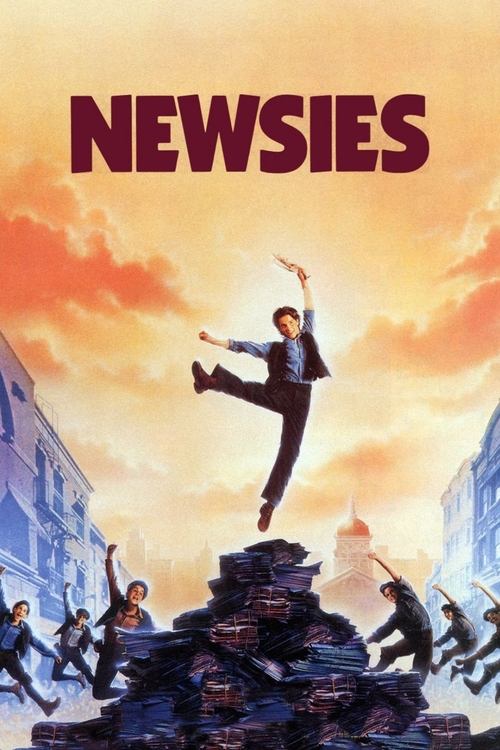
Newsies
1992A week in the life of the exploited, child newspaper sellers in turn-of-the-century New York. When their publisher, Joseph Pulitzer, tries to squeeze a little more profit out of their labours, they organize a strike, only to be confronted with the Pulitzer's hard-ball tactics.
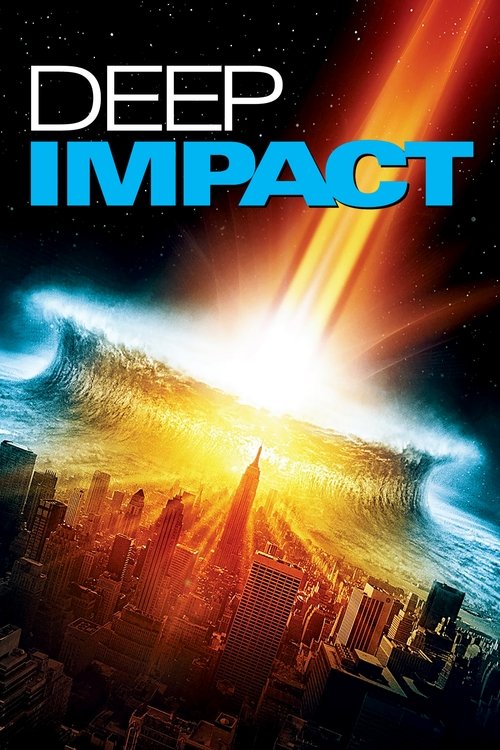
Deep Impact
1998A seven-mile-wide space rock is hurtling toward Earth, threatening to obliterate the planet. Now, it's up to the president of the United States to save the world. He appoints a tough-as-nails veteran astronaut to lead a joint American-Russian crew into space to destroy the comet before impact. Meanwhile, an enterprising reporter uses her smarts to uncover the scoop of the century.
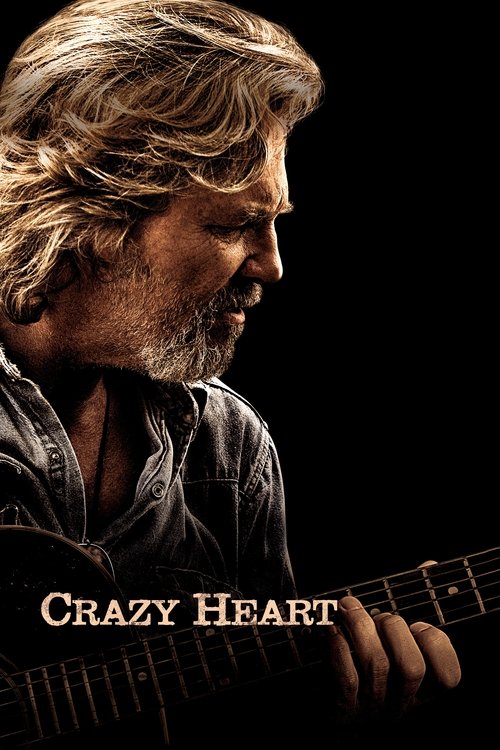
Crazy Heart
2009When reporter Jean Craddock interviews Bad Blake—an alcoholic, seen-better-days country music legend—they connect, and the hard-living crooner sees a possible saving grace in a life with Jean and her young son.
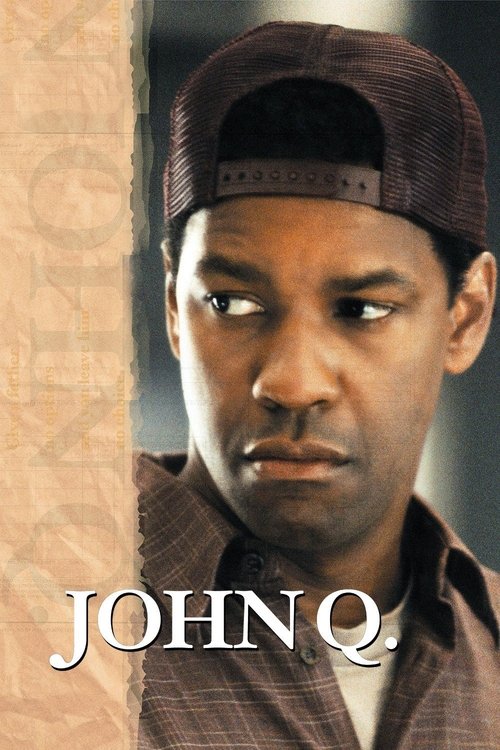
John Q
2002John Quincy Archibald is a father and husband whose son is diagnosed with an enlarged heart and then finds out he cannot receive a transplant because HMO insurance will not cover it. Therefore, he decides to take a hospital full of patients hostage until the hospital puts his son's name on the donor's list.
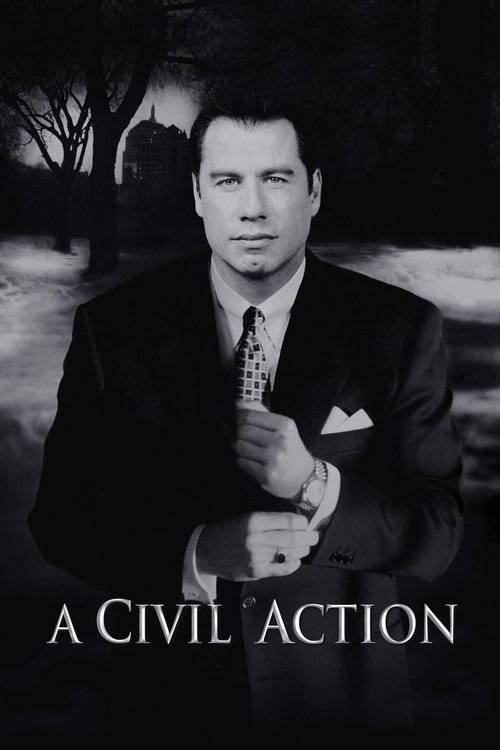
A Civil Action
1998Jan Schlickmann is a cynical lawyer who goes out to 'get rid of' a case, only to find out it is potentially worth millions. The case becomes his obsession, to the extent that he is willing to give up everything—including his career and his clients' goals—in order to continue the case against all odds.
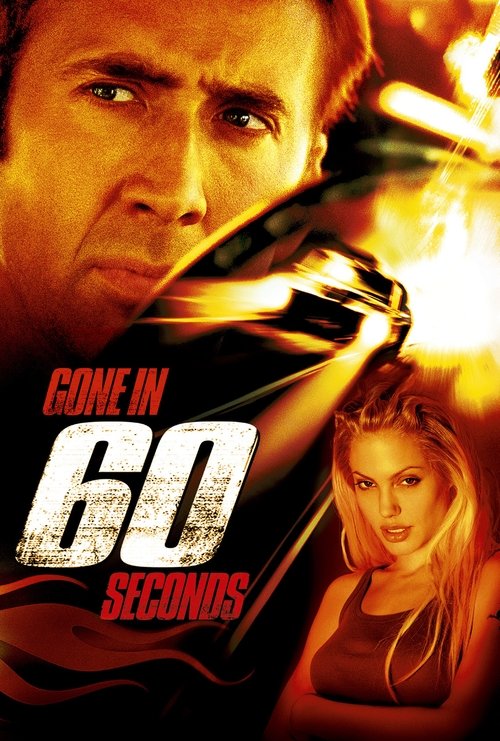
Upon learning that he has to come out of retirement to steal 50 cars in one night to save his brother Kip's life, former car thief Randall "Memphis" Raines enlists help from a few "boost happy" pals to accomplish a seemingly impossible feat. From countless car chases to relentless cops, the high-octane excitement builds as Randall swerves around more than a few roadblocks to keep Kip alive.
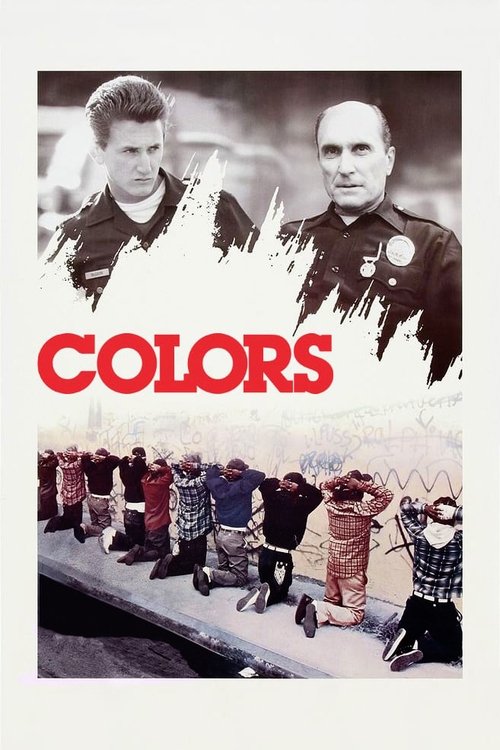
Colors
1988A confident young cop is shown the ropes by a veteran partner in the dangerous gang-controlled barrios of Los Angeles, where the gang culture is enforced by the colors the members wear.
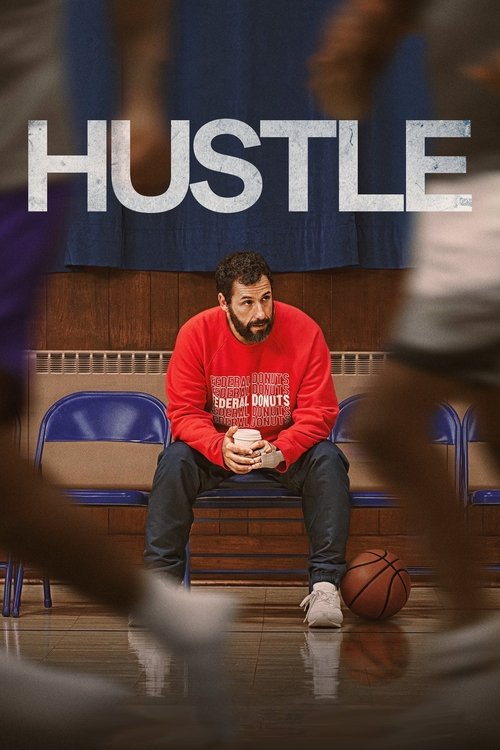
Hustle
2022After discovering a once-in-a-lifetime player with a rocky past abroad, a down on his luck basketball scout takes it upon himself to bring the phenom to the States without his team's approval. Against the odds, they have one final shot to prove they have what it takes to make it in the NBA.
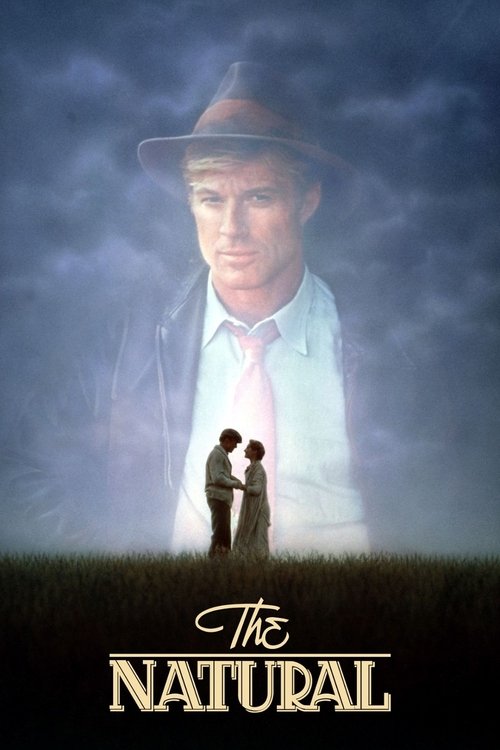
The Natural
1984An unknown middle-aged batter named Roy Hobbs with a mysterious past appears out of nowhere to take a losing 1930s baseball team to the top of the league.
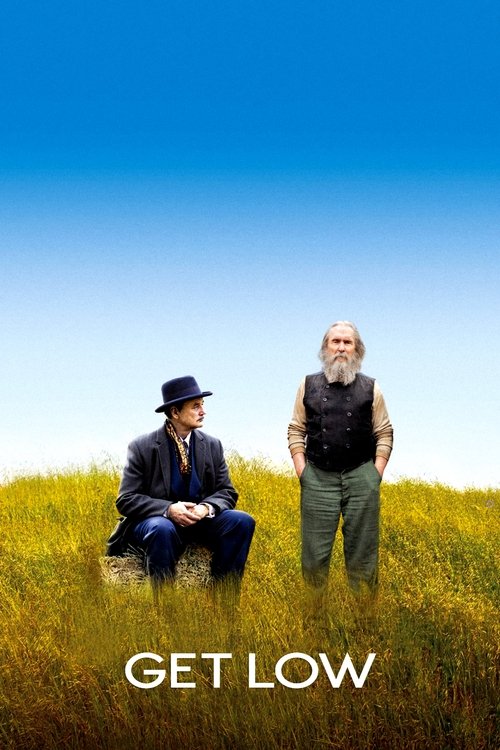
Get Low
2010A movie spun out of equal parts folk tale, fable and real-life legend about the mysterious, 1930s Tennessee hermit who famously threw his own rollicking funeral party... while he was still alive.
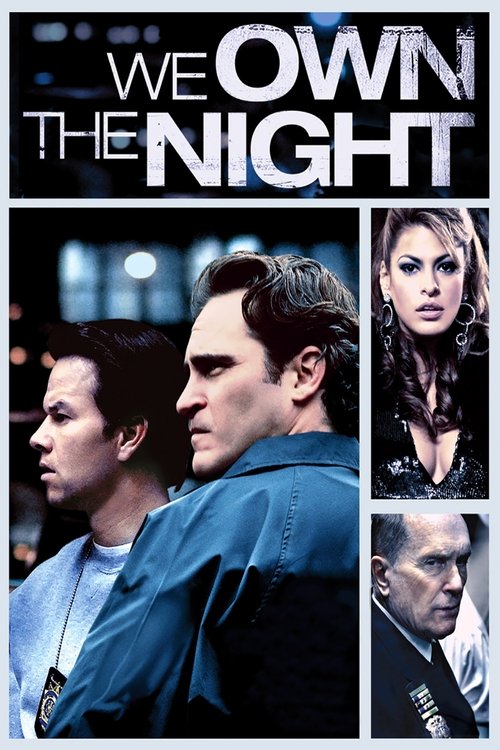
We Own the Night
2007A New York nightclub manager tries to save his brother and father from Russian mafia hitmen.
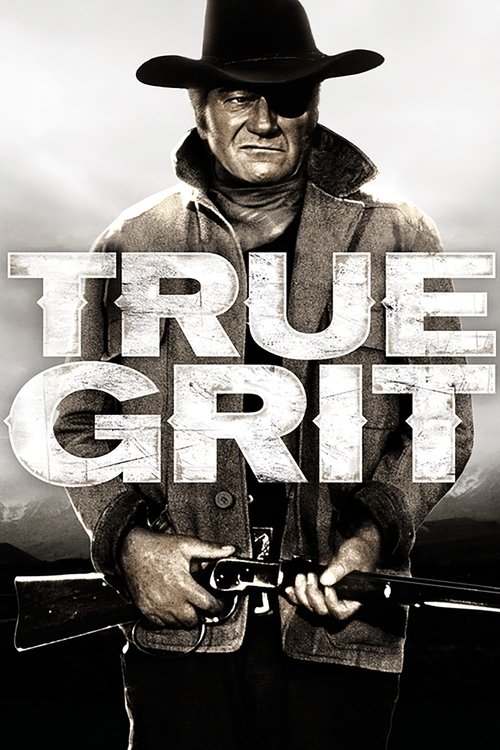
True Grit
1969The murder of her father sends a teenage tomboy on a mission of 'justice', which involves avenging her father's death. She recruits a tough old marshal, 'Rooster' Cogburn because he has 'true grit', and a reputation of getting the job done.
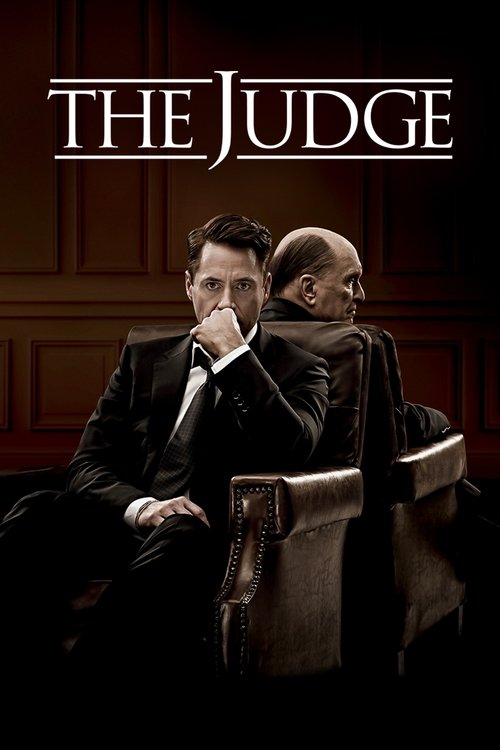
The Judge
2014A successful lawyer returns to his hometown for his mother's funeral only to discover that his estranged father, the town's judge, is suspected of murder.
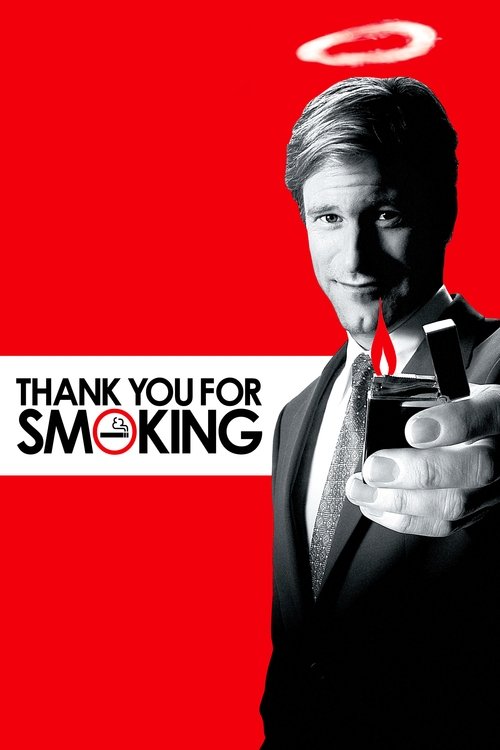
Thank You for Smoking
2005Nick Naylor is a charismatic spin-doctor for Big Tobacco who'll fight to protect America's right to smoke -- even if it kills him -- while still remaining a role model for his 12-year old son. When he incurs the wrath of a senator bent on snuffing out cigarettes, Nick's powers of "filtering the truth" will be put to the test.
As the Captain, Duvall leans into a charismatic, Southern-fried cynicism that perfectly complements the film's fast-talking wit. He fills the screen with the weight of old-world industry, providing a formidable and funny patriarchal presence.
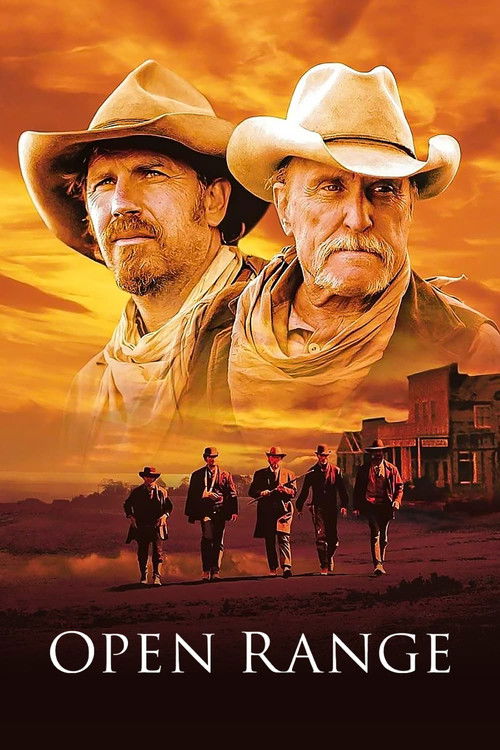
Open Range
2003A former gunslinger is forced to take up arms again when he and his cattle crew are threatened by a corrupt lawman.
Returning to the Western genre with grit and grace, Duvall embodies the code of the old frontier as Boss Spearman. His performance is a masterclass in weathered authority, lending the film an authentic sense of history and lived-in dignity.
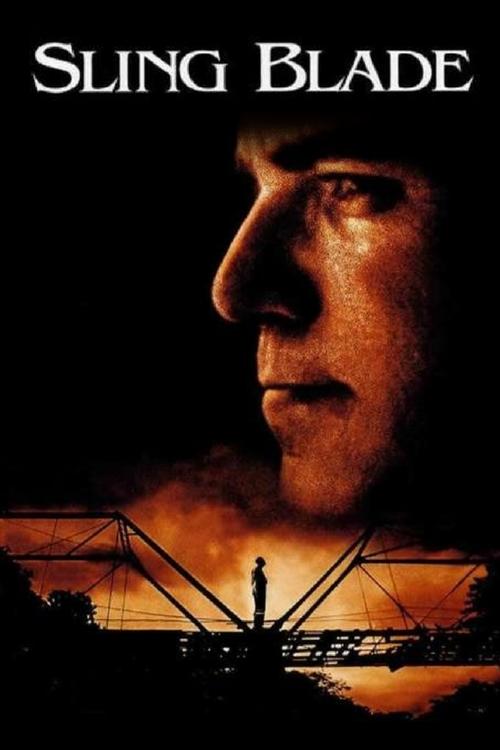
Sling Blade
1996Karl Childers, a mentally disabled man, has been in the custody of the state mental hospital since the age of 12 for killing his mother and her lover. Although thoroughly institutionalized, he is deemed fit to be released into the outside world.
In a brief but chilling appearance as Karl’s estranged father, Duvall utilizes a minimalist, weathered intensity to suggest decades of trauma. It is a haunting cameo that proves his ability to dominate the emotional landscape of a film with very little screen time.
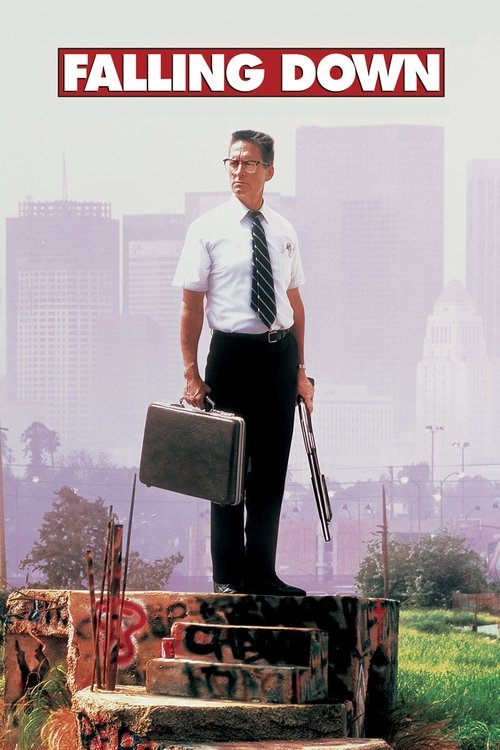
Falling Down
1993An ordinary man frustrated with the various flaws he sees in society begins to psychotically and violently lash out against them.
Duvall provides a weary, empathetic soul to this urban thriller as a retiring detective who serves as the film’s moral compass. His understated tenacity balances the central protagonist’s explosive rage, showcasing his veteran ability to humanize procedural storytelling.
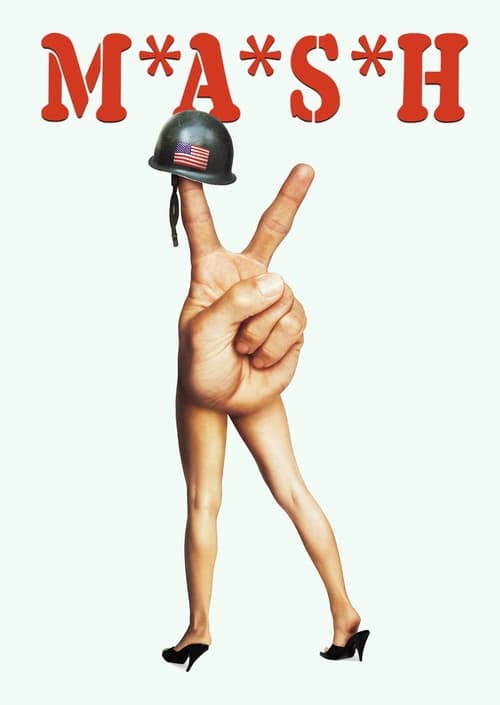
M*A*S*H
1970One of the world's most acclaimed comedies, M*A*S*H focuses on three Korean War Army surgeons brilliantly brought to life by Donald Sutherland, Tom Skerritt and Elliott Gould. Though highly skilled and deeply dedicated, they adopt a hilarious, lunatic lifestyle as an antidote to the tragedies of their Mobile Army Surgical Hospital, and in the process infuriate Army bureaucrats. Robert Duvall, Gary Burghoff and Sally Kellerman co-star as a sanctimonious Major, an other-worldly Corporal, and a self-righteous yet lusty nurse.
As the high-strung Major Frank Burns, Duvall displays a rare gift for religious hypocrisy and comedic fragility. This role highlighted his versatile range, allowing him to be the essential, punchable villain within a chaotic ensemble of anti-establishment doctors.
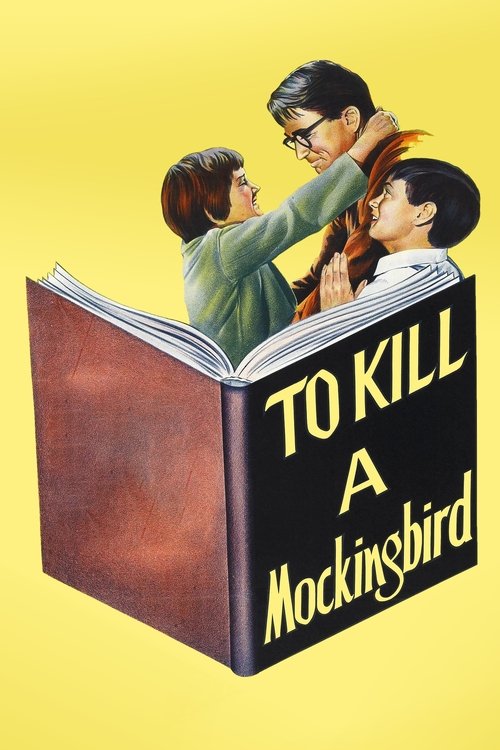
To Kill a Mockingbird
1962Scout Finch, 6, and her older brother Jem live in sleepy Maycomb, Alabama, spending much of their time with their friend Dill and spying on their reclusive and mysterious neighbor, Boo Radley. When Atticus, their widowed father and a respected lawyer, defends a black man named Tom Robinson against fabricated rape charges, the trial and tangent events expose the children to evils of racism and stereotyping.
In his cinematic debut, Duvall creates an indelible impact as Boo Radley without uttering a single word. His pale, haunting physicality communicates a lifetime of isolation and remains one of the most powerful examples of silent characterization in modern film.
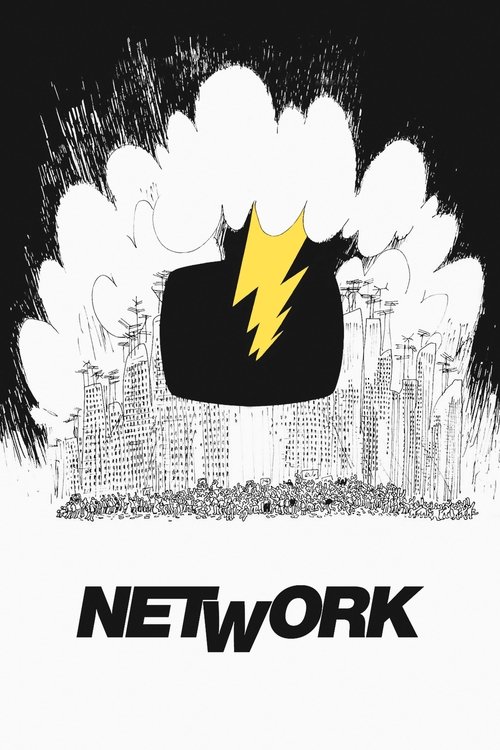
Network
1976When veteran anchorman Howard Beale is forced to retire his 25-year post because of his age, he announces to viewers that he will kill himself during his farewell broadcast. Network executives rethink their decision when his fanatical tirade results in a spike in ratings.
Playing the ruthless corporate shark Frank Hackett, Duvall vibrates with a frantic, profit-driven energy that serves as the perfect foil to the film’s prophetic madness. He transforms bureaucratic greed into a high-stakes performance that sharpens the movie’s satirical edge.
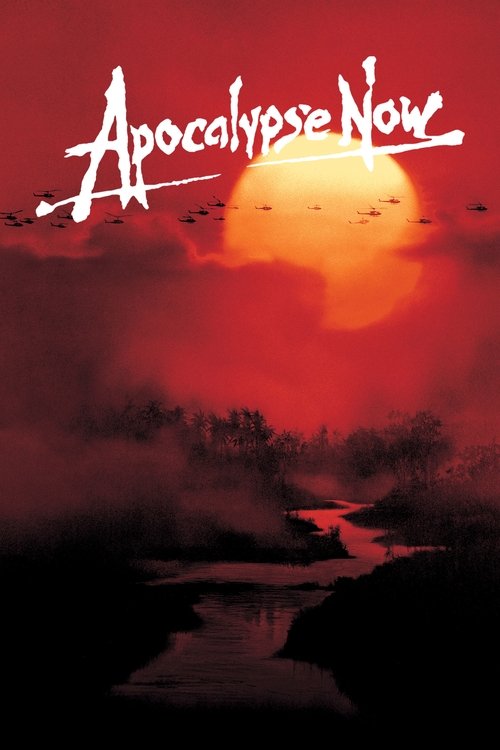
Apocalypse Now
1979At the height of the Vietnam war, Captain Benjamin Willard is sent on a dangerous mission that, officially, "does not exist, nor will it ever exist." His goal is to locate - and eliminate - a mysterious Green Beret Colonel named Walter Kurtz, who has been leading his personal army on illegal guerrilla missions into enemy territory.
Duvall’s turn as Colonel Kilgore is a terrifying masterclass in military eccentricism and surf-obsessed detachment amidst the chaos of war. It remains a definitive career peak that captured the absurdity of the American involvement in Vietnam through a single, iconic personality.
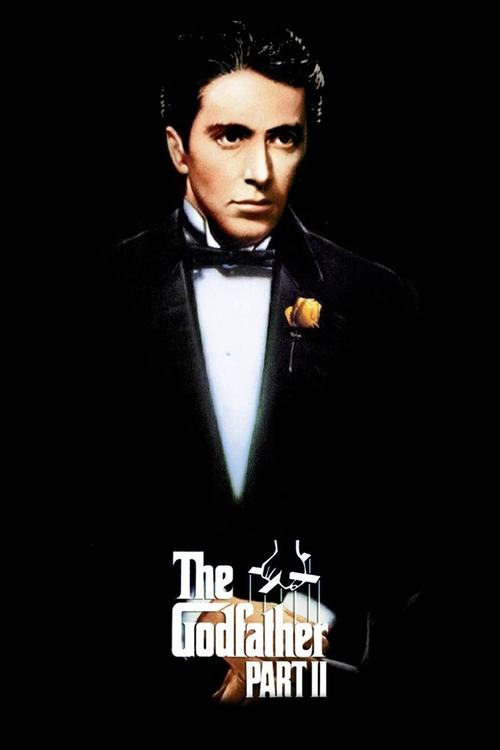
In the continuing saga of the Corleone crime family, a young Vito Corleone grows up in Sicily and in 1910s New York. In the 1950s, Michael Corleone attempts to expand the family business into Las Vegas, Hollywood and Cuba.
The sequel demands a more seasoned pragmatism from Duvall, whose Hagen now navigates a colder and more paranoid underworld. His performance acts as the moral and structural anchor for Michael’s descent, proving his indispensability to the franchise’s gravitas.
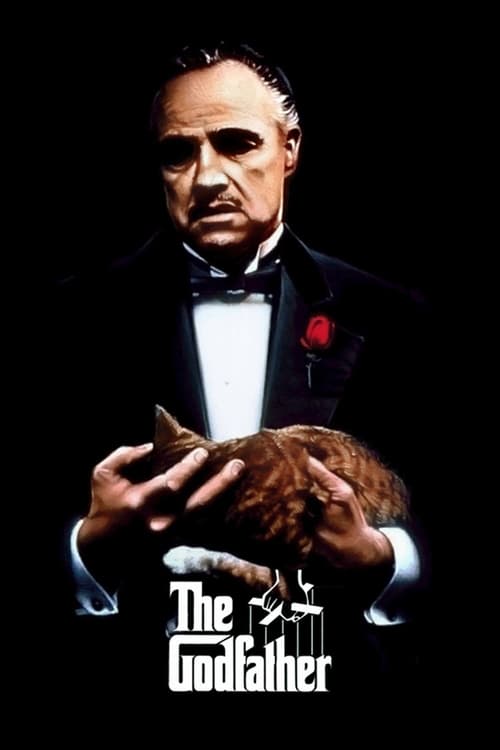
The Godfather
1972Spanning the years 1945 to 1955, a chronicle of the fictional Italian-American Corleone crime family. When organized crime family patriarch, Vito Corleone barely survives an attempt on his life, his youngest son, Michael steps in to take care of the would-be killers, launching a campaign of bloody revenge.
As Tom Hagen, Duvall provides the ice to the Corleone fire, grounding this operatic tragedy with a calculated, understated composure. This role defined his ability to command a scene through stillness rather than volume, securing his place as the ultimate cinematic consigliere.
Frequently Asked Questions
Everything you need to know about this list and SnakeDrafts
- Robert Duvall's portrayal of Tom Hagen in The Godfather (1972) is ranked highest due to his nuanced performance as the family's consigliere, combining quiet authority with deep loyalty. This role showcased his ability to command the screen with subtlety, becoming iconic in American crime cinema.
- In Apocalypse Now (1979), Duvall's character, Lieutenant Colonel Kilgore, is a flamboyant and intense military leader, contrasting with the restrained and calculated Tom Hagen of The Godfather. This role highlights Duvall's range in depicting complex characters under extreme circumstances.
- Duvall's roles in films like M*A*S*H (1970), a war comedy-drama, and Open Range (2003), a Western, demonstrate his wide-ranging versatility. He seamlessly adapts from intense drama in The Godfather to dark comedy in Thank You for Smoking (2005), proving his ability to master diverse cinematic styles.
- The list notably includes well-known classics like To Kill a Mockingbird (1962) where Duvall had a smaller but memorable role, but omits some lesser-known indie films that showcase his depth. Its focus leans toward his most influential and critically acclaimed performances, emphasizing his cultural impact over sheer filmography volume.
- Many of Duvall's top-ranked movies explore themes of loyalty, morality, and authority, often set against American socio-political backdrops. Films like The Godfather, Apocalypse Now, and Network delve into power dynamics and personal integrity, showcasing Duvall's strength in portraying complex ethical challenges.
- In Network (1976), Duvall plays Frank Hackett, a corporate executive, bringing sharp intensity to a film that critiques media manipulation. This role reinforced Duvall's reputation for embodying characters that represent institutional power with compelling realism.
- Sling Blade (1996) features Duvall as Karl Childers, a mentally challenged man, which is a deeply empathetic and transformative role. This performance stands out for its emotional depth and Duvall's ability to humanize complex characters, earning critical acclaim and a lasting impact on audiences.