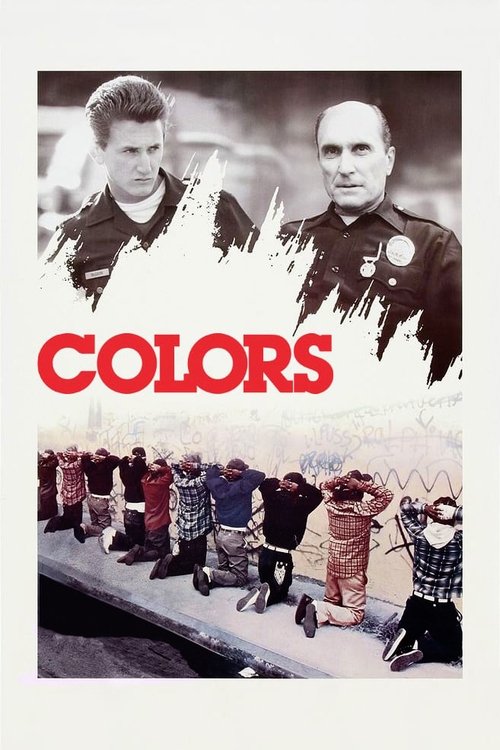
Colors
In the turbulent streets of 1980s Los Angeles, two LAPD officers, a seasoned veteran and a brash rookie, navigate the brutal realities of gang warfare, forcing them to confront their own moral codes amidst the escalating violence. This gritty crime drama offers a visceral look into the urban landscape and the Thin Blue Line caught in its crossfire. Discover why "Colors" remains a powerful and relevant exploration of societal divides and the human cost of conflict.
Director
Release Year
1988
Runtime
120 minutes
Main Cast
Sean Penn, Robert Duvall, María Conchita Alonso, Randy Brooks, Grand L. Bush
About Colors
Dennis Hopper's "Colors" exploded onto the screen in 1988, immediately cementing its place as a seminal work in the urban crime drama genre. It didn't just depict gang life; it immersed audiences in it, forcing them to grapple with the harsh realities faced by both law enforcement and those entrenched in the cycle of violence. The film’s raw authenticity and unflinching gaze at South Central Los Angeles resonated deeply, sparking conversations about socio-economic disparities, systemic issues, and the pervasive impact of gang culture. Its influence can be seen in countless films and television series that followed, attempting to capture the same level of gritty realism.
At its core, "Colors" explores the fraught partnership between two LAPD officers: the idealistic, hot-headed rookie Danny McGavin (Sean Penn) and his world-weary, by-the-book partner, Bob Hodges (Robert Duvall). Their contrasting philosophies provide the dramatic tension, as they patrol gang-ridden neighborhoods, often finding themselves caught between rival factions like the Crips and the Bloods. The narrative unfolds with a palpable sense of danger and urgency, showcasing the daily challenges and moral compromises inherent in their work. The film deftly avoids glorifying violence, instead presenting it as a tragic and self-perpetuating force.
Upon its release, "Colors" garnered significant critical attention for its powerful performances, particularly from Penn and Duvall, who grounded the film's intensity with their nuanced portrayals. While some critics debated its efficacy in addressing complex social issues, many lauded its uncompromising vision and timely relevance. The film's commercial success further underscored the public's appetite for unflinching explorations of urban life. Its soundtrack, featuring a blend of hip-hop and rap, also played a crucial role in its cultural impact, introducing a wider audience to artists like Ice-T.
"Colors" endures as more than just a crime film; it's a time capsule of a specific era in Los Angeles history, a bold character study, and a searing social commentary. Its legacy lies in its refusal to offer easy answers, instead prompting viewers to confront uncomfortable truths about justice, community, and the persistent struggle for peace in a fractured world. The film's intense atmosphere and memorable performances continue to resonate, proving its lasting power and contribution to cinematic storytelling.
Drafts Featuring Colors
Every SnakeDrafts listicle where this movie appears
The Best Sean Penn Movies Ranked
Ranked #16
Robert Duvall's Greatest Movie Roles Ranked
Ranked #17
Best Movies Starring Damon Wayans
Ranked #7
1988's Best Movies Ranked
Ranked #31
The Greatest Action Movies of 1988
Ranked #25
The Best Crime Movies of 1988, Ranked
Ranked #2
The Best 1980s Crime Movies Ranked
Ranked #30
The Greatest Thriller Movies of 1988
Ranked #9
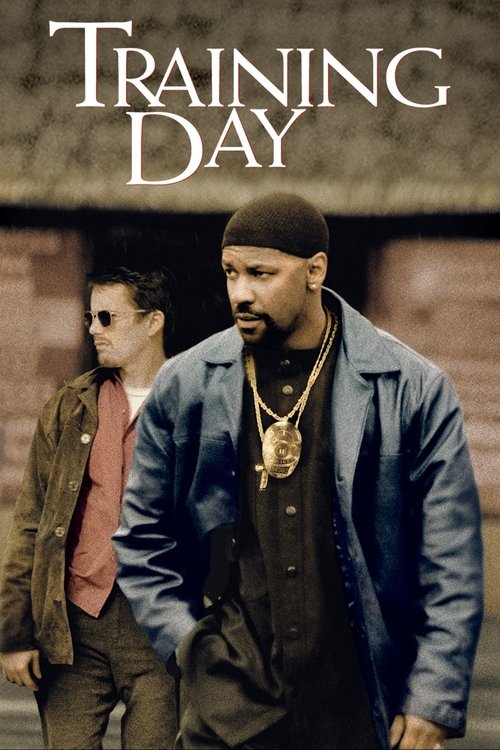
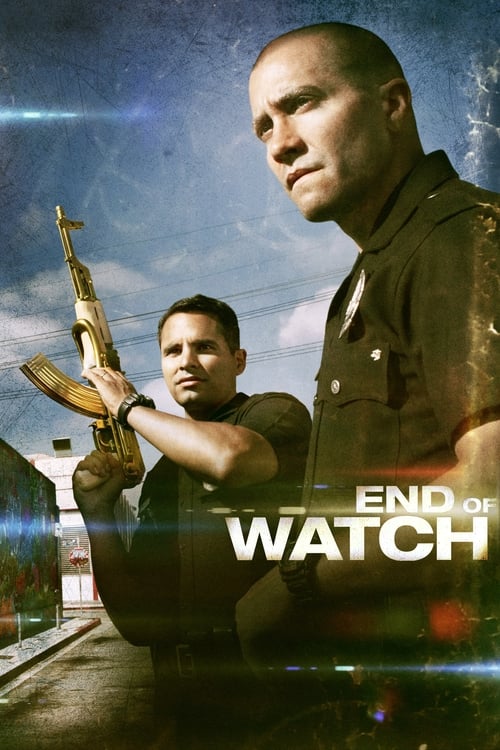
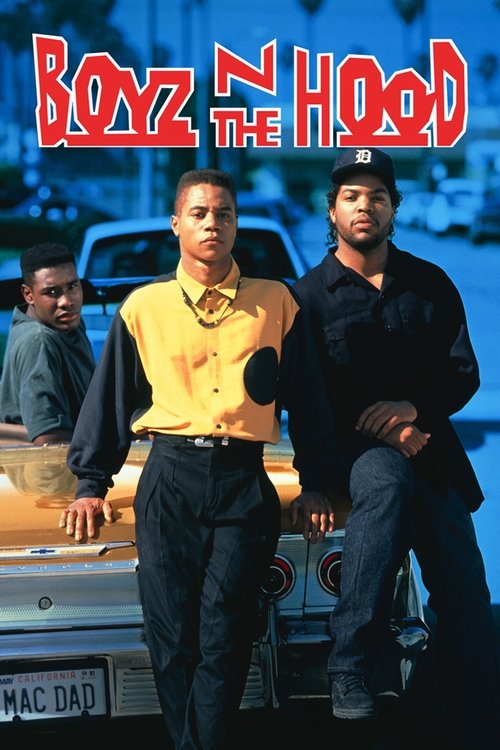
Similar Movies
Movies related to Colors
Frequently Asked Questions
Everything you need to know about Colors
- The title 'Colors' directly refers to the gang affiliations depicted in the movie, where different gangs are identified by their specific clothing colors, such as blue for the Crips and red for the Bloods. These colors serve as potent symbols of identity, allegiance, and division within the film's narrative.
- Danny McGavin is a young, aggressive rookie who often acts impulsively, driven by a desire to make a difference. In contrast, Bob Hodges is a seasoned veteran who prefers a more measured, community-oriented approach, understanding the nuances of the neighborhoods he patrols. Their contrasting methods create much of the film's internal conflict.
- The specific setting of gang-controlled barrios in Los Angeles is integral to the film's authenticity and atmosphere. The urban landscape itself becomes a character, with its distinct visual and cultural elements shaping the struggles and interactions of both the police and the gang members portrayed.
- The film delves into complex themes of trust, fear, communication, and misunderstanding between law enforcement and the communities they serve. It highlights the challenges of building bridges in environments marked by tension and historical grievances, examining the different perspectives from both sides of the divide.
- The lasting impact of 'Colors' lies in its raw and sobering portrayal of urban violence and its cyclical nature. It serves as a powerful cautionary tale about the complexities of gang life, the limitations of law enforcement, and the devastating human cost of societal divisions, prompting continued reflection on these issues.

