Barry Levinson's Top Films Ranked
The Master of Character Dramas and Cultural Satire
Explore the definitive filmography of Barry Levinson, from Oscar-winning masterpieces like Rain Man to iconic dramedies like Diner and Sleepers.
About Barry Levinson
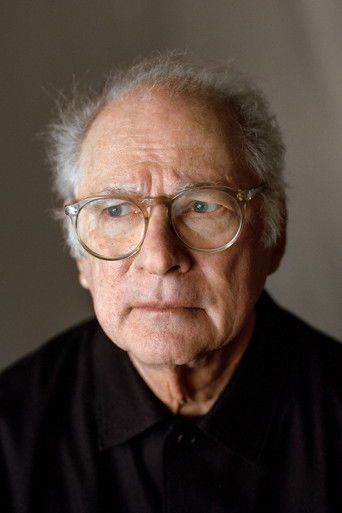
To understand the tectonic shifts in American cinema over the last forty years, one must look toward the sturdy, humane lens of Barry Levinson. He is a master of the conversational drift, a filmmaker who recognizes that the most profound human truths are rarely found in grand speeches but in the messy, overlapping chatter of old friends and the quiet desperation of men out of time. While his peers often chased visual pyrotechnics, he built a legacy on the rhythm of the spoken word and an unerring sense of place.
His debut, Diner, essentially invented the modern hang-out movie. By letting its ensemble cast simply exist in the crumbs of a late-night booth, he captured a specific brand of masculine anxiety that would become a career-long fascination. This obsession with the interior lives of Baltimore men expanded into a richer tapestry with Avalon and Liberty Heights, films that function as living memories. He treats nostalgia not as a cheap emotional trick, but as a deliberate excavation of how families survive the bruising pace of the twentieth century.
The Levinson touch is defined by a chameleon-like ability to shift scales without losing his soul. He can handle the glossy, mythic sweep of The Natural or the high-stakes political satire of Wag the Dog with the same precision he applies to a small room. In Rain Man, he took a premise that could have devolved into sentimental melodrama and turned it into a masterclass in behavioral observation, finding the humor and the heartbreak in the friction between two disparate brothers. His work with Robin Williams in Good Morning, Vietnam remains perhaps the definitive marriage of a performer’s manic energy with a director’s grounded perspective.
When he looks at power, he sees the cracks in the facade. You can trace a line from the sun-drenched violence of Bugsy to the corporate claustrophobia of Disclosure, and finally to the moral rot of The Wizard of Lies. He is fascinated by the cost of ambition and the heavy weight of secrets. Even in his later work, like the harrowing The Survivor, he refuses to look away from the darker corners of the human psyche.
Stylistically, he favors a naturalism that feels unforced, often letting scenes breathe until the actors find something unplanned. Whether he is directing a heist comedy like Bandits or a dark coming-of-age drama like Sleepers, there is always a sense of a steady hand at the wheel. He remains one of the few directors who can navigate the machinery of a big-budget studio production while maintaining the intimacy of an independent storyteller. He doesn't just tell stories about people; he explores the invisible threads that tie us to our past, our cities, and each other. His filmography is a testament to the idea that the most spectacular thing a camera can capture is the honest silhouette of a human being.
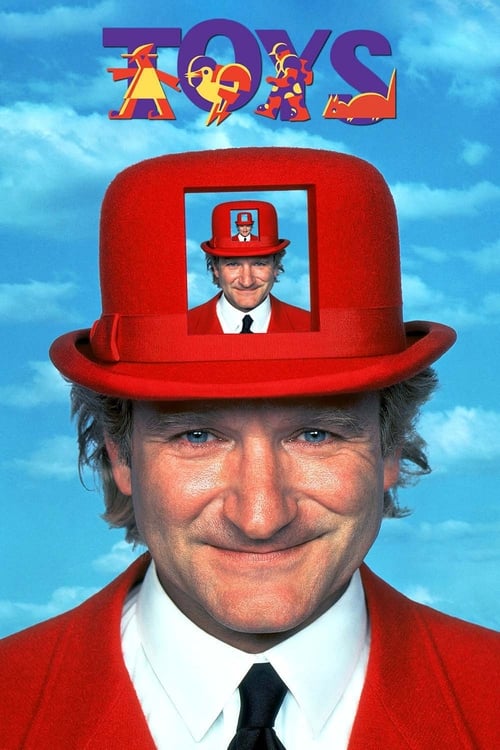
Toys
1992Leslie Zevo is a fun-loving inventor who must save his late father's toy factory from his evil uncle, Leland, a war-mongering general who rules the operation with an iron fist and builds weapons disguised as toys.
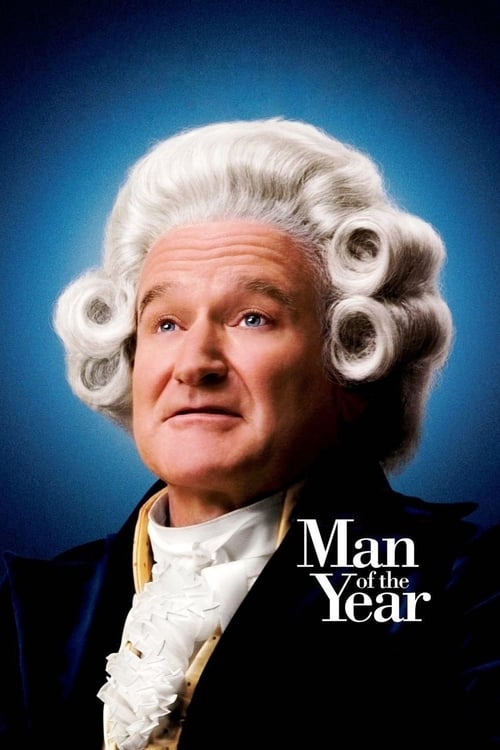
Man of the Year
2006The irreverent host of a political satire talk show decides to run for president and expose corruption in Washington. His stunt goes further than he expects when he actually wins the election, but a software engineer suspects that a computer glitch is responsible for his surprising victory.
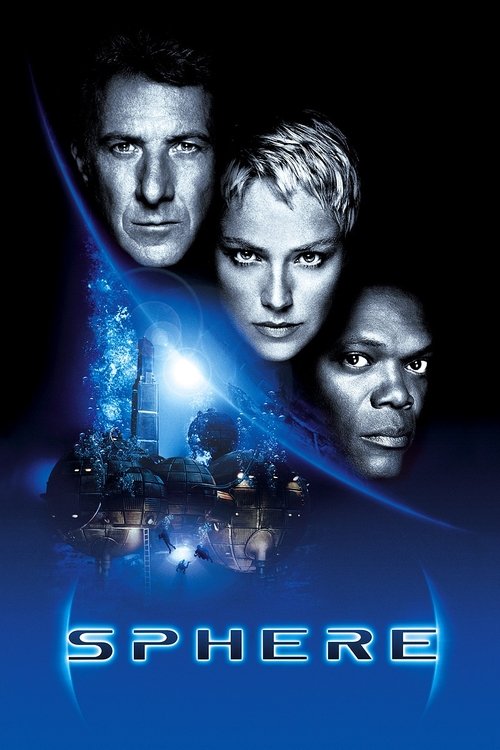
Sphere
1998A spacecraft is discovered at the bottom of the Pacific Ocean, presumed to be at least 300 years old and of alien origin. A crack team of scientists and experts is assembled and taken to the ocean floor to investigate. However, the ship is not as it seems and when a giant perfect sphere is discovered in the cargo bay, things begin to fall apart.
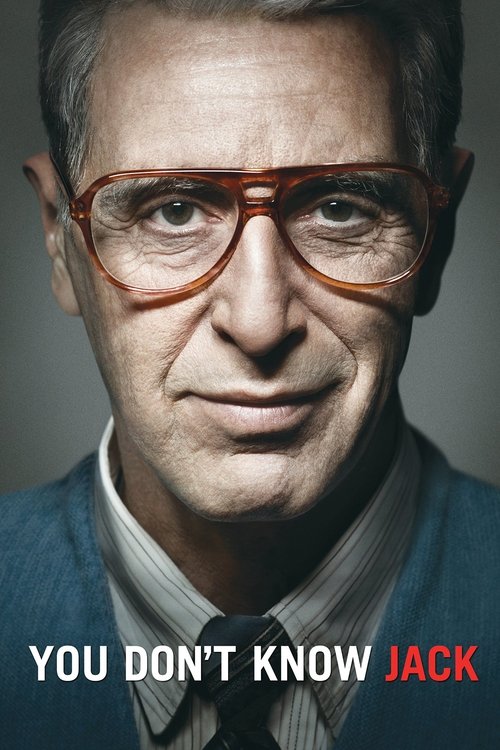
You Don't Know Jack
2010Controversy and legal problems follow Dr. Jack Kevorkian as he advocates assisted suicide.
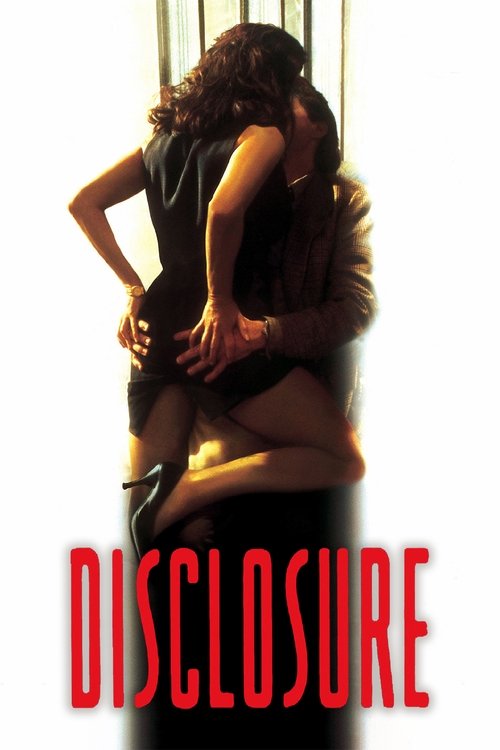
Disclosure
1994A computer specialist is sued for sexual harassment by a former lover turned boss who initiated the act forcefully, which threatens both his career and his personal life.
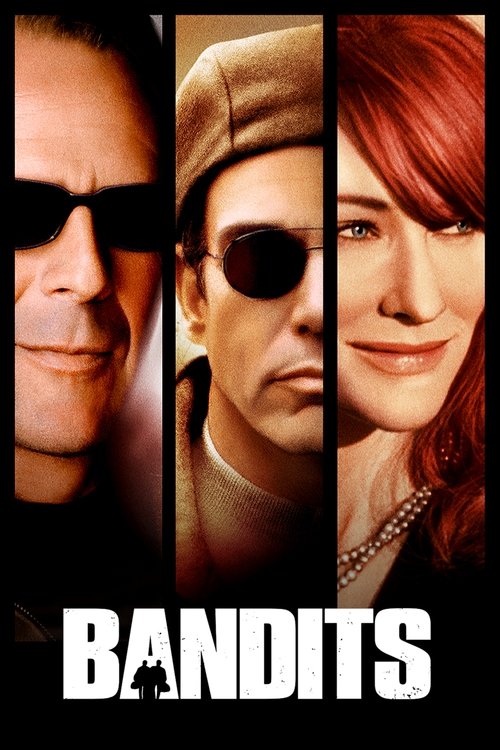
Bandits
2001After escaping from prison, Joe and Terry go on a crime spree, robbing banks through Oregon and California in order to finance their scheme for a new life south of the border. Unfortunately, things get more complicated when they meet Kate, who runs into them with her car. She joins the bandits on their cross-country spree, and eventually she steals something, too: their hearts.
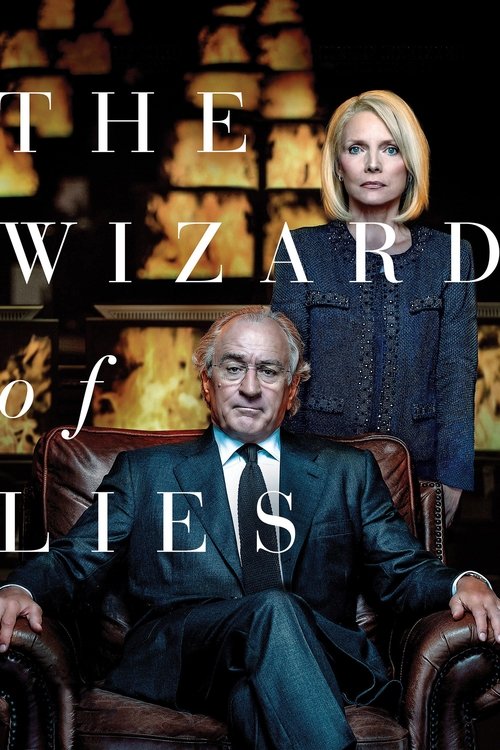
The Wizard of Lies
2017A look behind the scenes at Bernie Madoff's massive Ponzi scheme, how it was perpetrated on the public and the trail of destruction it left in its wake, both for the victims and Madoff's family.
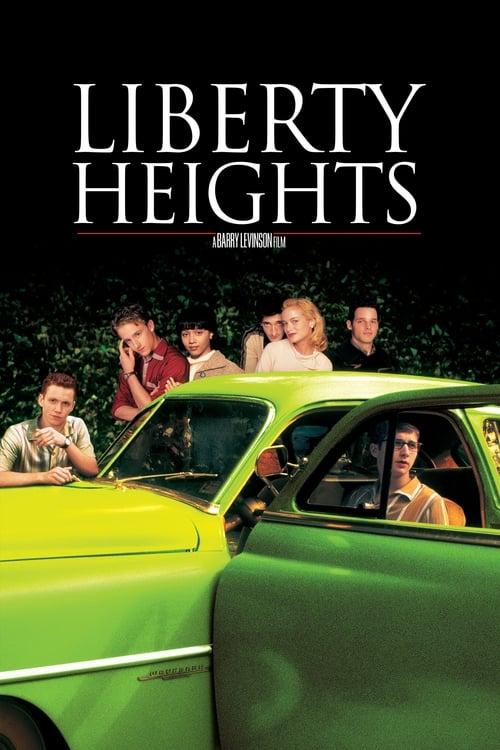
Liberty Heights
1999This semi-autobiographical film by Barry Levinson follows various members of the Kurtzman clan, a Jewish family living in suburban Baltimore during the 1950s. As teenaged Ben completes high school, he falls for Sylvia, a black classmate, creating inevitable tensions. Meanwhile, Ben's brother, Van, attends college and becomes smitten with a mysterious woman while their father tries to maintain his burlesque business.
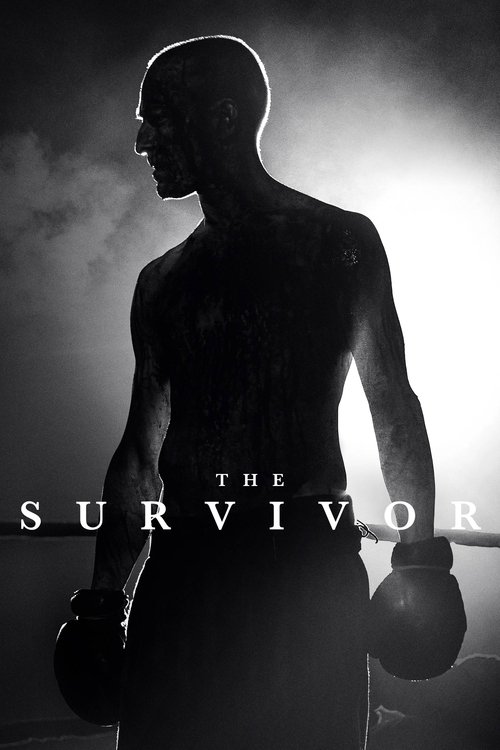
The Survivor
2022Harry Haft is a boxer who fought fellow prisoners in the concentration camps to survive. Haunted by the memories and his guilt, he attempts to use high-profile fights against boxing legends like Rocky Marciano as a way to find his first love again.
A somber bookend to his illustrious career, this late-period entry finds Levinson returning to themes of trauma and memory with a stark, uncompromising formal rigor. The film reflects a director reflecting on the weight of history, stripping away artifice to focus on the grueling endurance of the human spirit.
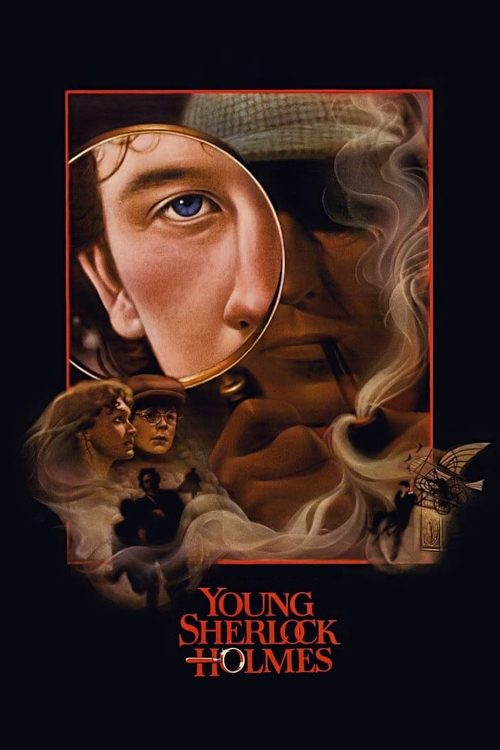
Young Sherlock Holmes
1985Sherlock Holmes and Dr. Watson meet as boys in an English Boarding school. Holmes is known for his deductive ability even as a youth, amazing his classmates with his abilities. When they discover a plot to murder a series of British business men by an Egyptian cult, they move to stop it.
Levinson displays a surprising flair for Victorian atmosphere and pioneering visual effects, proving his versatility by injecting a spirit of Amblin-esque adventure into a classic literary mythos. The project highlights his ability to execute high-concept genre fiction without losing the human curiosity that drives his more grounded dramas.
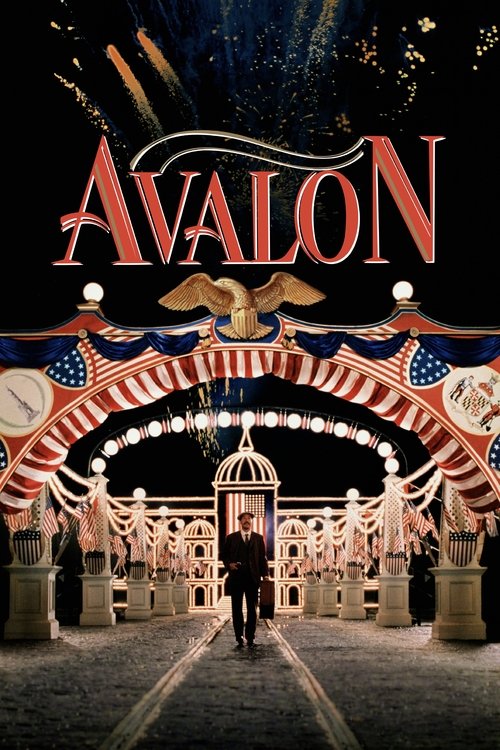
Avalon
1990A Polish-Jewish family comes to the U.S. at the beginning of the twentieth century. There, the family and their children try to make themselves a better future in the so-called promised land.
Perhaps his most personal and visually evocative work, this multi-generational saga serves as a lyrical meditation on the erosion of family tradition in the face of the American dream. Levinson captures the ephemeral nature of memory through a painterly lens that elevates the immigrant experience to the level of poetry.
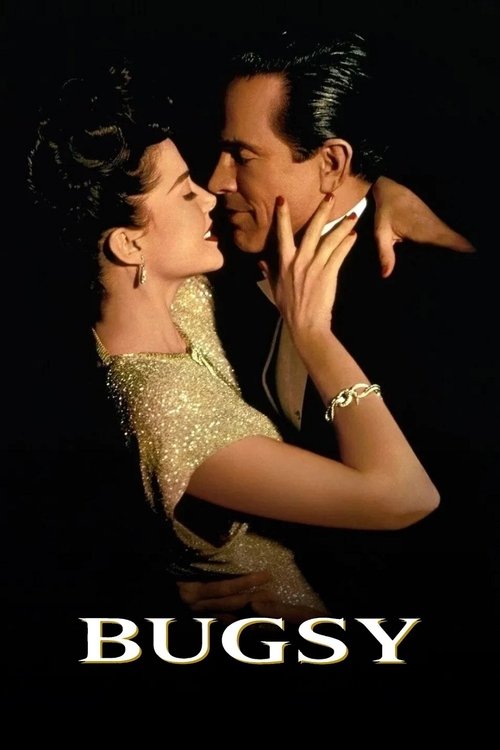
Bugsy
1991New York gangster Ben 'Bugsy' Siegel takes a brief business trip to Los Angeles. A sharp-dressing womanizer with a foul temper, Siegel doesn't hesitate to kill or maim anyone crossing him. In L.A. the life, the movies, and most of all strong-willed Virginia Hill detain him while his family wait back home. Then a trip to a run-down gambling joint at a spot in the desert known as Las Vegas gives him his big idea.
Levinson reimagines the gangster biopic as a lush, romantic obsession, trading typical underworld grit for the shimmering, dangerous allure of mid-century glamour. His direction emphasizes the protagonist's visionary madness, framing the birth of Las Vegas as a fever dream of ego and aesthetic perfection.
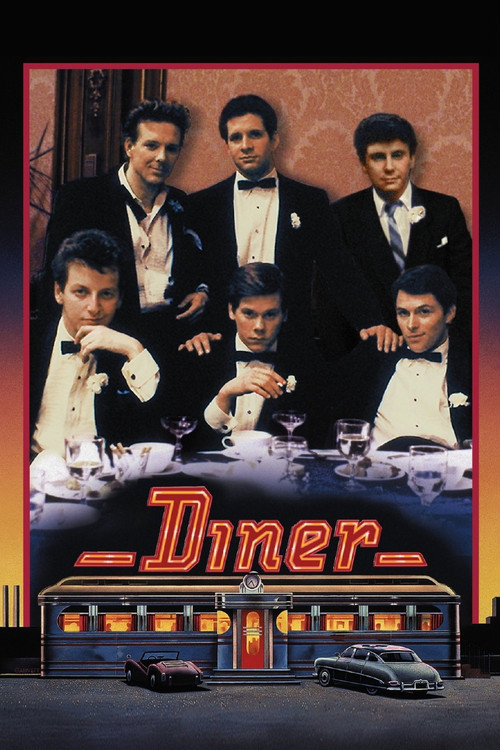
Diner
1982Set in 1959, Diner shows how five young men resist their adulthood and seek refuge in their beloved Diner. The mundane, childish, and titillating details of their lives are shared. But the golden moments pass, and the men shoulder their responsibilities, leaving the Diner behind.
In his directorial debut, Levinson revolutionized the coming-of-age genre by prioritizing the rhythmic, overlapping cadence of naturalistic dialogue over traditional plot mechanics. This film established his signature preoccupation with the Baltimore of his youth and his uncanny ability to find profound meaning in the mundane banter of male friendship.
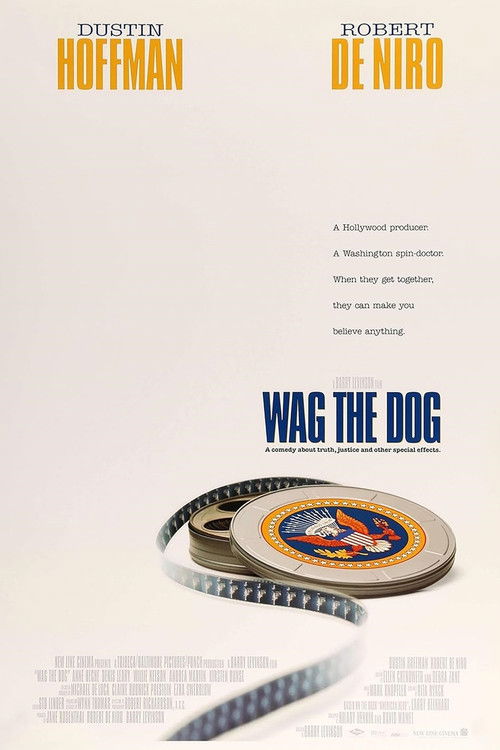
Wag the Dog
1997During the final weeks of a presidential race, the President is accused of sexual misconduct. To distract the public until the election, the President's adviser hires a Hollywood producer to help him stage a fake war.
This razor-sharp satire showcases Levinson at his most cynical and clairvoyant, dismantling the artifice of political image-making with frantic, kinetic energy. It solidified his reputation as a filmmaker capable of dissecting the intersection of Hollywood artifice and Washington manipulation with terrifying precision.
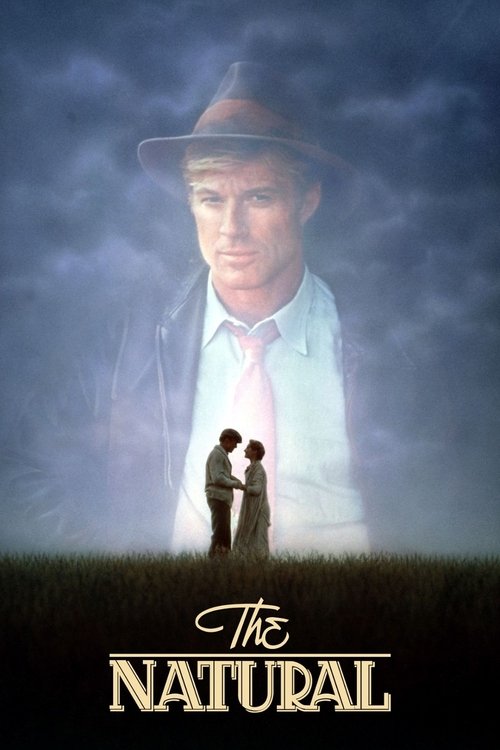
The Natural
1984An unknown middle-aged batter named Roy Hobbs with a mysterious past appears out of nowhere to take a losing 1930s baseball team to the top of the league.
By infusing the sports genre with Arthurian mysticism and golden-hued cinematography, Levinson elevated a baseball story into a transcendent piece of American folklore. The film demonstrates his unique talent for myth-making, transforming the diamond into a stage for a timeless battle between corruption and purity.
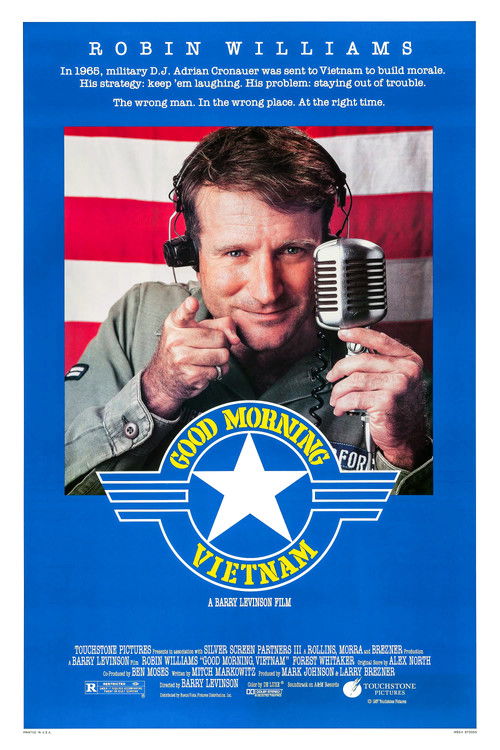
Good Morning, Vietnam
1987A disk jockey goes to Vietnam to work for the Armed Forces Radio Service. While he becomes popular among the troops, his superiors disapprove of his humor.
Levinson ingeniously weaponizes improvisational anarchy within the rigid framework of a wartime period piece, effectively capturing the friction between bureaucratic stifling and creative liberation. It remains a pivotal moment in his career where he successfully merged subversive comedy with a poignant critique of military institutionalism.
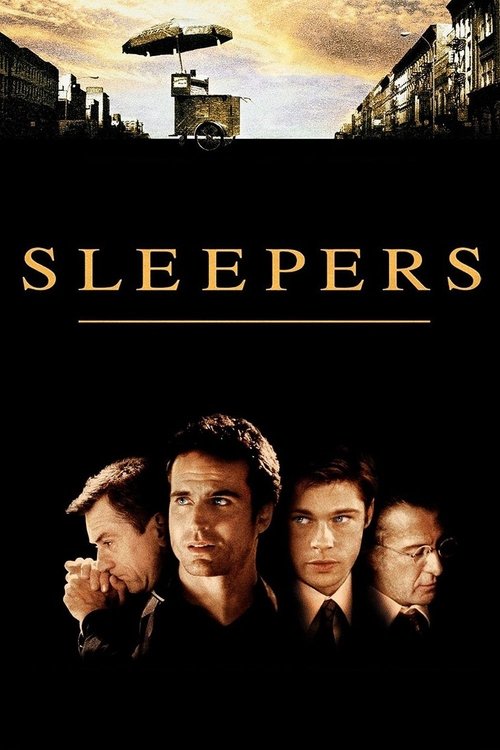
Sleepers
1996Two gangsters seek revenge on the state jail worker who during their stay at a youth prison sexually abused them. A sensational court hearing takes place to charge him for the crimes.
In this harrowing exploration of systemic failure and vigilante justice, Levinson pivots toward a gritty, operatic realism that pushes his penchant for nostalgia into much darker territory. The film stands as his most muscular work, utilizing a formidable ensemble to interrogate the psychological scarring of a shared past.
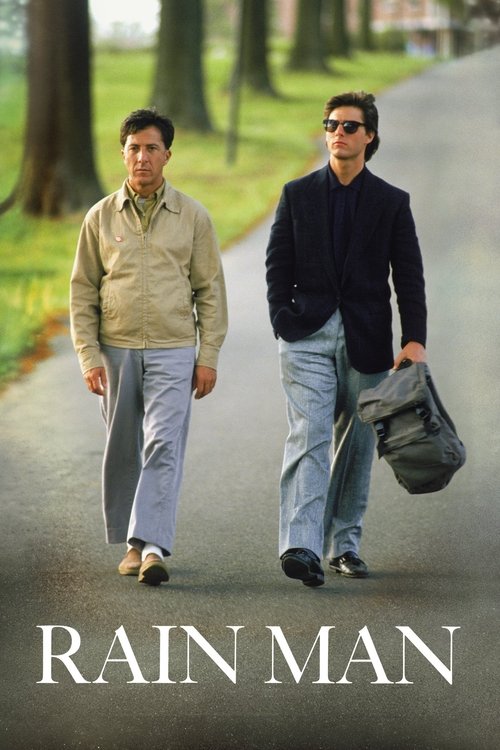
Rain Man
1988When car dealer Charlie Babbitt learns that his estranged father has died, he returns home to Cincinnati, where he discovers that he has a savant older brother named Raymond and that his father's $3 million fortune is being left to the mental institution in which Raymond lives. Motivated by his father's money, Charlie checks Raymond out of the facility in order to return with him to Los Angeles. The brothers' cross-country trip ends up changing both their lives.
Levinson masterfully balances clinical observation with emotional resonance, crafting a quintessential road movie that defined the high-concept prestige drama of the eighties. This Best Picture winner serves as the definitive exhibit of his ability to anchor massive commercial success in delicate, character-driven intimacy.
Frequently Asked Questions
Everything you need to know about this list and SnakeDrafts
- Diner (1982) is widely regarded as Barry Levinson's breakthrough film, showcasing his mastery in capturing the conversational nuances among a group of friends. It emphasizes character development through rich, overlapping dialogue rather than grand cinematic spectacle.
- 'Rain Man' highlights Levinson's ability to tell deeply human stories that focus on relationships and emotional complexity. The film's intimate portrayal of an autistic savant and his brother aligns with Levinson's signature style of exploring personal and emotional depth through dialogue-driven storytelling.
- Levinson's films often explore themes of friendship, memory, personal struggle, and the passage of time, as seen in movies like 'Avalon' and 'The Natural.' He frequently delves into social and historical contexts, blending drama and humor to reveal profound human truths.
- Levinson expertly blends genres such as drama, comedy, thriller, and crime, creating multifaceted narratives. For example, 'Good Morning, Vietnam' combines comedy and war drama, while 'Sleepers' fuses crime with intense dramatic elements, showcasing his versatility.
- 'Wag the Dog' stands out for its sharp satirical approach to politics and media manipulation. This dramedy uses humor and drama to critique contemporary society, illustrating Levinson's skill at engaging with topical issues through compelling storytelling.
- 'Bugsy' is notable for its lavish portrayal of the life of mobster Bugsy Siegel, combining crime drama with mystery. The film's detailed period setting and strong character study demonstrate Levinson's commitment to historical authenticity and complex characters.
- Levinson has directed acclaimed TV movies like 'The Wizard of Lies' and 'You Don't Know Jack,' bringing his nuanced storytelling to the small screen. These works maintain his hallmark focus on character-driven narratives and explore significant historical and moral themes.
- 'Avalon' and 'Liberty Heights' poignantly depict nostalgic reflections on family and cultural identity. Both films explore the immigrant experience in America, showcasing Levinson's talent for creating emotionally rich, personal stories set against broader social backdrops.