Ranking James Woods's Greatest Movies
Master of Intensity and Iconic Character Performances
Explore the finest cinematic performances of James Woods, from gritty crime dramas and cult sci-fi classics to his most memorable character roles.
About James Woods
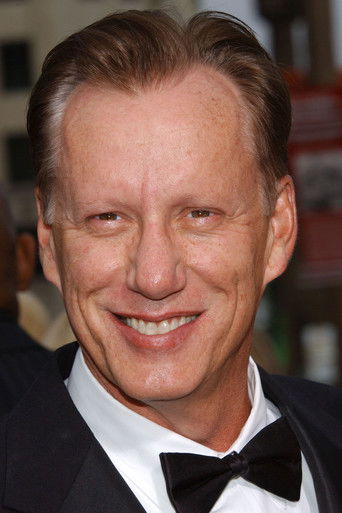
In the landscape of American cinema, few faces command the screen with the jagged, high-voltage intensity of James Woods. He is an actor who seems to operate at a different frequency than his peers, possessing a kinetic energy that suggests a mind moving ten steps ahead of everyone else in the room. This intellectual restlessness became his trademark, carving out a space for a specific kind of anti-hero: the fast-talking cynic who is often the smartest, and most dangerous, person in the frame.
His ascent to the top of the character actor pantheon was cemented in the eighties, a decade where his razor-sharp features and frantic charisma found their perfect canvases. In David Cronenberg’s Videodrome, he navigated a surrealist nightmare with a desperation that felt visceral and hauntingly modern. Not long after, he delivered a masterclass in epic tragedy as Max in Once Upon a Time in America, portraying a man consumed by ambition with a coldness that underscored the film’s operatic scale. It was during this era that Oliver Stone tapped into his rawest nerves for Salvador, a performance that earned him an Oscar nomination and proved he could carry a political firestorm on his shoulders without breaking a sweat.
Audiences gravitate toward him because he never asks to be liked. There is a refreshing lack of vanity in his work, whether he is playing the manipulative pimp Lester Diamond in Casino or the grieving, detached father in The Virgin Suicides. He excels at portraying men who are fraying at the edges, yet he maintains a rigid, intellectual control that makes them impossible to look away from. This versatility extends into the realm of the fantastic as well. His voice work as Hades in Hercules turned a Greek myth into a comedic tour de force, proving that his rapid-fire delivery was just as effective in animation as it was in gritty dramas.
Throughout the nineties, he became a go-to presence for prestige ensembles and high-stakes thrillers. He held his own against a stacked deck in Nixon and brought a slick, professional menace to Contact. Even in popcorn fare like the boxing dramedy Diggstown or the bloody romp of John Carpenter’s Vampires, he injected a sense of gravity and wit that elevated the material. He remained an essential fixture into the new millennium, portraying a desperate hospital administrator in John Q and embodying the real-world anxieties of the financial crisis in Too Big to Fail.
Looking back at a career that stretches from a small role in The Way We Were to the high-gloss grit of Any Given Sunday, one sees a performer who refused to be pigeonholed. He navigated the transition from leading man to veteran statesman with a sharp tongue and an uncompromising gaze. While some actors disappear into their roles, this veteran presence does something more difficult: he bends every character to his own unique, restless will, leaving behind a legacy of performances that feel like live wires, forever huming with a dangerous, brilliant electricity.
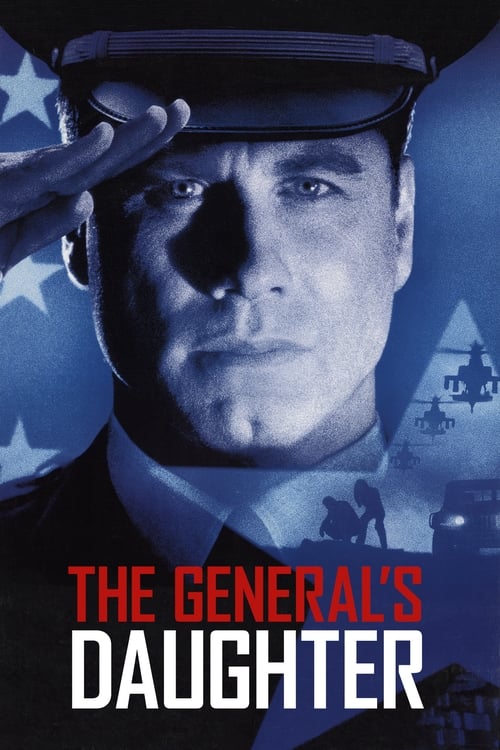
When the body of Army Capt. Elisabeth Campbell is found on a Georgia military base, two investigators, Warrant Officers Paul Brenner and Sara Sunhill, are ordered to solve her murder. What they uncover is anything but clear-cut. Unseemly details emerge about Campbell's life, leading to allegations of a possible military coverup of her death and the involvement of her father, Lt. Gen. Joseph Campbell.
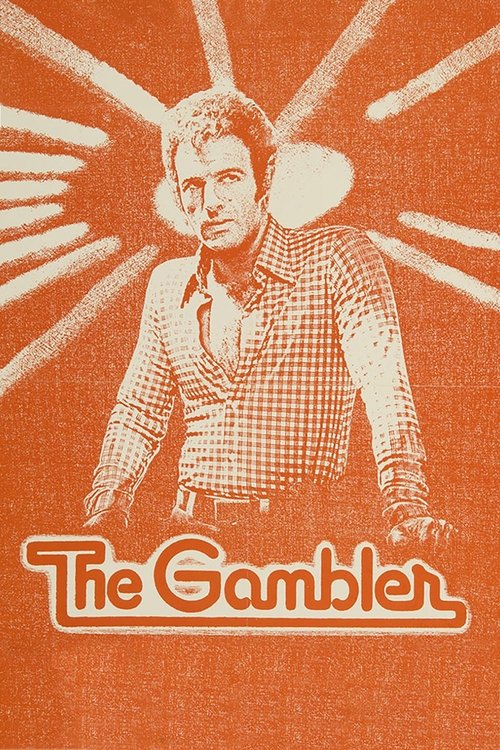
The Gambler
1974New York City English professor Axel Freed outwardly seems like an upstanding citizen. But privately Freed is in the clutches of a severe gambling addiction that threatens to destroy him.
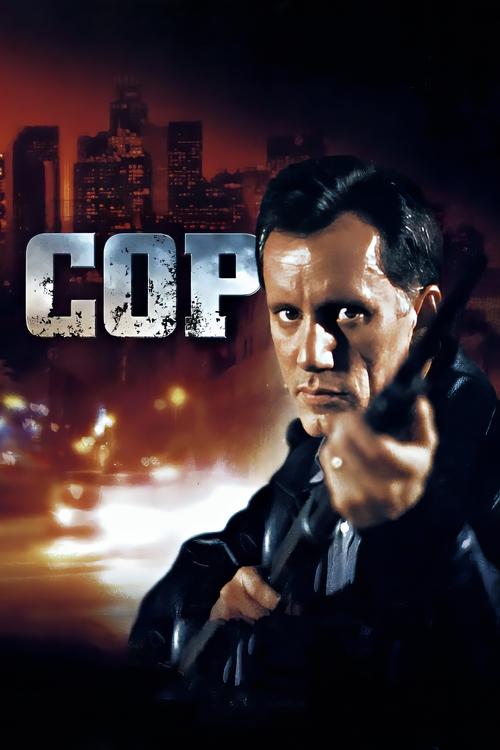
Cop
1988An obsessive, insubordinate homicide cop is convinced a serial killer is loose in the Hollywood area and disobeys orders in order to catch him.
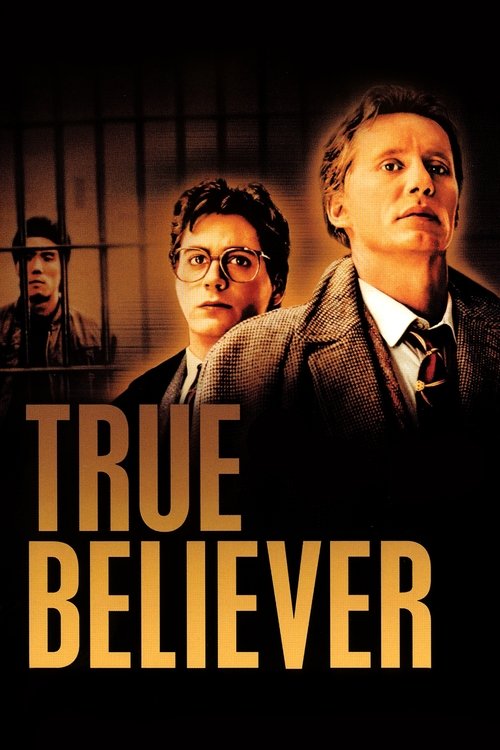
True Believer
1989Eddie Dodd is a burnt out former civil rights lawyer who now specializes in defending drug dealers. Roger Baron, newly graduated from law school, has followed Eddie's great cases and now wants to learn at his feet. With Roger's idealistic prodding, Eddie reluctantly takes on a case of a young Korean man who, according to his mother, has been in jail for eight years for a murder he didn't commit.
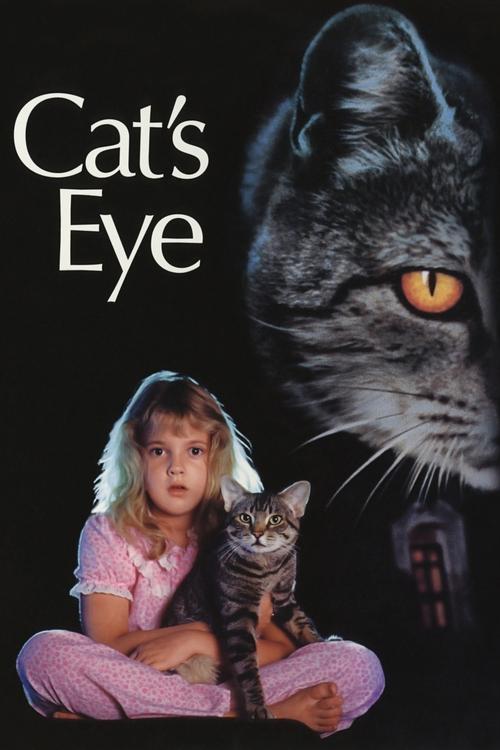
Cat's Eye
1985Three short stories linked by a stray cat that roams from one tale to the next, in this creepy triptych that begins as Dick tries to quit smoking by any means necessary. Next, we meet Johnny, an adulterous man who's forced by his lover's husband onto a building's hazardous ledge. Finally, Amanda is threatened by an evil gnome who throws suspicion on the family cat.
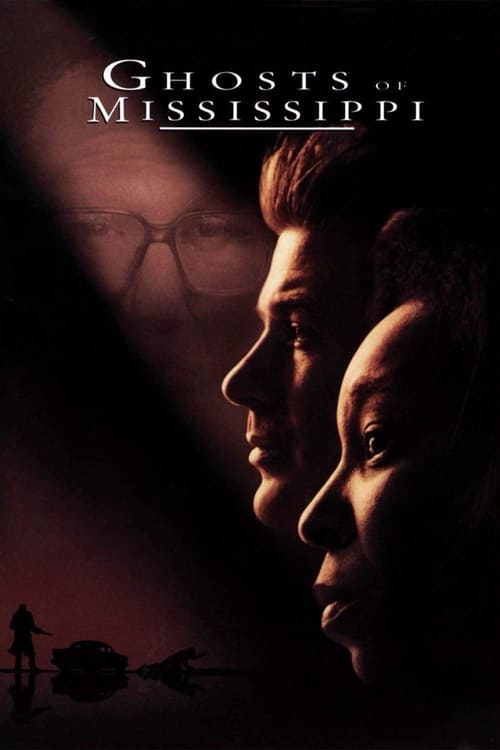
Ghosts of Mississippi
1996A Mississippi district attorney and the widow of Medgar Evers struggle to bring a white supremacist to justice for the 1963 murder of the civil rights leader.
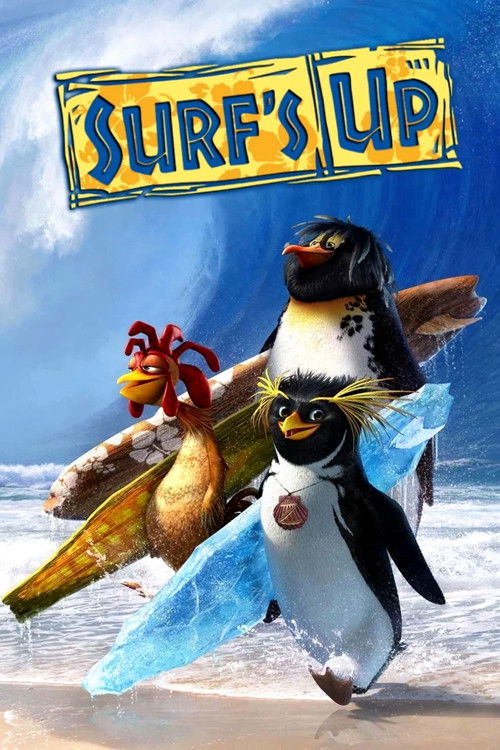
Surf's Up
2007A young surfer enters his first contest, hoping a win will earn him respect. But an encounter with a laid-back local forces him to rethink his values.

Riding in Cars with Boys
2001In 1965, a young woman with dreams of becoming a writer has a son at the age of 15 and struggles to make things work with the drug-addicted father.
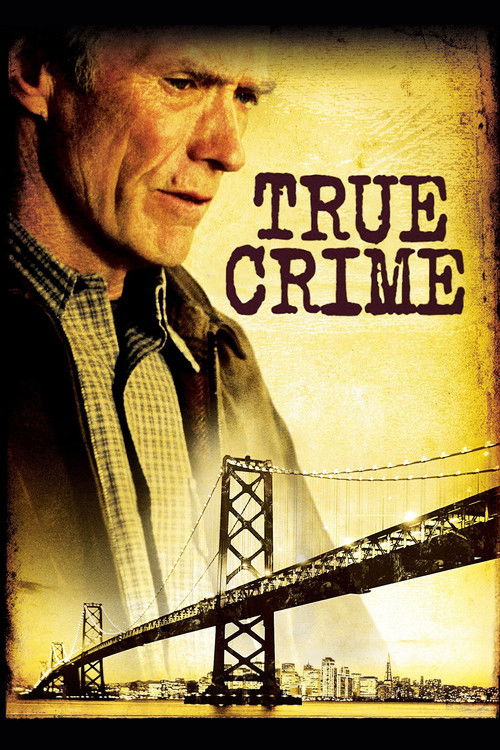
True Crime
1999Boozer, skirt chaser, careless father. You could create your own list of reporter Steve Everett's faults but there's no time. A San Quentin Death Row prisoner is slated to die at midnight – a man Everett has suddenly realized is innocent.
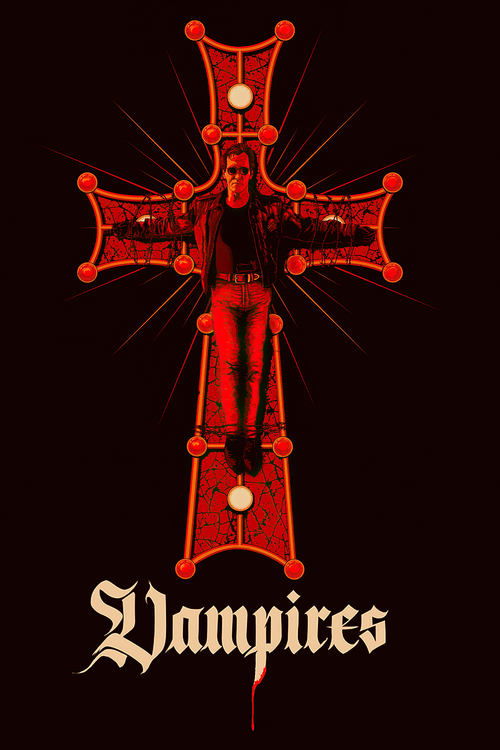
Vampires
1998The church enlists a team of vampire-hunters to hunt down and destroy a group of vampires searching for an ancient relic that will allow them to exist in sunlight.
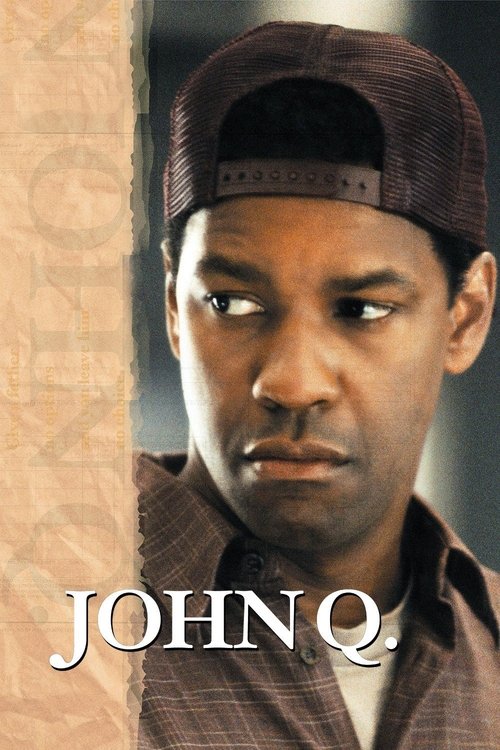
John Q
2002John Quincy Archibald is a father and husband whose son is diagnosed with an enlarged heart and then finds out he cannot receive a transplant because HMO insurance will not cover it. Therefore, he decides to take a hospital full of patients hostage until the hospital puts his son's name on the donor's list.
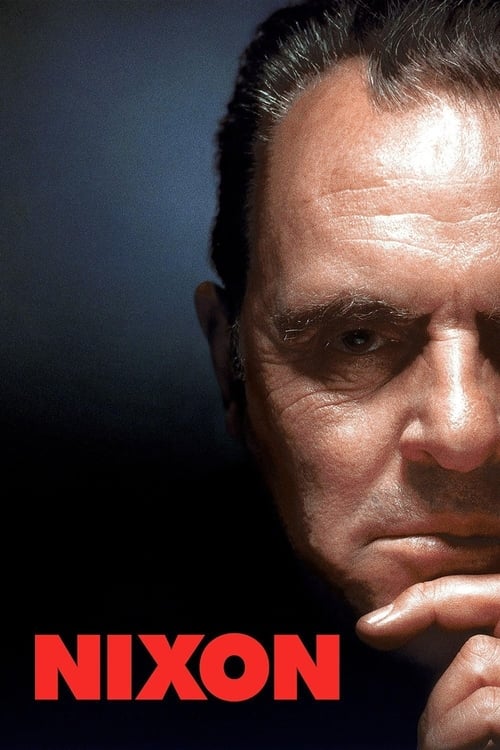
Nixon
1995A look at President Richard M. Nixon—a man carrying the fate of the world on his shoulders while battling the self-destructive demands from within—spanning his troubled boyhood in California to the shocking Watergate scandal that would end his Presidency.
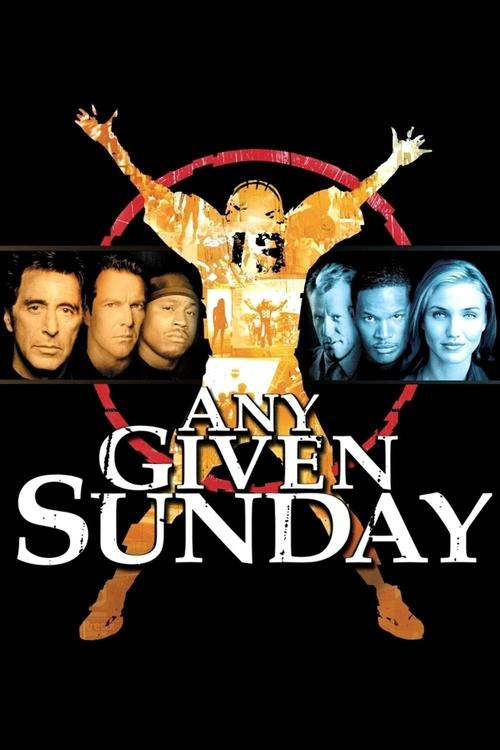
Any Given Sunday
1999A star quarterback gets knocked out of the game and an unknown third stringer is called in to replace him. The unknown gives a stunning performance and forces the aging coach to reevaluate his game plans and life. A new co-owner/president adds to the pressure of winning. The new owner must prove herself in a male dominated world.
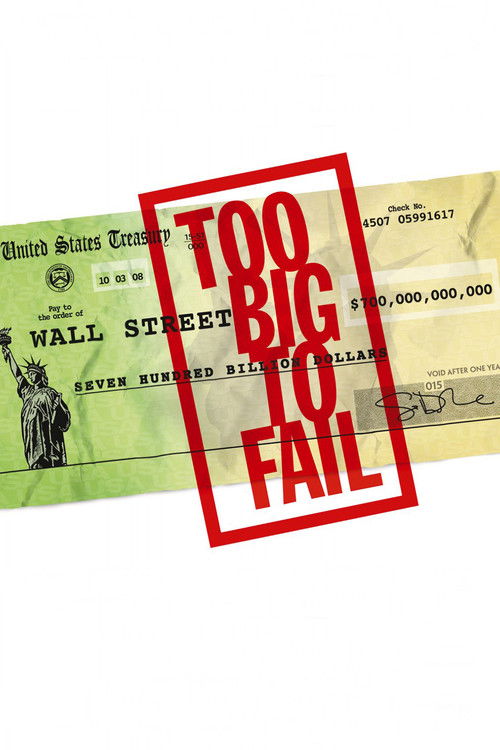
Too Big to Fail
2011An intimate look at the epochal financial crisis of 2008 and the powerful men and women who decided the fate of the world's economy in a matter of a few weeks.
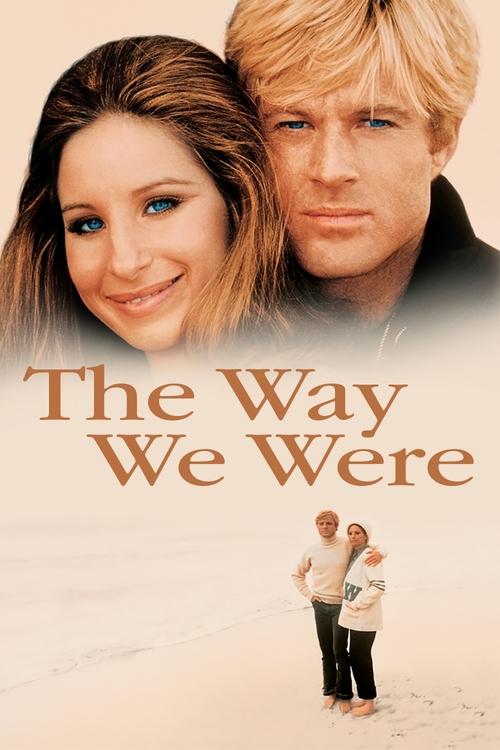
The Way We Were
1973Opposites attract when, during their college days, Katie Morosky, a politically active Jew, meets Hubbell Gardiner, a feckless WASP. Years later, in the wake of World War II, they meet once again and, despite their obvious differences, attempt to make their love for each other work.
In this early career milestone, Woods captures the brief but vital idealism of a student activist with a raw, unpolished sincerity. It serves as a fascinating blueprint for the intellectual intensity that would become his professional trademark in the decades to follow.
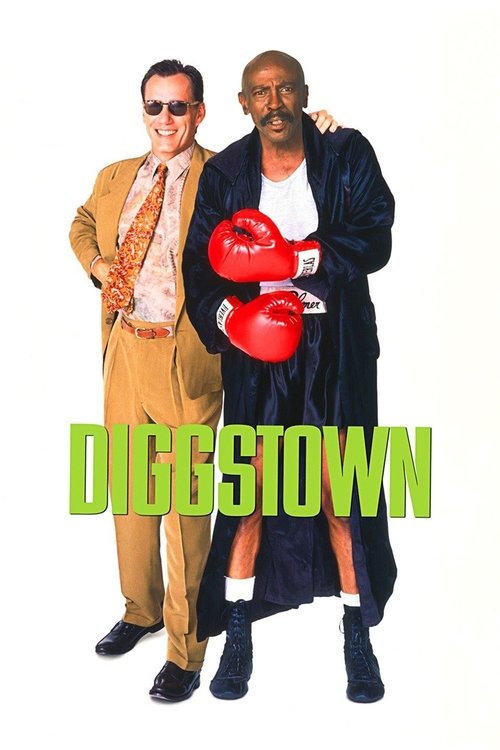
Diggstown
1992Gabriel Caine has just been released from prison when he sets up a bet with a business man who owns most of Diggstown, a boxing-mad town. The bet is that Gabe can find a boxer that will knock out 10 Diggstown men, in a boxing ring, within 24 hours. Roy 'Honey' Palmer is that man that, at 48, many say he is too old.
This film provides a pure showcase for Woods as the ultimate cinematic grifter, allowing him to lean into his charisma and fast-talking wit. He carries the breezy con-artist momentum with an effortless charm that reminds viewers of his range in lighter, crowd-pleasing fare.
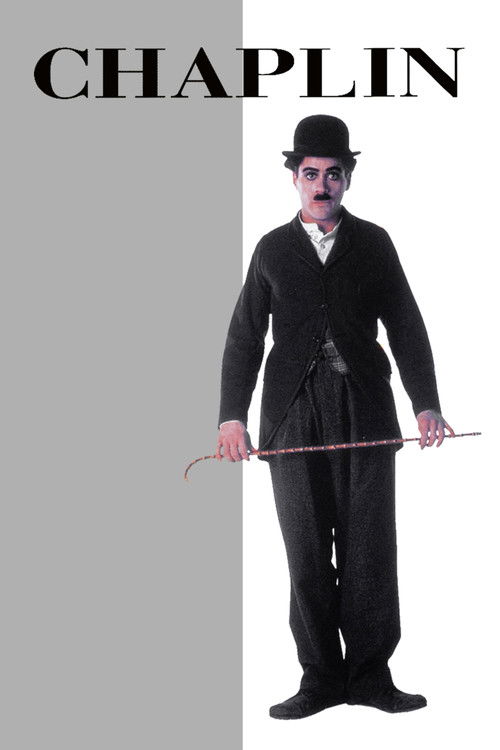
Chaplin
1992An aged Charlie Chaplin narrates his life to his autobiography's editor, including his rise to wealth and comedic fame from poverty, his turbulent personal life and his run-ins with the FBI.
Woods brings a sharp, legalistic bite to the role of Joseph Scott, the relentless prosecutor tasked with dismantling a legend. He serves as the film’s necessary antagonist, providing a grounded sense of menace that contrasts with the whimsical nature of the titular subject.
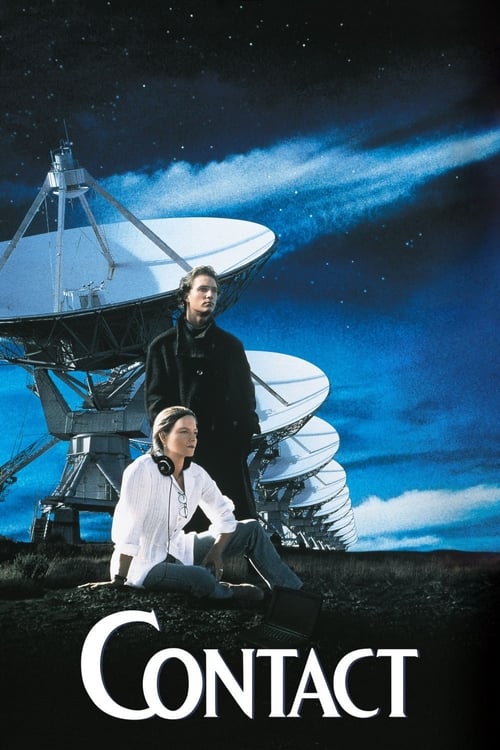
Contact
1997A radio astronomer receives the first extraterrestrial radio signal ever picked up on Earth. As the world powers scramble to decipher the message and decide upon a course of action, she must make some difficult decisions between her beliefs, the truth, and reality.
As the bureaucratic National Security Advisor, Woods provides a necessary friction to the film’s cosmic wonder. He excels at portraying the pragmatic, cold-blooded skepticism that forces the narrative to ground its lofty scientific theories in political reality.

The Virgin Suicides
2000A group of male friends become obsessed with five mysterious sisters who are sheltered by their strict, religious parents.
Playing against his usual high-strung type, Woods offers a hauntingly subdued turn as a father retreating into bewildered domesticity. It is a masterclass in quiet repression that proves he can command the screen without raising his voice.
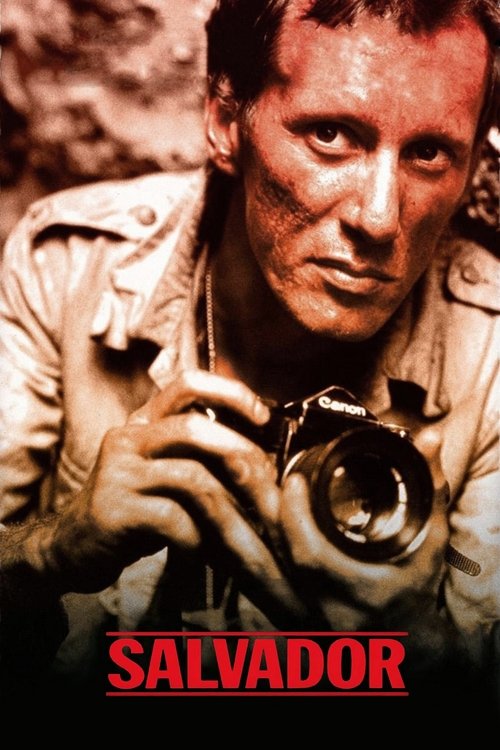
Salvador
1986In 1980, an American journalist covering the Salvadoran Civil War becomes entangled with both the leftist guerrilla groups and the right-wing military dictatorship while trying to rescue his girlfriend and her children.
Woods captures the sweaty, frantic desperation of photojournalist Richard Boyle with an intensity that borders on the volcanic. This performance earned him an Oscar nomination by channeling his signature volatility into a gritty, politically charged redemption arc.
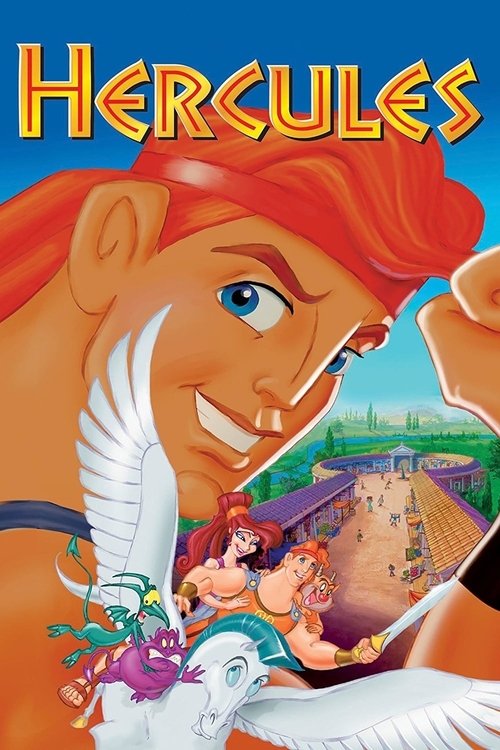
Hercules
1997Bestowed with superhuman strength, a young mortal named Hercules sets out to prove himself a hero in the eyes of his father, the great god Zeus. Along with his friends Pegasus, a flying horse, and Phil, a personal trainer, Hercules is tricked by the hilarious, hotheaded villain Hades, who's plotting to take over Mount Olympus!
Infusing Hades with the fast-talking rhythm of a used-car salesman, Woods reinvented the Disney villain for a cynical age. His motor-mouthed improvisational style carries the film and proves his razor-sharp comedic timing translates perfectly to animation.
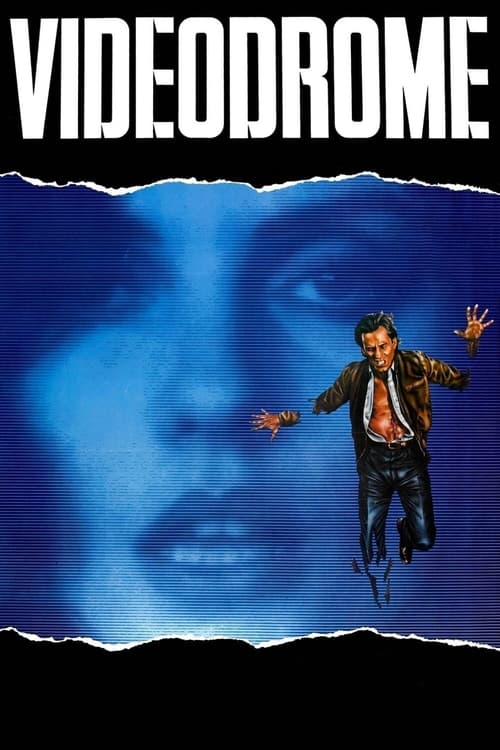
Videodrome
1983As the president of a trashy TV channel, Max Renn is desperate for new programming to attract viewers. When he happens upon "Videodrome," a TV show dedicated to gratuitous torture and punishment, Max sees a potential hit and broadcasts the show on his channel. However, after his girlfriend auditions for the show and never returns, Max investigates the truth behind Videodrome and discovers that the graphic violence may not be as fake as he thought.
In Cronenberg’s body-horror masterpiece, Woods anchors the surrealist chaos with a desperate, twitchy curiosity that perfectly mirrors the audience’s descent into the screen. This role cemented his status as the premier interpreter of high-wire intellectual paranoia.
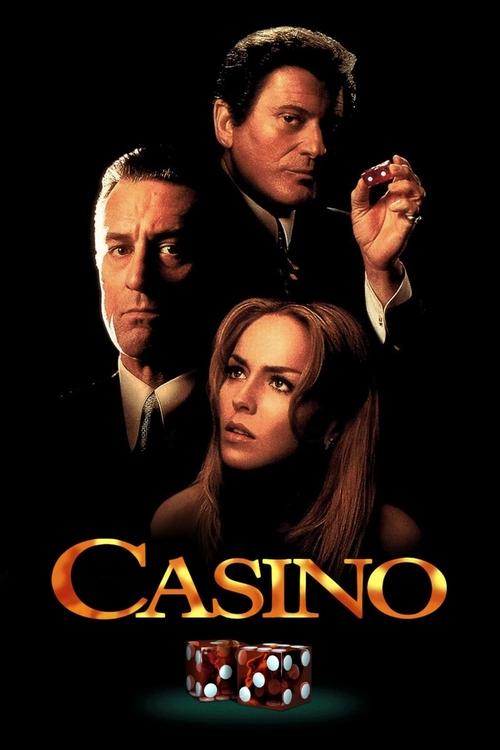
Casino
1995In Las Vegas, two best friends--a casino executive and a Mafia enforcer--compete for a gambling empire and a fast-living, fast-loving socialite.
As the sleazy, parasitic Lester Diamond, Woods weaponizes his innate frantic energy to embody the ultimate Vegas bottom-feeder. He manages to hold his own against Stone and De Niro by transforming a purely repellent character into an essential piece of Scorsese’s moral rot.
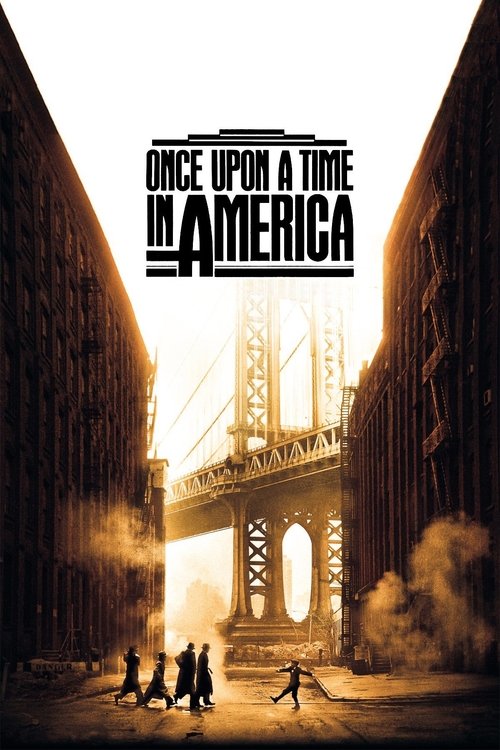
A former Prohibition-era Jewish gangster returns to the Lower East Side of Manhattan over thirty years later, where he once again must confront the ghosts and regrets of his old life.
Woods provides a chillingly ambitious counterpoint to De Niro in Leone’s epic, portraying Max’s ascent with a ruthless, calculated energy that defines the film’s tragic core. It is his definitive portrait of the American dream curdled into sociopathy.
Frequently Asked Questions
Everything you need to know about this list and SnakeDrafts
- 'Once Upon a Time in America' is ranked number one due to Woods's compelling portrayal of a complex character within Sergio Leone's epic crime drama, showcasing his ability to bring depth and intensity to a gritty narrative. This film highlights Woods's talent for inhabiting morally ambiguous roles with nuanced emotional resonance.
- In 'Casino,' directed by Martin Scorsese, Woods delivers a high-voltage, fast-talking cynic role that perfectly aligns with his trademark kinetic energy and sharp intellect. His performance adds a layer of authenticity and menace to the crime drama, making it one of his standout works on this list.
- In David Cronenberg's 'Videodrome,' Woods embraces a surreal and psychologically intense role within a horror and science fiction context, diverging from his more grounded crime and drama characters. This film demonstrates his versatility and willingness to explore experimental and genre-defying projects.
- James Woods's role as Hades in the animated classic 'Hercules' showcases his exceptional voice acting skills and his ability to create a memorable villain through wit and charisma. This inclusion highlights his range beyond live-action roles, marking a significant and beloved part of his career.
- Woods frequently gravitates towards roles involving anti-heroes, intellectual cynics, and morally complex characters, often set within crime dramas, thrillers, and politically charged narratives. This pattern reflects his strength in portraying intense, cerebral, and sometimes dangerous personas that challenge conventional hero archetypes.
- James Woods's collaborations with Oliver Stone, such as in 'Salvador' and 'Nixon,' highlight his skill in portraying historical and politically nuanced characters. These films underscore Woods's appeal for intense, gritty dramas that explore real-world conflicts and personal moral dilemmas.
- Though a smaller role, Woods's part in Sofia Coppola's 'The Virgin Suicides' is included due to the film's cult status and critical acclaim, showcasing his capacity to contribute effectively even in subtle, supporting roles within richly atmospheric dramas. It adds diversity to the list, emphasizing his adaptability.
- The list focuses on Woods's most critically acclaimed and thematically significant performances rather than commercial hits alone. Some movies, while popular, may not feature the intense character complexities or cinematic impact that define the films chosen for this ranking.