Ranking the Best Sissy Spacek Movies: A Cinematic Icon's Greatest Hits
The Definitive Filmography of a Hollywood Legend
Explore the essential movies of Sissy Spacek, from her breakout performance in Carrie to her Academy Award-winning turn in Coal Miner's Daughter.
About Sissy Spacek

In an industry that often demands its stars be larger than life, Sissy Spacek has spent half a century proving that the most profound power lies in the understated. She possesses a rare, translucent quality, a face that seems to catch the light and reflect the deepest anxieties or joys of the American psyche without ever breaking a sweat. Since she first wandered into the frame in the early seventies, she has remained the ultimate grounded presence, an actor who feels less like a celebrity and more like a secret kept by the audience.
Her arrival felt like a shift in the cinematic weather. In Terrence Malick's Badlands, she embodied a haunting, poetic detachment that redefined the outlaw narrative. But it was the visceral, blood-soaked tragedy of Carrie that solidified her place in the cultural firmament. As the telekinetic outcast, she didn't just play a horror victim; she captured the agonizing vulnerability of adolescence, ensuring that every frame of that prom night felt like a high-stakes emotional betrayal. It is this specific ability to bridge the gap between supernatural intensity and raw human frailty that makes her so magnetic.
She eventually traded the prom dress for a guitar and a thick Kentucky drawl, delivering a career-defining performance in Coal Miner's Daughter. Her transformation into Loretta Lynn was so seamless and soulful that it transcended mere imitation, earning her an Oscar and proving she could carry a prestige biopic on her own terms. Whether she was navigating the eerie, dreamlike landscapes of 3 Women or the high-stakes political paranoia of JFK and Missing, she brought a sense of moral gravity to every project. She has never been one for vanity, often choosing roles that highlight the grit of the working class or the quiet desperation of domestic life.
As she entered the middle chapters of her career, that youthful fragility hardened into a formidable, understated strength. In the Bedroom showcased her as a grieving mother whose silence was louder than any scream, a performance so precise it felt like watching live wire under glass. She mastered the art of being the emotional anchor in ensemble pieces, providing the heart for films like The Long Walk Home and North Country. Even when playing comedic beats in Blast from the Past or offering a mischievous spark in The Help, she never loses the authenticity that makes her feel like someone you actually know.
Audiences connect with her because she refuses to perform at a distance. Even in smaller, delicate portraits like The Straight Story or the bittersweet romance of The Old Man and the Gun, she project a timelessness. She remains the quintessential American actor, a performer who can find the epic within the ordinary. From the whimsy of Tuck Everlasting to the somber depths of Get Low, her filmography is a map of the human condition. She doesn't just inhabit characters; she hosts them, letting their histories breathe through her own quiet, steady brilliance. Half a century later, she remains one of the few artists who can silence a room just by standing still.

Hot Rod
2007For Rod Kimble, performing stunts is a way of life, even though he is rather accident-prone. Poor Rod cannot even get any respect from his stepfather, Frank, who beats him up in weekly sparring matches. When Frank falls ill, Rod devises his most outrageous stunt yet to raise money for Frank's operation -- and then Rod will kick Frank's butt.
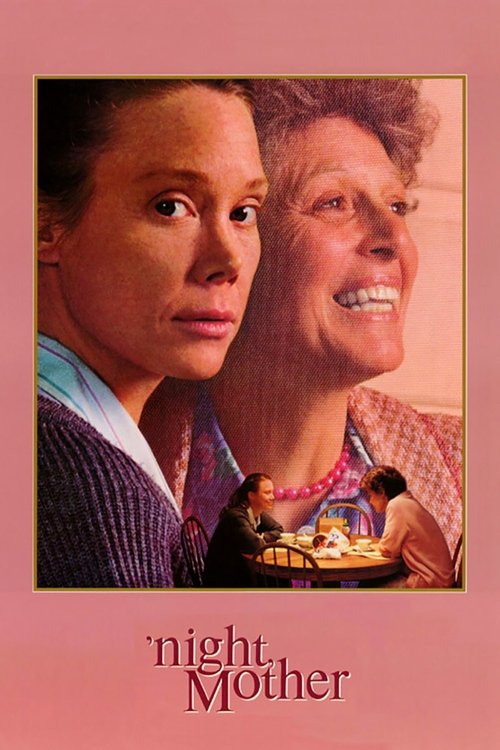
'night, Mother
1986A mother and daughter spend a night together after the daughter reveals that she will kill herself by the end of it.
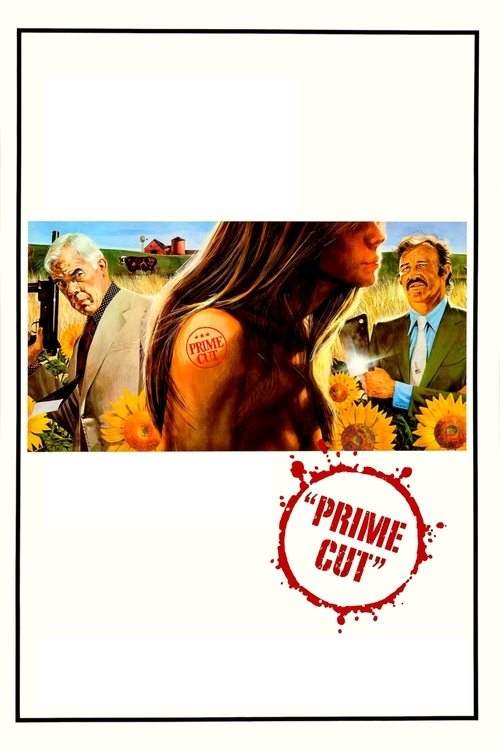
Prime Cut
1972A group of ruthless Chicago mob enforcers are sent to Kansas City to settle things with the owner of a slaughterhouse who has taken money that is not his to keep.
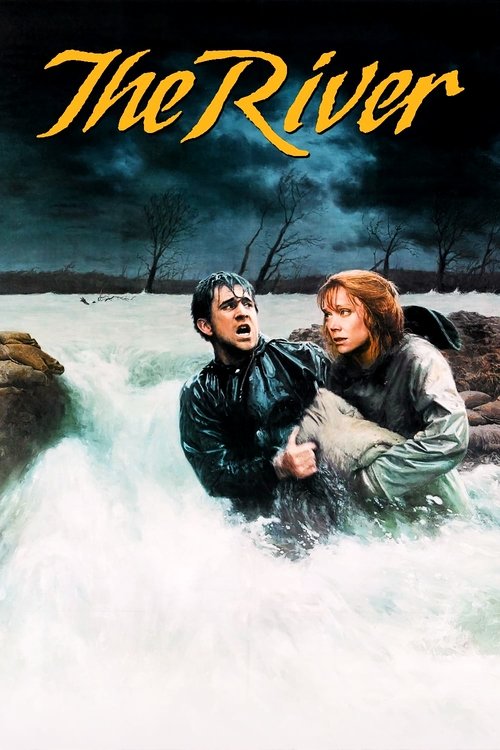
The River
1984Tom and Mae Garvey are a Tennessee farming couple battling violent floods to save their land. In addition to natural disasters, the Garveys fight to stop a selfish land developer and a local corporation from foreclosing on their farm. While Mae stays at home to care for their children and tend to the crops, Tom finds work as a scab at a steel mill to preserve his family's property.
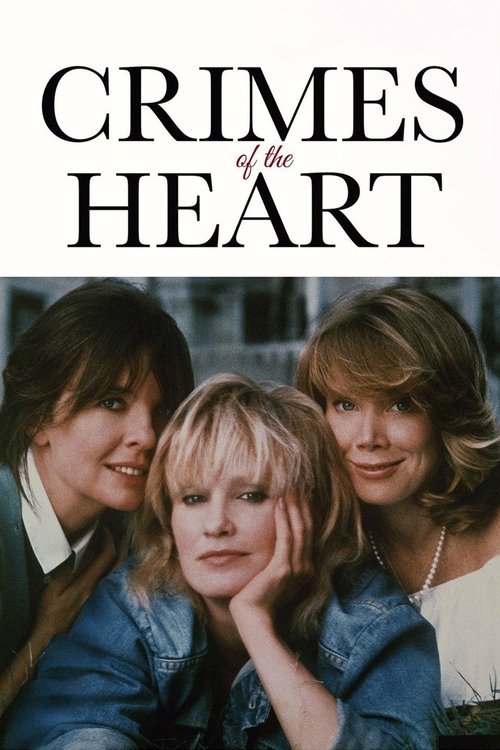
Crimes of the Heart
1986Three sisters try to come to grips with the meaning of their mother's suicide.
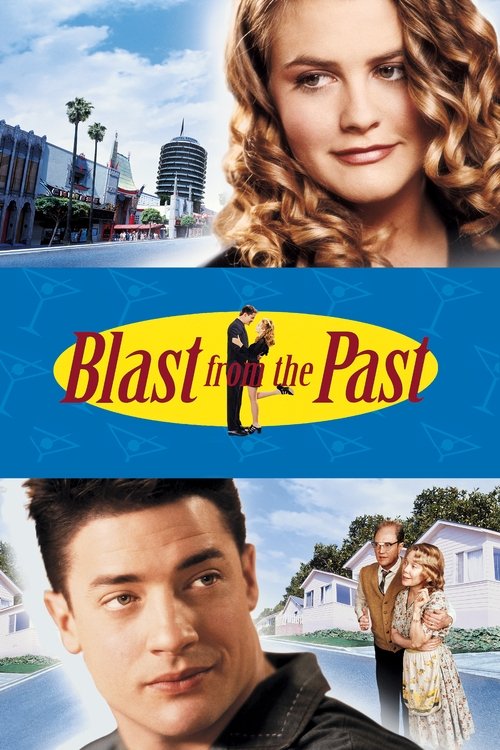
Blast from the Past
1999Following a bomb scare in the 1960s that locked the Webers into their bomb shelter for 35 years, Adam now ventures forth into Los Angeles to obtain food and supplies for his family, and a non-mutant wife for himself.
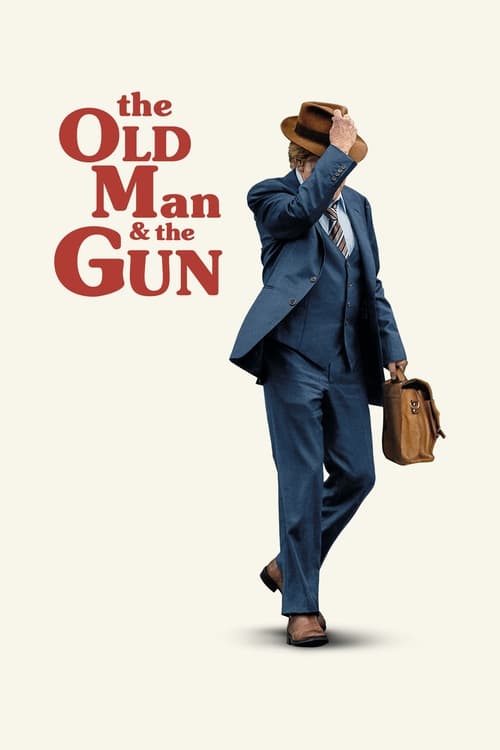
The Old Man & the Gun
2018The true story of Forrest Tucker, from his audacious escape from San Quentin at the age of 70 to an unprecedented string of heists that confounded authorities and enchanted the public. Wrapped up in the pursuit are a detective, who becomes captivated with Forrest’s commitment to his craft, and a woman, who loves him in spite of his chosen profession.
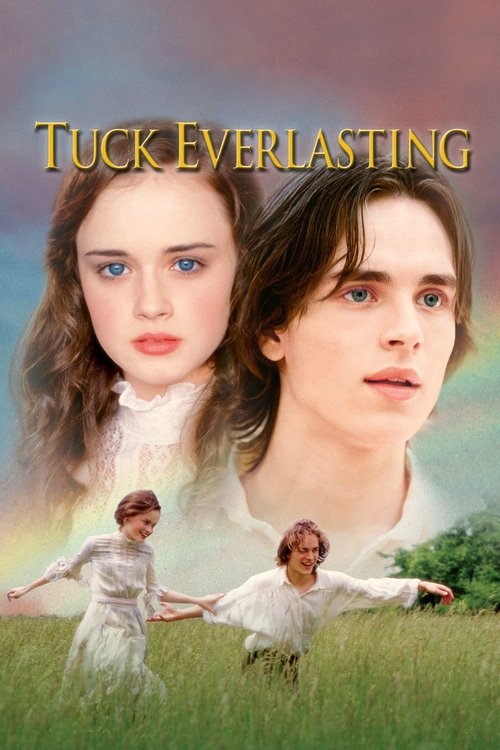
Tuck Everlasting
2002Teenager Winnie Foster is growing up in a small rural town in 1914 with her loving but overprotective parents, but Winnie longs for a life of greater freedom and adventure.
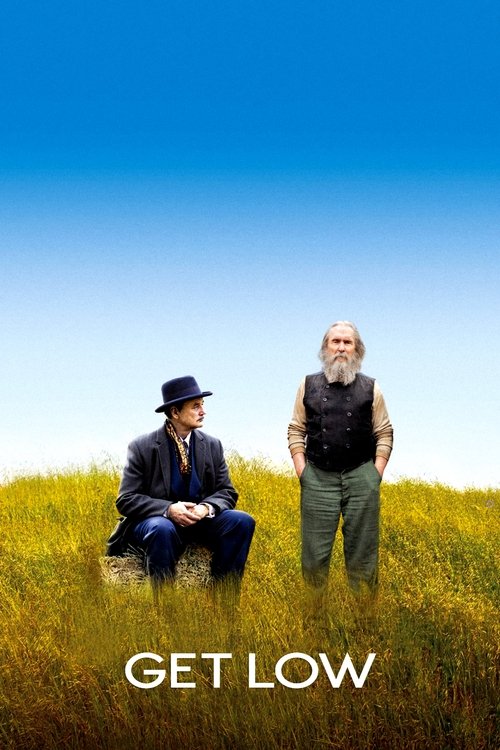
Get Low
2010A movie spun out of equal parts folk tale, fable and real-life legend about the mysterious, 1930s Tennessee hermit who famously threw his own rollicking funeral party... while he was still alive.
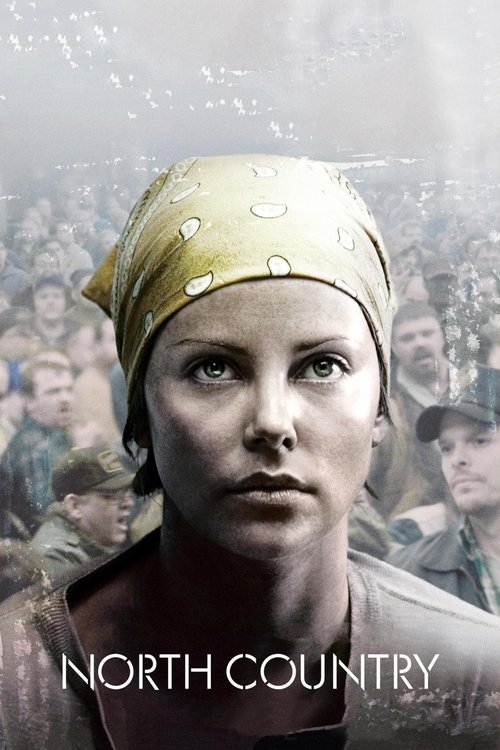
North Country
2005A fictionalized account of the first major successful sexual harassment case in the United States — Jenson vs. Eveleth Mines, where a woman who endured a range of abuse while working as a miner filed and won the landmark 1984 lawsuit.
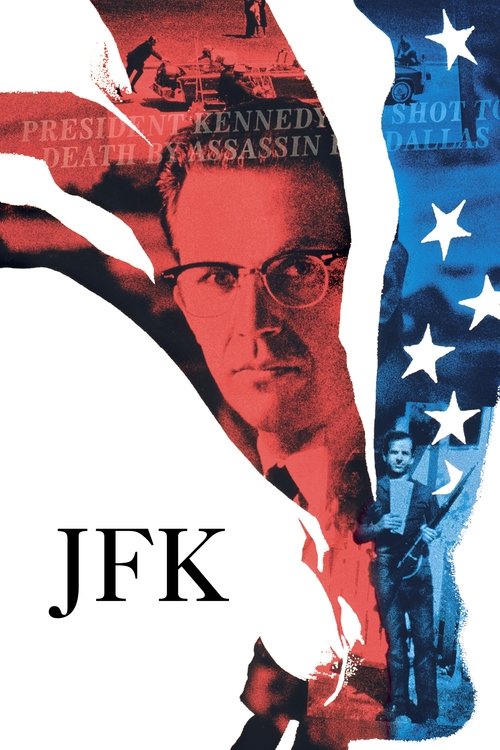
JFK
1991Follows the investigation into the assassination of President John F. Kennedy led by New Orleans district attorney Jim Garrison.
Often overlooked in Oliver Stone’s sprawling odyssey, Spacek provides the film’s essential emotional friction as the wife left in the wake of an obsession. She grounds the frantic, kaleidoscopic editing with a necessary domestic realism, serving as the audience’s link to the human fallout of historical paranoia.
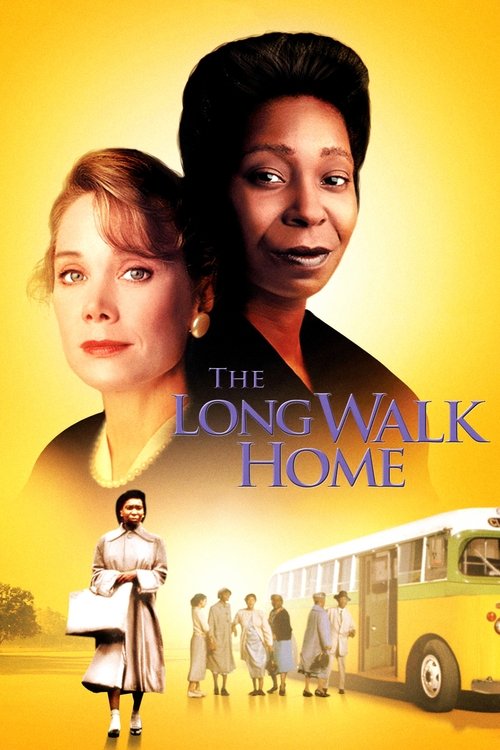
The Long Walk Home
1990Two women, black and white, in 1955 Montgomery Alabama, must decide what they are going to do in response to the famous bus boycott led by Martin Luther King.
In this understated civil rights drama, Spacek portrays a privileged housewife’s moral awakening with a nuanced, slow-burn intensity. She avoids the pitfalls of the savior trope by focusing on the mundane, difficult logistics of conscience and the private cost of public conviction.
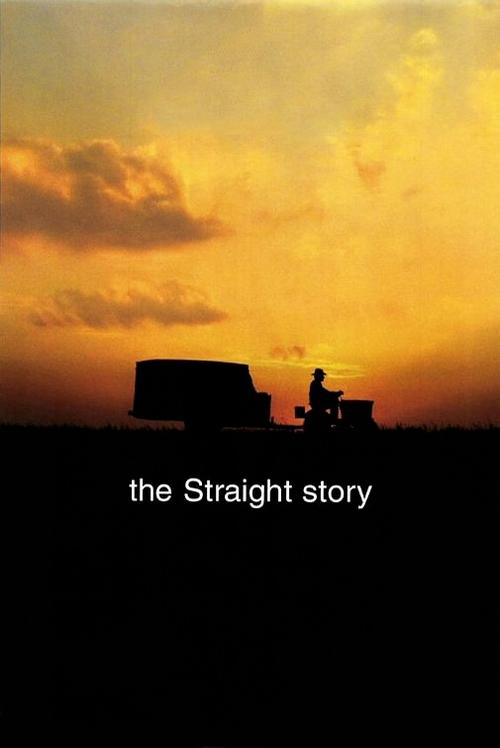
The Straight Story
1999A retired farmer and widower in his seventies named Alvin Straight learns one day that his distant brother Lyle has suffered a stroke and may not recover. Alvin is determined to make things right with Lyle while he still can, but his brother lives in Wisconsin, while Alvin is stuck in Iowa with no car and no driver's license. He then has the idea of making the trip on his old lawnmower, thus beginning a picturesque and at times deeply spiritual odyssey.
Tasked with a difficult, physically specific role in this David Lynch pastoral, Spacek delivers a heart-wrenching supporting turn that resonates far beyond her limited screen time. She uses her unique cadence to create a portrait of intellectual disability that is handled with immense dignity and zero sentimentality.

3 Women
1977Two co-workers, one a vain woman and the other an awkward teenager, share an increasingly bizarre relationship after becoming roommates.
Spacek’s performance in this Altman fever dream is a marvel of identity-shifting, as she morphs from a blank slate into a parasitic reflection of her co-stars. It remains her most surreal and experimental work, showcasing a chameleon-like fluidity that defies conventional character arcs.
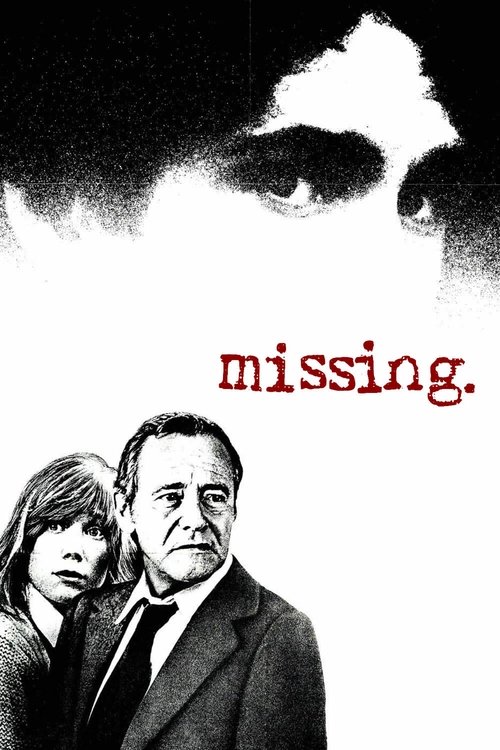
Missing
1982Based on the real-life experiences of Ed Horman. A conservative American businessman travels to Chile to investigate the sudden disappearance of his son after a military takeover. Accompanied by his son's wife he uncovers a trail of cover-ups that implicate the US State department which supports the dictatorship.
Playing a desperate woman searching for her husband amidst a Chilean coup, Spacek anchors this political thriller with a frantic, grounded intelligence. Her chemistry with Jack Lemmon creates a compelling generational friction that transforms a conspiracy drama into a piercing human tragedy.
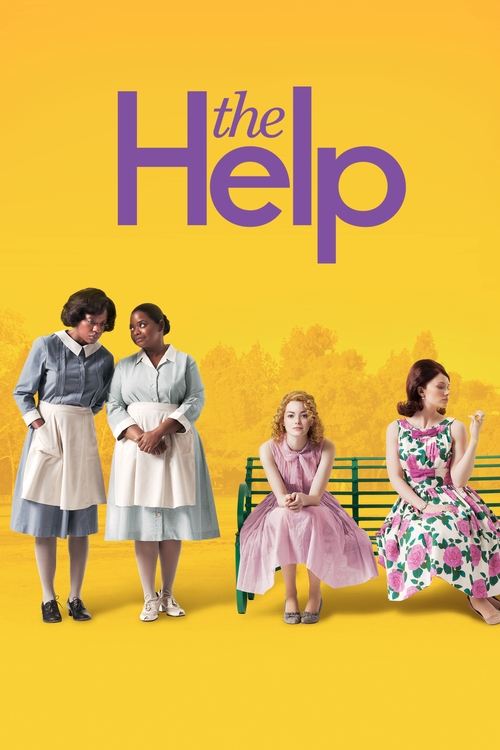
The Help
2011Aibileen Clark is a middle-aged African-American maid who has spent her life raising white children and has recently lost her only son; Minny Jackson is an African-American maid who has often offended her employers despite her family's struggles with money and her desperate need for jobs; and Eugenia "Skeeter" Phelan is a young white woman who has recently moved back home after graduating college to find out her childhood maid has mysteriously disappeared. These three stories intertwine to explain how life in Jackson, Mississippi revolves around "the help"; yet they are always kept at a certain distance because of racial lines.
As the sharp-tongued Missus Walters, Spacek provides a necessary comedic bite and a subversive rebellious streak that punctures the film’s period artifice. She steals her scenes by playing against her usual naivety, opting instead for a weathered, knowing humor that anchors the ensemble.

In the Bedroom
2001Summertime on the coast of Maine, "In the Bedroom" centers on the inner dynamics of a family in transition. Matt Fowler is a doctor practicing in his native Maine and is married to New York born Ruth Fowler, a music teacher. His son is involved in a love affair with a local single mother. As the beauty of Maine's brief and fleeting summer comes to an end, these characters find themselves in the midst of unimaginable tragedy.
Returning to the spotlight with a quiet, domestic ferocity, Spacek maps the suffocating terrain of grief through microscopic gestures and unspoken resentments. Her ability to weaponize silence makes this late-career peak a masterclass in the psychological weight of maternal loss.
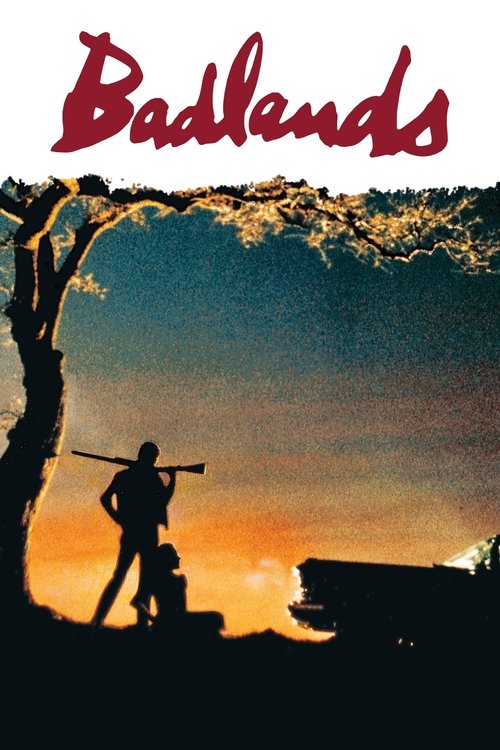
Badlands
1974An impressionable teenage girl from a dead-end town and her older greaser boyfriend embark on a killing spree in the South Dakota badlands.
The ethereal, detached narration Spacek provides for Terrence Malick’s debut serves as the perfect counterpoint to the film’s brutal violence. Her portrayal of Holly Sargis captures a specific brand of Midwest nihilism, defining the waifish yet impenetrable persona that would make her a muse for the New Hollywood era.

Carrie
1976Withdrawn and sensitive teenager Carrie White faces bullying from classmates and abuse from her fanatically pious mother. When she begins to suspect that she has supernatural powers, things take a dark and violent turn.
In Brian De Palma's masterwork of puberty and gore, Spacek crafts a haunting silhouette of social isolation that oscillates between painful vulnerability and terrifying, celestial power. It is a career-defining turn that elevated the horror genre by grounding supernatural vengeance in the genuine pathos of an outcast.
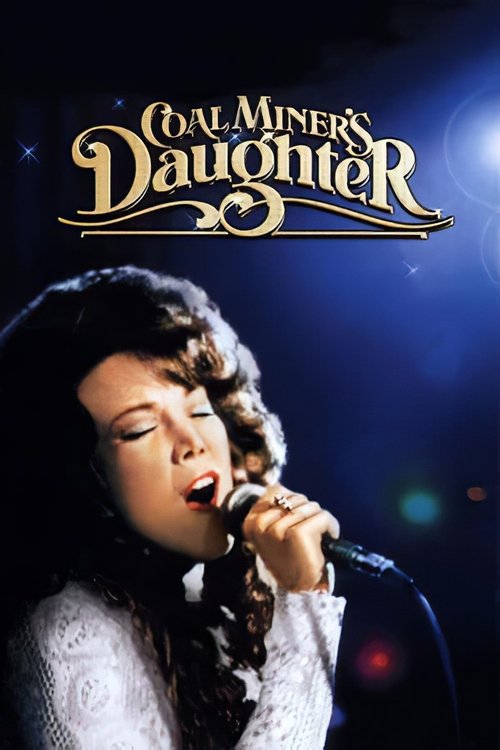
Biography of Loretta Lynn, a country and western singer that came from poverty to fame.
Spacek’s Oscar winning transformation into Loretta Lynn remains the gold standard for musical biopics, capturing a fragile Appalachian purity that hardens into weary, world-class resilience. She avoids simple mimicry, instead channeling the singer’s soul through a vocal performance that proved she could dominate the screen with both her grit and her throat.
Frequently Asked Questions
Everything you need to know about this list and SnakeDrafts
- Sissy Spacek's portrayal of Loretta Lynn in Coal Miner's Daughter is iconic due to her authentic and heartfelt performance that earned her an Academy Award. She captures the struggles and triumphs of the country music legend with remarkable depth, making the film a definitive biographical drama.
- Sissy Spacek's breakout role in Carrie showcased her ability to convey vulnerability and intense emotion, establishing her as a versatile actress. This horror classic directed by Brian De Palma introduced her to a wider audience and set the stage for her diverse roles across genres.
- Films like Badlands, In the Bedroom, and The Help demonstrate Sissy Spacek's impressive range, from crime drama to emotional thrillers and socially charged narratives. Each role highlights her skill in bringing complex, grounded characters to life with nuance and sincerity.
- Many of Sissy Spacek’s acclaimed films explore themes of resilience, personal struggle, and the American experience, often focusing on intimate and intense character studies. Movies like Missing and North Country tackle social and political issues, while others such as The Straight Story emphasize human perseverance.
- Sissy Spacek has worked with acclaimed directors including Terrence Malick, Brian De Palma, and David Lynch, bringing their visionary narratives to life with her grounded performances. These collaborations have helped solidify her status as a respected and versatile actress in Hollywood.
- In The Help, Sissy Spacek portrays a nuanced character in a film that addresses racial and social issues in 1960s Mississippi. Her involvement adds gravitas to the ensemble cast and highlights her continued engagement with meaningful, socially conscious stories.
- Coal Miner's Daughter stands out as the definitive film reflecting Sissy Spacek's talent in historical and biographical storytelling. Her Oscar-winning performance as Loretta Lynn exemplifies her skill in embodying real-life figures with authenticity and emotional depth.