Donald Sutherland Movies Ranked Definitively
The Iconic Filmography of a Hollywood Legend
Explore the most essential performances from Donald Sutherland's legendary career, from chilling villains to beloved patriarchs in cinema history.
About Donald Sutherland
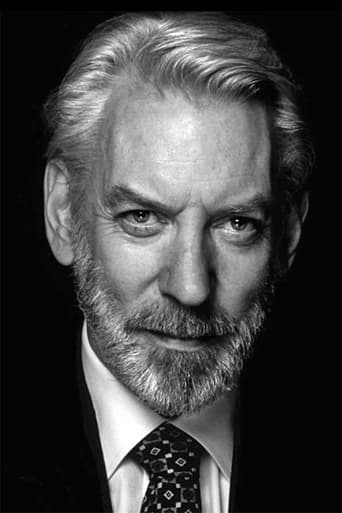
In the vast architecture of modern cinema, few figures cast a shadow as long or as delightfully crooked as Donald Sutherland. He was an actor of strange, liquid geometry, possessed of a towering frame and a face that could shift from beatific warmth to soul-chilling malice with little more than a heavy-lidded glance. While his peers often scrambled to be the hero, he found his power in the peripheries and the complexities, carving out a territory where the eccentric met the essential.
The world first really took notice when he leaned into the mayhem of the late sixties. Whether he was playing the grinning lunatic in The Dirty Dozen or the wisecracking Hawkeye Pierce in MASH, he embodied a specific kind of countercultural energy. He wasn't just a funny man in a uniform; he represented a generation weary of the status quo, using irony as a shield and a weapon. This rebellious streak eventually morphed into a deep, textural gravitas that defined his work throughout the seventies. In the chilling Don't Look Now, he explored the claustrophobia of grief, while his turn in the 1978 remake of Invasion of the Body Snatchers gave us one of the most haunting final frames in movie history. He had a way of making high-concept genre films feel like intimate human tragedies.
Audiences remained tethered to him because his magnetism felt earned rather than manufactured. He never seemed to be acting for the back row, yet you could not look away from him. In Ordinary People, he provided the film its broken heart, playing a father struggling to hold a fracturing family together with a quiet, devastating grace. It remains one of the great injustices of awards season history that he was never nominated for an Oscar during his peak years, though the industry eventually rectified this with an honorary statuette. He didn't need the validation to prove his range. One year he was the stoic detective in Klute, the next he was a terrifying fascist in the epic 1900, and decades later he was the gentle, world-weary Mr. Bennet in Pride and Prejudice.
Even as he entered the elder statesman phase of his career, he refused to become a relic. A new generation of viewers discovered him as President Snow in The Hunger Games franchise, where he wielded a rose garden and a soft voice to create a villain of bone-deep cruelty. Whether he was delivering a dense, conspiratorial monologue in JFK or playing the heavy in blockbusters like The Mechanic, he brought a specific intellectual precision to the screen. He understood that the most interesting part of any story is the mystery that remains unsolved behind the eyes of the character. He leaves behind a body of work that feels less like a filmography and more like a map of the human psyche, spanning every emotion from the absurdity of Kelly's Heroes to the surreal horror of Johnny Got His Gun. He was a singular force who made the strange look familiar and the familiar look hauntingly new.
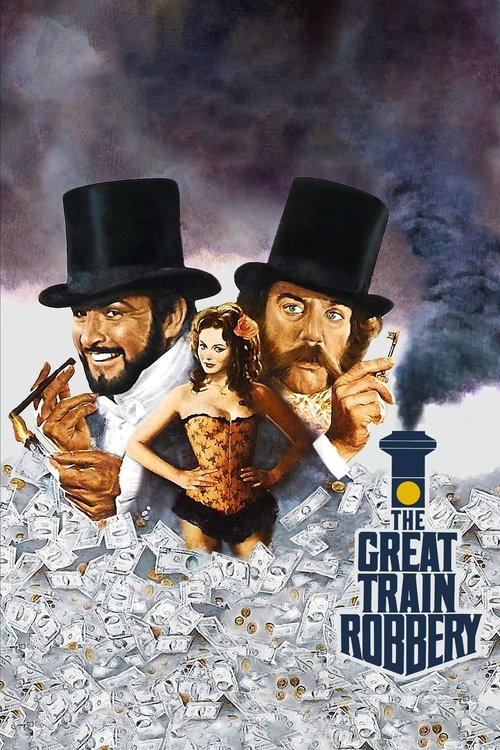
The First Great Train Robbery
1978In Victorian England, a master criminal makes elaborate plans to steal a shipment of gold from a moving train.
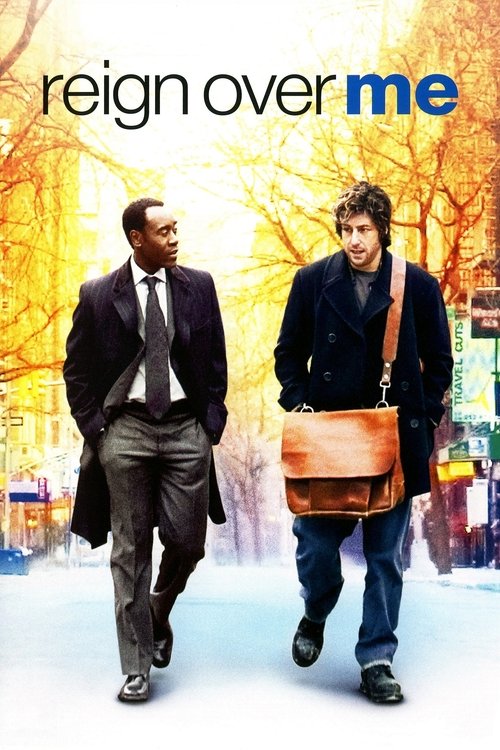
Reign Over Me
2007A man who lost his family in the September 11 attack on New York City runs into his old college roommate. Rekindling the friendship is the one thing that appears able to help the man recover from his grief.
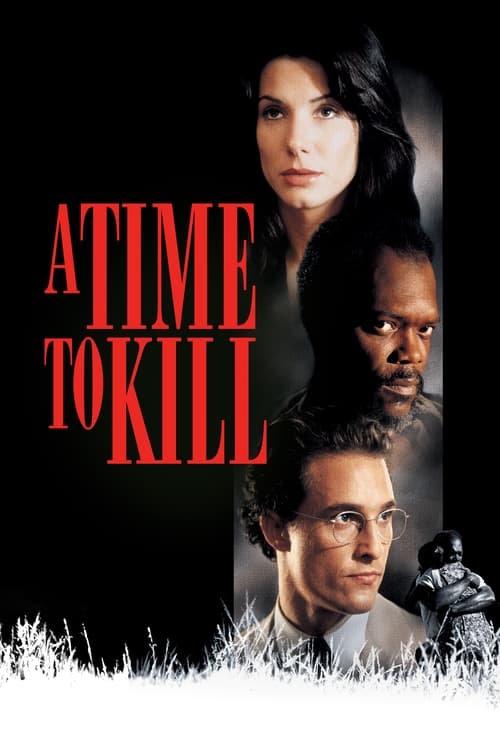
A Time to Kill
1996A young lawyer defends a black man accused of murdering two white men who raped his 10-year-old daughter, sparking a rebirth of the KKK.
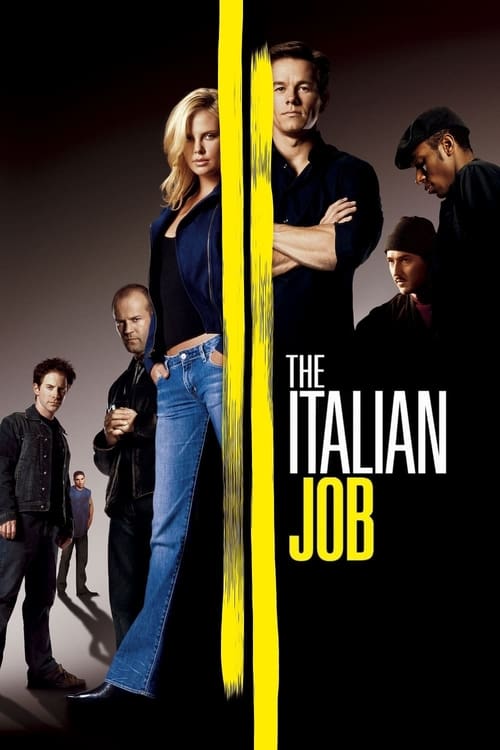
The Italian Job
2003Charlie Croker pulled off the crime of a lifetime. The one thing that he didn't plan on was being double-crossed. Along with a drop-dead gorgeous safecracker, Croker and his team take off to re-steal the loot and end up in a pulse-pounding, pedal-to-the-metal chase that careens up, down, above and below the streets of Los Angeles.
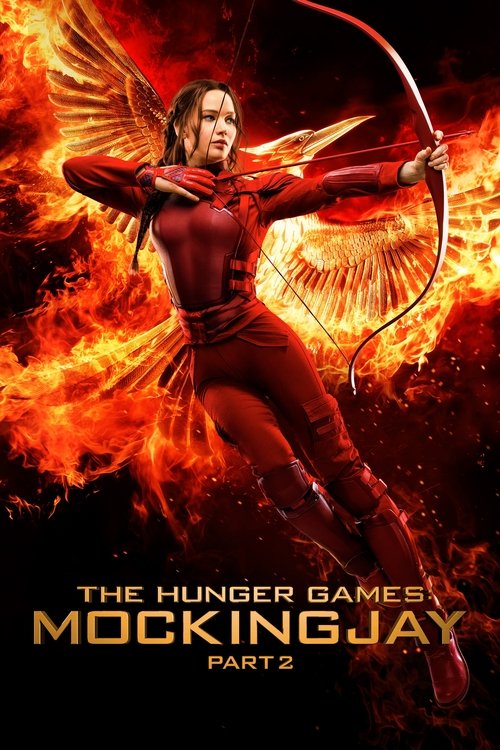
As the war between the Capitol and the districts reaches its peak, Katniss Everdeen embarks on a perilous mission to liberate Panem and confront President Snow. Joined by a team of trusted allies, she navigates deadly traps, shifting loyalties, and the heavy cost of rebellion, determined to bring freedom to her people and end the Hunger Games once and for all.
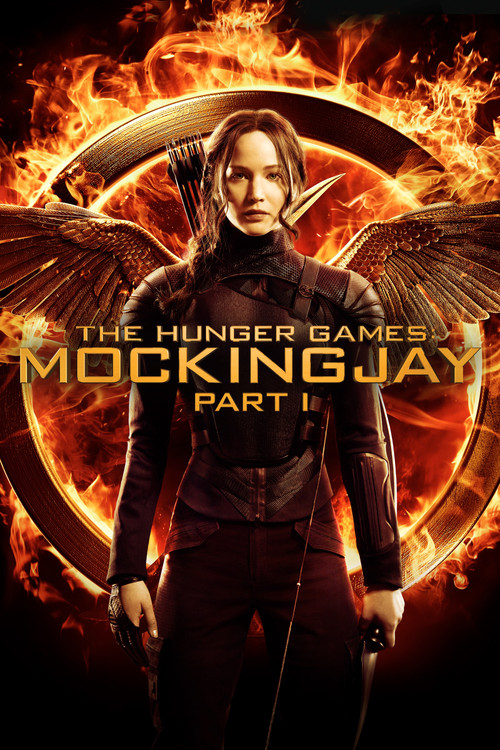
After surviving the Quarter Quell, Katniss finds herself in the hidden stronghold of District 13, where the rebellion against the Capitol is gaining momentum. Struggling with the weight of becoming the symbol of resistance, she must navigate fragile alliances while trying to protect those she loves. As propaganda battles rage and Panem moves closer to full-scale war, Katniss is forced to confront the true cost of revolution.
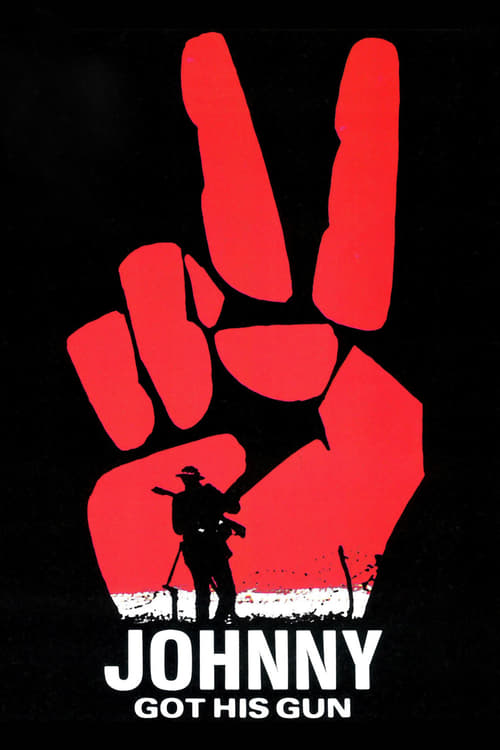
Johnny Got His Gun
1971A young American soldier, rendered in pseudocoma from an artillery shell from WWI, recalls his life leading up to that point.
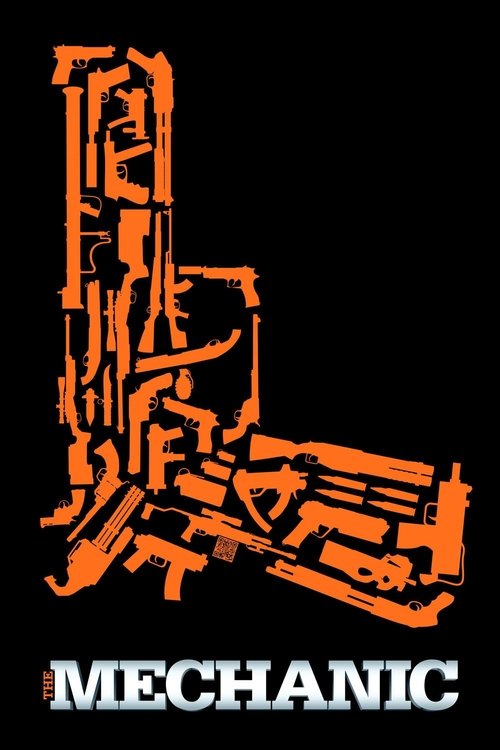
The Mechanic
2011Arthur Bishop is a 'mechanic' - an elite assassin with a strict code requiring professional perfection and total detachment. One of an elite group of assassins, Bishop may be the best in the business - with a unique talent for cleanly eliminating targets. When Harry McKenna, his close friend and mentor, is murdered, Harry's son comes to him with vengeance in his heart and a desire to learn Bishop's trade, signaling the birth of a deadly partnership.
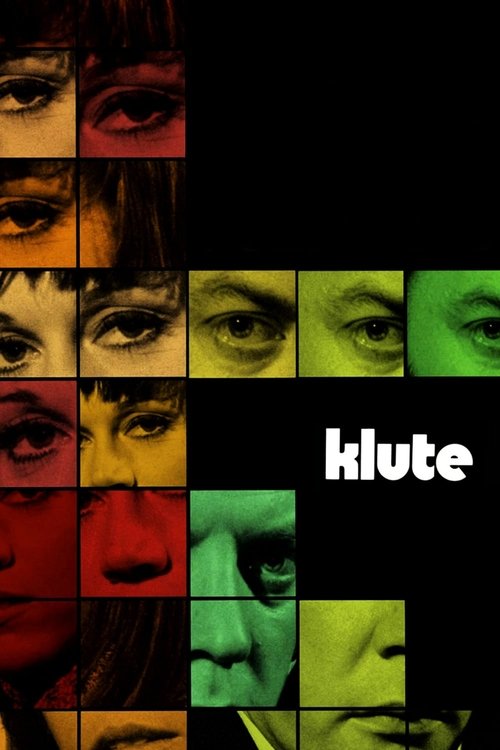
Klute
1971A high-priced call girl is forced to depend on a reluctant private eye when she is stalked by a psychopath.
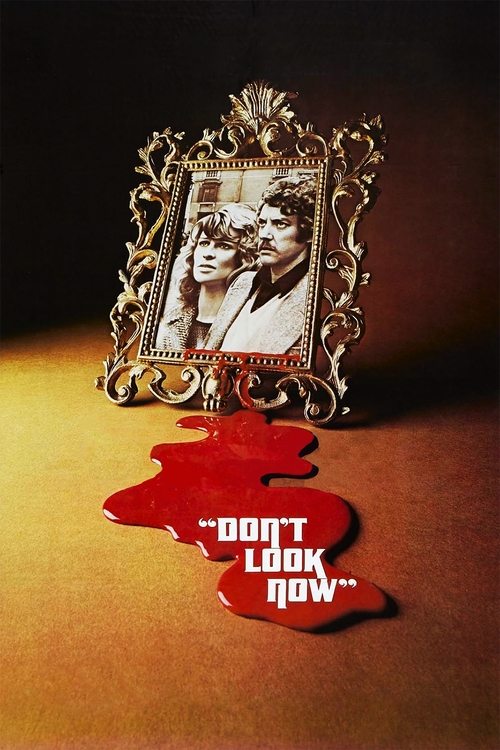
Don't Look Now
1973While grieving a terrible loss, a married couple meet two mysterious sisters, one of whom gives them a message sent from the afterlife.
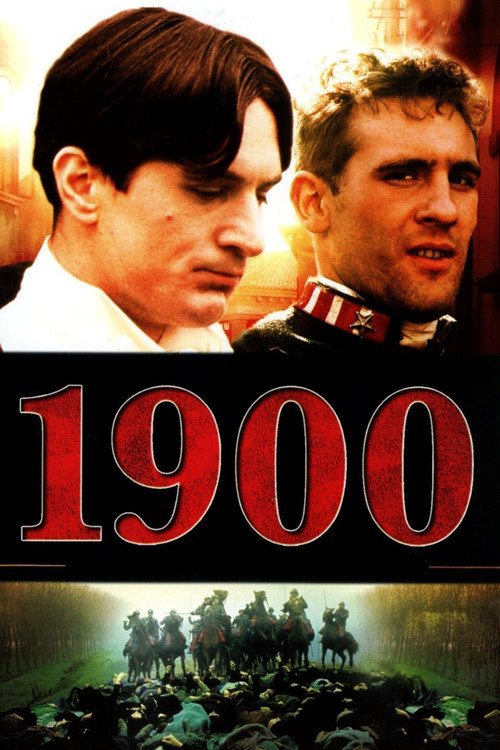
1900
1976The epic tale of a class struggle in twentieth century Italy, as seen through the eyes of two childhood friends on opposing sides.
In a career defining plunge into monstrousness, his portrayal of the fascist Attila remains one of the most repulsive and visceral depictions of evil ever filmed. It is a fearless, grotesque performance that demonstrates his absolute commitment to the darker corners of the human psyche.
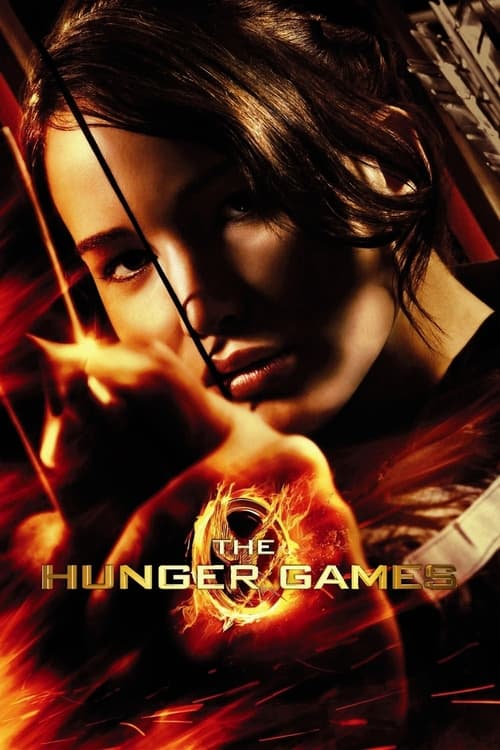
The Hunger Games
2012In a dystopian society where the Capitol forces each district to send two young tributes to fight to the death in a televised spectacle, a girl volunteers to take her sister’s place, setting the stage for a struggle of survival and defiance.
Introducing his authoritative menace to a new generation, he portrays a tyrant with a silver haired, grandmotherly softness that masks a lethal pragmatism. His presence lends a necessary weight and gravitas to the blockbuster franchise from the very first frame.
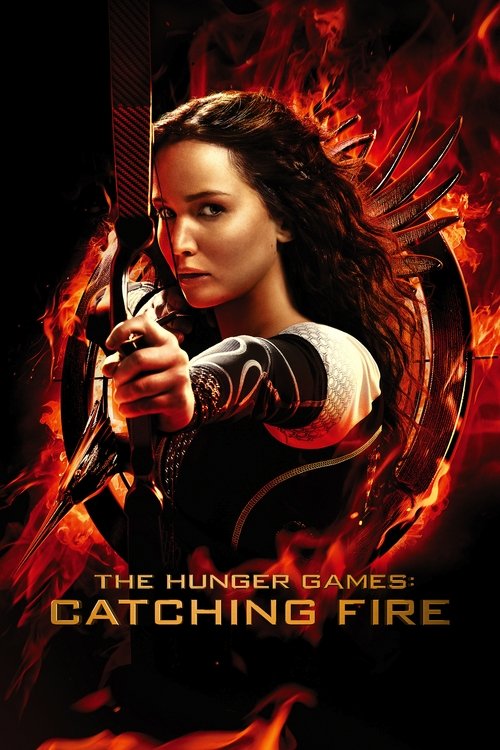
The Hunger Games: Catching Fire
2013After surviving the Hunger Games, Katniss and Peeta struggle with the consequences of their victory as unrest spreads across Panem. Forced back into the spotlight, they become symbols of hope and resistance while the Capitol prepares a new and deadly challenge that will change the future of the nation forever.
Sutherland finds a terrifying stillness in President Snow, exerting more power through a quiet whisper than most villains do with a shout. He plays the character as a sophisticated Gardener of Evil, making the political stakes feel dangerously intimate.
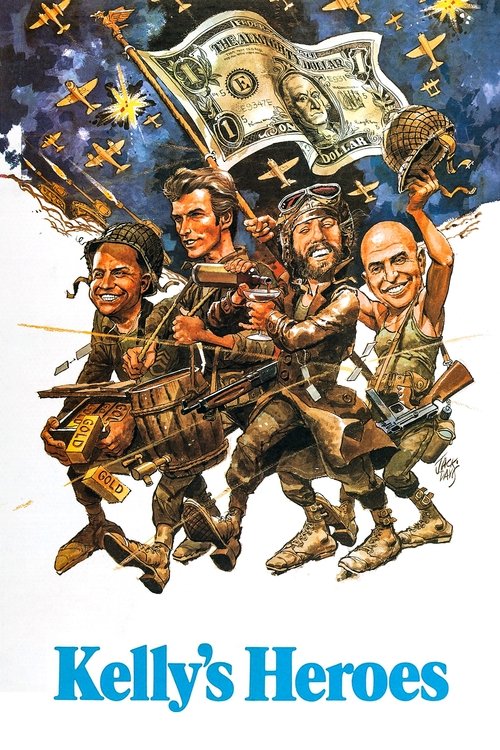
Kelly's Heroes
1970A misfit group of World War II American soldiers goes AWOL to rob a bank behind German lines.
As the bohemian tank commander Oddball, Sutherland injected a proto hippie sensibility into the middle of a gritty World War II heist. This delightfully anachronistic turn showcased his unique ability to blend surreal humor with genuine charisma.
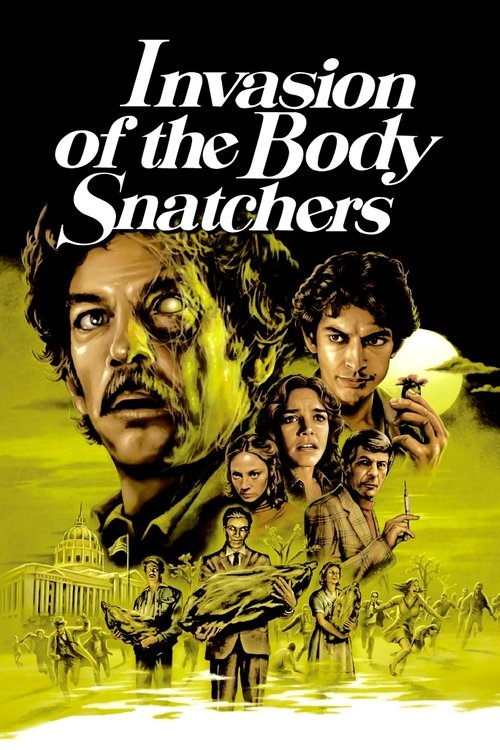
Invasion of the Body Snatchers
1978The residents of San Francisco are becoming drone-like shadows of their former selves, and as the phenomenon spreads, two Department of Health workers uncover the horrifying truth.
Playing against his usual hyper intelligent persona, he starts as a grounded bureaucrat only to succumb to an iconic, wide eyed primal terror. It is his most effective genre work, culminating in a final shot that remains etched in the annals of psychological horror.
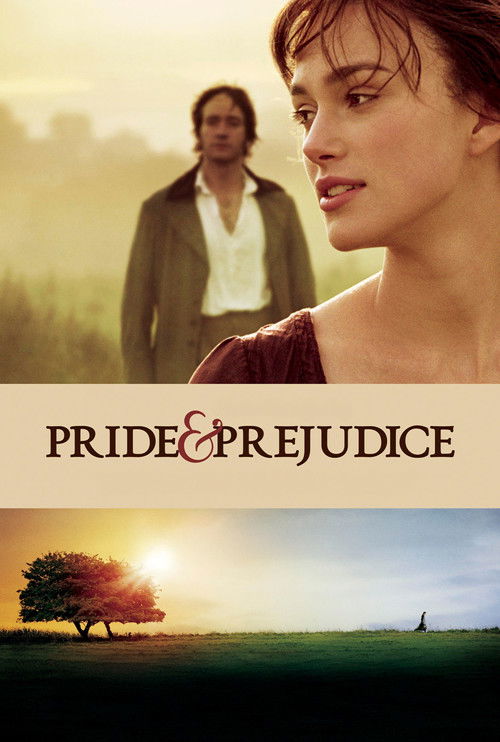
Pride & Prejudice
2005A story of love and life among the landed English gentry during the Georgian era. Mr. Bennet is a gentleman living in Hertfordshire with his overbearing wife and five daughters, but if he dies their house will be inherited by a distant cousin whom they have never met, so the family's future happiness and security is dependent on the daughters making good marriages.
His Mr. Bennet is a portrait of weary, affectionate patience, providing a soulful foundation for the film's domestic skirmishes. He brings a specific, tearful warmth to the finale that humanizes the traditionally detached patriarch.
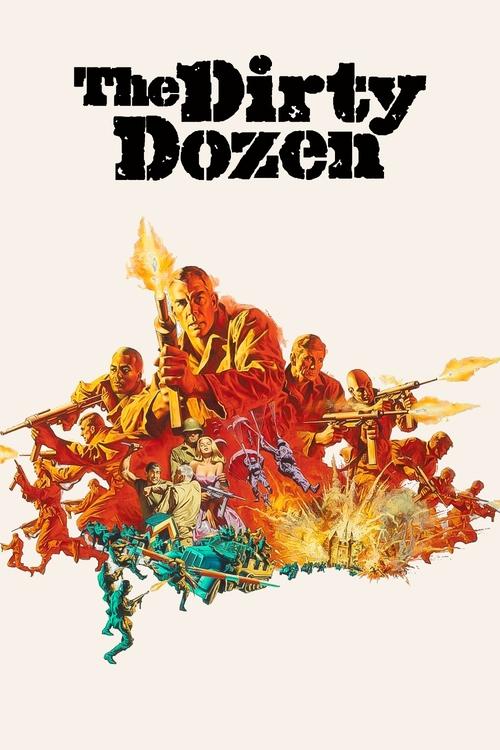
The Dirty Dozen
196712 American military prisoners in World War II are ordered to infiltrate a well-guarded enemy château and kill the Nazi officers vacationing there. The soldiers, most of whom are facing death sentences for a variety of violent crimes, agree to the mission and the possible commuting of their sentences.
Before he was a leading man, Sutherland stole focus among a heavyweight ensemble through pure, goofy anarchy as the simple minded Vernon Pinkley. His ability to stand out in such a crowded field of alpha males proved his innate comedic timing and physical versatility.
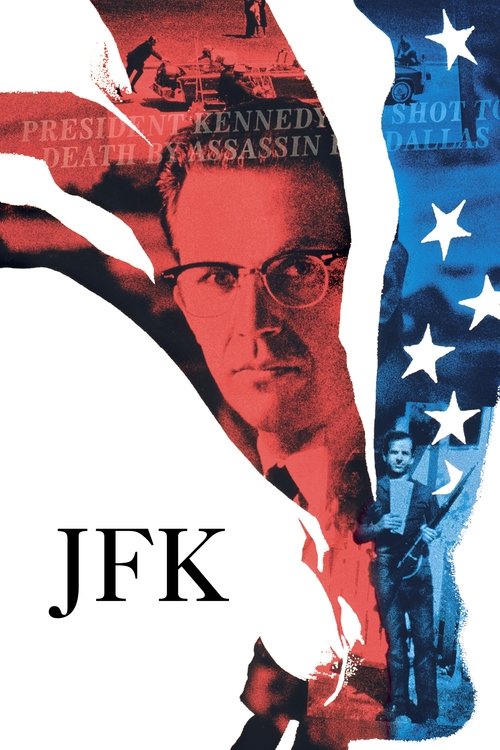
JFK
1991Follows the investigation into the assassination of President John F. Kennedy led by New Orleans district attorney Jim Garrison.
In a single extended sequence, Sutherland commands the screen as the shadowy X, delivering a monologue that reorients the entire film’s reality. He elevates the art of the exposition dump into a chilling, high stakes lesson in political paranoia.
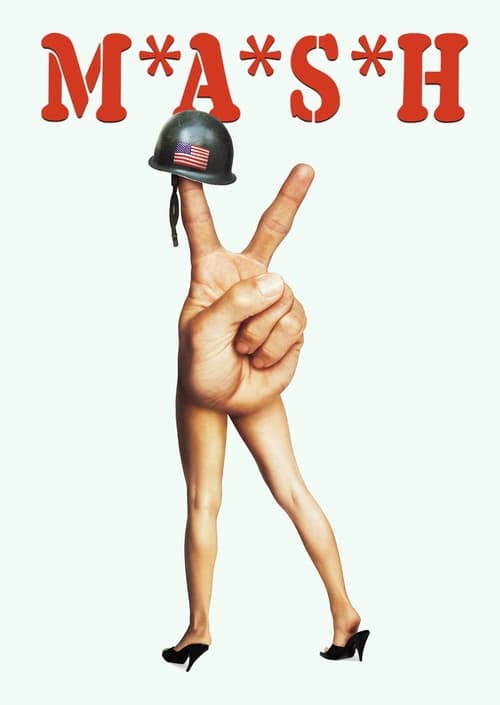
M*A*S*H
1970One of the world's most acclaimed comedies, M*A*S*H focuses on three Korean War Army surgeons brilliantly brought to life by Donald Sutherland, Tom Skerritt and Elliott Gould. Though highly skilled and deeply dedicated, they adopt a hilarious, lunatic lifestyle as an antidote to the tragedies of their Mobile Army Surgical Hospital, and in the process infuriate Army bureaucrats. Robert Duvall, Gary Burghoff and Sally Kellerman co-star as a sanctimonious Major, an other-worldly Corporal, and a self-righteous yet lusty nurse.
As Hawkeye Pierce, he defined the counterculture anti hero by weaponizing a bone dry wit against the absurdity of military bureaucracy. This role transformed him into a cinematic icon of modern cynicism and established his flinty, unconventional leading man energy.
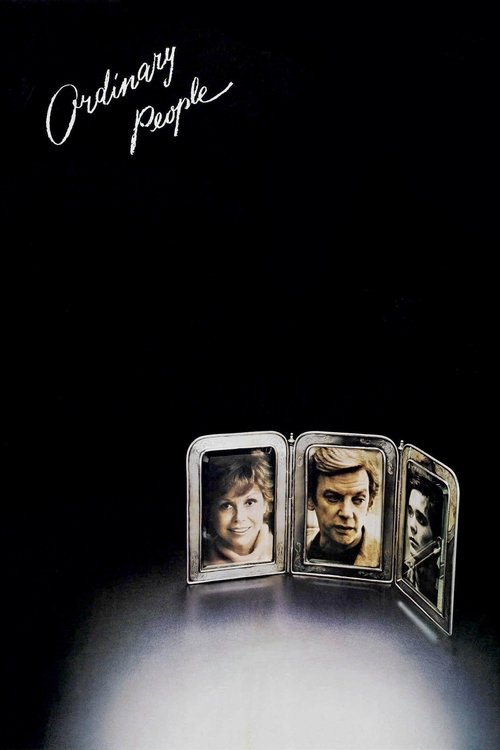
Ordinary People
1980Beth, Calvin, and their son Conrad are living in the aftermath of the death of the other son. Conrad is overcome by grief and misplaced guilt to the extent of a suicide attempt. He is in therapy. Beth had always preferred his brother and is having difficulty being supportive to Conrad. Calvin is trapped between the two trying to hold the family together.
Sutherland serves as the film’s heartbreaking moral anchor, trading his usual eccentricity for a devastatingly quiet portrayal of paternal helplessness. It is a masterclass in reactionary acting that grounds the family’s clinical collapse in a recognizable, simmering grief.
Frequently Asked Questions
Everything you need to know about this list and SnakeDrafts
- In 'Ordinary People' (1980), Donald Sutherland delivers a powerful performance as a father struggling with family trauma, highlighting his ability to portray complex emotions in a deeply dramatic context.
- Donald Sutherland brought a unique mix of dark humor and anti-establishment charm to 'M*A*S*H' (1970), perfectly balancing the film's comedic elements with its serious commentary on the absurdities of war.
- Sutherland played President Snow in 'The Hunger Games' franchise, embodying a chilling and authoritarian villain across several films, which showcased his skill in portraying cold, calculated antagonists in high-stakes action dramas.
- Films like 'JFK' (1991) and '1900' (1976) feature Donald Sutherland in roles that delve into historical and political narratives, demonstrating his versatility and depth in capturing significant socio-political themes through his characters.
- Donald Sutherland has made a strong impact in the thriller and horror genres with films such as 'Invasion of the Body Snatchers' (1978) and 'Don't Look Now' (1973), where his performances contribute to the eerie and suspenseful atmosphere critical to these films.
- From the dark comedy and war satire of 'M*A*S*H' to the romantic drama of 'Pride & Prejudice' and the science fiction intensity of 'The Hunger Games,' Donald Sutherland exhibits remarkable adaptability, effortlessly shifting his tone and presence to fit diverse cinematic styles.
- In films like 'Klute' (1971) and 'The Mechanic' (2011), Sutherland portrays characters with complex moral shades, effectively capturing the nuances and tensions of individuals living in morally grey areas.