Ron Howard's Top Films Ranked
Masterful Directing from Blockbusters to Biopics
Discover the most acclaimed films by Ron Howard, featuring Oscar winners, historical dramas, and epic cinematic adventures.
About Ron Howard
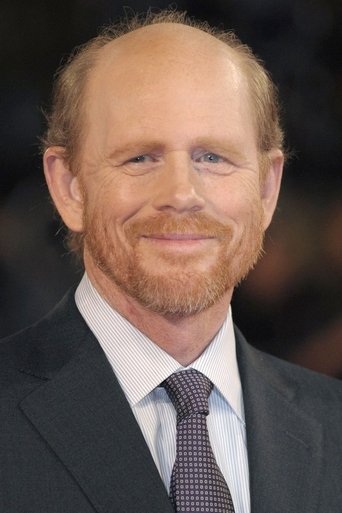
In the competitive landscape of Hollywood, few figures command as much quiet authority as Ron Howard. He occupies a rare space in the industry, possessing the commercial instincts of a blockbuster titan and the delicate touch of a prestige character dramatist. While some of his contemporaries lean into stylistic flourishes or abrasive visual signatures, he has built a legacy on invisibility. His camera rarely calls attention to itself, instead serving as a transparent window into the high-stakes internal lives of his protagonists. This ego-free approach to filmmaking allows the story to breathe, turning potentially rote biopics or action thrillers into deeply human experiences.
One cannot look at his filmography without noticing a recurring obsession with the mechanics of competence. Whether he is documenting the suffocating claustrophobia of the lunar module in Apollo 13 or the oxygen-depleted depths of a Thai cave in Thirteen Lives, he finds his rhythm in the details of a job being done under extreme pressure. He treats the technical process of survival with a reverence that borders on the spiritual. This devotion to professional grit extends to the boxing ring of Cinderella Man and the high-octane asphalt of Rush, where the machinery and the men piloting it become one. He understands that we reveal our true selves not through grand speeches, but through how we solve problems when the clock is ticking.
His versatility often masks a profound intellectual curiosity. He can pivot from the whimsical, aquatic romance of Splash or the high-fantasy world-building of Willow to the dense, dialogue-driven tension of Frost/Nixon without missing a beat. In his hands, the cerebral struggles of a mathematician in A Beautiful Mind become as pulse-pounding as the roaring blazes of Backdraft. He possesses a populist sensibility that makes even the most complex subjects accessible, a trait that helped transform The Da Vinci Code and Angels & Demons into global cinematic events. He manages to scale his vision to fit the narrative, moving seamlessly between the intimate familial chaos of Parenthood and the frantic newsroom energy of The Paper.
What truly defines his cinema is a relentless optimism that never feels unearned. Even in a harrowing kidnapping thriller like Ransom, he maintains a steady hand that guides the audience toward a sense of moral clarity. He is a master of the ensemble, coaxing grounded performances out of massive stars and character actors alike. By focusing on the resilience of the human spirit, he has crafted a body of work that feels both classic and essential. He remains the ultimate craftsman, a director who believes that the greatest spectacle of all is simply watching someone refuse to give up, no matter how impossible the odds.
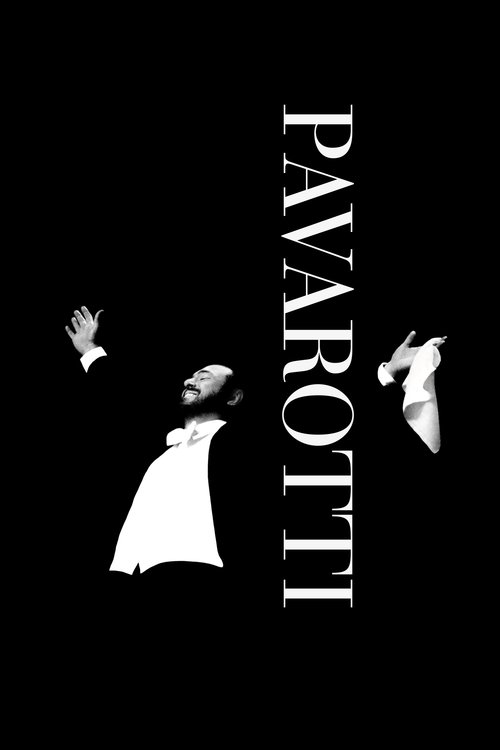
Pavarotti
2019Featuring never-before-seen footage, concert performances and intimate interviews, filmmaker Ron Howard examines the life and career of famed opera tenor Luciano Pavarotti.
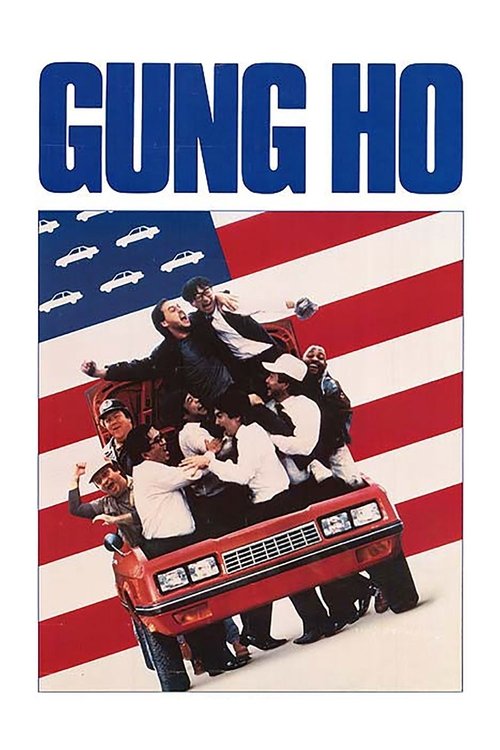
Gung Ho
1986When a western Pennsylvania auto plant is acquired by a Japanese company, brokering auto worker Hunt Stevenson faces the tricky challenge of mediating the assimilation of two clashing corporate cultures. At one end is the Japanese plant manager and the sycophant who is angling for his position. At the other, a number of disgruntled long-time union members struggle with the new exigencies of Japanese quality control.
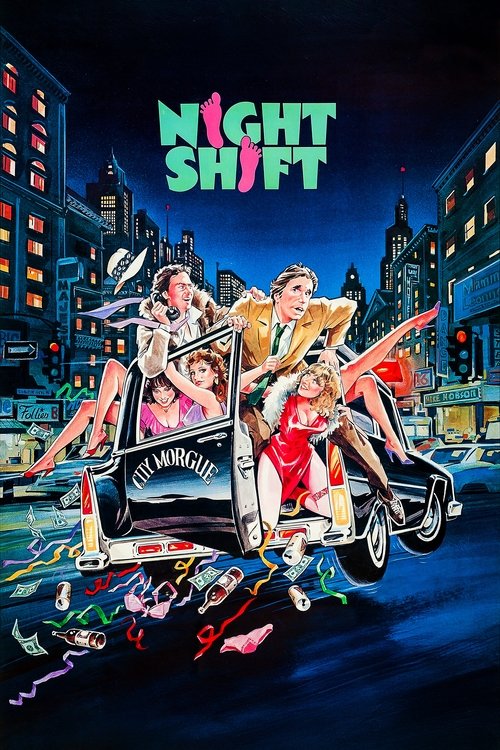
Night Shift
1982A nebbish of a morgue attendant gets shunted back to the night shift where he is shackled with an obnoxious neophyte partner who dreams of the "one great idea" for success. His life takes a bizarre turn when a prostitute neighbor complains about the loss of her pimp. His partner, upon hearing the situation, suggests that they fill that opening themselves using the morgue at night.
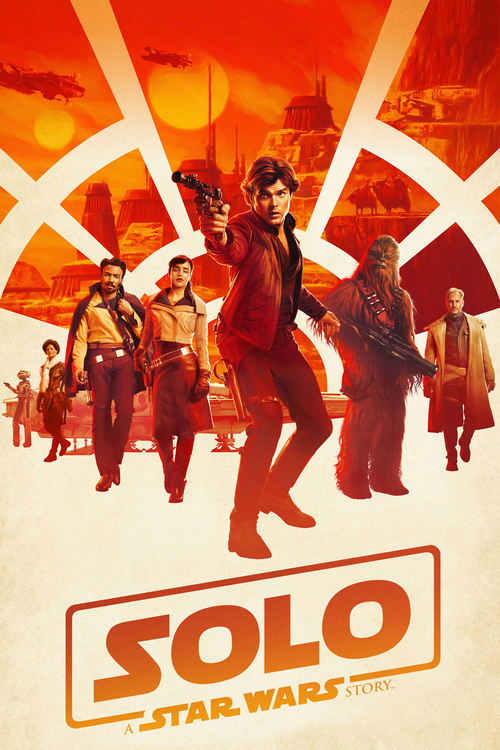
Solo: A Star Wars Story
2018Through a series of daring escapades deep within a dark and dangerous criminal underworld, Han Solo meets his mighty future copilot Chewbacca and encounters the notorious gambler Lando Calrissian.
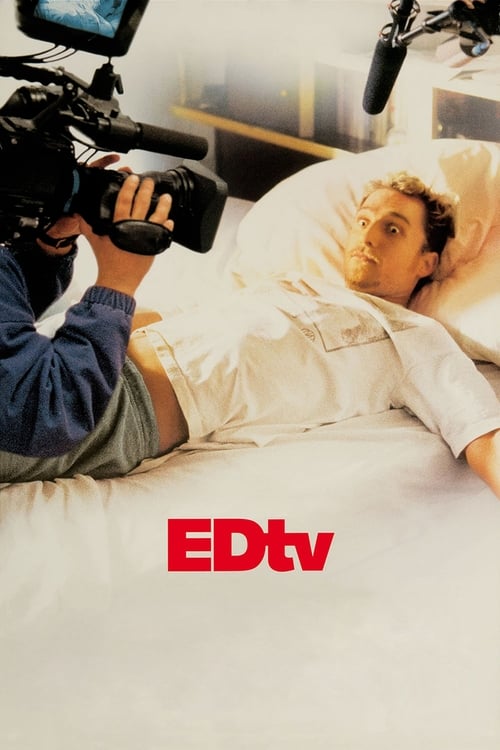
EDtv
1999Video store clerk Ed agrees to have his life filmed by a camera crew for a tv network.
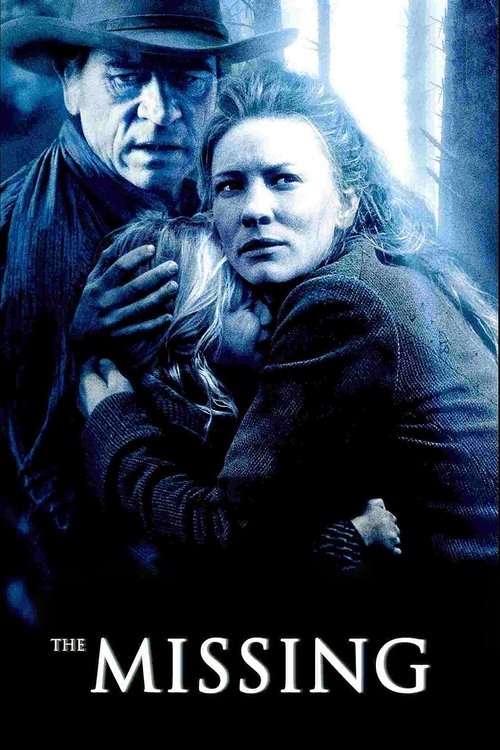
The Missing
2003When rancher and single mother of two Maggie Gilkeson sees her teenage daughter, Lily, kidnapped by Apache rebels, she reluctantly accepts the help of her estranged father, Samuel, in tracking down the kidnappers. Along the way, the two must learn to reconcile the past and work together if they are going to have any hope of getting Lily back before she is taken over the border and forced to become a prostitute.
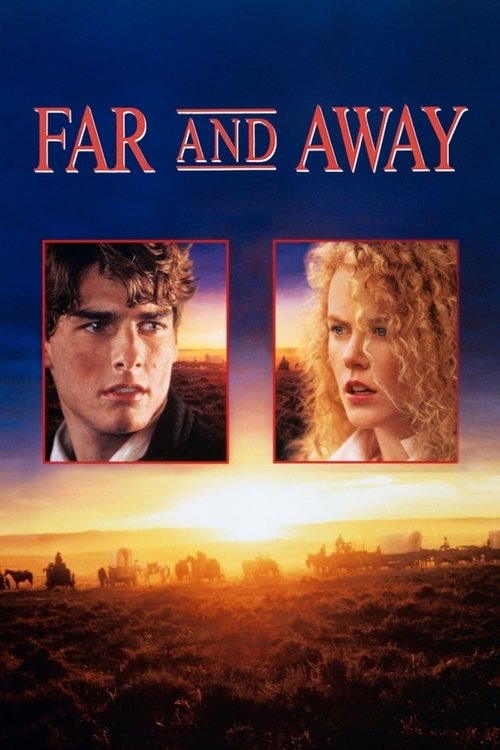
Far and Away
1992In director Ron Howard’s period epic, a young free-spirited Irish woman from an affluent Protestant family spontaneously befriends a street-smart commoner gypped by her family’s hostile land takeovers before the two escape together to America for a new life during the 19th century Oklahoma land rush.
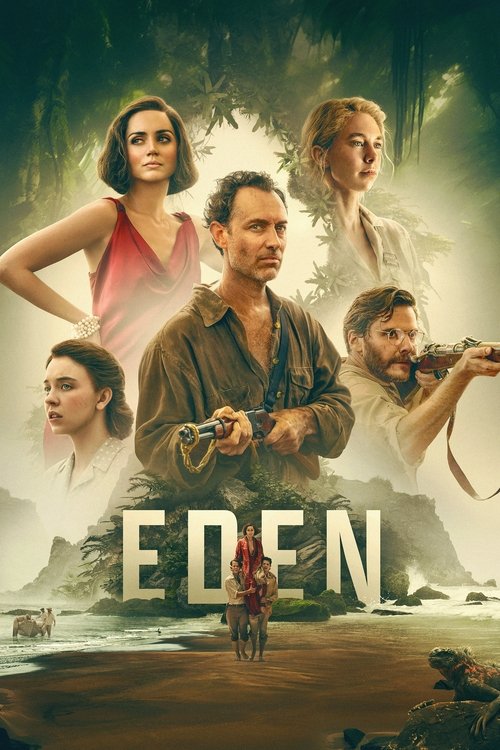
Eden
2025A group of disillusioned outsiders abandon modern society in search of a new beginning. Settling on a remote, uninhabited island, their utopian dream quickly unravels as they discover that the greatest threat isn’t the brutal climate or deadly wildlife, but each other.
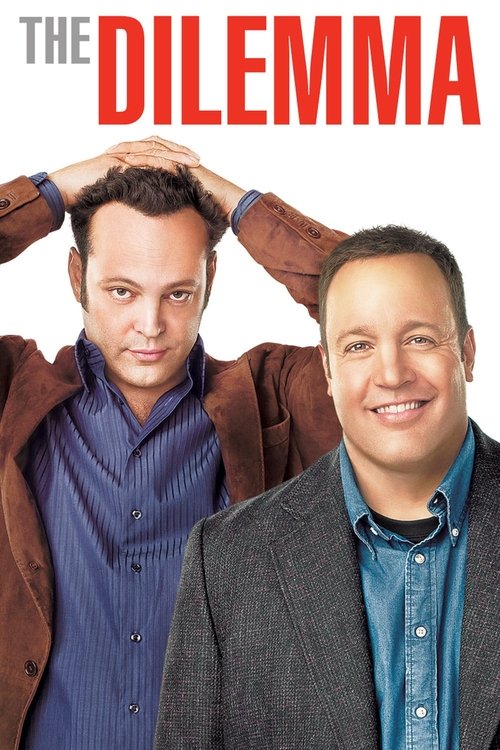
The Dilemma
2011Longtime friends Ronny and Nick are partners in an auto-design firm. They are hard at work on a presentation for a dream project that would really launch their company. Then Ronny spots Nick's wife out with another man, and in the process of investigating the possible affair, he learns that Nick has a few secrets of his own. As the presentation nears, Ronny agonizes over what might happen if the truth gets out.
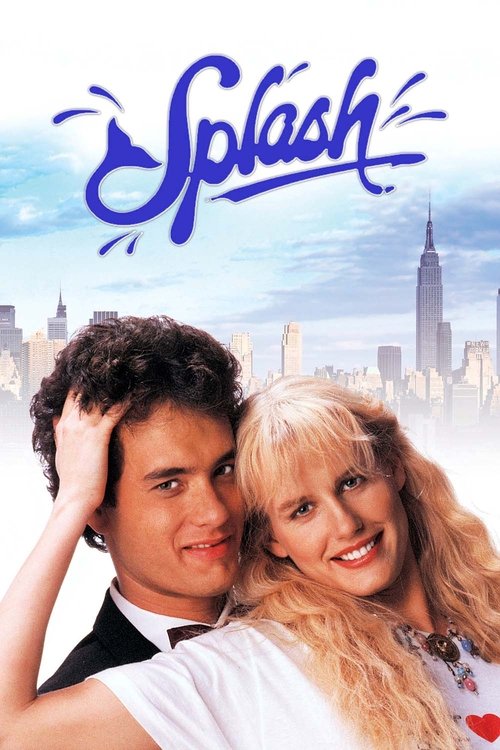
Splash
1984A successful businessman falls in love with the girl of his dreams. There's one big complication though; he's fallen hook, line and sinker for a mermaid.
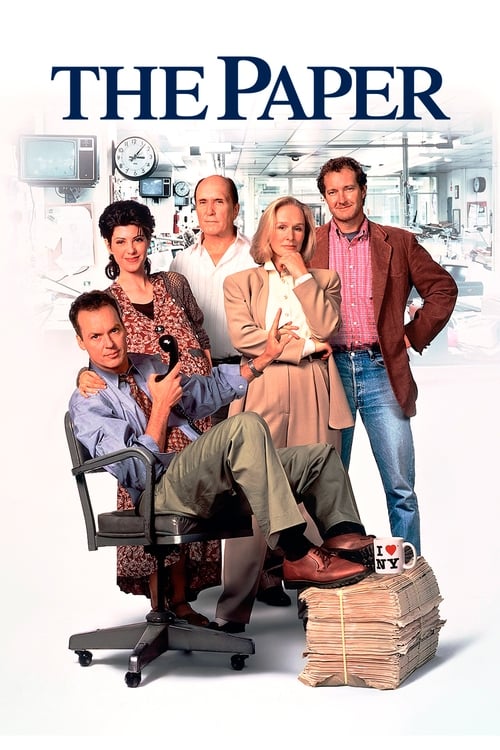
The Paper
1994Henry Hackett is the workaholic editor of a New York City tabloid. He loves his job, but the long hours and low pay are leading to discontent. Also, publisher Bernie White faces financial straits, and has hatchet-man Alicia Clark—Henry's nemesis—impose unpopular cutbacks.
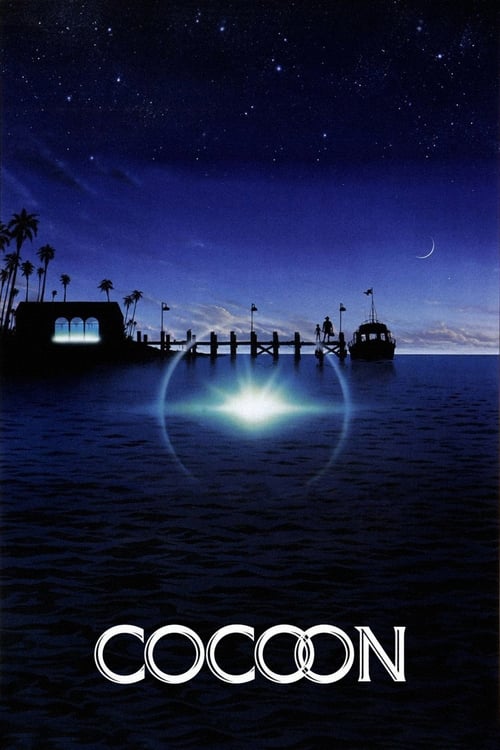
Cocoon
1985When a group of trespassing seniors swim in a pool containing alien cocoons, they find themselves energized with youthful vigor.
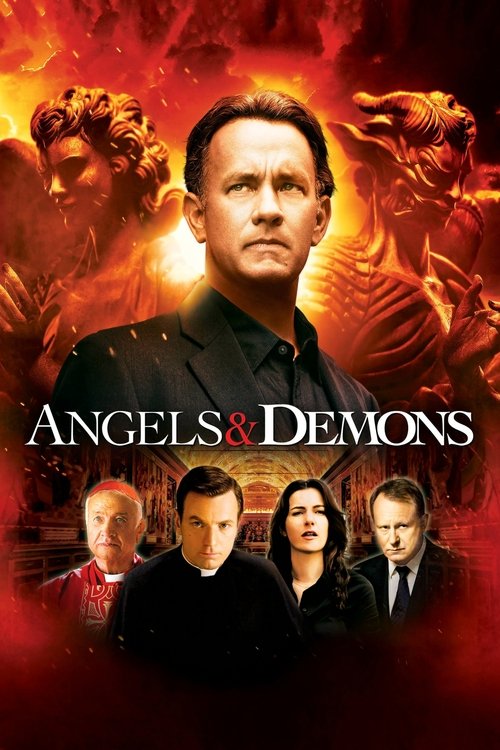
Angels & Demons
2009Harvard symbologist Robert Langdon is recruited by the Vatican to investigate the apparent return of the Illuminati – a secret, underground organization – after four cardinals are kidnapped on the night of the papal conclave.
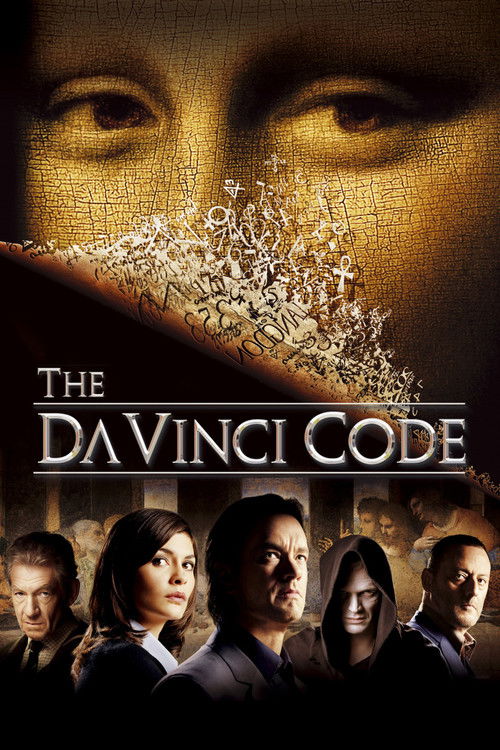
The Da Vinci Code
2006A murder in Paris’ Louvre Museum and cryptic clues in some of Leonardo da Vinci’s most famous paintings lead to the discovery of a religious mystery. For 2,000 years a secret society closely guards information that — should it come to light — could rock the very foundations of Christianity.
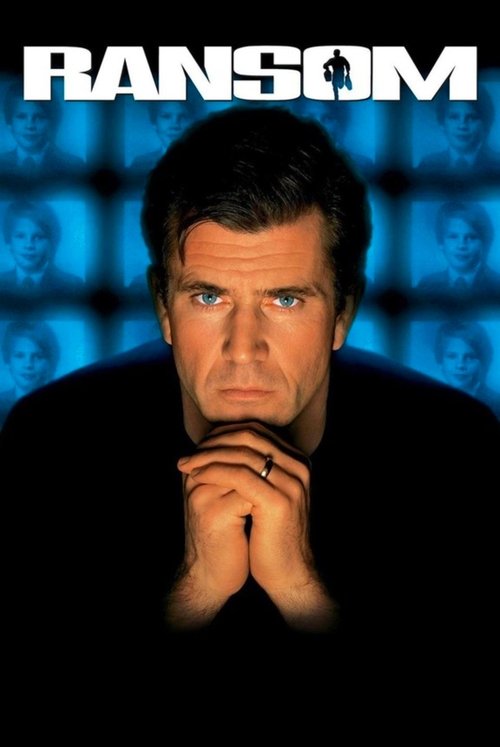
Ransom
1996When a rich man's son is kidnapped, he cooperates with the police at first but then tries a unique tactic against the criminals.
Howard subverts the typical hostage narrative by focusing on the moral elasticity and ruthless pragmatism of its protagonist. His direction maintains a sharp, cynical edge that challenges the audience’s expectations of paternal heroism, marking a successful departure into darker, more aggressive genre territory.
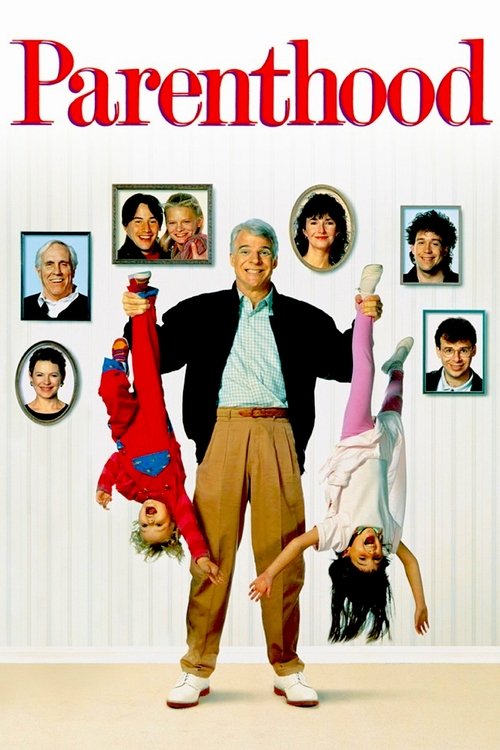
Parenthood
1989The story of the Buckman family and friends, attempting to bring up their children. They suffer/enjoy all the events that occur: estranged relatives, the 'black sheep' of the family, the eccentrics, the skeletons in the closet, and the rebellious teenagers.
Employing a sprawling, multi-generational structure, Howard captures the chaotic frequency of domestic life with a keen observational eye that avoids easy sentiment. This film stands as his most empathetic work, demonstrating a sophisticated grasp of the messy, interlocking dynamics that define the modern family unit.
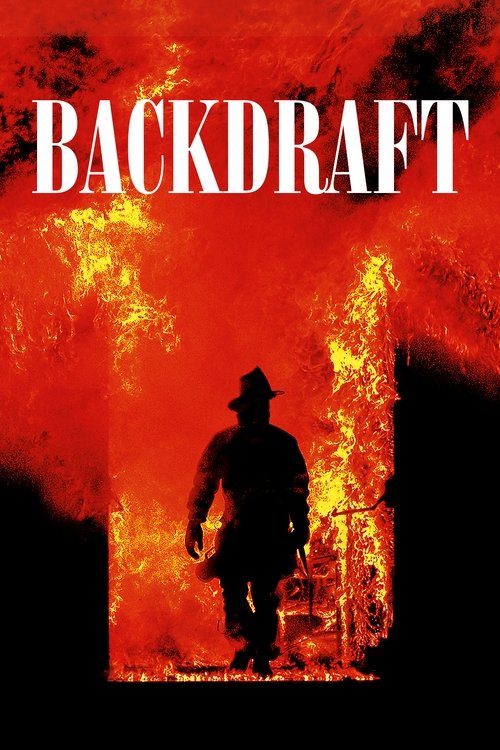
Backdraft
1991Two feuding siblings carrying on a heroic family tradition as Chicago firefighters. But when a puzzling series of arson attacks is reported, they are forced to set aside their differences to solve the mystery surrounding these crimes.
Howard treats fire as a sentient, predatory character, utilizing practical choreography that remains unparalleled in its terrifying screen presence. This visceral spectacle demonstrates his talent for visceral, blue collar drama where the environmental hazards carry as much narrative weight as the human conflict.
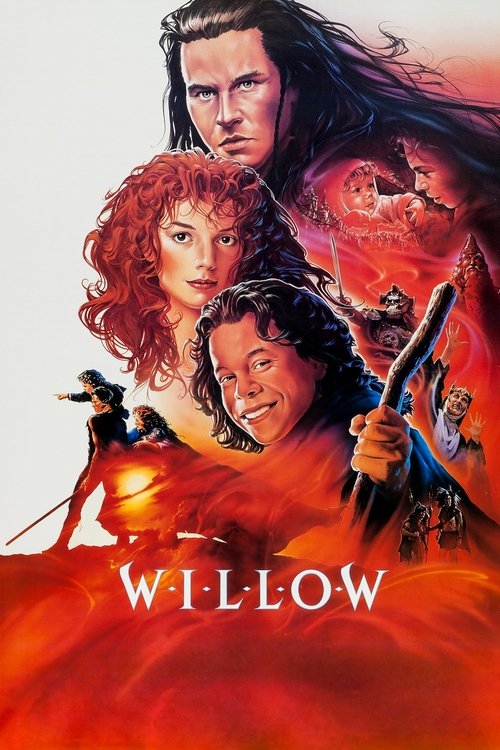
Willow
1988The evil Queen Bavmorda hunts the newborn princess Elora Danan, a child prophesied to bring about her downfall. When the royal infant is found by Willow, a timid farmer and aspiring sorcerer, he's entrusted with delivering her from evil.
In this vibrantly textured foray into high fantasy, Howard balances pioneering visual effects with a grounded, earthy warmth that differentiates the film from its more clinical contemporaries. It serves as an essential bridge in his filmography between his early comedic roots and his eventual mastery of large scale world building.
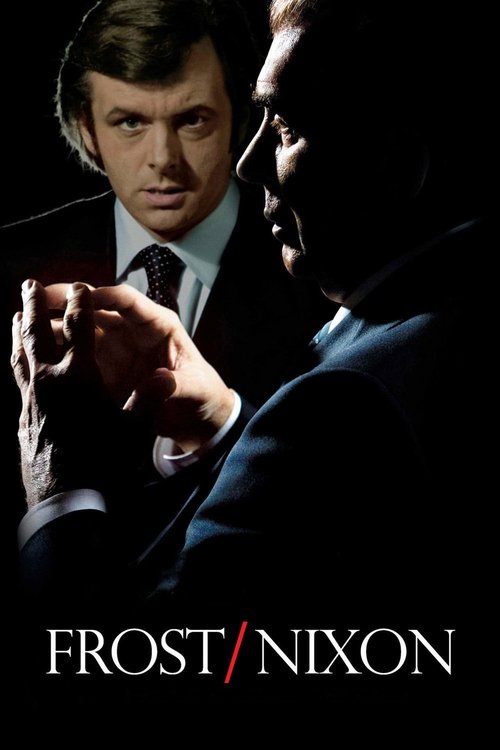
Frost/Nixon
2008For three years after being forced from office, Nixon remained silent. But in summer 1977, the steely, cunning former commander-in-chief agreed to sit for one all-inclusive interview to confront the questions of his time in office and the Watergate scandal that ended his presidency. Nixon surprised everyone in selecting Frost as his televised confessor, intending to easily outfox the breezy British showman and secure a place in the hearts and minds of Americans. Likewise, Frost's team harboured doubts about their boss's ability to hold his own. But as the cameras rolled, a charged battle of wits resulted.
Howard transforms a static televised encounter into a high stakes psychological thriller through aggressive framing and a rhythmic editorial pace. This film highlights his unique ability to locate the cinematic pulse within dialogue-heavy theater, proving that intellectual sparring can be as visually compelling as any action set piece.
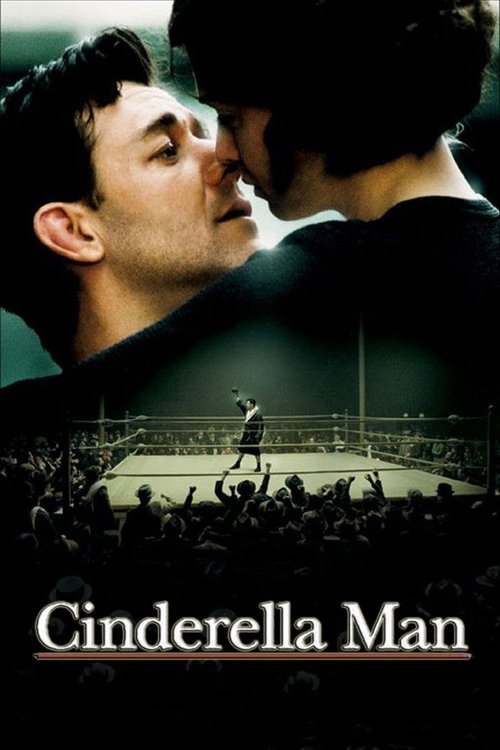
Cinderella Man
2005The true story of boxer Jim Braddock who, following his retirement in the 1930s, makes a surprise comeback in order to lift his family out of poverty.
The director utilizes a desaturated, tactile palette to evoke the physical and economic desperation of the Great Depression without ever descending into melodrama. By grounding the underdog narrative in raw atmospheric detail, Howard elevates traditional studio filmmaking into a poignant study of dignity under duress.
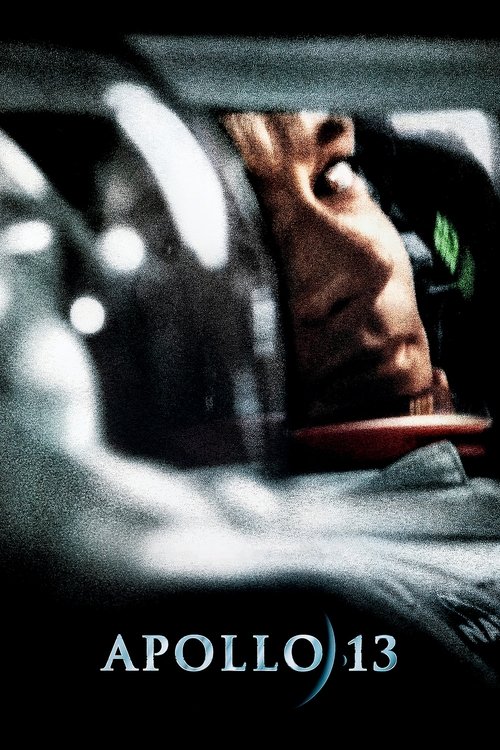
Apollo 13
1995The true story of technical troubles that scuttle the Apollo 13 lunar mission in 1970, risking the lives of astronaut Jim Lovell and his crew, with the failed journey turning into a thrilling saga of heroism. Drifting more than 200,000 miles from Earth, the astronauts work furiously with the ground crew to avert tragedy.
Howard navigates the intersection of technological failure and human ingenuity with a documentary-like rigor that transforms historical fact into a masterclass of structural suspense. This work remains the definitive blueprint for his signature brand of optimistic, process-driven storytelling.
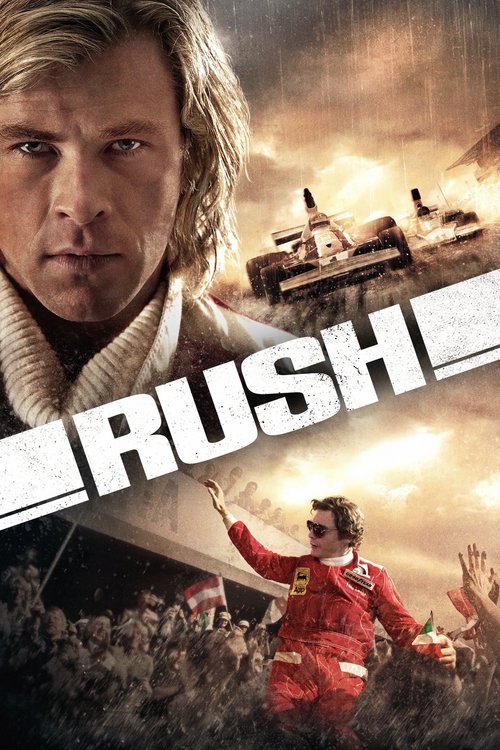
Rush
2013In the 1970s, a rivalry propels race car drivers Niki Lauda and James Hunt to fame and glory — until a horrible accident threatens to end it all.
Moving with a visceral, kinetic energy that mirrors the high octane friction of its subjects, this film showcases Howard’s surprising capacity for grit and sensory overload. It redefines the sports biopic by prioritizing the psychological cost of obsession and the jagged edges of professional rivalry.
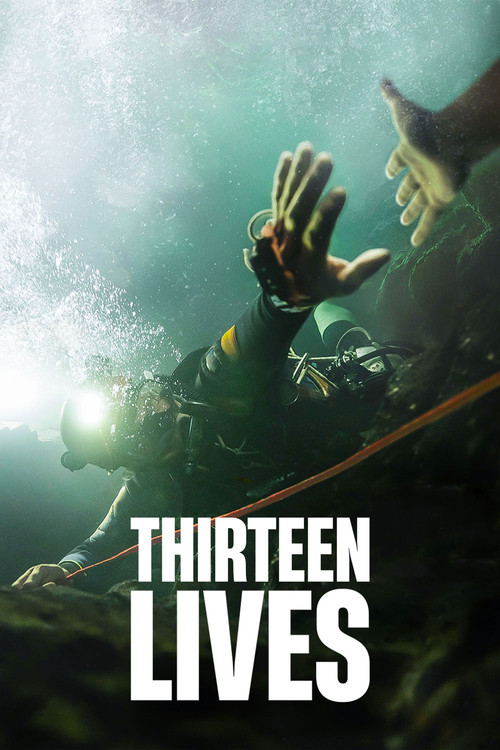
Thirteen Lives
2022Based on the true nail-biting mission that captivated the world. Twelve boys and the coach of a Thai soccer team explore the Tham Luang cave when an unexpected rainstorm traps them in a chamber inside the mountain. Entombed behind a maze of flooded cave tunnels, they face impossible odds. A team of world-class divers navigate through miles of dangerous cave networks to discover that finding the boys is only the beginning.
In this exercise in relentless procedural tension, Howard strips away Hollywood artifice to favor a claustrophobic, granular realism that honors technical precision over sentimentality. It stands as a testament to his late career evolution into a minimalist who can command global stakes through intimate, breathless geography.
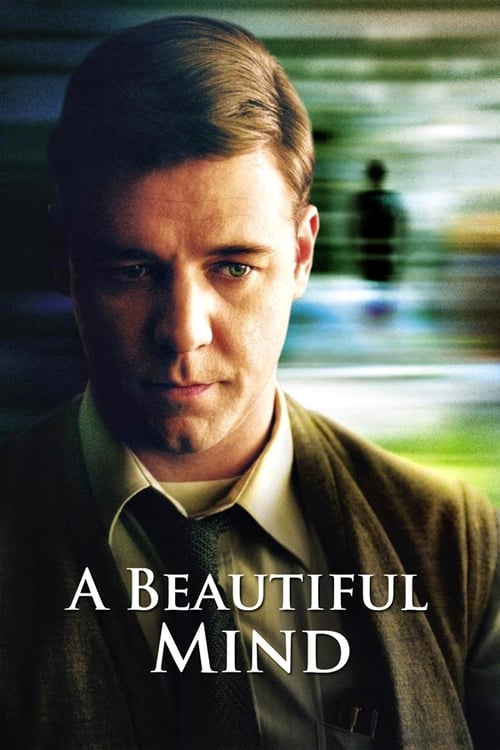
A Beautiful Mind
2001From the heights of notoriety to the depths of depravity, John Forbes Nash Jr. experiences it all. As a brilliant but socially awkward mathematician, he made a groundbreaking discovery early in his career and stands on the brink of international acclaim. But as the handsome and arrogant Nash accepts secret work in cryptography, he becomes entangled in a mysterious conspiracy. His life takes a nightmarish turn and he soon finds himself on a painful and harrowing journey of self-discovery.
Howard achieves a career high by externalizing the abstract fractures of the human psyche through a sophisticated visual language that blurs the line between subjective experience and objective reality. This masterful interrogation of genius and mental fragility solidified Howard as a filmmaker capable of profound psychological depth beyond mere populist spectacle.
Frequently Asked Questions
Everything you need to know about this list and SnakeDrafts
- Ron Howard's top films often explore themes of resilience, human spirit, and complex historical events. Movies like "Apollo 13" and "Frost/Nixon" highlight his ability to blend drama with real-life stories, while "A Beautiful Mind" delves into personal triumph over adversity.
- Ron Howard masterfully combines engaging storytelling with meticulous attention to character development, appealing both to mainstream audiences and critics. His films like "Rush" and "Cinderella Man" showcase thrilling action alongside emotional depth, ensuring broad appeal without sacrificing artistic quality.
- Ron Howard has directed several films based on pivotal historical moments, including the space crisis in "Apollo 13," the political drama of watergate-era interviews in "Frost/Nixon," and the true-life boxing story in "Cinderella Man." Each film is praised for its authenticity and dramatic interpretation.
- Ron Howard's directing style is known for its unobtrusiveness, allowing the story and characters to take center stage. By crafting a transparent cinematic window, as seen in "Thirteen Lives" and "A Beautiful Mind," Howard ensures the audience remains deeply immersed in the narrative without distraction.
- Yes, Ron Howard often blends drama with elements from genres such as historical, thriller, romance, and action. His diverse filmography includes suspenseful thrillers like "Ransom," romantic dramas like "Splash," and fantasy adventures like "Willow," demonstrating his versatility as a director.
- Ron Howard's films have received significant critical acclaim and multiple awards, notably "A Beautiful Mind," which won several Oscars including Best Picture and Best Director. His work is celebrated for both its emotional impact and technical excellence, securing his reputation as a distinguished filmmaker.
- Ron Howard primarily focuses on character-driven stories that emphasize emotional depth and personal growth, as exemplified in "Parenthood" and "A Beautiful Mind." While he incorporates thrilling and epic elements, his storytelling remains centered on the human experience.

