The Best Gregory Peck Movies Ranked
Legendary Performances from the Icon of Moral Integrity
Discover the most essential films featuring Hollywood legend Gregory Peck, from his Oscar-winning turn in Mockingbird to classic Golden Age dramas.
About Gregory Peck
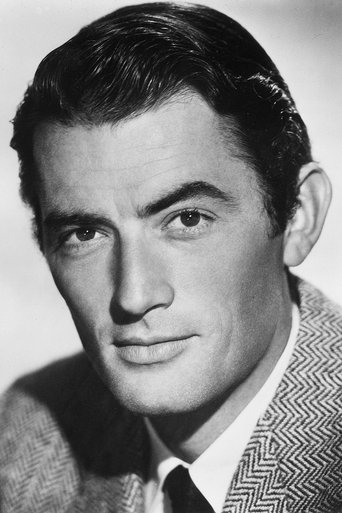
In the golden era of Hollywood, leading men were often measured by their swagger or their grit, but Gregory Peck operated on a different frequency. He possessed a resonant baritone and a physical carriage that suggested an internal moral compass under constant, quiet calibration. While his contemporaries chased explosions or melodrama, he became the industry standard for principled strength. To watch him on screen was to witness a man grappling with the heavy architecture of conscience, a quality that transformed him from a mere matinee idol into a secular saint of the American cinema.
Nothing solidified this reputation more than his definitive turn as Atticus Finch in To Kill a Mockingbird. It was the rare alignment of actor and soul, a performance so grounded and empathetic that it ceased to be acting and became a blueprint for integrity. Yet, reducing his career to a single pillar of virtue ignores the fascinating versatility he displayed when he stepped out of the light. He could play the psychological blur of an amnesiac in Hitchcock’s Spellbound or the haunted, hardened shell of a weary gunslinger in The Gunfighter. In Twelve O'Clock High, he dismantled the myth of the unflappable commander, showing the jagged edges of a man pushed to his breaking point by the machinery of war.
Audiences gravitated toward him because he felt like the adult in the room, even when the world around him was descending into chaos. He brought a sophisticated, gentle humor to his pairing with Audrey Hepburn in Roman Holiday, proving he could handle the effervescence of a European lark just as easily as the grit of an epic like The Guns of Navarone or the sprawling tension of The Big Country. He was never afraid to tackle the era's difficult social questions either, as seen in his courageous pivot to Gentleman's Agreement, where he confronted the quiet poison of anti-Semitism with a directness that was radical for 1947.
As his career matured, he began to lean into the shadows, revealing a darker, more complex texture to his persona. The paternal warmth of his early years curdled into the visceral terror of the original Cape Fear, and he later revisited that same story in mid-nineties remake, serving as a bridge between two generations of cinematic suspense. He embraced the macabre in the supernatural thriller The Omen and took a shocking, villainous turn as Josef Mengele in The Boys from Brazil, proving that his legendary dignity could be weaponized for chilling effect. Whether he was chasing a white whale in Moby Dick or commanding the high seas in Captain Horatio Hornblower R.N., he remained a singular force. He did not just inhabit scripts; he anchored them with a gravitas that remains unrepeatable in modern film history. He wasn't just a star of the screen, he was its conscience.
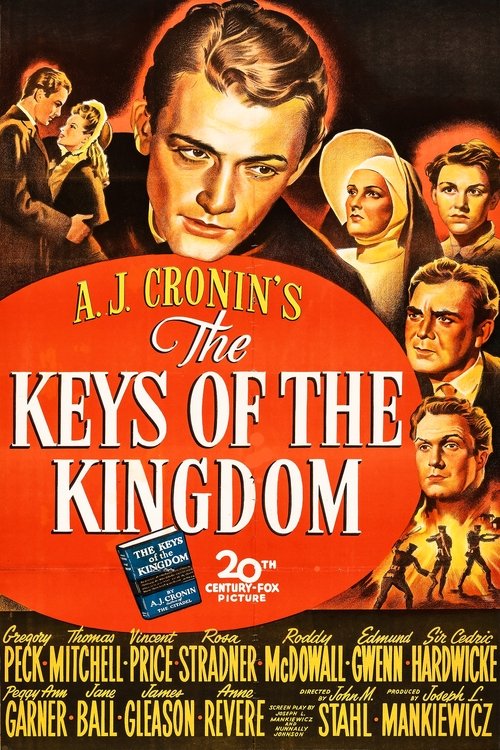
The Keys of the Kingdom
1944A young priest, Father Chisholm is sent to China to establish a Catholic parish among the non-Christian Chinese. While his boyhood friend, also a priest, flourishes in his calling as a priest in a more Christian area of the world, Father Chisholm struggles. He encounters hostility, isolation, disease, poverty and a variety of set backs which humble him, but make him more determined than ever to succeed.
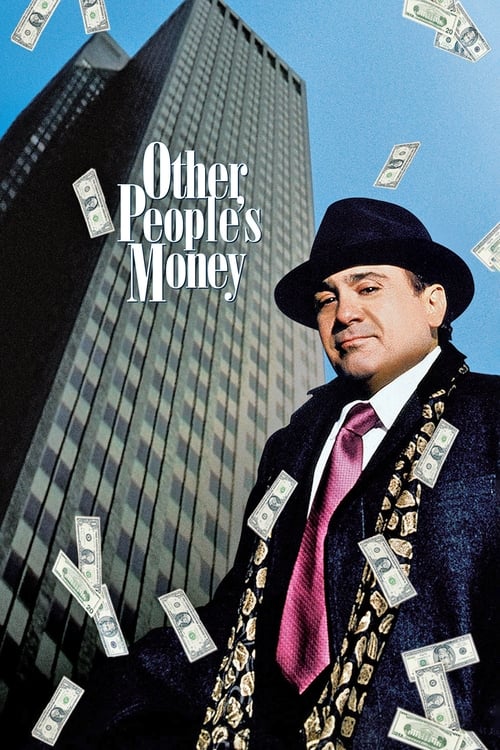
Other People's Money
1991When a corporate raider threatens a hostile takeover of a 'mom and pop' company, the patriarch of the company enlists the help of his wife's attractive daughter—who is a lawyer—to stop the takeover. However, the raider soon becomes infatuated with her, and enjoys the legal manoeuvring as he tries to win her heart.
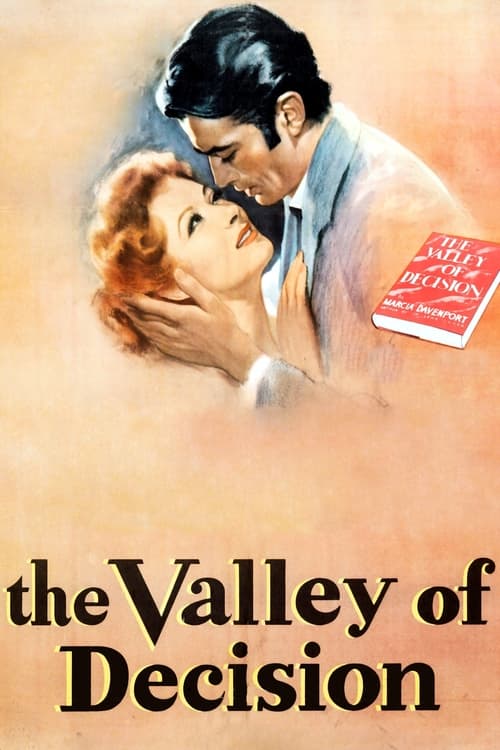
The Valley of Decision
1945Mary Rafferty comes from a poor family of steel mill workers in 19th Century Pittsburgh. Her family objects when she goes to work as a maid for the wealthy Scott family which controls the mill. Mary catches the attention of handsome scion Paul Scott, but their romance is complicated by Paul's engagement to someone else and a bitter strike among the mill workers.
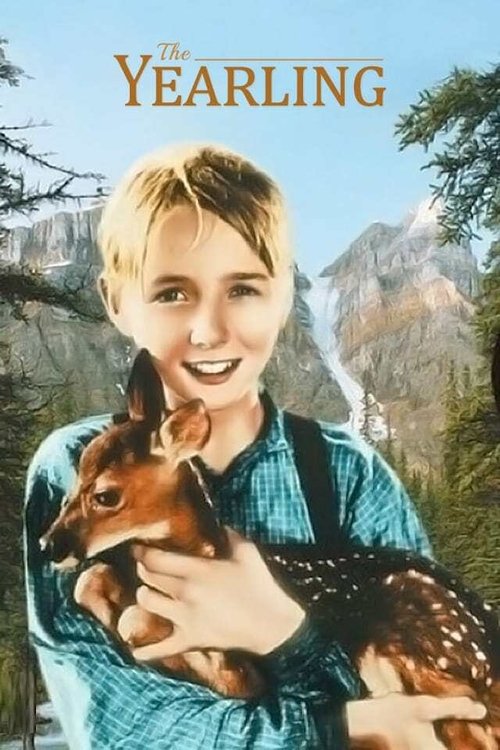
The Yearling
1946Jody convinces his parents to allow him to adopt a young deer, but what will happen if the deer misbehaves?
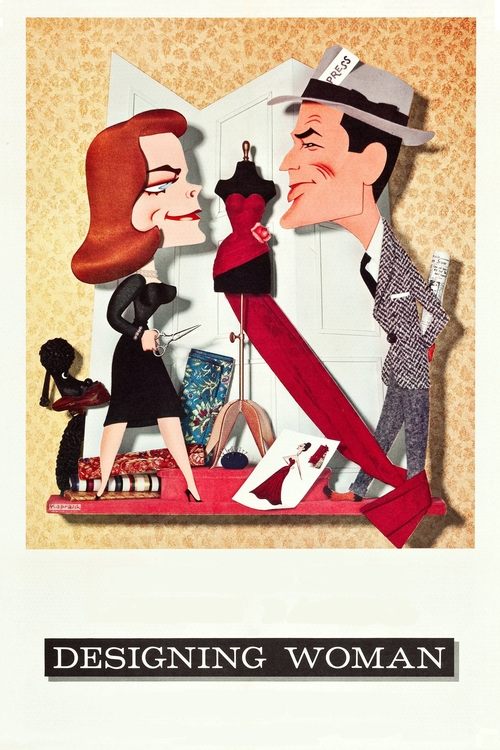
Designing Woman
1957A sportswriter who marries a fashion designer discovers that their mutual interests are few, although each has an intriguing past which makes the other jealous.
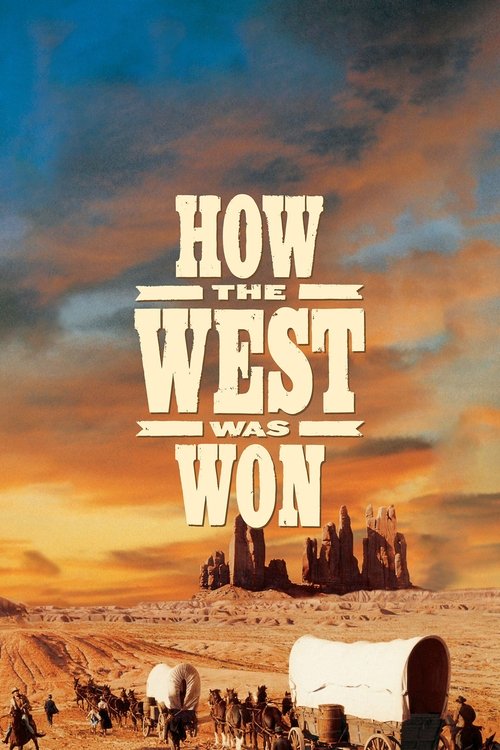
How the West Was Won
1962The epic tale of the development of the American West from the 1830s through the Civil War to the end of the century, as seen through the eyes of one pioneer family.
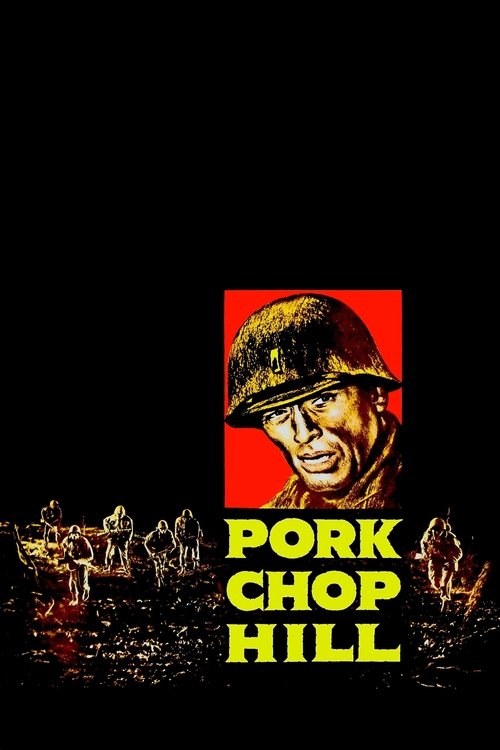
Pork Chop Hill
1959Korean War, April 1953. Lieutenant Clemons, leader of the King company of the United States Infantry, is ordered to recapture Pork Chop Hill, occupied by a powerful Chinese Army force, while, just seventy miles away, at nearby the village of Panmunjom, a tense cease-fire conference is celebrated.
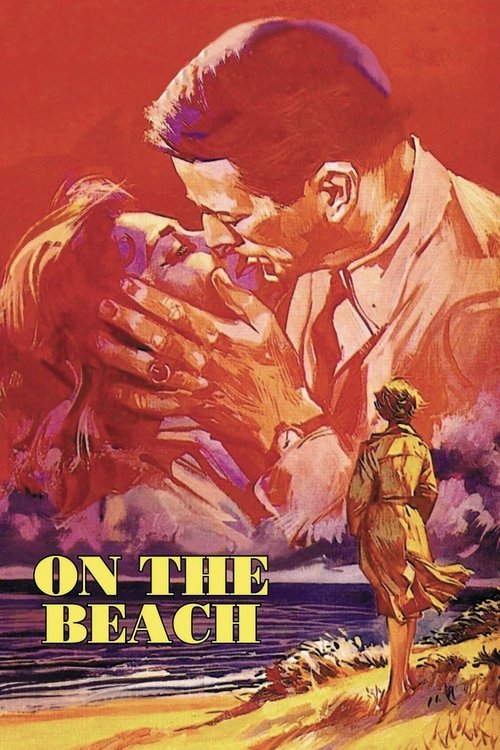
On the Beach
1959In 1964, atomic war wipes out humanity in the northern hemisphere; one American submarine finds temporary safe haven in Australia, where life-as-usual covers growing despair. In denial about the loss of his wife and children in the holocaust, American Captain Towers meets careworn but gorgeous Moira Davidson, who begins to fall for him. The sub returns after reconnaissance a month (or less) before the end; will Towers and Moira find comfort with each other?
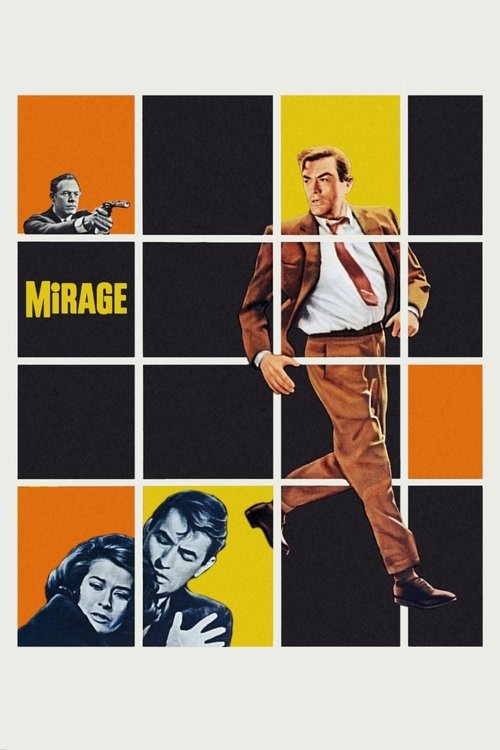
Mirage
1965After a blackout in his office building, accountant David Stillwell emerges outside to find out a man he did not know either jumped or was pushed out a window to his death — and that he can't remember the past two years of his life. Enlisting the help of a rookie private eye and a reluctant old flame, Stillwell uncovers the mystery detail by unexpected detail.
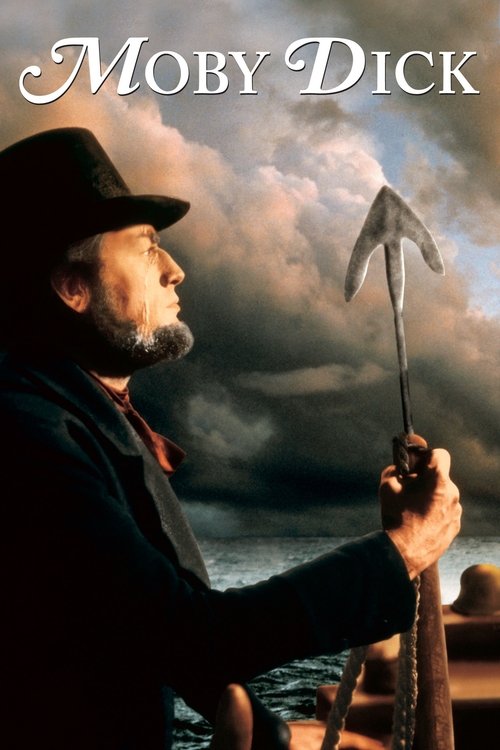
Moby Dick
1956In 1841, young Ishmael signs up for service aboard the Pequod, a whaler sailing out of New Bedford. The ship is under the command of Captain Ahab, a strict disciplinarian who exhorts his men to find Moby Dick, the great white whale. Ahab lost his leg to that creature and is desperate for revenge. As the crew soon learns, he will stop at nothing to gain satisfaction.
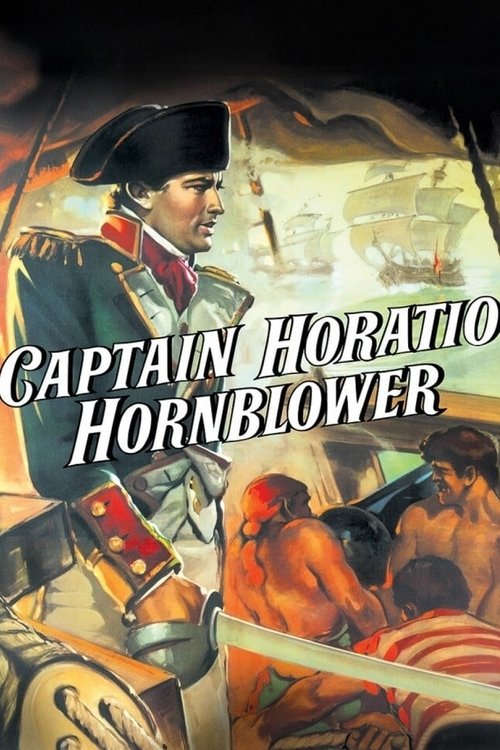
Captain Horatio Hornblower R.N.
1951Captain Horatio Hornblower leads his ship HMS Lydia on a perilous transatlantic voyage, during which his faithful crew battle both a Spanish warship and a ragged band of Central American rebels.
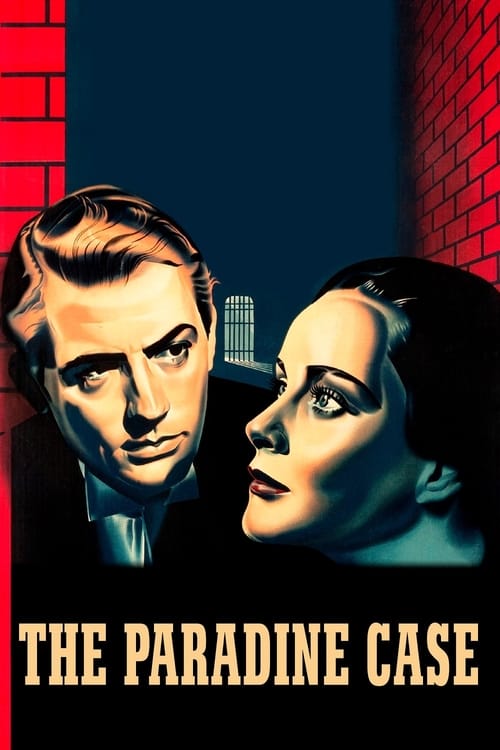
The Paradine Case
1947In London, barrister Anthony Keane takes the case of Maddalena Paradine, a beautiful woman accused of poisoning her blind husband. Though happily married, Keane becomes infatuated with his enigmatic client and convinced of her innocence. His obsession clouds his judgment as he builds a defense implicating her servant, André Latour—an act that leads to devastating consequences both in court and at home.

The Boys from Brazil
1978Nazi hunter Ezra Lieberman discovers a sinister and bizarre plot, masterminded by Dr. Josef Mengele, to rekindle the Third Reich.
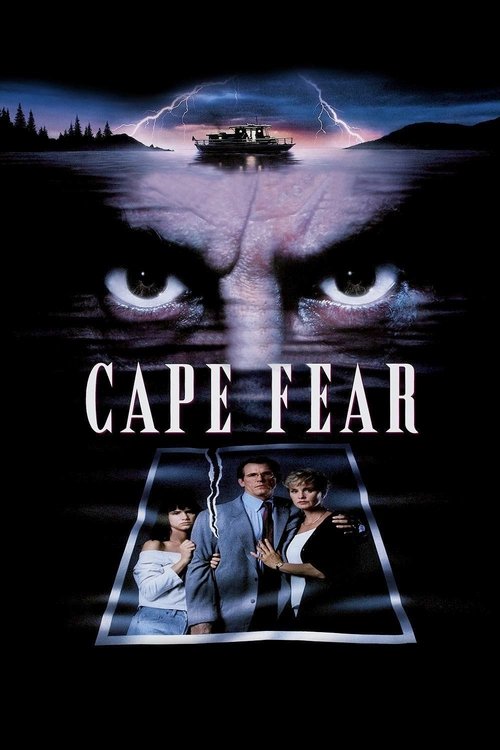
Cape Fear
1991Sam Bowden is a small-town corporate attorney. Max Cady is a tattooed, cigar-smoking, Bible-quoting, psychotic rapist. What do they have in common? 14 years ago, Sam was a public defender assigned to Max Cady's rape trial, and he made a serious error: he hid a document from his illiterate client that could have gotten him acquitted. Now, the cagey Cady has been released, and he intends to teach Sam Bowden and his family a thing or two about loss.
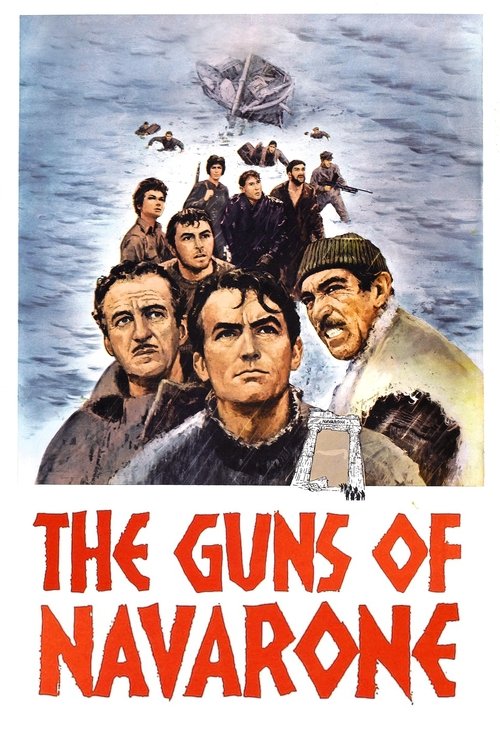
The Guns of Navarone
1961A team of allied saboteurs are assigned an impossible mission: infiltrate an impregnable Nazi-held island and destroy the two enormous long-range field guns that prevent the rescue of 2,000 trapped British soldiers.
Peck anchors this high stakes spectacle by playing the pragmatic strategist, proving his ability to lead an ensemble without sacrificing individual character depth. His presence ensures the explosive action remains tethered to a believable sense of professional duty and tactical tension.
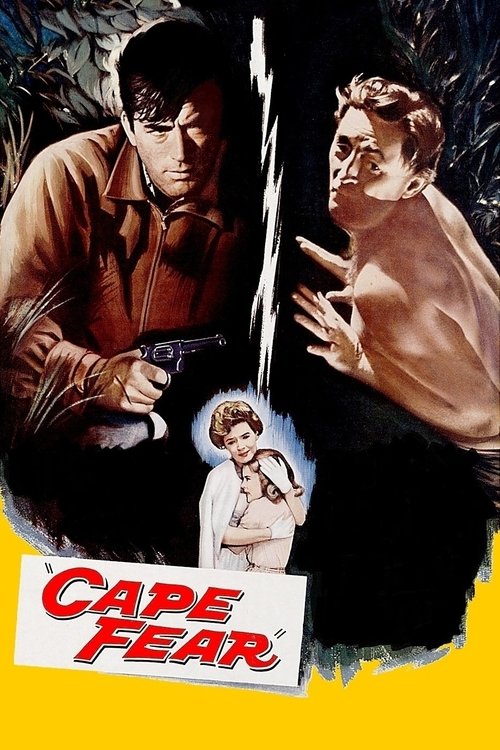
Cape Fear
1962Sam Bowden witnesses a rape committed by Max Cady and testifies against him. When released after 8 years in prison, Cady begins stalking Bowden and his family but is always clever enough not to violate the law.
As a lawyer terrorized by a predatory convict, Peck is forced to shed his civilized veneer and embrace a primal, reactionary desperation. The film serves as an essential contrast to his usual heroic roles by testing the limits of his characters typical moral fortitude.
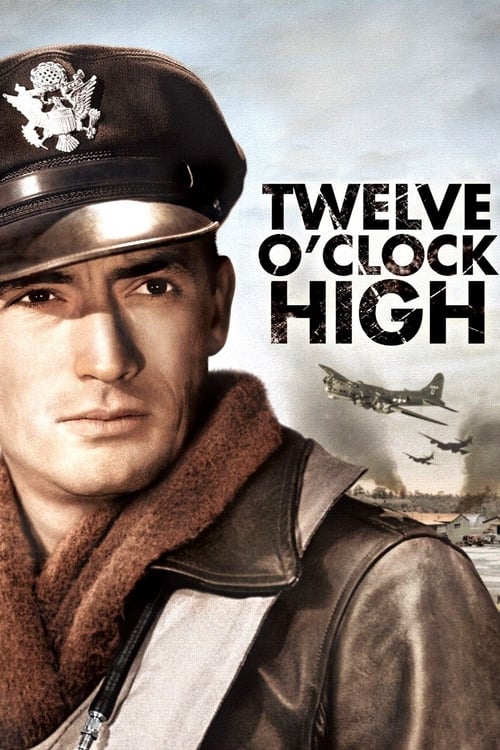
Twelve O'Clock High
1949In the early days of daylight bombing raids over Germany, General Frank Savage must take command of a 'hard luck' bomber group. Much of the story deals with his struggle to whip his group into a disciplined fighting unit in spite of heavy losses, and withering attacks by German fighters over their targets.
Shifting away from the archetypal war hero, Peck explores the crushing psychological toll of leadership and the fragility of a commander's mental state. This raw portrayal of a man unraveling under the weight of responsibility remains one of his most technically demanding and emotionally taxing feats.
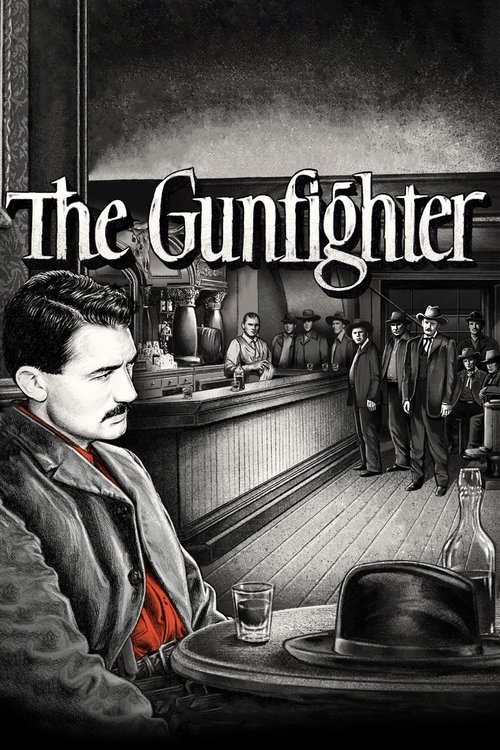
The Gunfighter
1950The fastest gun in the West tries to escape his reputation.
Peck strips away the glamour of the outlaw to present a world weary gunslinger trapped by his own lethal reputation. This stripped down, moody performance is a masterclass in facial economy and internalised exhaustion, predating the gritty realism of later Revisionist Westerns.
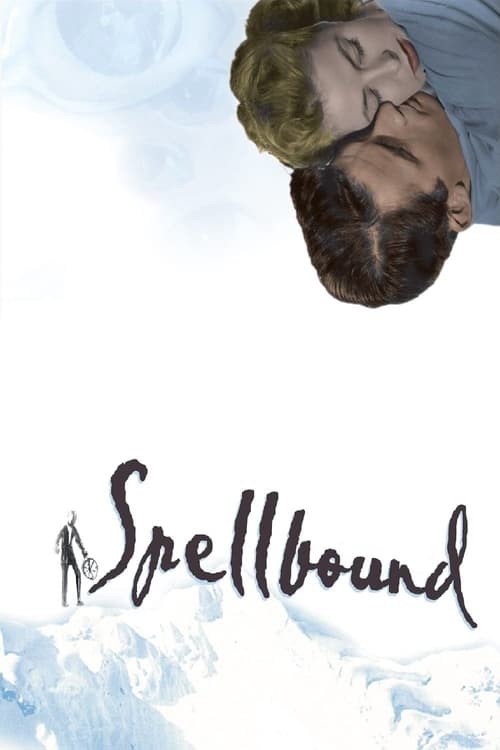
Spellbound
1945When Dr. Anthony Edwardes arrives at a Vermont mental hospital to replace the outgoing hospital director, Dr. Constance Peterson, a psychoanalyst, discovers Edwardes is actually an impostor. The man confesses that the real Dr. Edwardes is dead and fears he may have killed him, but cannot recall anything. Dr. Peterson, however is convinced his impostor is innocent of the man's murder, and joins him on a quest to unravel his amnesia through psychoanalysis.
Under Hitchcock's direction, Peck navigates a precarious psychological landscape with an unstable intensity that was uncharacteristic for his early career. He successfully conveys a fractured subconscious through a performance defined by fleeting expressions of terror and confusion.
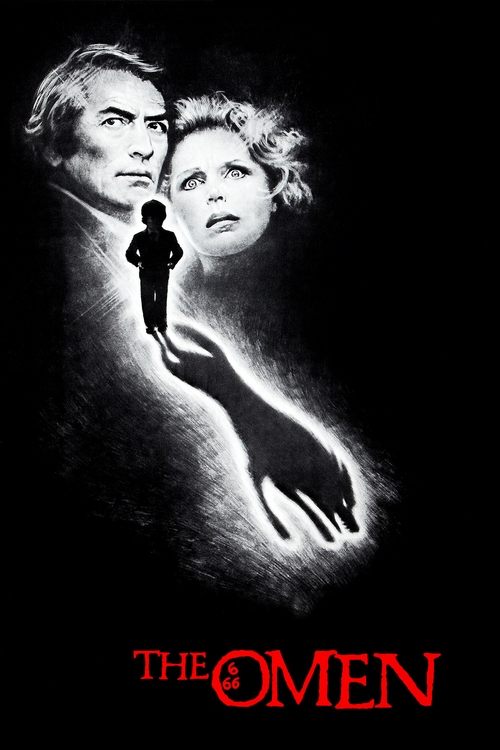
The Omen
1976Immediately after their miscarriage, the US diplomat Robert Thorn adopts the newborn Damien without the knowledge of his wife. Yet what he doesn’t know is that their new son is the son of the devil.
A late career pivot into supernatural horror finds Peck trading his usual composure for a harrowing descent into paternal paranoia. His grounded, desperate gravitas provides the necessary emotional stakes to elevate the genre material into a prestige thriller.
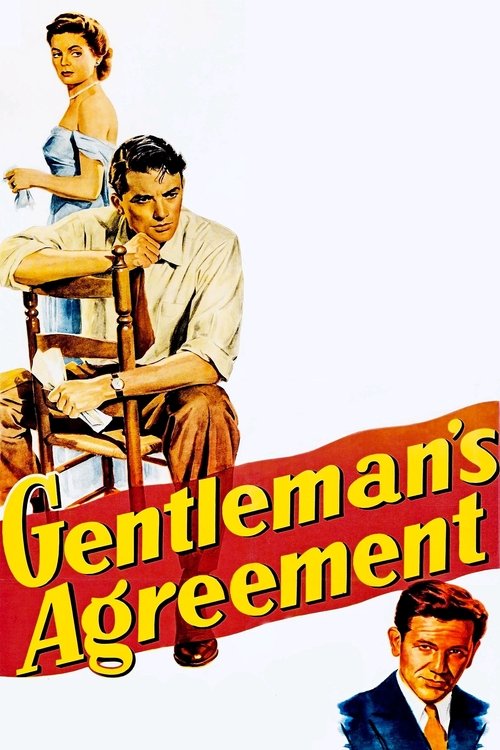
Gentleman's Agreement
1947A magazine writer poses as a Jew to expose anti-Semitism.
In this courageous social drama, Peck utilizes his innate sincerity to expose the rot of casual prejudice. By taking on such a politically charged role early in his tenure, he signaled a lifelong commitment to using his stardom as a vehicle for social consciousness.
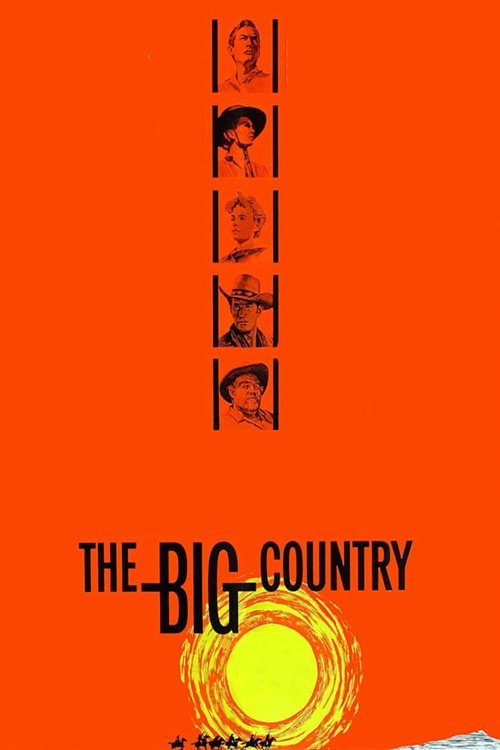
The Big Country
1958Retired wealthy sea captain Jim McKay arrives in the Old West, where he becomes embroiled in a feud between his future father-in-law, Major Terrill, and the rough and lawless Hannasseys over a valuable patch of land.
As a sophisticated Easterner refusing to engage in frontier machismo, Peck subverts Western tropes by portraying masculinity through restraint rather than violence. This epic marks a pivotal moment where he leveraged his stolid screen presence to critique the very genre that helped build his stardom.
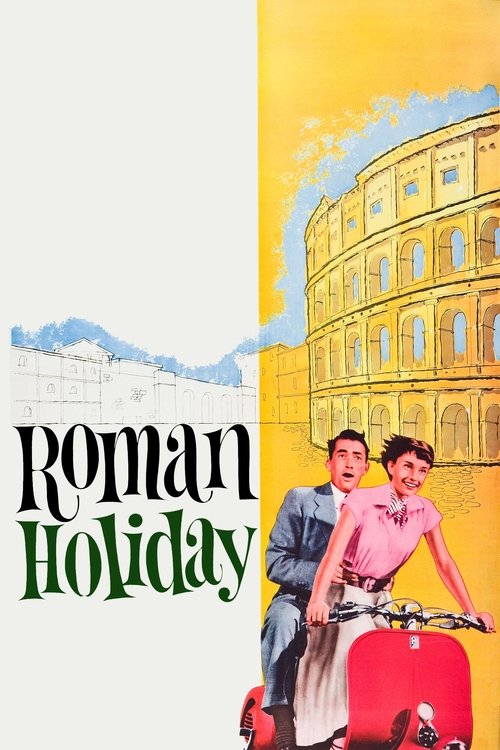
Roman Holiday
1953Overwhelmed by her suffocating schedule, touring European princess Ann takes off for a night while in Rome. When a sedative she took from her doctor kicks in, however, she falls asleep on a park bench and is found by an American reporter, Joe Bradley, who takes her back to his apartment for safety. At work the next morning, Joe finds out Ann's regal identity and bets his editor he can get exclusive interview with her, but romance soon gets in the way.
Playing the cynical journalist transformed by a runaway princess, Peck displays a rare, agile lightheartedness that proved he could master the sophisticated romantic comedy. His generous performance serves as the perfect grounding force for Audrey Hepburn's luminosity, establishing him as a top tier leading man capable of nuanced vulnerability.
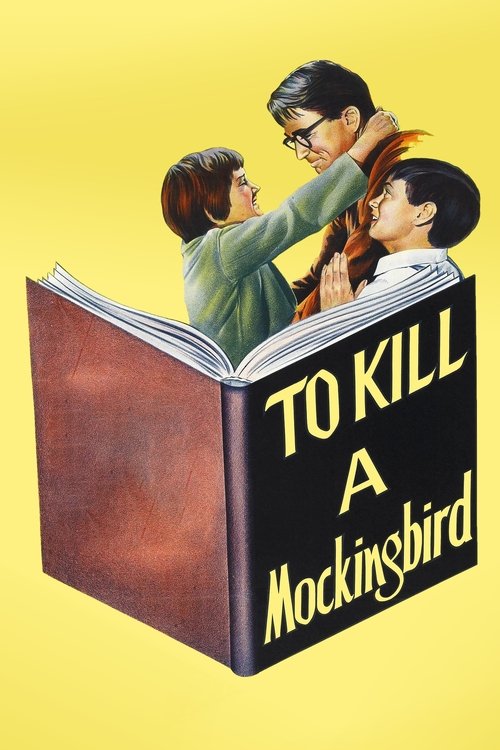
To Kill a Mockingbird
1962Scout Finch, 6, and her older brother Jem live in sleepy Maycomb, Alabama, spending much of their time with their friend Dill and spying on their reclusive and mysterious neighbor, Boo Radley. When Atticus, their widowed father and a respected lawyer, defends a black man named Tom Robinson against fabricated rape charges, the trial and tangent events expose the children to evils of racism and stereotyping.
Peck crafts the ultimate cinematic moral compass in Atticus Finch, anchoring the film with a stillness that commands more authority than any shouted monologue. This definitive role synthesized his natural dignity with a quiet, simmering resolve, forever fusing the actor's public identity with the virtues of justice and paternal warmth.
Frequently Asked Questions
Everything you need to know about this list and SnakeDrafts
- 'To Kill a Mockingbird' is ranked as Gregory Peck's best movie because of his iconic portrayal of Atticus Finch, a role that won him an Academy Award. The film showcases his ability to embody moral strength and integrity, which defines his career and resonates deeply with audiences.
- In 'Roman Holiday,' Peck demonstrates his versatility by blending romance, comedy, and drama effortlessly. His charming and nuanced performance opposite Audrey Hepburn highlights a lighter, more charismatic side, distinguishing it from his typically serious roles.
- 'The Big Country' and 'The Gunfighter' are significant because they showcase Gregory Peck's strong presence in the Western genre, a key part of his career. These films highlight his portrayal of complex, principled characters navigating tough moral landscapes, reinforcing his image as a leading man with depth.
- Peck's roles in Alfred Hitchcock's 'Spellbound' and 'The Paradine Case' helped cement his status as a leading man capable of handling suspense and mystery. These Hitchcock collaborations allowed Peck to explore psychological and dramatic themes, broadening his appeal and demonstrating his range.
- 'The Omen' is included because it represents one of Peck's rare ventures into horror and thriller genres, showcasing his ability to adapt to different styles. His performance as a father confronting supernatural terror adds a unique, intense dimension to his filmography.
- This list is comprehensive but omits some lesser-known films like 'David and Bathsheba' and 'The Yearling.' However, it focuses on his most critically acclaimed and culturally significant performances, ensuring the top-ranked movies represent the peak of his career.
- Common themes in Gregory Peck's top-ranked movies include moral integrity, justice, and complex human emotions. Films like 'To Kill a Mockingbird' and 'Gentleman's Agreement' highlight social conscience, while others like 'The Big Country' and 'Twelve O'Clock High' explore personal courage and leadership under pressure.
- Peck's performances in war films such as 'Twelve O'Clock High' and 'The Guns of Navarone' enhance his legacy as a symbol of principled strength and resilience. These films emphasize his ability to portray leadership and moral complexity in high-stakes environments, reinforcing his stature as a Hollywood icon.