The Greatest John Wayne Movies Ever
The Definitive Films of an American Icon
Explore the most legendary cinematic performances of John Wayne, from classic Westerns to epic war dramas that defined Hollywood's Golden Age.
About John Wayne
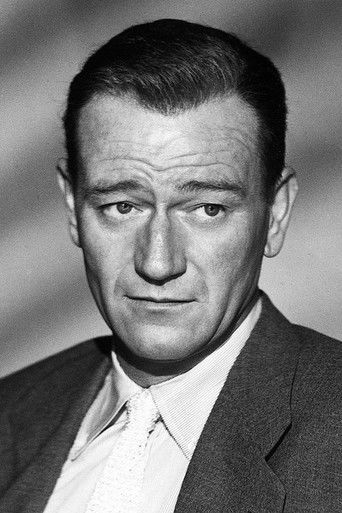
To look at the silhouette of a man framed against a desert horizon is to see the ghost of an empire, and for five decades, that silhouette belonged to Marion Morrison. By the time he became John Wayne, he had already outgrown the constraints of a standard movie star. He didn't just play characters; he constructed a blueprint for American masculinity that felt as ancient and immovable as the Monument Valley buttes he made famous. While other actors of his era relied on chameleonic shifts, Wayne leaned into a rhythmic, rolling gait and a signature drawl that commanded every frame. He was a pillar of certainty in an uncertain century, a man who represented the rigid moral geography of the frontier.
His ascent was famously solidified by a single tracking shot in Stagecoach, where a young, lean performer twirled a Winchester with a grace that transcended the Western genre. That moment launched a partnership with director John Ford that would redefine cinema. Together, they explored the darker corners of the pioneer myth. In The Searchers, Wayne shed his heroic sheen to play Ethan Edwards, a man consumed by a terrifying, obsessive prejudice. It remains perhaps his greatest achievement, proving he possessed a psychological depth that his detractors often overlooked. He wasn't just a cowboy; he was a vessel for the country's complicated history.
Audiences connected with him because he felt like an anchor. Whether he was playing the weary, disciplined cavalry officer in She Wore a Yellow Ribbon and Fort Apache or the stubborn cattle driver in Red River, he projected an image of a man who lived by a code. Even in lighter fare like the boisterous The Quiet Man or the playful adventure of Hatari!, that inner steel remained visible. People didn't go to his films to see someone else; they went to see Duke handle a world that was increasingly losing its grip on traditional values. This reliability turned films like Rio Bravo and El Dorado into comfort food for a generation navigating the Cold War.
As the grit of the sixties gave way to the cynicism of the seventies, Wayne adapted without breaking. He finally secured his Oscar by leaning into his own caricature in True Grit, playing the eye patched, whiskey soaked Rooster Cogburn with a wink and a roar. His later work, including the poignant The Cowboys, showed a veteran performer willing to mentor the next generation on screen just as he had inadvertently mentored his audience. By the time he filmed his swan song, The Shootist, the lines on his face told the story of a vanishing Hollywood era. He inhabited the role of a dying gunman with a dignity that felt strikingly autobiographical.
His cultural impact survives long after the dust has settled on the backlots. He became a shorthand for strength, a polarizing figure whose politics often overshadowed his craft, yet his presence remains an inescapable part of the American fabric. To watch Rio Grande or The Man Who Shot Liberty Valance is to witness a performer who understood the power of myth making better than almost anyone in history. He didn't just inhabit the West; he built it in our collective imagination, one steady step at a time.
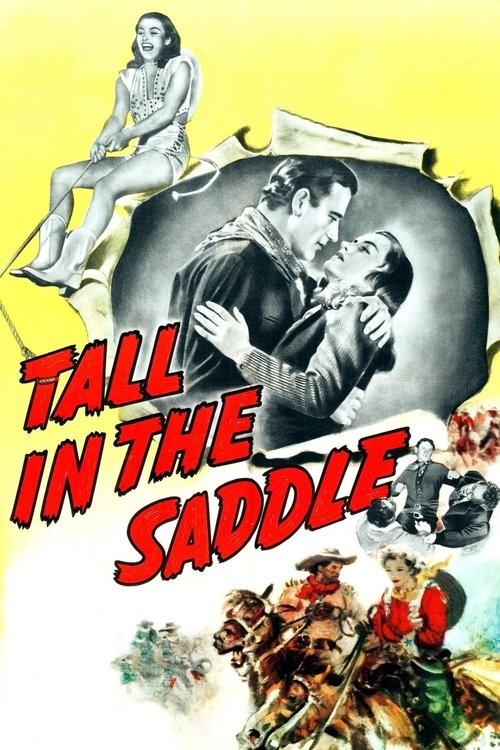
Tall in the Saddle
1944When Rocklin arrives in a western town he finds that the rancher who hired him as a foreman has been murdered. He is out to solve the murder and thwart the scheming to take the ranch from its rightful owner.
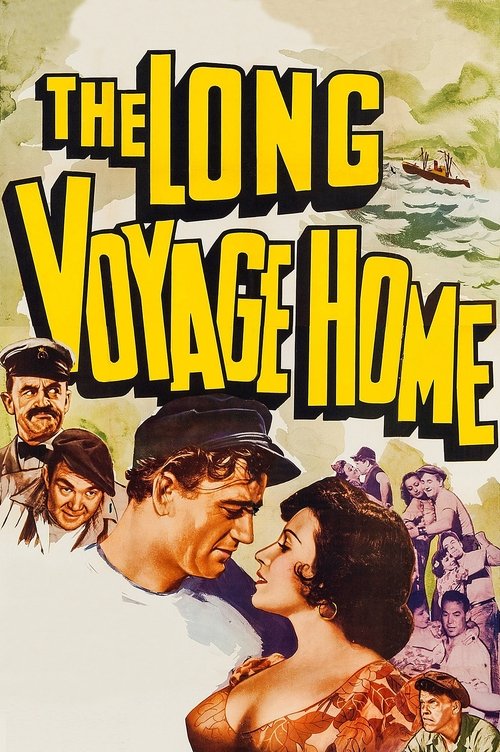
The Long Voyage Home
1940The crew of the merchant ship Glencairn hope to survive a transatlantic crossing during World War II. Adapted from four Eugene O'Neill one-act plays.
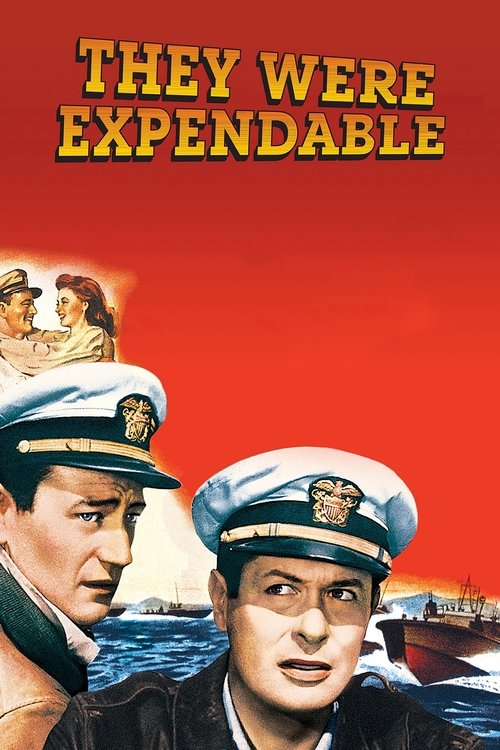
They Were Expendable
1945After a demonstration of new PT boats, navy brass are still unconvinced of their viability in combat, leaving Lt. "Rusty" Ryan frustrated. After the attack on Pearl Harbor, however, Ryan and his buddy Lt. Brickley are told they can finally take their squadron into battle. The PT boats quickly prove their worth, successfully shooting down Japanese planes, relaying messages between islands, and picking off a multitude of enemy ships.
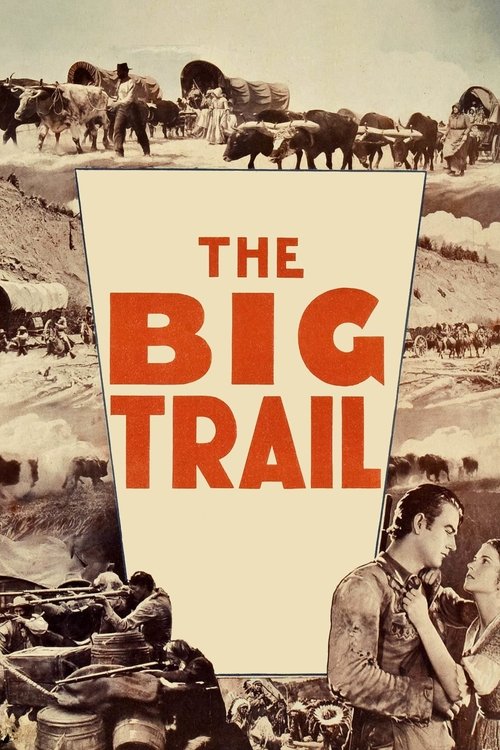
The Big Trail
1930Young scout Breck Coleman leads a wagon train along the dangerous trail to Oregon as he tries to get the affection of the beautiful pioneer Ruth Cameron and plans his revenge on the harsh scoundrels who murdered a friend of his in the past.
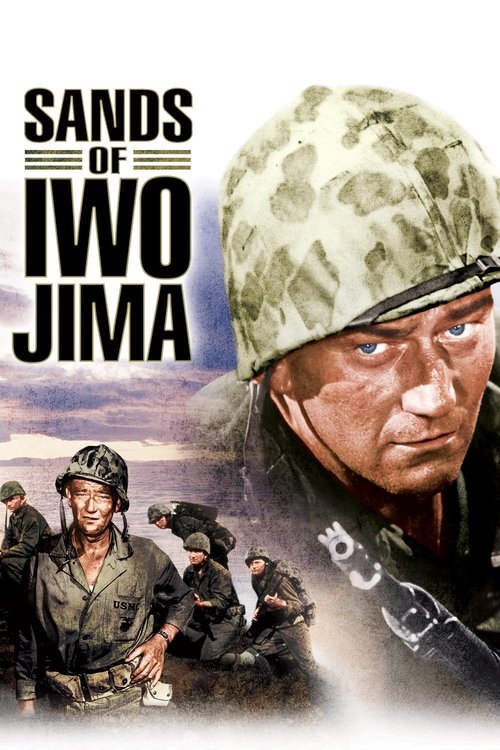
Sands of Iwo Jima
1950Haunted by personal demons, Marine Sgt. John Stryker is hated and feared by his men, who see him as a cold-hearted sadist. But when their boots hit the beaches, they begin to understand the reason for Stryker's rigid form of discipline.
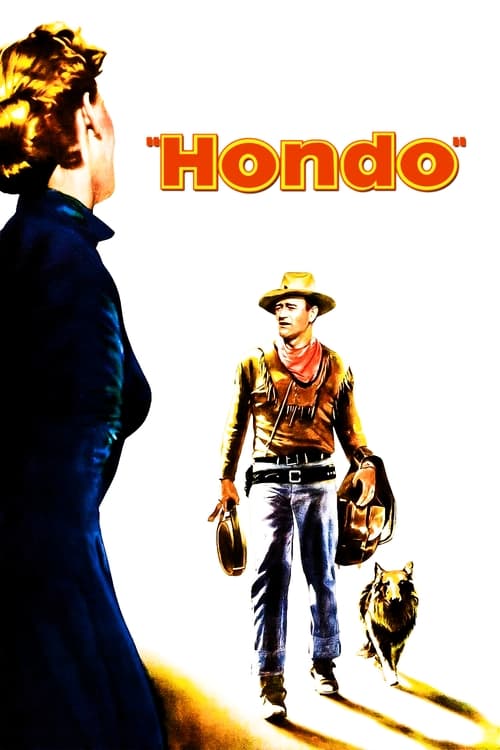
Hondo
1953Army despatch rider Hondo Lane discovers a woman and her son living in the midst of warring Apaches, and he becomes their protector.
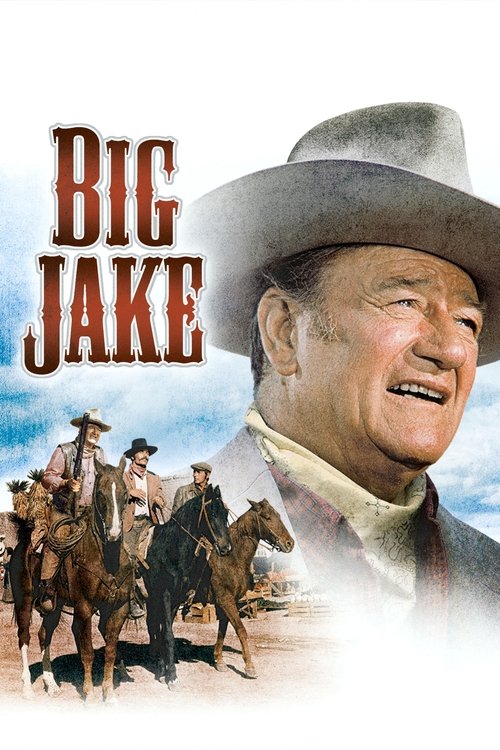
Big Jake
1971An aging Texas cattle man who has outlived his time swings into action when outlaws kidnap his grandson.
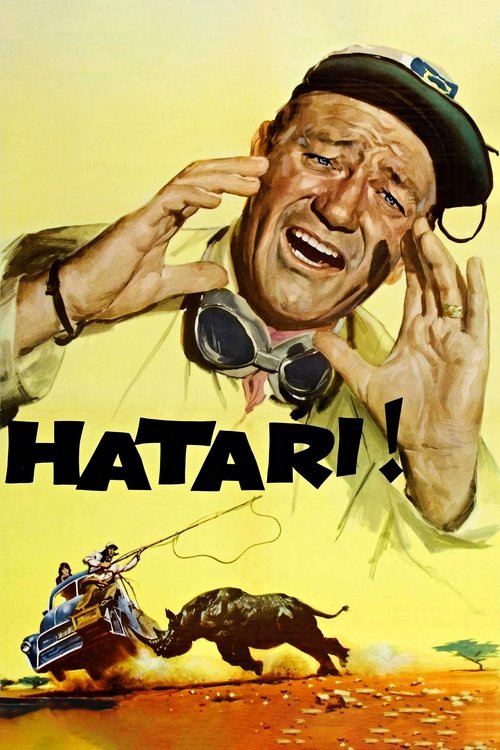
Hatari!
1962A female wildlife photographer arrives on an East African reservation where a group of men trap wild animals for zoos and circuses.
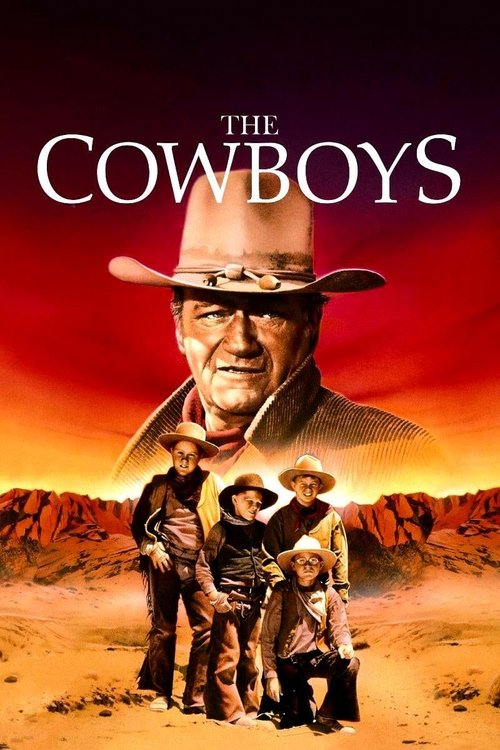
The Cowboys
1972When his cattlemen abandon him for the gold fields, rancher Wil Andersen is forced to take on a collection of young boys as his cowboys in order to get his herd to market in time to avoid financial disaster. The boys learn to do a man's job under Andersen's tutelage, however, neither he nor the boys know that a gang of cattle thieves is stalking them.
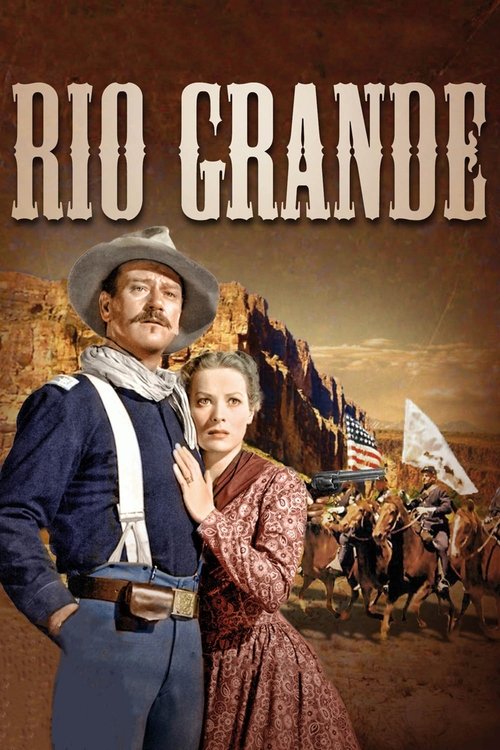
Rio Grande
1950Lt. Col. Kirby Yorke is posted on the Texas frontier to defend settlers against depredations of marauding Apaches. Col. Yorke is under considerable stress by a serious shortage of troops of his command. Tension is added when Yorke's son (whom he hasn't seen in fifteen years), Trooper Jeff Yorke, is one of 18 recruits sent to the regiment.
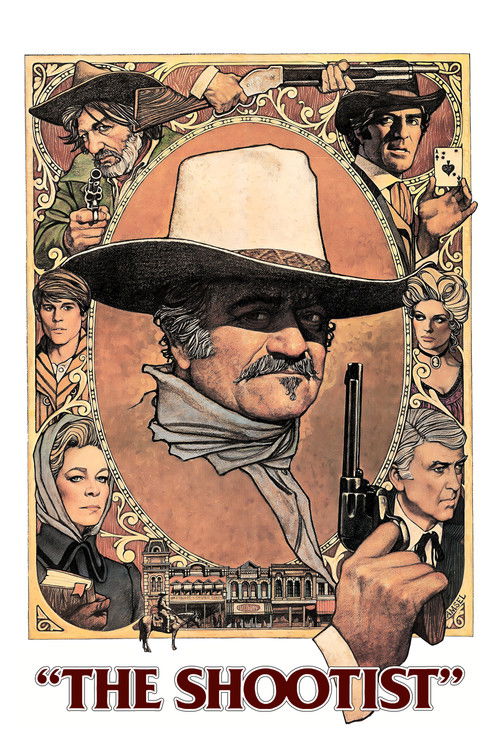
The Shootist
1976Afflicted with a terminal illness John Bernard Books, the last of the legendary gunfighters, quietly returns to Carson City for medical attention from his old friend Dr. Hostetler. Aware that his days are numbered, the troubled man seeks solace and peace in a boarding house run by a widow and her son. However, it is not Books' fate to die in peace, as he becomes embroiled in one last valiant battle.
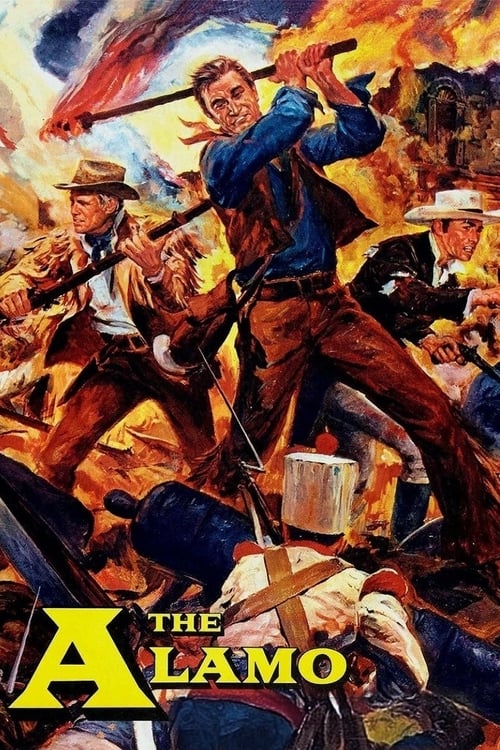
The Alamo
1960The legendary true story of a small band of soldiers who sacrificed their lives in hopeless combat against a massive army in order to prevent a tyrant from smashing the new Republic of Texas.
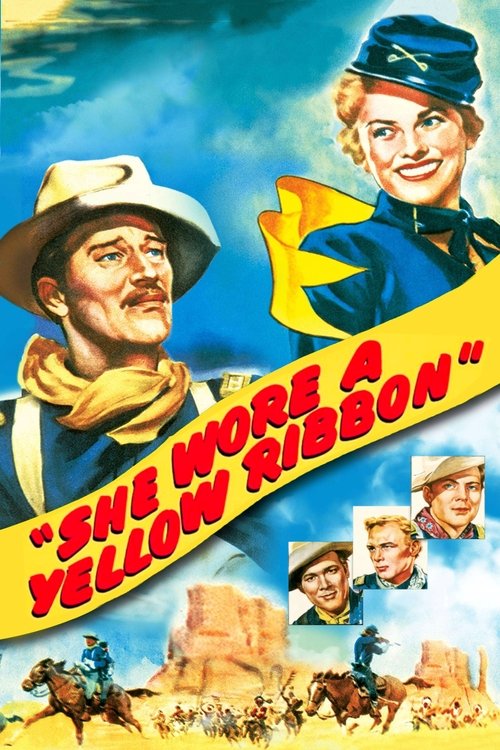
She Wore a Yellow Ribbon
1949On the eve of retirement, Captain Nathan Brittles takes out a last patrol to stop an impending massive Indian attack. Encumbered by women who must be evacuated, Brittles finds his mission imperiled.
The actor disappears behind the makeup of an aging officer in this elegiac performance, projecting a sense of profound longing and hard-earned wisdom. By playing significantly above his actual age, Wayne showcased a level of craft and sentimental depth that proved he was far more than just a physical presence.
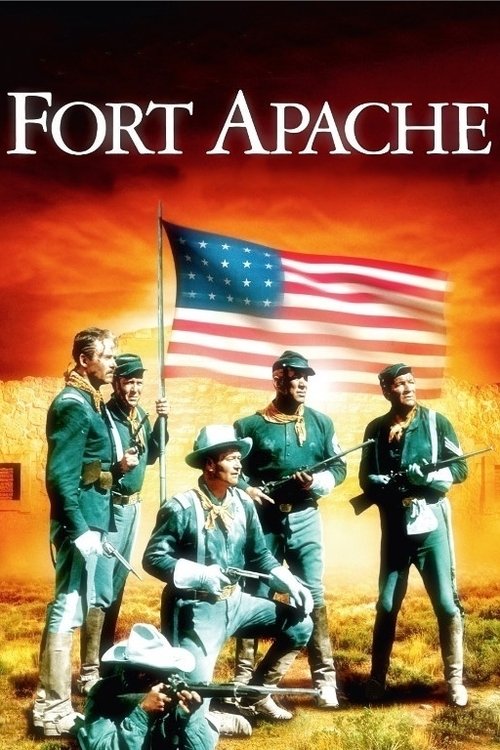
Fort Apache
1948Owen Thursday sees his new posting to the desolate Fort Apache as a chance to claim the military honour which he believes is rightfully his. Arrogant, obsessed with military form and ultimately self-destructive, he attempts to destroy the Apache chief Cochise after luring him across the border from Mexico, against the advice of his subordinates.
Wayne offers a fascinating study in moral nuance as the level-headed Captain York, serving as a foil to reckless ego and rigid tradition. It is a pivotal role that demonstrated his ability to play the intellectual and ethical conscience of a story, moving beyond simple action to engage with complex themes of command and duty.
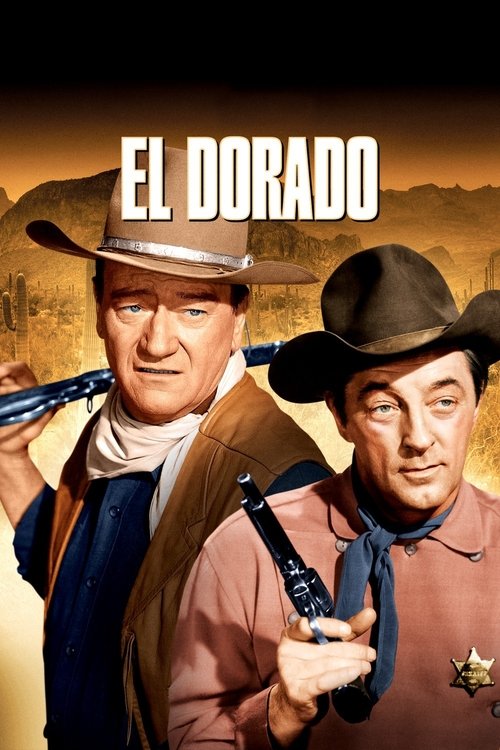
El Dorado
1966Cole Thornton, a gunfighter for hire, joins forces with an old friend, Sheriff J.P. Harrah. Together with a fighter and a gambler, they help a rancher and his family fight a rival rancher that is trying to steal their water.
While structurally similar to his earlier collaborations, this late-period gem allows Wayne to play a more weathered, professional version of his hero archetype. His performance is defined by a comfortable shorthand with his costars, reflecting a veteran actor who has mastered the art of holding the screen through sheer presence alone.
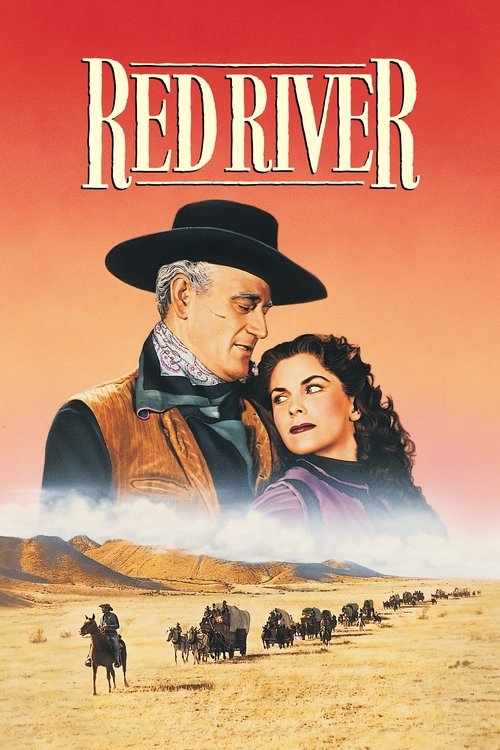
Red River
1948Following the Civil War, headstrong rancher Thomas Dunson decides to lead a perilous cattle drive from Texas to Missouri. During the exhausting journey, his persistence becomes tyrannical in the eyes of Matthew Garth, his adopted son and protégé.
In a startling turn toward the tyrannical, Wayne portrays a cattle driver whose stubbornness borders on the villainous, challenging the loyalty of everyone around him. This role forced audiences to reckon with the darker side of his masculinity and remains one of the few times he allowed his natural authority to sour into chilling obsession.
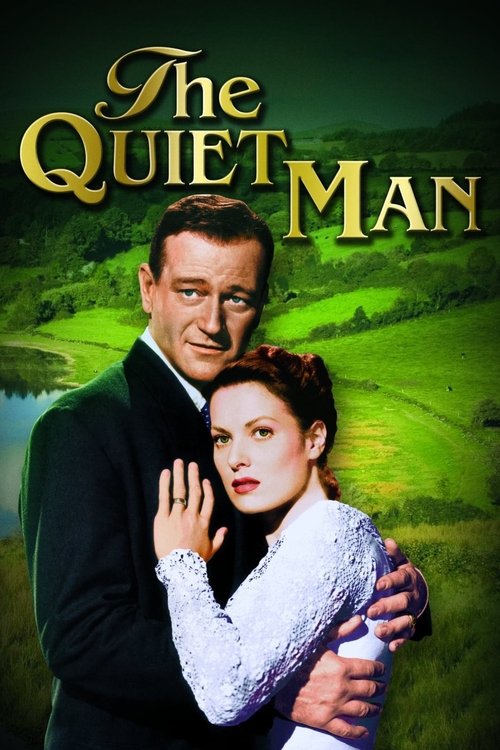
The Quiet Man
1952An American man returns to the village of his birth in Ireland, where he finds love and conflict.
Trading the dusty trails for the lush hills of Ireland, Wayne reveals a rare, tender romanticism that highlights his often-overlooked range in light comedy and melodrama. This film stands as a vibrant departure from his rugged Westerns, showcasing a soulful chemistry with Maureen O'Hara that remains a high-water mark for his onscreen partnerships.
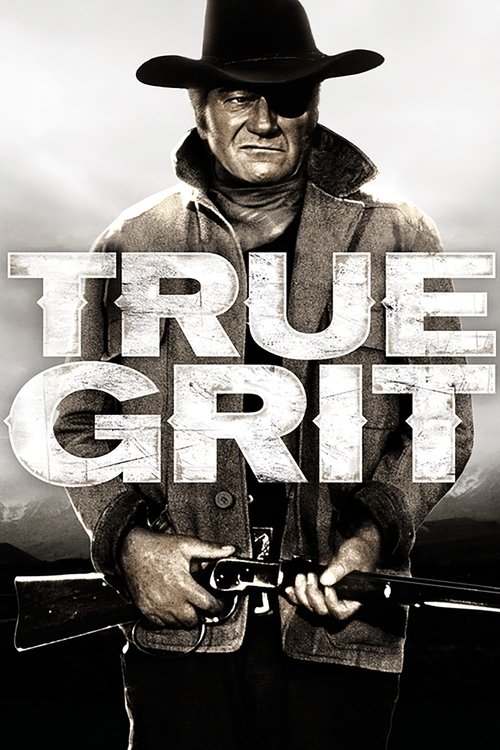
True Grit
1969The murder of her father sends a teenage tomboy on a mission of 'justice', which involves avenging her father's death. She recruits a tough old marshal, 'Rooster' Cogburn because he has 'true grit', and a reputation of getting the job done.
Wayne finally embraced the physical toll of his long career by leaning into the grit and self-parody of Rooster Cogburn, a role that earned him late-career validation from the Academy. He replaces his typical stoicism with a boisterous, eye-patched theatricality that proved his personality was large enough to carry a new era of filmmaking.
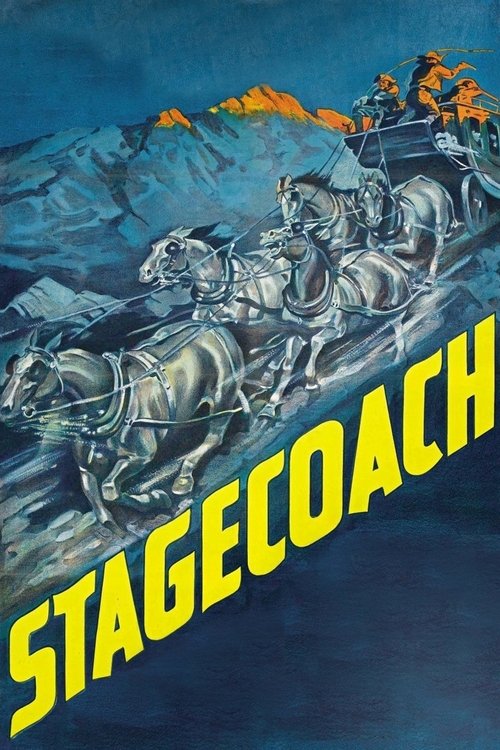
Stagecoach
1939A group of people traveling on a stagecoach find their journey complicated by the threat of Geronimo, and learn something about each other in the process.
The moment the camera zooms in on the Ringo Kid marked the definitive birth of an American icon, capturing a raw, youthful charisma that changed the trajectory of Hollywood. It is the essential foundational text of his career, establishing the physical language and moral steadfastness that would define him for four decades.
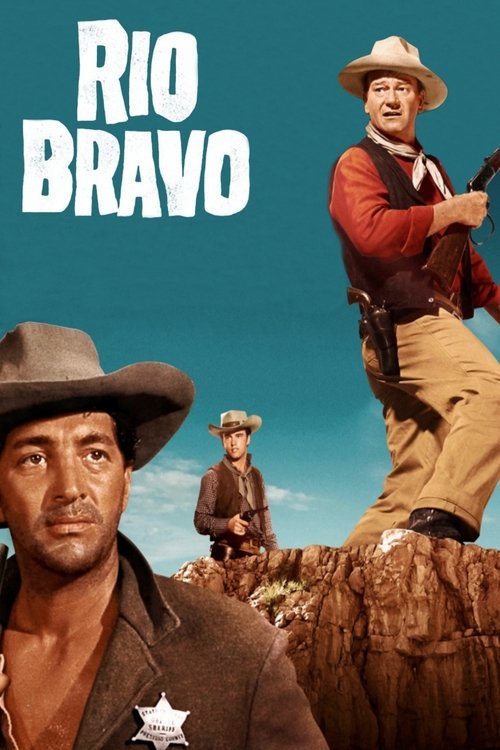
Rio Bravo
1959A small-town sheriff in the American West enlists the help of a disabled man, a drunk, and a young gunfighter in his efforts to hold in jail the brother of the local bad guy.
Here we see the actor at his most relaxed and communal, anchoring a masterpiece of character dynamics through effortless authority and a surprising vulnerability. By stepping back to let his ensemble shine, Wayne solidified the 'Duke' archetype as a weary but dependable guardian rather than a lone wolf.
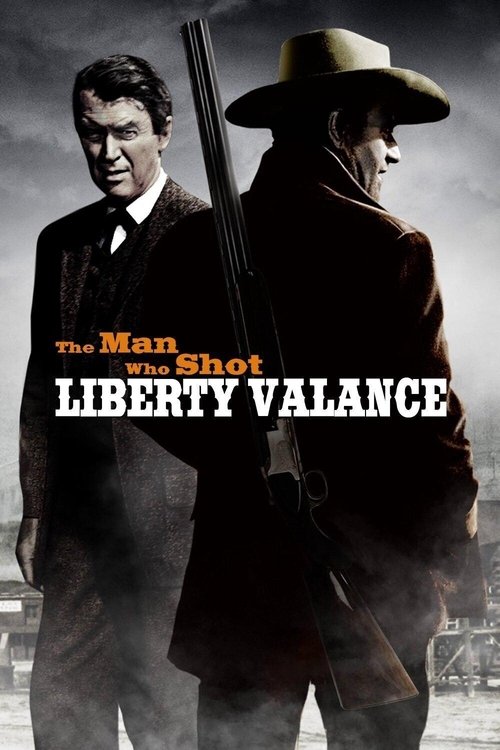
The Man Who Shot Liberty Valance
1962Questions arise when Senator Stoddard attends the funeral of a local man named Tom Doniphon in a small Western town. Flashing back, we learn Doniphon saved Stoddard, then a lawyer, when he was roughed up by a crew of outlaws terrorizing the town, led by Liberty Valance. As the territory's safety hung in the balance, Doniphon and Stoddard, two of the only people standing up to him, proved to be very important, but different, foes to Valance.
Playing the tragic architect of a civilization that no longer has a place for him, Wayne provides the film's melancholic soul through a hauntingly understated performance. It serves as a poignant deconstruction of his legendary status, acknowledging that the mythic gunslinger must eventually fade into the shadows of history.
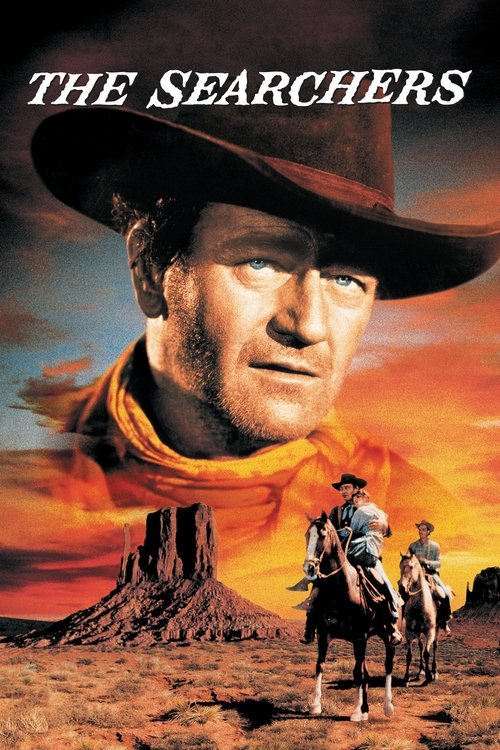
Wayne dismantles his own heroism as Ethan Edwards, trading his usual bravado for a terrifying, obsessive nihilism that remains the most complex psychological portrait in the Western genre. This performance fundamentally recontextualized his screen persona, proving he could weaponize his immense presence to portray a man consumed by prejudice and isolation.
Frequently Asked Questions
Everything you need to know about this list and SnakeDrafts
- John Ford and Howard Hawks are the most notable directors who worked with John Wayne on multiple classics, including "The Searchers," "Stagecoach," "Rio Bravo," and "El Dorado." Their collaborations helped define the Western genre and solidified Wayne's legendary screen presence.
- In "True Grit," John Wayne portrayed Rooster Cogburn, a role that earned him his only Academy Award for Best Actor. This character showcased his grit and charisma, cementing his legacy in Western cinema beyond his earlier heroic personas.
- "The Alamo" is unique as it was directed by John Wayne himself, blending his passion for history with his acting talent. The film is an epic portrayal of the 1836 Battle of the Alamo, highlighting Wayne's versatility as both actor and filmmaker.
- "The Quiet Man" is a notable departure from Wayne's typical Western roles, combining romance, comedy, and drama in an Irish setting. This film highlights a different side of Wayne, portraying a retired boxer seeking peace and love.
- Yes, besides Westerns, John Wayne starred in epic war dramas like "The Alamo," which also blends historical war and adventure elements. This broadens the scope of his legendary career beyond the frontier to pivotal moments in American history.
- "The Shootist" was John Wayne's final film, serving as a poignant farewell to the Western genre that defined his career. It explores themes of mortality and legacy, cementing his status as an enduring icon in Hollywood.
- Themes of rugged individualism, justice, and American masculinity are central to John Wayne's Western films like "Stagecoach," "The Searchers," and "Rio Bravo." His characters often embody resilience and moral clarity in the face of adversity.