Every Colin Farrell Movie Ranked
From Irish Rogue to Cinematic Powerhouse
Explore the definitive ranking of Colin Farrell's greatest performances, from gritty cult classics to major award-winning masterpieces.
About Colin Farrell
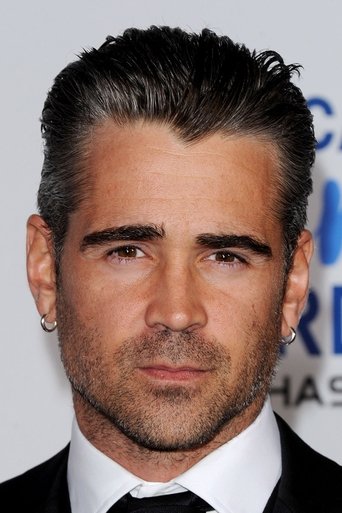
There was a time at the turn of the millennium when it seemed the industry was determined to mold Colin Farrell into a standard issue action figure. With the heavy brow of a silent film star and a chaotic energy that felt dangerous to the touch, he was thrust into the center of massive spectacles like Minority Report and the high tension gimmickry of Phone Booth. He looked the part of the global heartthrob, yet there was always a sense that the man himself was trapped behind the blockbuster machinery, itching to get his hands dirty with something far stranger and more soulful.
The true genius of his career lies in how he eventually wrestled his narrative away from the studio system. He stopped trying to be the next big thing and instead became one of our most daring character actors. This transition crystallized in the rain soaked streets of In Bruges, where he traded his action hero posturing for a performance defined by profound guilt and comedic timing so sharp it felt like a revelation. It was the beginning of a fruitful partnership with Martin McDonagh that eventually peaked with The Banshees of Inisherin. In that film, his face becomes a landscape of coastal Irish heartbreak, proving that he can hold an audience captive simply by looking wounded.
He has a rare willingness to disappear into roles that demand the shedding of his vanity. To see him buried under layers of masterful prosthetics as the Penguin in The Batman is to witness an actor reveling in the tactile joy of performance. Yet, he is just as effective when he scales back to a whisper. In the surreal, droll worlds of A24 favorites like The Lobster and The Killing of a Sacred Deer, he masters a deadpan stillness that highlights the absurdity of the human condition. He carries a natural gravity that anchors the sci-fi melancholy of After Yang and the quiet, paternal desperation found in Saving Mr. Banks.
Audiences connect with him because there is an audible heartbeat in every role he takes, even the villains. There is no cynicism in his work. Whether he is playing a gritty politician in Widows or a man pushed to the brink of survival in Thirteen Lives and The Way Back, he brings a bruised humanity to the screen that feels earned. He has survived the frenzy of fame to emerge as a craftsman who values the texture of a story over the height of his billing. Even when he enters massive franchises like Fantastic Beasts and Where to Find Them, he manages to inject a sense of genuine mystery where others might just collect a paycheck.
Today, he stands as a testament to the power of the second act. He has moved past the tabloid noise of his youth to become a cornerstone of modern cinema, an actor whose presence guarantees a certain level of emotional honesty. From the neon grit of Total Recall to the dusty backstage heartbreak of Crazy Heart, he remains one of the few performers capable of bridging the gap between old school movie star charisma and the raw, unvarnished vulnerability of a true artist. We no longer look at him as the boy in the posters, but as a veteran who knows exactly how to break our hearts.

Ava
2020A black ops assassin is forced to fight for her own survival after a job goes dangerously wrong.
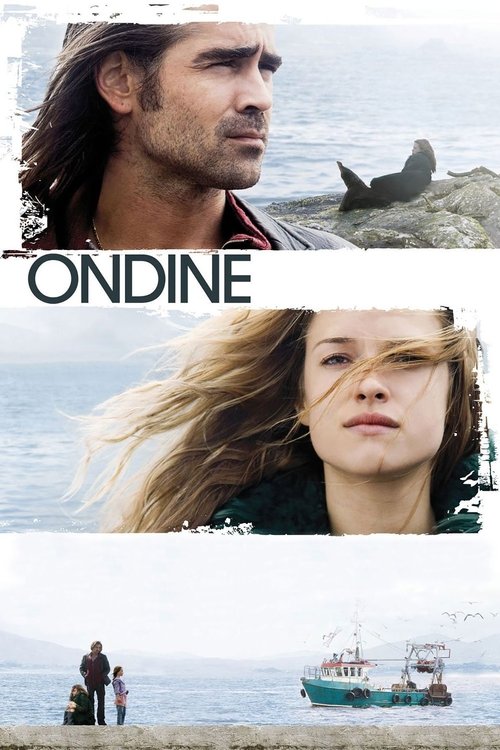
Ondine
2010On the coast of Cork, Syracuse is a divorced fisherman who has stopped drinking. His precocious daughter Annie has failing kidneys. One day, he finds a nearly-drowned young woman in his net; she calls herself Ondine and wants no one to see her. He puts her up in an isolated cottage that was his mother's. Annie discovers Ondine's presence and believes she is a selkie, a seal that turns human while on land. Syracuse is afraid to hope again.
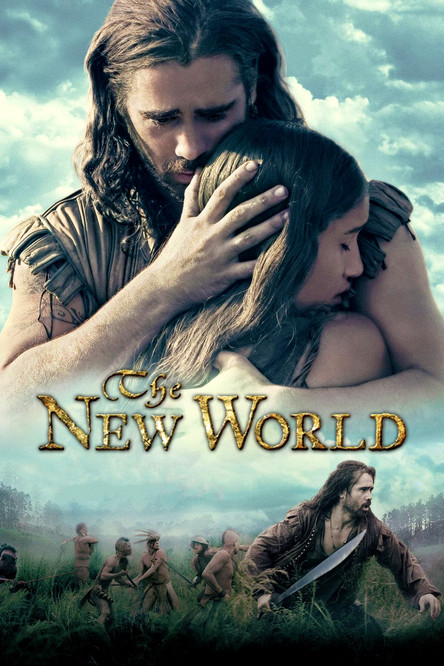
The New World
2005A drama about explorer John Smith and the clash between Native Americans and English settlers in the 17th century.
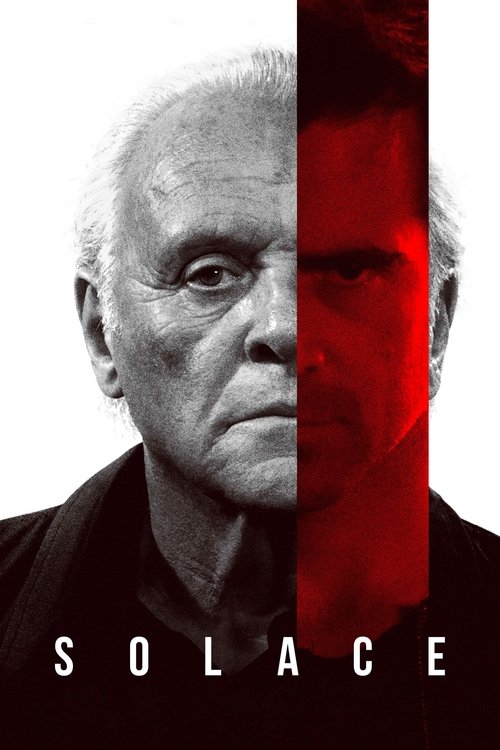
Solace
2015A psychic doctor, John Clancy, works with an FBI special agent in search of a serial killer.
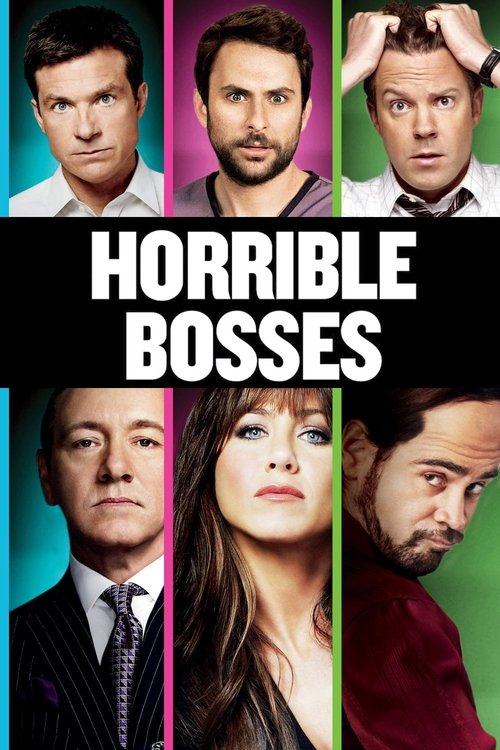
Horrible Bosses
2011For Nick, Kurt and Dale, the only thing that would make the daily grind more tolerable would be to grind their intolerable bosses into dust. Quitting is not an option, so, with the benefit of a few-too-many drinks and some dubious advice from a hustling ex-con, the three friends devise a convoluted and seemingly foolproof plan to rid themselves of their respective employers... permanently.
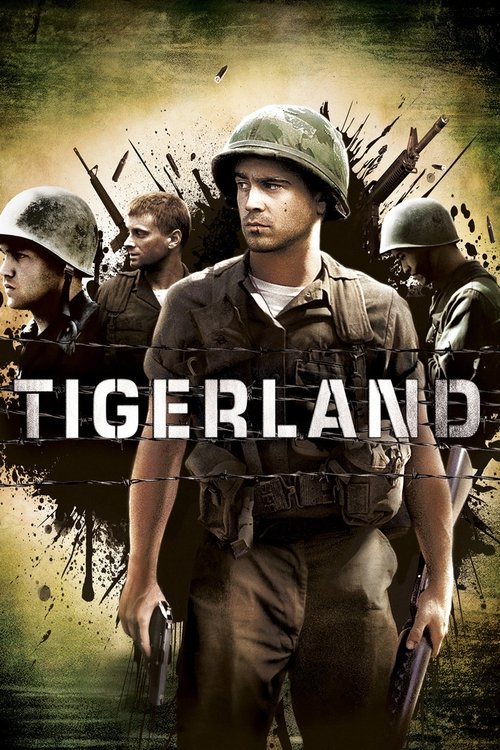
Tigerland
2000A group of recruits go through Advanced Infantry Training at Fort Polk, Louisiana's infamous Tigerland, last stop before Vietnam for tens of thousands of young men in 1971.
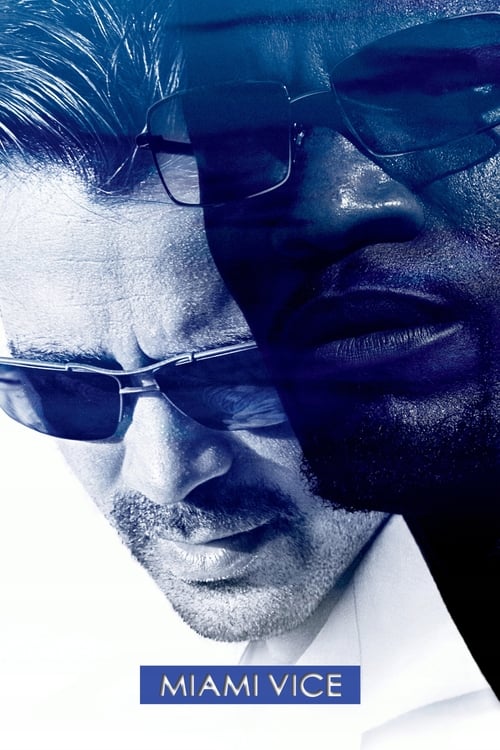
Miami Vice
2006A case involving drug lords and murder in South Florida takes a personal turn for undercover detectives Sonny Crockett and Ricardo Tubbs. Unorthodox Crockett gets involved romantically with the Chinese-Cuban wife of a trafficker of arms and drugs, while Tubbs deals with an assault on those he loves.
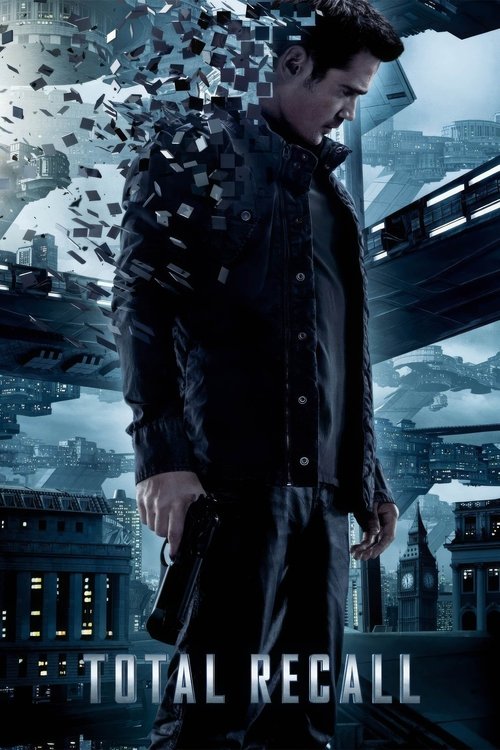
Total Recall
2012Factory worker Doug Quaid takes a virtual mind-trip vacation with the Rekall company, opting for implanted memories of being a spy. When the procedure goes wrong, Quaid becomes a wanted man by the police and joins forces with a rebel fighter to stop the evil Chancellor Cohaagen.
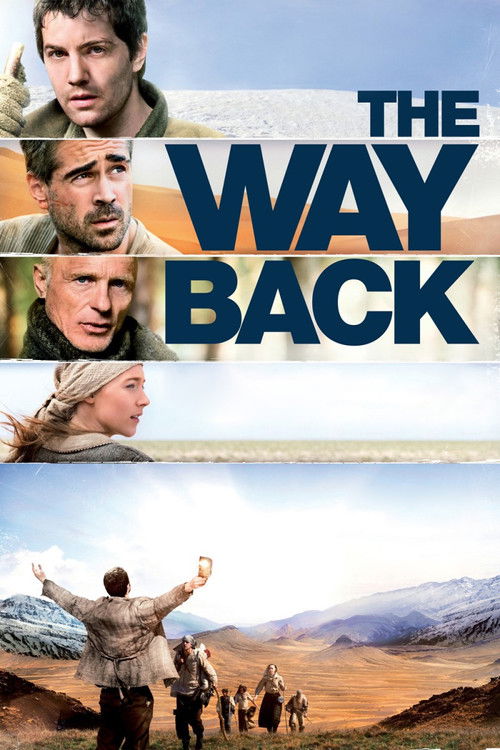
The Way Back
2010A small band of multicultural convicts stages a daring escape from a WWII-era Siberian gulag, and embarks on a treacherous journey across five countries in a desperate race for freedom and survival.

After Yang
2022When his young daughter's beloved companion — an android named Yang — malfunctions, Jake searches for a way to repair him. In the process, Jake discovers the life that has been passing in front of him, reconnecting with his wife and daughter across a distance he didn't know was there.
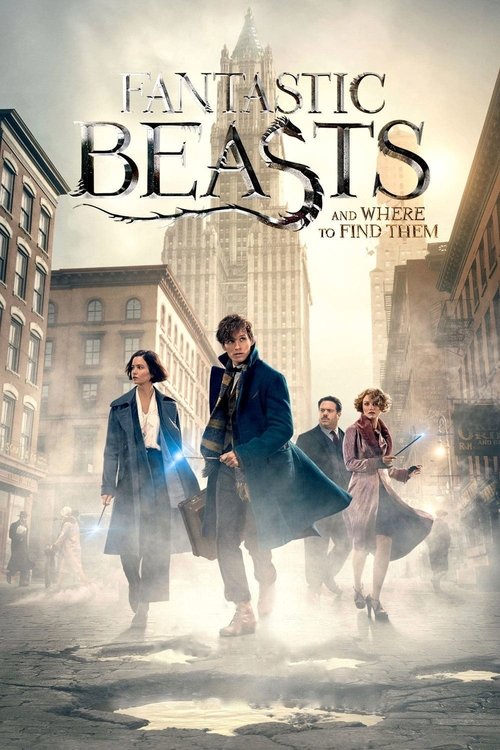
Fantastic Beasts and Where to Find Them
2016In 1926, Newt Scamander arrives at the Magical Congress of the United States of America with a magically expanded briefcase, which houses a number of dangerous creatures and their habitats. When the creatures escape from the briefcase, it sends the American wizarding authorities after Newt, and threatens to strain even further the state of magical and non-magical relations.
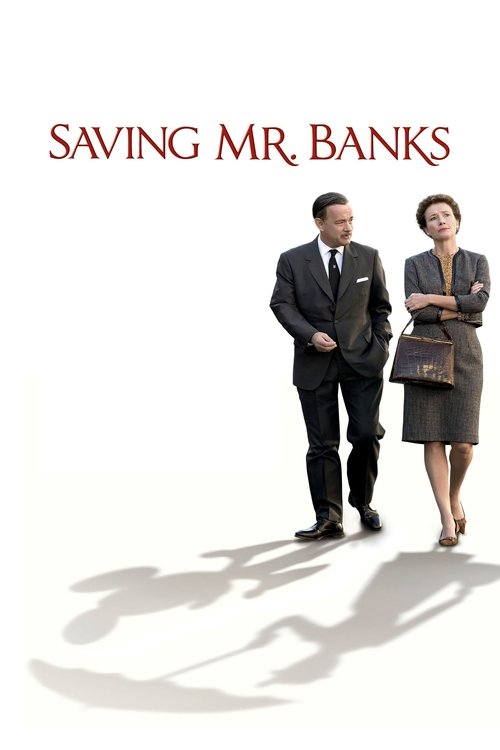
Saving Mr. Banks
2013Author P.L. Travers looks back on her childhood while reluctantly meeting with Walt Disney, who seeks to adapt her Mary Poppins books for the big screen.
Appearing in lyrical flashbacks, Farrell provides the film with its melancholic soul through a portrayal of charismatic self-destruction. He captures the tragic magic of a father whose failures are as captivating as his imagination.
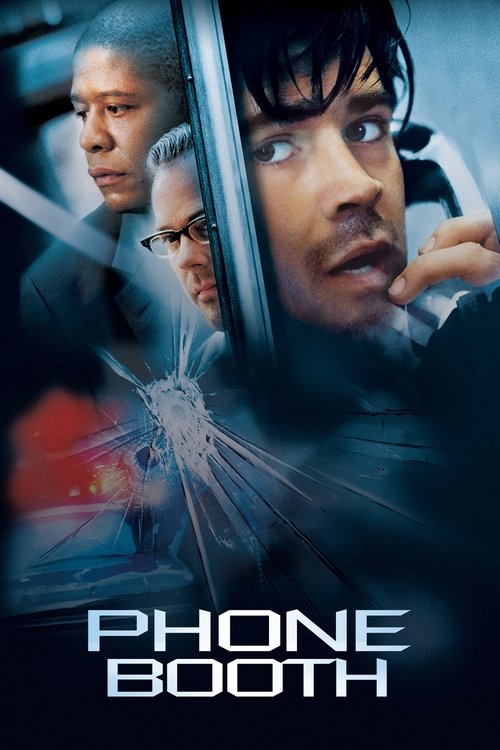
Phone Booth
2003A slick New York publicist who picks up a ringing receiver in a phone booth is told that if he hangs up, he'll be killed... and the little red light from a laser rifle sight is proof that the caller isn't kidding.
Farrell carries the entire film on his trembling shoulders, transforming from a cocky publicist into a weeping, frantic nerve ending. It was the role that proved he could command the screen through pure facial expression and vocal desperation rather than just movie star charisma. He strips away every layer of vanity to deliver a masterclass in sustained, high-wire claustrophobia.
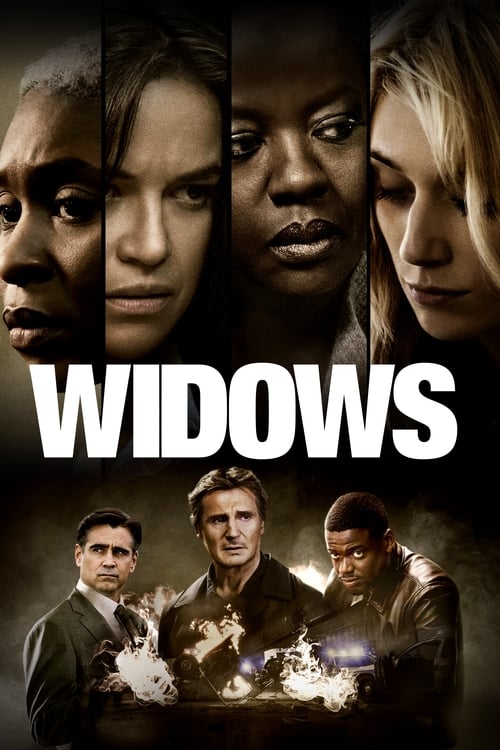
Widows
2018A police shootout leaves four thieves dead during an explosive armed robbery attempt in Chicago. Their widows have nothing in common except a debt left behind by their spouses' criminal activities. Hoping to forge a future on their own terms, they join forces to pull off a heist.
As a cynical politician trapped in his father's shadow, Farrell excels at projecting a specific brand of privileged entitlement. He manages to make professional slime feel remarkably human, adding a layer of tragic inevitability to his character’s corruption.
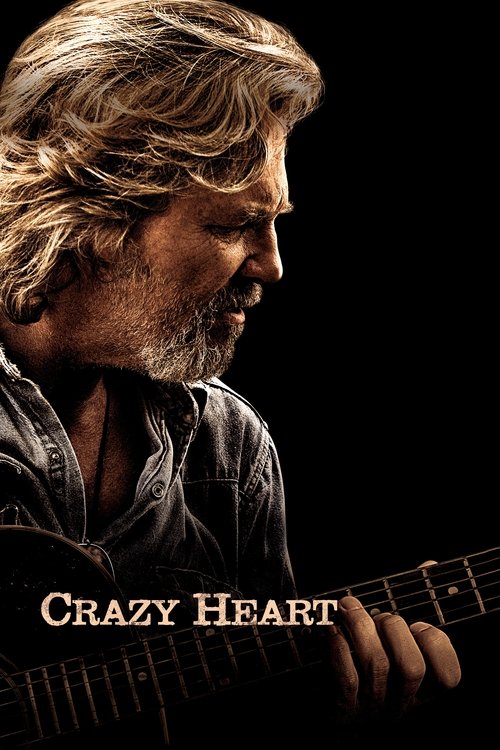
Crazy Heart
2009When reporter Jean Craddock interviews Bad Blake—an alcoholic, seen-better-days country music legend—they connect, and the hard-living crooner sees a possible saving grace in a life with Jean and her young son.
Farrell vanishes into the role of Tommy Sweet with a polished, understated grace that proved he could command a screen without leaning on his usual kinetic intensity. This brief, magnetic turn served as a crucial turning point, stripping away his leading man vanity to reveal a soulful character actor capable of holding his own against Jeff Bridges. It is a masterclass in generous acting, providing the necessary sheen of easy success that makes his mentor's decline feel all the more jagged.
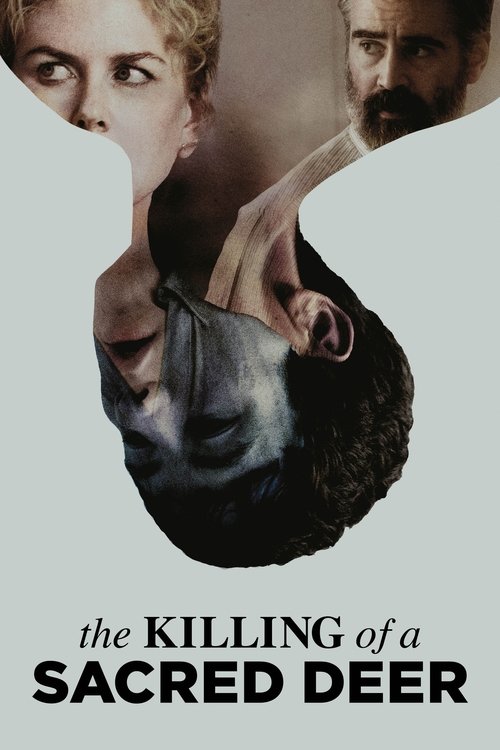
The Killing of a Sacred Deer
2017Dr. Steven Murphy is a renowned cardiovascular surgeon who presides over a spotless household with his wife and two children. Lurking at the margins of his idyllic suburban existence is Martin, a fatherless teen who insinuates himself into the doctor's life in gradually unsettling ways.
There is a chilling, suburban complacency in this performance that slowly unravels into a portrait of pathetic impotence. Farrell brilliantly inhabits the skin of a man whose supposed authority is stripped away by forces he cannot comprehend or control.
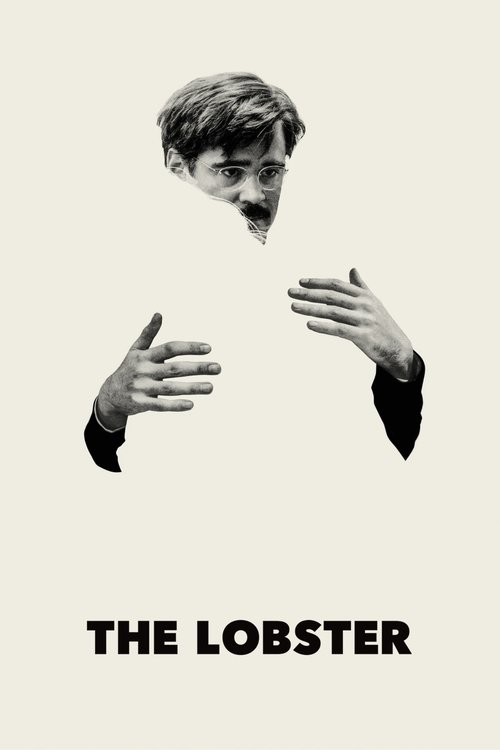
The Lobster
2015In a dystopian near future, single people, according to the laws of The City, are taken to The Hotel, where they are obliged to find a romantic partner in forty-five days or are transformed into animals and sent off into The Woods.
Farrell adopts a fascinatingly wooden affectation to navigate this surrealist landscape, proving he can thrive within the most rigid of directorial visions. His commitment to the monotone absurdity of the world makes the character’s internal desperation even more poignant.
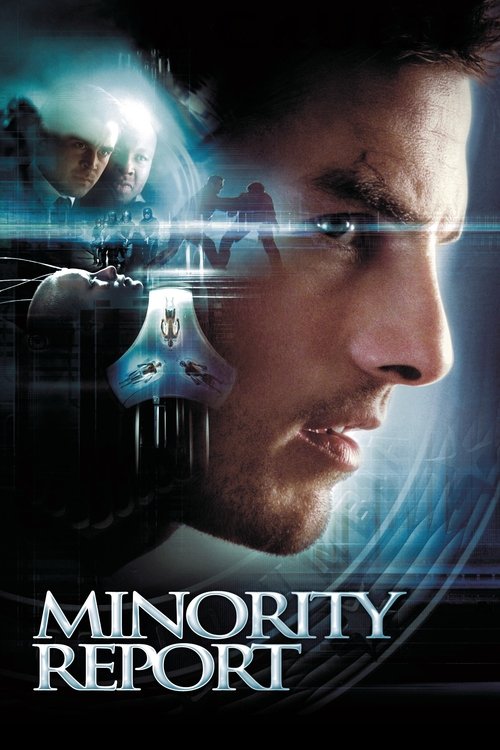
Minority Report
2002John Anderton is a top 'Precrime' cop in the late-21st century, when technology can predict crimes before they're committed. But Anderton becomes the quarry when another investigator targets him for a murder charge.
Playing a slick antagonist against established stardom, Farrell held his own by radiating a precise, predatory intellect. This early role signaled his ability to inject moral complexity into high-concept studio fare, marking him as more than just a passing heartthrob.
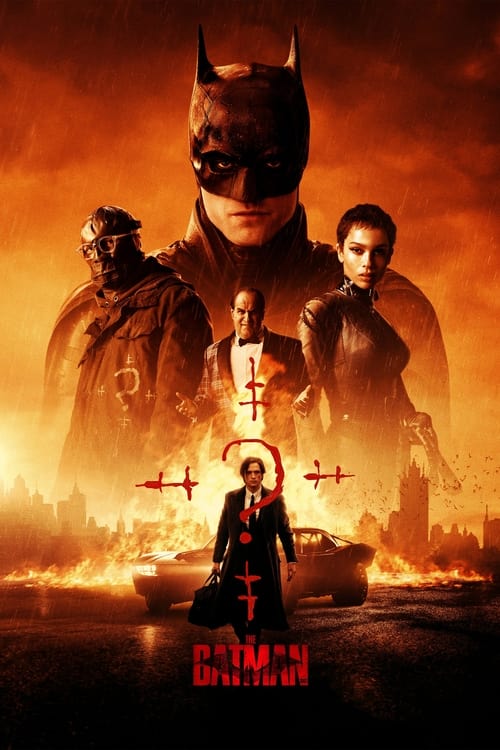
The Batman
2022In his second year of fighting crime, Batman uncovers corruption in Gotham City that connects to his own family while facing a serial killer known as the Riddler.
Disappearing beneath prosthetics, Farrell adopts a transformative greasiness that allows him to chew the scenery with operatic flair. This role showcases his versatility by trading his natural charisma for a gritty, unrecognizable character turn that feels plucked from a classic noir.

Thirteen Lives
2022Based on the true nail-biting mission that captivated the world. Twelve boys and the coach of a Thai soccer team explore the Tham Luang cave when an unexpected rainstorm traps them in a chamber inside the mountain. Entombed behind a maze of flooded cave tunnels, they face impossible odds. A team of world-class divers navigate through miles of dangerous cave networks to discover that finding the boys is only the beginning.
Farrell strips away every ounce of ego to portray technical competence and simmering claustrophobia in this understated ensemble piece. It is a masterclass in reactionary acting, where his restrained physicality conveys the immense weight of professional responsibility.
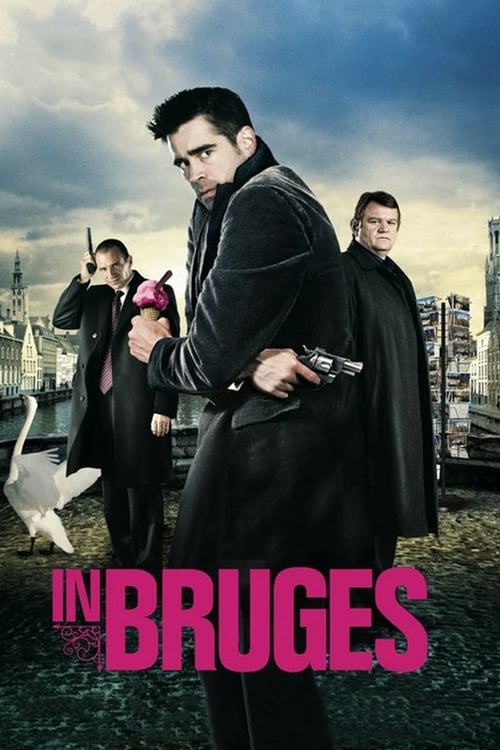
In Bruges
2008Ray and Ken, two hit men, are in Bruges, Belgium, waiting for their next mission. While they are there they have time to think and discuss their previous assignment. When the mission is revealed to Ken, it is not what he expected.
This performance reinvented Farrell from a fading blockbuster lead into a premiere comedic force capable of balancing manic guilt with impeccable timing. His work serves as the anxious, beating heart of the film, mastery that effectively launched his long-standing creative partnership with Martin McDonagh.
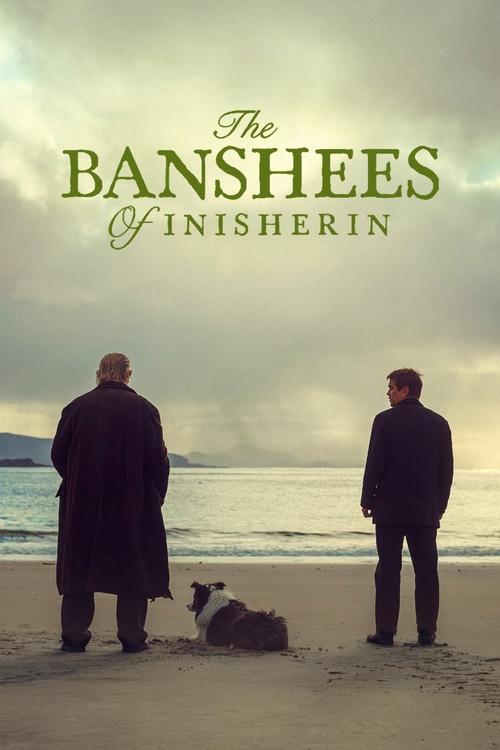
The Banshees of Inisherin
2022Two lifelong friends find themselves at an impasse when one abruptly ends their relationship, with alarming consequences for both of them.
Farrell weaponizes a heartbreaking simplicity here, finding profound depth in a man whose only defense against existential cruelty is his own kindness. It is a career-defining turn that proves his greatest strength as an actor is his capacity for raw, unfiltered vulnerability.
Frequently Asked Questions
Everything you need to know about this list and SnakeDrafts
- Colin Farrell has notably collaborated multiple times with directors Martin McDonagh, seen in films like In Bruges and The Banshees of Inisherin, as well as Yorgos Lanthimos, directing The Lobster and The Killing of a Sacred Deer. These partnerships have resulted in some of his most critically praised performances.
- Colin Farrell's roles have evolved from action-oriented blockbusters like Minority Report and Total Recall to more complex, character-driven narratives such as The Banshees of Inisherin and Thirteen Lives. This shift highlights his versatility and commitment to both mainstream and indie films.
- Farrell's filmography spans a wide spectrum of genres including drama, comedy, thriller, science fiction, and crime. Notable examples range from the sci-fi thriller Minority Report to dark comedy Like In Bruges and psychological thrillers such as The Killing of a Sacred Deer.
- In The Batman, Farrell delivers a compelling and nuanced performance that adds depth to the crime and mystery elements of the film. His portrayal helps elevate the movie’s suspenseful and gritty atmosphere, reinforcing the dark tone of the narrative.
- Yes, Colin Farrell has received critical acclaim and awards recognition for performances in films such as The Banshees of Inisherin, showcasing his ability to deliver emotionally rich and layered characters. These roles have solidified his reputation as a serious actor in Hollywood.
- Both The Lobster and The Killing of a Sacred Deer explore dark, surreal themes involving human relationships and psychological tension. Farrell’s nuanced performances in these films highlight his strength in portraying complex, often unsettling characters.
- Films like Thirteen Lives, depicting the dramatic rescue of a trapped soccer team, and The Way Back, focusing on historical adventure and survival, are grounded in real-life events. Farrell's involvement in these projects underscores his range in portraying true stories.
- Farrell's early career featured high-energy, mainstream roles in action-packed blockbusters such as Minority Report and Phone Booth, where his charisma was front and center. In contrast, his later indie projects like After Yang and Widows emphasize subtlety and depth, reflecting his artistic growth.

