The Definitive Ranking of Robert Altman Films
The Visionary Architect of American Ensemble Cinema
Explore the definitive filmography of Robert Altman, from Nashville to Gosford Park. Discover the masterpieces of a true Hollywood maverick.
About Robert Altman
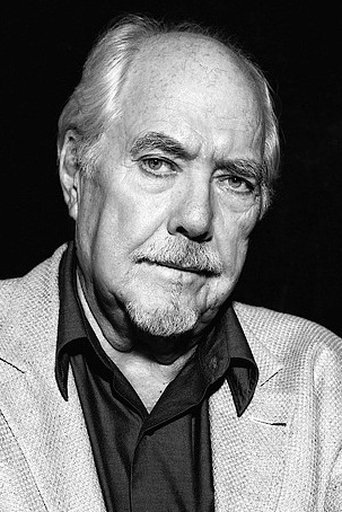
In the rigid landscape of Hollywood, Robert Altman was the ultimate restless architect, a man who consistently tore down the walls of conventional storytelling to see what happened when the dust settled. To watch an Altman film is to step into a room where everyone is talking at once, the camera is perpetually drifting, and the plot is secondary to the vibration of the room. He pioneered a sonic density that changed cinema, utilizing multitrack recording to ensure that dialogue overlapped in waves. This wasnt just a technical gimmick; it was his philosophy. Life is messy, loud, and rarely follows a three act structure, and he wanted his movies to breathe with that same chaotic lungs.
His breakthrough with M*A*S*H set the template, turning a war comedy into a frantic, bloody, and hilariously cynical dance that ignored the traditional punchline. He spent the seventies playing the role of a genre deconstructionist, taking the foundational myths of Americana and stripping them of their gloss. With McCabe and Mrs. Miller, he reimagined the Western as a hazy, frozen funeral for the pioneer spirit, while The Long Goodbye transformed the hardboiled detective into a mumbling, out of time relic wandering through a neon dreamscape. Even a film as surreal and psychological as 3 Women or the ethereal Images showed a director willing to dive into the subconscious without a safety net, trusting the image and the mood over a tidy resolution.
The definitive manifestation of his genius arrived with Nashville, a sprawling tapestry where two dozen characters collide in a dizzying mosaic of politics and country music. This ensemble approach became his signature, a way of looking at a community as a single organism. Years later, he refined this panoramic vision even further in Short Cuts, weaving the domestic anxieties of Los Angeles into a daunting, interconnected web of tragedy and chance. He mastered the art of the zoom lens, using it to pluck a specific gesture out of a crowd, making the viewer feel like an eavesdropper rather than a spectator.
Despite a mid career lull and a brief, bizarre detour into the comic strip surrealism of Popeye, he staged one of the greatest comebacks in history with The Player. By skewering the very industry that had often shunned him, he proved his wit was sharper than ever. He followed this with the meticulously observed Gosford Park, a murder mystery that functioned as a scathing upstairs downstairs social critique, and the gentle, idiosyncratic Cookie's Fortune. Even his final bow, A Prairie Home Companion, felt like a graceful rehearsal for the end, thick with the same improvisational warmth that defined his career. Altman never looked for the hero; he looked for the crowd, finding the shimmering interconnectedness of the human experience in the beautiful, noisy middle of it all.
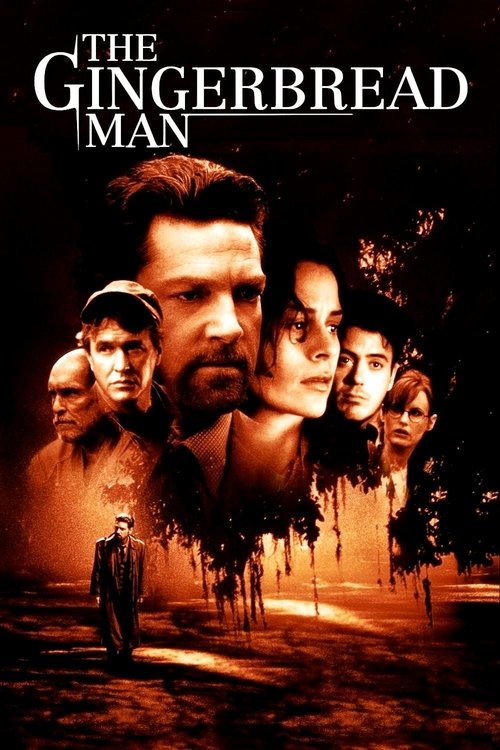
The Gingerbread Man
1998A successful Savannah defense attorney gets romantically involved with a sexy, mysterious waitress troubled by psychopaths and dark family secrets.
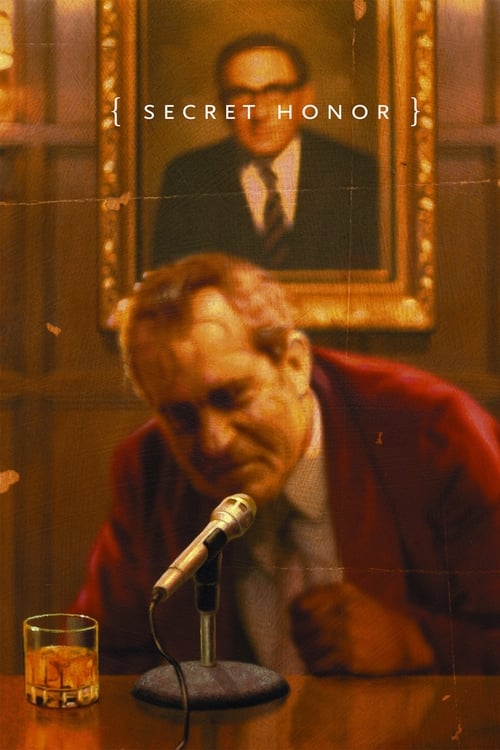
Secret Honor
1984In his New Jersey study, Richard Nixon retraces the missteps of his political career, attempting to absolve himself of responsibility for Watergate and lambasting President Gerald Ford's decision to pardon him. His monologue explores his personal life and describes his upbringing and his mother. A tape recorder, a gun and whiskey are his only companions during his entire monologue, which is tinged with the vitriol and paranoia that puzzled the public during his presidency.
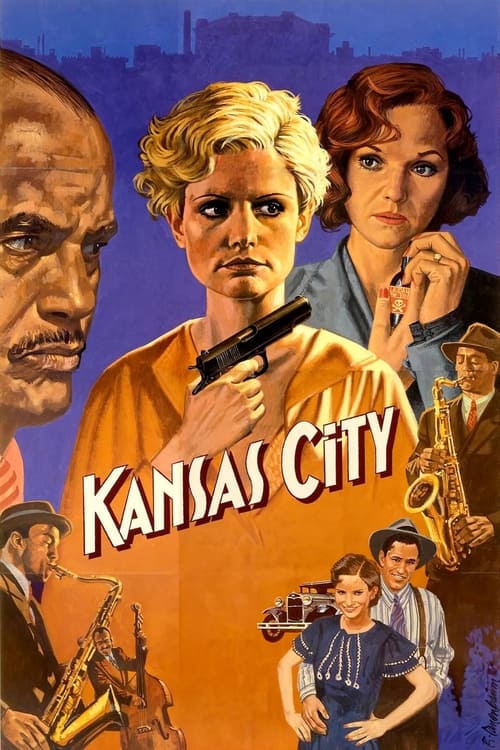
Kansas City
1996A pair of kidnappings expose the complex power dynamics within the corrupt and unpredictable workings of 1930s Kansas City.
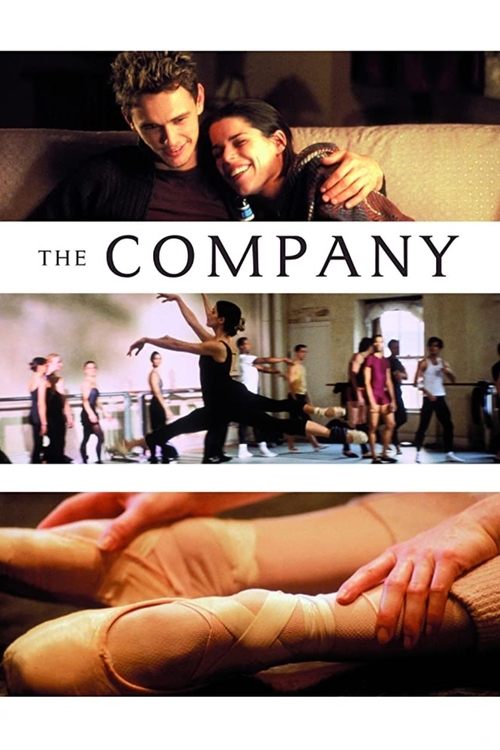
The Company
2003Ensemble drama centered around a group of ballet dancers, with a focus on one young dancer who's poised to become a principal performer.
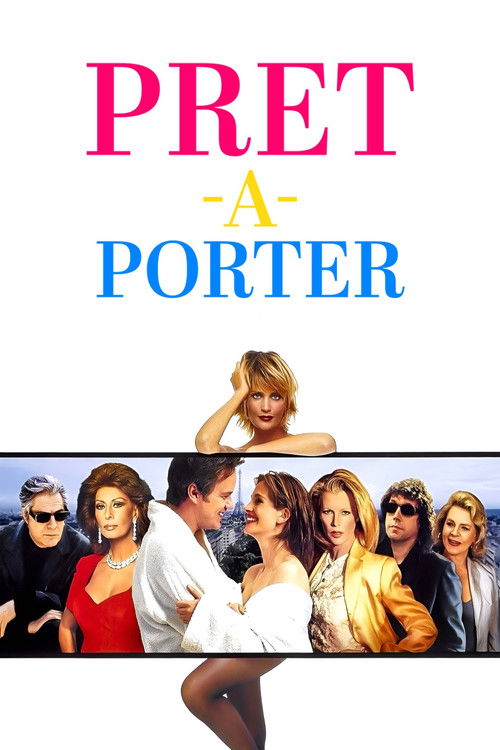
Prêt-à-Porter
1994During Paris Fashion Week, models, designers and industry hot shots gather to work, mingle, argue and try to seduce one another.
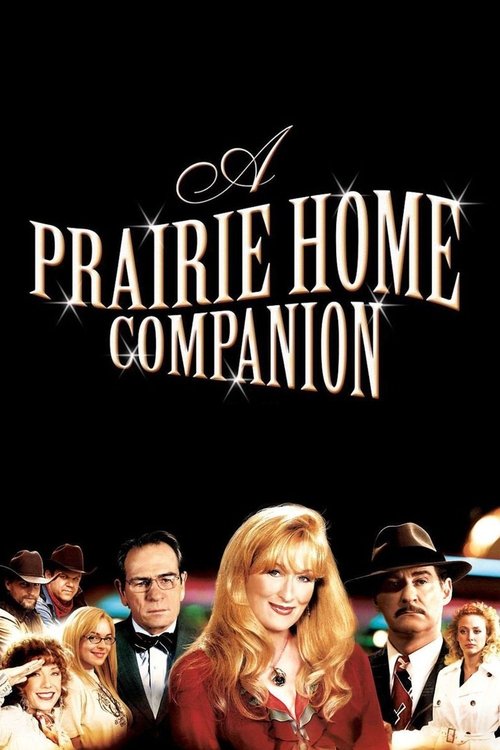
A Prairie Home Companion
2006A look at what goes on backstage during the last broadcast of America's most celebrated radio show, where singing cowboys Dusty and Lefty, a country music siren, and a host of others hold court.
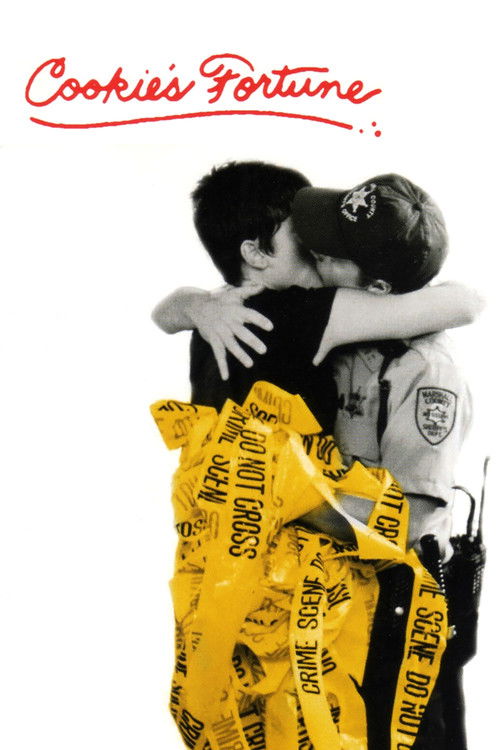
Cookie's Fortune
1999Conflict arises in the small town of Holly Springs when an old woman's death causes a variety of reactions among family and friends.
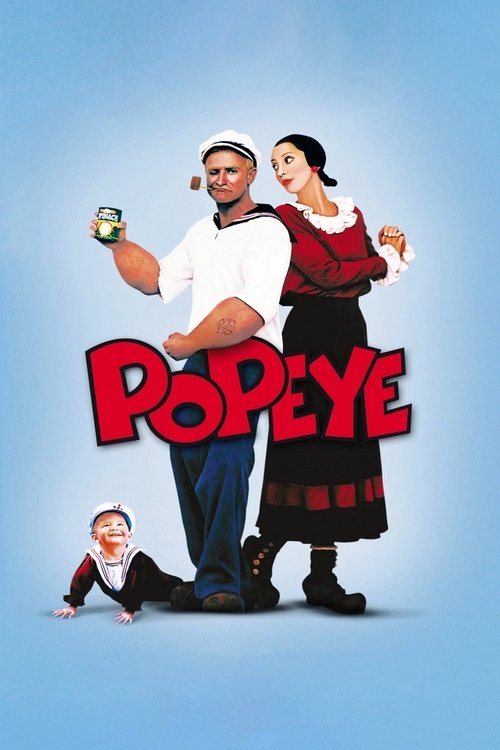
Popeye
1980Popeye is a super-strong, spinach-scarfing sailor man who's searching for his father. During a storm that wrecks his ship, Popeye washes ashore and winds up rooming at the Oyl household, where he meets Olive. Before he can win her heart, he must first contend with Olive's fiancé, Bluto.
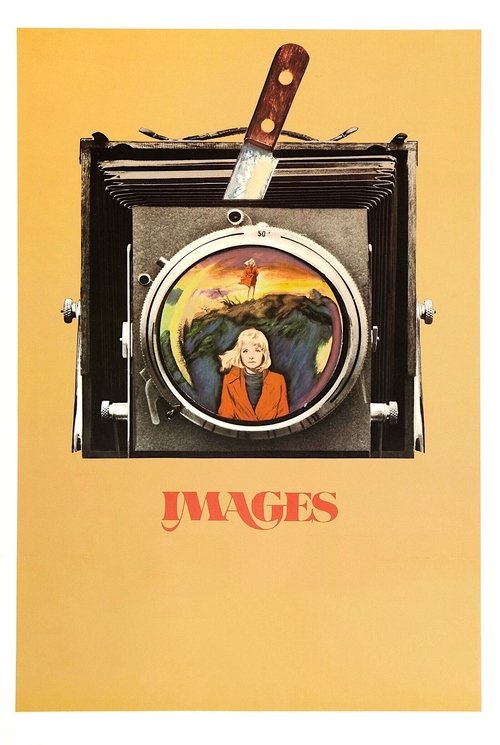
Images
1972While holidaying in Ireland, a pregnant children's author finds her mental state becoming increasingly unstable, resulting in paranoia, hallucinations, and visions of a doppelgänger.
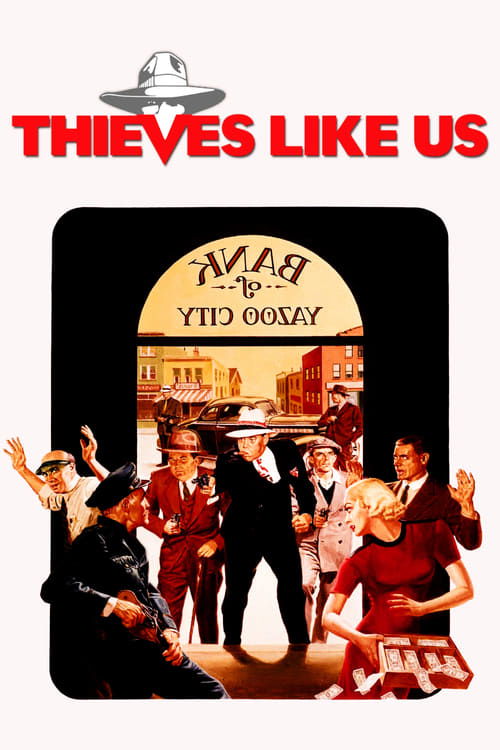
Thieves Like Us
1974Three criminals escape from prison and embark on a robbery spree across USA. Along the way, one of them falls in love while they plan a final heist before going their separate ways.
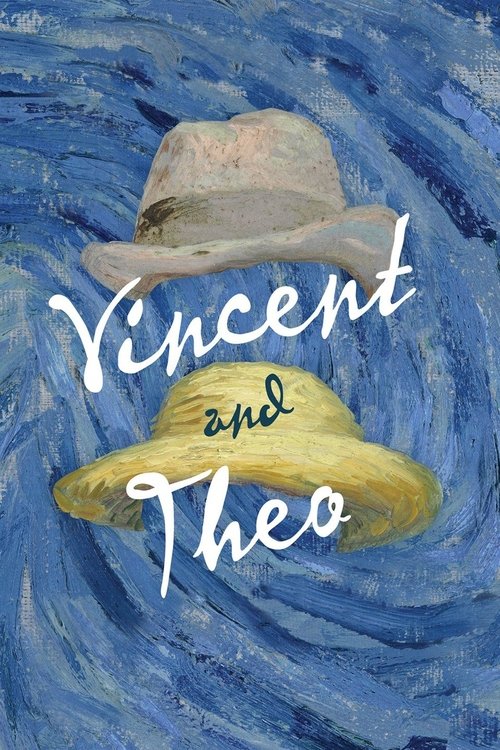
Vincent & Theo
1990The tragic story of Vincent van Gogh broadened by focusing as well on his brother Theodore, who helped support Vincent. Based on the letters written between the two.
Altman avoids the hagiographic traps of the standard artist biopic by focusing on the friction of fraternal obsession and the brutal labor of creation. His visual approach emphasizes the visceral, messy reality of the creative process, grounding historical genius in a palpable sense of physical and emotional struggle.
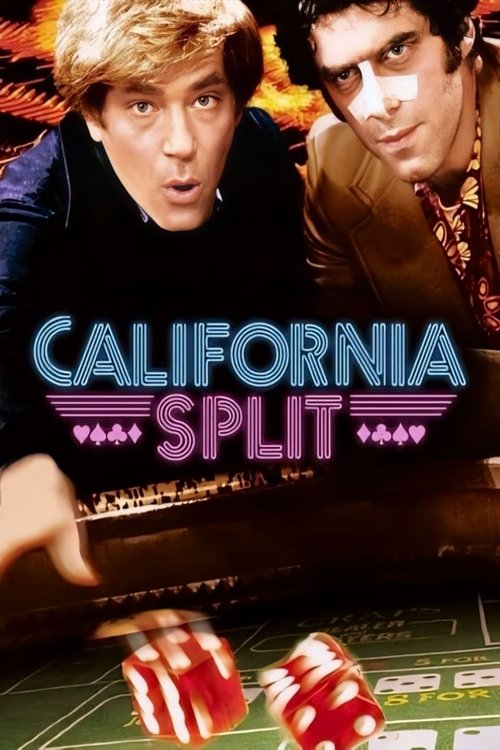
California Split
1974Carefree single guy Charlie Waters rooms with two lovely prostitutes, Barbara Miller and Susan Peters, and lives to gamble. Along with his glum betting buddy, Bill Denny, Charlie sets out on a gambling streak in search of the ever-elusive big payday. While Charlie and Bill have some lucky moments, they also have to contend with serious setbacks that threaten to derail their hedonistic betting binge.
Perhaps the most relaxed and naturalistic entry in his body of work, this film captures the desperate, tactile energy of the gambling underworld with an almost documentary-like intimacy. The chemistry between the leads is facilitated by a loose, improvisational freedom that represents Altman at his most uninhibited and kinetic.
Gosford Park
2001In 1930s England, a group of pretentious rich and famous gather together for a weekend of relaxation at a hunting resort. But when a murder occurs, each one of these interesting characters becomes a suspect.
Altman applies his signature roving camera to the rigid hierarchies of the British manor house, exposing the intricate social machinery of the upstairs-downstairs divide. It is a late-career triumph that proves his penchant for ensemble observation could be just as lethal when applied to a formal whodunit.
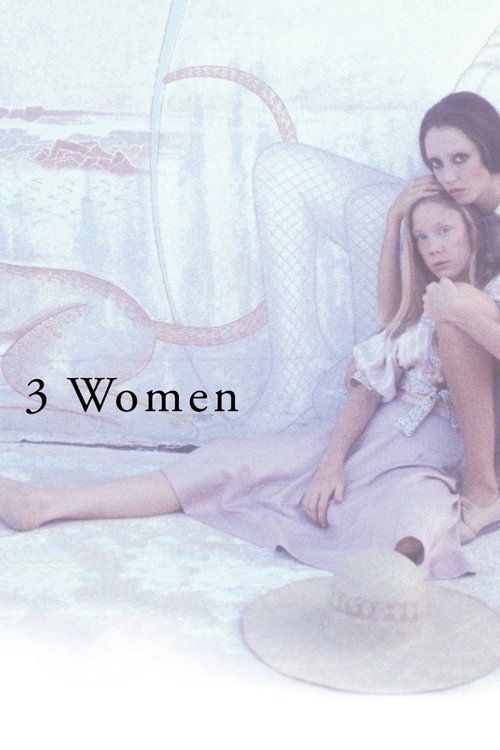
3 Women
1977Two co-workers, one a vain woman and the other an awkward teenager, share an increasingly bizarre relationship after becoming roommates.
Born from a fever dream, this surrealist exploration of identity and personality displacement showcases a psychological depth rarely seen in Altman’s more observational works. The film utilizes desert liminality and reflective surfaces to blur the lines between its characters, creating a haunting, painterly study of the feminine psyche.
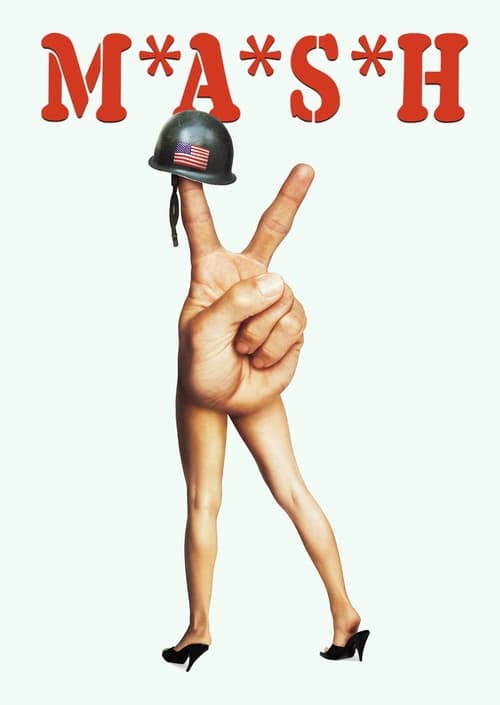
M*A*S*H
1970One of the world's most acclaimed comedies, M*A*S*H focuses on three Korean War Army surgeons brilliantly brought to life by Donald Sutherland, Tom Skerritt and Elliott Gould. Though highly skilled and deeply dedicated, they adopt a hilarious, lunatic lifestyle as an antidote to the tragedies of their Mobile Army Surgical Hospital, and in the process infuriate Army bureaucrats. Robert Duvall, Gary Burghoff and Sally Kellerman co-star as a sanctimonious Major, an other-worldly Corporal, and a self-righteous yet lusty nurse.
This subversive anti-war comedy shattered traditional filmmaking grammar with its overlapping dialogue and blood-soaked irreverence, establishing the stylistic template for the New Hollywood era. Its refusal to offer easy sentimentality or structured heroics remains a radical act of tonal defiance.
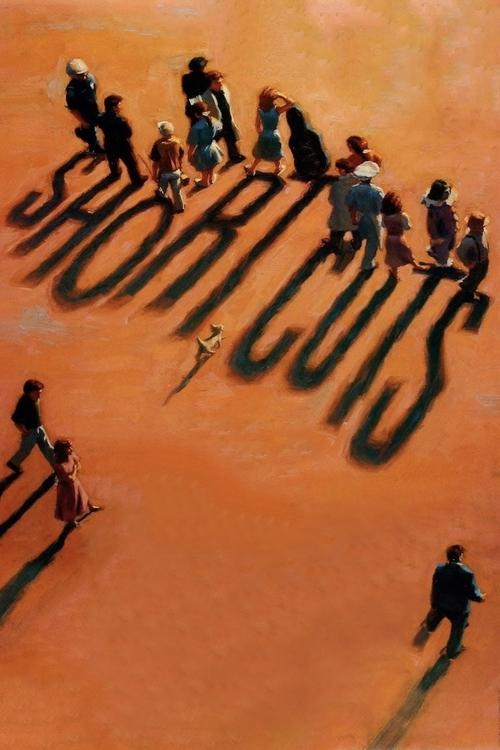
Short Cuts
1993Many loosely connected characters cross paths in this film, based on the stories of Raymond Carver. Waitress Doreen Piggot accidentally runs into a boy with her car. Soon after walking away, the child lapses into a coma. While at the hospital, the boy's grandfather tells his son, Howard, about his past affairs. Meanwhile, a baker starts harassing the family when they fail to pick up the boy's birthday cake.
Transposing Raymond Carver’s minimalist prose into a sprawling Los Angeles mosaic, Altman explores the profound interconnectedness of urban alienation through a series of intersecting domestic crises. The film’s rhythmic editing and ensemble fluidity demonstrate a director in total control of the short-story-composite form.
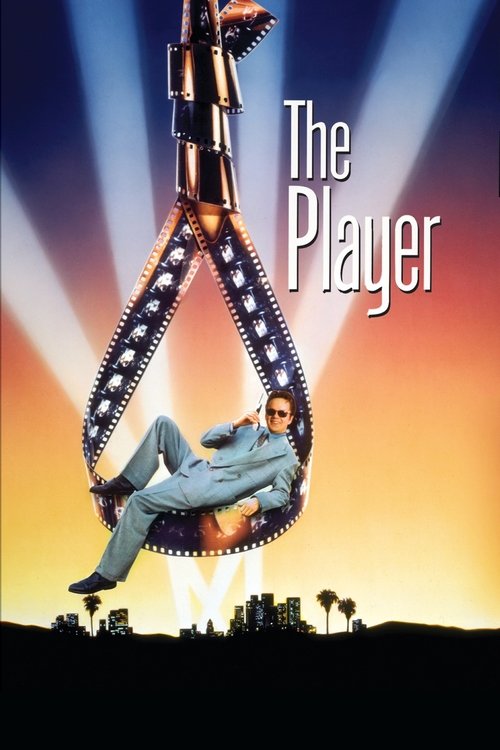
The Player
1992A Hollywood studio executive is being sent death threats by a writer whose script he rejected - but which one?
A razor-sharp exercise in meta-cinematic cynicism, this film functions as both a biting indictment of the studio system and a masterful display of high-wire technical precision. The legendary opening long take serves as a manifesto for Altman’s revitalized command over the very industry he spent decades satirizing.
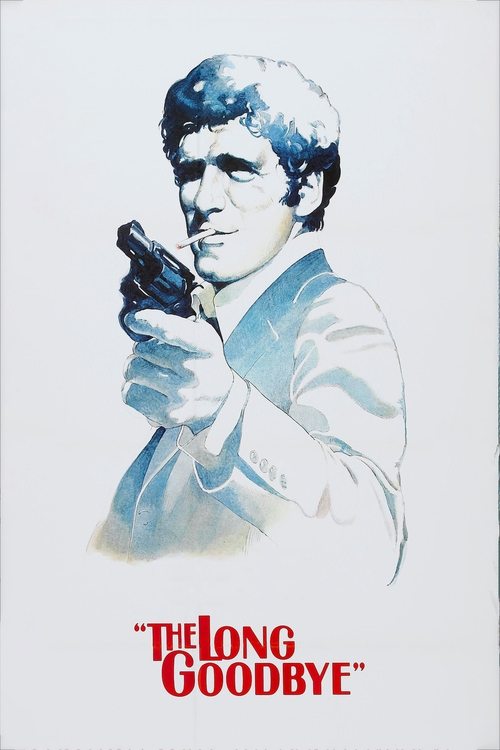
The Long Goodbye
1973In 1970s Hollywood, Detective Philip Marlowe tries to help a friend who is accused of murdering his wife.
This subversion of noir tropes transplants Raymond Chandler’s moral compass into the narcissistic haze of the 1970s, resulting in a dreamlike deconstruction of the private eye archetype. Altman’s restless, drifting camera work perfectly mirrors the protagonist’s dislocation from a world that has outpaced his integrity.
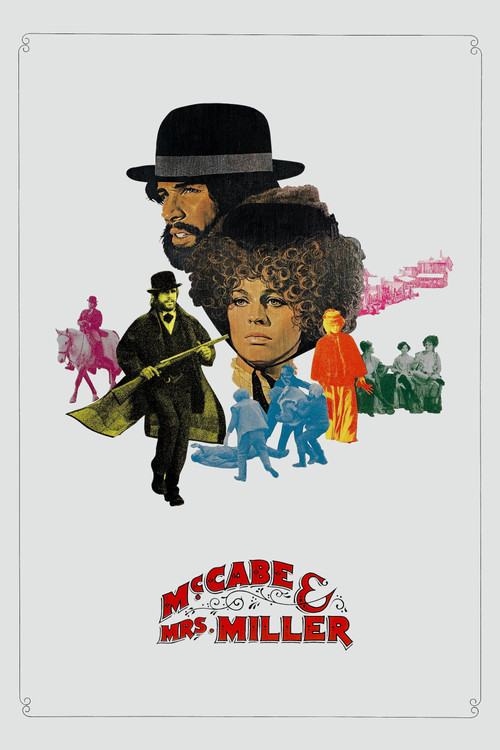
McCabe & Mrs. Miller
1971A gambler and a prostitute become thriving business partners in a remote Old West mining town until a large corporation arrives on the scene.
By bathing the Pacific Northwest in a hazy, amber glow and stripping away the genre’s traditional heroism, Altman reinvented the Western as a somber, mud-caked meditation on the cold machinery of capitalism. It is a masterpiece of mood that prioritizes atmospheric texture and anti-mythology over conventional gunsmoke.
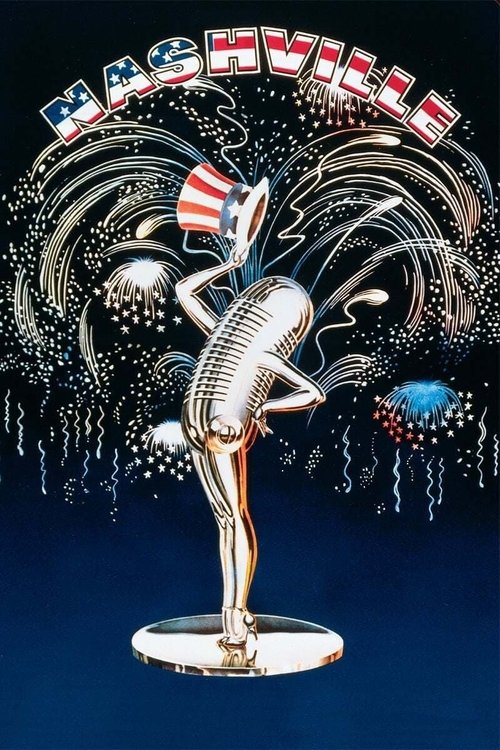
Nashville
1975The intersecting stories of twenty-four characters—from country star to wannabe to reporter to waitress—connect to the music business in Nashville, Tennessee.
Altman’s sprawling tapestry of Americana reaches its zenith here, utilizing a kaleidoscopic narrative structure and pioneering multitrack audio to capture the cacophony of a nation in flux. It remains the definitive example of his ability to find profound thematic harmony within intentional cinematic chaos.
Frequently Asked Questions
Everything you need to know about this list and SnakeDrafts
- "Nashville" exemplifies Altman's signature style with its large ensemble cast and overlapping dialogues. The film's intricate narrative weaving music, politics, and personal stories showcases his genius in capturing the vibrancy of American culture through a multi-layered cinematic tapestry.
- "McCabe & Mrs. Miller" subverts traditional Western tropes by focusing on flawed characters and atmospheric storytelling. Altman's use of muted colors and naturalistic dialogue emphasizes mood over action, presenting a revisionist and deeply human perspective on the Old West.
- "The Player" delivers a sharp satire of the Hollywood film industry, blending mystery and dark comedy. This self-referential film fits Altman's maverick reputation, critically exploring the business side of filmmaking with wit and cynicism while maintaining his distinct narrative style.
- Altman's films often explore complex human relationships with an emphasis on realism and psychological depth. Both "Short Cuts" and "3 Women" use overlapping dialogue and ensemble casts to delve into the intricacies of personal identity and emotional vulnerability.
- Altman pioneered the use of multitrack recording to layer overlapping dialogues, creating a naturalistic soundscape. In "M*A*S*H," this technique enhances the chaotic and irreverent atmosphere of a wartime medical unit, making conversations feel authentic and dynamically alive.
- "Gosford Park" is notable for blending mystery and social commentary within an elegant period setting. It captures the upstairs-downstairs class dynamics with Altman's trademark ensemble style and witty, overlapping dialogue, highlighting his skill in dissecting complex social structures.
- "A Prairie Home Companion" stands as a reflective and affectionate farewell that captures the charm of live radio variety shows. It showcases Altman's enduring love for ensemble storytelling and his ability to blend humor, music, and poignancy late into his career.
- Altman's filmography is marked by his willingness to challenge conventional narratives and cinematic norms, employing ensemble casts and innovative sound techniques. His movies like "The Long Goodbye" and "California Split" reveal a restless creativity that reshaped independent and mainstream cinema alike.