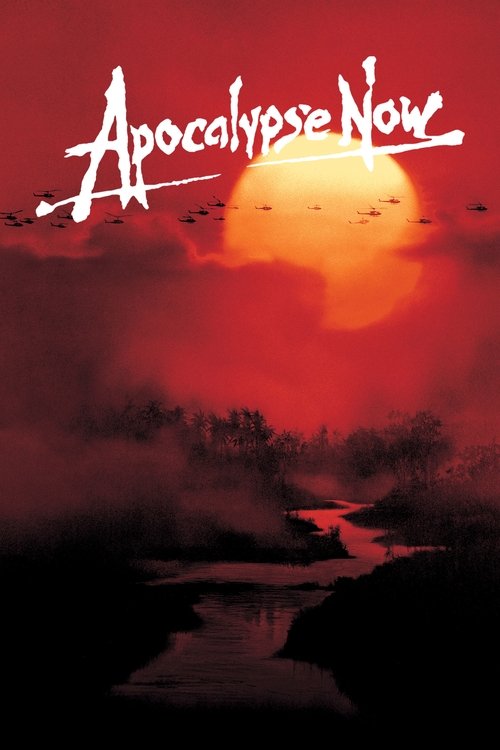
Apocalypse Now
"Apocalypse Now" is a haunting exploration of the psychological and moral complexities of the Vietnam War, delving into themes of madness, power, and the darkness within the human soul. This cinematic masterpiece by Francis Ford Coppola combines surreal storytelling and intense war drama to create an unforgettable film experience.
Director
Release Year
1979
Runtime
147 minutes
Genres
Drama, War
Main Cast
Martin Sheen, Marlon Brando, Frederic Forrest, Albert Hall, Laurence Fishburne
About Apocalypse Now
"Apocalypse Now" holds a significant place in cinema history for its profound cultural impact on the portrayal of war and its psychological toll. The film transcends a typical war narrative by deeply examining the chaos and moral ambiguity that soldiers face in combat, making it a reference point for both filmmakers and scholars alike.
The story follows Captain Benjamin Willard on a covert mission to find and eliminate Colonel Walter Kurtz, a rogue officer who has set up his own rule deep in enemy territory. The film's premise explores themes of authority, insanity, and the thin line between civilization and savagery, all without shying away from the harrowing realities of the Vietnam conflict.
Critically, "Apocalypse Now" was lauded for its groundbreaking cinematography, haunting score, and compelling performances, especially from Martin Sheen and Marlon Brando. Its production was famously troubled but ultimately resulted in a film that won multiple awards and nominations, including the Palme d'Or at Cannes. Over the decades, it has maintained its status as a cult classic and a poignant commentary on the human condition during wartime.
The legacy of "Apocalypse Now" endures through its innovative visual style, narratively bold approach, and its impact on war films that followed. It continues to be studied for its artistic achievements and its complex, unsettling portrayal of the Vietnam War experience, resonating with new generations of viewers and filmmakers.
Drafts Featuring Apocalypse Now
Every SnakeDrafts listicle where this movie appears
The Best Martin Sheen Movies Ranked
Ranked #1
The Best Dennis Hopper Movies Ranked
Ranked #3
The Best Laurence Fishburne Movies
Ranked #2
The Best Marlon Brando Movies Ranked
Ranked #3
Robert Duvall's Greatest Movie Roles Ranked
Ranked #3
Francis Ford Coppola's Greatest Films Ranked
Ranked #3
Top Drama Movies Ranked
Ranked #10
Best 1979 Movies
Ranked #1
The Best Movies of the 1970s Ranked
Ranked #2
Top Albert Hall Movies Ranked
Ranked #1
Similar Movies
Movies related to Apocalypse Now
Frequently Asked Questions
Everything you need to know about Apocalypse Now
- Colonel Kurtz symbolizes the extremes of power and moral disintegration in war. His descent into madness and his creation of a personal army highlight themes of authority gone rogue and the psychological effects of conflict.
- Willard's secretive mission serves as a narrative device exploring the blurred lines between duty, sanity, and morality. It questions the justification of violence and the impact of war on individual identity.
- The Vietnam War setting is crucial for its authentic depiction of chaos, cultural clash, and the moral ambiguity soldiers face. It grounds the film in a real historical conflict that mirrors the psychological breakdowns portrayed.
- The film prioritizes internal conflict and the mental states of its characters over battlefield action. It explores themes of madness, existential dread, and the loss of humanity amidst war, differentiating it from conventional war films.
- The journey upriver mirrors a descent into the subconscious and represents a passage from order to chaos. It parallels Willard's psychological transformation and confrontation with the darkness symbolized by Kurtz.
- This line, spoken by a character symbolizing reckless militarism, starkly contrasts the horrors of war with a bizarre appreciation for violence, capturing the film's critique of glorifying warfare.
- Through its depiction of American involvement in Vietnam and Kurtz's rogue operations, the film critiques the imposition of power and the destructive consequences of imperialist ambitions.
- The production faced numerous challenges including budget overruns, harsh filming conditions, and conflicts among cast and crew. These difficulties contributed to the film's chaotic atmosphere but also to its legendary status.
- The film employs a haunting score and sound design that intensify the surreal and menacing mood. Music like The Doors' "The End" adds to the psychological depth and epic scale of the narrative.
- Its innovative approach to depicting war's psychological impact, use of surreal imagery, and deep thematic complexity have influenced countless films and series, setting a benchmark for anti-war cinema.

