The Best Bill Murray Movies Ranked
From Deadpan Comedy to Indie Drama Excellence
Explore the finest films of Bill Murray's legendary career, featuring cult classics, deadpan comedies, and award-winning dramatic performances.
About Bill Murray
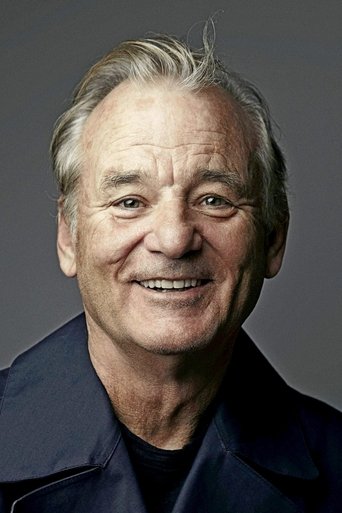
Bill Murray exists less as a movie star and more as a high-functioning urban legend. He is the patron saint of the deadpan and the shrug, a man whose career has served as a decades-long masterclass in the art of being deeply present while simultaneously looking like he is looking for the nearest exit. Long before he was crashing bachelorette parties or working as a volunteer bartender at South by Southwest, he was rewriting the DNA of American comedy by perfecting a specific brand of detached, chaotic charisma. To watch him is to watch a man who knows a secret he has no intention of sharing.
His early dominance was built on the foundation of the lovable smart-ass. In the eighties, he weaponized irony in a way that felt revolutionary. Whether he was turning a summer camp into a battlefield of wits in Meatballs or playing the world's most unlikely parapsychologist in Ghostbusters, he projected a weary confidence that suggested the world was absurd and he was the only one in on the joke. In Caddyshack, he leaned into the grotesque, creating a mumbles-into-his-collar greenskeeper that remains one of the most quoted performances in the history of the medium. Even when he played the cynic, as he did in the manic holiday burnout of Scrooged, there was a glimmer of warmth buried under the layers of sarcasm.
The genius of his trajectory lies in his ability to age into a profound, melancholic stillness. The 1993 classic Groundhog Day marks the pivot point, where his comedic frustration began to bleed into something more existential. This evolution caught the eye of Wes Anderson, initiating a partnership that gave us the prickly brilliance of Rushmore. As the wealthy, disillusioned Herman Blume, he found a new gear, traded the slapstick of Stripes for a quiet, rumpled dignity. This partnership flourished into a quirky cinematic universe, with him serving as the anchor for the visual whimsy of The Royal Tenenbaums, The Grand Budapest Hotel, and the underwater mid-life crisis of The Life Aquatic with Steve Zissou. He even brought his unmistakable dry delivery to the animated world, voicing the suave, cider-loving Badger in Fantastic Mr. Fox.
However, the definitive moment of his late-career renaissance remains Lost in Translation. Floating through a neon-lit Tokyo haze, he stripped away the armor of the funnyman to reveal a raw, quiet loneliness. It was a performance that finally wedded his comedic timing to a genuine dramatic gravity, proving that he could command the screen without saying a single word.
Audiences connect with him because he feels like the antidote to the polished, desperate-to-please nature of Hollywood. He represents the person we wish we could be at a dull party: the guy who doesn't care about the script, speaks the truth, and makes the whole room vibrate with a single raised eyebrow. From the manic energy of What About Bob? to the sleazy, comb-over villainy of Kingpin, he remains unpredictable. He is the ultimate freelancer of the soul, a performer who has spent forty years teaching us that while life might be a series of misfortunes, you might as well find the humor in it before the credits roll.

St. Vincent
2014A young boy whose parents just divorced finds an unlikely friend and mentor in the misanthropic, bawdy, hedonistic, war veteran who lives next door.
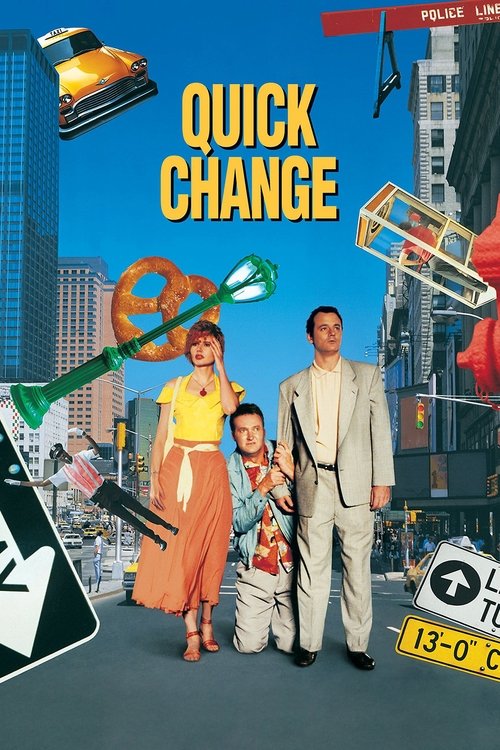
Quick Change
1990With the aid of his girlfriend, Phyllis Potter, and best friend, Loomis, Grimm enters a Manhattan bank dressed as a clown, creates a hostage situation and executes a flawless robbery. The only thing left for the trio to do is make their getaway out of the city and to the airport. It sounds simple enough, but it seems that fate deserts them immediately after the bank heist. One mishap after another conspires to keep these robbers from reaching freedom.
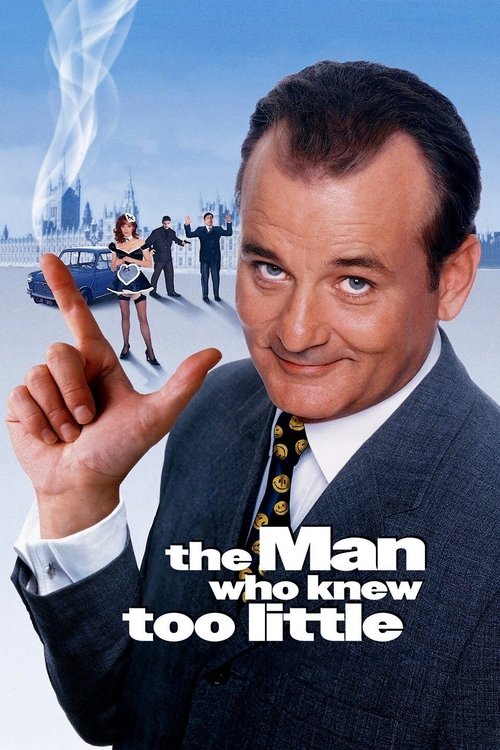
The Man Who Knew Too Little
1997An American gets a ticket for an audience participation game in London, then gets involved in a case of mistaken identity. As an international plot unravels around him, he thinks it's all part of the act.

Isle of Dogs
2018In the future, an outbreak of canine flu leads the mayor of a Japanese city to banish all dogs to an island used as a garbage dump. The outcasts must soon embark on an epic journey when a 12-year-old boy arrives on the island to find his beloved pet.
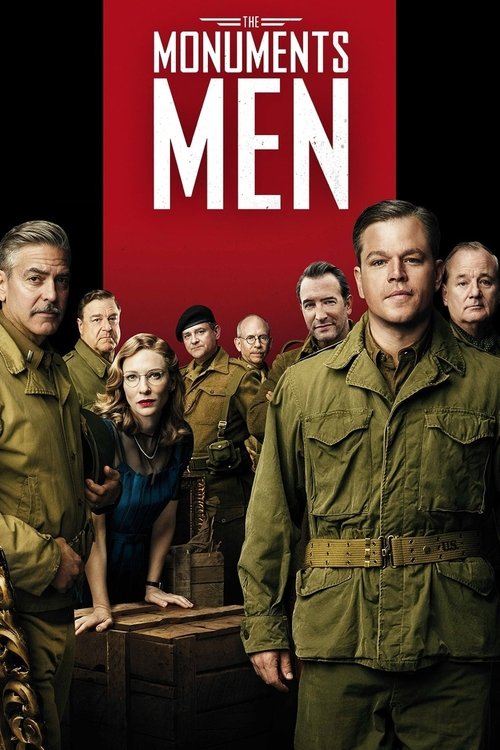
The Monuments Men
2014Based on the true story of the greatest treasure hunt in history, The Monuments Men is an action drama focusing on seven over-the-hill, out-of-shape museum directors, artists, architects, curators, and art historians who went to the front lines of WWII to rescue the world’s artistic masterpieces from Nazi thieves and return them to their rightful owners. With the art hidden behind enemy lines, how could these guys hope to succeed?
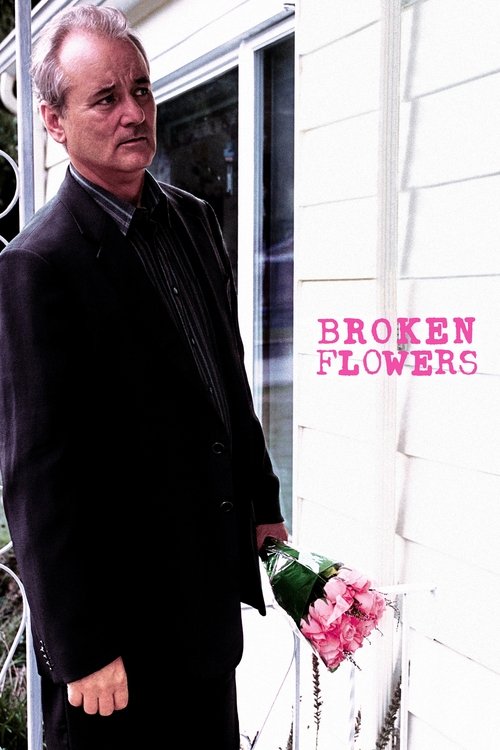
Broken Flowers
2005Introverted Don Johnston receives an anonymous letter from an ex-lover informing him that he has a son who may be looking for him. A freelance sleuth neighbor motivates Don to embark on a cross-country search for his past flames seeking answers.
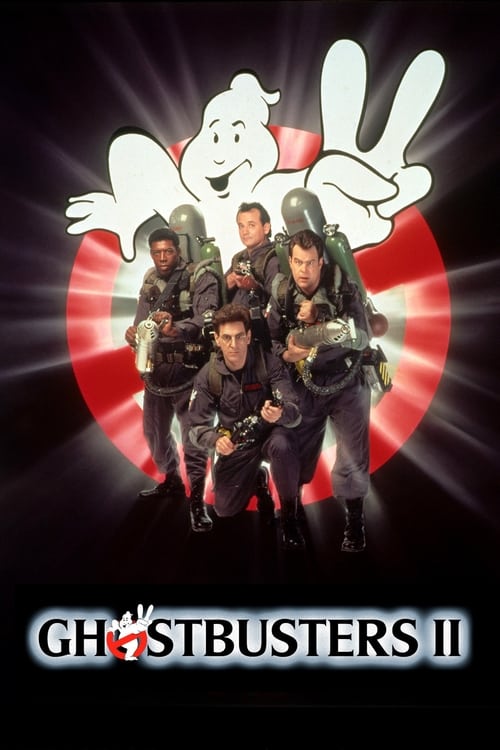
Ghostbusters II
1989The discovery of a massive river of ectoplasm and a resurgence of spectral activity allows the staff of Ghostbusters to revive the business.
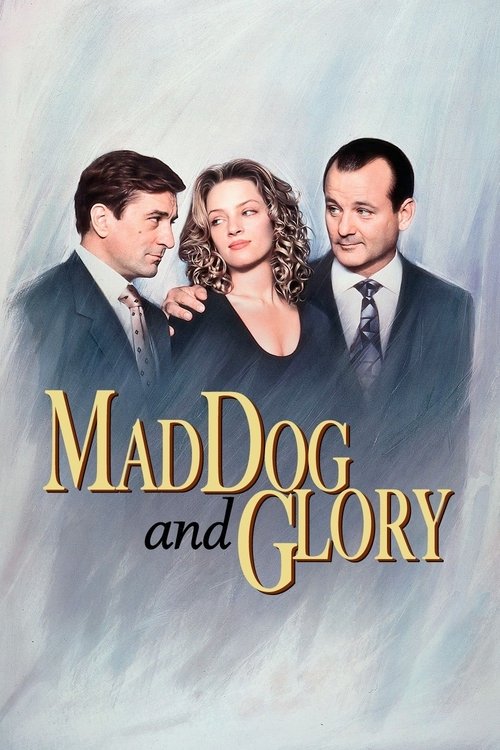
Mad Dog and Glory
1993Wayne Dobie is a shy cop whose low-key demeanor has earned him the affectionate nickname "Mad Dog." After Mad Dog saves the life of Frank Milo, a crime boss and aspiring stand-up comedian, he's offered the company of an attractive young waitress named Glory for a week. At first both are uneasy about the arrangement, but they eventually fall in love. However, the situation becomes complicated when Milo demands Glory back.
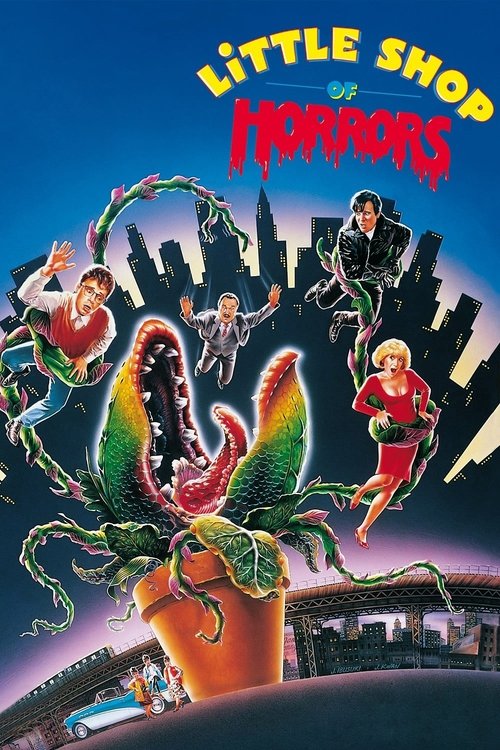
Seymour Krelborn is a nerdy orphan working at Mushnik's; a flower shop in urban Skid Row. He harbors a crush on fellow co-worker, Audrey Fulquard, and is berated by Mr. Mushnik daily. One day, Seymour finds a very mysterious unidentified plant which he calls Audrey II. The plant seems to have a craving for blood and soon begins to sing for it’s supper.
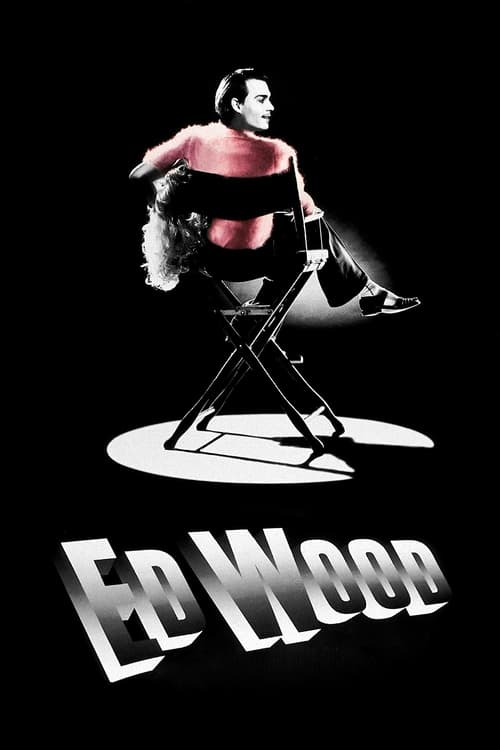
Ed Wood
1994The mostly true story of the legendary "worst director of all time", who, with the help of his strange friends, filmed countless B-movies without ever becoming famous or successful.
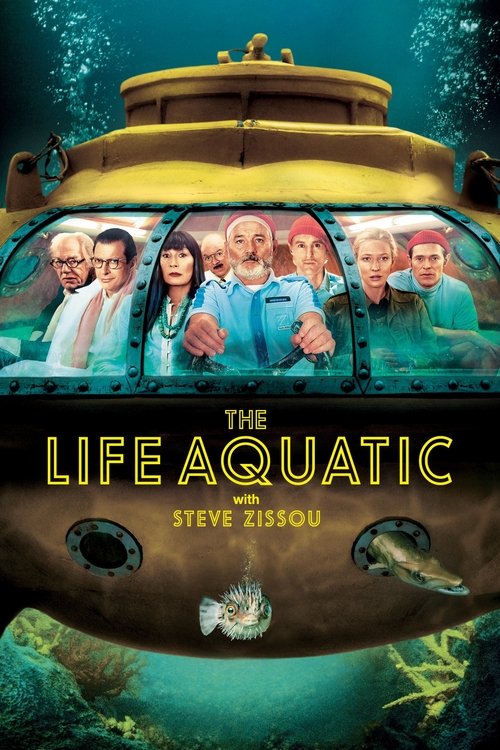
The Life Aquatic with Steve Zissou
2004Renowned oceanographer Steve Zissou has sworn vengeance upon the rare shark that devoured a member of his crew. In addition to his regular team, he is joined on his boat by Ned, a man who believes Zissou to be his father, and Jane, a journalist pregnant by a married man. They travel the sea, all too often running into pirates and, perhaps more traumatically, various figures from Zissou's past, including his estranged wife, Eleanor.
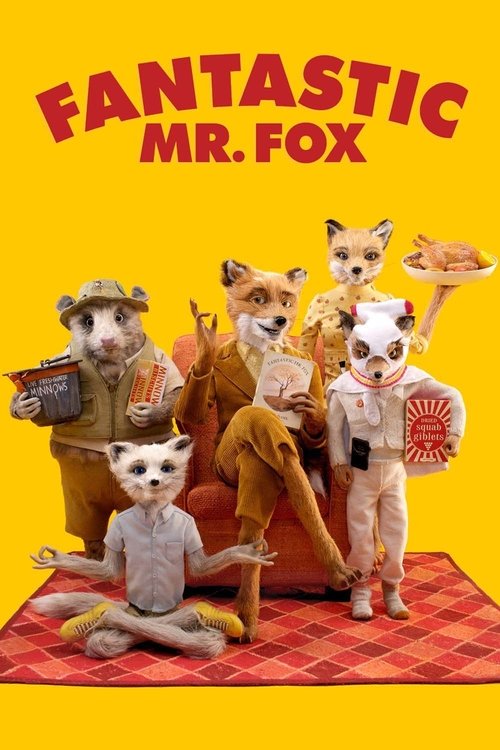
The Fantastic Mr. Fox, bored with his current life, plans a heist against the three local farmers. The farmers, tired of sharing their chickens with the sly fox, seek revenge against him and his family.
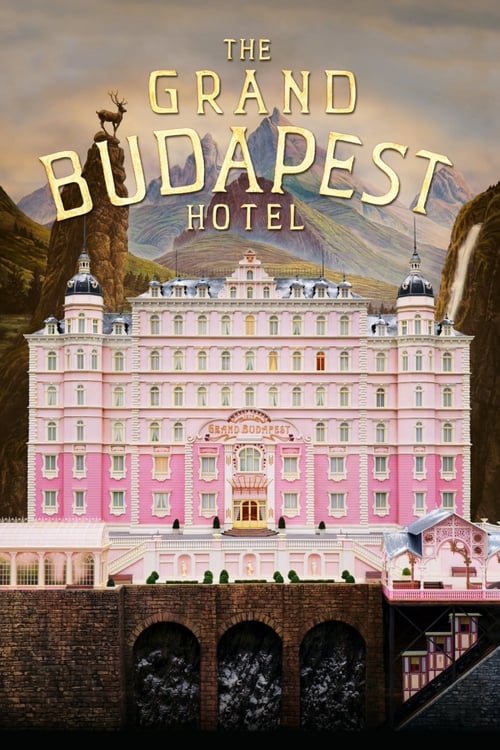
The Grand Budapest Hotel tells of a legendary concierge at a famous European hotel between the wars and his friendship with a young employee who becomes his trusted protégé. The story involves the theft and recovery of a priceless Renaissance painting, the battle for an enormous family fortune and the slow and then sudden upheavals that transformed Europe during the first half of the 20th century.
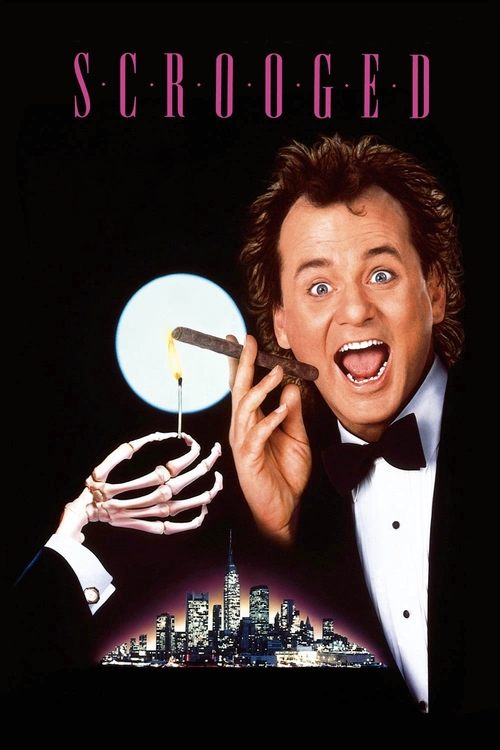
Scrooged
1988Frank Cross is a wildly successful television executive whose cold ambition and curmudgeonly nature has driven away the love of his life. But after firing a staff member on Christmas Eve, Frank is visited by a series of ghosts who give him a chance to re-evaluate his actions and right the wrongs of his past.
Murray weaponizes his signature cynicism to create a Frank Cross who is less a Dickensian relic and more a high-octane corporate predator. This performance serves as the crucial bridge between his anarchic Ghostbusters era and the soulful weariness of his later work, proving he could anchor a massive holiday tentpole with pure, unadulterated misanthropy. He navigates the transition from cruel wit to wild-eyed redemption with a manic, improvisational energy that remains the definitive blueprint for the modern anti-hero.
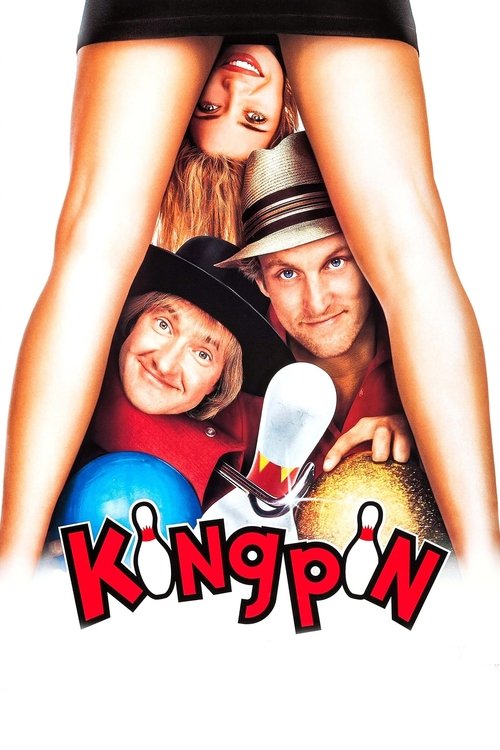
Kingpin
1996After bowler Roy Munson swindles the wrong crowd and is left with a hook for a hand, he settles into impoverished obscurity. That is, until he uncovers the next big thing: an Amish kid named Ishmael. So, the corrupt and the hopelessly naive hit the circuit intent on settling an old score with Big Ern.
Murray transforms Ernie McCracken into a glorious, frizzy-haired nightmare, weaponizing a sleazy, improvisational energy that proves he is the undisputed king of the deadpan heel. It's a pivotal turn that bridged his leading-man era with his later status as a cult character actor, trading his typical charm for a sublime, unhinged vanity. He manages to steal the entire film by playing a man who is simultaneously a legendary athlete and a complete human oil slick.
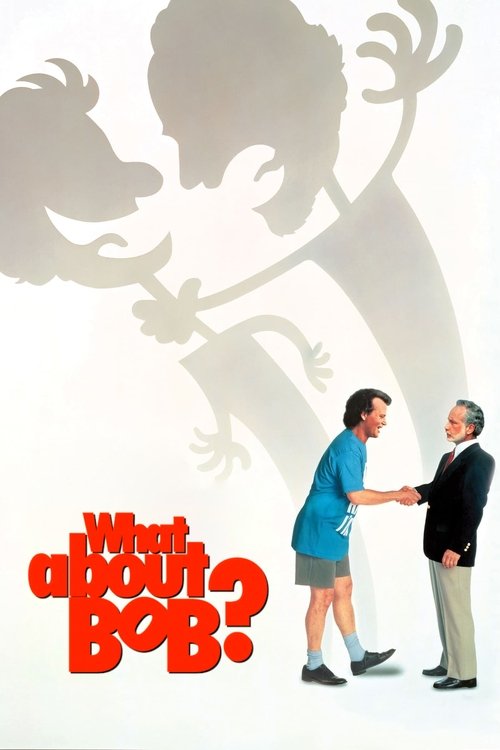
What About Bob?
1991Before going on vacation, self-involved psychiatrist Dr. Leo Marvin has the misfortune of taking on a new patient: Bob Wiley. An exemplar of neediness and a compendium of phobias, Bob follows Marvin to his family's country house. Dr. Marvin tries to get him to leave; the trouble is, everyone loves Bob. As his oblivious patient makes himself at home, Dr. Marvin loses his professional composure and, before long, may be ready for the loony bin himself.
Murray navigates a high-wire act of weaponized neediness, transforming Bob Wiley’s paralyzing phobias into a relentless, invasive charm that borders on the supernatural. This performance serves as the definitive bridge between his era of sarcastic SNL anarchy and the more disciplined character work of his later career. He manages to be simultaneously exhausting and irresistible, proving that his greatest comedic strength isn't just a deadpan delivery, but a profound, chaotic vulnerability.
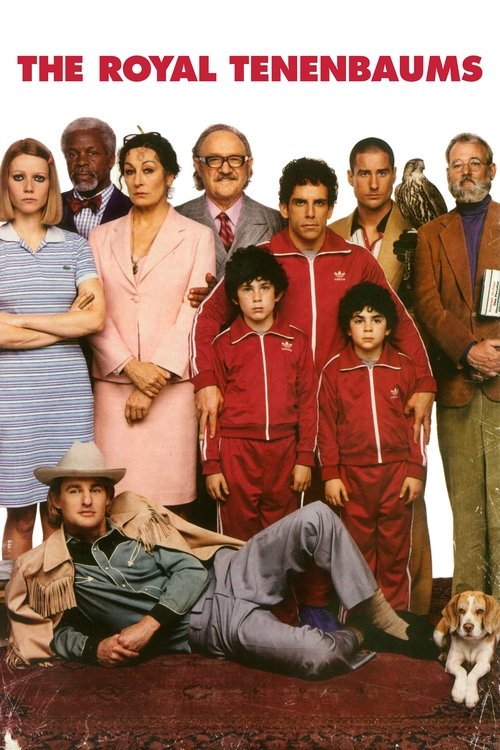
Royal Tenenbaum and his wife Etheline had three children and then they separated. All three children are extraordinary --- all geniuses. Virtually all memory of the brilliance of the young Tenenbaums was subsequently erased by two decades of betrayal, failure, and disaster. Most of this was generally considered to be their father's fault. "The Royal Tenenbaums" is the story of the family's sudden, unexpected reunion one recent winter.
Murray delivers a masterclass in hollowed-out melancholy, playing Raleigh St. Clair with a droll, blinkered stillness that anchors the film’s manic eccentricity. It is the definitive bridge in his career, marking the moment he traded broad slapstick for a soulful, minimalist exhaustion that would define his late-period persona. Through slumped shoulders and a flat, weary delivery, he transforms a cuckolded neurologist into the movie’s most heartbreakingly human element.
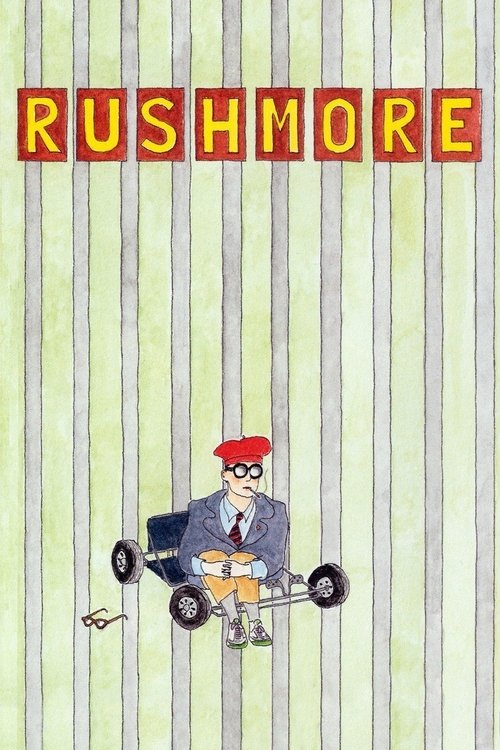
Rushmore
1998When a beautiful first-grade teacher arrives at a prep school, she soon attracts the attention of an ambitious teenager named Max, who quickly falls in love with her. Max turns to the father of two of his schoolmates for advice on how to woo the teacher. However, the situation soon gets complicated when Max's new friend becomes involved with her, setting the two pals against one another in a war for her attention.
Murray trades his signature smirk for a profound, hollow-eyed weariness, perfecting the "sad clown" archetype that would define the second act of his career. As the disenfranchised Herman Blume, he finds a sublime frequency between slapstick pettiness and midlife despair, proving he could be just as magnetic through soulful stillness as he ever was through fast-talking cynicism.
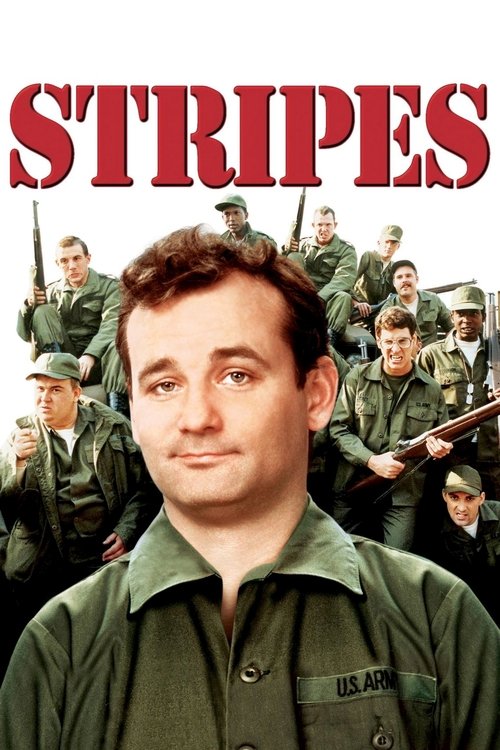
Stripes
1981Hard-luck cabbie John Winger, directionless after being fired from his job and dumped by his girlfriend, enlists in the U.S. Army with his close pal, Russell Ziskey. After his barely satisfactory performance in basic training, the irreverent Winger emerges as the figurehead for a ragtag band of misfits. However, his hijinks threaten to cause an international scandal when he inadvertently commandeers a military assault vehicle behind enemy lines.
Murray weaponizes a signature brand of detached, anti-authoritarian irony to transform a standard service comedy into a high-stakes playground for his deadpan wit. This performance solidified his transition from sketch-player to bona fide leading man, proving he could anchor a massive studio vehicle while remaining the coolest, most cynical person in the room. He doesn't just play John Winger; he invents the blueprint for the lovable, wise-cracking slacker that would define his eighties stardom.
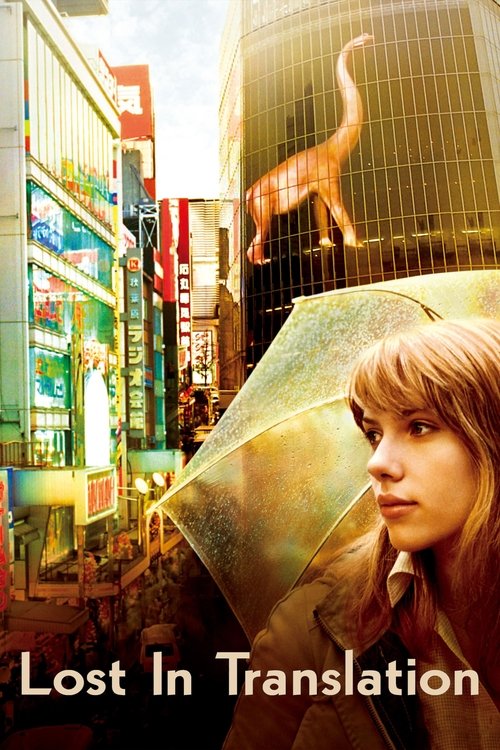
Two lost souls visiting Tokyo -- the young, neglected wife of a photographer and a washed-up movie star shooting a TV commercial -- find an odd solace and pensive freedom to be real in each other's company, away from their lives in America.
Murray trades his signature smirk for a weary, soulful minimalism, proving he could command the screen with a single, exhausted glance just as easily as a punchline. This masterclass in melancholy marked his definitive pivot from high-concept comedian to a profound dramatic anchor, finding dignity in the quiet absurdity of a midlife crisis. It is his most stripped-back work, turning jet-lagged silence into an indelible language of longing.
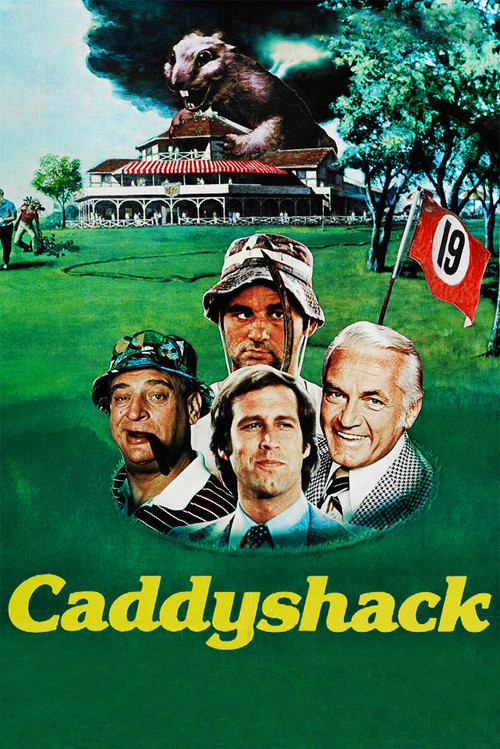
Caddyshack
1980At an exclusive country club, an ambitious young caddy, Danny Noonan, eagerly pursues a caddy scholarship in hopes of attending college and, in turn, avoiding a job at the lumber yard. In order to succeed, he must first win the favour of the elitist Judge Smails, and then the caddy golf tournament which Smails sponsors.
Murray transforms a nearly wordless bit part into a comedic masterclass by weaponizing a grime-streaked, hallucinatory mutter. This role cemented his genius for high-stakes improvisation and birthed the eccentric, unhinged persona that would define his superstardom. By turning a simple hunt for a gopher into an absurdist epic, he proved he could steal an entire movie without ever following the script.
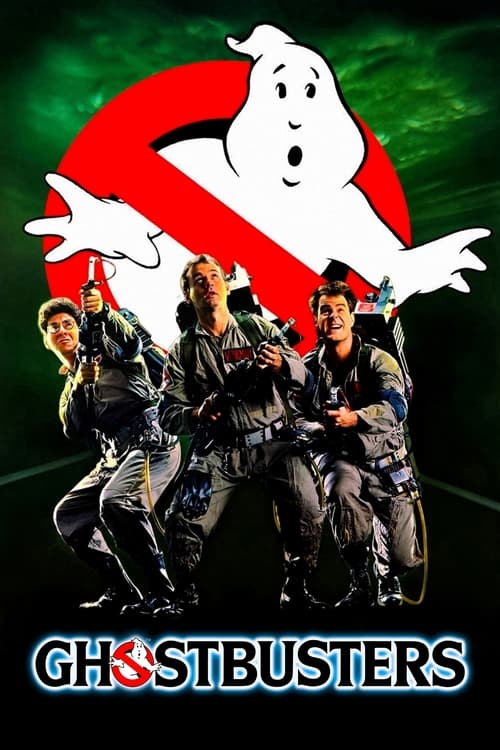
Ghostbusters
1984After losing their academic posts at a prestigious university, a team of parapsychologists goes into business as proton-pack-toting "ghostbusters" who exterminate ghouls, hobgoblins and supernatural pests of all stripes. An ad campaign pays off when a knockout cellist hires the squad to purge her swanky digs of demons that appear to be living in her refrigerator.
Murray weaponizes a signature high-dry deadpan to transform Peter Venkman into cinema’s ultimate blue-collar intellectual cynic. It is the definitive calibration of his "slob vs. snob" persona, proving he could anchor a massive blockbuster without ever breaking his effortless, irreverent sweat. He doesn't just play the hero; he heckles the entire genre from the inside.
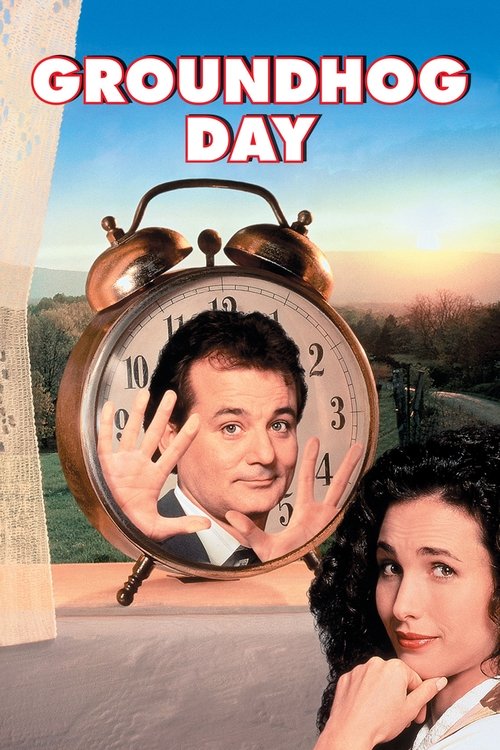
Groundhog Day
1993A narcissistic TV weatherman, along with his attractive-but-distant producer, and his mawkish cameraman, is sent to report on Groundhog Day in the small town of Punxsutawney, where he finds himself repeating the same day over and over.
Murray masterfully transitions from acidic misanthropy to a weary, soulful grace, weaponizing his signature deadpan delivery to explore the existential dread beneath the slapstick. It is the definitive turning point in his career, marking the moment his chaotic comedic persona gained a profound, melancholic maturity. He turns Phil Connors into a masterclass of comic timing fueled by a desperate, slow-burn humanity.
Frequently Asked Questions
Everything you need to know about this list and SnakeDrafts
- Bill Murray's best films often blend comedy with other genres like fantasy, drama, and romance, as seen in movies like 'Groundhog Day' (romantic fantasy comedy) and 'Lost in Translation' (drama comedy romance). This mix highlights his versatility and ability to handle both humorous and poignant roles.
- Bill Murray has notably worked multiple times with directors Harold Ramis, Wes Anderson, and Ivan Reitman. For example, Harold Ramis directed 'Groundhog Day' and 'Caddyshack', Wes Anderson helmed 'Rushmore' and 'The Royal Tenenbaums', and Ivan Reitman directed 'Ghostbusters' and 'Stripes'.
- Bill Murray is known for his deadpan delivery and subtle comedic timing, often playing characters who appear detached yet deeply engaged with their situations. This unique style is a key feature in films like 'Ghostbusters' and 'What About Bob?', contributing to their enduring humor and charm.
- Yes, themes of isolation, human connection, and self-discovery frequently appear in Bill Murray’s dramatic roles, particularly in 'Lost in Translation' and 'Rushmore'. These films showcase his ability to convey emotional depth alongside his trademark humor.
- Bill Murray’s charismatic presence and unconventional roles have helped elevate films like 'Caddyshack' and 'Kingpin' to cult classic status. His blend of improvisation and quirky charm creates memorable moments that resonate with audiences long after the credits roll.
- In 'Groundhog Day', Bill Murray masterfully blends comedy with existential themes, portraying a character trapped in a time loop who undergoes significant personal growth. This film is often cited as a defining performance that showcases his range and depth as an actor.
- Bill Murray lent his voice to the animated film 'Fantastic Mr. Fox', where his performance adds a charming and nuanced layer to the character. This role is significant as it demonstrates his ability to adapt his deadpan style to animation, appealing to both children and adults alike.