Top Albert Hall Movies Ranked
Unforgettable Roles from a Master of Character Acting
Discover Albert Hall's most iconic performances in cinema history, from Apocalypse Now to Malcolm X and other celebrated theatrical feature films.
About Albert Hall

In the pantheon of cinema, there are certain actors who function as the moral gravity of every frame they occupy. Albert Hall is that rare breed of performer who never needs to shout to command a room. While the blockbuster era often prioritizes flash over substance, he has built a decades-long legacy on the power of the steady gaze and the measured word. He possesses a specific kind of screen dignity that feels both timeless and grounded, a quality that transformed him into one of the most reliable anchors for directors like Francis Ford Coppola and Spike Lee.
Most audiences first felt the weight of his presence on a PBR boat drifting deep into the heart of darkness. In Apocalypse Now, he played Chief Phillips with a weary, professional resolve that served as the audience’s last tether to sanity. Amidst the psychedelic carnage of the Vietnam War, he was the skeptical heartbeat of the crew, providing a necessary friction against Martin Sheen’s silent intensity. It was an arrival that signaled a career defined by men of principle, duty, and quiet complexity.
What makes his work so resonant is his ability to play authority without becoming a caricature. Whether he is donning a uniform or a suit, there is always a layer of lived experience behind his eyes. In Malcolm X, he brought a sharp, focused energy to the role of Baines, serving as a pivotal figure in the protagonist’s spiritual and political awakening. He repeated this feat of gravitas in Ali, proving that he could step into the orbit of historical giants while maintaining his own distinct space on the screen. He does not just fill a role; he validates the reality of the world the movie is trying to build.
His versatility often goes understated because he makes the difficult task of character acting look effortless. He could transition from the high-stakes courtroom tension of Music Box or the racial powder keg of Betrayed to the smoky, atmospheric noir of Devil in a Blue Dress with total fluidity. Even in popcorn fare like National Treasure: Book of Secrets or the comedic rigidity of Major Payne, he never winks at the camera. He treats every character with the same level of intellectual respect. This commitment to the craft is visible in the soulful weariness he brought to Get on the Bus and the stoic endurance required for a harrowing narrative like Beloved.
He has spent years navigating the undercurrents of the American experience, from the blues-soaked grit of Leadbelly to the jazz-tinged melancholy of The Fabulous Baker Boys. There is a soulful consistency to his filmography that suggests he is less interested in celebrity than he is in truth. In modern classics like Courage Under Fire, he reminded us once again that a great supporting performance is the foundation upon which stars are allowed to shine. Ultimately, he represents a high watermark for the profession. He is the actor who makes you lean in closer, waiting for the wisdom he is about to impart, knowing that when he speaks, every word will carry the weight of a life fully realized.

Betrayed
1988An FBI agent posing as a combine driver becomes romantically involved with a Midwest farmer who lives a double life as a white supremacist.
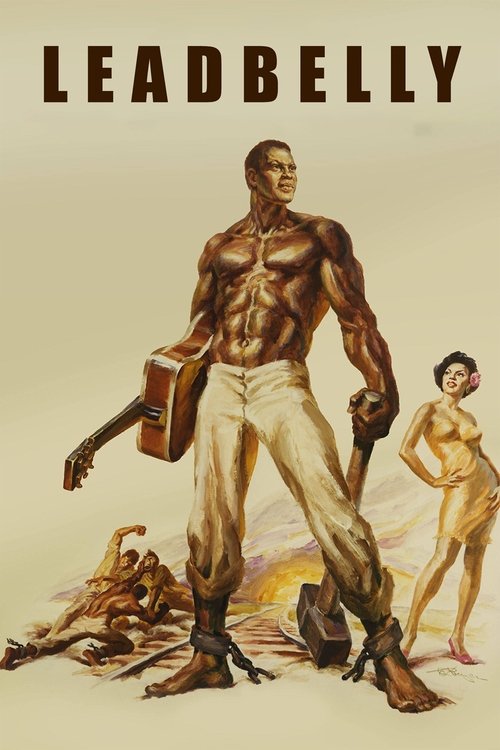
Leadbelly
1976The life of Blues and folk singer Huddie Leadbetter, nicknamed Leadbelly is recounted. Covering the good times and bad from his 20s to 40s. Much of that time was spent on chain gangs in the south. Even in prison he became well known for the songs he had composed and sung during and before the time he spent there.
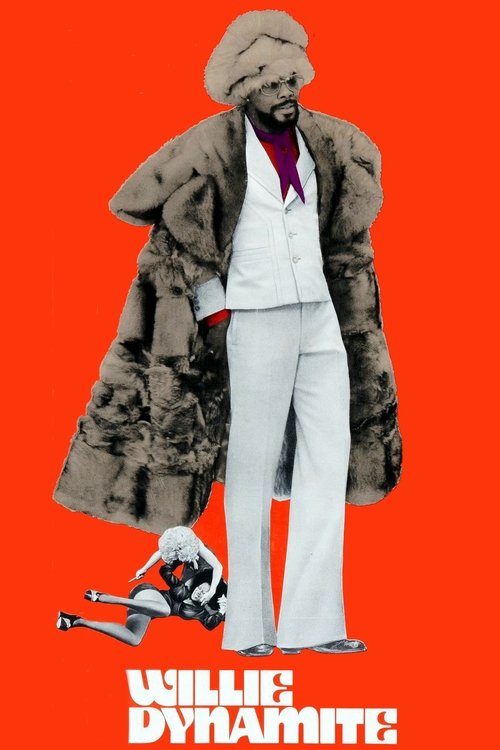
Willie Dynamite
1974Willie Dynamite is a pimp who operates in New York City. Willie was a big success as a pimp, but now, just as fast as he rose to the top, he has hit bottom. A former prostitute who has become a social worker tries to get Willie to clean up his life while it is still possible.
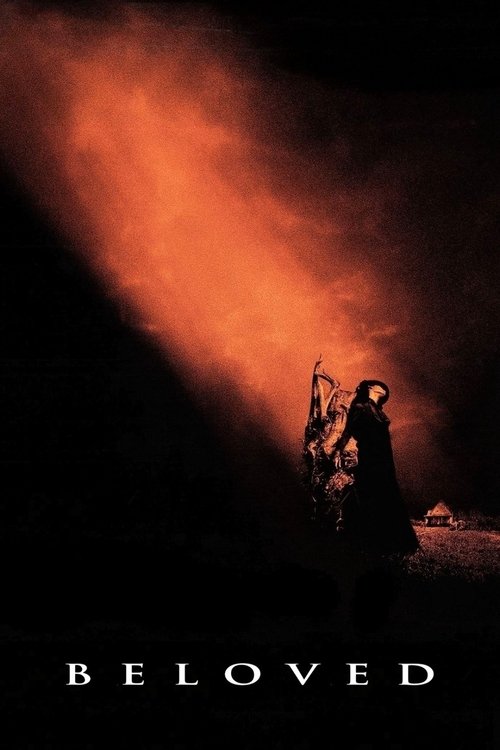
Beloved
1998After Paul D. finds his old slave friend Sethe in Ohio and moves in with her and her daughter Denver, a strange girl comes along by the name of "Beloved". Sethe and Denver take her in and then strange things start to happen...
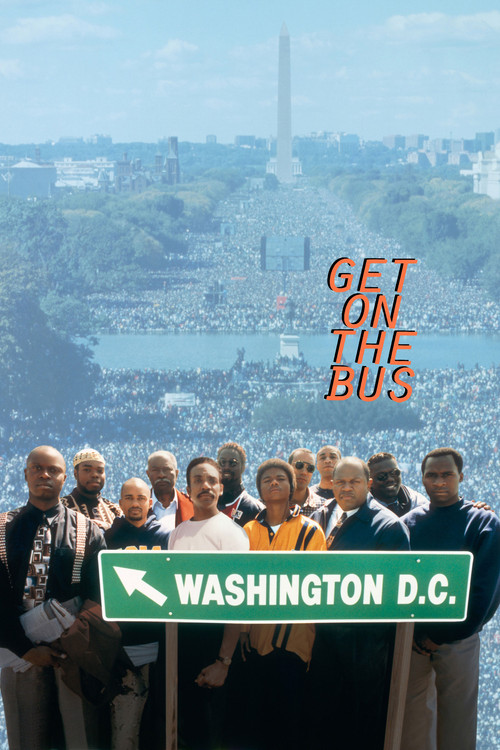
Get on the Bus
1996Fifteen Black men gather in South Central LA to take a cross-country bus trip to attend the Million Man March in Washington, DC in October 1995. Among the attendees are an eclectic set of characters, including a laid-off aircraft worker, a man whose at-risk son is handcuffed to him, a Black Republican, a former gangsta, a Hollywood actor, a cop of mixed racial background, and a white bus driver. All make the trek discussing issues surrounding the March, including manhood, religion, politics, sexuality, and race.
As the bus driver and unofficial moderator of a rolling debate, Hall coordinates a complex web of personalities with a weary, observational grace. He acts as the audience’s proxy, absorbing the clashing ideologies of his passengers with a face that reflects the diverse struggles of the Black experience.
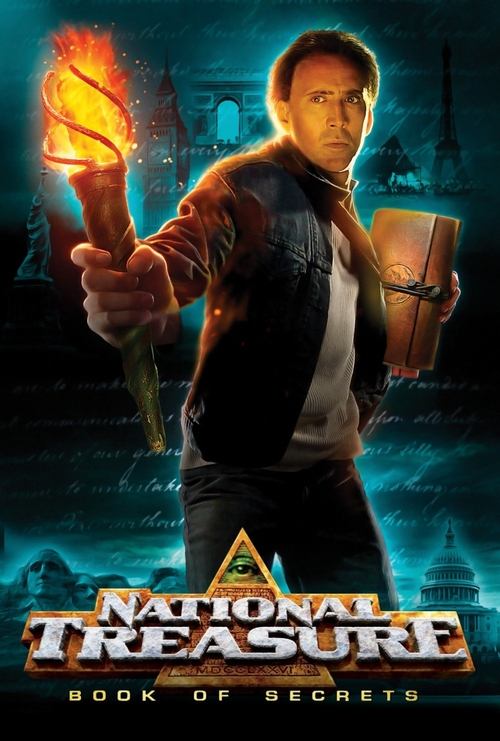
National Treasure: Book of Secrets
2007Benjamin Franklin Gates and Abigail Chase re-team with Riley Poole and, now armed with a stack of long-lost pages from John Wilkes Booth's diary, Ben must follow a clue left there to prove his ancestor's innocence in the assassination of Abraham Lincoln.
Hall’s role as Bill Nichols allows him to play within the sandbox of high-stakes action while maintaining his trademark gravitas. He lends the blockbuster proceedings a needed touch of gravitas, proving he can navigate commercial genre fare without losing his authoritative edge.
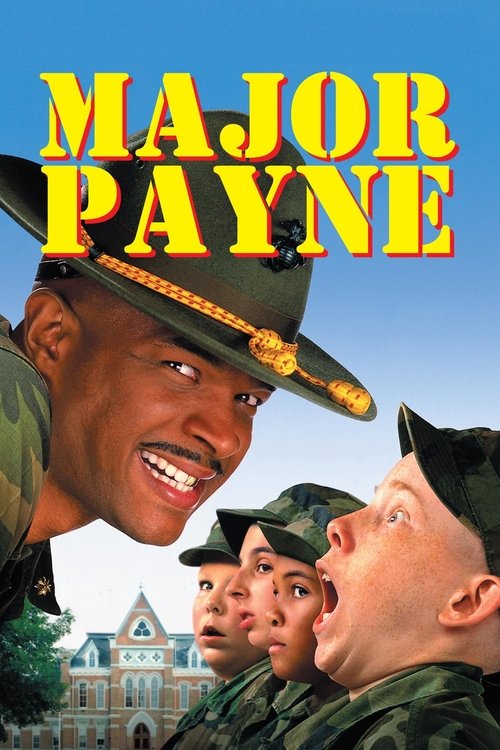
Major Payne
1995Major Benson Winifred Payne is being discharged from the Marines. Payne is a killin' machine, but the wars of the world are no longer fought on the battlefield. A career Marine, he has no idea what to do as a civilian, so his commander finds him a job - commanding officer of a local school's JROTC program, a bunch of ragtag losers with no hope.
Even within the constraints of a broad studio comedy, Hall brings a straight-faced credibility to General Elias that makes the surrounding absurdity work. His performance serves as the vital comedic foil, maintaining a stone-faced professionalism that heightens the humor of the central caricature.
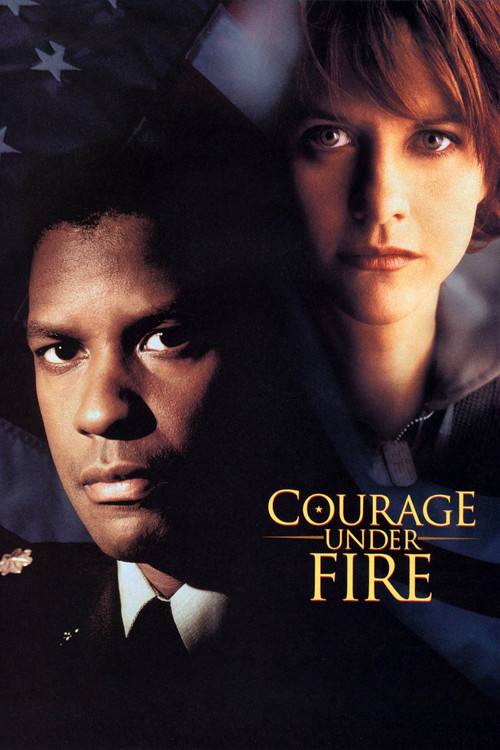
Courage Under Fire
1996A US Army officer, who made a "friendly fire" mistake that was covered up, has been reassigned to a desk job. He is tasked to investigate a female chopper commander's worthiness to be awarded the Medal of Honor. At first all seems in order. But then he begins to notice inconsistencies between the testimonies of the witnesses...
Playing Speaker, Hall demonstrates his capacity for intense dramatic interrogation and the portrayal of institutional memory. He manages to turn relatively brief scenes into pivotal character studies by channeling a sense of burdensome duty and military grit.
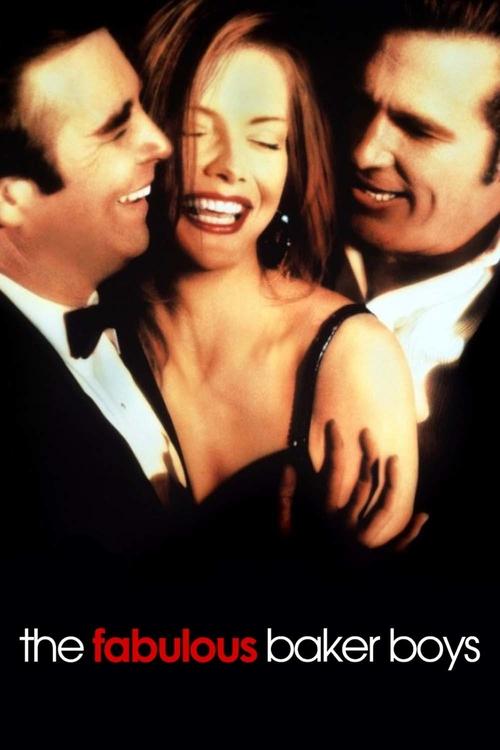
The Fabulous Baker Boys
1989The lives of two struggling musicians, who happen to be brothers, inevitably change when they team up with a beautiful, up-and-coming singer.
Hall injects a dose of logistical reality into this cocktail of jazz and romance as the pragmatic Charlie. His performance highlights his versatility in ensemble casts, providing a grounded, no-nonsense rhythm that keeps the film’s more whimsical elements from floating away.
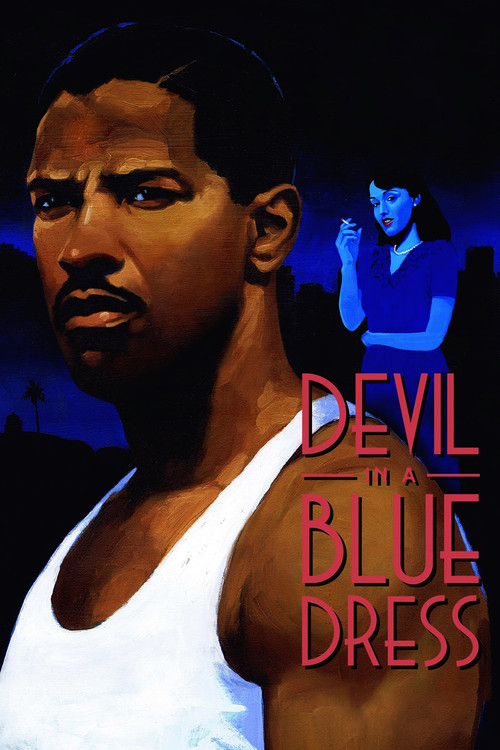
Devil in a Blue Dress
1995In late 1940s Los Angeles, Easy Rawlins is an unemployed black World War II veteran with few job prospects. At a bar, Easy meets DeWitt Albright, a mysterious white man looking for someone to investigate the disappearance of a missing white woman named Daphne Monet, who he suspects is hiding out in one of the city's black jazz clubs. Strapped for money and facing house payments, Easy takes the job, but soon finds himself in over his head.
Contributing to the film's rich neo-noir texture, Hall plays Odell with a weary wisdom that feels lived-in and authentic to the postwar setting. He excels at creating a sense of history between characters through minimal dialogue and a heavy, deliberate physical presence.

Music Box
1989A lawyer defends her father accused of war crimes, but there is more to the case than she suspects.
In this legal drama, Hall’s turn as Mack McCann showcases his knack for playing the sophisticated skeptic who challenges the protagonist's worldview. He inhabits the character with a sharp, professional cynicism that provides a necessary counterweight to the central family mystery.

Ali
2001In 1964, a brash, new pro boxer, fresh from his Olympic gold medal victory, explodes onto the scene: Cassius Clay. Bold and outspoken, he cuts an entirely new image for African Americans in sport with his proud public self-confidence and his unapologetic belief that he is the greatest boxer of all time. Yet at the top of his game, both Ali's personal and professional lives face the ultimate test.
Embodying Elijah Muhammad requires a delicate balance of charisma and chilling distance, a duality Hall executes with surgical precision. His performance captures the towering presence of the Nation of Islam leader through a stillness that commands the screen even when pitted against Will Smith’s kinetic energy.
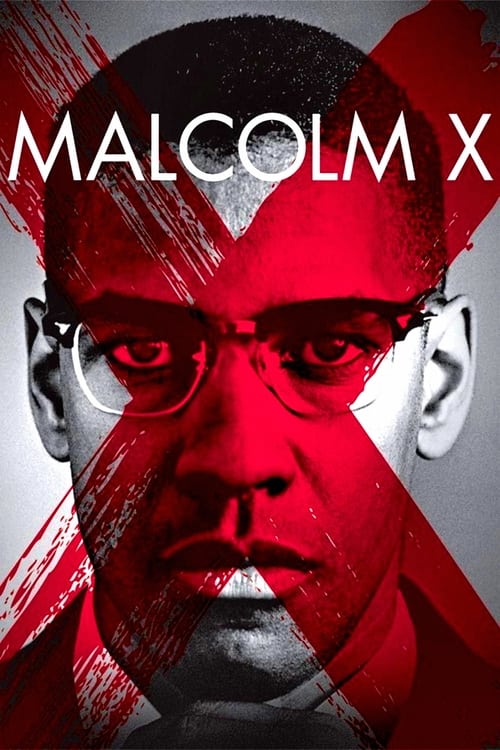
Malcolm X
1992A tribute to the controversial black activist and leader of the struggle for black liberation. He hit bottom during his imprisonment in the '50s, he became a Black Muslim and then a leader in the Nation of Islam. His assassination in 1965 left a legacy of self-determination and racial pride.
Hall brings a profound, understated dignity to Baines, portraying the spiritual conversion of Malcolm X with a quiet intensity that bypasses showiness for soulfulness. He proves himself a master of the reaction shot, using steady gazes to convey the weight of religious devotion and ideological shifts.

Apocalypse Now
1979At the height of the Vietnam war, Captain Benjamin Willard is sent on a dangerous mission that, officially, "does not exist, nor will it ever exist." His goal is to locate - and eliminate - a mysterious Green Beret Colonel named Walter Kurtz, who has been leading his personal army on illegal guerrilla missions into enemy territory.
As Chief Phillips, Hall anchors the chaotic voyage into madness with a rigid, disciplined authority that serves as the film’s moral compass. His ability to project simmering frustration against the backdrop of psychedelic warfare remains the vital, human heartbeat of the PBR Street Hill crew.
Frequently Asked Questions
Everything you need to know about this list and SnakeDrafts
- Albert Hall's performances are marked by a powerful yet understated presence, using a steady gaze and measured delivery to command scenes without shouting. This screen dignity creates a timeless authenticity, making his roles in films like Apocalypse Now and Malcolm X memorable and impactful.
- In thrillers like Music Box and Devil in a Blue Dress, Albert Hall enhances dramatic tension through his nuanced portrayals of complex characters. His ability to convey subtle emotion adds layers of intrigue and depth, elevating the suspense and mystery essential to these films.
- Albert Hall's filmography spans a remarkable range of genres, including war dramas like Apocalypse Now, historical biopics such as Ali, crime thrillers like Devil in a Blue Dress, and even family comedies like Major Payne. This versatility underscores his talent for adapting to varied storytelling styles and character demands.
- Get on the Bus, directed by Spike Lee, features Albert Hall in a film that tackles important themes of African American identity and social justice. Hall's involvement in such projects highlights his dedication to roles that engage with meaningful historical and cultural narratives.
- In ensemble films like The Fabulous Baker Boys, Albert Hall provides a strong supporting presence that enriches the overall dynamic. His nuanced acting balances and enhances the performances of lead actors, contributing to the film's emotional resonance and narrative depth.
- Albert Hall's portrayals in Malcolm X and Leadbelly bring authenticity and gravity to the depiction of significant historical periods and figures. His commitment to accurate, compelling performances helps audiences connect more deeply with the cultural and historical contexts of these films.
- Albert Hall is revered for his consistent ability to deliver grounded, impactful performances regardless of a film's scale. His calm yet commanding screen presence ensures that he remains a memorable and respected figure in both blockbuster productions and independent cinema.