William H. Macy’s Greatest Movie Roles Ranked
The Essential Filmography of a Character Acting Legend
Explore the finest films of William H. Macy, from his Oscar-nominated turn in Fargo to indie gems like The Cooler and Magnolia.
About William H. Macy
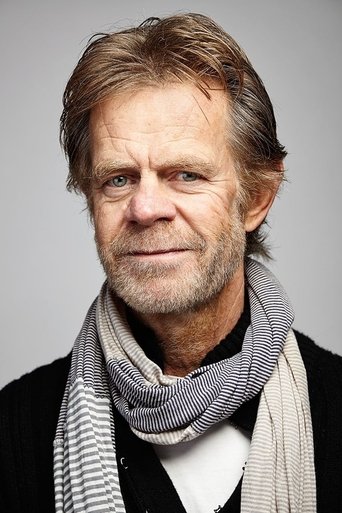
William H. Macy possesses a face that seems to hold the collective anxieties of the American middle class. With his heavy brow and eyes that shift perpetually between desperate optimism and quiet defeat, he has spent decades perfecting the art of the lovable loser. While Hollywood often prioritizes the chiseled jawlines of traditional leading men, he carved out a singular space as the patron saint of the overlooked. He is the man you pass in the supermarket who is silently worrying about his mortgage, yet he elevates that common struggle into something operatic.
The world truly woke up to his genius through the lens of the Coen brothers in Fargo. As Jerry Lundegaard, the car salesman whose ineptitude spirals into tragedy, he managed to be both a villain and a victim of his own profound mediocrity. It was a performance that defined a specific kind of Midwestern pathetic, and it set the stage for a career built on characters who are perpetually treading water. Audiences do not just watch him; they root for him to finally catch a break, even when his characters are their own worst enemies.
This specialized vulnerability made him a favorite for directors like Paul Thomas Anderson, who utilized his nervous energy to ground the sprawling ensembles of Boogie Nights and Magnolia. In those films, he serves as a human bruise, absorbing the chaos around him with a weary dignity. Yet, he is far more versatile than a mere punching bag. He flashed comedic cynicism in Thank You for Smoking and delivered sharp, authoritative support in The Lincoln Lawyer. Whether playing the fast talking track announcer in Seabiscuit or the misguided father in Pleasantville, he brings a lived in reality that makes the fantastical feel grounded.
His reputation as an actors actor was cemented by his ability to vanish into roles that require deep empathy. In The Sessions, he provided the spiritual backbone as a progressive priest, while in Room, he captured the jagged, uncomfortable edges of family trauma. Even in high octane thrillers like Cellular or the gritty political world of Spartan, he never plays a caricature. He finds the pulse of a real person under the pressure of the plot.
Perhaps his greatest cultural impact lies in how he redefined the loser as a protagonist. He does not play these men with judgment; he plays them with a bone deep understanding of how life can slowly grind a person down. He makes failure feel profound. From the smoky casinos of The Cooler to the frantic political spin of Wag the Dog, he remains the most relatable man on screen. We connect with him because he mirrors our own insecurities back at us, reminding us that even in our most desperate scrambles for dignity, there is a certain grace to be found in simply showing up. He is the definitive character actor who proved that the guy on the sidelines usually has the most interesting story to tell.
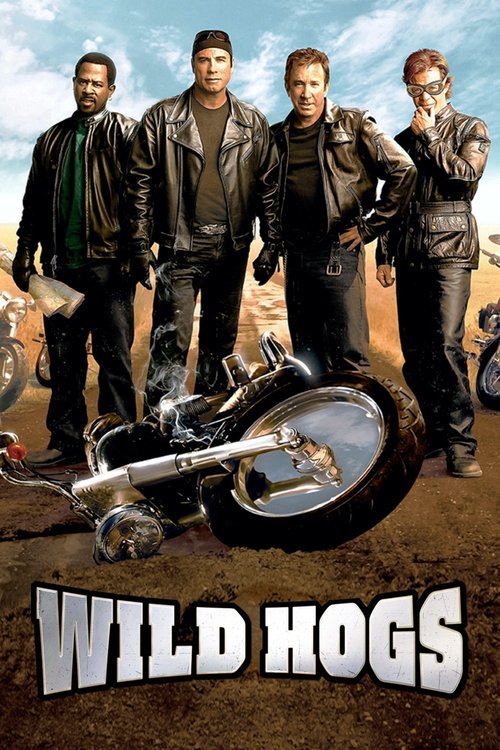
Wild Hogs
2007Restless and ready for an adventure, four suburban bikers leave the safety of their subdivision and head out on the open road. But complications ensue when they cross paths with an intimidating band of New Mexico bikers known as the Del Fuegos.

Jurassic Park III
2001In need of funds for research, Dr. Alan Grant accepts a large sum of money to accompany Paul and Amanda Kirby on an aerial tour of the infamous Isla Sorna. It isn't long before all hell breaks loose and the stranded wayfarers must fight for survival as a host of new -- and even more deadly -- dinosaurs try to make snacks of them.
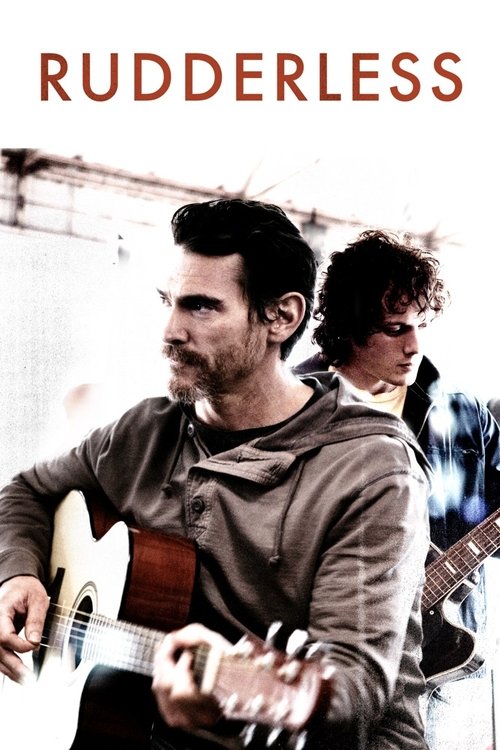
Rudderless
2014A grieving father in a downward spiral stumbles across a box of his recently deceased son's demo tapes and lyrics. Shocked by the discovery of this unknown talent, he forms a band in the hope of finding some catharsis.
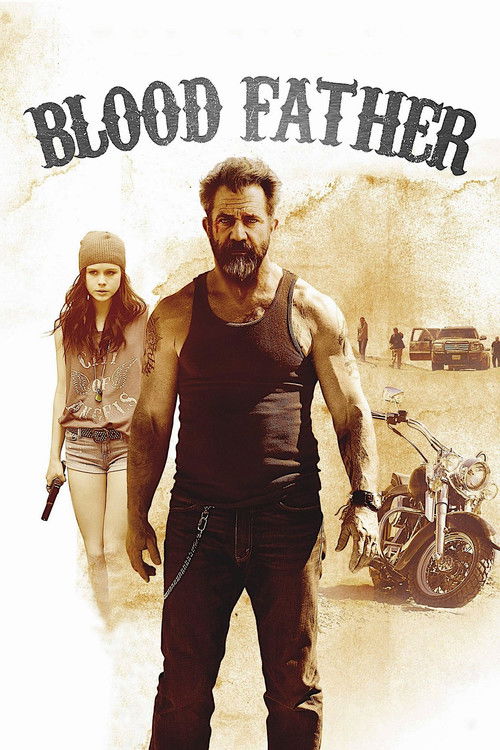
Blood Father
2016An ex-con reconnects with his estranged teenage daughter while fighting to keep her alive after she becomes a target of violent drug dealers.
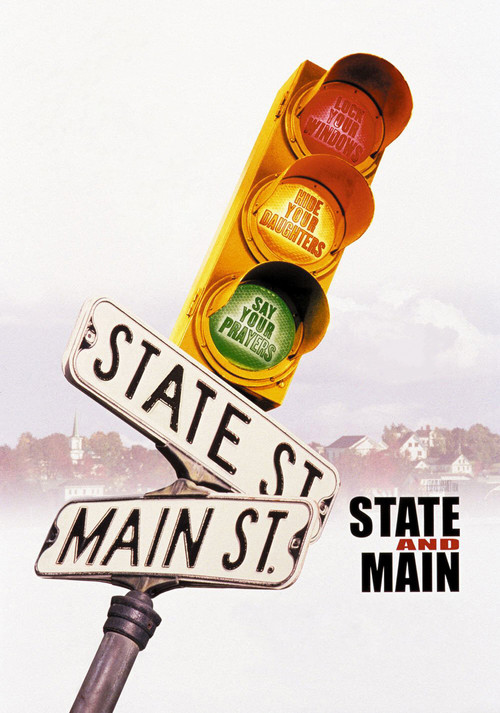
State and Main
2000The residents of a small Vermont town don't know what hit them when a beleaguered Hollywood film crew brings a chaotic shoot to their quaint village.
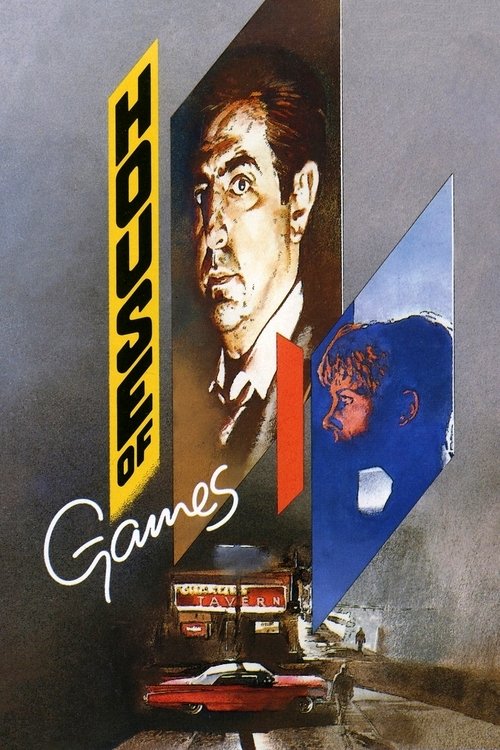
House of Games
1987A psychiatrist comes to the aid of a compulsive gambler and is led by a smooth-talking grifter into the shadowy but compelling world of stings, scams, and con men.

WarGames
1983High school student David Lightman has a talent for hacking. But while trying to hack into a computer system to play unreleased video games, he unwittingly taps into the Department of Defense's war computer and initiates a confrontation of global proportions. Together with his friend and a wizardly computer genius, David must race against time to outwit his opponent and prevent a nuclear Armageddon.

Spartan
2004U.S. government agent Scott is assigned to rescue the daughter of a high-ranking government official. As willing as he is to bend the rules to get things done, though, Scott is shocked to find that others are willing to go even further to protect a political career.
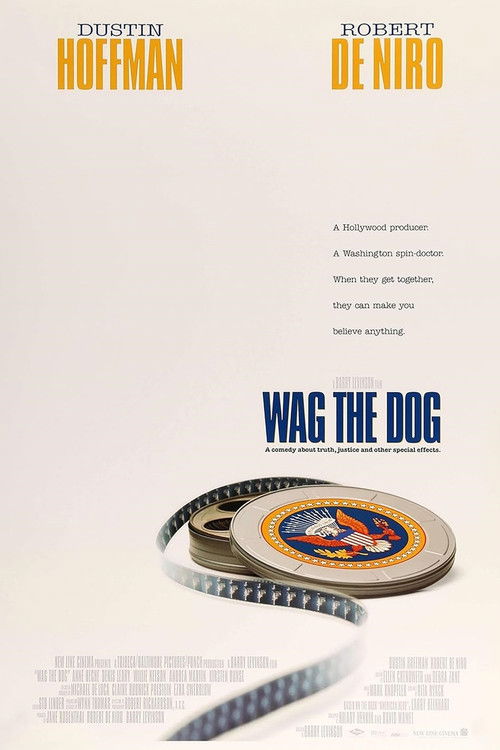
Wag the Dog
1997During the final weeks of a presidential race, the President is accused of sexual misconduct. To distract the public until the election, the President's adviser hires a Hollywood producer to help him stage a fake war.
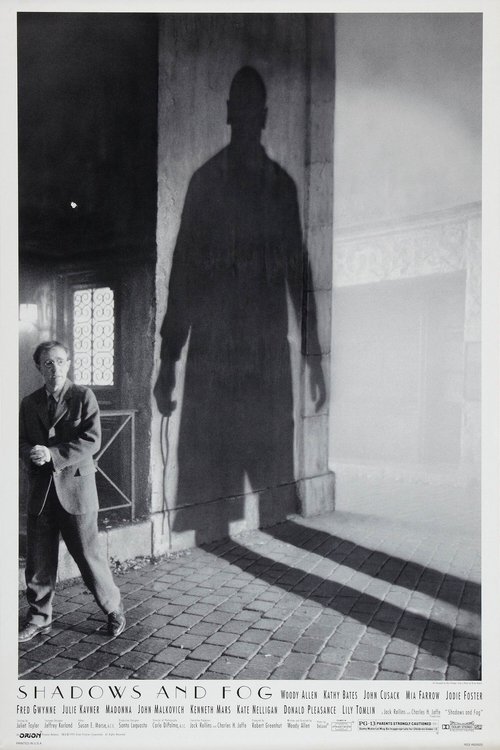
Shadows and Fog
1991With a serial strangler on the loose, a bookkeeper wanders around town searching for the vigilante group intent on catching the killer.
Mr. Holland's Opus
1995In 1965, passionate musician Glenn Holland takes a day job as a high school music teacher, convinced it's just a small obstacle on the road to his true calling: writing a historic opus. As the decades roll by with the composition unwritten but generations of students inspired through his teaching, Holland must redefine his life's purpose.
Thank You for Smoking
2005Nick Naylor is a charismatic spin-doctor for Big Tobacco who'll fight to protect America's right to smoke -- even if it kills him -- while still remaining a role model for his 12-year old son. When he incurs the wrath of a senator bent on snuffing out cigarettes, Nick's powers of "filtering the truth" will be put to the test.
Seabiscuit
2003True story of the undersized Depression-era racehorse whose victories lifted not only the spirits of the team behind it but also those of their nation.
As a rapid fire radio announcer, Macy provides the film’s rhythmic heartbeat through a flamboyant, auditory performance. He demonstrates immense range by trading his typical reserved angst for a punchy, theatrical charisma that defines the movie's historical texture.

The Sessions
2012Though a childhood bout with polio left him dependent on an iron lung, Mark O'Brien maintains a career as a journalist and poet. A writing assignment dealing with sex and the disabled piques Mark's curiosity, and he decides to investigate the possibility of experiencing sex himself. When his overtures toward a caregiver scare her away, he books an appointment with sex surrogate Cheryl Cohen-Greene to lose his virginity.
Playing a priest tasked with navigating complex sexual ethics, Macy offers a warm and refreshingly nonjudgmental presence. He uses his trademark vulnerability to bridge the gap between spiritual devotion and human desire.
The Cooler
2003Bernie works at a Las Vegas casino, where he uses his innate ability to bring about misfortune in those around him to jinx gamblers into losing. His imposing boss, Shelly Kaplow, is happy with the arrangement. But Bernie finds unexpected happiness when he begins dating attractive waitress Natalie Belisario.
Macy leans into his unique ability to play a man for whom the universe has a personal vendetta, finding a strange nobility in chronic misfortune. This performance proves he can carry a romantic lead role provided the romance is as bruised and battered as the protagonist.
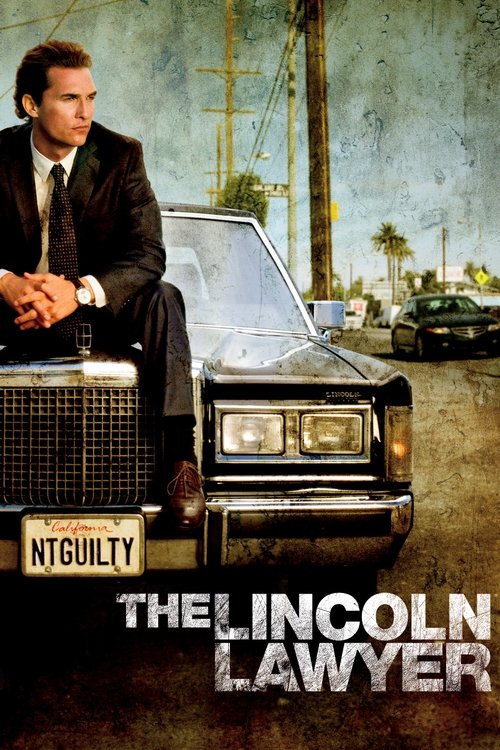
Mick Haller is a charismatic defense attorney who does business out of his Lincoln Continental sedan. Mick spends most of his time defending petty crooks and other bottom-feeders, so it comes as quite a surprise when he lands the case of a lifetime: defending a Beverly Hills playboy who is accused of attempted murder. However, what Mick initially thinks is an open-and-shut case with a big monetary reward develops into something more sinister.
As the shaggy, streetwise investigator, Macy serves as the moral and aesthetic foil to the slick legal world surrounding him. His chemistry with the lead feels lived in and effortless, providing the film with its underlying sense of loyalty and grit.
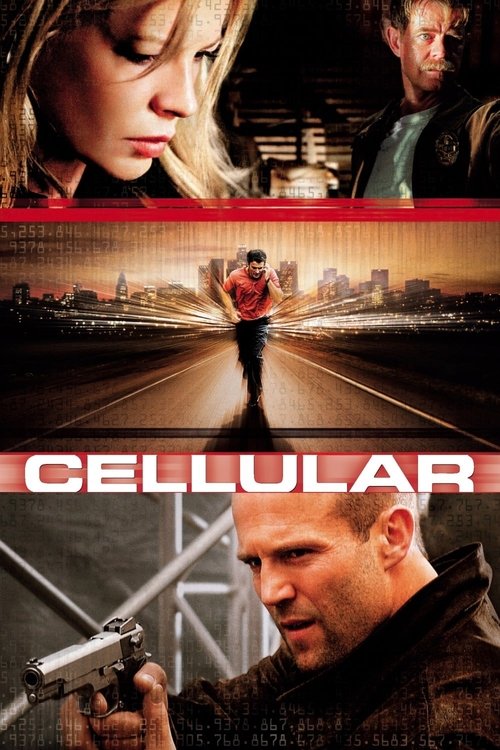
Cellular
2004A young man receives an emergency phone call on his cell phone from an older woman. She claims to have been kidnapped – and the kidnappers have targeted her husband and child next.
Stepping into a rare genre turn, he provides the narrative with a much needed sense of blue collar weary integrity. He elevates a popcorn thriller by playing a cop who relies on seasoned intuition rather than cinematic bravado.

Room
2015Held captive for 7 years in an enclosed space, a woman and her young son finally gain their freedom, allowing the boy to experience the outside world for the first time.
Macy occupies a difficult, peripheral space here by projecting the agonizing discomfort of a grandfather unable to process a trauma he did not witness. It is a sharp, necessary injection of cold reality that grounds the film’s more ethereal moments of recovery.
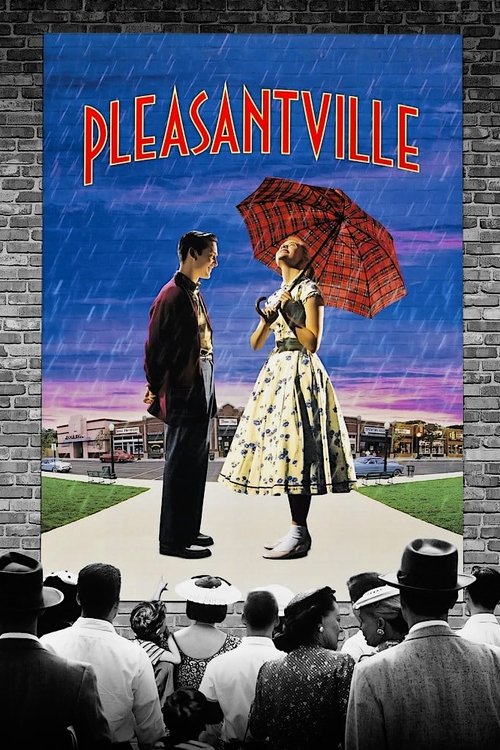
Pleasantville
1998Geeky teenager David and his popular twin sister, Jennifer, get sucked into the black-and-white world of a 1950s TV sitcom called "Pleasantville," and find a world where everything is peachy keen all the time. But when Jennifer's modern attitude disrupts Pleasantville's peaceful but boring routine, she literally brings color into its life.
As the quintessential 1950s father whose reality is literally losing its color, Macy finds the profound humanity within a satirical archetype. He transitions from a rigid sitcom caricature to a man experiencing a radical emotional awakening with subtle, surgical precision.

Magnolia
1999On one random day in the San Fernando Valley, a dying father, a young wife, a male caretaker, a famous lost son, a police officer in love, a boy genius, an ex-boy genius, a game show host and an estranged daughter will each become part of a dazzling multiplicity of plots, but one story.
Portraying a former child prodigy trapped in a cycle of adult obsolescence, Macy explores the grotesque side of yearning. He masterfully navigates the fine line between absurdity and genuine pathos, embodying the stinging ache of being forgotten by time.
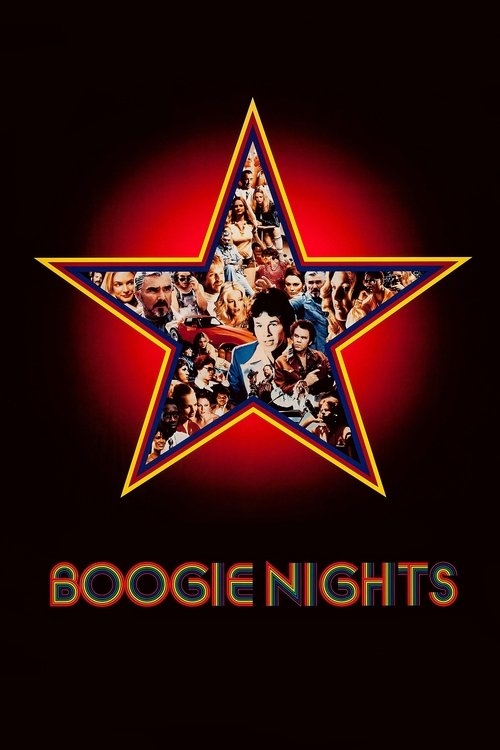
Boogie Nights
1997Set in 1977, back when sex was safe, pleasure was a business and business was booming, idealistic porn producer Jack Horner aspires to elevate his craft to an art form. Horner discovers Eddie Adams, a hot young talent working as a busboy in a nightclub, and welcomes him into the extended family of movie-makers, misfits and hangers-on that are always around. Adams' rise from nobody to a celebrity adult entertainer is meteoric, and soon the whole world seems to know his porn alter ego, "Dirk Diggler". Now, when disco and drugs are in vogue, fashion is in flux and the party never seems to stop, Adams' dreams of turning sex into stardom are about to collide with cold, hard reality.
In a sprawling ensemble, Macy captures the tragic soul of the 1970s adult film industry through a character defined by peripheral humiliation. His quiet, crumbling dignity serves as the film's most heartbreaking anchor, proving he could steal scenes without ever raising his voice.
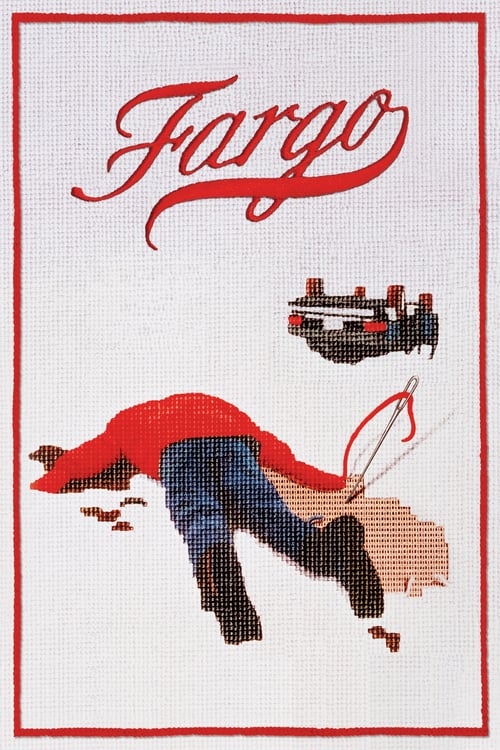
Fargo
1996Jerry, a small-town Minnesota car salesman is bursting at the seams with debt... but he's got a plan. He's going to hire two thugs to kidnap his wife in a scheme to collect a hefty ransom from his wealthy father-in-law. It's going to be a snap and nobody's going to get hurt... until people start dying. Enter Police Chief Marge, a coffee-drinking, parka-wearing - and extremely pregnant - investigator who'll stop at nothing to get her man. And if you think her small-time investigative skills will give the crooks a run for their ransom... you betcha!
Macy weaponizes midwestern suburban desperation to create Jerry Lundegaard, a man whose internal collapse is as frozen and desolate as the landscape. This role solidified his status as the premier architect of the pathetic, transforming a legacy of stammering inadequacy into an Oscar nominated masterclass.
Frequently Asked Questions
Everything you need to know about this list and SnakeDrafts
- William H. Macy's portrayal of Jerry Lundegaard in 'Fargo' (1996) is ranked highest due to its blend of dark humor and suspense, showcasing his unique ability to play a desperate, flawed character. This role earned him critical acclaim and an Oscar nomination, cementing his place as a standout character actor.
- Macy's roles in 'Boogie Nights' (1997) and 'Magnolia' (1999) highlight his versatility and skill in ensemble casts, offering deeply human and nuanced performances that contribute significantly to these critically acclaimed dramas.
- In 'The Cooler' (2003), Macy plays a melancholic but charming character whose luck changes through love, showcasing his ability to embody complex emotional states and earn empathy from the audience, a key reason this film features prominently on the list.
- Yes, films like 'Cellular' (2004) and 'Spartan' (2004) might be unexpected due to their thriller and action elements, demonstrating Macy's range beyond the typical dramatic or comedic roles he's known for, expanding his artistic footprint.
- In 'Pleasantville' (1998), Macy's performance balances comedy, drama, and fantasy elements, capturing the transformation of his character within a nostalgic yet socially critical narrative, which adds depth and charm to this unique film.
- The list emphasizes Macy's frequent exploration of flawed, relatable characters often caught in moral or emotional dilemmas, reflecting his trademark as the quintessential 'lovable loser' and champion of the everyday American struggle.
- In 'Room' (2015), Macy delivers a restrained and empathetic performance that supports the intense emotional storyline, showing his ability to provide solid, understated support in powerful dramas, distinct from his more overtly quirky or dramatic roles.