The Best Harvey Keitel Movies Ranked
The Ultimate Gritty Filmography of a Hollywood Icon
Discover the finest performances by Harvey Keitel, from Scorsese masterpieces and Tarantino classics to acclaimed independent dramas.
About Harvey Keitel

To watch Harvey Keitel on screen is to witness a perpetual state of combustion. He possesses a specific kind of New York gravity, a density of spirit that makes him seem both immovable and dangerously volatile. For over half a century, he has functioned as the jagged moral compass of American independent cinema, often playing men caught in the agonizing friction between their basest instincts and a desperate, yearning spirituality. He doesn't just inhabit a role; he stalks it, bringing a street-level grit that feels less like acting and more like a confession.
The legend began in the steam-filled gutters of 1970s Manhattan, where his creative symbiosis with Martin Scorsese redefined the cinematic tough guy. In Mean Streets, he provided the soul-searching anchor to De Niro's chaos, and in Taxi Driver, he turned a predatory pimp into a figure of terrifying, oily charisma. These early collaborations established his reputation as an actor willing to explore the unvarnished, often ugly truths of the human condition. While other leading men of his generation pivoted toward polished heroism, Keitel leaned into the shadows. He became the patron saint of the flawed man, a role he perfected in the visceral, soul-baring intensity of Bad Lieutenant, a performance so raw it remains a benchmark for fearless vulnerability.
Keitel’s career is defined by a fierce loyalty to visionaries. He was the secret ingredient that helped launch the 1990s indie revolution, lending his immense gravitas to a then-unknown Quentin Tarantino. His portrayal of Mr. White in Reservoir Dogs brought a paternal, tragic weight to a stylized heist gone wrong, while his effortless cool as Winston Wolf in Pulp Fiction proved he could command a room with a single dry observation. Whether he is playing a Brooklyn cigar shop philosopher in Smoke or a corrupt officer in the suburban pressure cooker of Cop Land, there is an inherent dignity he affords every character, no matter how compromised their morals might be.
What draws audiences to him is this refusal to blink. Even in a sprawling epic like The Irishman, where he reunited with his old guard of Scorsese and De Niro, he commands the frame with a quiet, lethal economy of movement. He can play the rugged, tattooed frontiersman in The Piano just as convincingly as a heavy-metal Judas Iscariot in The Last Temptation of Christ. There is no vanity in his work, only a relentless search for what is real. This authenticity allows him to slip seamlessly into the fantastical worlds of Wes Anderson, where he brings a grounded, deadpan humanity to the whimsical geometries of The Grand Budapest Hotel.
Even when he’s playing the law, as the sympathetic detective in Thelma & Louise or the weary investigator in Clockers, Keitel carries the air of a man who has seen too much but refuses to look away. He remains the ultimate actor’s actor, a performer who values the texture of a scene over the spotlight of a close-up. He is the bridge between the Method-heavy intensity of the New Hollywood era and the postmodern irony of today. To look at his filmography—stretching from the assembly lines of Blue Collar to the blood-soaked bars of From Dusk Till Dawn—is to see a map of the American psyche, rendered in shades of grey by a man who understands that the most interesting stories are found in the struggle to be good in a world that rarely rewards it.
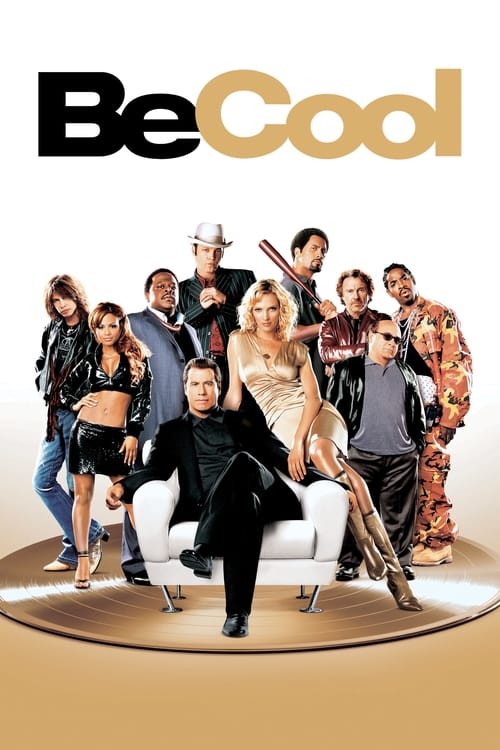
Be Cool
2005Disenchanted with the movie industry, Chili Palmer tries the music industry, meeting and romancing a widow of a music executive along the way.
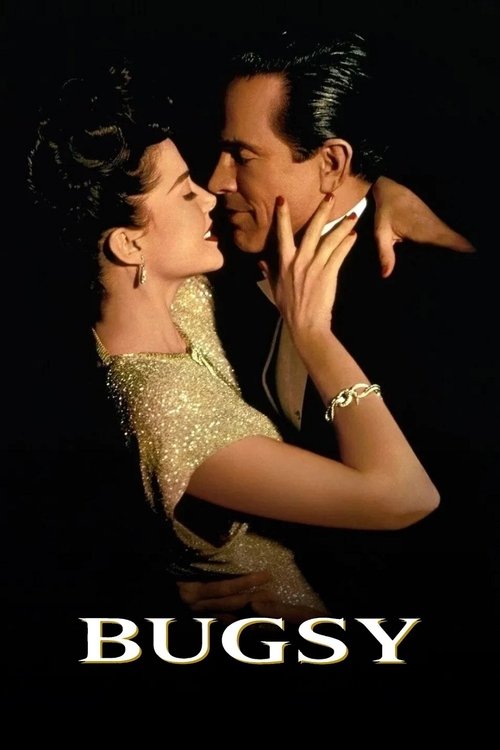
Bugsy
1991New York gangster Ben 'Bugsy' Siegel takes a brief business trip to Los Angeles. A sharp-dressing womanizer with a foul temper, Siegel doesn't hesitate to kill or maim anyone crossing him. In L.A. the life, the movies, and most of all strong-willed Virginia Hill detain him while his family wait back home. Then a trip to a run-down gambling joint at a spot in the desert known as Las Vegas gives him his big idea.
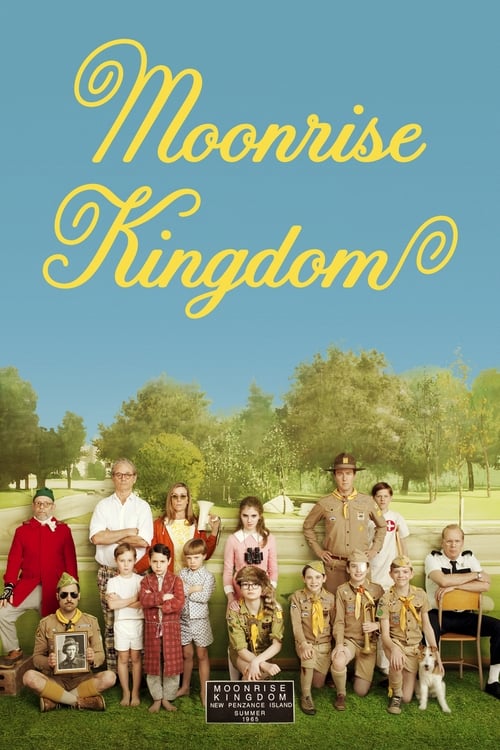
Moonrise Kingdom
2012Set on an island off the coast of New England in the summer of 1965, Moonrise Kingdom tells the story of two twelve-year-olds who fall in love, make a secret pact, and run away together into the wilderness. As various authorities try to hunt them down, a violent storm is brewing off-shore – and the peaceful island community is turned upside down in more ways than anyone can handle.
The Grey Zone
2001The story of Auschwitz's twelfth Sonderkommando — one of the thirteen consecutive "Special Squads" of Jewish prisoners placed by the Nazis in the excruciating moral dilemma of assisting in the extermination of fellow Jews in exchange for a few more months of life.
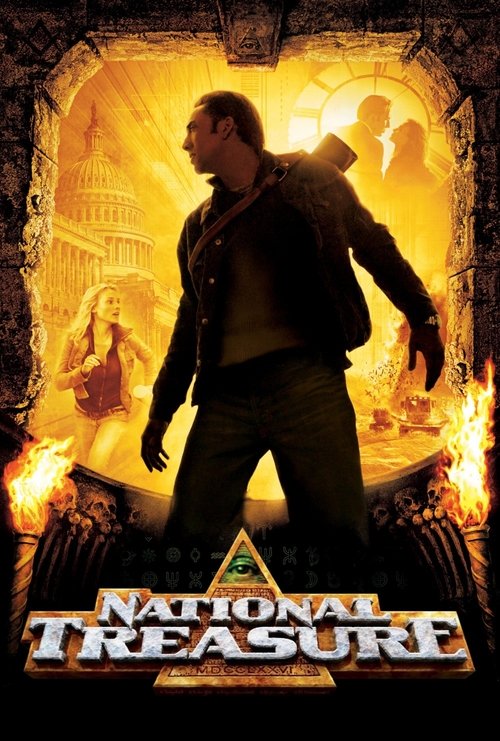
National Treasure
2004Modern treasure hunters, led by archaeologist Ben Gates, search for a chest of riches rumored to have been stashed away by George Washington, Thomas Jefferson and Benjamin Franklin during the Revolutionary War. The chest's whereabouts may lie in secret clues embedded in the Constitution and the Declaration of Independence, and Gates is in a race to find the gold before his enemies do.
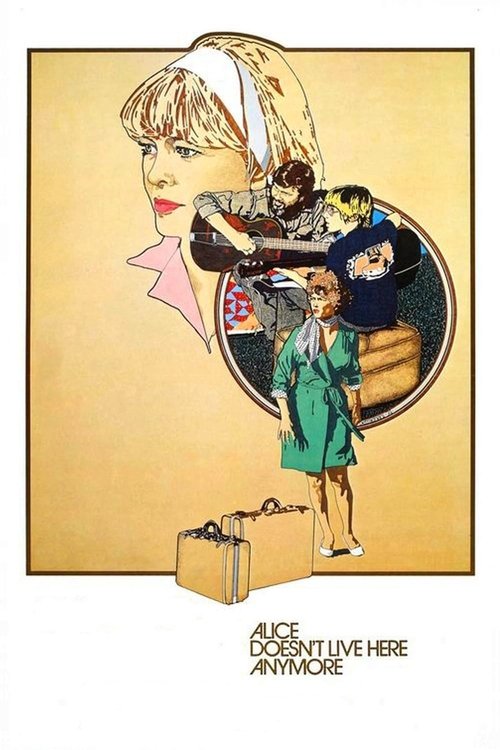
Alice Doesn't Live Here Anymore
1974After her husband dies, Alice and her son, Tommy, leave their small New Mexico town for California, where Alice hopes to make a new life for herself as a singer. Money problems force them to settle in Arizona instead, where Alice takes a job as waitress in a small diner.
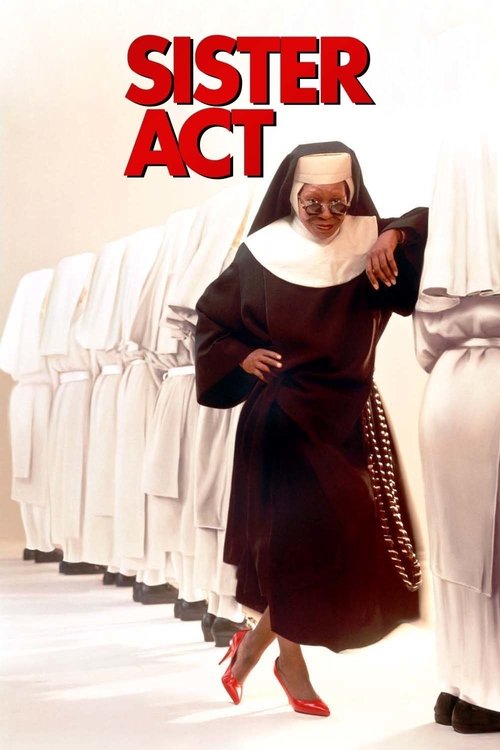
Sister Act
1992A Reno singer witnesses a mob murder and the cops stash her in a nunnery to protect her from the mob's hitmen. The mother superior does not trust her, and takes steps to limit her influence on the other nuns. Eventually the singer rescues the failing choir and begins helping with community projects, which gets her an interview on TV—and identification by the mob.

Clockers
1995Strike is a young city drug pusher under the tutelage of drug lord Rodney Little. When a night manager at a fast-food restaurant is found with four bullets in his body, Strike’s older brother turns himself in as the killer. Detective Rocco Klein doesn’t buy the story, however, setting out to find the truth, and it seems that all the fingers point toward Strike & Rodney.
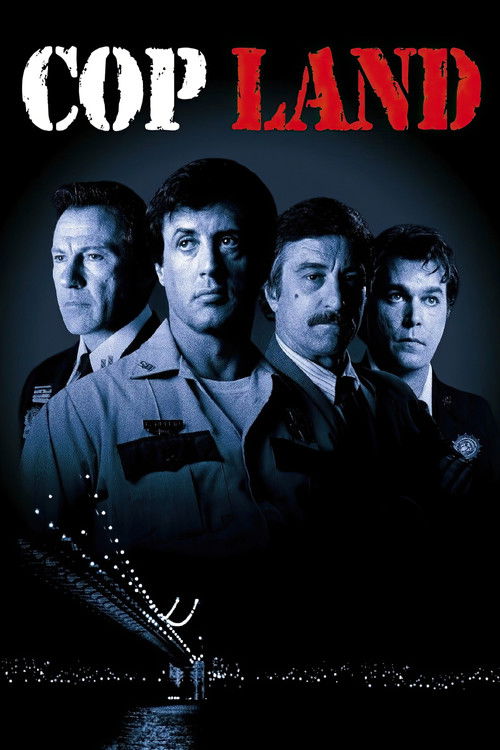
Cop Land
1997Freddy Heflin is the sheriff of a place everyone calls “Cop Land” — a small and seemingly peaceful town populated by the big city police officers he’s long admired. Yet something ugly is taking place behind the town’s peaceful facade. And when Freddy uncovers a massive, deadly conspiracy among these local residents, he is forced to take action and make a dangerous choice between protecting his idols and upholding the law.

The Grand Budapest Hotel tells of a legendary concierge at a famous European hotel between the wars and his friendship with a young employee who becomes his trusted protégé. The story involves the theft and recovery of a priceless Renaissance painting, the battle for an enormous family fortune and the slow and then sudden upheavals that transformed Europe during the first half of the 20th century.
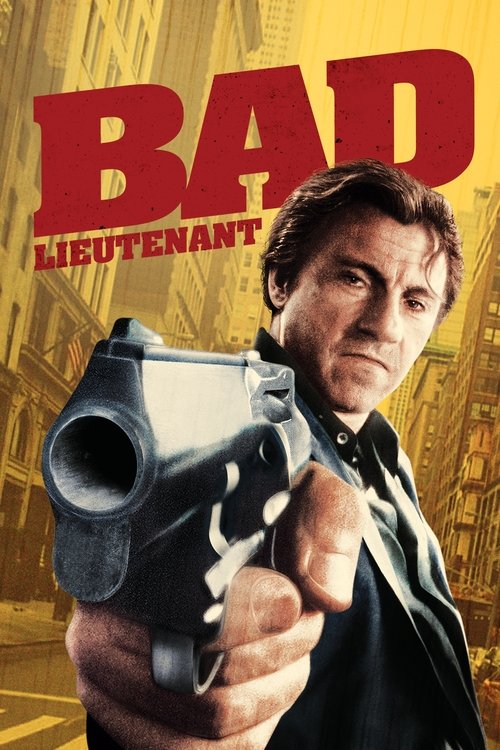
Bad Lieutenant
1992While investigating a young nun's rape, a corrupt New York City police detective, with a serious drug and gambling addiction, tries to change his ways and find forgiveness.
Jesus, a humble Judean carpenter beginning to see that he is the son of God, is drawn into revolutionary action against the Roman occupiers by Judas -- despite his protestations that love, not violence, is the path to salvation. The burden of being the savior of mankind torments Jesus throughout his life, leading him to doubt.
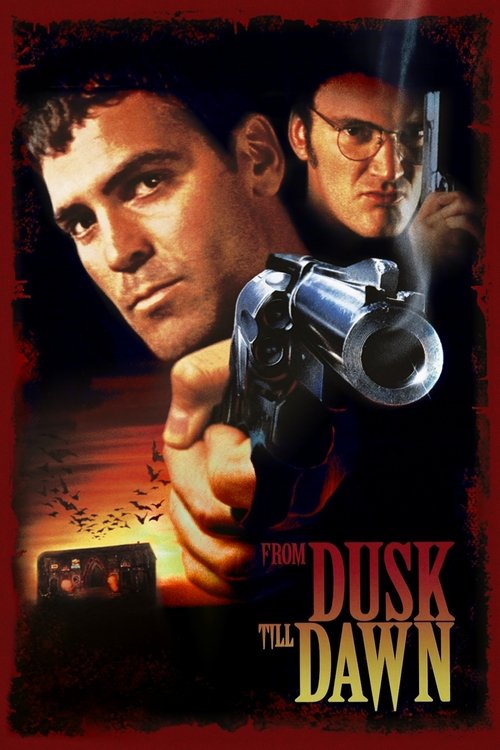
After kidnapping a father and his two kids, the Gecko brothers head south to a seedy Mexican bar to hide out in safety, unaware of its notorious vampire clientele.
Keitel grounds this genre-bending bloodbath with a surprisingly sturdy performance as a faith-challenged preacher, providing the necessary gravel in a world of cartoonish violence. He lends the film a grit and gravitas that makes the shift from heist thriller to supernatural horror feel earned.
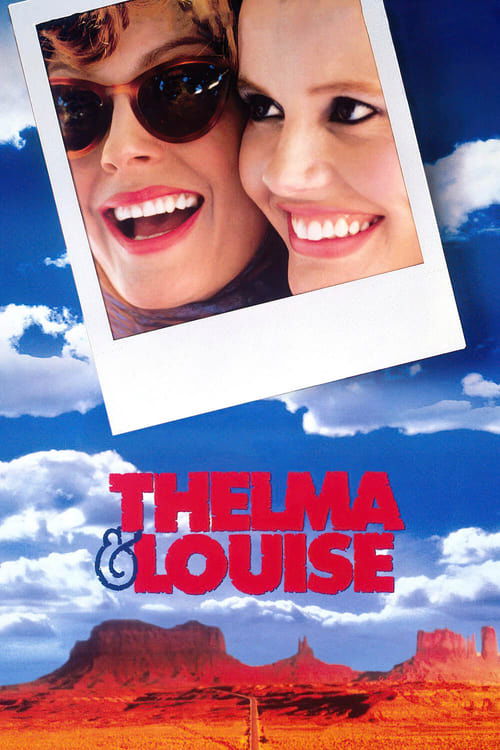
Thelma & Louise
1991Taking a break from their dreary lives, close friends Thelma and Louise embark on a short weekend trip that ends in unforeseen incriminating circumstances. As fugitives, both women rediscover the strength of their bond and their newfound resilience.
Playing the rare sympathetic voice of the law, Keitel brings a weary decency to the hunt, acting as the audience's moral surrogate in a world of toxic masculinity. He avoids the clichés of the procedural cop by injecting the role with a profound sense of melancholy and missed connection.
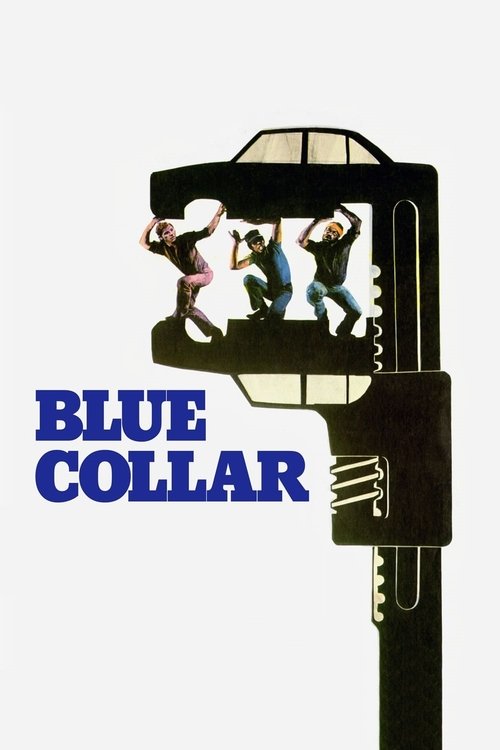
Blue Collar
1978Fed up with mistreatment at the hands of both management and union brass, and coupled with financial hardships on each man's end, three auto assembly line workers hatch a plan to rob a safe at union headquarters.
Embedded within Paul Schrader’s gritty industrial landscape, Keitel portrays a man slowly crushed by a system he thought he could navigate, radiating a desperate, blue-collar exhaustion. It remains one of his most politically charged roles, highlighting his knack for portraying the psychological toll of the American dream.
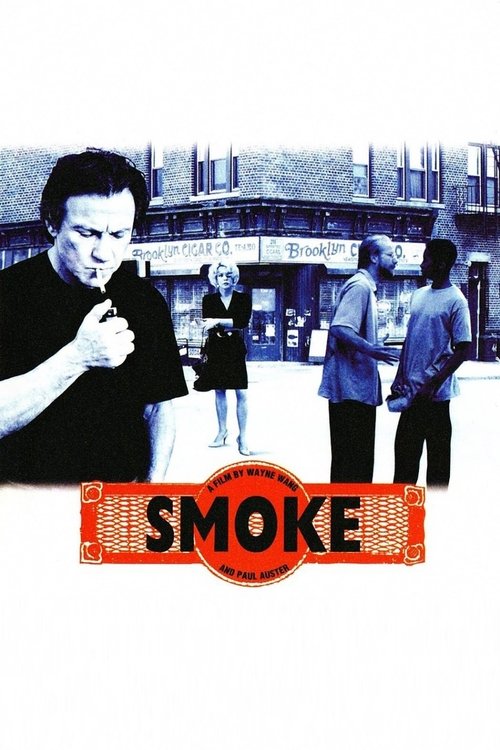
Smoke
1995Writer Paul Benjamin is nearly hit by a bus when he leaves Auggie Wren's smoke shop. Stranger Rashid Cole saves his life, and soon middle-aged Paul tells homeless Rashid that he wouldn't mind a short-term housemate. Still grieving over his wife's murder, Paul is moved by both Rashid's quest to reconnect with his father and Auggie's discovery that a woman who might be his daughter is about to give birth.
Anchoring this Brooklyn tapestry with a weathered, observational grace, Keitel delivers his most philosophical work as a cigar shop owner who understands the value of a slow burn. He ditches the bravado for a contemplative stillness, proving his ability to carry a film through dialogue and empathetic listening alone.
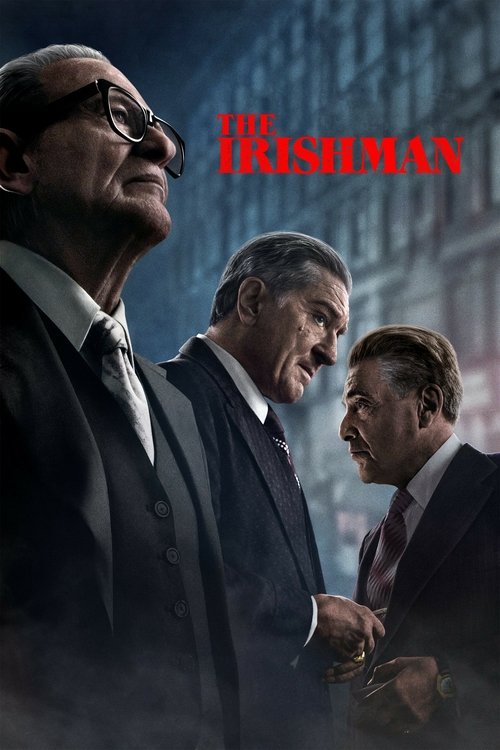
The Irishman
2019Pennsylvania, 1956. Frank Sheeran, a war veteran of Irish origin who works as a truck driver, accidentally meets mobster Russell Bufalino. Once Frank becomes his trusted man, Bufalino sends him to Chicago with the task of helping Jimmy Hoffa, a powerful union leader related to organized crime, with whom Frank will maintain a close friendship for nearly twenty years.
Keitel thrives in the quiet, looming shadow of Angelo Bruno, exerting power through stillness rather than the kinetic outbursts of his earlier work. His presence serves as a bridge to the genre’s history, providing a dignified, menacing weight to the film’s elegiac exploration of loyalty.

The Piano
1993When an arranged marriage brings Ada and her spirited daughter to the wilderness of nineteenth-century New Zealand, she finds herself locked in a battle of wills with both her controlling husband and a rugged frontiersman to whom she develops a forbidden attraction.
Subverting his tough-guy persona, Keitel leans into a raw, tactile vulnerability as the illiterate frontiersman who finds an erotic language in silence. This role redefined his career trajectory, showcasing a soulful masculinity that was as rugged as it was unexpectedly tender.
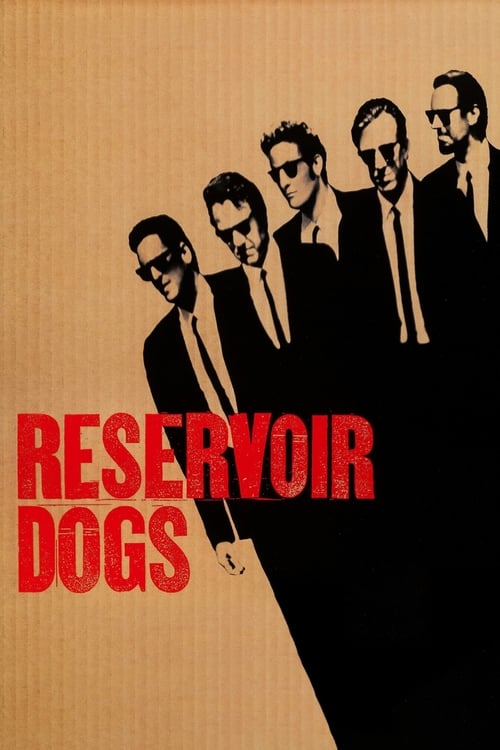
Reservoir Dogs
1992A botched robbery indicates a police informant, and the pressure mounts in the aftermath at a warehouse. Crime begets violence as the survivors -- veteran Mr. White, newcomer Mr. Orange, psychopathic parolee Mr. Blonde, bickering weasel Mr. Pink and Nice Guy Eddie -- unravel.
As the moral anchor in a sea of sociopaths, Keitel provides the emotional ballast that grounds Tarantino’s hyper-stylized debut. His portrayal of Mr. White balances professional coldness with a fatal fatherly streak, signaling his transition from New Hollywood veteran to the elder statesman of 1990s independent cinema.
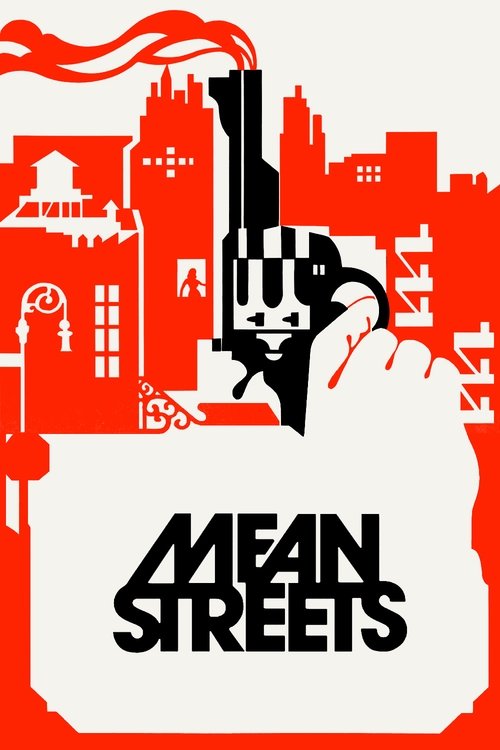
Mean Streets
1973A small-time hood must choose from among love, friendship and the chance to rise within the mob.
Serving as the conflicted spiritual center of Scorsese’s breakthrough, Keitel captures the internal rot of a man caught between Catholic guilt and the violent demands of the street. It is the definitive blueprint for his career, establishing the restless, searching intensity that would become his trademark.
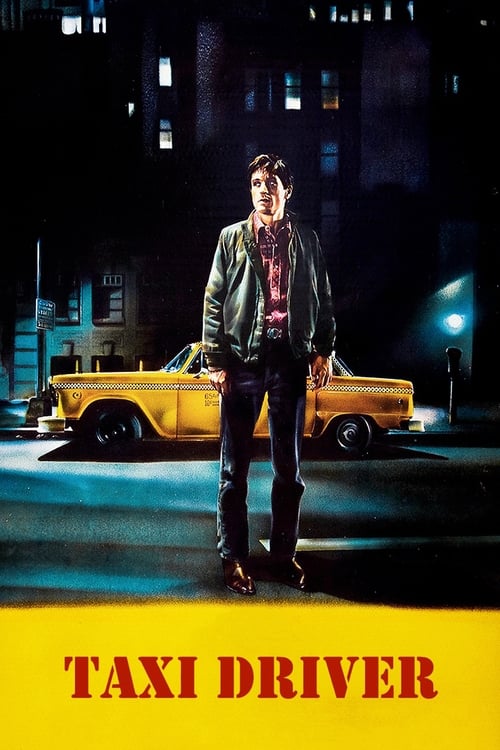
Taxi Driver
1976Suffering from insomnia, disturbed loner Travis Bickle takes a job as a New York City cabbie, haunting the streets nightly, growing increasingly detached from reality as he dreams of cleaning up the filthy city.
Keitel disappears into the sleaze of Sport, a manipulative pimp whose skin-crawling charm provides a terrifyingly human face to the urban decay of Scorsese’s New York. It is a masterclass in subtlety, proving he could command the screen even while playing a character designed to be utterly repulsive.
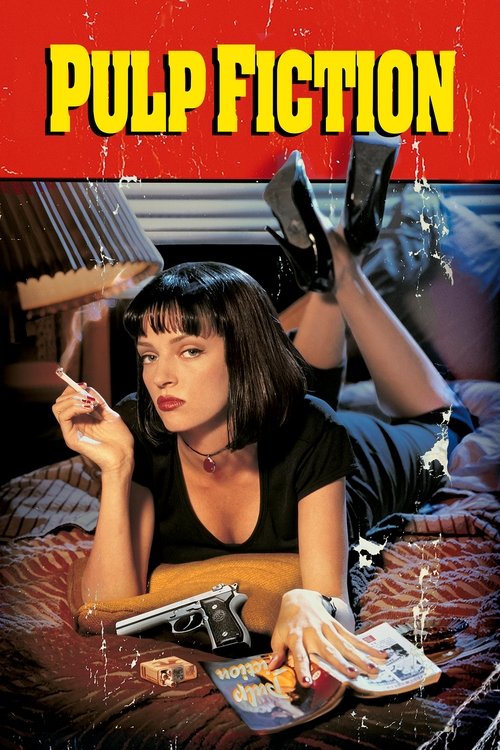
Pulp Fiction
1994A burger-loving hit man, his philosophical partner, a drug-addled gangster's moll and a washed-up boxer converge in this sprawling, comedic crime caper. Their adventures unfurl in three stories that ingeniously trip back and forth in time.
In a brief but surgical performance, Keitel embodies the ultimate cinematic fixer, radiating a zen-like authority that instantly stabilizes the film’s chaotic second act. He functions as the ultimate tribute to his own legacy, playing Winston Wolfe with a tuxedoed precision that only an actor of his stature could earn.
Frequently Asked Questions
Everything you need to know about this list and SnakeDrafts
- The list highlights several significant collaborations between Harvey Keitel and Martin Scorsese, including 'Taxi Driver,' 'Mean Streets,' 'The Irishman,' and 'The Last Temptation of Christ.' These films showcase Keitel's ability to bring complex, morally conflicted characters to life under Scorsese's direction.
- In 'Pulp Fiction,' Harvey Keitel delivers a powerful performance as Winston Wolfe, a pragmatic fixer who exudes calm authority amidst chaos. This role exemplifies his trademark intensity and nuanced portrayal of men grappling with control and morality.
- Harvey Keitel's versatility shines through in films like the crime thriller 'Reservoir Dogs,' the romantic drama 'The Piano,' the crime drama 'Blue Collar,' and the horror-action hybrid 'From Dusk Till Dawn.' These selections affirm his dynamic ability to adapt to diverse narrative styles and character demands.
- Many of Harvey Keitel's prominent films delve into themes of moral ambiguity, inner conflict, and redemption. Whether in gritty crime dramas like 'Bad Lieutenant' or intense character studies such as 'Taxi Driver,' Keitel often portrays men wrestling with their baser instincts and deeper spiritual yearnings.
- A recurring motif in Harvey Keitel's roles is his portrayal of characters who serve as a jagged moral compass, often caught in turbulent emotional and ethical struggles. This is evident in films like 'Cop Land' and 'Clockers,' where his characters navigate complex social and personal dilemmas.
- Harvey Keitel has been a pivotal figure in American independent cinema, bringing authenticity and intensity to his roles. His work in films like 'Smoke' and 'Blue Collar' exemplifies his commitment to storytelling that explores profound and often gritty human experiences beyond mainstream Hollywood narratives.
- 'The Grand Budapest Hotel' features Harvey Keitel in a supporting role that contrasts with his usual intense characters, showcasing his adaptability to Wes Anderson's whimsical and stylized storytelling. This film highlights his ability to contribute meaningfully even within ensemble casts in varied genres.