Every Richard Pryor Movie Ranked
The Definitive Performances of a Comedy Legend
Discover the most iconic films of Richard Pryor, from groundbreaking stand-up specials to legendary cinematic collaborations and powerful dramatic roles.
About Richard Pryor
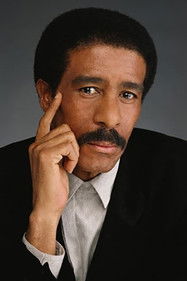
Richard Pryor did not just tell jokes; he excavated his own soul on stage and screen, turning personal trauma and racial tension into a high-wire act of comedic survival. He was the architect of modern stand-up, but his cinematic legacy reveals a performer of profound range who could transition from the manic energy of a buddy comedy to the quiet desperation of a man just trying to keep his head above water. To watch him was to see a man perpetually on the verge of either a breakdown or a breakthrough, and that vulnerability made him the most relatable superstar of his era.
His partnership with Gene Wilder remains the gold standard for onscreen chemistry. In Silver Streak, they dismantled the traditional studio dynamic by turning a simple thriller into a masterclass in subverting stereotypes. By the time they reunited for Stir Crazy, the duo had become a force of nature, with Pryor projecting a frantic, street-smart survivalism that felt dangerous yet deeply endearing. Even when the material leaned into high-concept absurdity, such as his role in The Toy, he anchored the film with a weary humanity that suggested he was always the smartest person in the room, even when the world treated him like a prop.
The breadth of his filmography reflects a restless spirit. He brought a kinetic, balloon-selling whimsy to The Muppet Movie and delivered a tour-de-force performance in Which Way Is Up?, where he portrayed three distinct characters with such precision that it felt like a three-man play. He tackled the legendary story of Wendell Scott in Greased Lightning and navigated the star-studded ensemble of California Suite with an edge that most of his contemporaries couldn't touch. His appearance in The Wiz as the titular figure offered a glimpse of the man behind the curtain, a role that mirrored his own reality as a powerful but deeply fragile icon hidden behind a massive public persona.
As the eighties progressed, his screen presence evolved. In films like Critical Condition and Moving, he played the everyman pushed to the brink by bureaucratic nonsense or suburban chaos. Even when sharing the screen with giants like Eddie Murphy and Redd Foxx in Harlem Nights, he commanded the room with a seasoned, salt-of-the-earth authority. His brilliance was perhaps most concentrated in Richard Pryor: Here and Now, where the director's chair allowed him to present his worldview without a filter.
Ultimately, the connection audiences felt with him was rooted in his honesty. He never tried to hide his scars, literal or metaphorical. By the time he appeared in David Lynch’s Lost Highway or the gritty Mad Dog Time, his physical presence had softened, but that trademark glint of defiance remained in his eyes. He wasn't just a comedian who happened to act; he was a truth-teller who used the camera as a mirror, forcing us to laugh at the very things that terrified us most. He left behind a blueprint for every performer who dares to be authentic, proving that the funniest thing in the world is often the gut-wrenching truth.
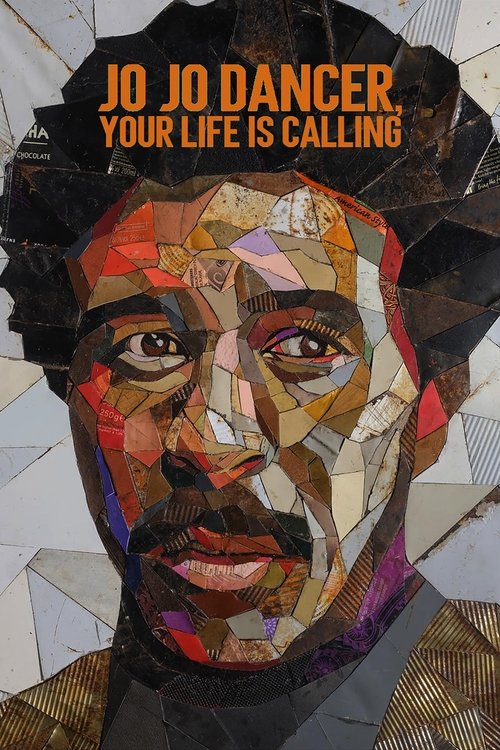
Jo Jo Dancer, Your Life Is Calling
1986Although Jo Jo Dancer has achieved success as a stand-up comedian, he hasn't found happiness. After receiving severe burns in a narcotics-related incident, Jo Jo remains in a coma, and, while in this state, he looks back on his life. Drifting off into memories of his troubled childhood, Jo Jo revisits his youth, recalling his eventual rise to fame and the decadence that followed. As he considers his existence, he must decide if he wants to go on living or not.
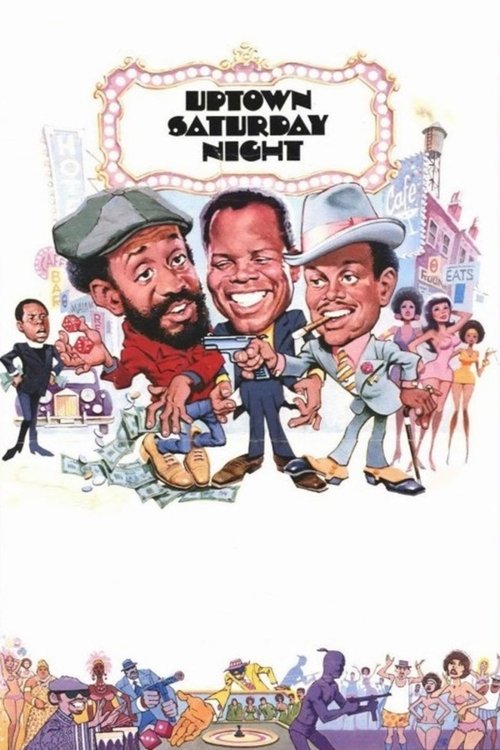
Uptown Saturday Night
1974Two blue-collar buddies search the underworld for a winning lottery ticket lost in a nightclub holdup.
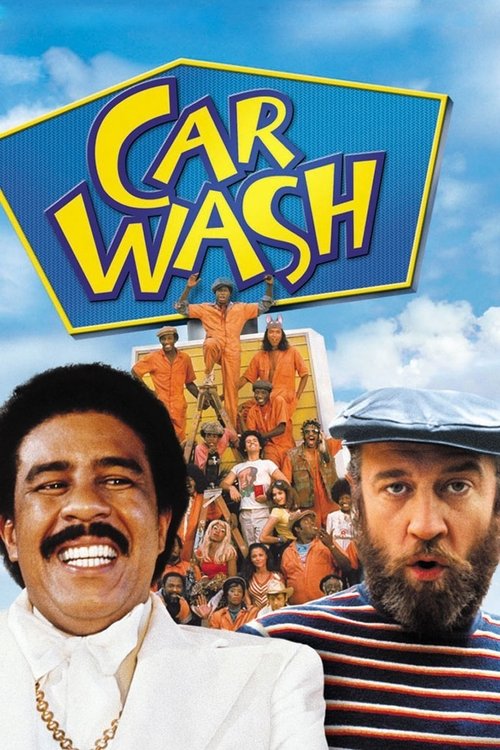
Car Wash
1976This day-in-the-life cult comedy focuses on a group of friends working at Sully Boyar's Car Wash in the Los Angeles ghetto. The team meets dozens of eccentric customers -- including a smooth-talking preacher, a wacky cab driver and an ex-convict -- while cracking politically incorrect jokes to a constant soundtrack of disco and funk. Some of the workers find romance as the day moves along, but most are just happy to get through another shift.
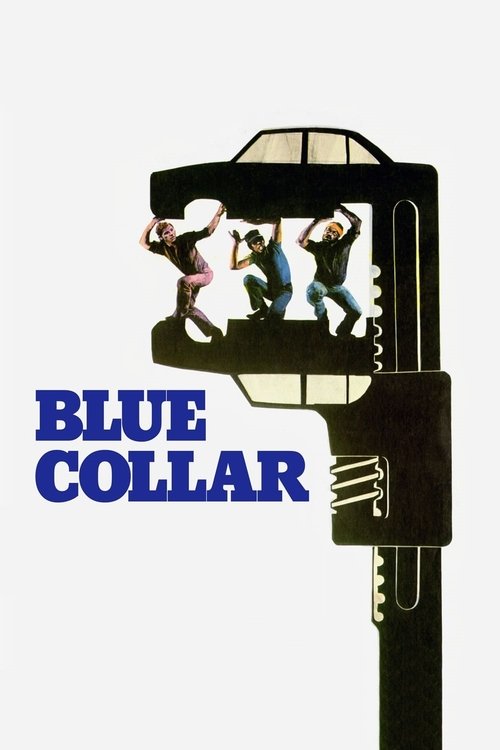
Blue Collar
1978Fed up with mistreatment at the hands of both management and union brass, and coupled with financial hardships on each man's end, three auto assembly line workers hatch a plan to rob a safe at union headquarters.
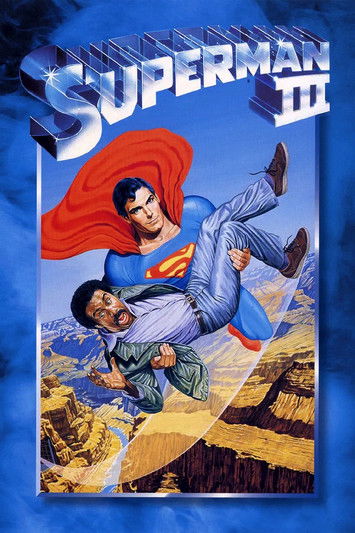
Superman III
1983Aiming to defeat the Man of Steel, wealthy executive Ross Webster hires bumbling but brilliant Gus Gorman to develop synthetic kryptonite, which yields some unexpected psychological effects. Between rekindling romance with his high school sweetheart and saving himself, Superman must contend with a powerful supercomputer.
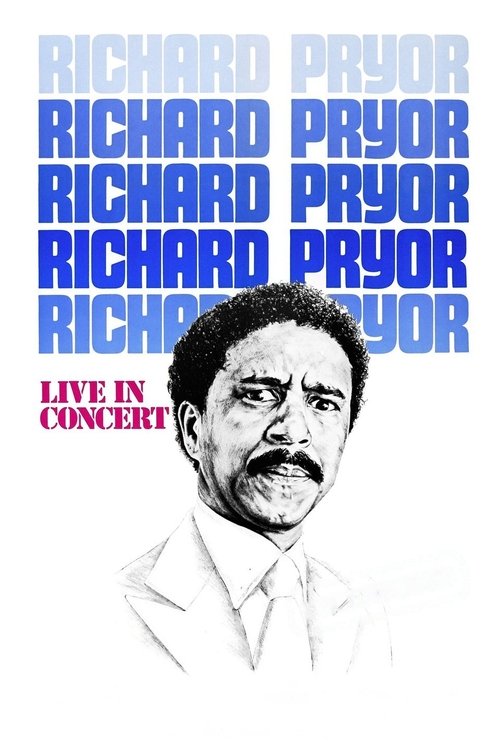
Richard Pryor: Live in Concert
1979Richard Pryor delivers monologues on race, sex, family and his favorite target—himself, live at the Terrace Theatre in Long Beach, California.
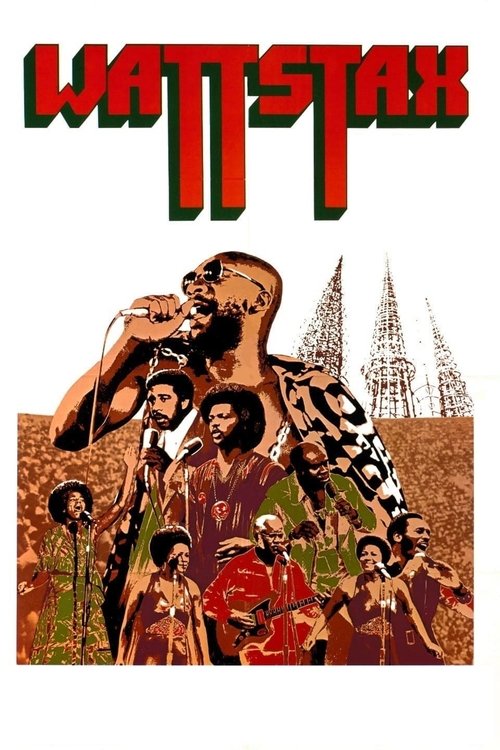
Wattstax
1973A documentary film about the Afro-American Woodstock concert held in Los Angeles seven years after the Watts riots. Director Mel Stuart mixes footage from the concert with footage of the living conditions in the current-day Watts neighborhood.
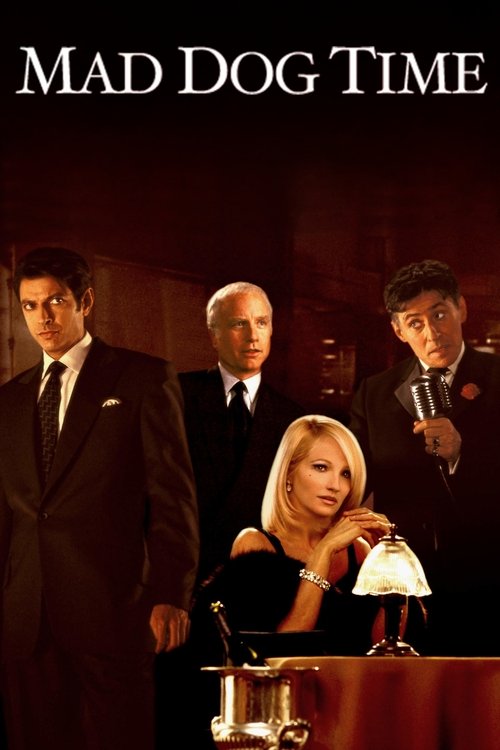
Mad Dog Time
1996With his boss in the madhouse, a mobster is temporary boss of the criminal empire just as vicious rivals threaten the control of the empire.
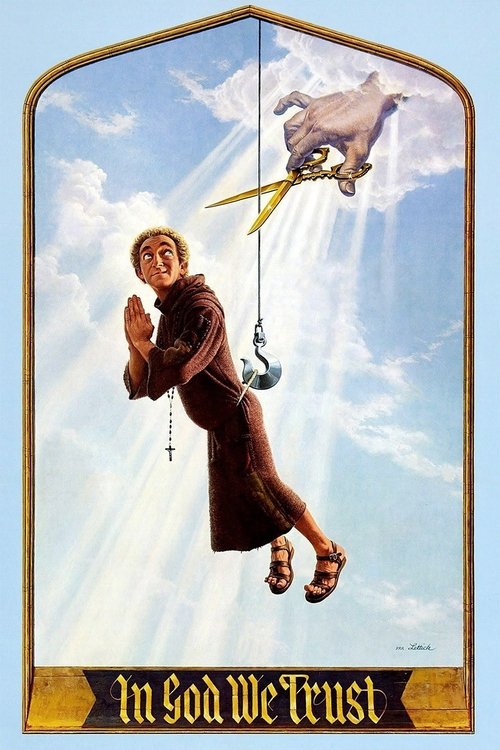
In God We Tru$t
1980A naive monk, named Brother Ambrose, is sent by the abbot on a mission to raise $5,000 in order to save their monastery from closing. He goes to Hollywood where he encounters a number of eccentric characters.
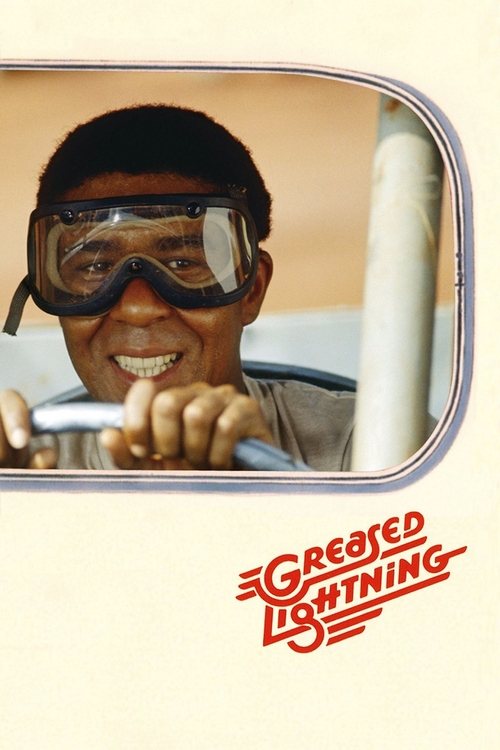
Greased Lightning
1977The true life story of Wendell Scott, the first black stock car racing driver to win an upper-tier NASCAR race.
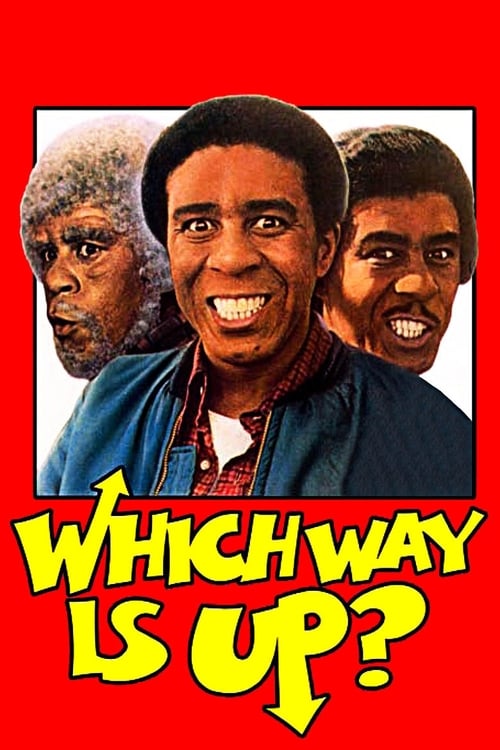
Which Way Is Up?
1977Orange picker Leroy Jones inadvertently becomes a union leader and is forced out of town, leaving behind his sex-obsessed father, Rufus, and timid spouse, Annie Mae. He heads for Los Angeles, where he falls for union organizer Vanetta. Annie Mae seeks solace from local preacher Lenox Thomas, who eventually impregnates her. When Leroy catches wind, he heads home for a showdown with Lenox.
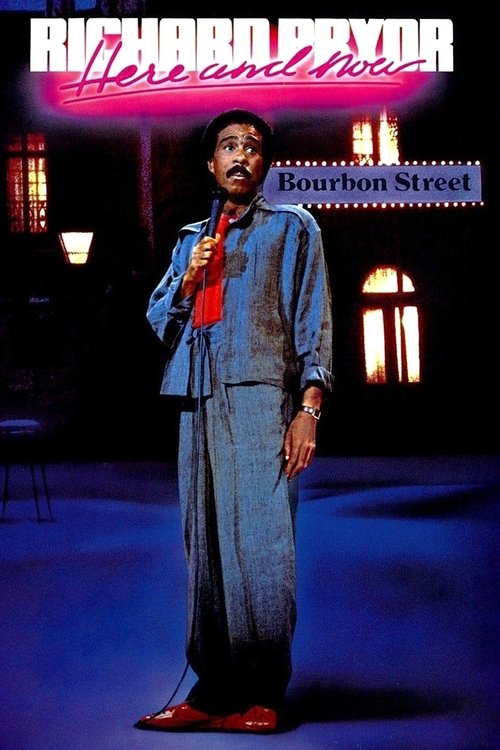
Richard Pryor: Here and Now
1983One of comedian Richard Pryor's later stand-up performances. As foul-mouthed as ever, Pryor touches on most of the same topics as in his previous live shows. Filmed at the Saenger Theatre in New Orleans.
Lost Highway
1997A tormented jazz musician finds himself lost in an enigmatic story involving murder, surveillance, gangsters, doppelgängers, and an impossible transformation inside a prison cell.
In his final film appearance, a physically frail Pryor utilizes his limited screen time to project a chilling, ethereal authority within David Lynch's surrealist landscape. This haunting swan song serves as a poignant reminder of his enduring screen presence, proving he could command attention through stillness alone.
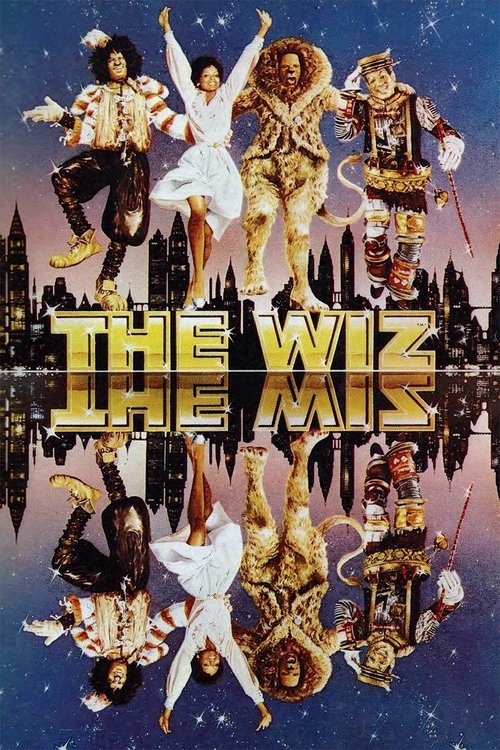
The Wiz
1978Dorothy Gale, a shy kindergarten teacher, is swept away to the magic land of Oz where she embarks on a quest to return home.
As the titular charlatan, Pryor strips away the bravado to reveal a pathetic, stuttering insecurity that gives the fantasy a grounded emotional core. It is a hauntingly vulnerable turn that showcases his capacity for pathos amidst a sea of vibrant spectacle.
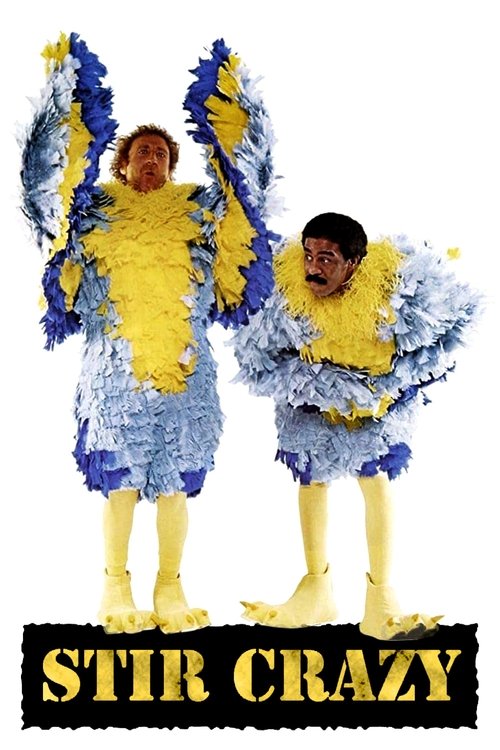
Stir Crazy
1980New Yorkers Skip Donahue and Harry Monroe have no jobs and no prospects, so they decide to flee the city and find work elsewhere, landing jobs wearing woodpecker costumes to promote the opening of a bank. When their feathery costumes are stolen and used in a bank robbery, they no longer have to worry about employment — they're sent to prison.
The peak of his commercial powers is on full display as Pryor turns the indignities of incarceration into a playground for his elastic facial expressions and vocal gymnastics. This performance defined the 1980s blockbuster comedy aesthetic through his seamless blend of vulnerability and defiance.
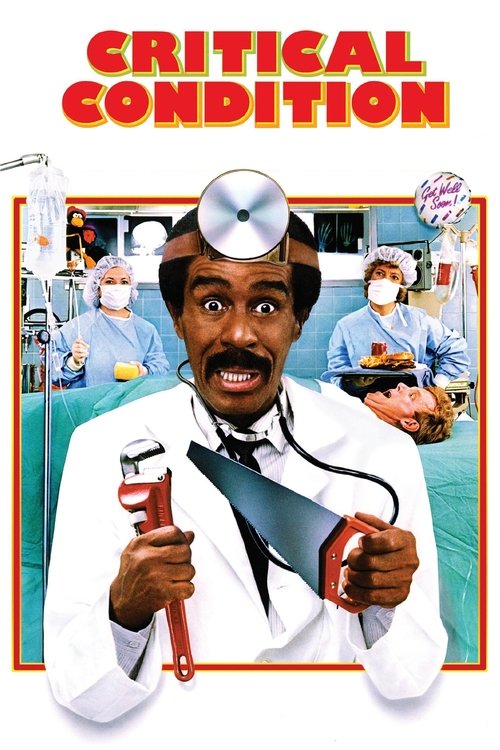
Critical Condition
1987Eddie is a con artist. When he's framed and comes before a judge, he hopes to get off the hook by claiming insanity—but instead ends up in a hospital for a mental assessment. That night, a storm causes a power failure and, in the ensuing chaos, Eddie is mistaken for a doctor and suddenly finds himself in charge of the hospital.
Pryor carries this chaotic hospital satire through sheer manic willpower, finding humor in the frantic desperation of a con man in over his head. Though the script falters, his commitment to the absurdity demonstrates his unparalleled ability to elevate middling material through pure personality.
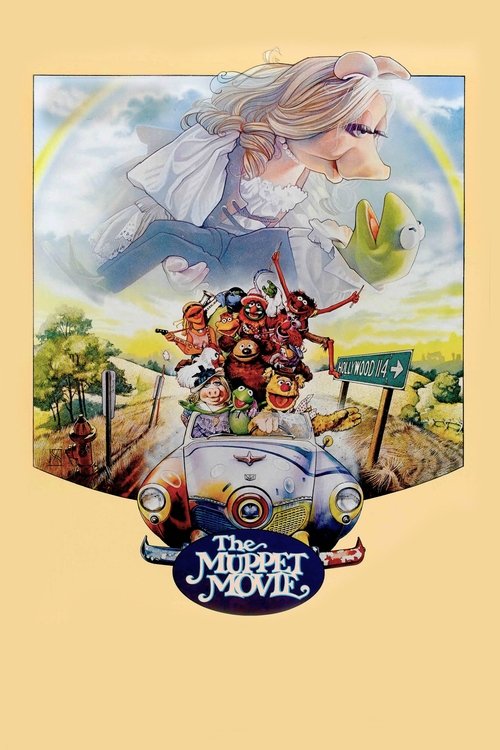
The Muppet Movie
1979The Muppets gather to watch their newly-finished big-budget rich-and-famous feature film: a talent agent persuades Kermit the Frog to leave the swamp to pursue a career in Hollywood. On his way there, he meets a bear, a pig, a whatever (his future muppet crew), and some special celebrity guest stars, while being chased by the desperate owner of a frog-leg restaurant!
Even in a brief cameo as a balloon salesman, Pryor radiates a whimsical sincerity that bridges the gap between his gritty stage presence and family friendly charm. It is a fleeting but essential snapshot of his universal appeal during the peak of his cultural ubiquity.
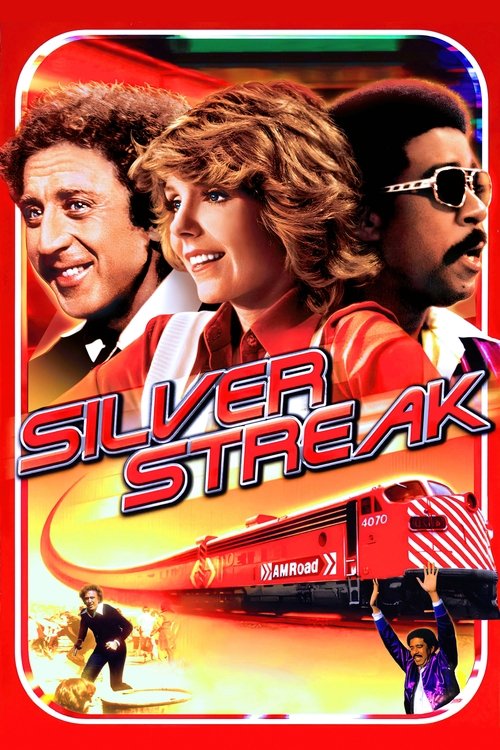
Silver Streak
1976A somewhat daffy book editor on a rail trip from Los Angeles to Chicago thinks that he sees a murdered man thrown from the train. When he can find no one who will believe him, he starts doing some investigating of his own. But all that accomplishes is to get the killer after him.
The genesis of the legendary Pryor and Wilder partnership reveals Pryor as the ultimate comedic alchemist, capable of turning a standard thriller into a genre defying riot. His improvisation here didn't just save scenes; it fundamentally altered the DNA of the buddy cop formula forever.
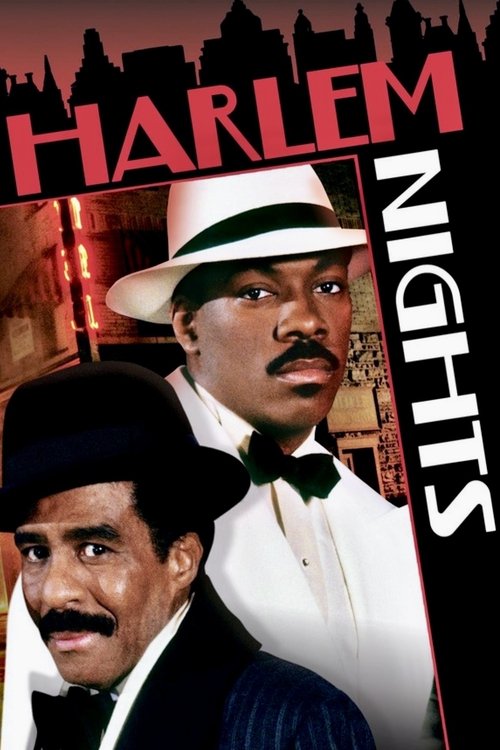
Harlem Nights
1989'Sugar' Ray is the owner of an illegal casino and must contend with the pressure of vicious gangsters and corrupt police who want to see him go out of business. In the world of organised crime and police corruption in the 1920s, any dastardly trick is fair.
Playing the veteran mentor to Eddie Murphy, Pryor offers a soulful and uncharacteristically restrained gravitas that anchors the film's stylistic excess. This late career turn illustrates a passing of the comedic torch while highlighting a sophisticated dramatic range often overshadowed by his louder work.
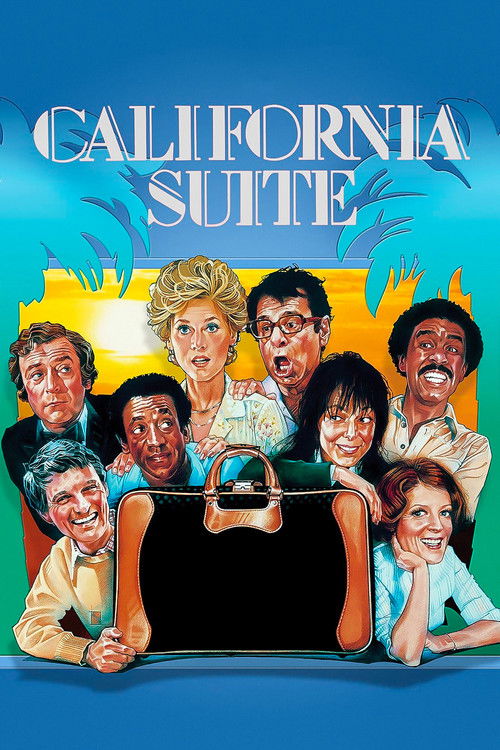
California Suite
1978The misadventures of four groups of guests at the Beverly Hills Hotel.
Teaming with Bill Cosby, Pryor utilizes a physical, slapstick ferocity that provides a chaotic counterpoint to the film's polished Neil Simon dialogue. His performance serves as a masterclass in reactionary timing and remains a vital example of his chemistry within an ensemble cast.
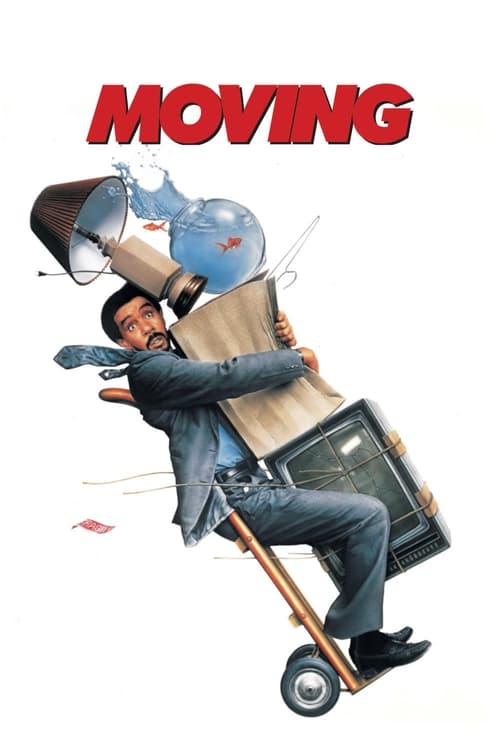
Moving
1988Arlo accepts what seems to him to be a dream promotion to Idaho. He soon discovers, however, that moving has its own share of problems.
In this suburban nightmare comedy, Pryor pivots away from his typical high energy persona to master the art of the slow burn frustration. It represents a rare and effective transition into the everyman archetype, proving he could anchor a relatable domestic farce without losing his signature bite.
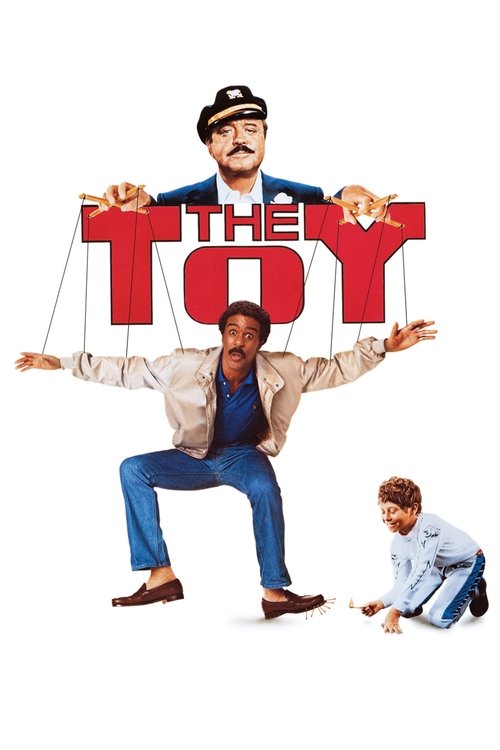
The Toy
1982On one of his bratty son Eric's annual visits, the plutocrat U.S. Bates takes him to his department store and offers him anything in it as a gift. Eric chooses a black janitor who has made him laugh with his antics. At first the man suffers many indignities as Eric's "toy", but gradually teaches the lonely boy what it is like to have and to be a friend.
Pryor navigates a minefield of uncomfortable racial dynamics with a subversively kinetic energy that transforms a questionable conceit into a sharp critique of disposable wealth. This role solidified his ability to shoulder high stakes studio vehicles while maintaining a flicker of his dangerous stand up edge.
Frequently Asked Questions
Everything you need to know about this list and SnakeDrafts
- The Toy is a standout Richard Pryor film that combines comedy with family elements. Directed by Richard Donner, it uniquely spotlights Pryor's ability to engage audiences in both humorous and heartfelt moments, making it accessible to a wide demographic.
- 'Moving' captures Richard Pryor’s signature blend of sharp wit and relatable humor. His portrayal of a man struggling with relocation challenges amplifies his knack for turning everyday stress into uproarious comedic scenarios.
- Richard Pryor collaborated with notable figures such as Eddie Murphy in 'Harlem Nights' and Sidney Poitier in 'Stir Crazy.' These partnerships elevated his profile in Hollywood, highlighting his versatile comedic talent and ability to hold his own alongside other big names.
- 'Greased Lightning' offers a unique mix of action, comedy, and drama, allowing Richard Pryor to explore a more dramatic and character-driven role. This film highlights his range beyond straightforward comedy, showcasing his skills in portraying complex, real-life inspired characters.
- In 'The Wiz,' Richard Pryor adds his comedic brilliance to a musical fantasy setting, bringing a distinct charm and energy. His role enhances the film's whimsical tone, appealing to both fans of traditional musicals and those drawn to Pryor’s unique style.
- Richard Pryor's appearance in 'Silver Streak' is significant for its seamless blend of comedy, crime, and thriller elements. His comedic timing amidst a suspenseful narrative demonstrates his skill in balancing humor with more intense storylines.
- In 'Richard Pryor: Here and Now,' Pryor reveals his unfiltered comedic genius and personal insights. This stand-up documentary offers a raw and authentic look at his talent, accentuating his impact on comedy and culture through direct audience engagement.
- Films like 'California Suite' and 'Lost Highway' showcase Richard Pryor's ability to navigate between comedy and drama. These roles reveal his depth as a performer who could cleverly engage with humor while also delivering nuanced dramatic performances.