Robert Rodriguez's Greatest Films Ranked
The Master of High Octane Indie Cinema
Explore the definitive filmography of Robert Rodriguez, featuring stylized noir hits, genre-bending action classics, and imaginative family adventures.
About Robert Rodriguez
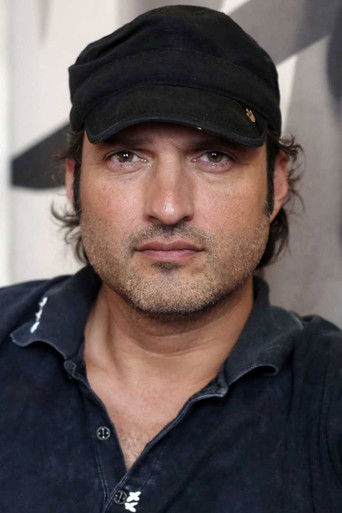
In the sprawling landscape of modern cinema, there are auteurs who wait months for the perfect sunset and then there is Robert Rodriguez, a man who would rather build the sun himself in a garage. He is the ultimate rebel of the digital age, a filmmaker who treats a movie set like a playground and a high-end camera like a power tool. Since he burst onto the scene by turning a minuscule budget into the gritty, kinetic energy of El Mariachi, he has operated with a singular philosophy: creativity is a result of limitations, not bank accounts. This DIY ethos transformed him into a one man film studio, often serving as his own cinematographer, editor, and composer to ensure his uncompromising internal rhythm makes it to the screen intact.
His aesthetic is a thumbprint of pulpy textures and high-octane choreography. Whether he is playing in the hyper-stylized, monochrome shadows of Sin City or the neon-soaked cyberpunk vistas of Alita: Battle Angel, his work vibrates with a comic book sensibility that feels handmade. There is a specific snap to a Rodriguez frame, a tactile quality that connects the grindhouse madness of Planet Terror to the family friendly gadgetry of Spy Kids. He possesses a rare ability to pivot between blood-spattered vengeance and whimsical imagination without losing his signature swagger. In Desperado and Machete, he reinvented the Latino action hero as a mythic figure, draping them in leather and irony, while his collaboration with Quentin Tarantino on From Dusk Till Dawn cemented his status as a master of the genre mashup.
What truly separates him from his contemporaries is his obsession with the frontier of technology. He was an early evangelist for digital filmmaking, seeing it not as a shortcut but as a way to reclaim the medium for the artist. You can see this experimental streak even in his later works like Hypnotic or the vibrantly colorful We Can Be Heroes, where he continues to push the boundaries of visual effects from his home base in Austin. He turned Troublemaker Studios into a fortress of independent thought, proving that a director does not need the Hollywood machine if they have enough ingenuity and a fast enough hard drive.
Even when delving into ensemble pieces like The Faculty or the frantic segments of Four Rooms, his directorial hand remains unmistakable. He favors speed, impact, and a certain cartoonish violence that feels more like a celebratory dance than a grim tragedy. His legacy is not just the long list of cult classics he has delivered to the canon, but the inspiration he provides to every aspiring kid with a camera. He stripped away the pretense of the director as a distant intellectual, replacing it with the image of a tinkerer who is having more fun than anyone else in the room. In the world of Rodriguez, the screen is a canvas for pure, unadulterated play, and the only rule is that there are no rules.
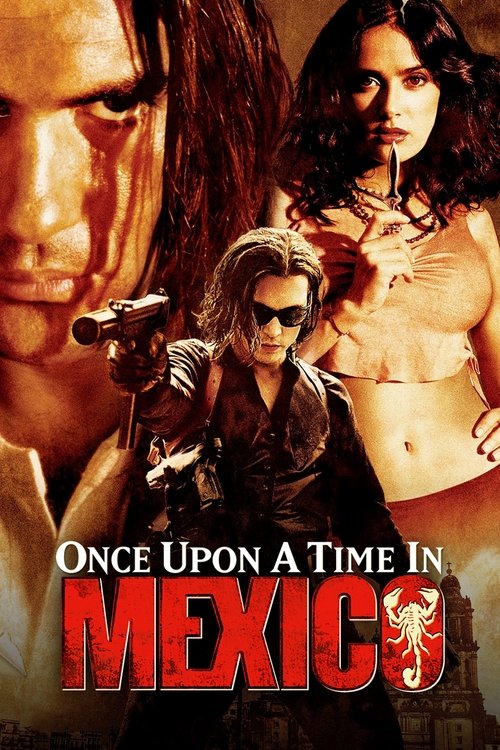
Once Upon a Time in Mexico
2003A corrupt CIA agent Sands hires hitman El Mariachi to assassinate a Mexican general hired by a drug kingpin attempting a coup d'état of the President of Mexico.
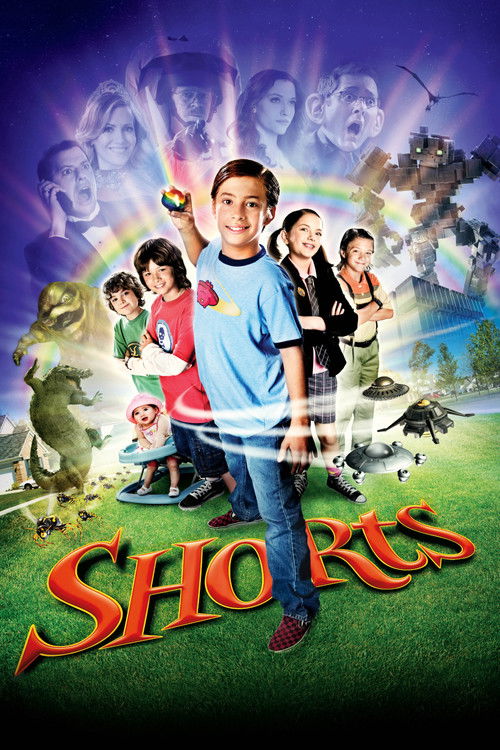
Shorts
2009A young boy's discovery of a colorful, wish-granting rock causes chaos in the suburban town of Black Falls when jealous kids and scheming adults alike set out to get their hands on it.
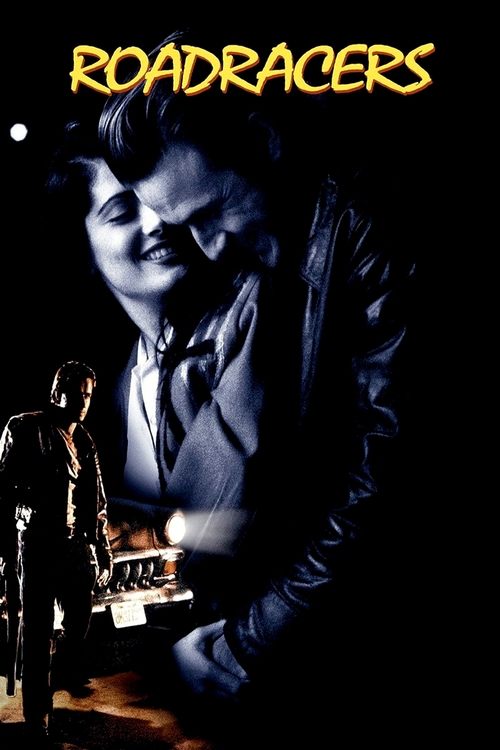
Roadracers
1994In the 1950s, guitar-playing drifter Dude Delaney wanders into a quiet town looking to play music and generally cause trouble, much to the chagrin of the local sheriff, known as Sarge. While palling around with his B-movie-obsessed friend Nixer, Dude meets the beautiful Donna, and is offered a position in a rockabilly band, but the sheriff is intent on getting rid of him by any means necessary.
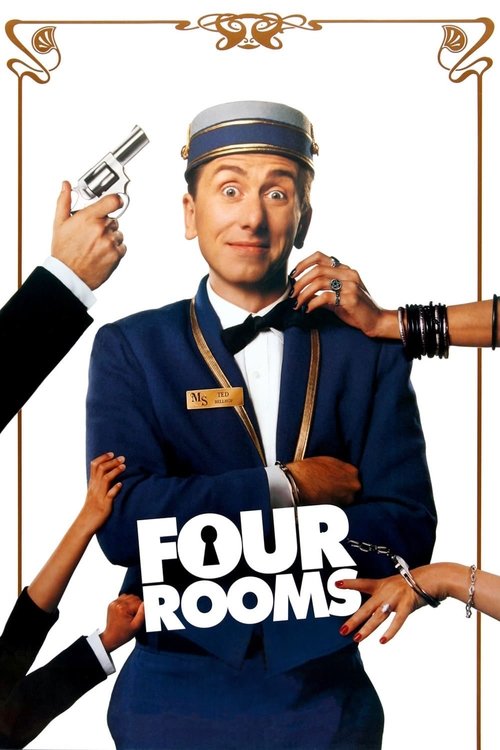
Four Rooms
1995It's Ted the Bellhop's first night on the job...and the hotel's very unusual guests are about to place him in some outrageous predicaments. It seems that this evening's room service is serving up one unbelievable happening after another.
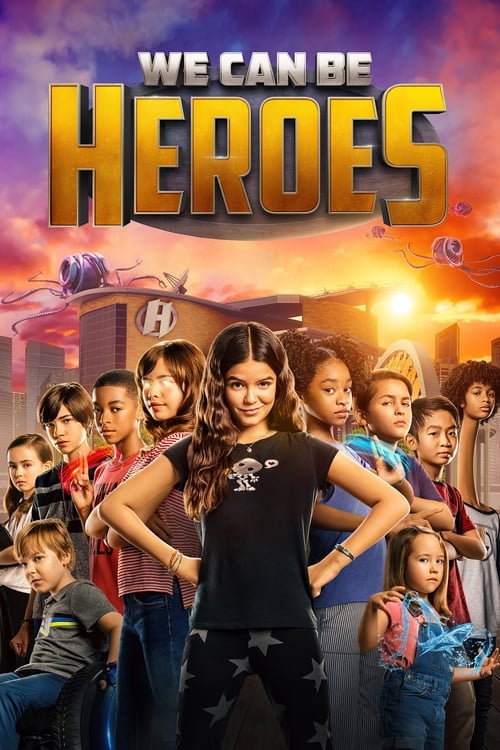
We Can Be Heroes
2020When alien invaders capture Earth's superheroes, their kids must learn to work together to save their parents - and the planet.
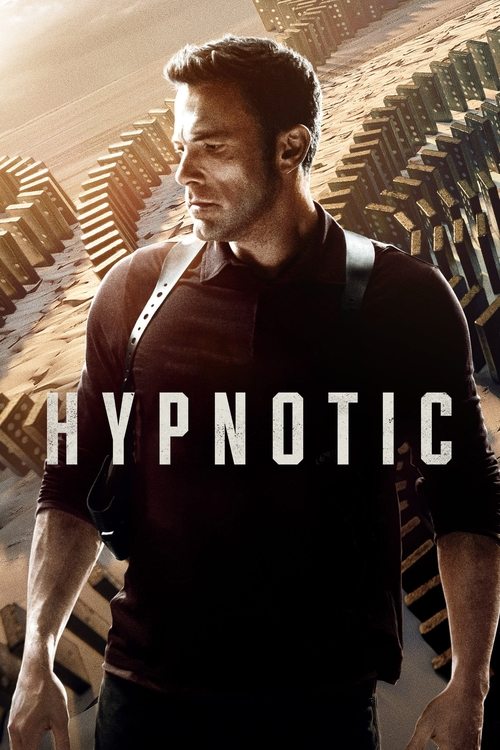
Hypnotic
2023A detective becomes entangled in a mystery involving his missing daughter and a secret government program while investigating a string of reality-bending crimes.
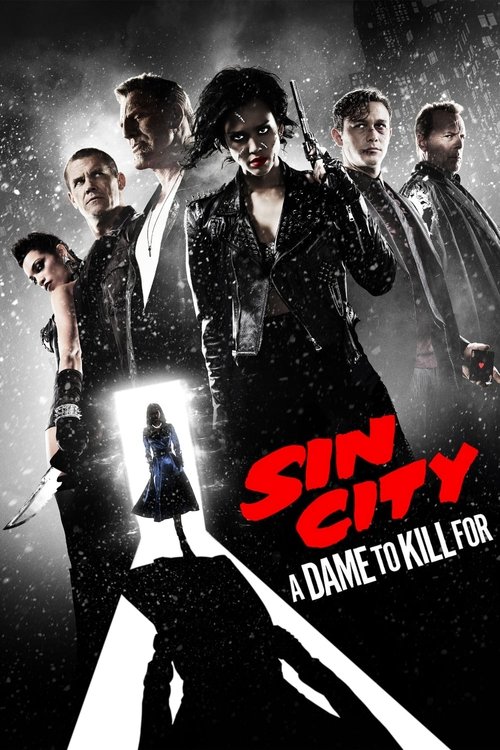
Some of Sin City's most hard-boiled citizens cross paths with a few of its more reviled inhabitants.
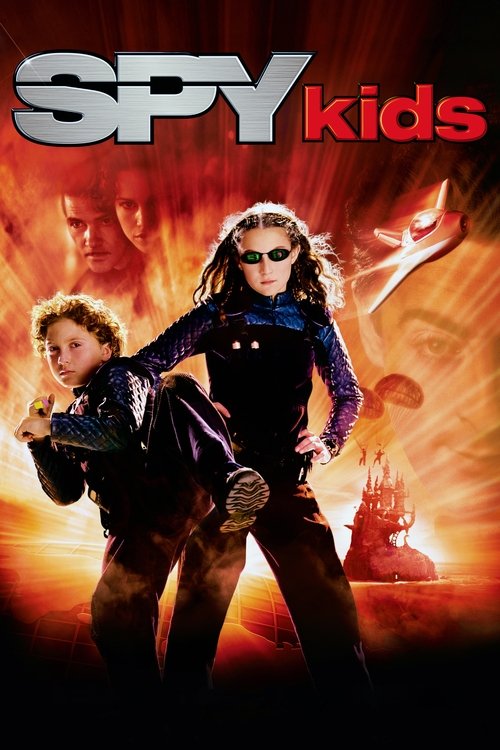
Spy Kids
2001Carmen and Juni think their parents are boring. Little do they know that in their day, Gregorio and Ingrid Cortez were the top secret agents from their respective countries. They gave up that life to raise their children. Now, the disappearances of several of their old colleagues forces the Cortez' return from retirement. What they didn't count on was Carmen and Juni joining the "family business."
Rodriguez fundamentally reshaped the family film by treating his young protagonists with the same gadget-heavy intensity usually reserved for secret agents. This foundational work established his unique ability to operate as a one-man studio, handling everything from scoring to visual effects within his own creative ecosystem.
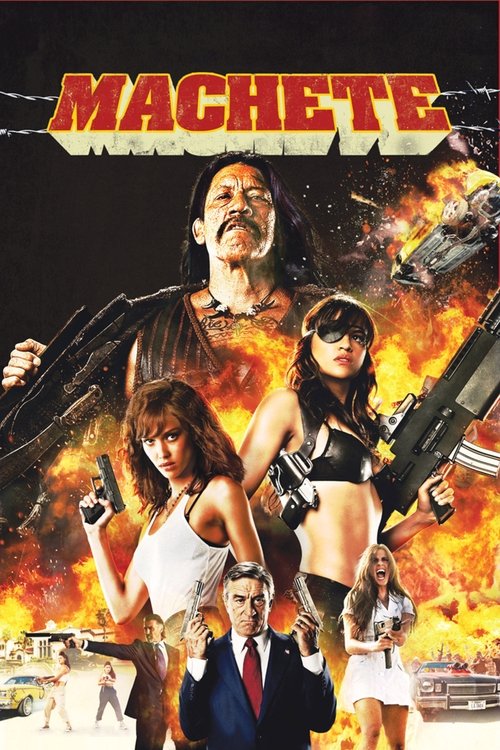
Machete
2010After being set-up and betrayed by the man who hired him to assassinate a Texas Senator, an ex-Federale launches a brutal rampage of revenge against his former boss.
What began as a faux-trailer gag evolved into a sharp political satire wrapped in the blood-soaked trappings of Mexploitation. Rodriguez utilizes hyper-stylized absurdity to comment on border politics, proving his ability to weld social commentary to unapologetic B-movie thrills.
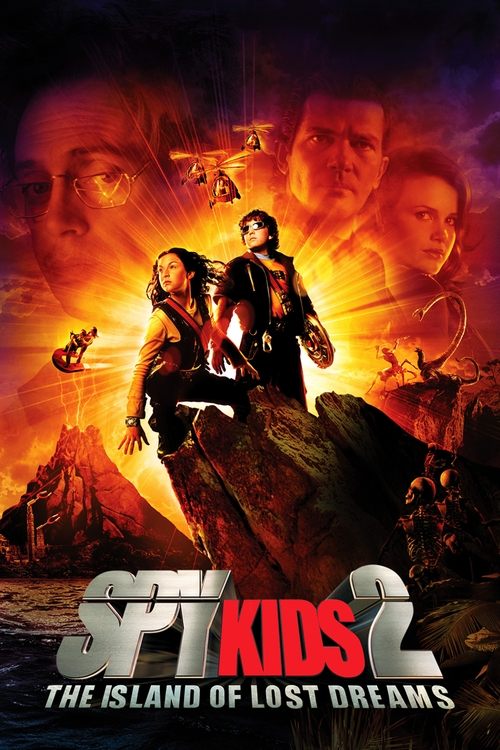
Spy Kids 2: The Island of Lost Dreams
2002Exploring the further adventures of Carmen and Juni Cortez, who have now joined the family spy business as Level 2 OSS agents. Their new mission is to save the world from a mad scientist living on a volcanic island populated by an imaginative menagerie of creatures. On this bizarre island, none of the Cortez's gadgets work and they must rely on their wits--and each other--to survive and save the day.
In this chaotic sequel, Rodriguez embraces full-blown digital surrealism and Ray Harryhausen-inspired creature design to create a vibrant sandbox of pure imagination. It is a testament to his belief that children’s cinema should be as visually adventurous and technically ambitious as any adult thriller.
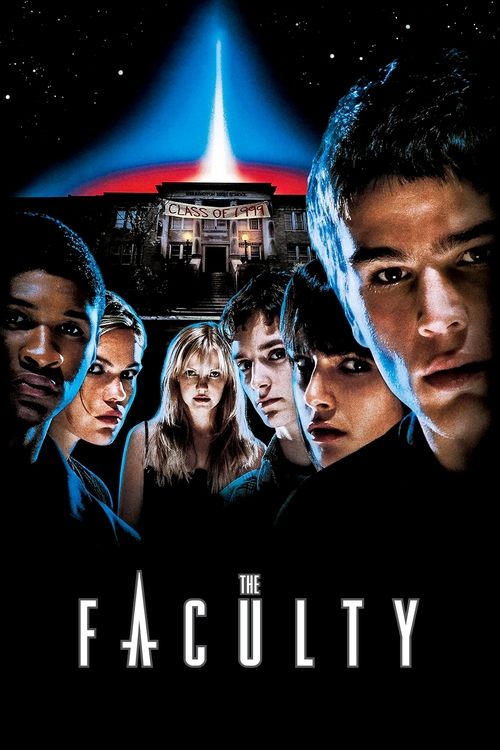
The Faculty
1998When some very creepy things start happening around school, the kids at Herrington High make the chilling discovery that confirms their worst suspicions: their teachers really are from another planet!
By filtering fifties sci-fi paranoia through a late-nineties cynical lens, Rodriguez crafts a slick hybridization of body horror and teen drama. The film highlights his versatility in working within a studio system while maintaining a sharp, counter-culture edge.
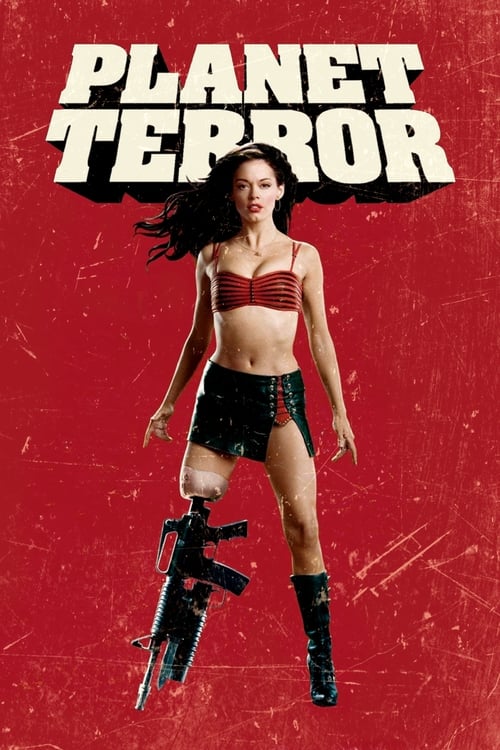
Planet Terror
2007Two doctors find their graveyard shift inundated with townspeople ravaged by sores. Among the wounded is Cherry Darling, a dancer whose leg was ripped from her body. As the invalids quickly become enraged aggressors, Cherry and her ex-boyfriend El Wray lead a team of accidental warriors into the night.
A glorious, artificial decay permeates every frame of this digital love letter to the exploitation era. Rodriguez leans into the grotesque with a playful hand, using intentional film grain and missing reels to celebrate the unpolished charm of cult cinema.
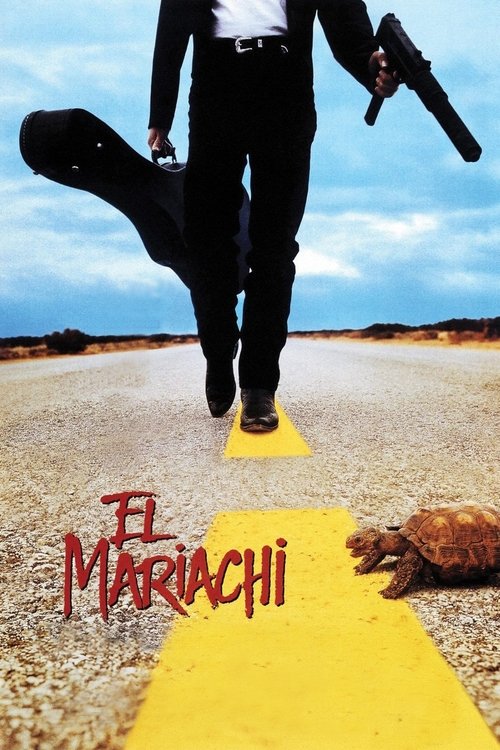
El Mariachi
1993El Mariachi just wants to play his guitar and carry on the family tradition. Unfortunately, the town he tries to find work in has another visitor, a killer who carries his guns in a guitar case. The drug lord and his henchmen mistake el Mariachi for the killer, Azul, and chase him around town trying to kill him and get his guitar case.
The ultimate manifesto for guerrilla filmmaking, this debut proves that resourcefulness is the most powerful tool in a director's kit. Its raw energy and inventive staging laid the groundwork for the 'Rebel Without a Crew' legacy, altering the independent film landscape forever.
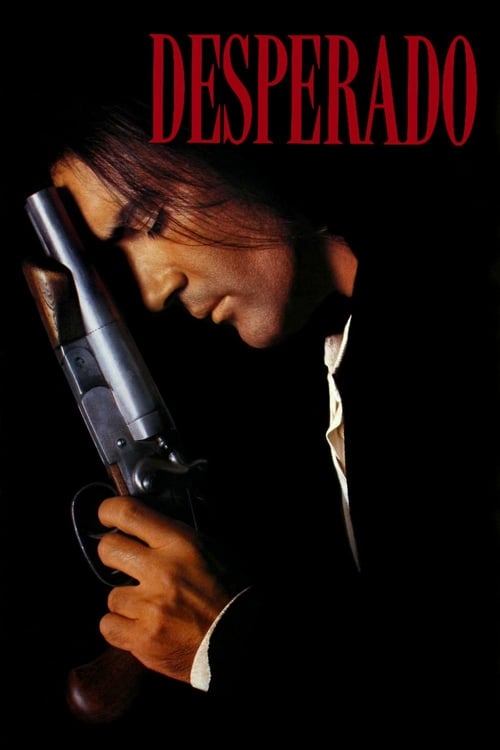
Desperado
1995El Mariachi plunges headfirst into the dark border underworld when he follows a trail of blood to the last of the infamous Mexican drug lords, Bucho, for an action-packed, bullet-riddled showdown. With the help of his friend and a beautiful bookstore owner, El Mariachi tracks Bucho, takes on his army of desperados, and leaves his own trail of blood.
Rodriguez reinvented the modern western by infusing it with a lyrical, balletic violence that feels both mythic and playfully self-aware. The film’s rhythmic editing and visual swagger transformed his low-budget origins into a polished, high-octane aesthetic that defined nineties action cinema.
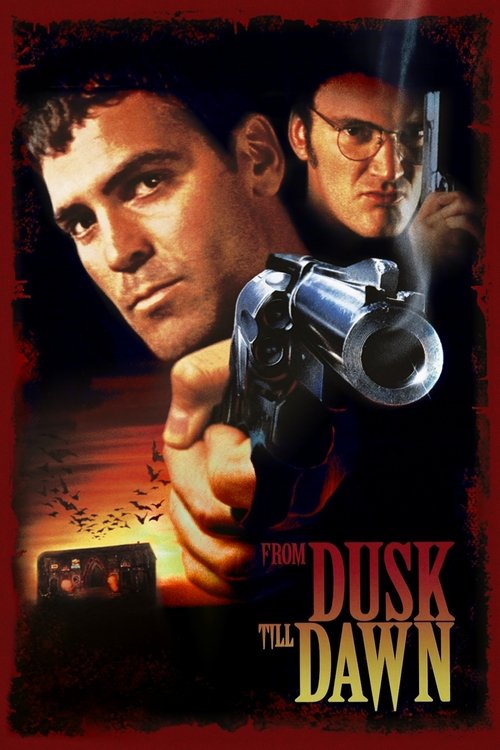
After kidnapping a father and his two kids, the Gecko brothers head south to a seedy Mexican bar to hide out in safety, unaware of its notorious vampire clientele.
This genre-defying pivot serves as a masterclass in tonal manipulation, starting as a gritty crime thriller before erupting into a grindhouse fever dream. It remains the definitive example of Rodriguez’s ability to subvert audience expectations through sheer stylistic audacity and relentless pacing.
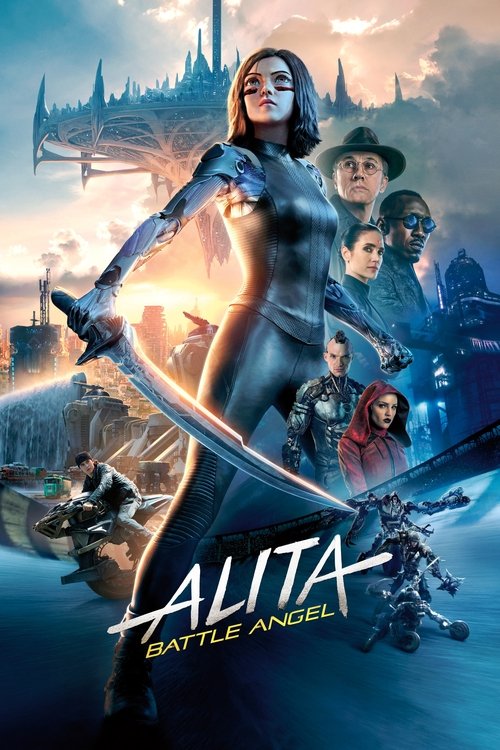
When Alita awakens with no memory of who she is in a future world she does not recognize, she is taken in by Ido, a compassionate doctor who realizes that somewhere in this abandoned cyborg shell is the heart and soul of a young woman with an extraordinary past.
Blending massive blockbuster scale with his signature tactile ingenuity, Rodriguez navigates the uncanny valley to deliver a soulful cyborg odyssey. The film showcases a seasoned director capable of marrying James Cameron’s technological ambitions with his own kinetic, character-driven action choreography.
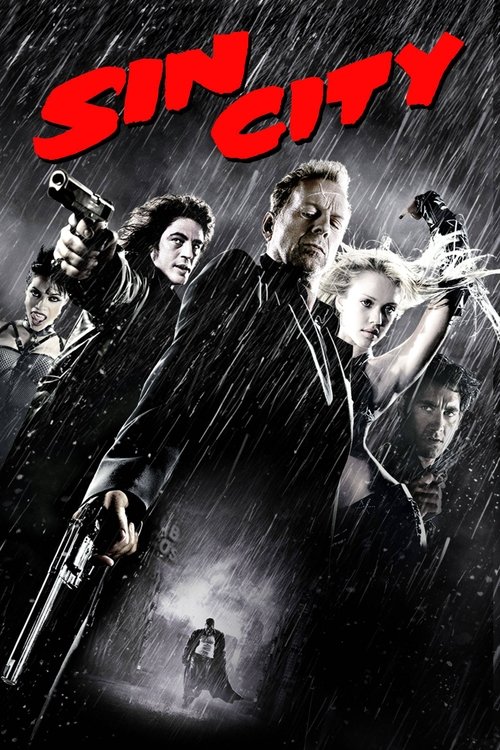
Sin City
2005Welcome to Sin City. This town beckons to the tough, the corrupt, the brokenhearted. Some call it dark… Hard-boiled. Then there are those who call it home — Crooked cops, sexy dames, desperate vigilantes. Some are seeking revenge, others lust after redemption, and then there are those hoping for a little of both. A universe of unlikely and reluctant heroes still trying to do the right thing in a city that refuses to care.
A revolutionary translation of graphic novel aesthetics, Rodriguez utilizes digital backlots to create a high-contrast world where the silhouette and the splash of color are the primary drivers of narrative. This landmark accomplishment stands as the ultimate synthesis of his technician-as-artist philosophy, effectively bridging the gap between ink and celluloid.
Frequently Asked Questions
Everything you need to know about this list and SnakeDrafts
- Robert Rodriguez's films often explore themes of crime, action, and thriller elements, frequently blending genres like horror and science fiction. Movies like 'From Dusk Till Dawn' and 'Sin City' exemplify his penchant for stylized noir and gritty storytelling.
- Rodriguez skillfully balances action and adventure with family-friendly storytelling, as seen in his 'Spy Kids' series and 'We Can Be Heroes.' These films combine imaginative plots with accessible humor and positive messages for younger audiences.
- 'Alita: Battle Angel' highlights Rodriguez's expertise in cutting-edge visual effects and genre fusion, combining action, science fiction, and adventure. This film demonstrates his evolution as a director embracing both creativity and technology.
- Rodriguez began his career with the low-budget, high-energy film 'El Mariachi,' which launched his reputation for resourceful filmmaking and kinetic action. It set the tone for his subsequent works that emphasize creativity over big budgets.
- 'Four Rooms' stands apart as it was directed by Allison Anders among other filmmakers, rather than Robert Rodriguez himself. Rodriguez contributed to this anthology film but it's included here for its shared stylistic appeal and connection to his era.
- 'From Dusk Till Dawn' and 'Planet Terror' are prime examples of Rodriguez's genre-bending style, merging horror with action and thriller elements. These films showcase his flair for surprising narrative shifts and inventive storytelling.
- 'Sin City: A Dame to Kill For' continues the original's stylistic noir aesthetic and crime thriller narrative, maintaining the graphic novel-inspired visuals and dark tone that define Rodriguez's approach to this series.