The Definitive Ranking of William Hurt Movies
The Versatile Legacy of a Screen Icon
Discover the finest performances of William Hurt, from his Oscar-winning roles to his presence in some of cinema's most acclaimed dramas and blockbusters.
About William Hurt
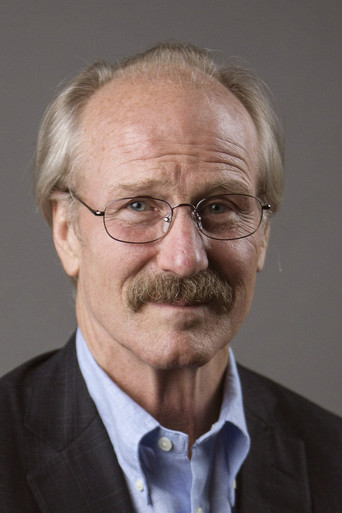
To look at William Hurt on screen was to watch a mind working at a high, often restless frequency. He possessed a cerebral magnetism that defined a specific era of American cinema, moving through the eighties with a mixture of blond WASP elegance and a deep, underlying neurosis. He was never just an actor standing in his light; he was an architect of silence and subtext, capable of turning a simple gaze into a complex psychological map. While his peers often leaned into bravado, he excelled at the art of the internal, making the act of thinking look like a high-stakes sport.
His arrival in the sensory blitz of Altered States signaled the birth of a new kind of leading man, one who felt equally comfortable in a laboratory or a noir thriller. It was in Body Heat that he cemented his status as a grounded heavyweight, playing a lawyer caught in a humid trap of lust and greed. Yet, he resisted the easy path of the traditional heartthrob. Instead, he sought out the frayed edges of the human experience. Whether he was the wounded veteran providing the melancholic soul of The Big Chill or the slow-witted but deeply empathetic prisoner in Kiss of the Spider Woman, he displayed a chameleon-like ability to bury his own ego within the character. That performance in the latter earned him an Academy Award, proving that his intellectual approach to the craft could translate into profound emotional resonance.
Audiences gravitated toward him because he captured the vulnerability of the modern intellectual. In Broadcast News, he played against his own reputation, portraying a newsman who feared his charisma outweighed his substance. It was a meta-commentary on his own career, highlighting the tension between his movie-star looks and his pursuit of authenticity. In Children of a Lesser God, he navigated the delicate spaces of communication and love with a physical intensity that felt remarkably raw. Even as he moved into the later stages of his career, he never lost the ability to command a room with a whisper. His brief, electrifying turn in A History of Violence showed that he could dominate a film in mere minutes, trading his usual refinement for a chilling, erratic menace.
The later years saw him transition into a reliable elder statesman of the screen, lending gravity to science fiction and political dramas alike. He brought a sense of weary authority to Dark City and A.I. Artificial Intelligence, and effortlessly inhabited real-world figures in high-stakes projects like The Challenger Disaster and Too Big to Fail. Even when he entered the sprawling machinery of the Marvel Cinematic Universe as Thaddeus Ross, he maintained his signature gravitas, grounding the spectacle of Captain America: Civil War and the final Avengers films with a stubborn, bureaucratic steel. He remained, until the end, a performer who understood that the most compelling thing an actor can offer is the truth of a human soul under pressure. Through his work, he reminded us that intelligence is not just an academic trait, but a deeply felt, often painful way of existing in the world.
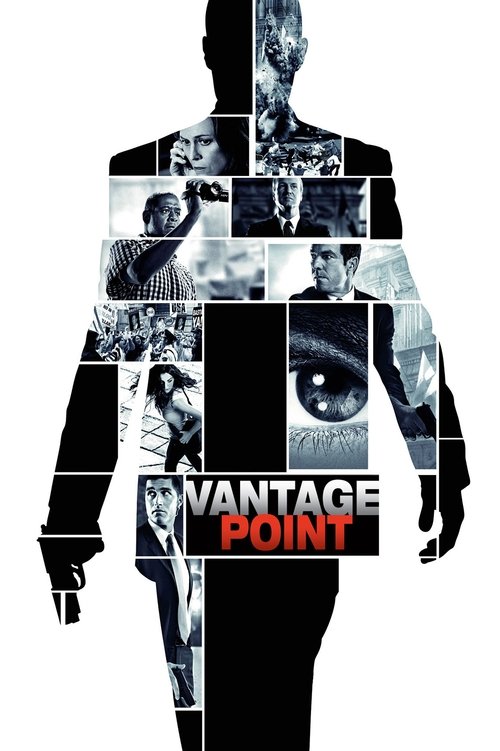
Vantage Point
2008During an historic counter-terrorism summit in Spain, the President of the United States is struck down by an assassin's bullet. Eight strangers have a perfect view of the kill, but what did they really see? As the minutes leading up to the fatal shot are replayed through the eyes of each eyewitness, the reality of the assassination takes shape.
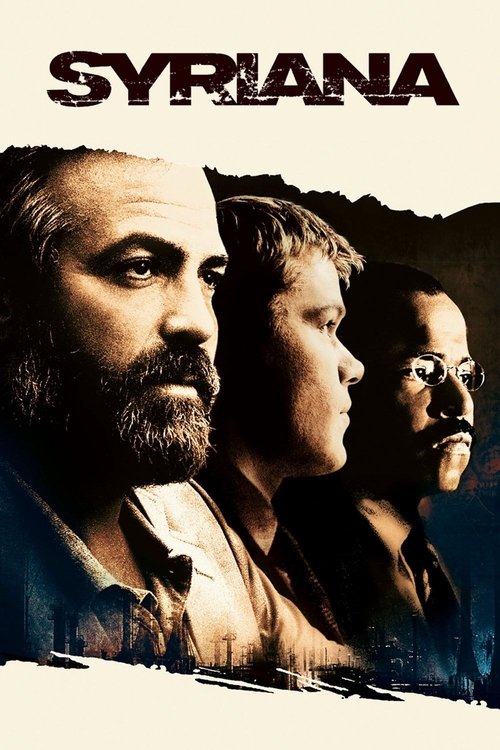
Syriana
2005The Middle Eastern oil industry is the backdrop of this tense drama, which weaves together numerous story lines. Bennett Holiday is an American lawyer in charge of facilitating a dubious merger of oil companies, while Bryan Woodman, a Switzerland-based energy analyst, experiences both personal tragedy and opportunity during a visit with Arabian royalty. Meanwhile, veteran CIA agent Bob Barnes uncovers an assassination plot with unsettling origins.
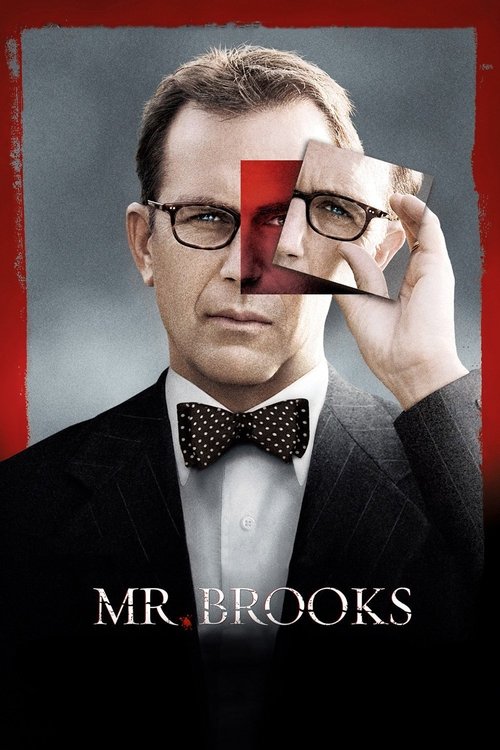
Mr. Brooks
2007A psychological thriller about a man who is sometimes controlled by his murder-and-mayhem-loving alter ego.
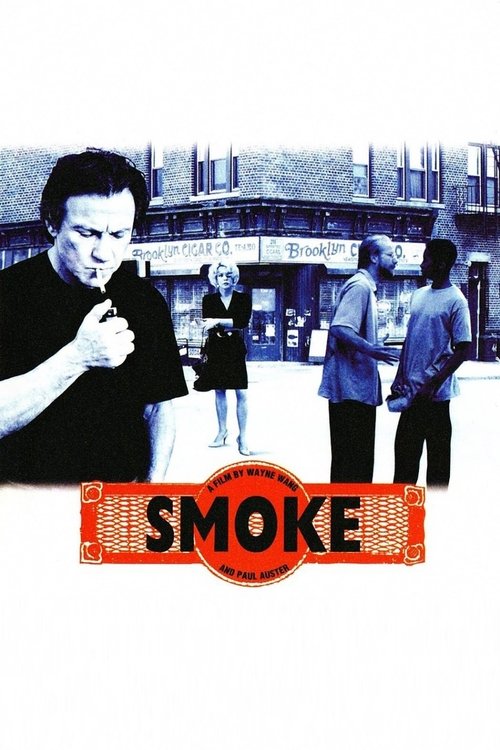
Smoke
1995Writer Paul Benjamin is nearly hit by a bus when he leaves Auggie Wren's smoke shop. Stranger Rashid Cole saves his life, and soon middle-aged Paul tells homeless Rashid that he wouldn't mind a short-term housemate. Still grieving over his wife's murder, Paul is moved by both Rashid's quest to reconnect with his father and Auggie's discovery that a woman who might be his daughter is about to give birth.
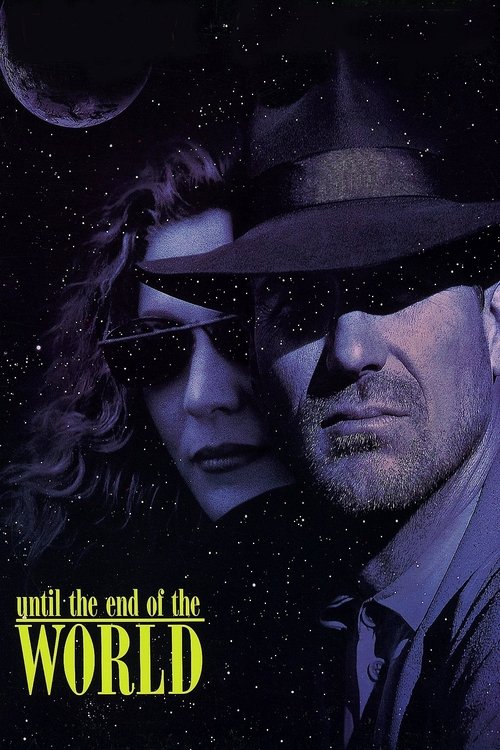
Until the End of the World
1991In 1999, a woman's life is forever changed after she survives a car crash with two bank robbers, who enlist her help to take the money to a drop in Paris. On the way, she runs into another fugitive from the law — an American doctor on the run from the CIA. They want to confiscate his father's invention – a device which allows anyone to record their dreams and visions.
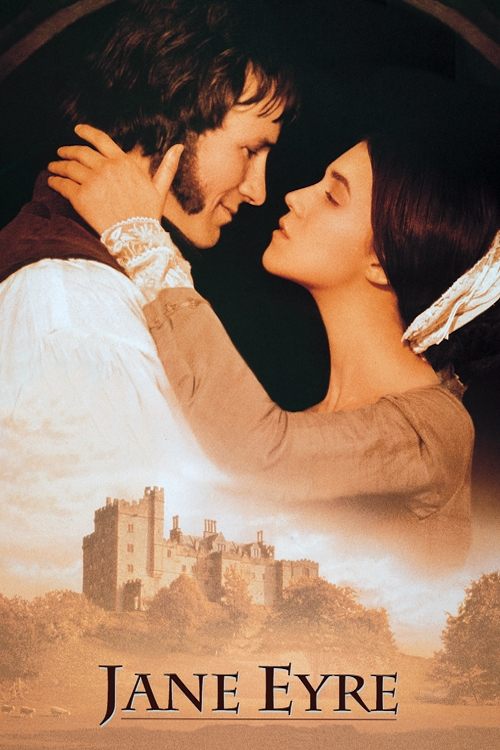
Jane Eyre
1996After a bleak childhood, Jane Eyre goes out into the world to become a governess. As she lives happily in her new position at Thornfield Hall, she meets the dark, cold, and abrupt master of the house, Edward Rochester. Jane and her employer grow close in friendship and she soon finds herself falling in love with him. Happiness seems to have found Jane at last, but could Rochester's terrible secret be about to destroy it forever?
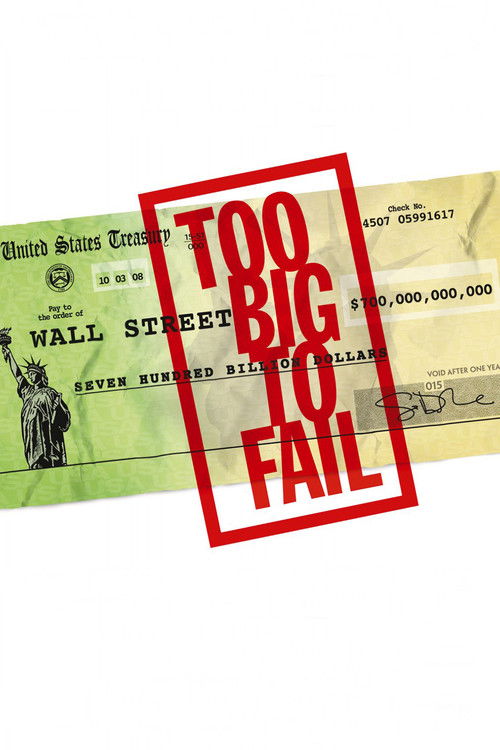
Too Big to Fail
2011An intimate look at the epochal financial crisis of 2008 and the powerful men and women who decided the fate of the world's economy in a matter of a few weeks.
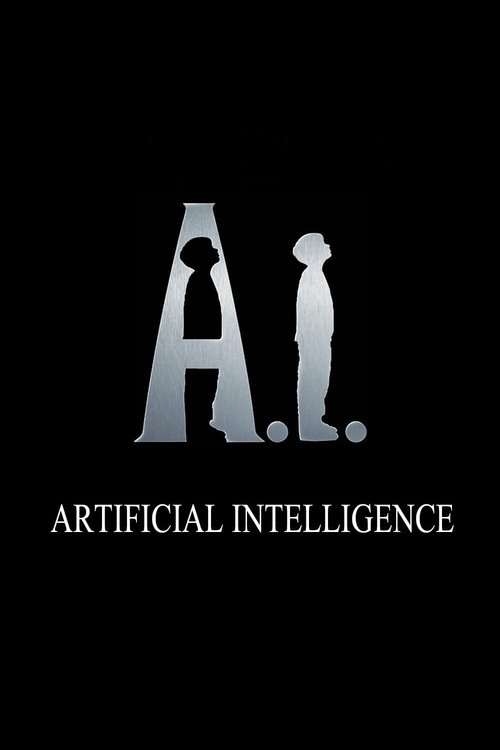
David, a robotic boy—the first of his kind programmed to love—is adopted as a test case by a Cybertronics employee and his wife. Though he gradually becomes their child, a series of unexpected circumstances make this life impossible for David.
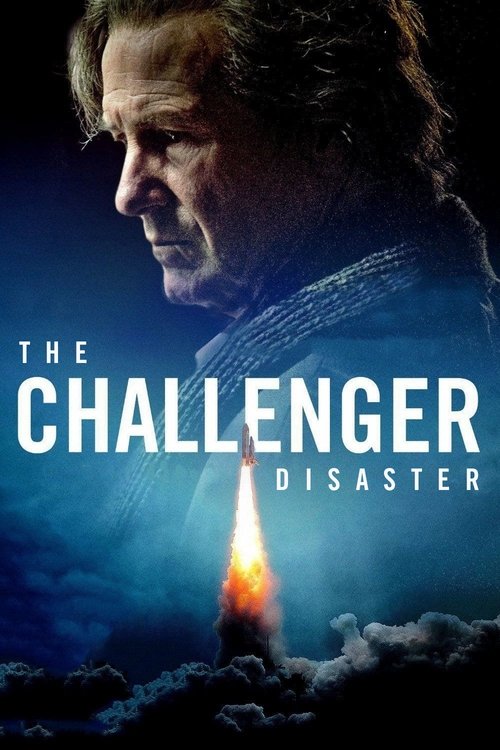
The Challenger Disaster
2013When the space shuttle Challenger blew up in 1986, it was the most shocking event in the history of American spaceflight. The deaths of seven astronauts, including the first teacher in space Christa McAuliffe, were watched live on television by millions of viewers. But what was more shocking was that the cause of the disaster might never be uncovered. The Challenger is the story of how Richard Feynman, one of America's most famous scientists, helped to discover the cause of a tragedy that stunned America.
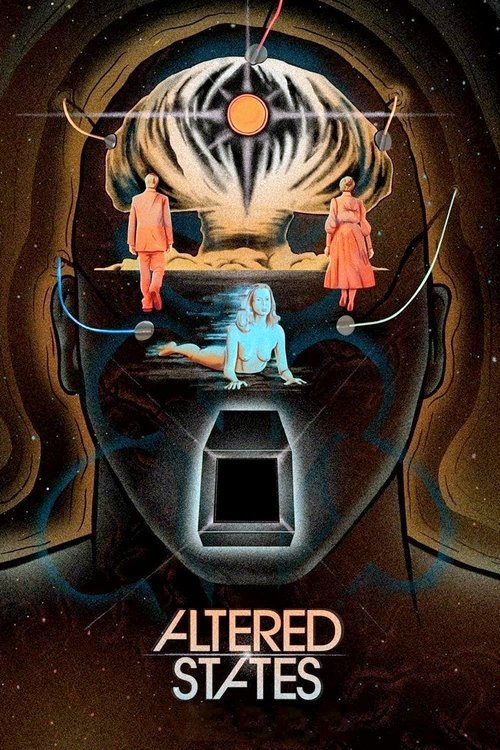
Altered States
1980A research scientist explores the boundaries and frontiers of human consciousness. Using sensory deprivation and hallucinogenic mixtures from Native American shamans, he explores these altered states of cognizance and finds that memory, time, and reality itself are states of mind.
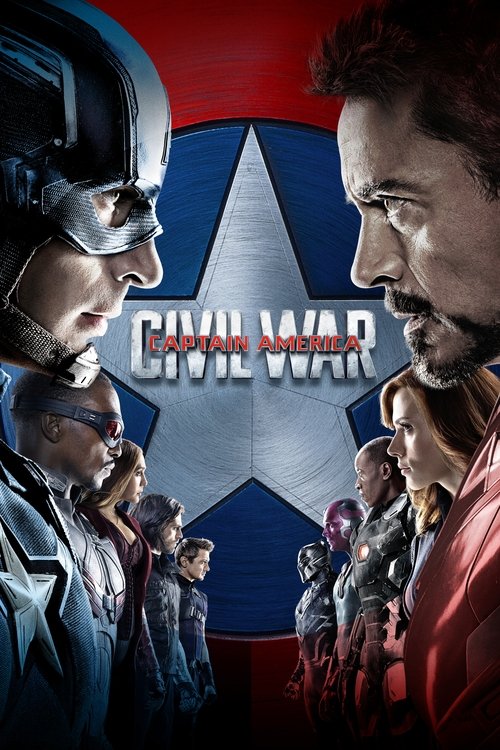
Following the events of Age of Ultron, the collective governments of the world pass an act designed to regulate all superhuman activity. This polarizes opinion amongst the Avengers, causing two factions to side with Iron Man or Captain America, which causes an epic battle between former allies.
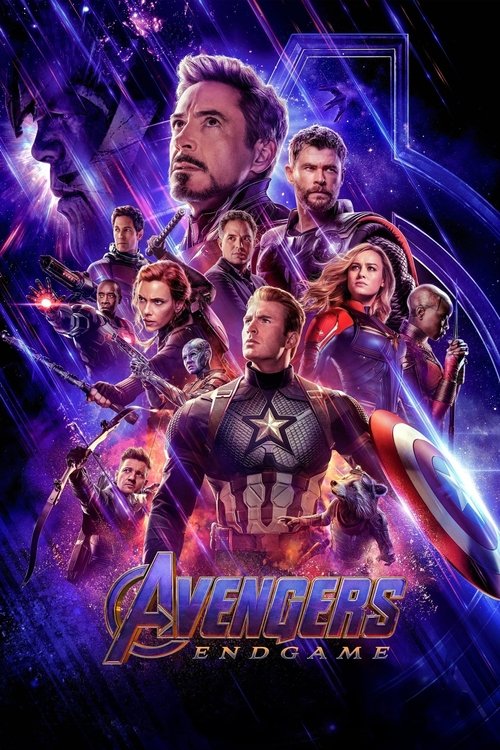
After the devastating events of Avengers: Infinity War, the universe is in ruins due to the efforts of the Mad Titan, Thanos. With the help of remaining allies, the Avengers must assemble once more in order to undo Thanos' actions and restore order to the universe once and for all, no matter what consequences may be in store.
Hurt's final physical appearance in the franchise serves as a somber bookend to his character's journey from a warmongering general to a political statesman. His presence adds a layer of established gravitas to the high-stakes culmination of a decade of storytelling.
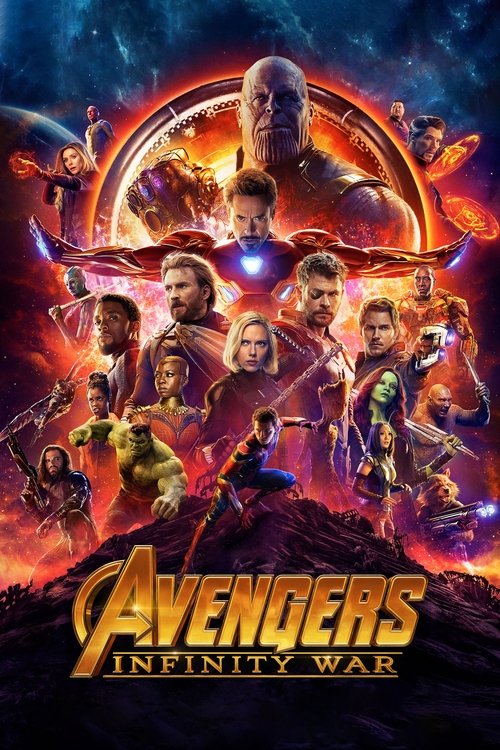
As the Avengers and their allies have continued to protect the world from threats too large for any one hero to handle, a new danger has emerged from the cosmic shadows: Thanos. A despot of intergalactic infamy, his goal is to collect all six Infinity Stones, artifacts of unimaginable power, and use them to inflict his twisted will on all of reality. Everything the Avengers have fought for has led up to this moment - the fate of Earth and existence itself has never been more uncertain.
Reprising his role as Thaddeus Ross, Hurt injects a necessary bureaucratic friction into the superhero spectacle. He effectively portrays the cold, legalistic obstacle to the Avengers, representing the world's desire to leash the uncontrollable.
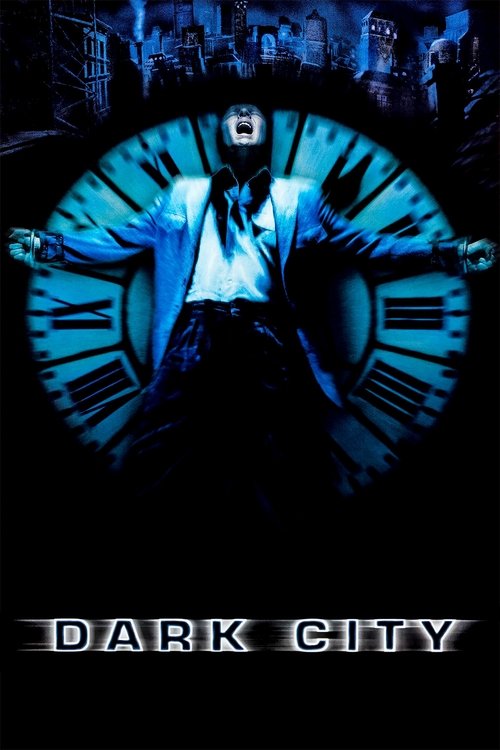
Dark City
1998A man struggles with memories of his past, including a wife he cannot remember, in a nightmarish world with no sun and run by beings with telekinetic powers who seek the souls of humans.
Within the shadows of this stylistic sci-fi noir, Hurt brings a weary, grounded humanity to the role of Inspector Frank Bumstead. He acts as the audience's tether to reality in a shifting world, utilizing his cerebral intensity to navigate a labyrinthine mystery.
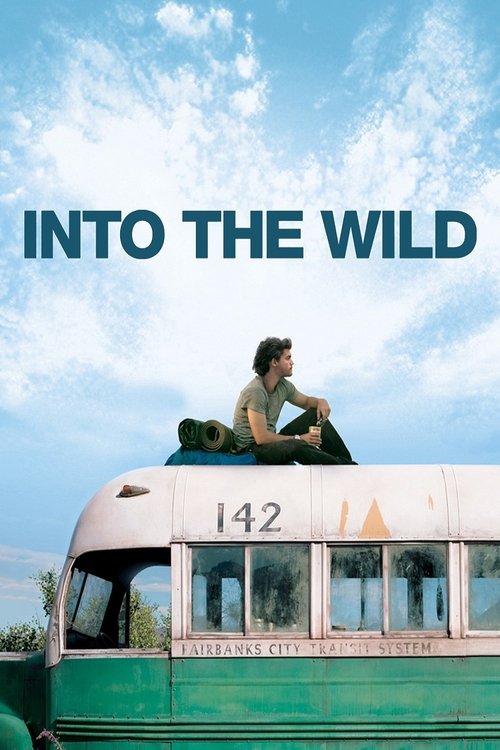
Into the Wild
2007After graduating from Emory University in 1992, top student and athlete Christopher McCandless abandons his possessions, gives his entire $24,000 savings account to charity, and hitchhikes to Alaska to live in the wilderness.
Hurt utilizes a rigid, repressed stillness to portray a father haunted by his own failings and his son's disappearance. It is a haunting study of grief and the agonizing weight of unspoken regrets in the wake of an ideology he cannot understand.
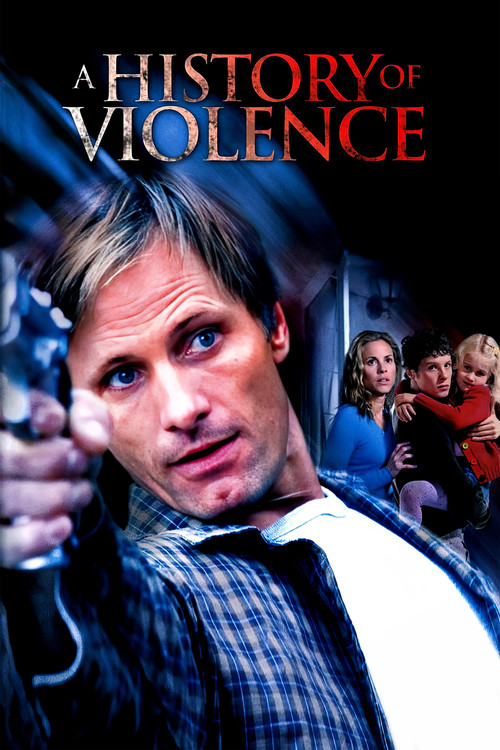
An average family is thrust into the spotlight after the father commits a seemingly self-defense murder at his diner.
With less than ten minutes of screen time, Hurt commands the frame as a terrifyingly eccentric mob boss, earning a late-career Oscar nod for a masterclass in theatrical menace. His joyful, threatening absurdity provides the final act with an unforgettable jolt of adrenaline.
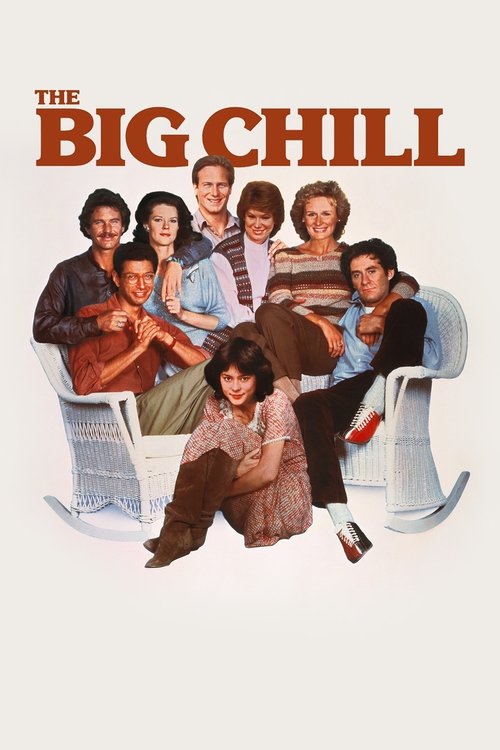
The Big Chill
1983Seven old college friends gather for a weekend reunion after the funeral of one of their own.
Hurt provides the cynical, drug-addled soul of this ensemble piece as the impotent Vietnam veteran Nick. He grounds the film's baby-boomer nostalgia with a quiet, biting sense of displacement that prevents the story from drifting into pure sentimentality.
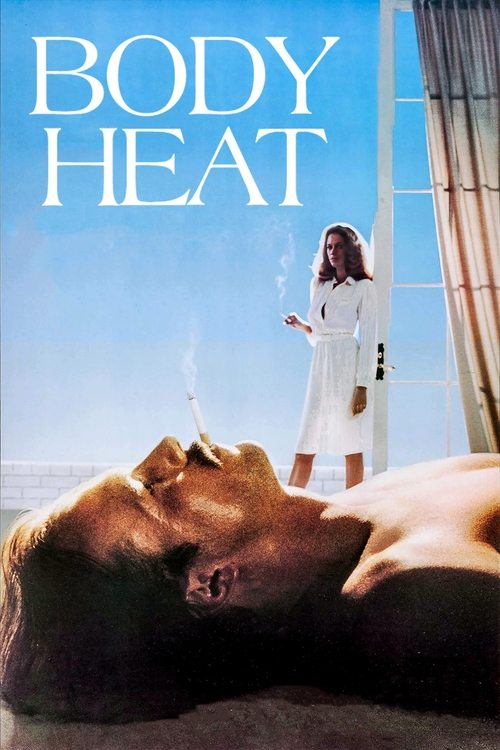
Body Heat
1981During an extreme heatwave, a beautiful Florida woman and a seedy lawyer engage in an affair while plotting the murder of her rich husband.
In his breakout scorching neo-noir debut, Hurt embodies the sweaty, gullible desperation of a lawyer blinded by lust. He successfully revitalized the archetype of the doomed chump, proving he could carry a film with pure, smoldering presence.
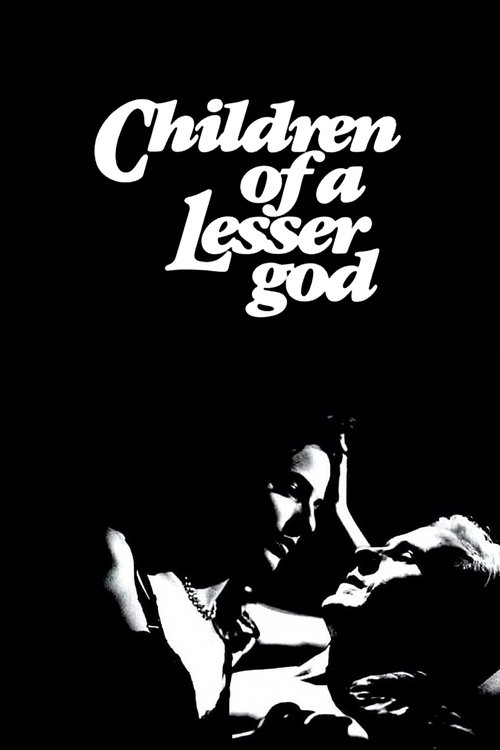
Starting his new job as an instructor at a New England school for the deaf, James Leeds meets Sarah Norman, a young deaf woman who works at the school as a member of the custodial staff. In spite of Sarah's withdrawn emotional state, a romance slowly develops between the pair.
Playing a radical speech teacher, Hurt navigates the complex tension between the desire to help and the ego of control. His chemistry with Marlee Matlin creates a visceral, tactile energy that anchors this groundbreaking exploration of communication barriers.
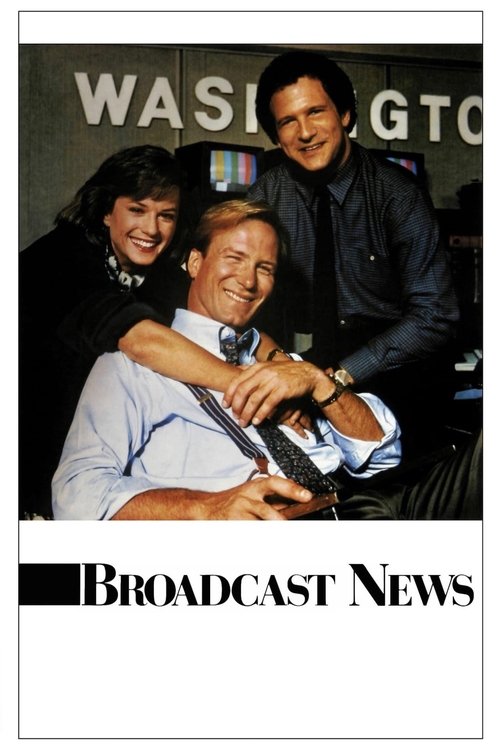
Broadcast News
1987A high-strung news producer finds herself in a love triangle between a talented but self-doubting reporter and a charming news anchor who embodies the growing trivialization of news that she is determined to fight against.
As the charismatic yet intellectually shallow Tom Grunick, Hurt perfectly weaponizes his good looks to critique the shift toward style over substance in news media. It is a brilliant exercise in self-aware vanity that earned him a well-deserved Academy Award nomination.
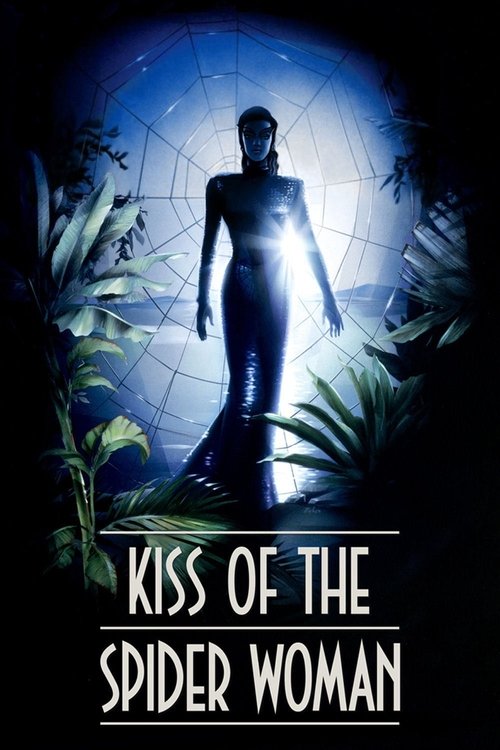
Kiss of the Spider Woman
1985The story of two radically different men thrown together in a Latin American prison cell. One is Valentin, a journalist being tortured for his political beliefs. The other is Molina, a gay window-dresser who fills their lonely nights by spinning romantic fantasies drawn from memories of old movies.
Hurt captures an Oscar for his transformative portrayal of Luis Molina, shedding his leading-man exterior to explore a delicate, fantasy-driven interiority. This role remains the ultimate testament to his ability to inhabit characters defined by their profound vulnerability and intellectual grace.
Frequently Asked Questions
Everything you need to know about this list and SnakeDrafts
- This ranking is influenced by picks made in SnakeDrafts drafts. When users draft the Best William Hurt Movies, their selections contribute to our overall rankings. The most-picked items rise to the top over time.
- Absolutely! Download SnakeDrafts, create a group, and start a "William Hurt" draft. You and other drafters take turns picking, then AI judges (and humans) vote on who had the best overall picks.
- SnakeDrafts is a mobile app where you draft movies, music, food, or any topic with friends. Think fantasy sports, but for everything else. You pick, you compete, you brag about your taste.
- In a snake draft, the pick order reverses each round. So if you pick last in round 1, you pick first in round 2. It keeps things fair and adds strategy to every selection.
- A combination of AI judges and human friends. You can invite friends to vote on whose picks were best, and our AI provides an objective perspective. The combined scores determine the winner.
- Yes! SnakeDrafts is free to download and play. Create groups, invite friends, and run as many drafts as you want without paying a cent.
- Our rankings reflect what the SnakeDrafts community actually picks when drafting Best William Hurt Movies. Everyone has different taste—that's what makes drafting fun. Start your own draft and make your case!
- For sure. In the app, you can create a custom draft on any topic you want. Best pizza toppings? Ranking your friend group's exes? Pick any topic, SnakeDrafts works for anything.