The Best Chris Penn Movies Ranked
The definitive ranking of Chris Penn's greatest films
Discover the best Chris Penn movies of all time, ranked. From iconic performances to hidden gems.
About Chris Penn

In the dense thicket of 1980s and 90s cinema, Chris Penn occupied a space that was entirely his own, functioning as a volatile bridge between blue-collar authenticity and high-wire intensity. While he shared a surname with one of Hollywood’s most revered heavyweights, he bypassed the brooding Method intellectualism of his brother Sean in favor of a raw, physical unpredictability. He was the kind of actor who felt permanent, a fixture of the frame who could pivot from a lovable Midwestern teenager to a terrifyingly efficient mobster without changing more than the squint of his eyes.
Audiences first truly met him as the gentle, rhythmically challenged Willard in Footloose, a role that demanded a specific kind of Midwestern vulnerability. That same era saw him drifting through the moody, black-and-white atmosphere of Rumble Fish and playing the young antagonist in the Eastwood western Pale Rider. Even then, there was a sense that Penn was more than just a character actor; he was a catalyst. When he appeared alongside his brother and Christopher Walken in the harrowing At Close Range, he proved he could hold his own in a family of titans, grounding the film’s rural grit with a tragic, doomed energy.
The 1990s redefined him as a savior of the ensemble piece. As Nice Guy Eddie in Reservoir Dogs, he became an indelible part of the Tarantino lexicon, sporting a tracksuit and a frantic, defensive loyalty that made him the most relatable person in a room full of killers. He possessed a rare ability to translate high-stakes pressure into something visceral, a trait he brought to the neon-soaked world of True Romance and the sprawling, cynical landscape of Robert Altman’s Short Cuts. In the latter, his performance as a frustrated pool cleaner offered a masterclass in latent rage, capturing the quiet desperation of a man on the brink of a collapse.
What made Penn so magnetic was his refusal to be pigeonholed by his physicality. He could play the heavy with terrifying precision in Mulholland Falls or the dogged investigator in Murder by Numbers, yet he harbored a comedic timing that felt effortless. He shifted gears into family-friendly territory with Beethoven's 2nd and leaned into broad, crowd-pleasing irony in the Rush Hour franchise and Starsky & Hutch. Even when playing a narrow-minded sheriff in To Wong Foo, Thanks for Everything! Julie Newmar, he understood the assignment, finding the humanity inside the caricature.
By the time he appeared in slick capers like After the Sunset, it was clear that Penn served as a stamp of credibility. Directors leaned on him because he brought an innate honesty to the screen; he never looked like he was acting, he looked like he was surviving the plot. He was a performer who understood the weight of the everyman, finding the poetry in the bruised, the overlooked, and the fiercely loyal. His legacy isn't found in a singular leading-man trophy, but in a body of work that feels fundamentally real, populated by characters who breathed the same heavy air as the rest of us. He was a staple of the American cinematic diet, a powerhouse who made every scene he entered feel more dangerous, more funny, and more alive.
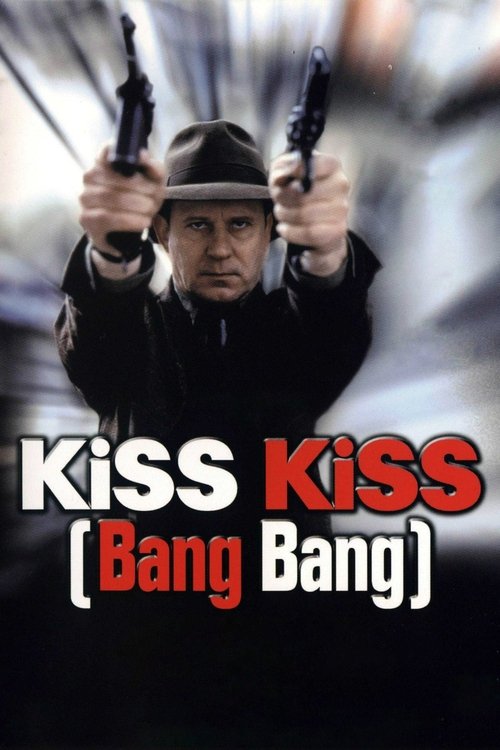
Kiss Kiss (Bang Bang)
2001A hit man who wants out of the business is targeted by old colleagues.
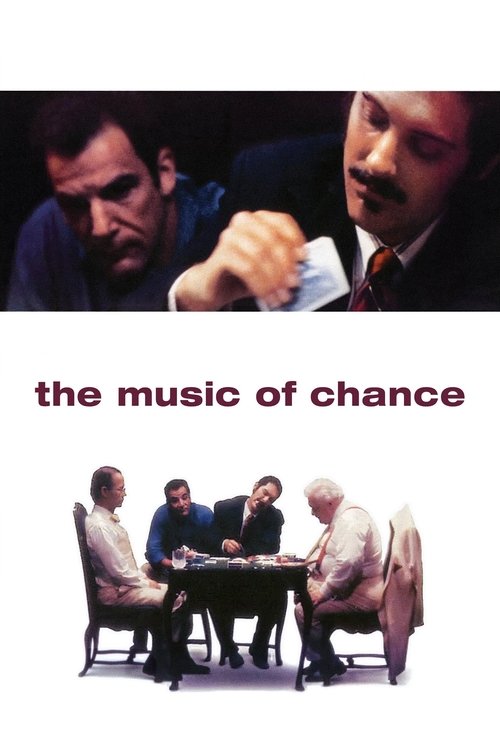
The Music of Chance
1993Two men face the consequences of gambling after playing with men beyond their league.
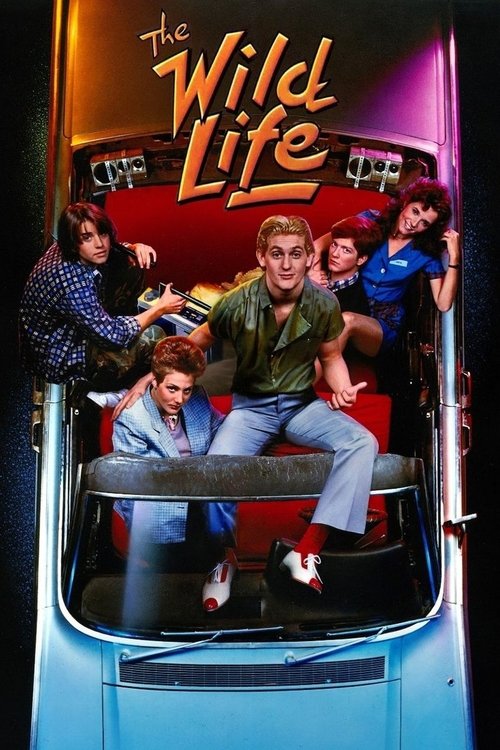
The Wild Life
1984Eighties teen romp involving Bill and his new apartment, Jim and his rebellious antics, Tom and his crazy self, and Anita with her older man David.
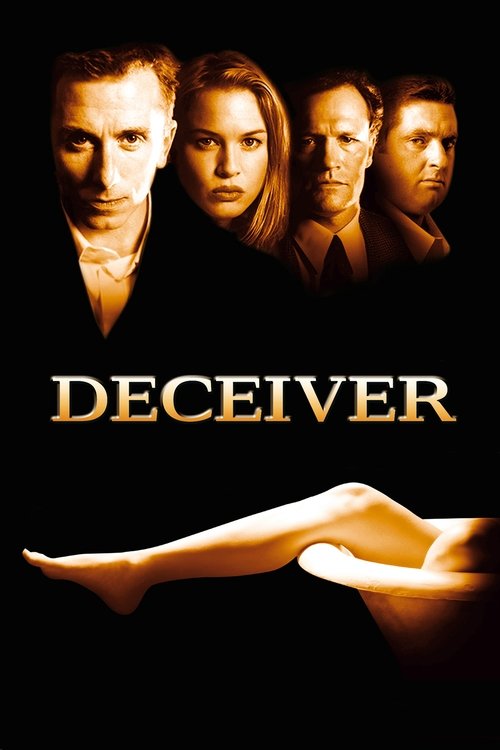
Deceiver
1997The gruesome death of a prostitute brings suspicion on one of her clients, James Wayland, a brilliant, self-destructive and epileptic heir to a textile fortune. So detectives Braxton and Kennesaw take Wayland in for questioning, thinking they can break the man. But despite his troubles, Wayland is a master of manipulation, and during the interrogation, he begins to turn the tables on the investigators, forcing them to reveal their own sinister sides.
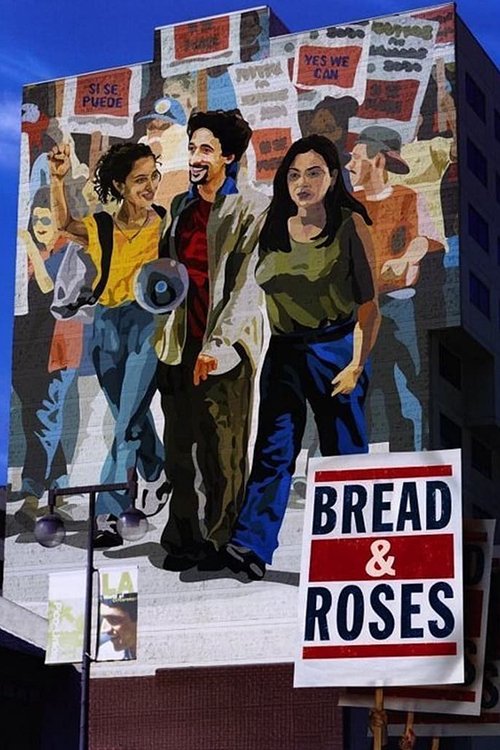
Bread and Roses
2000Maya is a quick-witted young woman who comes over the Mexican border without papers and makes her way to the LA home of her older sister Rosa. Rosa gets Maya a job as a janitor: a non-union janitorial service has the contract, the foul-mouthed supervisor can fire workers on a whim, and the service-workers' union has assigned organizer Sam Shapiro to bring its "justice for janitors" campaign to the building. Sam finds Maya a willing listener, she's also attracted to him. Rosa resists, she has an ailing husband to consider. The workers try for public support; management intimidates workers to divide and conquer. Rosa and Maya as well as workers and management may be set to collide.
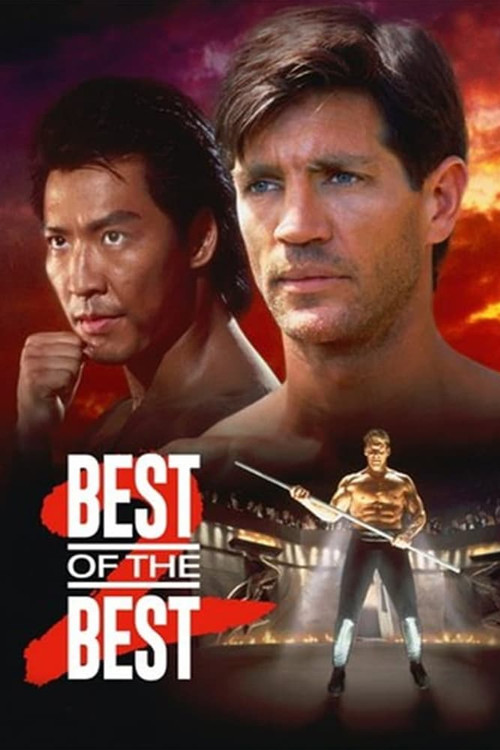
Best of the Best 2
1993In an underground fight club, blackbelt Travis Brickley is killed after losing to the evil martial arts master Brakus. Travis' death is witnessed by Walter Grady, the son of his best friend Alex Grady. Alex and his partner, Tommy Lee, vow to avenge their friend's death by defeating Brakus and shutting down the fight club.

The Darwin Awards
2007After botching the capture of a notorious serial killer, idiosyncratic detective Michael Burrows loses his job with the San Francisco Police. He becomes an investigator for an insurance company and joins forces with a cynical field agent to probe suspicious and unusual deaths.
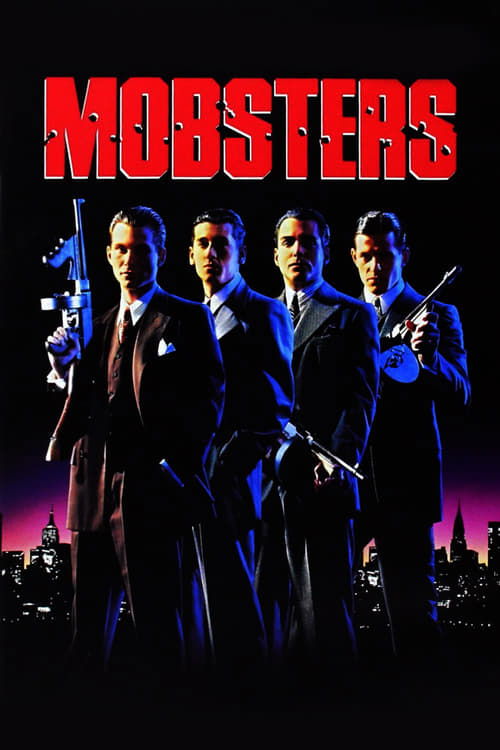
Mobsters
1991The story of a group of friends in turn of the century New York, from their early days as street hoods to their rise in the world of organized crime...
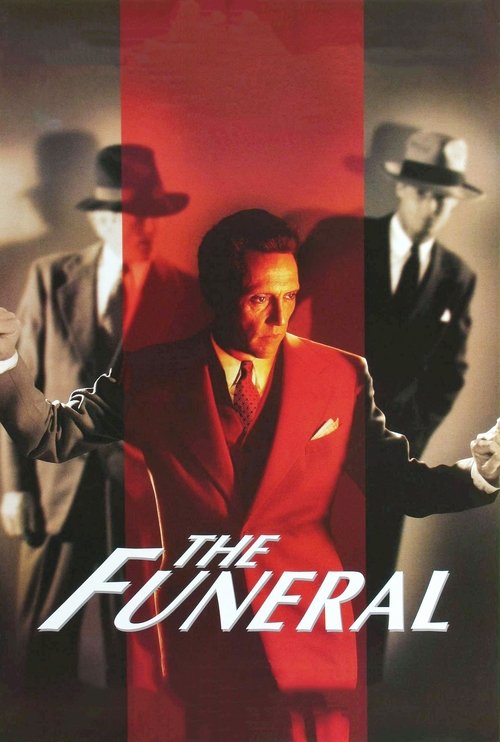
The Funeral
1996After the funeral of one of their own, a criminal family decides to embark on an emotionally unnerving journey in an attempt to exact bloody revenge.
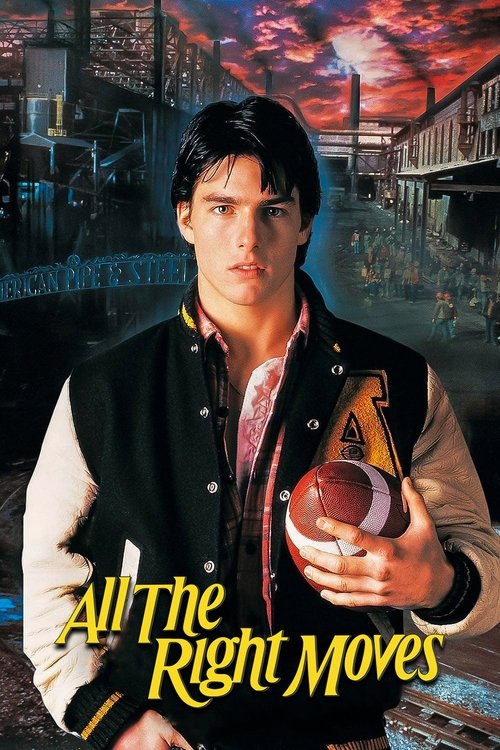
All the Right Moves
1983Sensitive study of a headstrong high school football star who dreams of getting out of his small Western Pennsylvania steel town with a football scholarship. His equally ambitious coach aims at a college position, resulting in a clash which could crush the player's dreams.
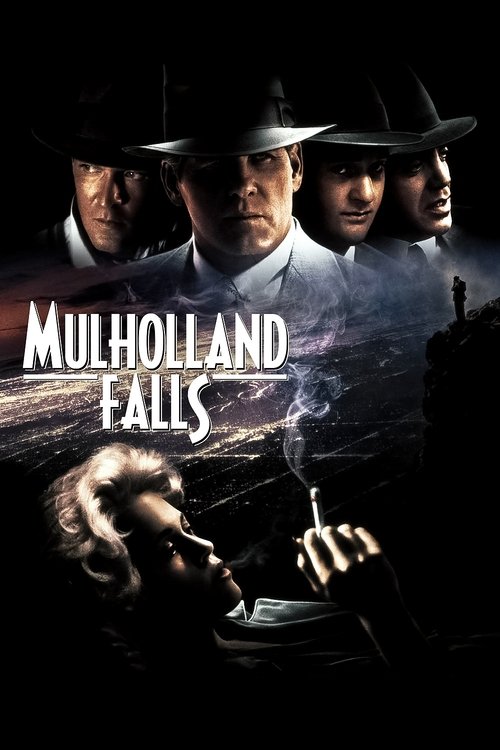
Mulholland Falls
1996In 1950s Los Angeles, a special crime squad of the LAPD investigates the murder of a young woman.
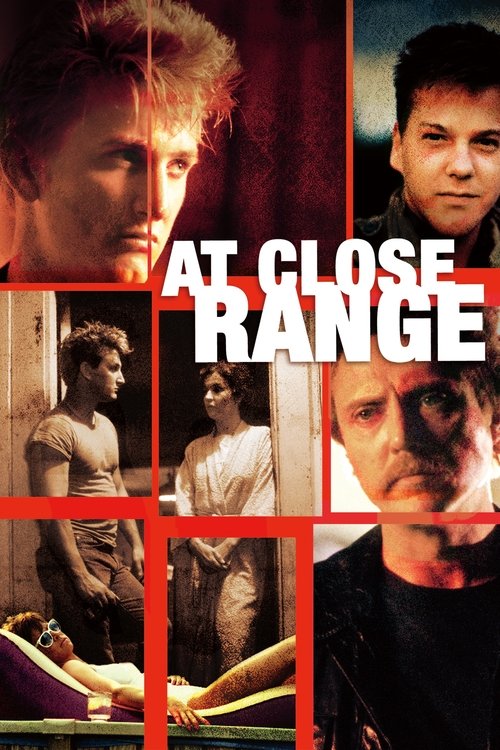
At Close Range
1986Brad Whitewood Jr. lives in rural Pennsylvania and has few prospects. Against his mother's wishes, he seeks out his estranged father, the head of a gang of thieves in a nearby town. Though his new girlfriend supports his criminal ambitions, Brad Jr. soon learns that his father is a dangerous man. Inspired by the real events that led to the end of the Johnston Gang, who operated in the northeastern United States in the 1970s.
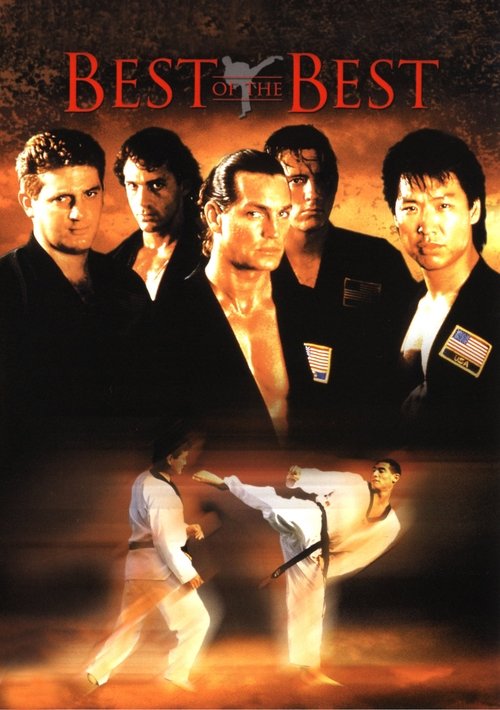
Best of the Best
1989A team from the United States is going to compete against Korea in a Tae Kwon Do tournament. The team consists of fighters from all over the country--can they overcome their rivalry and work together to win?

Short Cuts
1993Many loosely connected characters cross paths in this film, based on the stories of Raymond Carver. Waitress Doreen Piggot accidentally runs into a boy with her car. Soon after walking away, the child lapses into a coma. While at the hospital, the boy's grandfather tells his son, Howard, about his past affairs. Meanwhile, a baker starts harassing the family when they fail to pick up the boy's birthday cake.
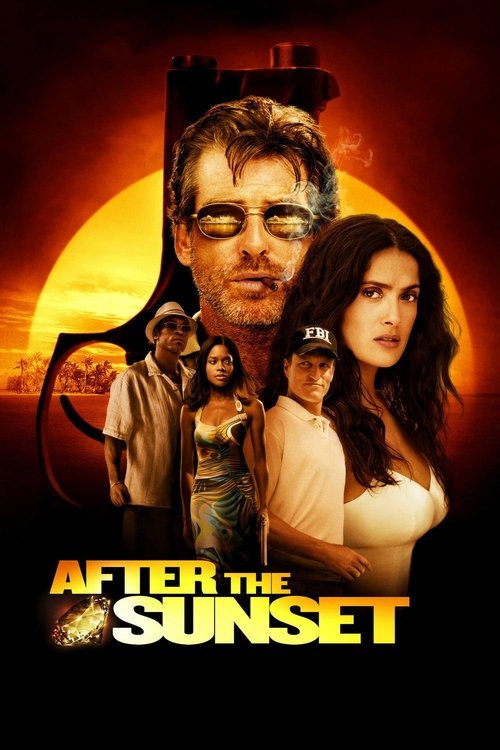
After the Sunset
2004An FBI agent is suspicious of two master thieves, quietly enjoying their retirement near what may - or may not - be the biggest score of their careers.
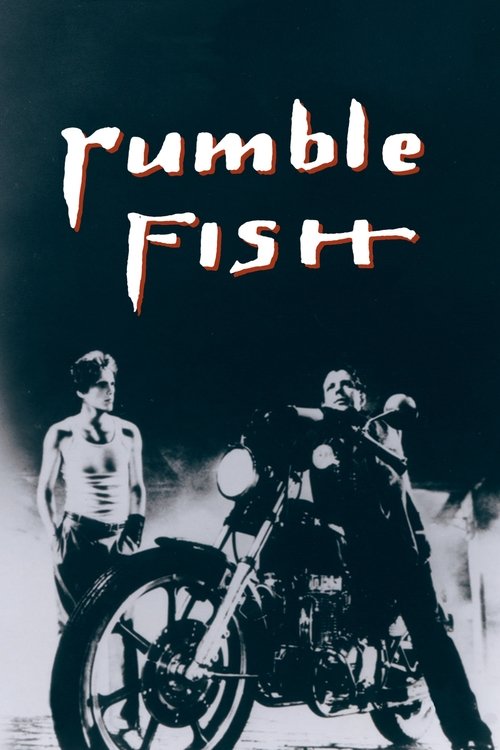
Rumble Fish
1983Absent-minded street thug Rusty James struggles to live up to his legendary older brother's reputation, and longs for the days of gang warfare.
Even in a supporting capacity, Penn’s early-career turn in this Coppola masterpiece vibrates with an edgy, improvisational spirit. He fits perfectly into the film’s dreamlike, avant-garde atmosphere, contributing to the collective brooding energy that defined a generation of young Method actors.
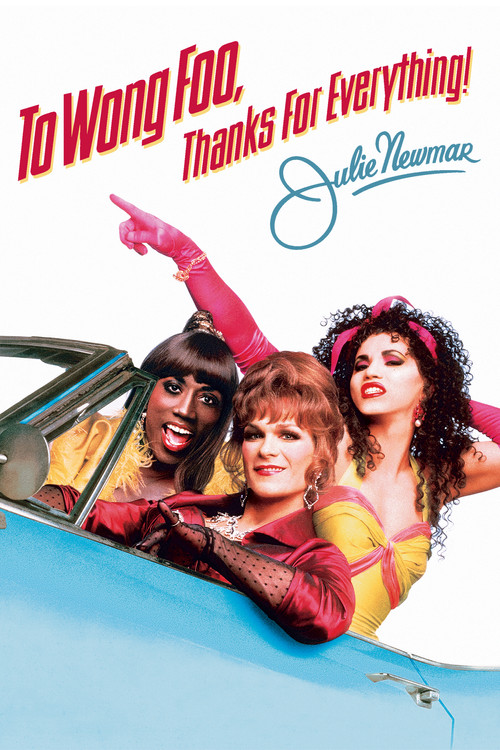
To Wong Foo, Thanks for Everything! Julie Newmar
1995Manhattan drag queens Vida Boheme and Noxeema Jackson impress regional judges in competition, securing berths in the Nationals in Los Angeles. When the two meet pathetic drag novice Chi-Chi Rodriguez — one of the losers that evening — the charmed Vida and Noxeema agree to take the hopeless youngster under their joined wing. Soon the three set off on a madcap road trip across America and struggle to make it to Los Angeles in time.
Penn is unrecognizable and utterly committed as a bigoted sheriff whose narrow worldview is challenged by a trio of drag queens. This performance is a testament to his bravery as an actor, fearlessly leaning into a grotesque character to facilitate the film's broader themes of tolerance.
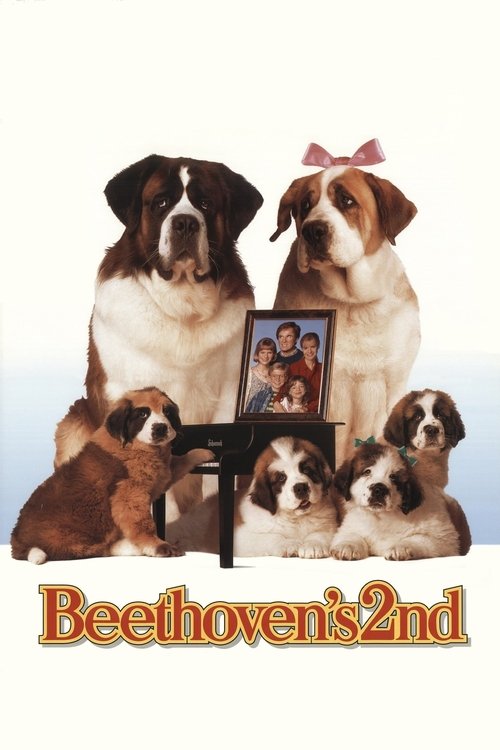
Beethoven's 2nd
1993Beethoven is back -- and this time, he has a whole brood with him now that he's met his canine match, Missy, and fathered a family. The only problem is that Missy's owner, Regina, wants to sell the puppies and tear the clan apart. It's up to Beethoven and the Newton kids to save the day and keep everyone together.
Displaying an unexpected knack for slapstick, Penn embraces the absurdity of a family-film villain with infectious, scenery-chewing glee. It is a rare glimpse into his comedic range, proving he could pivot from high-stakes noir to broad physical humor without losing his screen presence.
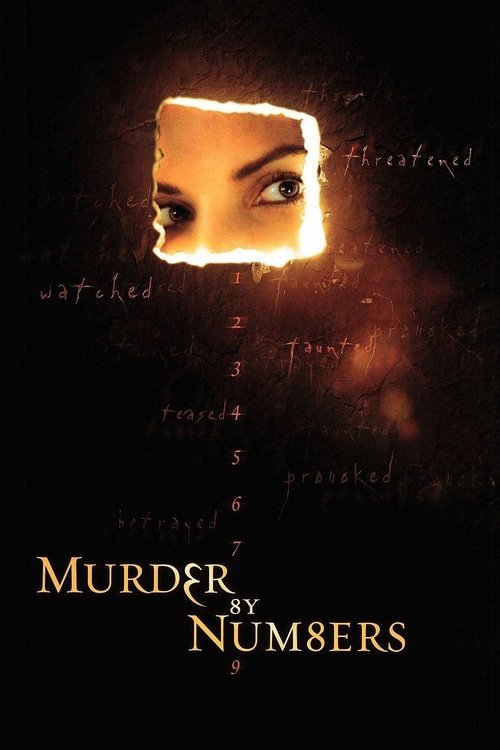
Murder by Numbers
2002Tenacious homicide detective Cassie Mayweather and her still-green partner are working a murder case, attempting to profile two malevolently brilliant young men: cold, calculating killers whose dark secrets might explain their crimes.
As a veteran detective navigating a narcissistic psychological game, Penn provides a necessary groundedness to the film’s escalating tension. His weary, blue-collar authority serves as the moral compass of the narrative, highlighting his evolution into a dependable character actor of great gravitas.
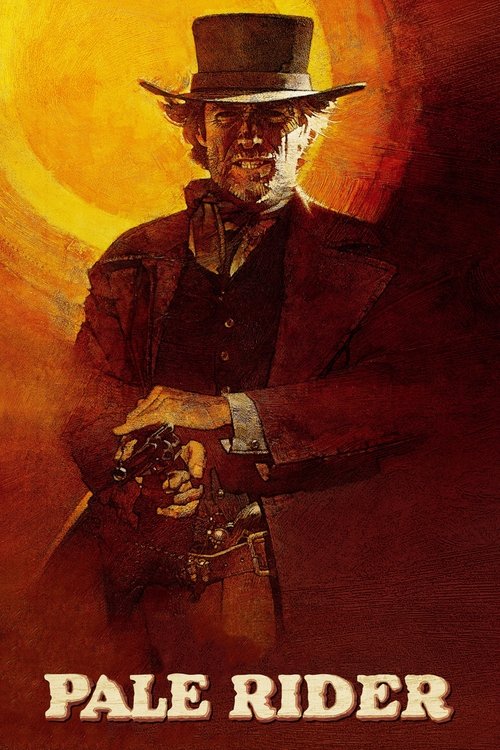
Pale Rider
1985A mysterious preacher protects a humble prospector village from a greedy mining company trying to encroach on their land.
Standing tall against Clint Eastwood’s stoic presence, Penn exudes a raw, youthful malice as a hired gun in this classic Western. The role solidified his status as a formidable antagonist capable of projecting a sense of danger that felt both period-accurate and terrifyingly modern.
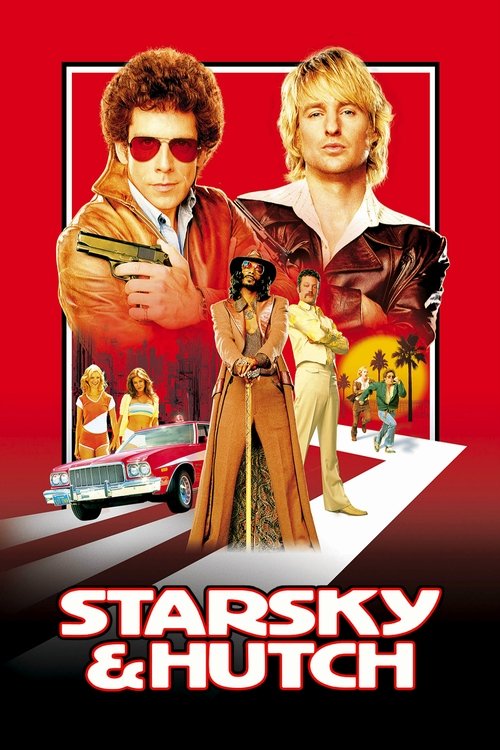
Starsky & Hutch
2004Join uptight David Starsky and laid-back Ken "Hutch" Hutchinson as they're paired for the first time as undercover cops. The new partners must overcome their differences to solve an important case with help from street informant Huggy Bear and persuasive criminal Reese Feldman.
Penn leans into his reputation for grit to deliver a tongue-in-cheek performance that both honors and parodies the hard-boiled archetypes of 1970s television. By playing the straight-faced heavy against a comedic backdrop, he demonstrates a sophisticated understanding of tonal balance.
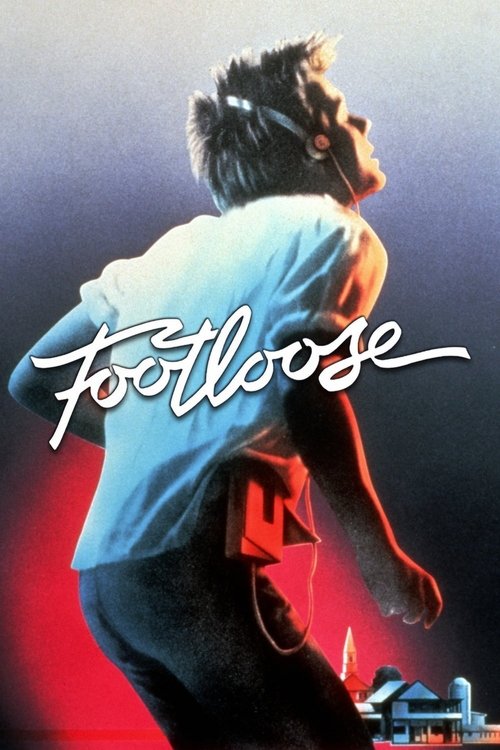
Footloose
1984When teenager Ren and his family move from big-city Chicago to a small town in the West, he's in for a real case of culture shock after discovering he's living in a place where music and dancing are illegal.
In a delightful subversion of his later tough-guy persona, Penn captures the earnest, clumsy charm of a small-town teen learning to find his rhythm. This performance remains a vital touchstone of 80s youth cinema, showcasing a rhythmic vulnerability that few realized the actor possessed.
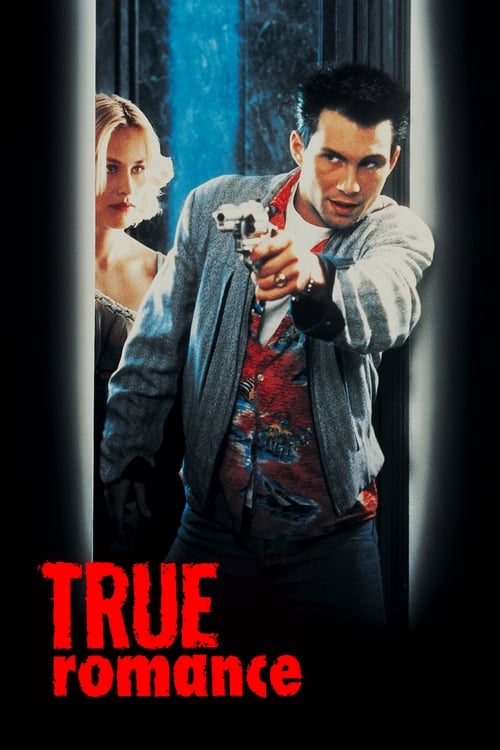
True Romance
1993Clarence marries hooker Alabama, steals cocaine from her pimp, and tries to sell it in Hollywood, while the owners of the coke try to reclaim it.
Occupying the frantic space of a high-stakes police procedural, Penn brings a relentless, caffeine-fueled energy to his role as a detective caught in Tony Scott’s stylized crossfire. His ability to project simmering frustration adds a layer of gritty realism to an otherwise hallucinatory pop-culture odyssey.
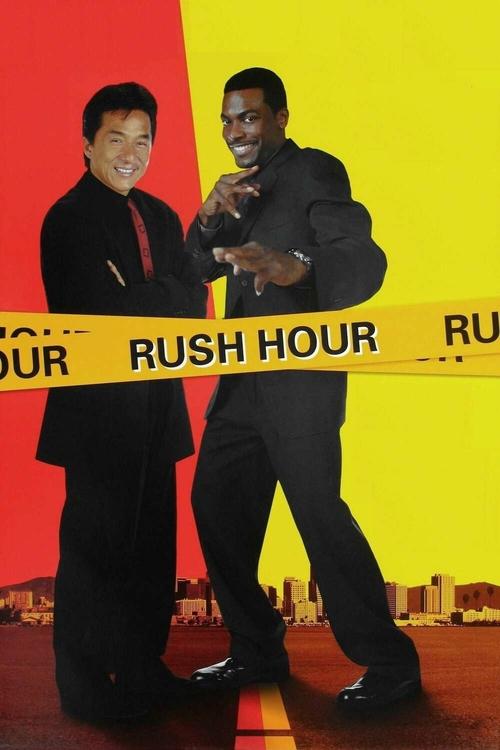
Rush Hour
1998When Hong Kong Inspector Lee is summoned to Los Angeles to investigate a kidnapping, the FBI doesn't want any outside help and assigns cocky LAPD Detective James Carter to distract Lee from the case. Not content to watch the action from the sidelines, Lee and Carter form an unlikely partnership and investigate the case themselves.
Penn masterfully weaponizes his intimidating physicality and deadpan delivery to play the perfect bureaucratic foil to the film’s chaotic lead duo. It is a masterclass in the 'slow burn' character acting that made him a staple of major late-90s studio cinema.
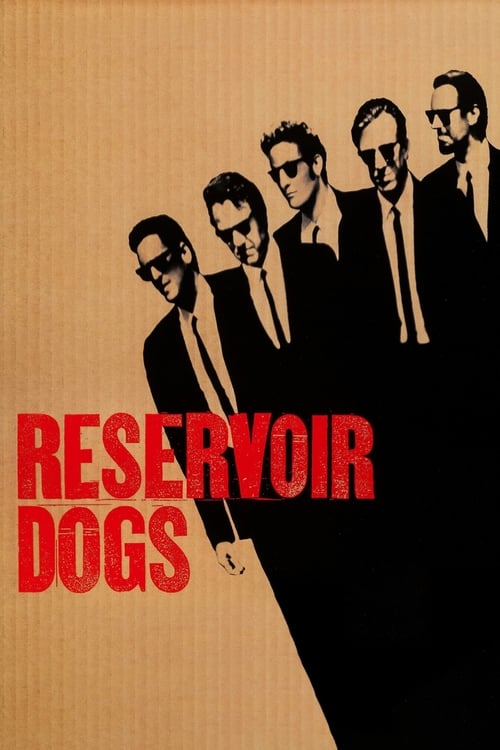
Reservoir Dogs
1992A botched robbery indicates a police informant, and the pressure mounts in the aftermath at a warehouse. Crime begets violence as the survivors -- veteran Mr. White, newcomer Mr. Orange, psychopathic parolee Mr. Blonde, bickering weasel Mr. Pink and Nice Guy Eddie -- unravel.
As the tracksuit-clad Nice Guy Eddie, Penn commands the screen with a volatile mix of nepotistic entitlement and fierce loyalty, anchoring Tarantino’s high-wire heist drama. This role redefined his career, proving he could match the intensity of seasoned heavyweights while serving as the film’s crucial, hot-headed emotional center.
Frequently Asked Questions
Everything you need to know about this list and SnakeDrafts
- Chris Penn's performances are marked by a raw physical intensity and a unique blue-collar authenticity that make his characters feel both volatile and grounded. His ability to shift seamlessly from lovable to menacing added depth to films like 'Reservoir Dogs' and 'True Romance.'
- In 'Rush Hour,' Chris Penn showcases his comedic timing and action chops, contributing to a lighthearted crime comedy, while in 'Reservoir Dogs,' he delivers a darker, edgier performance in a tense crime thriller. This versatility highlights his range across genres.
- Yes, films like 'Murder by Numbers' and 'Mulholland Falls' offer compelling examples of his dramatic range in crime thrillers. These underrated gems reveal his ability to enrich complex narratives beyond his more famous roles.
- Films like 'Starsky & Hutch' and 'Short Cuts' exemplify Penn's skill in blending dramatic elements with humor. His performances bring a naturalistic charm that fits well within both comedic and serious storytelling contexts.
- In 'Footloose,' Chris Penn plays a troubled yet relatable teenager, injecting the film with authentic emotional struggles and youthful rebellion. His portrayal adds depth to the coming-of-age drama, making the story resonate with audiences.
- Absolutely, Chris Penn collaborated with acclaimed directors like Quentin Tarantino ('Reservoir Dogs'), Clint Eastwood ('Pale Rider'), and Francis Ford Coppola ('Rumble Fish'), which helped him take part in critically influential films. These partnerships underscore his respected status in the industry.
- Crime and drama dominate Chris Penn's filmography on this list, often infused with elements of action and comedy. This blend showcases his adaptability and appeal across multiple cinematic styles.
- Chris Penn's role in 'To Wong Foo' adds subtle warmth and sincerity to the film's comedic and dramatic themes. His nuanced performance helps balance the narrative's lightheartedness with heartfelt moments.