The Best Joe Pesci Movies Ranked
From Mob Enforcers to Comedic Icons
Explore the definitive ranking of Joe Pesci's greatest performances, featuring his legendary collaborations with Martin Scorsese and hit comedies.
About Joe Pesci
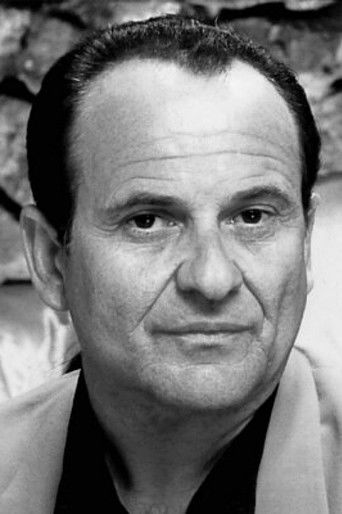
In an industry built on towering physiques and leading-man vanity, a five-foot-four powerhouse from Newark reinvented the mechanics of screen presence. To watch Joe Pesci is to witness a masterclass in controlled volatility. He possesses a rare, high-frequency energy that can swing from slapstick vulnerability to bone-chilling systemic violence in the blink of an eye. Whether it is the frantic chirping of Leo Getz in the Lethal Weapon sequels or the terrifying hair-trigger temper of Tommy DeVito in GoodFellas, he commands the lens with a gravity that belies his stature. He does not just occupy a scene; he vibrates within it, forcing every other actor to keep pace or get out of the way.
The alchemy of his career is inextricable from his partnership with Martin Scorsese. In Raging Bull, he offered a soulful, gritty foundation for De Niro’s wreckage, but it was their later collaborations that solidified his status as cinema’s premier high-stakes enforcer. In Casino, he played Nicky Santoro like a human buzzsaw, a man so dangerous he could make the bright lights of Las Vegas feel claustrophobic. Yet, he never allowed these characters to become mere caricatures of the mob. There is a specific, lived-in intelligence to his work, an understanding of the street-level hierarchy that he brought to earlier roles in Once Upon a Time in America and A Bronx Tale.
What remains most fascinating is his elastic range. In 1990, he pulled off the improbable feat of winning an Oscar for playing a psychopathic hitman while simultaneously becoming a global beloved figure for getting his head torched in Home Alone. It takes a singular talent to haunt the nightmares of adults while becoming the definitive cartoonish foil for children. That same charisma anchored My Cousin Vinny, where he swapped the pistol for a leather suit and delivered one of the most enduring comedic performances in history. He proved that his signature fast-talking cadence worked just as well in a courtroom as it did in a social club, turning a fish-out-of-water premise into a cultural touchstone.
His legacy is built on the strength of his exits and returns. After a decade of semi-retirement that left a palpable void in Hollywood, his comeback in The Irishman revealed a new, haunting gear. Subduing his trademark fire, he played Russell Bufalino with a quiet, devastating stillness—a reminder that a whisper from him carries more weight than a scream from anyone else. This understated turn acted as a sobering bookend to a career defined by noise. Audiences connect with him because he feels authentic; there is no artifice in the way he wears a suit or delivers a threat. He remains the ultimate wild card, an actor who mastered the art of being both the most dangerous man in the room and the one you most want to grab a drink with. He didn't just play the tough guy; he became the standard by which all others are measured.
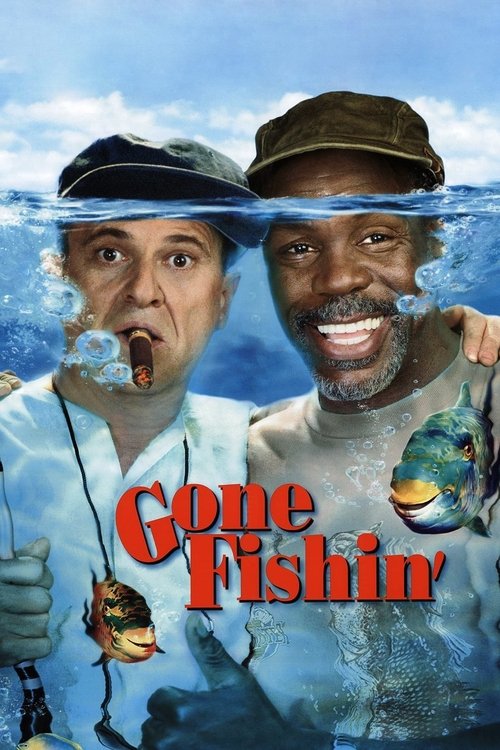
Gone Fishin'
1997Two fishing fanatics get in trouble when their fishing boat gets stolen while on a trip.
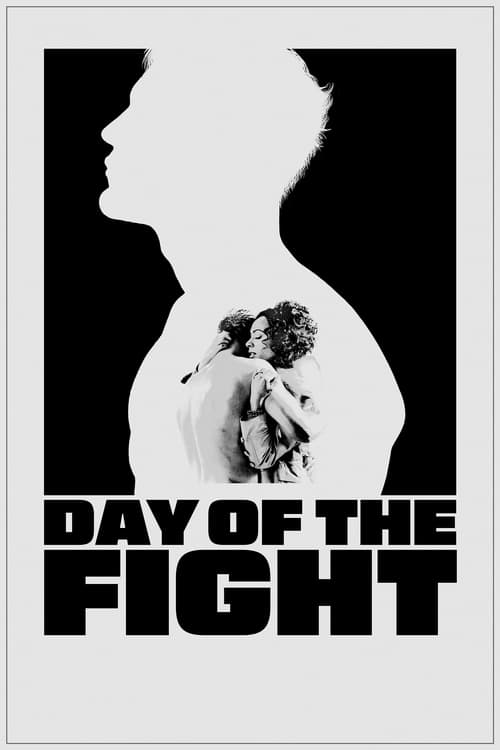
Day of the Fight
2024On the day of his first fight since his release from prison, a once-renowned boxer embarks on a redemptive journey through his past and present.
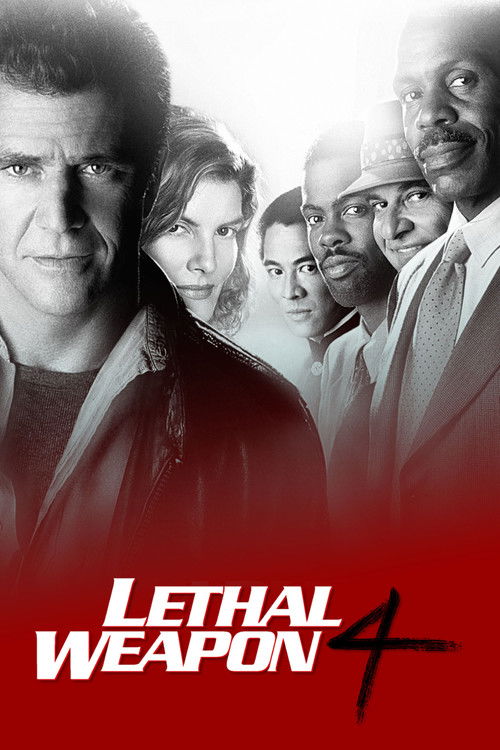
Lethal Weapon 4
1998With personal crises and age weighing in on them, Riggs and Murtaugh must contend with deadly Chinese triads trying to free their former leaders from prison and onto American soil.
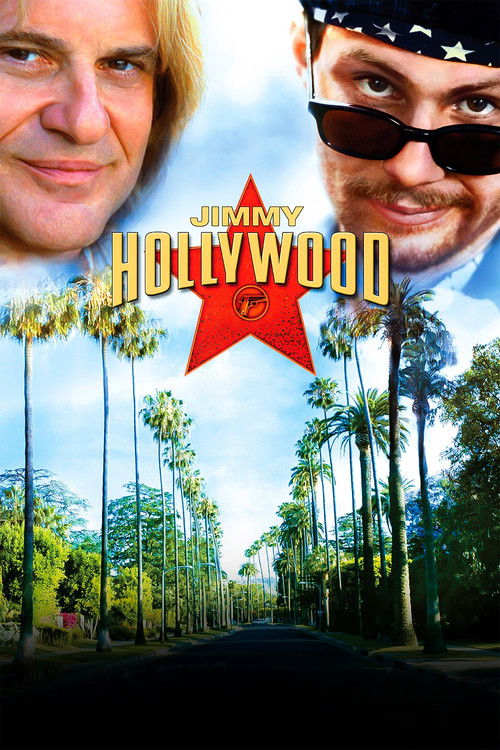
Jimmy Hollywood
1994Jimmy Alto is an actor wannabe who stumbles into the role of a lifetime. He becomes a vigilante crime-fighter, aided by his sidekick William, who has suffered a head wound and has problems with short-term memory. Jimmy's vigilante alter ego soon becomes a media wonder--but Jimmy remains a total unknown and his long-suffering girl friend Lorraine is getting fed up with the whole situation.
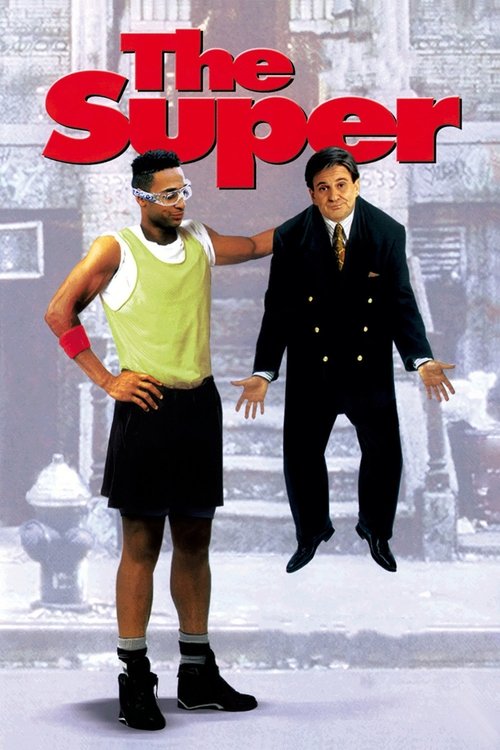
The Super
1991Louie Kritski is a heartless landlord who has been so negligent in keeping up his ghetto apartment that he is threatened with jail time. The judge gives him another option -- he must live in his rat-infested hell hole until he brings it up to liveable standards.
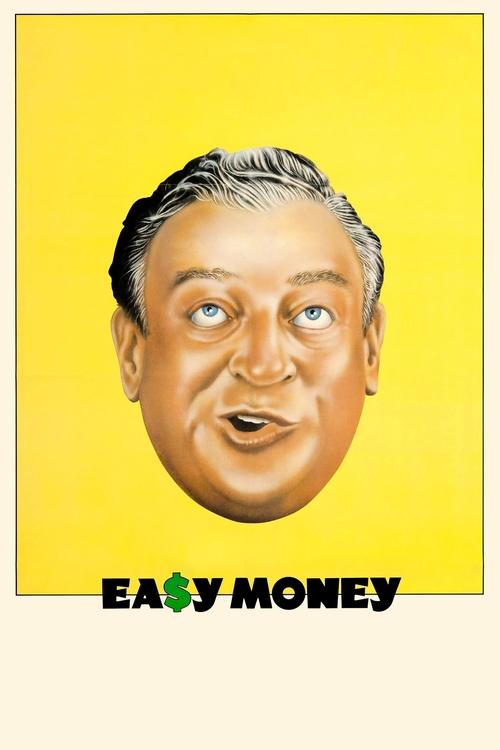
Easy Money
1983To inherit his mother-in-law's colossal fortune, a hard living gambling addict must change his unhealthy ways before it gets the best of him.
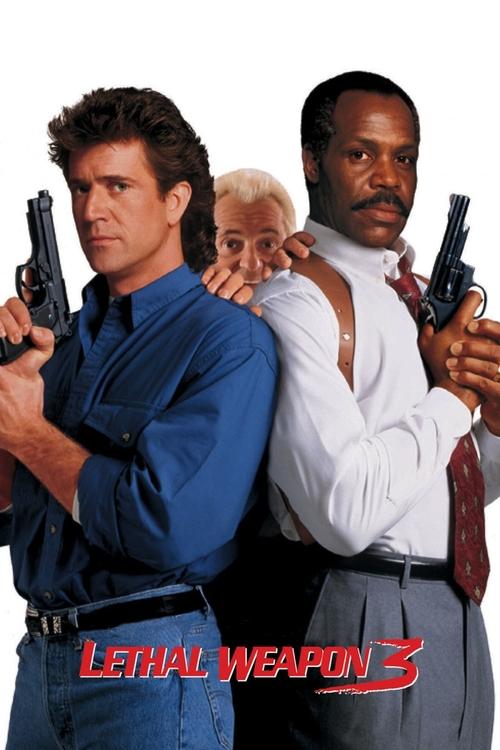
Lethal Weapon 3
1992Riggs and Murtaugh pursue a former officer who uses his knowledge of police procedure and policies to steal and sell confiscated guns and ammunition to local street gangs.
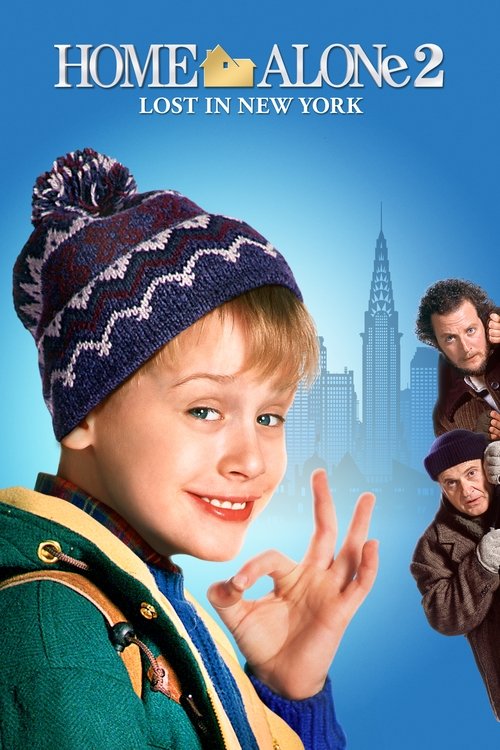
Instead of flying to Florida with his folks, Kevin ends up alone in New York, where he gets a hotel room with his dad's credit card—despite problems from a clerk and meddling bellboy. But when Kevin runs into his old nemeses, the Wet Bandits, he's determined to foil their plans to rob a toy store on Christmas Eve.
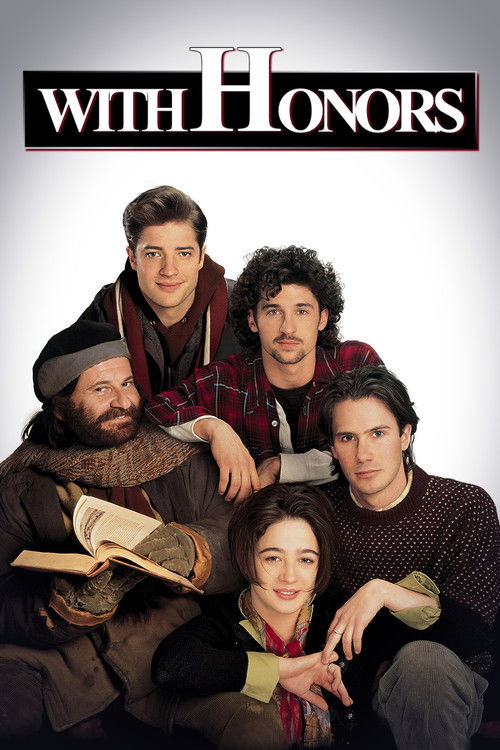
With Honors
1994Convinced he'll graduate with honors because of his thesis paper, a stuffy Harvard student finds his paper being held hostage by a homeless man, who might be the guy to school the young man in life.
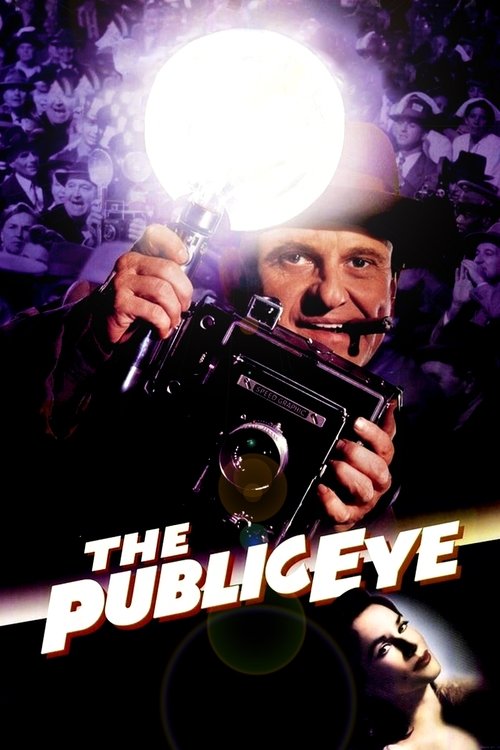
The Public Eye
1992A crime photographer gets involved in a conspiracy.
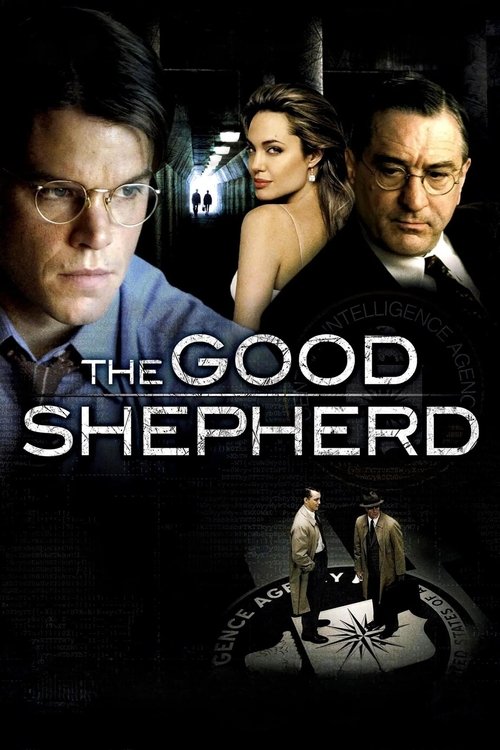
The Good Shepherd
2006Edward Wilson, the only witness to his father's suicide and member of the Skull and Bones Society while a student at Yale, is a morally upright young man who values honor and discretion, qualities that help him to be recruited for a career in the newly founded OSS. His dedication to his work does not come without a price though, leading him to sacrifice his ideals and eventually his family.
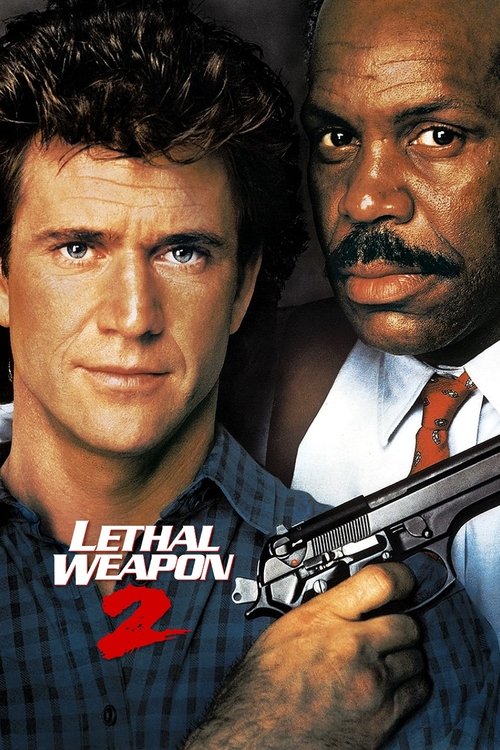
Lethal Weapon 2
1989Riggs and Murtaugh are on the trail of South African diplomats using their immunity to engage in criminal activities.
Joe Pesci serves as a caffeinated live wire, transforming Leo Getz into a high-pitched, motor-mouthed foil that redefined the buddy-cop dynamic. This role proved Pesci could weaponize his frantic comedic timing just as effectively as his dramatic intensity, establishing him as the industry’s premier scene-stealer. He takes a character that should be grating and makes him oddly indispensable through sheer, relentless neurotic energy.
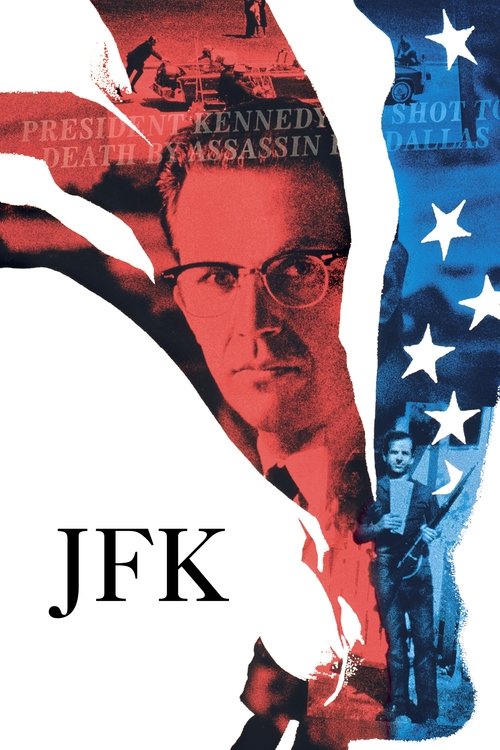
JFK
1991Follows the investigation into the assassination of President John F. Kennedy led by New Orleans district attorney Jim Garrison.
Pesci trades his trademark mobster kineticism for a frantic, bug-eyed fatalism, disappearing beneath a series of increasingly bizarre wigs and an aura of pure, jittery desperation. It is a rare, fascinating instance of him playing the prey rather than the predator, proving he could command the screen through sweating insecurity just as easily as through intimidation. He anchors the film’s paranoid sprawl with a twitchy, high-wire act that remains the most eccentric outlier in his legendary career.
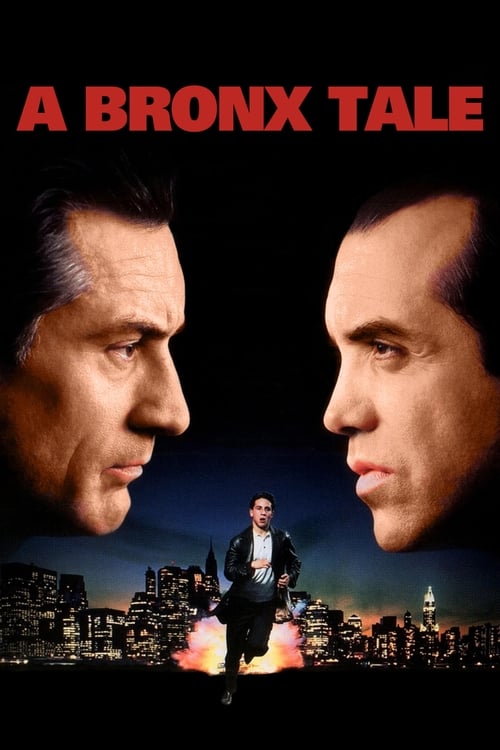
A Bronx Tale
1993Set in the Bronx during the tumultuous 1960s, an adolescent boy is torn between his honest, working-class father and a violent yet charismatic crime boss. Complicating matters is the youngster's growing attraction - forbidden in his neighborhood - for a beautiful black girl.
Pesci delivers a masterstroke of restraint, shedding his trademark volcanic aggression for a cameo that radiates quiet, statesmanlike authority. It is a brilliant subversion of his hot-headed persona, proving he could command a room with a soft word just as effectively as with a tire iron.
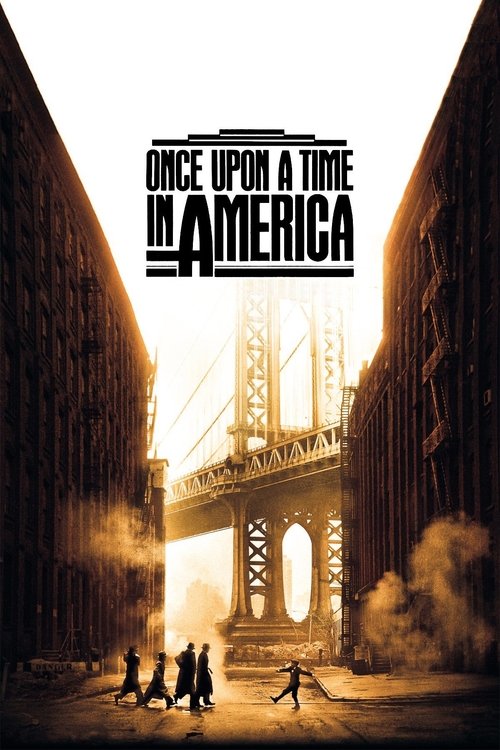
A former Prohibition-era Jewish gangster returns to the Lower East Side of Manhattan over thirty years later, where he once again must confront the ghosts and regrets of his old life.
Pesci delivers a masterclass in understated menace as Frankie Minaldi, trading his signature explosive volatility for a cool, boardroom-ready authority. It is a pivotal early glimpse of his dramatic range, proving he could command a room through chilling composure long before he became cinema’s go-to live wire. He anchors his brief screen time with a calculated stillness that suggests a shark circling in deep water.
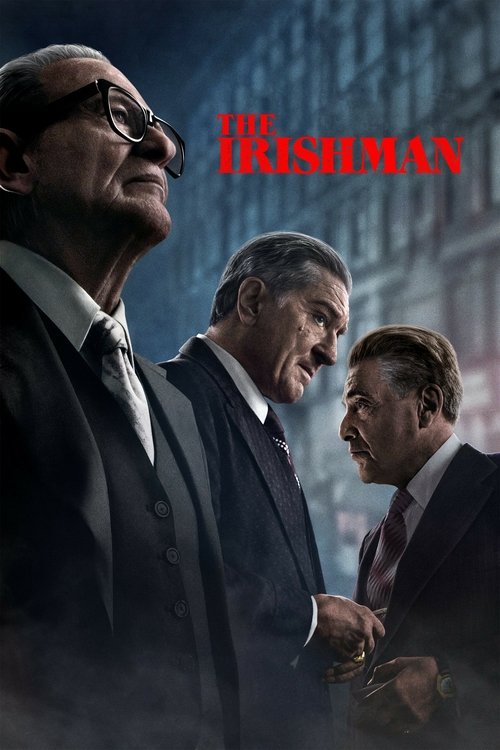
The Irishman
2019Pennsylvania, 1956. Frank Sheeran, a war veteran of Irish origin who works as a truck driver, accidentally meets mobster Russell Bufalino. Once Frank becomes his trusted man, Bufalino sends him to Chicago with the task of helping Jimmy Hoffa, a powerful union leader related to organized crime, with whom Frank will maintain a close friendship for nearly twenty years.
Pesci discards his career-long persona of hair-trigger volatility to deliver a masterclass in stillness and glacial authority as Russell Bufalino. By weaponizing silence rather than screams, he reinvented his late-stage legacy with a devastating, understated precision that commands the screen through whispers alone.
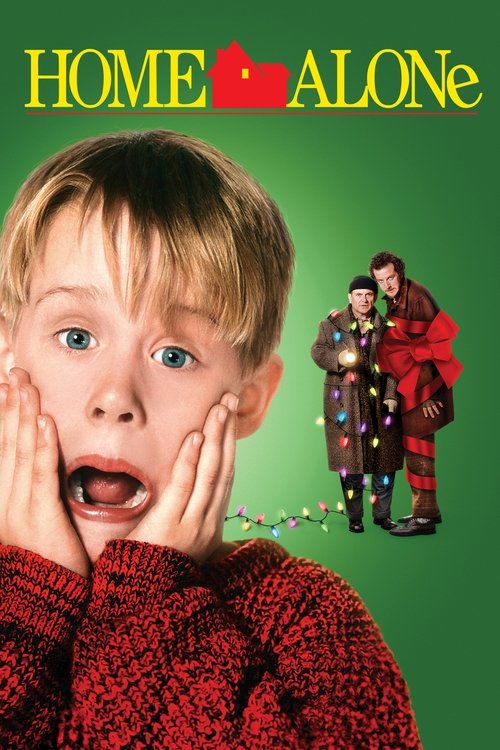
Home Alone
1990Eight-year-old Kevin McCallister makes the most of the situation after his family unwittingly leaves him behind when they go on Christmas vacation. When thieves try to break into his home, he puts up a fight like no other.
Pesci masterfully pivots from his trademark Scorsese menace to a portrait of bumbling, cartoonish villainy that proves his volatility can be as funny as it is frightening. His ability to channel genuine high-stakes intensity into the absurd physical comedy of Harry remains a singular feat, marking a rare moment where a prestige tough guy successfully reinvented himself as a legendary family-film foil. By treating a child’s booby traps with the same gritty gravity as a mob hit, he elevated the role into an indelible masterclass in the slow-burn ego bruise.
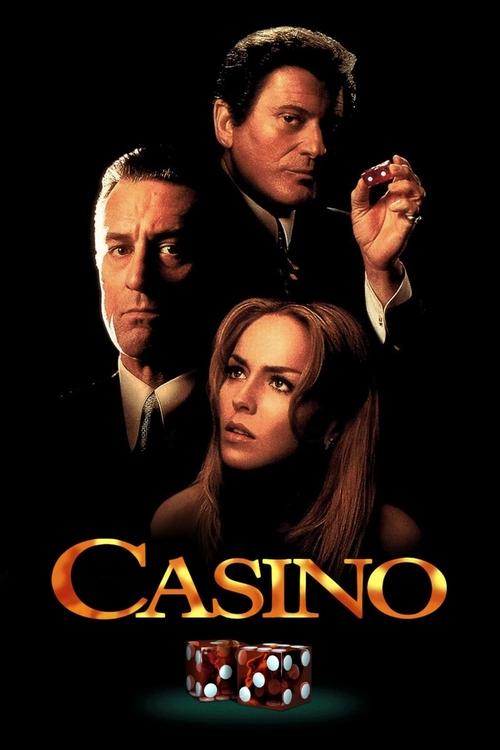
Casino
1995In Las Vegas, two best friends--a casino executive and a Mafia enforcer--compete for a gambling empire and a fast-living, fast-loving socialite.
Pesci distills his signature hair-trigger volatility into the lethal Nicky Santoro, weaponizing his small stature to project a terrifying, unchecked ego. It is the definitive evolution of his mobster archetype, trading the manic unpredictability of his earlier roles for a cold, veteran malice that feels genuinely dangerous. He serves as the film’s jagged electric current, proving no one plays a cornered, sociopathic shark with more pinpoint precision.
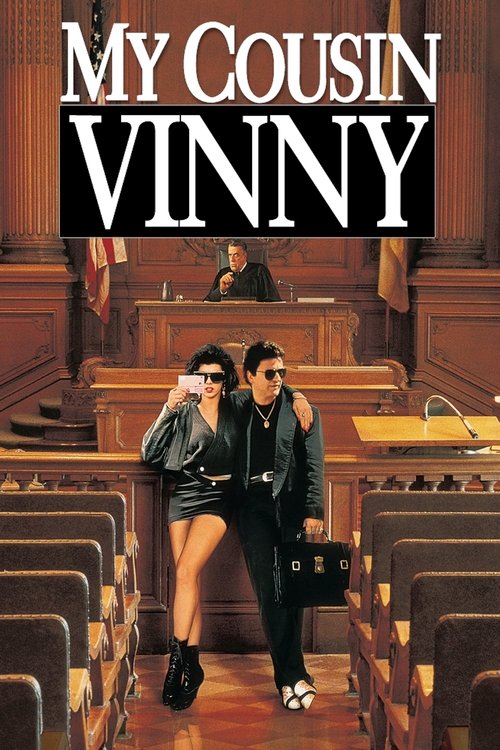
My Cousin Vinny
1992Two carefree pals from Brooklyn traveling through rural Alabama on their way back to college are mistakenly arrested, and charged with murder. Fortunately, one of them has a cousin who's a lawyer - Vincent Gambini, a former auto mechanic from Brooklyn who just passed his bar exam after his sixth try. When he arrives with his leather-clad girlfriend, to try his first case, it's a real shock - for him and the Deep South!
Pesci trades his trademark sociopathic volatility for a high-wire comedic charm, proving he could command a screen without a loaded weapon. He anchors the film with a kinetic, street-smart swagger, reinventing his tough-guy persona into an unlikely underdog hero whose fish-out-of-water bluster masks a genuine, soulful intelligence. It remains the definitive proof that his manic intensity was just as effective for punchlines as it was for mob hits.
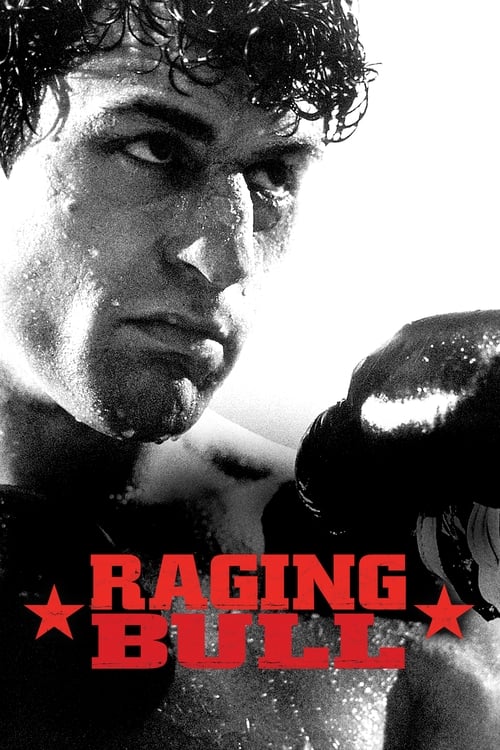
Raging Bull
1980The life of boxer Jake LaMotta, whose violence and temper that led him to the top in the ring destroyed his life outside of it.
Joe Pesci grounds the film’s volatility with a coiled, understated naturalism as the younger brother caught in an endless cycle of domestic pacification and violent fallout. It is the definitive breakout that established his career-long mastery of the protective yet world-weary sidekick, blending a street-level authenticity with a simmering frustration that holds its own against De Niro’s wreckage. He proves that stillness can be just as electric as a punch, carving out a specialized niche for the loyal but weary Italian-American archetype he would later perfect.
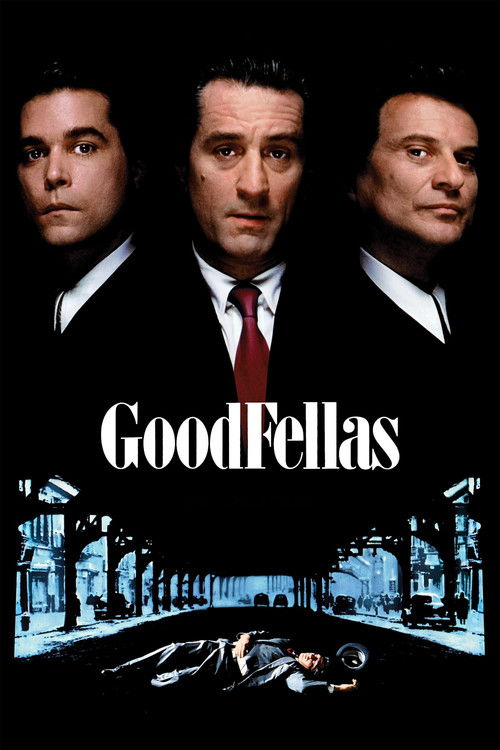
GoodFellas
1990The true story of Henry Hill, a half-Irish, half-Sicilian Brooklyn kid who is adopted by neighbourhood gangsters at an early age and climbs the ranks of a Mafia family under the guidance of Jimmy Conway.
Joe Pesci weaponizes his diminutive stature to create a volatile, hair-trigger presence that redefined the cinematic psychopath. His portrayal of Tommy DeVito is a masterclass in controlled mania, pivoting from jovial banter to lethal rage in a heartbeat. It remains his definitive career achievement, transforming an impulsive enforcer into an unpredictable force of nature that earned him the Oscar.
Frequently Asked Questions
Everything you need to know about this list and SnakeDrafts
- Joe Pesci's collaborations with Martin Scorsese, as seen in films like GoodFellas, Raging Bull, and Casino, showcase his exceptional ability to portray complex, volatile characters. These roles highlight his range from intense drama to subtle menace, solidifying his reputation as a master of controlled volatility in cinema.
- In My Cousin Vinny, Joe Pesci delivers a comedic yet sharp-witted performance that contrasts his often intense and violent characters. This role displays his versatility, balancing humor and heartfelt moments while maintaining his unique on-screen energy.
- Joe Pesci portrayed Harry Lyme, one half of the bumbling burglar duo in Home Alone. His comedic timing and chemistry with co-star Daniel Stern brought memorable slapstick humor that became a key appeal of the family classic.
- In The Irishman, Joe Pesci takes on a more subdued and introspective role compared to his explosively volatile characters in earlier crime films. This performance reveals a nuanced depth, exploring themes of aging and regret within the crime genre.
- GoodFellas features Joe Pesci as Tommy DeVito, a character famous for his volatile temper and bone-chilling menace. This role remains one of Pesci’s most iconic performances, highlighting his skill in delivering intense and unpredictable behavior.
- Joe Pesci’s acclaimed films often explore themes of crime, family loyalty, and personal struggle, frequently set against the backdrop of urban American life. His collaborations with directors like Scorsese delve deeply into the dynamics of power and vulnerability in such environments.
- In Lethal Weapon 2, Joe Pesci plays Leo Getz, a fast-talking and comedic character who adds levity and energy to the action-packed thriller. His spirited performance creates a memorable contrast within the intense narrative, showcasing his flair for blending humor into dramatic contexts.
- Joe Pesci is known for his high-frequency energy that seamlessly shifts from comedic vulnerability to intense, chilling violence. This controlled volatility allows him to create unforgettable characters that resonate across a variety of genres, from crime dramas to family comedies.