F. Murray Abraham Movies Ranked From Worst to Best
The Master of Dramatic Intensity and Oscar Winning Talent
Explore the most iconic performances of F. Murray Abraham, from his legendary role in Amadeus to collaborations with Wes Anderson and Brian De Palma.
About F. Murray Abraham
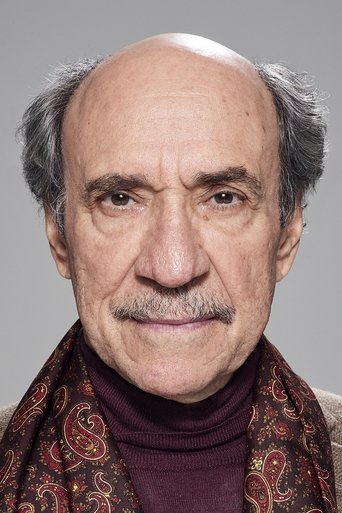
In the pantheon of character actors, few possess the ability to weaponize silence quite like F. Murray Abraham. He remains an enigma of the screen, a performer who arrived with the force of a tectonic shift in the mid-eighties and never truly let go of his grip on our collective fascination. To watch him work is to observe a masterclass in controlled ego and intellectual vanity. He does not merely play roles; he inhabits them with a predatory grace that makes even his most villainous turns feel deeply, uncomfortably human.
The definitive moment of his legacy remains the tortured Antonio Salieri in Amadeus. It was a performance that fundamentally changed the way we view cinematic rivalry, trading mustache-twirling theatrics for the agonizing rot of mediocrity. He brought a soulful bitterness to the screen that resonated far beyond the confines of eighteenth-century Vienna, capturing the universal pain of the man who recognizes genius but cannot replicate it. While many stars would have used an Oscar win as a springboard into leading-man banality, he chose a path of deliberate eccentricity. He pivoted toward the dark and the textured, cementing his status as a high-IQ heavy in films like The Name of the Rose, where he matched wits with Sean Connery through a veil of medieval dread.
There is a specific gravitas he carries that feels borrowed from another era. Whether he is playing the treacherous Omar Suarez in Scarface or the cosmic antagonist in Star Trek: Insurrection, he brings a regal weight to every syllable. He treats pulp fiction with the same reverence as Shakespeare, which is why he can transition seamlessly from the campy horror of Thir13en Ghosts to the gritty street-level realism of Fresh. Audiences connect with him because there is an inherent danger in his stillness. You never quite know if he is about to offer a blessing or a death sentence.
Modern audiences have seen his renaissance through the lens of visionary directors like Wes Anderson and the Coen brothers. In The Grand Budapest Hotel, his older Zero Moustafa serves as the elegant, melancholic heartbeat of a whimsical world. There is a weary wisdom in his delivery there that feels like the culmination of decades spent watching the world change. His brief but indelible turn in Inside Llewyn Davis proves he can dismantle a person’s entire dream with a single, devastatingly polite sentence. Even in lighter fare like Last Action Hero or National Lampoon's Loaded Weapon 1, he leans into his own intimidating reputation with a wink, proving he is well aware of the shadow he casts.
He has spent his career avoiding the predictable. From the prison walls of An Innocent Man to the administrative tension of Cadence and the intellectual mentorship in Finding Forrester, he remains a chameleon with a distinct, smoky voice. He represents the survival of the true craftsman. In an industry obsessed with youth and frantic energy, he stands as a reminder that a well-placed stare and a perfectly timed pause can be more explosive than any special effect. We watch him because he reminds us that the most interesting person in the room is rarely the one shouting, but the one in the corner, watching everything.
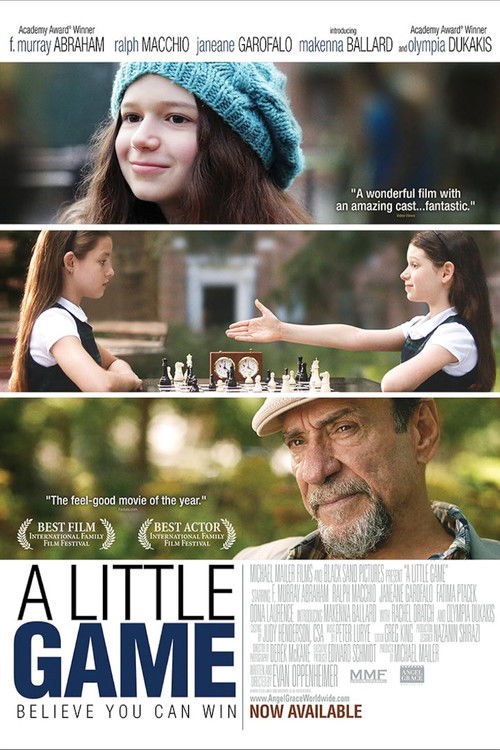
A Little Game
2014Ostracized at her posh new uptown school and shaken by the death of her beloved grandmother, a 10-year-old downtown girl finds an unlikely mentor in an irascible chess master, who uses the game to teach Max lessons in resilience, perseverance, and how to embrace inevitable change.
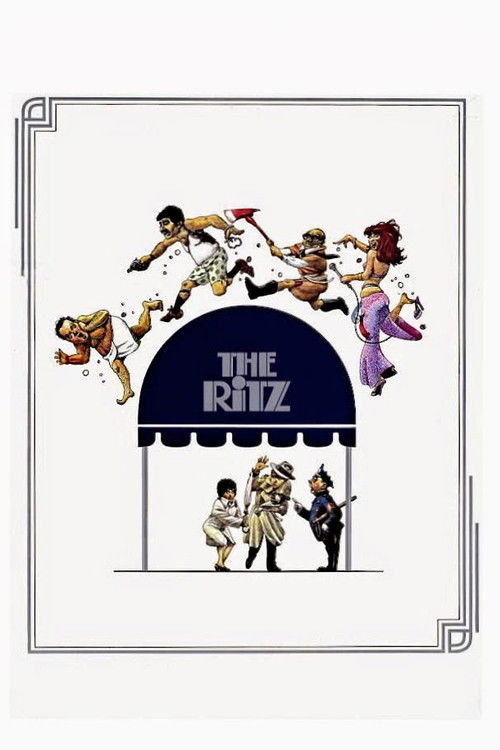
The Ritz
1976To escape from a mobster, businessman Gaetano Proclo orders a cab driver to take him to a place where he can't be found. Unfortunately for Gaetano, the place turns out to be a gay bathhouse.
Marvel Studios Assembled: The Making of Moon Knight
2022Join the likes of Oscar Isaac and Ethan Hawke as they reveal how Marvel Studios' Moon Knight was painstakingly brought to life. Through insightful interviews with cast and crew, along with immersive footage from the set, and a candid "roundtable discussion" with the series' directors, this "making-of" pulls back the curtain on the groundbreaking series of Marvel Studios' newest hero.
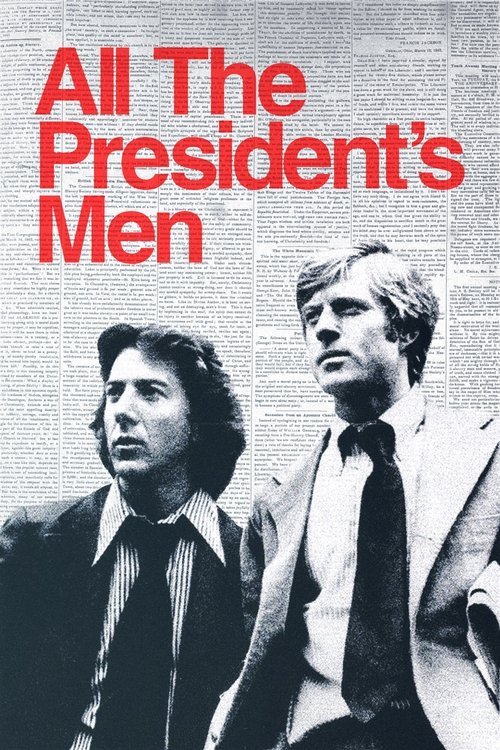
All the President's Men
1976During the 1972 elections, two reporters' investigation sheds light on the controversial Watergate scandal that compels President Nixon to resign from his post.
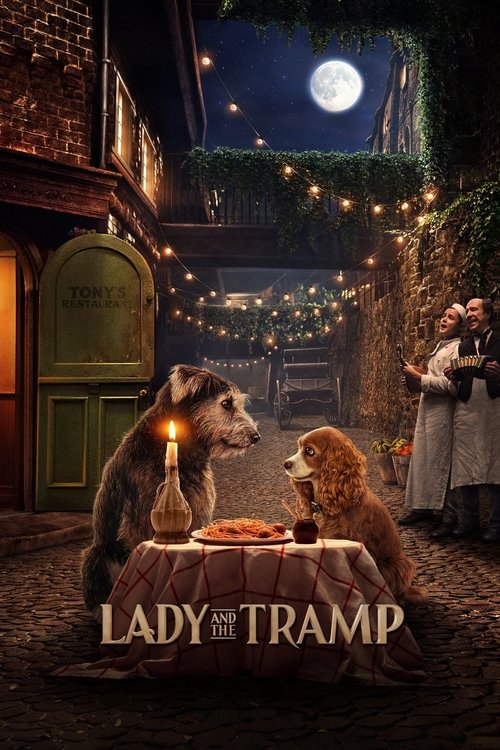
Lady and the Tramp
2019The love story between a pampered Cocker Spaniel named Lady and a streetwise mongrel named Tramp. Lady finds herself out on the street after her owners have a baby and is saved from a pack by Tramp, who tries to show her to live her life footloose and collar-free.
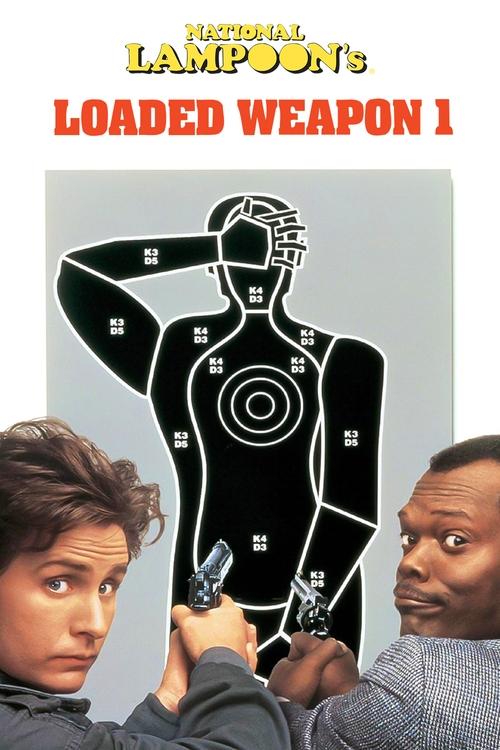
National Lampoon's Loaded Weapon 1
1993An LA detective is murdered because she has microfilm with the recipe to make cocaine cookies. Two cops partner to find and stop the fiends before they can dope the nation by distributing their wares via the 'Wilderness Girls' cookie drive.
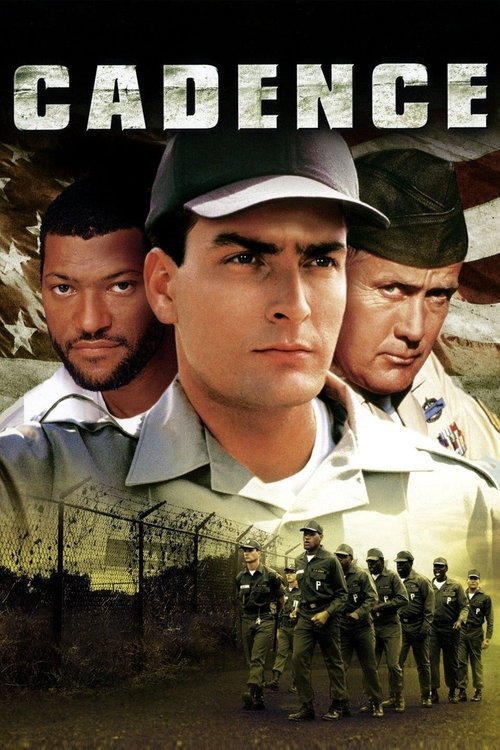
Cadence
1990As punishment for drunken, rebellious behavior, a young white soldier is thrown into a stockade populated entirely by black inmates. But instead of falling victim to racial hatred, the soldier joins forces with his fellow prisoners and rises up against the insanely tyrannical and bigoted prison warden.
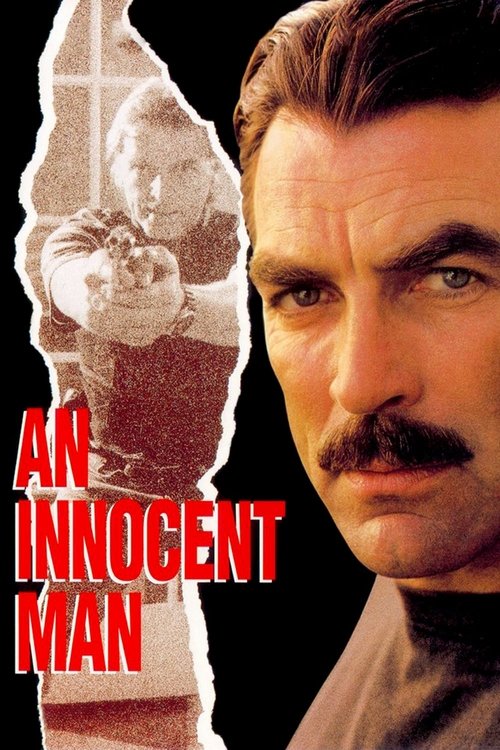
An Innocent Man
1989Jimmie Rainwood was minding his own business when two corrupt police officers (getting an address wrong) burst into his house, expecting to find a major drug dealer. Rainwood is shot, and the officers frame him as a drug dealer. Rainwood is convicted of drug dealing, based on the perjured evidence of a police informant. Thrown into a seedy jail, fighting to prove his innocence is diffucult when he has to deal with the realities of prison life, where everyone claims they were framed.

Star Trek: Insurrection
1998When an alien race and factions within Starfleet attempt to take over a planet that has "regenerative" properties, it falls upon Captain Picard and the crew of the Enterprise to defend the planet's people as well as the very ideals upon which the Federation itself was founded.
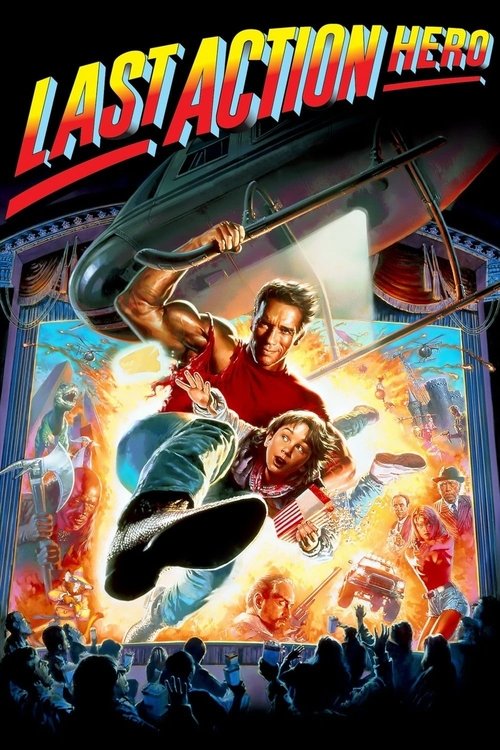
Last Action Hero
1993After his father's death, a young boy finds solace in action movies featuring an indestructible cop. Given a magic ticket by a theater manager, he is transported into the film and teams up with the cop to stop a villain who escapes into the real world.
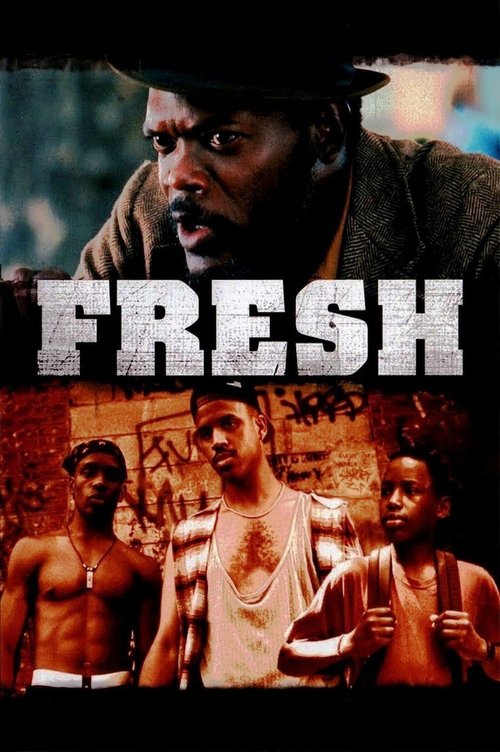
Fresh
1994Death and violence anger twelve year old drug courier Fresh, who sets his rival employers against each other.
As the chess playing mentor Sam, he provides a crucial moral complexity to this gritty urban drama. It is a nuanced, paternal turn that highlights his talent for playing characters who possess a hidden depth of wisdom and street intelligence.
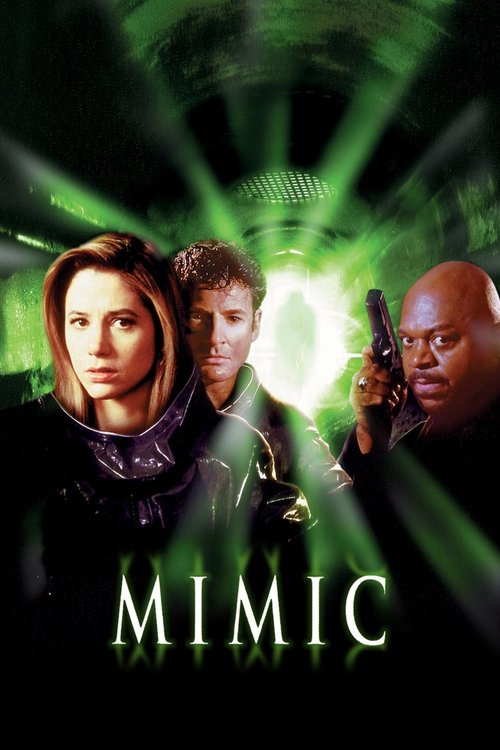
Mimic
1997A disease carried by common cockroaches is killing Manhattan children. In an effort to stop the epidemic an entomologist, Susan Tyler, creates a mutant breed of insect that secretes a fluid to kill the roaches. This mutant breed was engineered to die after one generation, but three years later Susan finds out that the species has survived and evolved into a large, gruesome monster that can mimic human form.
Even within the constraints of a creature feature, Abraham projects an undeniable scholarly weight as Dr. Gates. He treats the biological horror with a sincerity that helps ground Guillermo del Toro's subterranean nightmare in a sense of scientific reality.
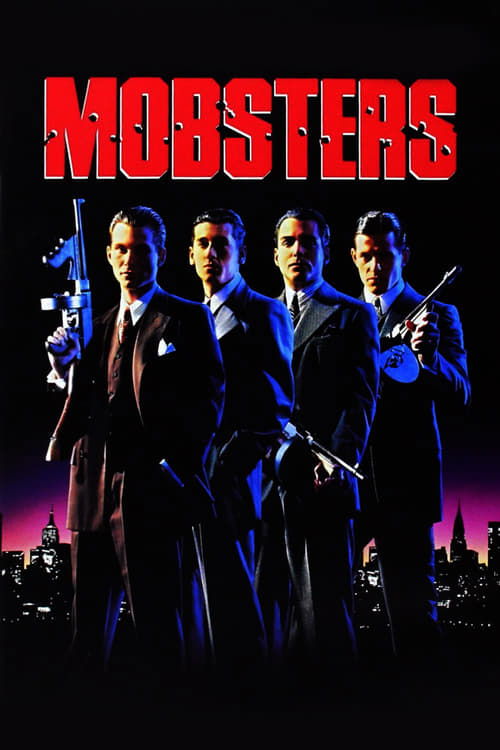
Mobsters
1991The story of a group of friends in turn of the century New York, from their early days as street hoods to their rise in the world of organized crime...
Portraying the legendary Lucky Luciano, he brings a refined, elder statesman dignity to the bloody origins of the Syndicate. This role showcased his ability to lend historical weight and stylistic polish to the traditional gangster ensemble.
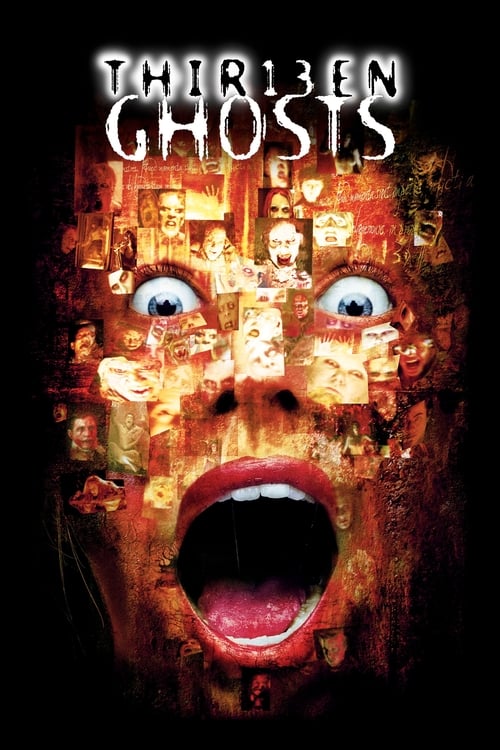
Thir13en Ghosts
2001Arthur and his two children inherit his uncle's estate: a glass house that serves as a prison to twelve ghosts. When the family, accompanied by a nanny and an attorney, enter the house they find themselves trapped inside an evil machine 'designed by the Devil and powered by the dead' to open the Eye of Hell. Aided by a ghost hunter and his rival, a ghost rights activist out to set the ghosts free, the group must do what they can to get out of the house alive.
By injecting a sense of Shakespearean flourish into this stylized horror remake, Abraham elevates the material beyond its genre trappings. He embraces the eccentricities of Cyrus Kriticos with a theatrical relish that is infectious to watch.
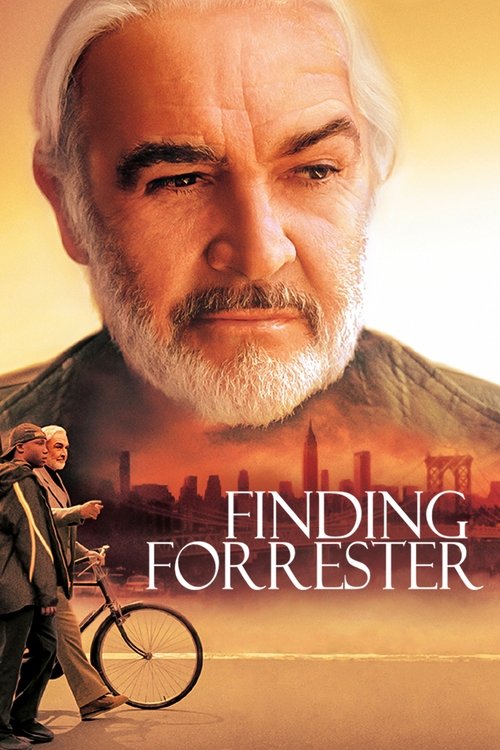
Finding Forrester
2000Gus Van Sant tells the story of a young African American man named Jamal who confronts his talents while living on the streets of the Bronx. He accidentally runs into an old writer named Forrester who discovers his passion for writing. With help from his new mentor Jamal receives a scholarship to a private school.
Abraham leans into his capacity for intellectual intimidation as the antagonistic Professor Crawford. It is a necessary, sharp edged performance that provides the narrative friction required to make the film’s sentimental core feel earned.
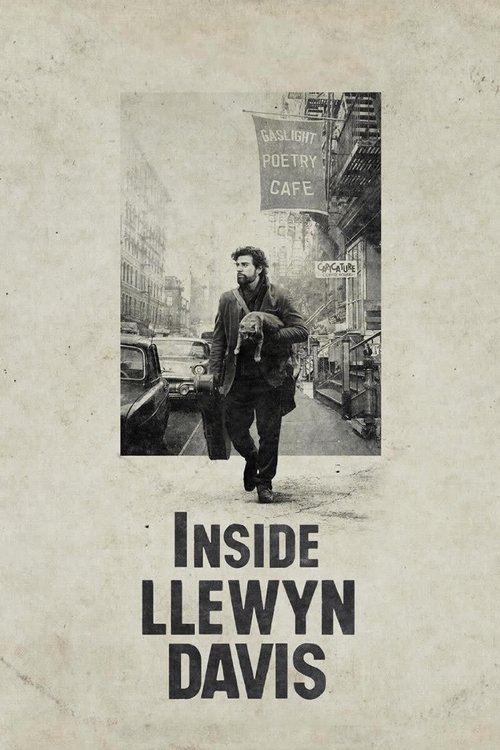
Inside Llewyn Davis
2013In Greenwich Village in the early 1960s, gifted but volatile folk musician Llewyn Davis struggles with money, relationships, and his uncertain future.
His brief appearance as the inscrutable music mogul Bud Grossman is a masterclass in devastating economy. With one cold, professional dismissal, Abraham encapsulates the entire heartbreaking wall of the 1960s folk industry.
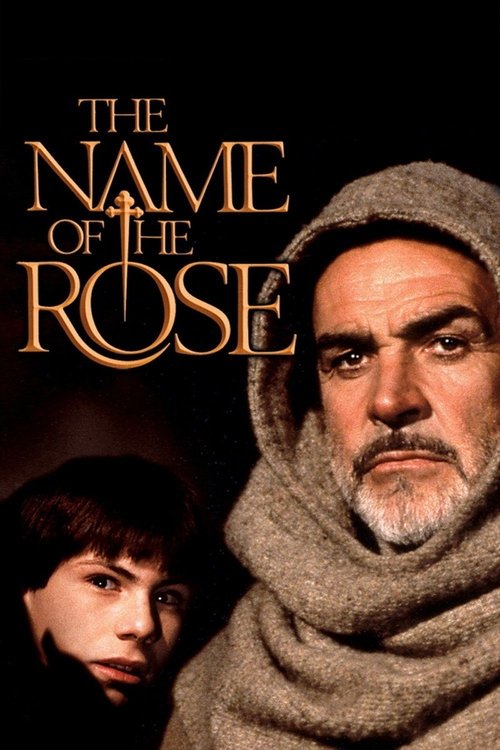
14th-century Franciscan monk William of Baskerville and his young novice arrive at a conference to find that several monks have been murdered under mysterious circumstances. To solve the crimes, William must rise up against the Church's authority and fight the shadowy conspiracy of monastery monks using only his intelligence; which is considerable.
In the role of the inquisitor Bernardo Gui, he radiates a terrifying, quiet authority that rivals the film’s gothic atmosphere. It is a masterclass in controlled ferocity, proving he could dominate the screen opposite Sean Connery without raising his voice.
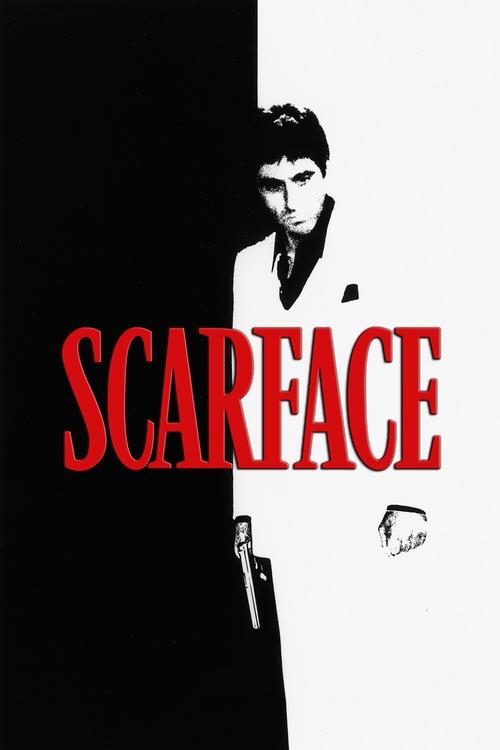
Scarface
1983After getting a green card in exchange for assassinating a Cuban government official, Tony Montana stakes a claim on the drug trade in Miami. Viciously murdering anyone who stands in his way, Tony eventually becomes the biggest drug lord in the state, controlling nearly all the cocaine that comes through Miami. But increased pressure from the police, wars with Colombian drug cartels and his own drug-fueled paranoia serve to fuel the flames of his eventual downfall.
Playing the cold as ice Omar Suarez, Abraham serves as the perfect calculating foil to Pacino's volcanic impulsiveness. His gritty, streetwise cynicism established his utility in high stakes crime dramas just before his period piece breakthrough.
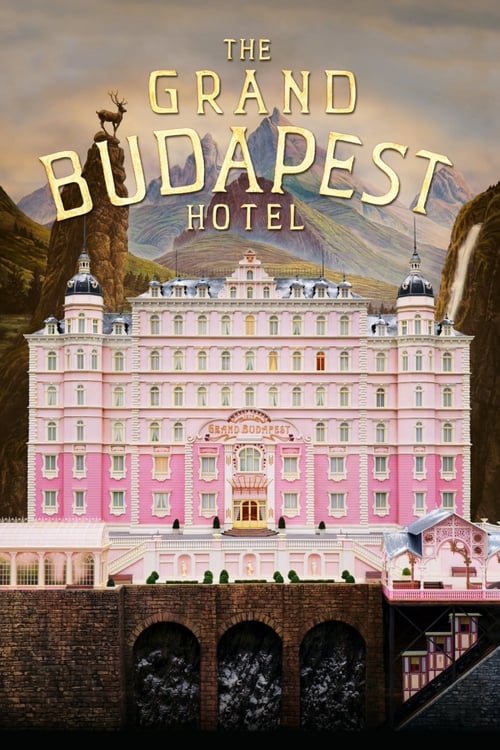
The Grand Budapest Hotel tells of a legendary concierge at a famous European hotel between the wars and his friendship with a young employee who becomes his trusted protégé. The story involves the theft and recovery of a priceless Renaissance painting, the battle for an enormous family fortune and the slow and then sudden upheavals that transformed Europe during the first half of the 20th century.
As the elder Zero Moustafa, Abraham provides the elegiac heartbeat of Wes Anderson's whimsical clockwork world. He grounds the film's frantic energy with a weary, sophisticated gravitas that lends profound weight to the theme of lost eras.
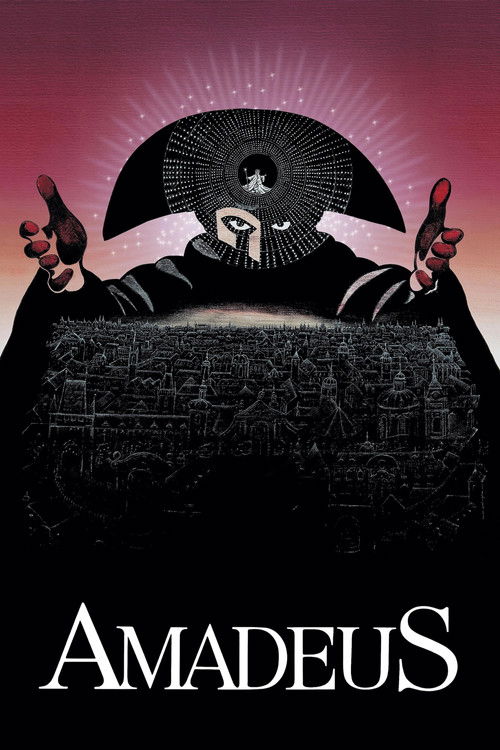
Amadeus
1984Disciplined Italian composer Antonio Salieri becomes consumed by jealousy and resentment towards the hedonistic and remarkably talented young Salzburger composer Wolfgang Amadeus Mozart.
Abraham captures the agonizing intersection of mediocre talent and divine resentment, crafting a portrait of envy that remains the gold standard for screen villainy. This Oscar winning turn redefined the legendary antagonisms of history through his searing, soulful gaze.
Frequently Asked Questions
Everything you need to know about this list and SnakeDrafts
- F. Murray Abraham's role as Antonio Salieri in Amadeus is ranked highest due to his captivating portrayal of envy and genius, which earned him an Academy Award for Best Actor. The film's historical and musical drama backdrop showcases his extraordinary ability to convey complex emotions with subtle intensity.
- In The Grand Budapest Hotel, Abraham delivers a nuanced comedic and dramatic performance under Wes Anderson's whimsical direction, contrasting with his intense and gritty role in Scarface, where he embodies a ruthless criminal character. This range highlights his versatility across genres from comedy to crime drama.
- Abraham frequently appears in character-driven dramas and thrillers, often portraying intellectually complex or morally ambiguous figures. His collaborations with renowned directors like Miloš Forman, Wes Anderson, and Brian De Palma reflect his preference for richly layered narratives and strong character development.
- Surprising inclusions like the horror film Mimic and the family-friendly Last Action Hero demonstrate Abraham's diverse acting palette beyond his acclaimed dramatic roles. Notably, some lesser-known independent films or TV performances are omitted, likely due to the list's focus on his most impactful cinematic roles.
- In The Name of the Rose, Abraham plays Bernardo Gui, delivering a captivating mix of menace and mystery in this historical thriller. This role reinforces his skill in portraying enigmatic antagonists and contributes to his reputation for adding depth to complex characters.
- Inside Llewyn Davis highlights Abraham's subtle and introspective approach, fitting the film’s melancholic and musically rich narrative. His ability to convey layered emotions through restrained performances shines in this Coen brothers’ drama.
- Among the ranked films, Abraham has notably worked with renowned directors such as Miloš Forman (Amadeus), Wes Anderson (The Grand Budapest Hotel), Brian De Palma (Scarface), and the Coen brothers (Inside Llewyn Davis). These collaborations underscore his preference for visionary directors who value character depth.
- Abraham's strong performances in dramas and period pieces like Amadeus and The Name of the Rose earn higher rankings due to critical acclaim, while genre films like horror (Mimic, Thir13en Ghosts) rank lower despite showcasing his versatility. His ability to adapt across genres enriches his filmography but the list emphasizes his dramatic strengths.