The Best Edward Norton Movies Ranked
The Definitive Guide to a Generational Talent
Explore the best Edward Norton movies ranked by critical acclaim and performance power, from cult classics to award-winning dramas.
About Edward Norton

In the mid-nineties, Hollywood was blindsided by a young man who seemed to arrive fully formed, possessing a technical precision that usually takes decades to cultivate. When Edward Norton shattered the screen in Primal Fear, he didn't just play a role; he executed a sleight of hand that left audiences questioning their own judgment. That initial spark of duality—the innocent choir boy concealing a jagged edge—became the blueprint for a career defined by intellectual intensity and a refusal to be pinned down. He is an actor who treats the screen like a chessboard, thinking three moves ahead of everyone else in the frame.
This analytical engine reached its combustion point in the late nineties, a period where he redefined masculine vulnerability and rage. In American History X, he transformed his physical frame into a terrifying monument of hate, only to dismantle that very ideology with agonizing clarity. He followed it with Fight Club, capturing the hollowed-out malaise of the modern office worker and turning a generation’s identity crisis into a cult phenomenon. These performances weren't just jobs; they were cultural interrogations. Audiences gravitate toward him because he mirrors our own internal friction—the battle between our calculated public selves and the chaotic impulses we keep tucked away.
While he possesses the gravity of a classic leading man, his true joy seems to lie in the fringes and the ensemble. His reputation as a meticulous, sometimes obsessive craftsman has made him a natural fit for the jewel-box dioramas of Wes Anderson. Whether he is playing a starchy scoutmaster in Moonrise Kingdom, a loyalist in The Grand Budapest Hotel, or lending his voice to the canine stop-motion world of Isle of Dogs, he thrives in environments where every detail is deliberate. This versatility extends to the shadowy corners of the underworld in Rounders and the ticking-clock desperation of 25th Hour, where his monologue to a mirror remains one of the most haunting portraits of post-9/11 New York.
Even when he steps into blockbuster territory, he finds a way to subvert expectations. He delivered a surprisingly soulful performance from beneath a silver mask in Kingdom of Heaven and brought a slick, tech-bro vanity to Glass Onion: A Knives Out Mystery, proving he can lampoon the elite just as effectively as he portrays the tortured. He isn't afraid to be unlikable, a quality that earned him an Oscar nomination for Birdman, where he satirized his own reputation for being a difficult, hyper-prepared theatrical purist.
Norton remains a rare breed of movie star who functions as a shadow architect and an enigma. He can pivot from the period romance of The Painted Veil and the stagecraft of The Illusionist to the heist-heavy grit of The Italian Job and the psychological cat-and-mouse of Red Dragon without losing his core identity. He represents the thinking person’s actor—someone who refuses to provide easy answers and insists that if we are going to watch him, we have to keep up. In a town that often rewards the predictable, he remains stubbornly, brilliantly complex.

Asteroid City
2023In an American desert town circa 1955, the itinerary of a Junior Stargazer/Space Cadet convention is spectacularly disrupted by world-changing events.

Frida
2002A biography of artist Frida Kahlo, who channeled the pain of a crippling injury and her tempestuous marriage into her work.
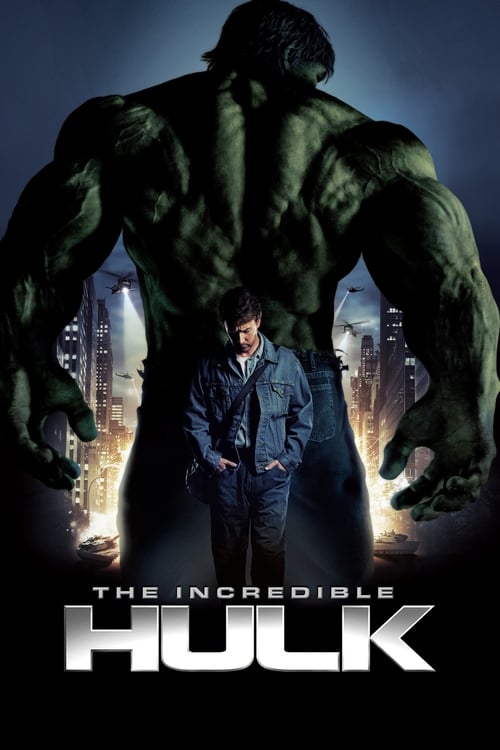
The Incredible Hulk
2008Scientist Bruce Banner scours the planet for an antidote to the unbridled force of rage within him: the Hulk. But when the military masterminds who dream of exploiting his powers force him back to civilization, he finds himself coming face to face with a new, deadly foe.
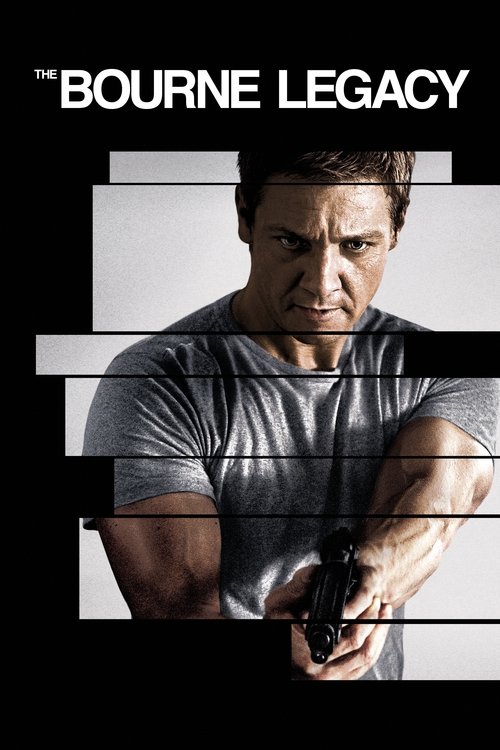
The Bourne Legacy
2012New CIA operative Aaron Cross experiences life-or-death stakes that have been triggered by the previous actions of Jason Bourne.
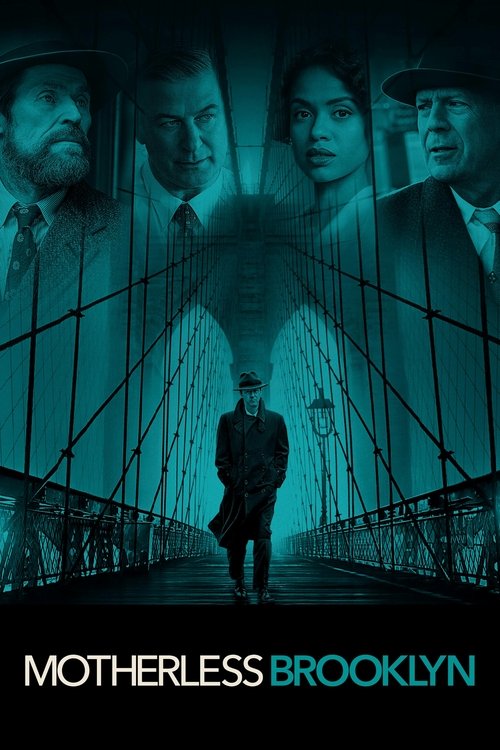
Motherless Brooklyn
2019New York City, 1957. Lionel Essrog, a private detective living with Tourette syndrome, tries to solve the murder of his mentor and best friend, armed only with vague clues and the strength of his obsessive mind.

The Painted Veil
2006A British medical doctor fights a cholera outbreak in a small Chinese village, while also being trapped at home in a loveless marriage to an unfaithful wife.
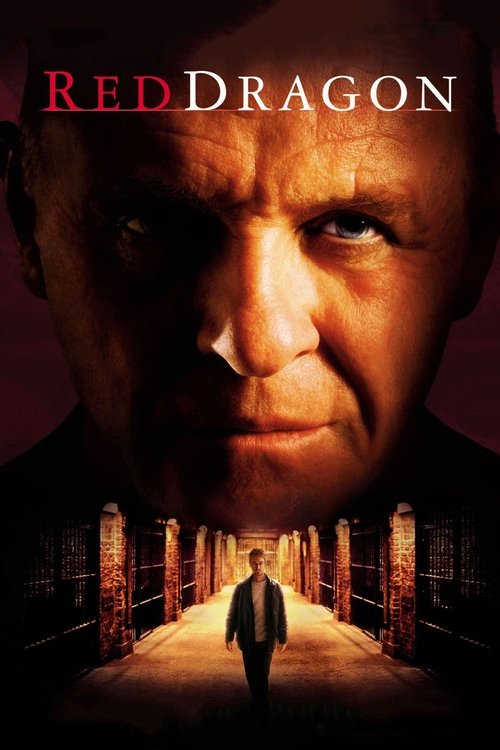
Red Dragon
2002Former FBI Agent Will Graham, who was once almost killed by the savage Hannibal 'The Cannibal' Lecter, now has no choice but to face him again, as it seems Lecter is the only one who can help Graham track down a new serial killer.
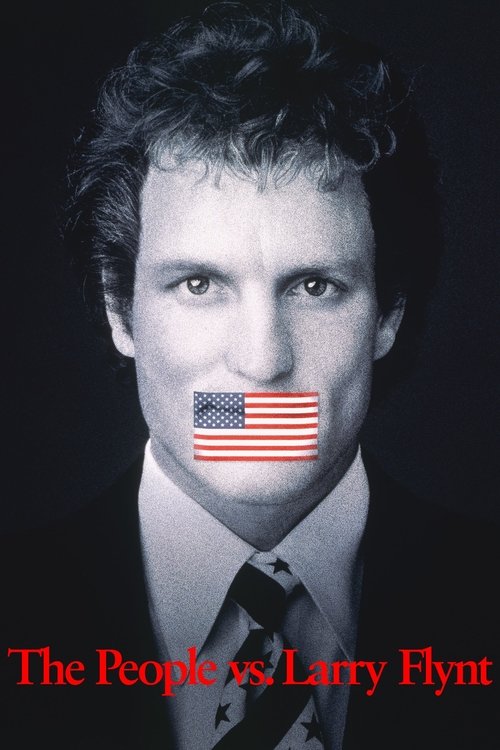
The People vs. Larry Flynt
1996Larry Flynt is the hedonistically obnoxious, but indomitable, publisher of Hustler magazine. The film recounts his struggle to make an honest living publishing his girlie magazine and how it changes into a battle to protect the freedom of speech for all people.
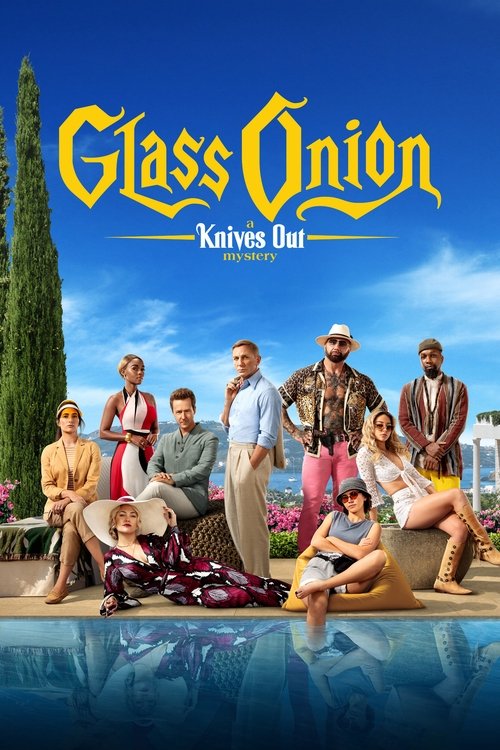
Glass Onion: A Knives Out Mystery
2022World-famous detective Benoit Blanc heads to Greece to peel back the layers of a mystery surrounding a tech billionaire and his eclectic crew of friends.
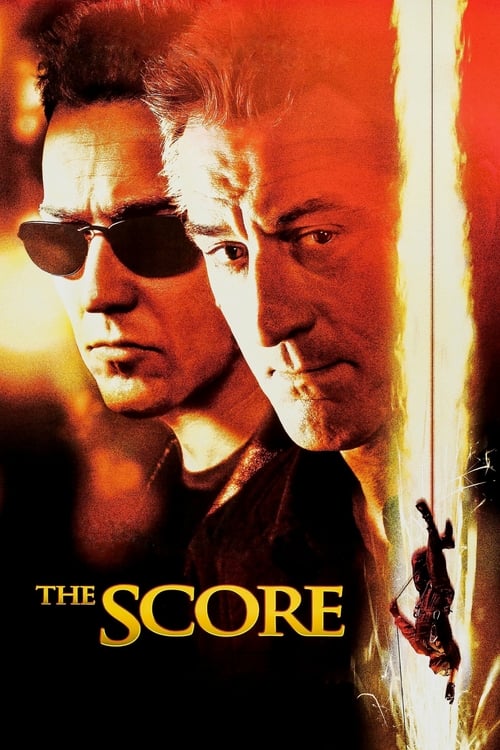
The Score
2001An aging thief hopes to retire and live off his ill-gotten wealth when a young kid convinces him into doing one last heist.
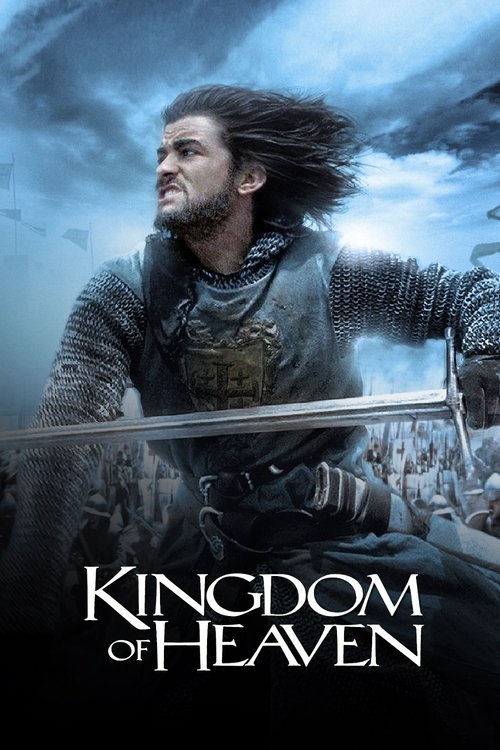
After his wife dies, a blacksmith named Balian is thrust into royalty, political intrigue and bloody holy wars during the Crusades.
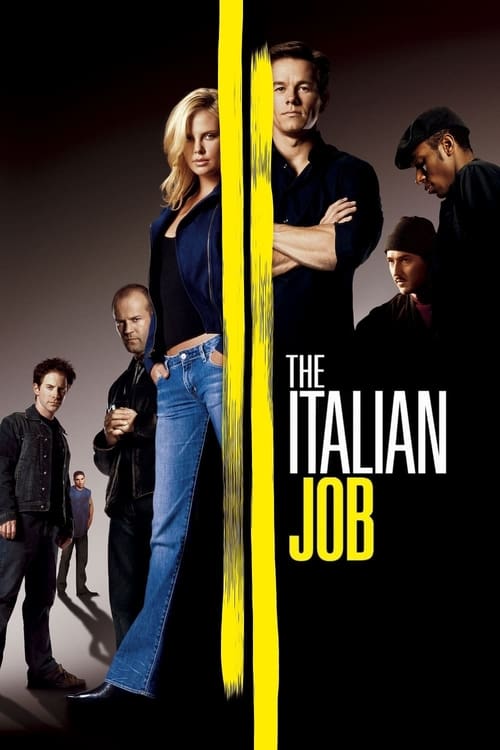
The Italian Job
2003Charlie Croker pulled off the crime of a lifetime. The one thing that he didn't plan on was being double-crossed. Along with a drop-dead gorgeous safecracker, Croker and his team take off to re-steal the loot and end up in a pulse-pounding, pedal-to-the-metal chase that careens up, down, above and below the streets of Los Angeles.

Isle of Dogs
2018In the future, an outbreak of canine flu leads the mayor of a Japanese city to banish all dogs to an island used as a garbage dump. The outcasts must soon embark on an epic journey when a 12-year-old boy arrives on the island to find his beloved pet.
Providing the voice for Rex, Norton strips away his physical presence to let his sharp, intellectual cadence define a character built on loyalty and neurosis. He contributes significantly to the film’s dry, philosophical texture, proving his vocal delivery alone can carry the weight of a complex moral internal life.
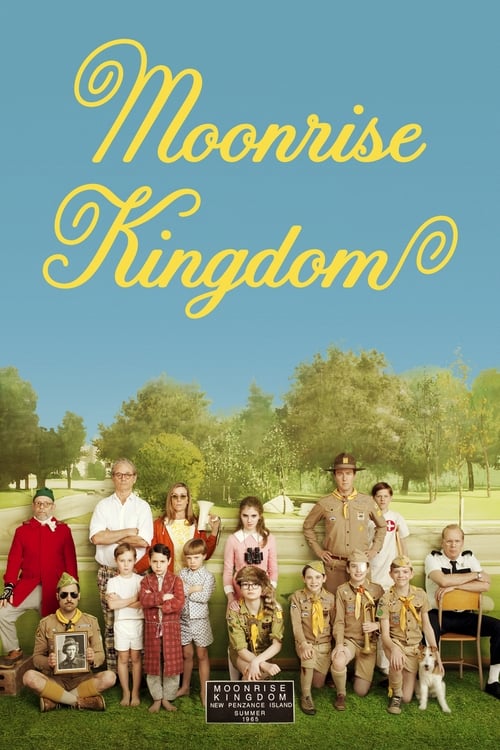
Moonrise Kingdom
2012Set on an island off the coast of New England in the summer of 1965, Moonrise Kingdom tells the story of two twelve-year-olds who fall in love, make a secret pact, and run away together into the wilderness. As various authorities try to hunt them down, a violent storm is brewing off-shore – and the peaceful island community is turned upside down in more ways than anyone can handle.
Norton finds a surprising, melancholy warmth in the role of Scout Master Ward, a man searching for purpose within the confines of a highly regulated uniform. This performance signaled a shift toward a more whimsical, empathetic side of his screen persona, trading intensity for a charmingly earnest incompetence.
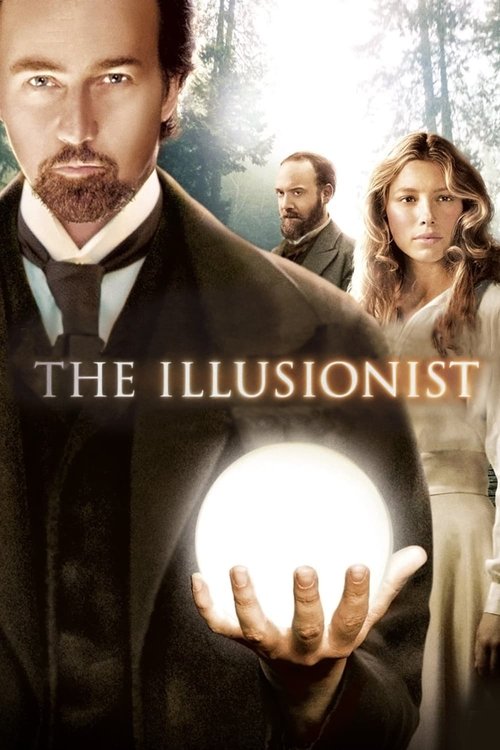
The Illusionist
2006With his eye on a lovely aristocrat, a gifted illusionist named Eisenheim uses his powers to win her away from her betrothed, a crown prince. But Eisenheim's scheme creates tumult within the monarchy and ignites the suspicion of a dogged inspector.
Norton utilizes his natural poise and sharp, calculating eyes to maintain an air of aristocratic mystery that keeps the narrative's central trick hidden. It is a masterclass in quiet authority, proving he can command a period piece through stillness and subtle sleight of hand rather than explosive dialogue.
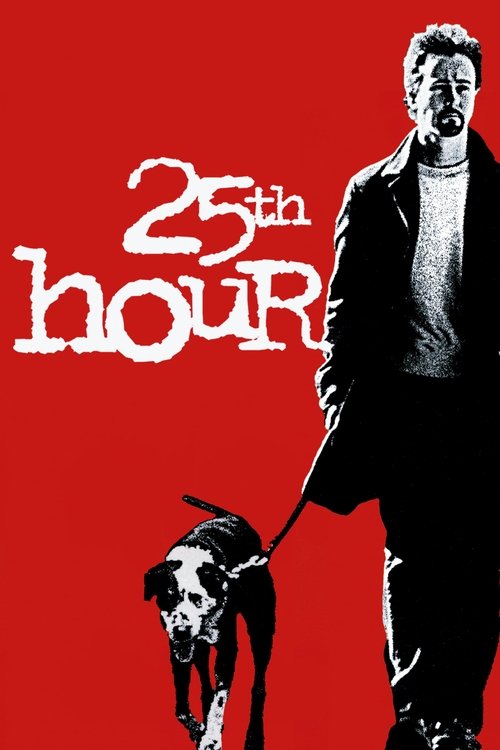
25th Hour
2002On the eve of a seven-year prison sentence, a New York drug dealer spends his final day of freedom confronting his past, his relationships, and the choices that led to his downfall in a city still reeling from 9/11.
Norton channels a somber, slow-burning desperation into the role of a man facing the imminent loss of his freedom, culminating in a blistering 'fuck you' monologue that captures the bruised ego of post-9/11 New York. This performance anchored his transition into more mature, contemplative territory, trading his usual pyrotechnics for a heavy, lived-in weariness.

The Grand Budapest Hotel tells of a legendary concierge at a famous European hotel between the wars and his friendship with a young employee who becomes his trusted protégé. The story involves the theft and recovery of a priceless Renaissance painting, the battle for an enormous family fortune and the slow and then sudden upheavals that transformed Europe during the first half of the 20th century.
In the meticulously curated world of Wes Anderson, Norton thrives by adopting a rigid, deadpan physicality as the dutiful Inspector Henckels. He demonstrates an impeccable sense of rhythmic timing, fitting seamlessly into a sprawling ensemble while maintaining a distinct, clockwork-like precision.
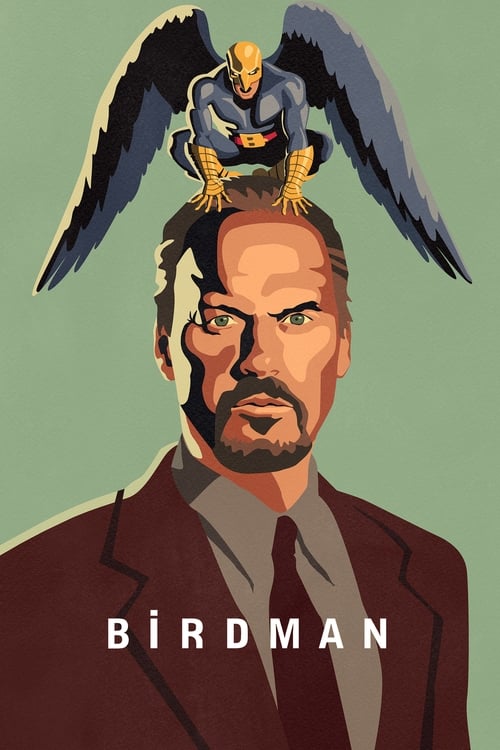
A fading actor best known for his portrayal of a popular superhero attempts to mount a comeback by appearing in a Broadway play. As opening night approaches, his attempts to become more altruistic, rebuild his career, and reconnect with friends and family prove more difficult than expected.
Playing a hyper-naturalistic stage actor who is as brilliant as he is unbearable, Norton delivers a meta-commentary on his own reputation for being difficult on set. It is a fearless, self-reflexive turn that balances comedic arrogance with a genuine, frantic devotion to the 'truth' of the craft.
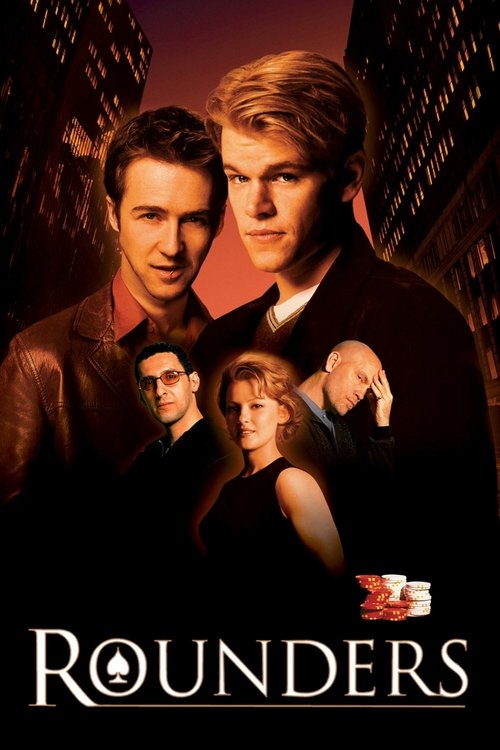
Rounders
1998Poker addict Mike McDermott knows the game inside out, but loses his money one night in a game to Russian-American gangster Teddy KGB. Promising his partner Jo he'll give up, he meets up with best friend Lester 'Worm' Murphy, just out of prison and owing lots of money to the wrong kind of people. McDermott becomes his co-guarantor and now there's only one way to raise the money, the pair have to get back into the game.
As the untrustworthy, degenerate gambler 'Worm,' Norton provides the perfect chaotic friction to Matt Damon’s stoicism. He avoids the pitfalls of the sidekick trope by imbuing his character with a pathetic, frantic energy that makes his inevitable betrayals feel like a tragic personality defect rather than a plot device.
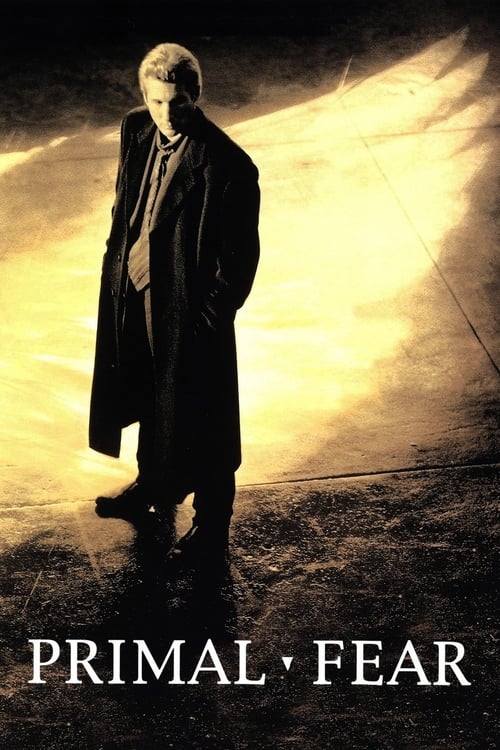
Primal Fear
1996Defense attorney Martin Vail takes on jobs for money and prestige rather than any sense of the greater good. His latest case involves an altar boy, accused of brutally murdering the archbishop of Chicago. Vail finds himself up against his ex-pupil and ex-lover, but as the case progresses and the Church's dark secrets are revealed, Vail finds that what appeared a simple case takes on a darker, more dangerous aspect.
In one of the most explosive screen debuts in history, Norton weaponizes his boyish vulnerability to execute a psychological shell game that blindsides the audience. He effectively reinvented the 'unassuming witness' archetype, proving immediately that his range was far more dangerous than his stutter suggested.
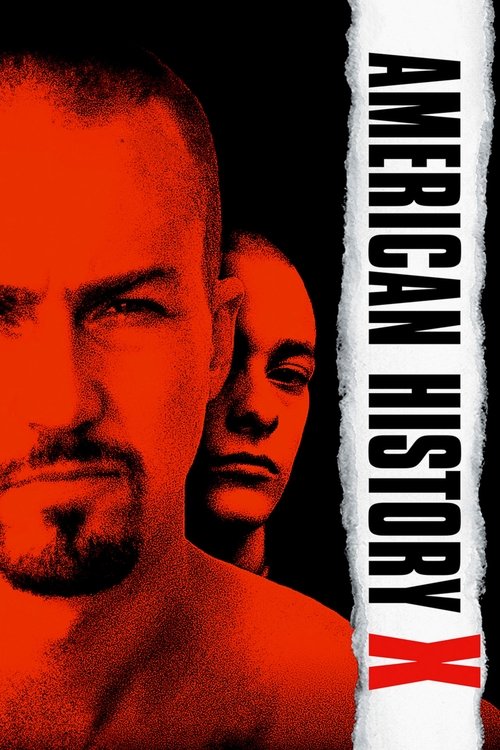
Derek Vineyard is paroled after serving 3 years in prison for killing two African-American men. Through his brother, Danny Vineyard's narration, we learn that before going to prison, Derek was a skinhead and the leader of a violent white supremacist gang that committed acts of racial crime throughout L.A. and his actions greatly influenced Danny. Reformed and fresh out of prison, Derek severs contact with the gang and becomes determined to keep Danny from going down the same violent path as he did.
The terrifying physical transformation here serves to underscore a raw, intellectual volatility that few actors could navigate without veering into caricature. It remains the definitive showcase of Norton’s ability to humanize the monstrous, forcing the audience to confront the unsettling intelligence behind a hateful ideology.

Fight Club
1999A ticking-time-bomb insomniac and a slippery soap salesman channel primal male aggression into a shocking new form of therapy. Their concept catches on, with underground "fight clubs" forming in every town, until an eccentric gets in the way and ignites an out-of-control spiral toward oblivion.
Norton functions as the ultimate cinematic blank slate, a hollowed-out Everyman whose psychic fracture serves as the engine for David Fincher’s nihilistic masterpiece. This role redefined the modern protagonist by weaponizing Norton's intellectual twitchiness into a devastating critique of consumerist identity.
Frequently Asked Questions
Everything you need to know about this list and SnakeDrafts
- 'Primal Fear' is widely recognized for Edward Norton's compelling portrayal of a character with dual personalities, marking a breakthrough role that spotlighted his technical acting precision early in his career.
- In 'American History X,' Edward Norton delivers a powerful and transformative performance that deeply explores themes of racism and redemption, significantly elevating the film’s emotional and social impact.
- Edward Norton brings a distinct blend of subtle humor and nuanced depth to his roles in Wes Anderson's films like 'The Grand Budapest Hotel' and 'Moonrise Kingdom,' fitting seamlessly into Anderson's stylized and whimsical cinematic world.
- Yes, Edward Norton lent his voice in the animated film 'Isle of Dogs,' showcasing his versatility by engaging audiences through animation alongside his live-action performances.
- 'Rounders' is the film where Edward Norton plays a talented poker player navigating the high-stakes world of underground gambling and crime, highlighting his ability to capture complex characters under pressure.
- Edward Norton often shines in ensemble casts, notably in 'Birdman' and 'Glass Onion: A Knives Out Mystery,' where his performances complement and enhance the dynamics and storytelling of the entire group.
- Yes, Edward Norton stars in 'Kingdom of Heaven,' a historical epic directed by Ridley Scott, where he depicts a blacksmith involved in the Crusades, showcasing his range in period dramas.