
The Last Temptation of Christ
Explore the profound spiritual and moral struggles of Jesus in Martin Scorsese's controversial and deeply introspective film, "The Last Temptation of Christ." This cinematic masterpiece challenges conventional narratives, offering a humanized portrayal of faith, doubt, and divine destiny. Delve into a compelling story that continues to provoke thought and discussion about one of history's most influential figures.
Director
Release Year
1988
Runtime
164 minutes
Genres
Main Cast
Willem Dafoe, Harvey Keitel, Paul Greco, Steve Shill, Verna Bloom
About The Last Temptation of Christ
Martin Scorsese's 1988 film, "The Last Temptation of Christ," based on Nikos Kazantzakis's equally controversial novel, presents a deeply human and conflicted portrayal of Jesus Christ. Far from the traditional stoic figure, Willem Dafoe's Jesus grapples with temptation, fear, and doubt, desiring a normal life while wrestling with his divine calling. This unconventional narrative sparked significant uproar and protests upon its release, highlighting the contentious nature of artistic interpretation when it intersects with deeply held religious beliefs.
The film's premise centers on Jesus, a carpenter who builds crosses for the Romans, haunted by voices and a profound sense of purpose he struggles to understand. He is depicted as deeply conflicted, undergoing an intense introspective journey that tests his faith and resolve. Judas Iscariot, portrayed by Harvey Keitel, is presented not as a simple betrayer, but as a zealous revolutionary devoted to liberating Judea, instructed by Jesus himself to carry out the ultimate act of perceived betrayal for the sake of a greater divine plan.
Critically, "The Last Temptation of Christ" garnered both praise for its artistic courage and condemnation for its reimagining of sacred texts. Scorsese's direction is unflinching, presenting a raw and emotionally charged narrative that foregrounds the psychological torment of its protagonist. The film received an Academy Award nomination for Best Director, solidifying its place as a significant work in Scorsese's diverse filmography, despite the external pressures and protests it faced.
The cultural impact of "The Last Temptation of Christ" endures, prompting ongoing discussions about religious freedom, artistic license, and the interpretation of biblical narratives. Its legacy lies in its bold exploration of faith's complexities, inviting viewers to ponder the human dimension of divinity. The film remains a touchstone for conversations surrounding blasphemy, censorship, and the power of cinema to challenge and inspire.
Drafts Featuring The Last Temptation of Christ
Every SnakeDrafts listicle where this movie appears
The Best Willem Dafoe Movies Ranked
Ranked #1
The Best Harvey Keitel Movies Ranked
Ranked #11
Top David Bowie Movies Ranked
Ranked #9
The Ultimate Martin Scorsese Movie Rankings
Ranked #18
1988's Best Movies Ranked
Ranked #7
A Ranking of Barbara Hershey's Best Movies
Ranked #3
A Ranking of Paul Herman's Best Movies
Ranked #10
Top Harry Dean Stanton Movies Ranked
Ranked #21
Similar Movies
Movies related to The Last Temptation of Christ

Life of Brian
1979

Silence
2016

Ben-Hur
1959
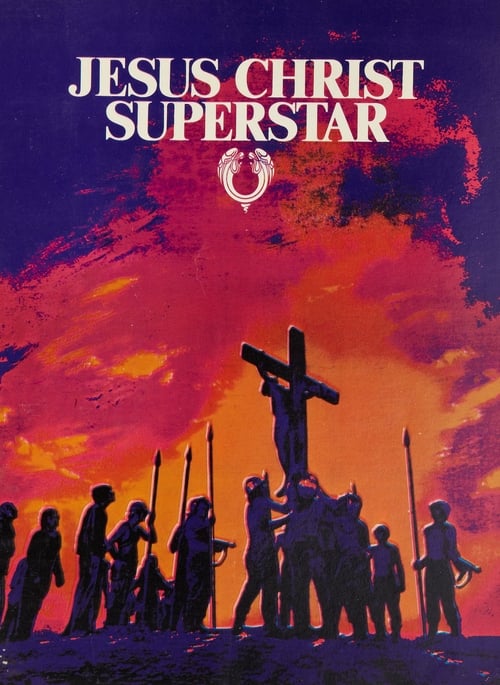
Jesus Christ Superstar
1973
Frequently Asked Questions
Everything you need to know about The Last Temptation of Christ
- The 'last temptation' Jesus experiences while on the cross is a vivid dream sequence where he descends and lives a normal human life. In this vision, he marries Mary Magdalene, has children, and grows old, seemingly escaping his divine destiny and suffering.
- The film offers a highly unconventional portrayal of Jesus and Judas. Judas is depicted not as a simple villain, but as Jesus's most trusted disciple, chosen by Jesus himself to orchestrate his crucifixion as a necessary step for the fulfillment of his divine purpose. Their relationship is complex, fraught with tension but ultimately bound by a shared, albeit difficult, mission.
- Upon its release, 'The Last Temptation of Christ' faced widespread protests and boycotts from various religious groups who deemed its portrayal of Jesus blasphemous. This controversy led to threats, acts of vandalism, and limited distribution in certain areas, making it one of the most embattled films in cinematic history.
- No, the film ultimately reaffirms Jesus's commitment to his divine mission. The 'last temptation' is presented as a dream, a powerful internal struggle that he consciously rejects in the end, choosing instead to embrace his crucifixion and fulfill his destiny as the Son of God.
- The ending of the film sees Jesus, having rejected the temptation of a mundane life, back on the cross, embracing his fate. He cries out 'It is accomplished!' not in despair, but in triumph, signifying his full acceptance of his sacrifice and the successful completion of his divine purpose. This reinforces the idea of his ultimate triumph over human desires and doubts.
- Willem Dafoe reportedly underwent a rigorous preparation process for the role, including significant research into biblical texts and the historical context of Jesus's life. He also extensively discussed the character's psychological and spiritual conflicts with director Martin Scorsese to convey the depths of Jesus's internal struggles.

