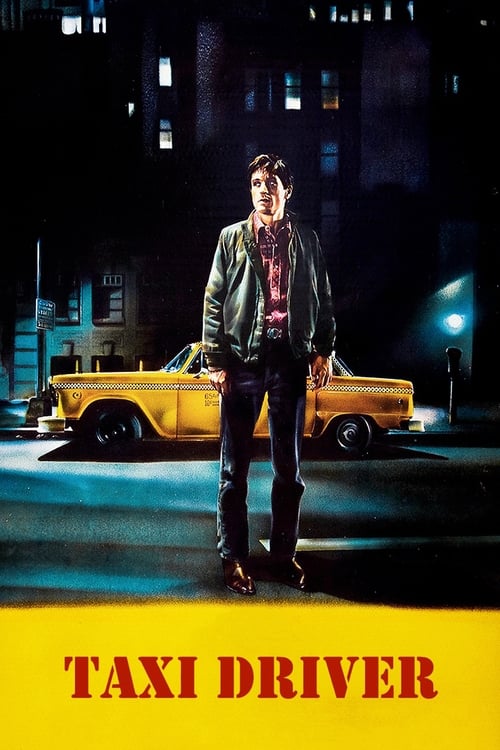
Taxi Driver
Taxi Driver is a visceral journey into the gritty underbelly of 1970s New York City through the eyes of a deeply troubled man. This seminal film explores themes of alienation, moral decay, and the desperate search for purpose in a corrupt world. Prepare for a powerful and unsettling cinematic experience that continues to resonate decades later.
Director
Release Year
1976
Runtime
114 minutes
Main Cast
Robert De Niro, Jodie Foster, Cybill Shepherd, Harvey Keitel, Peter Boyle
About Taxi Driver
Martin Scorsese's 1976 masterpiece, Taxi Driver, remains a potent cultural touchstone, recognized for its unflinching portrayal of urban dystopia and psychological unraveling. The film's release coincided with a period of significant social upheaval in America, and its stark depiction of New York City as a den of iniquity mirrored widespread anxieties about crime and moral decline. It quickly garnered critical acclaim, cementing Scorsese's reputation as a masterful storyteller and Robert De Niro's as a transformative actor.
The film centers on Travis Bickle, a lonely and insomniac Vietnam veteran who takes a job as a taxi driver, traversing the nocturnal streets of a squalid and dangerous New York. Disgusted by the moral decay he witnesses, Travis becomes consumed by a self-appointed mission to "clean up" the city. His increasingly erratic behavior and descent into vigilante justice form the chilling core of the narrative, examining the fine line between righteousness and madness without condoning his actions.
Taxi Driver was a significant contender at the 1976 Academy Awards, earning four nominations including Best Picture, Best Actor for Robert De Niro, Best Supporting Actress for Jodie Foster, and Best Original Score. While it didn't win Best Picture, its lasting impact on cinema is undeniable. It also won the prestigious Palme d'Or at the Cannes Film Festival, further solidifying its status as a critical darling and a work of profound artistic merit.
The legacy of Taxi Driver extends far beyond its initial release, influencing countless filmmakers and popular culture at large. Travis Bickle's iconic "You talkin' to me?" monologue has become one of the most quoted lines in film history, and his Mohawk hairstyle remains a powerful visual symbol of outsider rebellion. The film's exploration of urban alienation, loneliness, and the dark corners of the human psyche ensures its continued relevance, prompting new generations to grapple with its unsettling questions about societal decay and individual morality.
Drafts Featuring Taxi Driver
Every SnakeDrafts listicle where this movie appears
The Best Jodie Foster Movies Ranked
Ranked #2
The Best Robert De Niro Movies Ranked
Ranked #3
The Best Harvey Keitel Movies Ranked
Ranked #2
The Ultimate Martin Scorsese Movie Rankings
Ranked #3
The Best Movies of the 1970s Ranked
Ranked #8
Best 1976 Movies Ranked
Ranked #2
Top Drama Movies Ranked
Ranked #38
The Definitive Ranking of Cybill Shepherd Movies
Ranked #1
The Greatest Crime Movies Ranked
Ranked #15
The Best Crime Movies of 1976, Ranked
Ranked #1
The Greatest 1970s Crime Movies Ranked
Ranked #8
Similar Movies
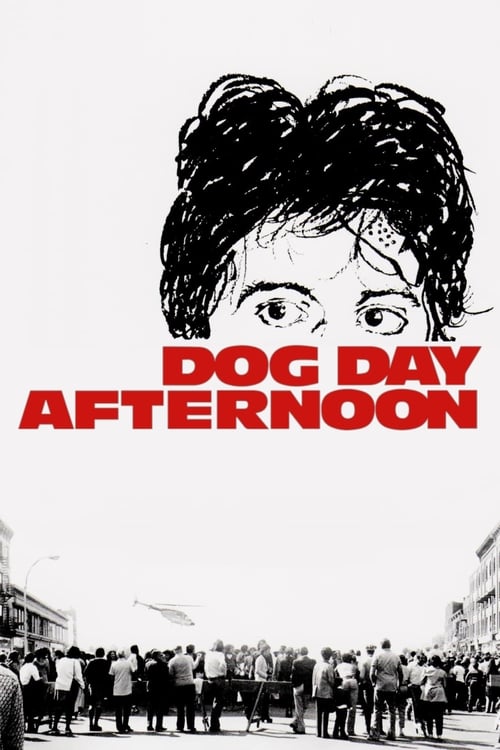
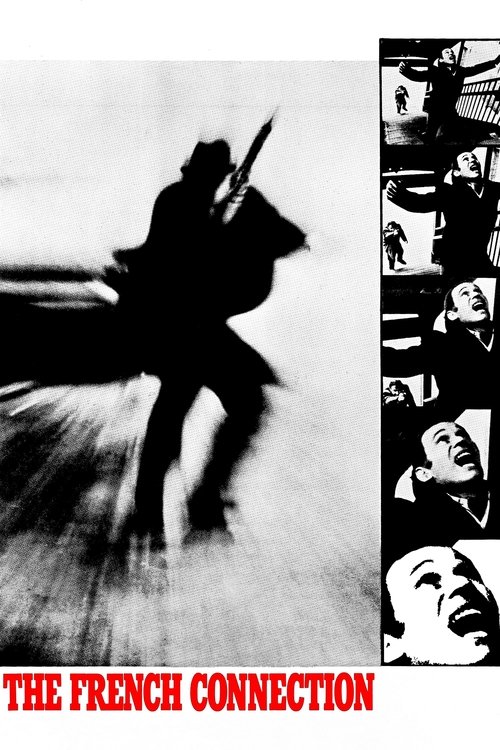
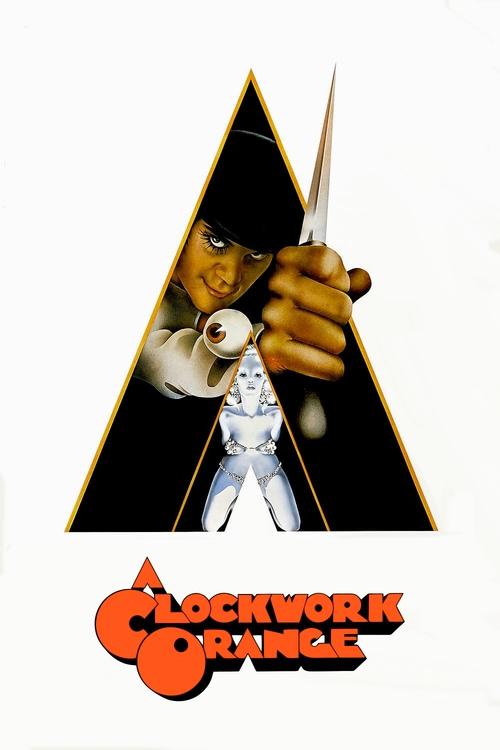
Movies related to Taxi Driver

Frequently Asked Questions
Everything you need to know about Taxi Driver
- Travis Bickle's desire to 'clean up' the city stems from his profound disgust with the perceived moral degradation and squalor he encounters nightly. This obsession is a manifestation of his psychological instability and his desperate search for meaning and purpose in a world he views as corrupt. It ultimately fuels his violent vigilante fantasies.
- Travis's extreme loneliness and isolation are central to his character's development and his eventual violent trajectory. His inability to connect with others, coupled with his insomnia and disillusionment, amplifies his feelings of alienation and fuels his increasingly distorted perception of reality, leading him to take extreme measures to assert himself.
- The ambiguous ending of Taxi Driver leaves Travis's true fate and sustained mental state open to interpretation. While he is hailed as a hero, the final shot subtly suggests that his deeply ingrained psychological issues likely remain unresolved. The city itself, despite his violent intervention, appears largely unchanged, highlighting the futility of his individual mission against systemic problems.
- Betsy represents Travis's desperate attempt to connect with a 'pure' and respectable woman, embodying an idealized version of society he wishes to be a part of. Her rejection of him, due to his inappropriate behavior, further isolates him and reinforces his conviction that societal norms are hypocritical, ultimately contributing to his violent turn.
- Taxi Driver masterfully employs a distinctive color palette and lighting to mirror Travis's deteriorating mental state. The pervasive reds and oranges often seen in neon signs and streetlights evoke a sense of danger and moral decay, while the dimly lit, often grimy interiors emphasize his isolation and the oppressive atmosphere of the city, visually immersing the audience in his psychological world.

