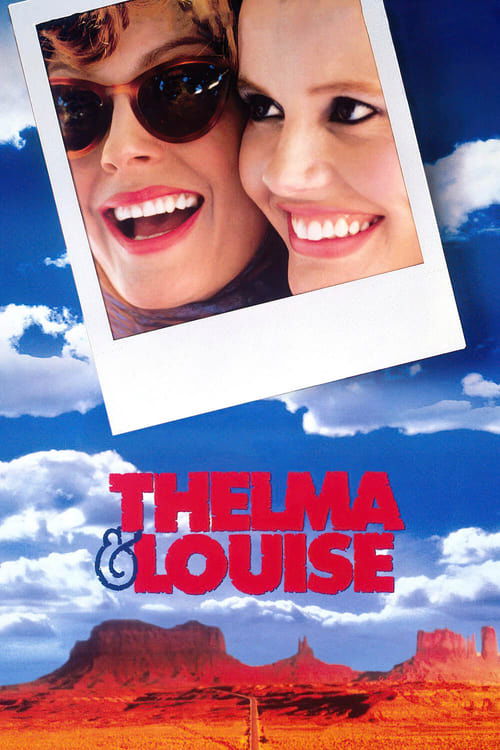
Thelma & Louise
Thelma & Louise is a groundbreaking film that redefines the road trip genre, following two women on an unforgettable journey of self-discovery and liberation. This iconic movie masterfully blends elements of crime, drama, and adventure, offering a powerful commentary on friendship, freedom, and the societal pressures faced by women. Prepare for a thrilling ride that culminates in one of cinema's most iconic and talked-about endings.
Director
Release Year
1991
Runtime
130 minutes
Main Cast
Susan Sarandon, Geena Davis, Harvey Keitel, Michael Madsen, Christopher McDonald
About Thelma & Louise
Thelma & Louise exploded onto the cinematic landscape in 1991, leaving an indelible mark on popular culture and sparking conversations that resonate to this day. Directed by Ridley Scott, the film defied genre conventions, presenting a thrilling road movie centered on two women who find themselves on the run. Its bold narrative and unapologetic portrayal of female empowerment struck a chord with audiences worldwide, cementing its place as a quintessential feminist film.
The film's premise follows best friends Thelma Dickinson (Geena Davis) and Louise Sawyer (Susan Sarandon) as they embark on what begins as a liberating weekend getaway. However, a traumatic incident at a roadside bar irrevocably alters their course, transforming their escape into a high-stakes flight from the law. Thelma, a submissive housewife, and Louise, a more assertive waitress, undergo profound transformations, shedding the constraints of their past lives and embracing a newfound sense of agency and solidarity.
Upon its release, Thelma & Louise garnered widespread critical acclaim, lauded for its compelling performances, sharp screenplay by Callie Khouri (who won an Academy Award for Best Original Screenplay), and Ridley Scott's masterful direction. While celebrating its empowering themes and thrilling execution, the film also ignited debates about its portrayal of violence and vigilantism. Despite the controversies, its impact on cinema and its exploration of female identity and rebellion have ensured its enduring legacy.
Thelma & Louise ultimately became a cultural phenomenon, inspiring countless discussions about gender roles, vengeance, and the unbreakable bond of female friendship. Its iconic final scene, a breathtaking act of defiant freedom, remains one of the most memorable and analyzed moments in film history. The movie not only cemented its stars' places as cinematic legends but also paved the way for more complex and diverse female narratives in Hollywood.
Drafts Featuring Thelma & Louise
Every SnakeDrafts listicle where this movie appears
The Best Michael Madsen Movies Ranked
Ranked #5
The Best Harvey Keitel Movies Ranked
Ranked #9
The Definitive Susan Sarandon Movies
Ranked #1
Every Geena Davis Movie Ranked
Ranked #3
The Ultimate Brad Pitt Movie Ranking: Every Must-Watch Performance
Ranked #15
Ranking Ridley Scott's Greatest Films
Ranked #5
1991's Best Movies Ranked
Ranked #5
The Best Movies of the 1990s Ranked
Ranked #44
Best Crime Movies of 1991, Ranked
Ranked #14
Similar Movies
Movies related to Thelma & Louise

Frequently Asked Questions
Everything you need to know about Thelma & Louise
- The ending of Thelma & Louise is a powerful and iconic statement of ultimate freedom and defiance. By driving off the cliff, Thelma and Louise choose to control their own destiny rather than surrender to a system they feel betrayed them. It's a symbolic act of liberation, forever preserving their bond and their newfound autonomy.
- Initially, Louise is the more dominant and protective figure, while Thelma is naive and submissive. As their journey progresses, Thelma blossoms into a more assertive and confident woman, while Louise grapples with her past trauma. Their evolving dynamic showcases the strength and transformative power of their friendship, making them equals in their shared fate.
- Harlan's assault is the pivotal turning point that irrevocably alters Thelma's character arc. It's a brutal awakening that shatters her innocence and forces her to confront the harsh realities of her world. This traumatic event ignites a fire within her, leading to her radical embrace of freedom and ultimately, her rebellion against societal norms.
- The green truck, driven by the persistent Detective Slocumb, symbolizes the relentless pursuit of the law and the inescapable consequences of Thelma and Louise's actions. It represents the encroaching authority and the limited options available to the women, serving as a constant reminder of their fugitive status and the narrowing window of their freedom.
- Thelma & Louise radically subverts traditional gender roles by placing two women at the center of a traditionally masculine genre – the road movie. It portrays women as active agents, capable of violence, courage, and self-determination, while often depicting the male characters as either predatory, inept, or peripheral. The film redefines female strength and agency outside patriarchal expectations.

