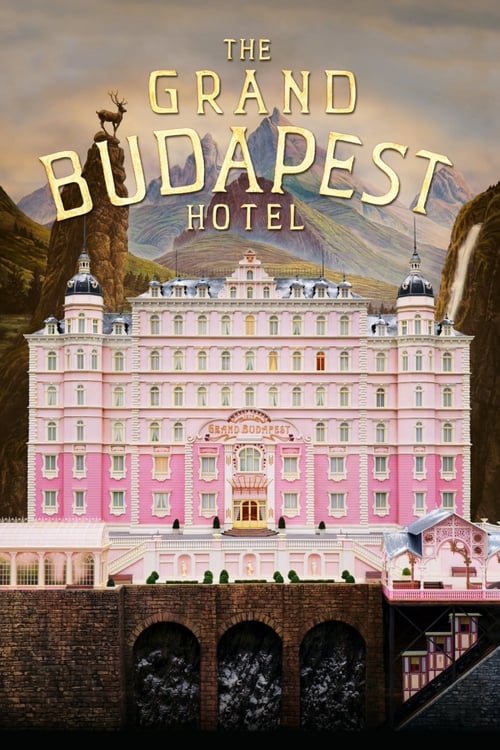
The Grand Budapest Hotel
The Grand Budapest Hotel is a visually stunning and whimsical comedy-drama that captures the charm of a bygone era with sharp wit and meticulous detail. Set in a fictional European hotel between the world wars, it explores an intricate plot of loyalty, friendship, and upheaval against a backdrop of political change.
Director
Release Year
2014
Runtime
100 minutes
Main Cast
Ralph Fiennes, F. Murray Abraham, Mathieu Amalric, Adrien Brody, Willem Dafoe
About The Grand Budapest Hotel
Wes Anderson's The Grand Budapest Hotel stands out as a cultural milestone for its unique storytelling style, meticulously crafted visual aesthetic, and heartwarming yet bittersweet narrative. The film is celebrated for its detailed production design, symmetrical compositions, and pastel color palette, which have inspired countless filmmakers and designers alike.
The story centers on Gustave H., a legendary concierge with an impeccable reputation, and his relationship with Zero Moustafa, a young lobby boy who becomes his trusted protégé. Together, they navigate a series of adventures involving a priceless Renaissance painting, a contested family inheritance, and the turbulent sociopolitical climate of early 20th-century Europe. The film deftly combines elements of comedy, drama, and mystery without resorting to clichés.
Critically acclaimed upon release, The Grand Budapest Hotel was praised for its screenplay, performances—especially Ralph Fiennes' charismatic lead—and Anderson's distinctive directorial style. It received numerous awards, including four Academy Awards for production design, costume design, makeup and hairstyling, and original score. The film’s balance of humor and poignancy has earned it a lasting legacy as one of Anderson’s most beloved works.
Beyond awards, the movie has had significant influence on popular culture, notably shaping the indie film landscape with its quirky narrative devices and ensemble cast dynamics. Its memorable quotes and stylized visual storytelling continue to attract new audiences and generate academic discussion on film art and history.
Drafts Featuring The Grand Budapest Hotel
Every SnakeDrafts listicle where this movie appears
The Best Bill Murray Movies Ranked
Ranked #11
The Best Owen Wilson Movies Ranked
Ranked #7
The Best Jude Law Movies Ranked
Ranked #7
The Best Willem Dafoe Movies Ranked
Ranked #5
The Best Harvey Keitel Movies Ranked
Ranked #13
The Best Edward Norton Movies Ranked
Ranked #6
A Ranking of the Best Jeff Goldblum Movies
Ranked #3
Adrien Brody's Top Movies Ranked
Ranked #2
The Greatest Saoirse Ronan Movies Ever
Ranked #4
Top Ralph Fiennes Movies Ranked
Ranked #3
The Definitive Tilda Swinton Filmography: Every Must-Watch Performance Ranked
Ranked #4
Best Movies Directed by Wes Anderson
Ranked #1
F. Murray Abraham Movies Ranked From Worst to Best
Ranked #2
The Definitive Ranking of Comedy Movies
Ranked #79
Top Jason Schwartzman Movies Ranked
Ranked #2
2014's Best Movies Ranked
Ranked #6
Top Drama Movies Ranked
Ranked #78
The Best Movies of the 2010s Ranked
Ranked #15
The Best 2010s Comedy Movies Ranked
Ranked #1
Similar Movies
Movies related to The Grand Budapest Hotel
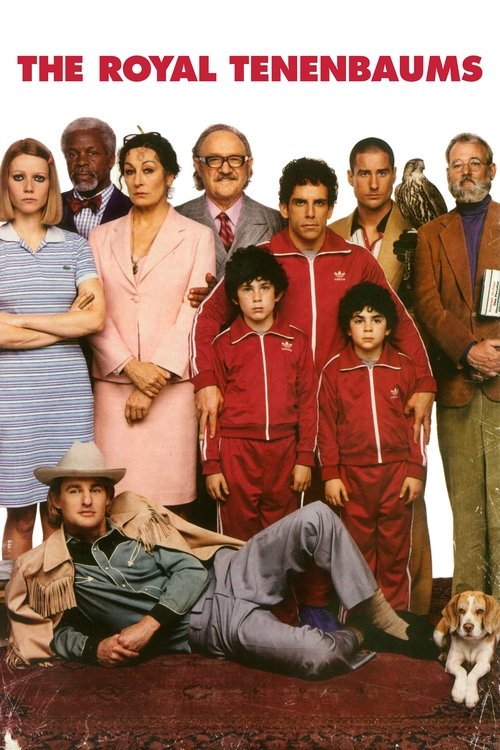
The Royal Tenenbaums
2001
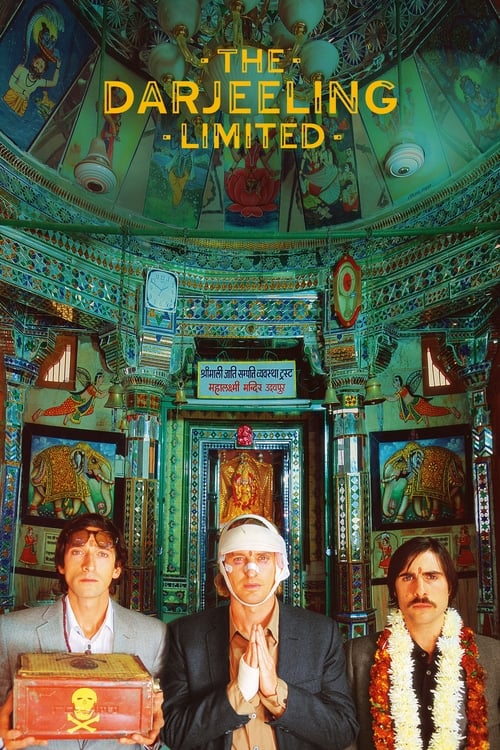
The Darjeeling Limited
2007
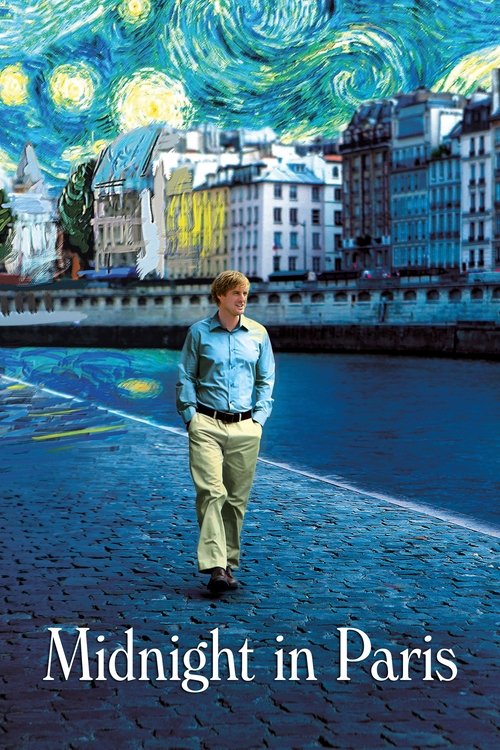
Midnight in Paris
2011
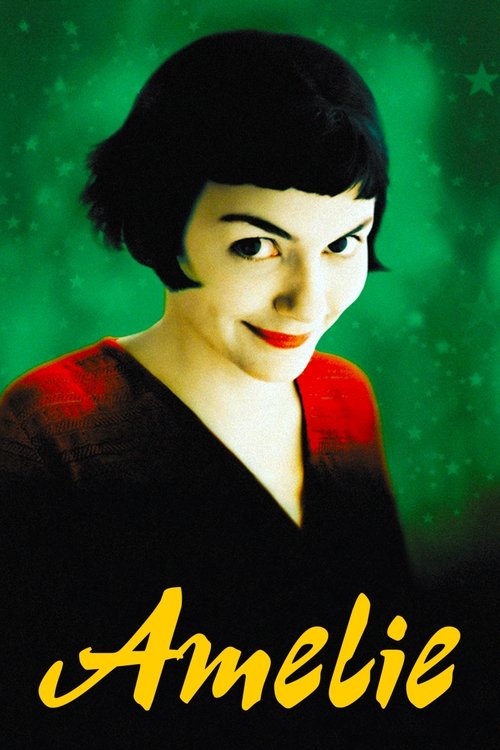
Amélie
2001
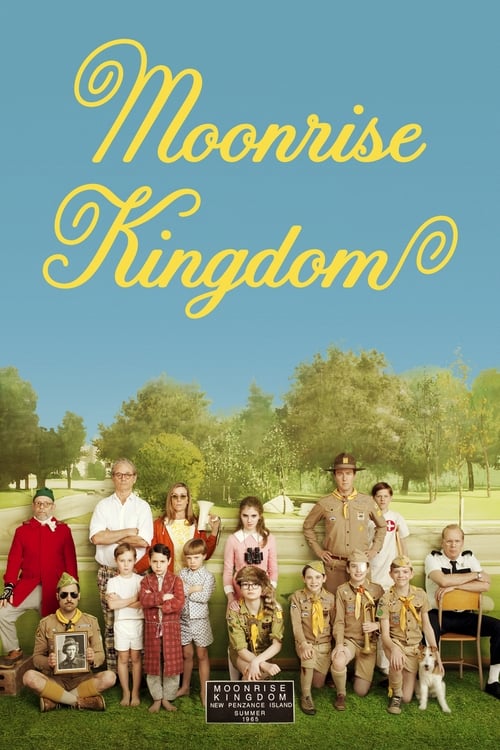
Moonrise Kingdom
2012
Frequently Asked Questions
Everything you need to know about The Grand Budapest Hotel
- "Boy with Apple" is a priceless Renaissance painting that serves as a central plot device around which much of the story’s conflict revolves, including theft and inheritance disputes. It symbolizes the fading glory of old-world Europe and acts as a catalyst for character interactions and the unfolding mystery.
- Gustave H. embodies unwavering dedication as a concierge who prides himself on exceptional service and loyalty to his guests, especially elderly women. His attentiveness and integrity highlight themes of honor and friendship amidst changing social and political landscapes.
- Zero Moustafa, the young lobby boy, serves as Gustave's protégé and narrative anchor, providing a perspective that blends innocence with loyalty. His relationship with Gustave drives much of the emotional depth and evolution of the story.
- Set in the fictional Republic of Zubrowka, a European alpine state between the wars, the setting evokes nostalgia for a vanished era marked by elegance and turmoil. This backdrop enhances the film’s bittersweet tone and reflects broader historical upheavals through its microcosm of the hotel.
- Humor in the film is a blend of dry wit, slapstick, and quirky dialogue that punctuates the dramatic and sometimes tragic elements. It provides levity while underscoring the absurdity of the characters’ predicaments and the incongruities of a decaying aristocracy.
- Ralph Fiennes’ performance was widely praised for its charm, precision, and comedic timing, elevating Gustave to an iconic character in modern cinema. His portrayal added depth and humanity to a role that balances eccentricity with kindness.
- The film subtly reflects the political and social upheavals of Europe between the world wars, including the rise of fascism and the decline of aristocratic privilege. This context serves as a poignant backdrop that influences the characters’ fates and the hotel’s decline.
- Yes, Anderson uses symbolism such as the hotel itself representing a microcosm of European society, the painting symbolizing cultural heritage, and the meticulous use of color and symmetry to evoke order amidst chaos. These elements reinforce thematic depth and visual storytelling.
- The film showcases hallmark Anderson traits like rich visual style, eccentric characters, deadpan humor, and complex narrative structure. It is often cited as one of his best works, encapsulating his distinctive approach to film-making and storytelling.
- Notable quotes include Gustave's witty lines such as "Rudeness is merely the expression of fear," which reflect the film’s blend of humor and philosophy. These quotes have become iconic and frequently referenced in popular culture.

