The Best Bruce Willis Movie
From Die Hard Hero to High Concept Sci-Fi Star
Explore the definitive ranking of Bruce Willis's career-defining performances in cinematic masterpieces ranging from gritty action to psychological drama.
About Bruce Willis

In the late 1980s, the blueprint for a Hollywood action hero required a physique carved out of marble and a sense of invincibility that bordered on the divine. Then came John McClane. When Bruce Willis crawled through a ventilation shaft in Die Hard, he didn’t look like a god; he looked like a man who desperately needed a cigarette and a nap. With his smirk, his receding hairline, and a blue-collar grit that felt imported straight from the streets of Jersey, he dismantled the era’s demand for perfection. He gave us something better: someone we could actually root for. That everyman quality became his greatest currency, allowing him to oscillate between world-saving spectacles and quiet, shattered character studies with an ease few of his contemporaries could mirror.
While the Die Hard franchise, including the kinetic Die Hard 2 and the high-stakes buddy-cop energy of Die Hard: With a Vengeance, cemented his status as a box office titan, he possessed a restlessness that frequently pulled him away from the explosion-heavy mainstream. He understood the power of silence and the weight of a weary gaze. You see it in the haunted eyes of Malcolm Crowe in The Sixth Sense, a performance defined by its restraint rather than its volume. He became a muse for M. Night Shyamalan, disappearing into the heavy, grounded melancholy of David Dunn in Unbreakable and later revisiting that quiet strength in Glass. These roles thrived because of a specific vulnerability he kept shielded behind that trademark crooked grin.
His filmography reads like an odyssey through the minds of visionary directors. He wasn't afraid to be part of an ensemble or even a villain if the script had teeth. In Pulp Fiction, he anchored one of the film’s most visceral segments, playing a boxer who refuses to take a dive with a stoic intensity that matched Quentin Tarantino’s rhythmic dialogue. He leaned into the surreal for Terry Gilliam in Twelve Monkeys and embraced technicolor absurdity in The Fifth Element, proving that his charisma could survive even the most chaotic cinematic environments. Whether he was steering a doomed mission in the bombastic Armageddon or playing a weathered lawman in the noir-soaked Sin City, he maintained a gravitational pull that kept the audience anchored, no matter how wild the plot.
As he matured, he transitioned into the role of the elder statesman of cool. He poked fun at his own legacy in the high-octane RED and navigated the complex, time-bending morality of Looper. Even when working in the whimsical, stylized world of Wes Anderson’s Moonrise Kingdom, he found the soul within a lonely small-town captain. There is a reason his retirement due to health challenges hit the cultural landscape with such a heavy thud. He wasn't just a star; he was a reliable fixture of the American imagination. He represented the guy who gets knocked down, bleeds a little, makes a sarcastic comment, and gets back up anyway. He taught us that bravery isn't about being fearless, but about being tired, outnumbered, and doing the right thing regardless. That legacy of grounded, gritty humanity ensures his place in the pantheon isn't just about the hits, but about the heart he brought to every frame.
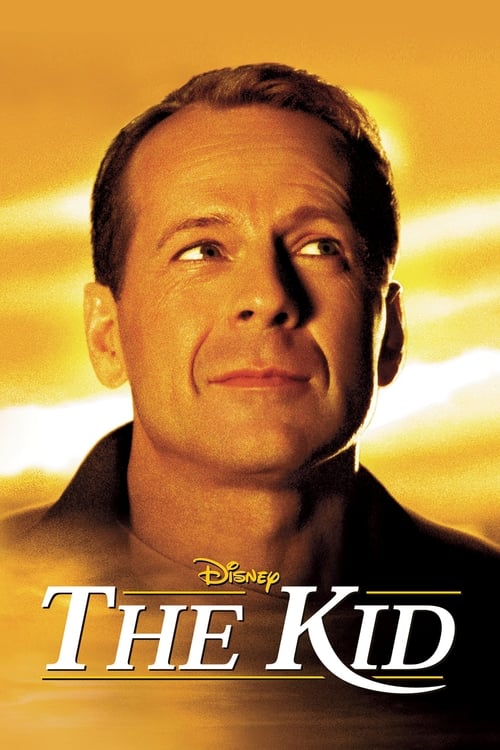
The Kid
2000Powerful businessman Russ Duritz is self-absorbed and immersed in his work. But by the magic of the moon, he meets Rusty, a chubby, charming 8-year-old version of himself who can't believe he could turn out so badly – with no life and no dog. With Rusty's help, Russ is able to reconcile the person he used to dream of being with the man he's actually become.
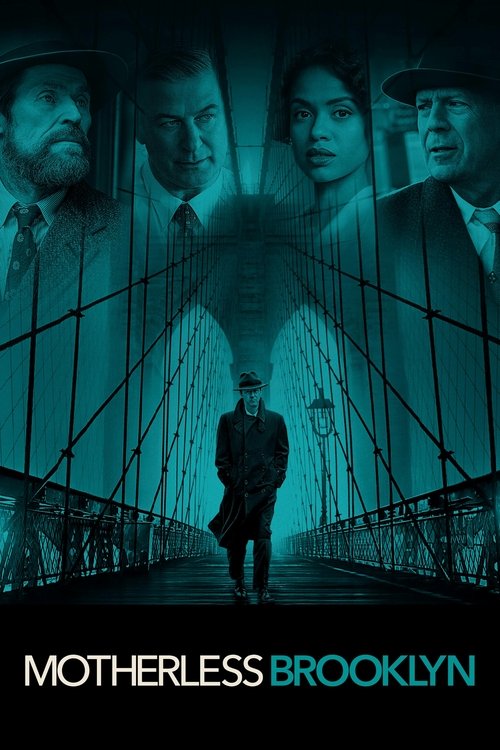
Motherless Brooklyn
2019New York City, 1957. Lionel Essrog, a private detective living with Tourette syndrome, tries to solve the murder of his mentor and best friend, armed only with vague clues and the strength of his obsessive mind.
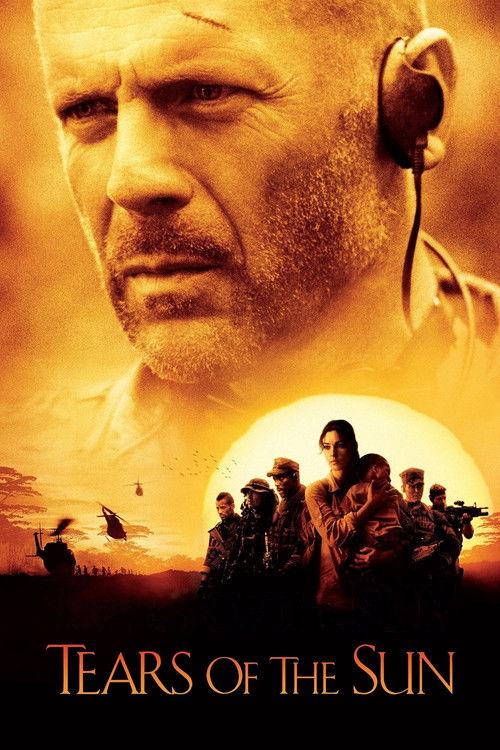
Tears of the Sun
2003Navy SEAL Lieutenant A.K. Waters and his elite squadron of tactical specialists are forced to choose between their duty and their humanity, between following orders by ignoring the conflict that surrounds them, or finding the courage to follow their conscience and protect a group of innocent refugees. When the democratic government of Nigeria collapses and the country is taken over by a ruthless military dictator, Waters, a fiercely loyal and hardened veteran is dispatched on a routine mission to retrieve a Doctors Without Borders physician.
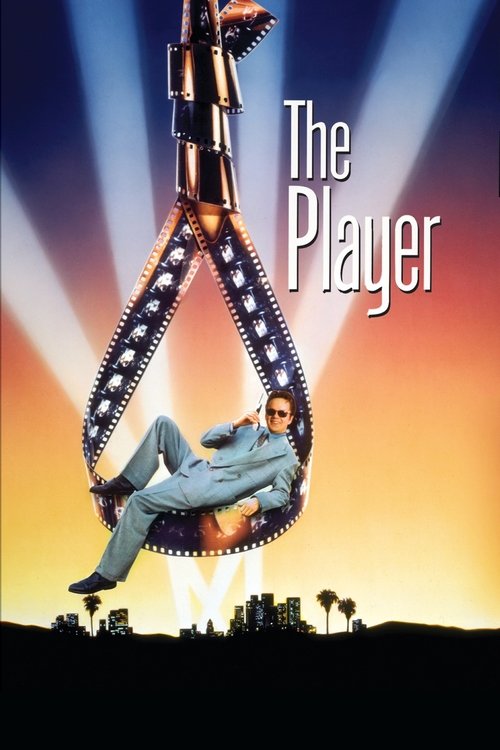
The Player
1992A Hollywood studio executive is being sent death threats by a writer whose script he rejected - but which one?
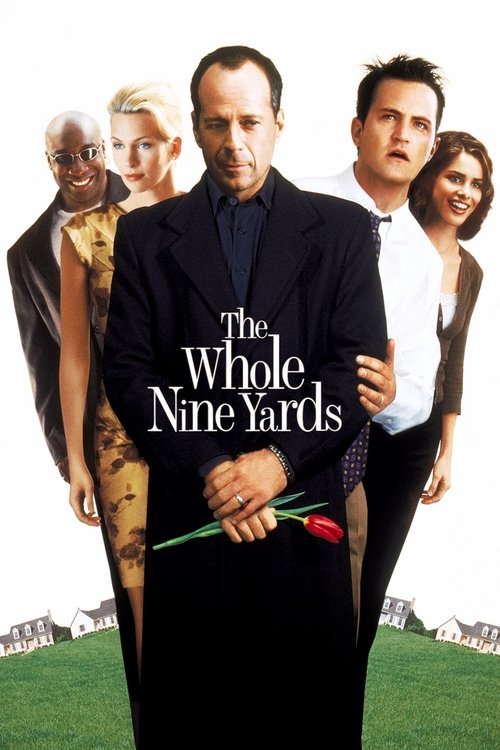
After a mobster agrees to cooperate with an FBI investigation in order to stay out of prison, he's relocated by the authorities to a life of suburban anonymity as part of a witness protection program. It's not long before a couple of his new neighbours figure out his true identity and come knocking to see if he'd be up for one more hit—suburban style.
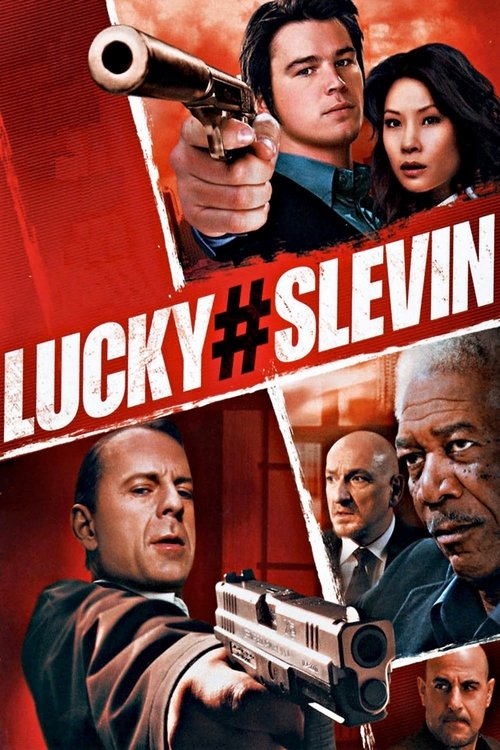
Slevin is mistakenly put in the middle of a personal war between the city’s biggest criminal bosses. Under constant watch, Slevin must try not to get killed by an infamous assassin and come up with an idea of how to get out of his current dilemma.

Death Becomes Her
1992Madeline is married to Ernest, who was once her arch-rival Helen's fiancé. After recovering from a mental breakdown, Helen vows to kill Madeline and steal back Ernest. Unfortunately for everyone, the introduction of a magic potion causes things to be a great deal more complicated than a mere murder plot.
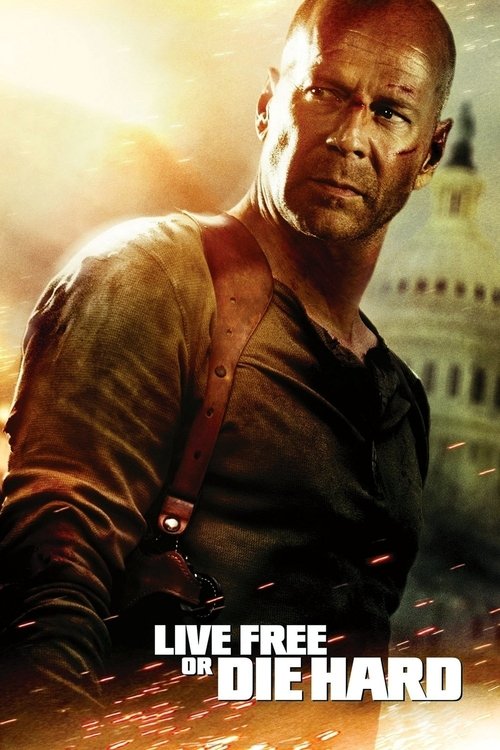
Live Free or Die Hard
2007John McClane is back and badder than ever, and this time he calls on the services of a young hacker in his bid to stop a ring of Internet terrorists intent on taking control of America's computer infrastructure.
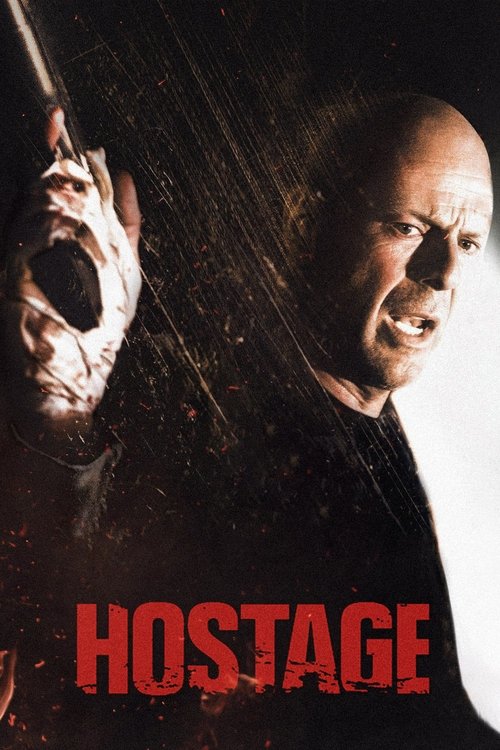
Hostage
2005When a mafia accountant is taken hostage on his beat, a police officer – wracked by guilt from a prior stint as a negotiator – must negotiate the standoff, even as his own family is held captive by the mob.
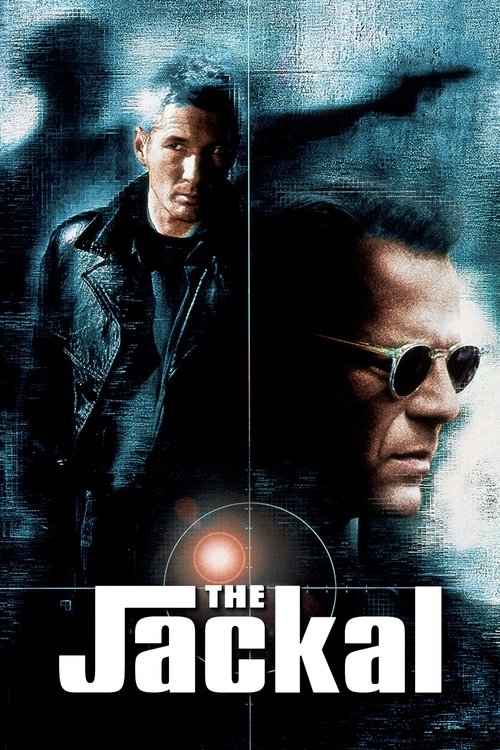
The Jackal
1997Hired by a powerful member of the Russian mafia to avenge an FBI sting that left his brother dead, a psychopathic hitman known only as The Jackal proves an elusive target for the people charged with the task of bringing him down: a deputy FBI director, a Russian MVK Major, and a jailed IRA terrorist who can recognize him.
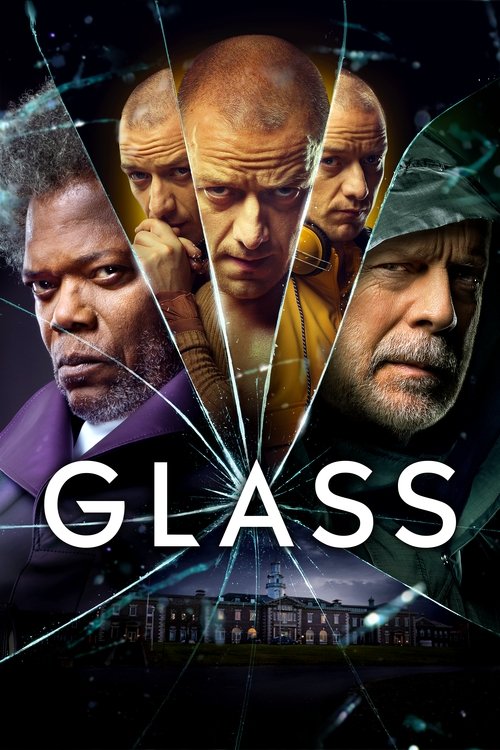
Glass
2019In a series of escalating encounters, former security guard David Dunn uses his supernatural abilities to track Kevin Wendell Crumb, a disturbed man who has twenty-four personalities. Meanwhile, the shadowy presence of Elijah Price emerges as an orchestrator who holds secrets critical to both men.
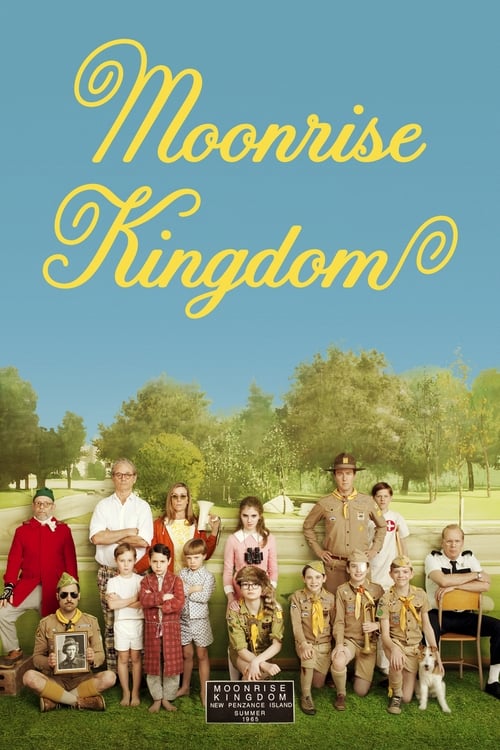
Moonrise Kingdom
2012Set on an island off the coast of New England in the summer of 1965, Moonrise Kingdom tells the story of two twelve-year-olds who fall in love, make a secret pact, and run away together into the wilderness. As various authorities try to hunt them down, a violent storm is brewing off-shore – and the peaceful island community is turned upside down in more ways than anyone can handle.
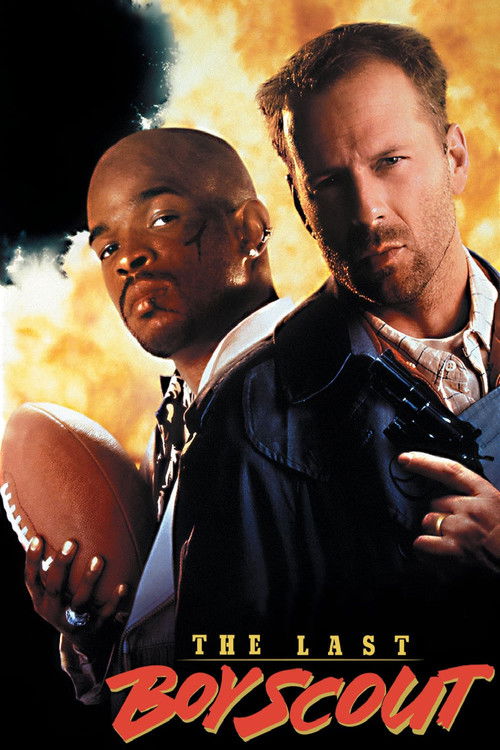
The Last Boy Scout
1991Somewhere in Los Angeles, the city of broken dreams, a stripper is murdered. Now, the private detective she had hired and her ex-footballer boyfriend are going to find her murderer... if they don't kill each other first. But the more they dig, the deeper they become enmeshed in a web of extortion, blackmail and corrupt politics hidden beneath the surface of professional football.
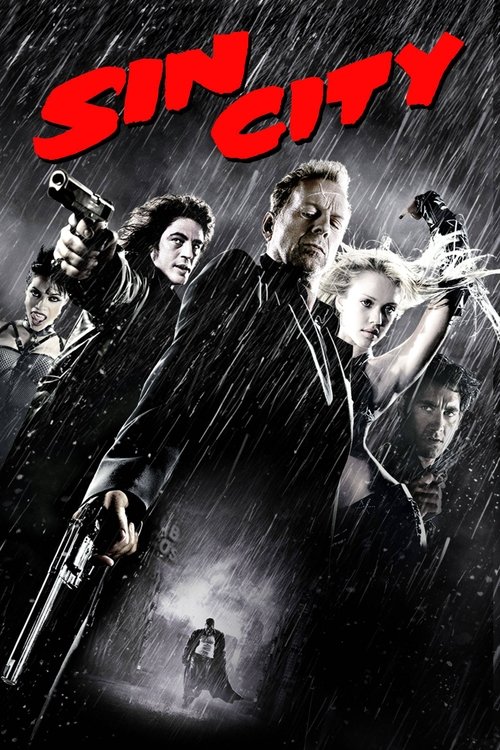
Sin City
2005Welcome to Sin City. This town beckons to the tough, the corrupt, the brokenhearted. Some call it dark… Hard-boiled. Then there are those who call it home — Crooked cops, sexy dames, desperate vigilantes. Some are seeking revenge, others lust after redemption, and then there are those hoping for a little of both. A universe of unlikely and reluctant heroes still trying to do the right thing in a city that refuses to care.
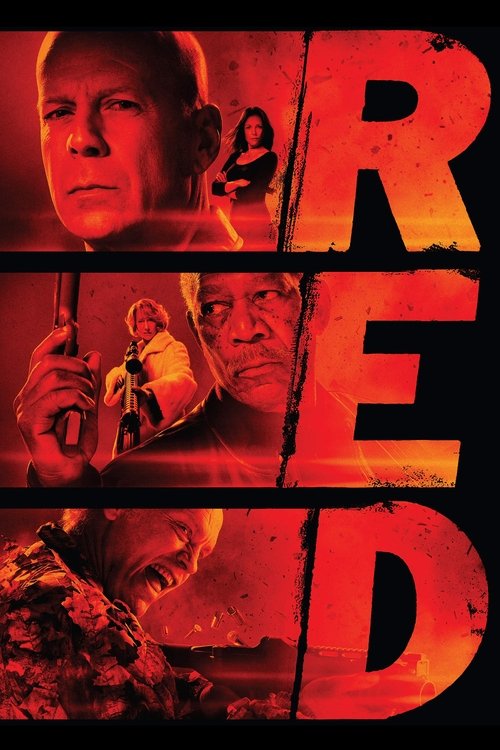
RED
2010After surviving an assault from a squad of hit men, retired CIA black ops agent Frank Moses reassembles his old team for an all-out war. Frank reunites with old Joe, crazy Marvin and wily Victoria to uncover a massive conspiracy that threatens their lives. Only their expert training will allow them to survive a near-impossible mission -- breaking into CIA headquarters.
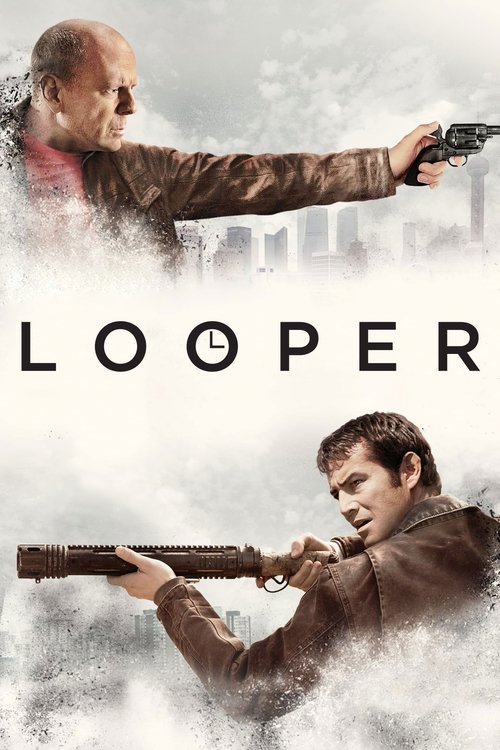
Looper
2012In the year 2044, time travel has not yet been invented but in 30 years it will have been. When the mob wants to get rid of someone, they will send their target into the past where a looper, a hired gun, like Joe is waiting to mop up. Joe is getting rich and life is good until the day the mob decides to close the loop, sending back Joe's future self for assassination.
Willis strips away his typical invincible swagger to deliver a haunting, weary desperation that stands as a final masterclass in his grizzled-action-hero persona. He pivots from cold-blooded efficiency to raw, tear-streaked vulnerability, proving he could still out-act his own iconography when given the right caliber of material. It is a soulful, high-stakes swan song for the version of the movie star we knew best.
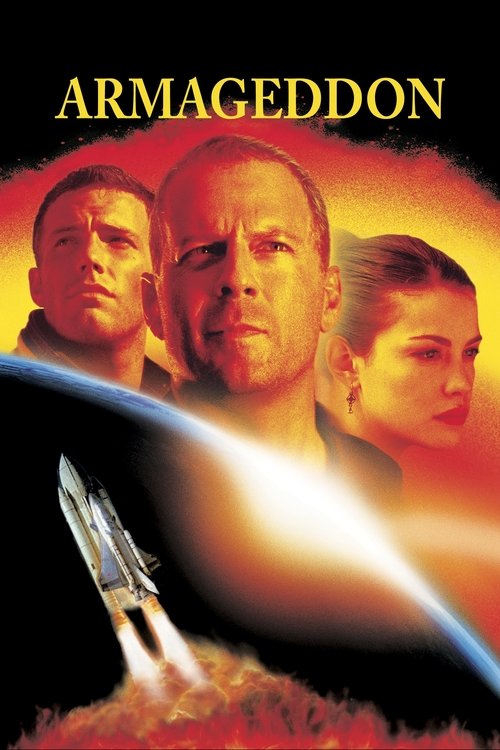
Armageddon
1998When an asteroid threatens to collide with Earth, NASA honcho Dan Truman determines the only way to stop it is to drill into its surface and detonate a nuclear bomb. This leads him to renowned driller Harry Stamper, who agrees to helm the dangerous space mission provided he can bring along his own hotshot crew. Among them is the cocksure A.J. who Harry thinks isn't good enough for his daughter, until the mission proves otherwise.
Willis trades his trademark Die Hard smirking for a blue-collar stoicism, grounding the film’s chaotic spectacle with a gravel-voiced authority. It is the definitive peak of his Everyman Hero era, proving he could anchor a massive blockbuster as much with a weary, paternal stare as with a one-liner. He turns Harry Stamper into the ultimate cinematic martyr, cementing his transition from scrappy action star to the world’s grizzled, dependable father figure.
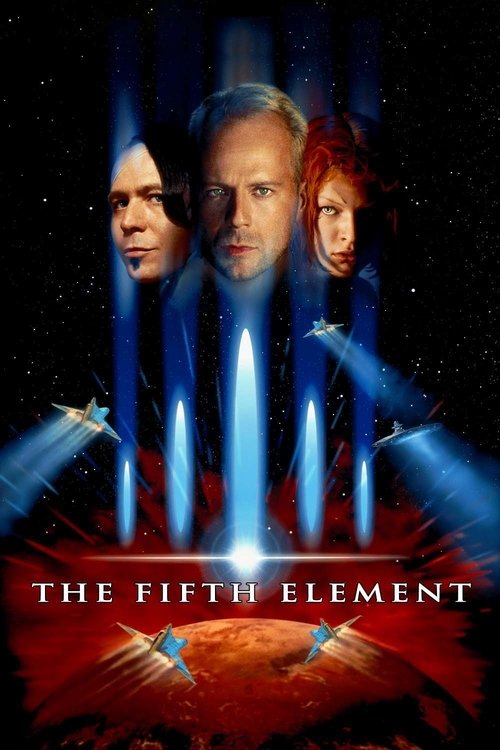
In 2257, a taxi driver is unintentionally given the task of saving a young girl who is part of the key that will ensure the survival of humanity.
Willis weaponizes his signature blue-collar exhaustion to ground Luc Besson’s Day-Glo delirium, perfecting the archetype of the reluctant hero who is more annoyed by the apocalypse than afraid of it. By blending his Die Hard cynicism with a deadpan comic timing, he solidified his transition from a standard-issue action star into a versatile sci-fi icon. It is a masterful display of understated machismo where a simple wince does more work than a dozen explosions.
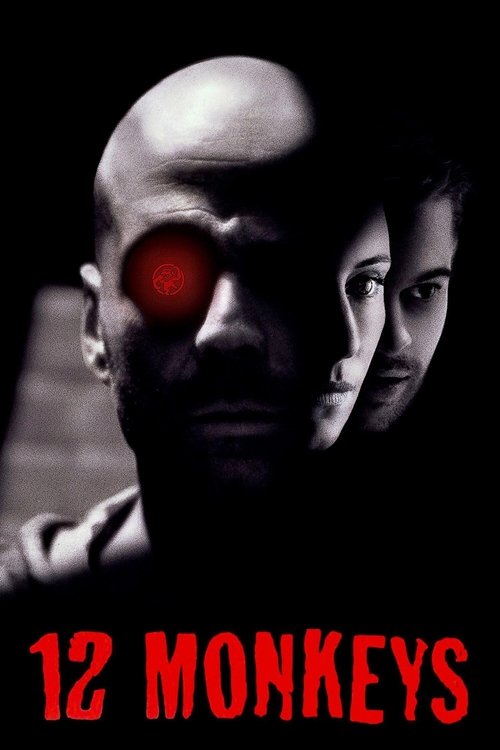
Twelve Monkeys
1995In the year 2035, convict James Cole reluctantly volunteers to be sent back in time to discover the origin of a deadly virus that wiped out nearly all of the earth's population and forced the survivors into underground communities. But when Cole is mistakenly sent to 1990 instead of 1996, he's arrested and locked up in a mental hospital. There he meets psychiatrist Dr. Kathryn Railly and the son of a famous virus expert who may hold the key to the Army of the 12 Monkeys; thought to be responsible for unleashing the killer disease.
Willis sheds his usual cloak of invincibility to deliver a performance defined by profound vulnerability and a trembling, wide-eyed disorientation. By Trading his signature smirk for a hauntingly raw exhaustion, he proved he could anchor a complex psychological drama without relying on a handgun or a catchphrase. It remains the definitive evidence of his range, capturing a man disintegrating under the weight of a reality he can no longer trust.
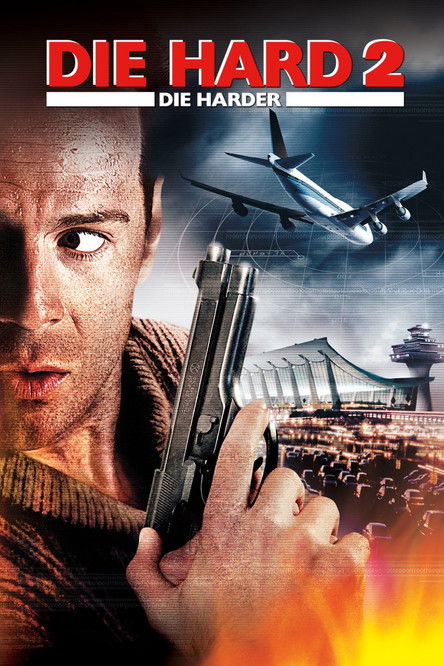
Die Hard 2
1990One year after his heroics in Los Angeles, John McClane is an off-duty cop who is the wrong guy in the wrong place at the wrong time. On a snowy Christmas Eve, as he waits for his wife's plane to land at Washington Dulles International Airport, terrorists take over the air traffic control system in a plot to free a South American army general and drug smuggler being flown into the US to face drug charges. It's now up to McClane to take on the terrorists, while coping with an inept airport police chief, an uncooperative anti-terrorist squad, and the life of his wife and everyone else trapped in planes circling overhead.
Willis doubles down on the blue-collar exasperation that made John McClane an icon, trading the first film’s vulnerability for a more cynical, kinetic grit. He masters the art of the relatable action hero by looking genuinely annoyed by his own mortality, cementing his status as the definitive everyman of the blockbuster era.
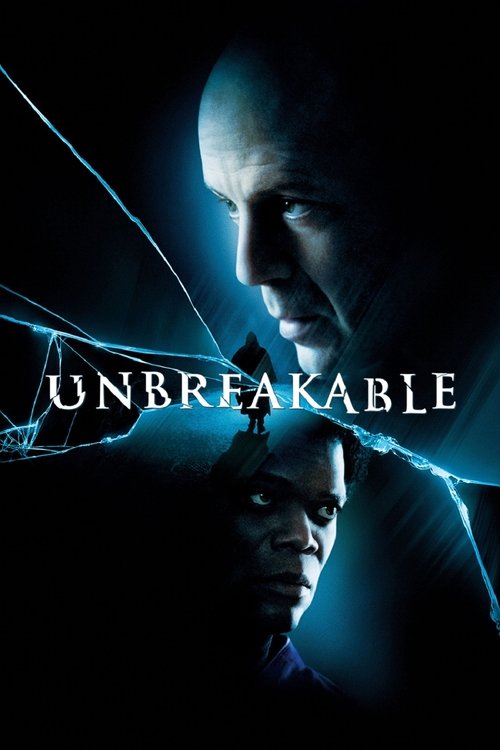
Unbreakable
2000An ordinary man makes an extraordinary discovery when a train accident leaves his fellow passengers dead — and him unscathed. The answer to this mystery could lie with the mysterious Elijah Price, a man who suffers from a disease that renders his bones as fragile as glass.
Willis strips away his trademark cocky smirk to deliver a masterclass in minimalist melancholy, trading one-liners for a haunting, heavy-lidded interiority. It is the definitive subversion of his action-hero persona, proving he could command a screen through quiet, blue-collar fragility rather than physical bravado. This remains the most disciplined work of his career, anchored by a soulful stillness that finds the mythic in the mundane.
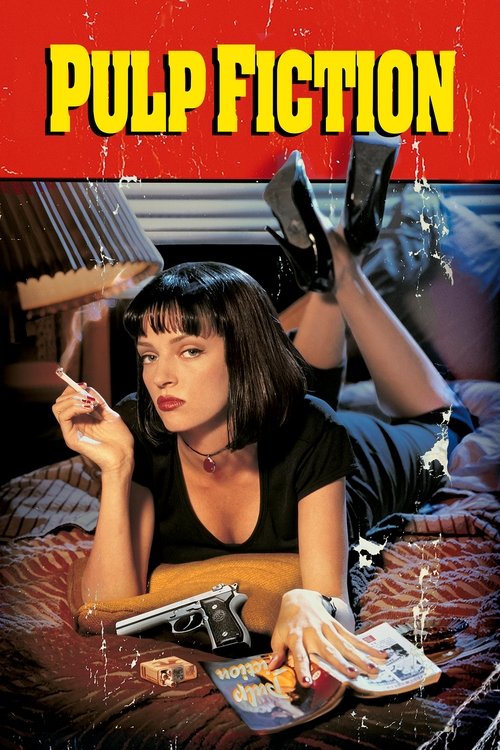
Pulp Fiction
1994A burger-loving hit man, his philosophical partner, a drug-addled gangster's moll and a washed-up boxer converge in this sprawling, comedic crime caper. Their adventures unfurl in three stories that ingeniously trip back and forth in time.
Willis trades his smirk for a haunted, blue-collar stoicism, grounding Tarantino’s stylized universe with a performance defined by simmering desperation and sudden bursts of animalistic violence. This was the shrewd pivot that rescued him from action-hero fatigue, proving he could disappear into an ensemble by playing the quietest, most dangerous man in the room. He treats the character of Butch with a minimalist grit, finding the soul of a broken fighter who wins by simply refusing to go down.
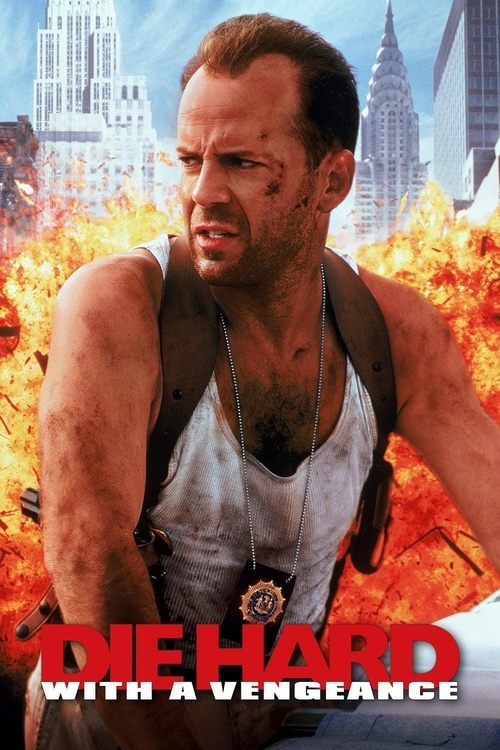
Die Hard: With a Vengeance
1995New York detective John McClane is back and kicking bad-guy butt in the third installment of this action-packed series, which finds him teaming with civilian Zeus Carver to prevent the loss of innocent lives. McClane thought he'd seen it all, until a genius named Simon engages McClane, his new "partner" -- and his beloved city -- in a deadly game that demands their concentration.
Willis leans into a hungover, frantic irritability that stripped the invincibility away from John McClane, grounding the franchise in a raw, blue-collar exhaustion. It remains the definitive showcase of his ability to play a man perpetually on the brink of cracking, solidifying his status as the rare action star who excelled by being visibly vulnerable and genuinely annoyed. This is Bruce at his most kinetic, trading the isolation of the original for an electric, agitated chemistry that redefined his screen persona for the 90s.
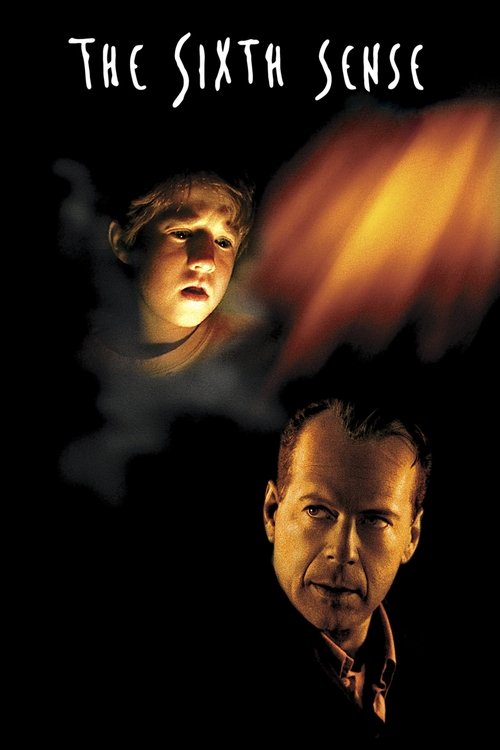
The Sixth Sense
1999Following an unexpected tragedy, child psychologist Malcolm Crowe meets a nine year old boy named Cole Sear, who is hiding a dark secret.
Bruce Willis strips away his Die Hard bravado to deliver a performance of remarkable stillness and hushed vulnerability. By trading his smirk for a weary, soulful interiority, he proved he could carry a prestige thriller through quiet observation rather than high-octane spectacle. This role redefined his career, showcasing a minimalist dramatic range that remains the most grounded work of his filmography.
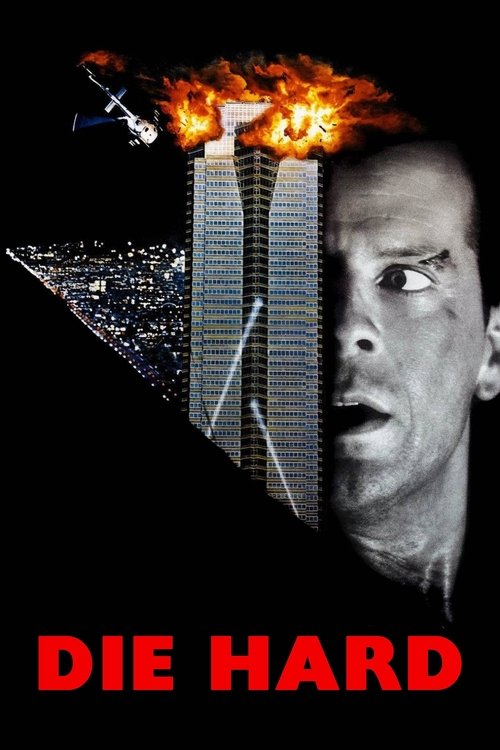
Die Hard
1988NYPD cop John McClane's plan to reconcile with his estranged wife is thrown for a serious loop when, minutes after he arrives at her office's Christmas Party, the entire building is overtaken by a group of terrorists. With little help from the LAPD, wisecracking McClane sets out to single-handedly rescue the hostages and bring the bad guys down.
Bruce Willis reinvented the action archetype by trading invincible muscle for relatable exhaustion, grounding the genre in sweat, sarcasm, and genuine vulnerability. His portrayal of John McClane stripped away the era’s superhuman polish, proving that a blue-collar underdog could be an international superstar. It remains the definitive blueprint for the everyman hero, blending comedic timing with a gritty, desperate physicality.
Frequently Asked Questions
Everything you need to know about this list and SnakeDrafts
- Die Hard revolutionized the action genre by presenting Bruce Willis as a relatable everyman hero. His portrayal of John McClane set a new standard for action leads, combining vulnerability with toughness which was different from the typical invincible action stars of the era.
- In The Sixth Sense, Bruce Willis showcases his dramatic and emotional range, playing a child psychologist dealing with complex supernatural themes. This role highlights his versatility beyond action, contributing to the movie's suspenseful and emotional depth.
- Bruce Willis's work with M. Night Shyamalan, notably in The Sixth Sense, Unbreakable, and Glass, stands out for its blend of psychological thriller and mystery. These films explore deeper character development and supernatural elements, contrasting with Willis’s usual action-packed roles.
- Bruce Willis has embraced science fiction in films like Twelve Monkeys, The Fifth Element, and Looper. These movies allow him to blend action with imaginative, futuristic storytelling, showcasing his ability to adapt to diverse cinematic styles.
- Throughout the Die Hard series, Willis’s character evolves from a lone, blue-collar cop fighting terrorists to a seasoned hero facing increasingly complex threats. This progression reflects in varied tones and heightened stakes, which solidify the franchise’s critical and commercial success.
- Films like Pulp Fiction and RED successfully blend Bruce Willis’s action persona with comedy, enhancing his charm and versatility. These movies highlight his ability to deliver witty dialogue amidst high-energy performances, appealing to a broader audience.
- Bruce Willis’s memorable roles are defined by a mix of gritty realism, emotional depth, and a trademark smirk. Whether as an everyman hero or a complex protagonist, he brings authenticity and charisma to diverse genres from action to psychological drama.
- Bruce Willis frequently collaborates with visionary directors like John McTiernan and M. Night Shyamalan, resulting in some of his most iconic movies. These partnerships have been pivotal in crafting films that emphasize strong storytelling and character-driven action.