A Ranking of Paul Herman's Best Movies
The Essential Films of a Quintessential Character Actor
Explore the best films of Paul Herman, featuring standout roles in legendary crime dramas and acclaimed collaborations with cinema's greatest directors.
About Paul Herman
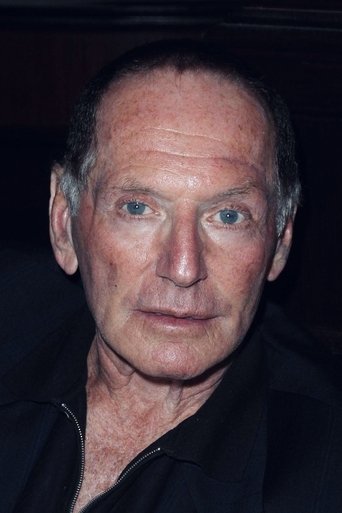
In the high-stakes ecosystem of New York cinema, Paul Herman occupied a space that few others could survive. He was the quintessential face in the crowd who eventually became the crowd itself, a performer whose presence felt less like a casting choice and more like a regional requirement. To watch him on screen was to encounter the lived-in reality of a man who actually knew where the bodies were buried, or at the very least, owned the club where the gravediggers drank. He functioned as a vital bridge between the gritty streets of Brooklyn and the polished soundstages of Hollywood, maintaining an effortless authenticity that served as a moral compass for every crime epic he inhabited.
His career was defined by a specific type of streetwise wisdom, a shorthand of nods and gestures that directors like Martin Scorsese and David O. Russell relied upon to ground their more kinetic visions. In the operatic violence of GoodFellas and the neon-soaked tragedy of Casino, he didn't just play a background player; he provided the texture that made those worlds feel dangerous and tangible. He possessed a rare, craggy charisma that suggested a lifetime of stories kept behind tight lips. Whether he was navigating the sprawling historical canvas of Once Upon a Time in America or providing the connective tissue in The Irishman, he operated with a quiet authority that often outshone the leading men surrounding him.
Audiences resonated with him because he felt like an uncle you only saw at specific weddings, a man who spoke in riddles but always had your back. This relatability allowed him to slip seamlessly between genres, proving he was more than just a reliable heavy. He could shift from the whimsical backdrop of Big and The Purple Rose of Cairo to the intense, heist-driven tension of Michael Mann's Heat without ever losing his footing. There was a soulful, sometimes weary quality to his eyes that added layers of depth to projects like Sleepers and We Own the Night. Even in modern favorites like Silver Linings Playbook and American Hustle, he remained a vital link to a classic era of character acting, bringing a sense of history to every frame.
Beyond the shadows of organized crime, he found room for spiritual weight and artistic eccentricity. His work in The Last Temptation of Christ showed a range that transcended the asphalt, while his turns in The Big Blue and Bullets Over Broadway proved he could handle the avant-garde and the comedic with equal grace. He was the kind of actor who improved a film simply by walking into a scene, a master of the understated contribution. By the time he appeared in Crazy Heart, it was clear that his legacy wasn't built on monologues or top billing, but on a consistent, unwavering commitment to being the most believable person in the room. He remains a titan of the working-class actor’s craft, a reminder that the most enduring performances are often the ones that feel the most like real life.
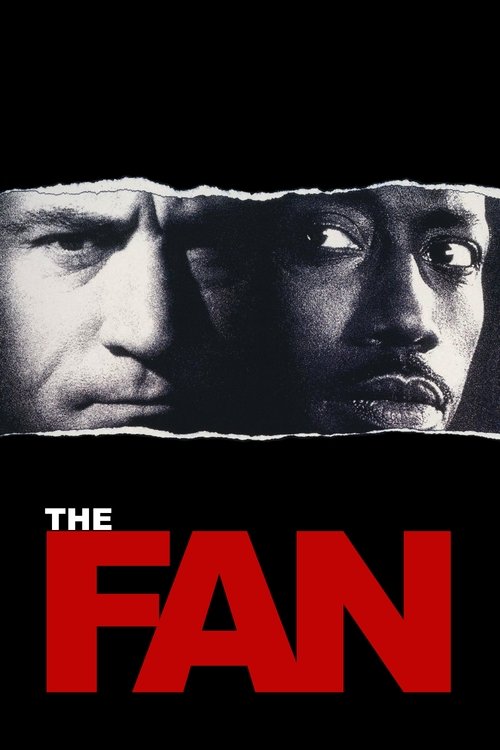
The Fan
1996When the San Francisco Giants pay center-fielder, Bobby Rayburn $40 million to lead their team to the World Series, no one is happier or more supportive than #1 fan, Gil Renard. When Rayburn becomes mired in the worst slump of his career, the obsessed Renard decides to stop at nothing to help his idol regain his former glory—not even murder.
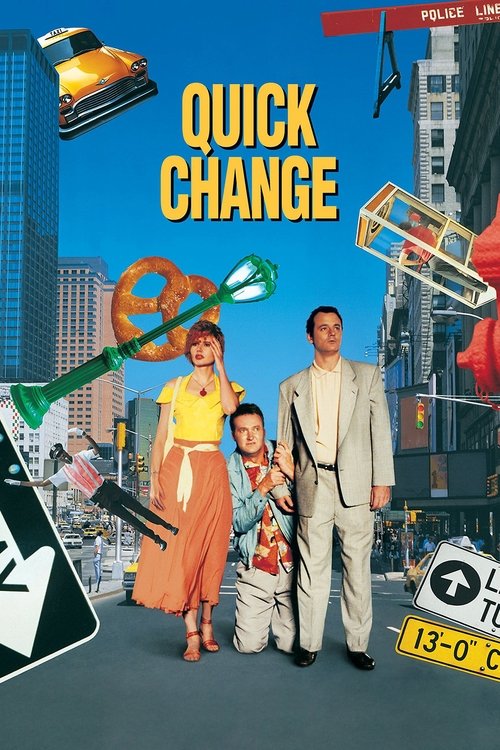
Quick Change
1990With the aid of his girlfriend, Phyllis Potter, and best friend, Loomis, Grimm enters a Manhattan bank dressed as a clown, creates a hostage situation and executes a flawless robbery. The only thing left for the trio to do is make their getaway out of the city and to the airport. It sounds simple enough, but it seems that fate deserts them immediately after the bank heist. One mishap after another conspires to keep these robbers from reaching freedom.
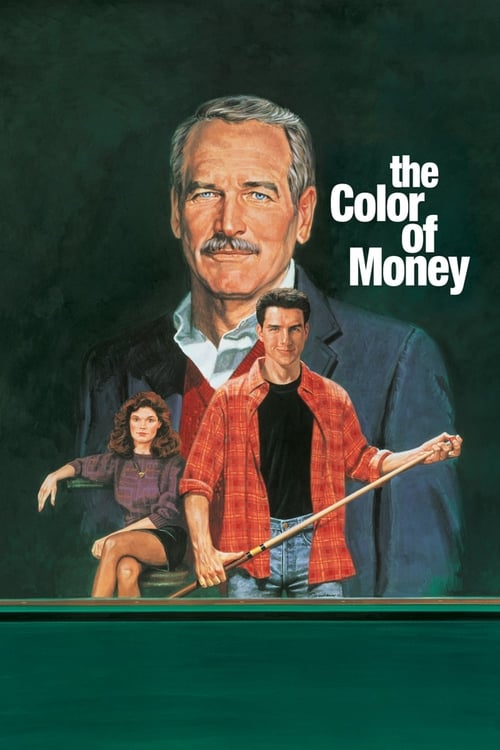
Former pool hustler "Fast Eddie" Felson decides he wants to return to the game by taking a pupil. He meets talented but green Vincent Lauria and proposes a partnership. As they tour pool halls, Eddie teaches Vincent the tricks of scamming, but he eventually grows frustrated with Vincent's showboat antics, leading to an argument and a falling-out. Eddie takes up playing again and soon crosses paths with Vincent as an opponent.
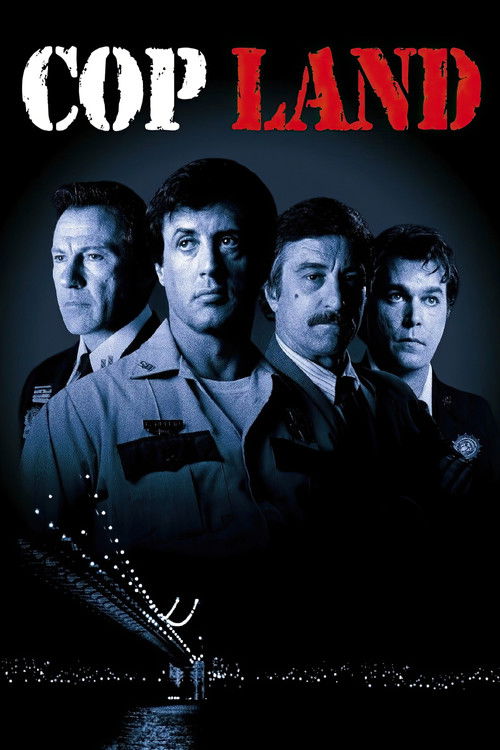
Cop Land
1997Freddy Heflin is the sheriff of a place everyone calls “Cop Land” — a small and seemingly peaceful town populated by the big city police officers he’s long admired. Yet something ugly is taking place behind the town’s peaceful facade. And when Freddy uncovers a massive, deadly conspiracy among these local residents, he is forced to take action and make a dangerous choice between protecting his idols and upholding the law.
Radio Days
1987The Narrator tells us how the radio influenced his childhood in the days before TV. In the New York City of the late 1930s to the New Year's Eve 1944, this coming-of-age tale mixes the narrator's experiences with contemporary anecdotes and urban legends of the radio stars.
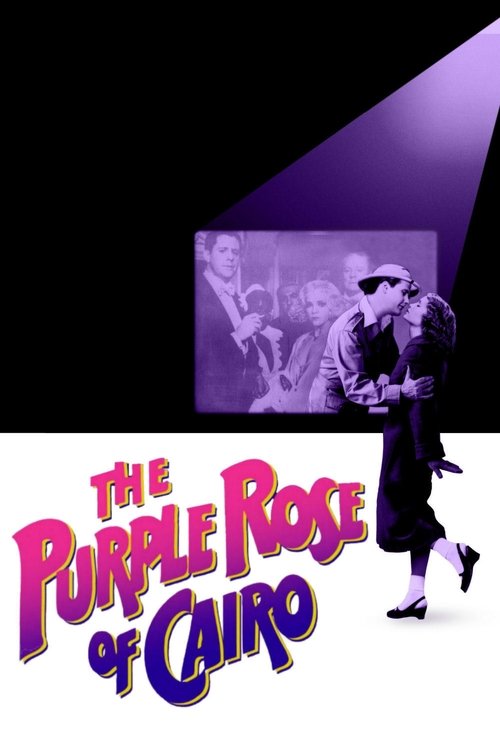
Cecilia is a waitress in New Jersey, living a dreary life during the Great Depression. Her only escape from her mundane reality is the movie theatre. After losing her job, Cecilia goes to see 'The Purple Rose of Cairo' in hopes of raising her spirits, where she watches dashing archaeologist Tom Baxter time and again.
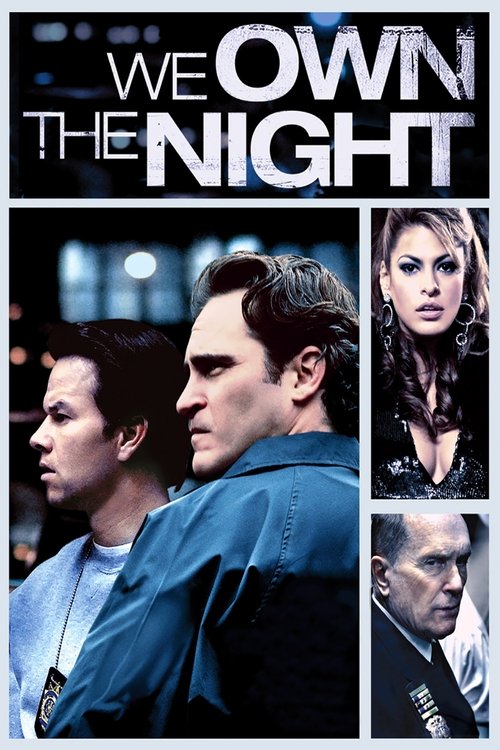
We Own the Night
2007A New York nightclub manager tries to save his brother and father from Russian mafia hitmen.
Big
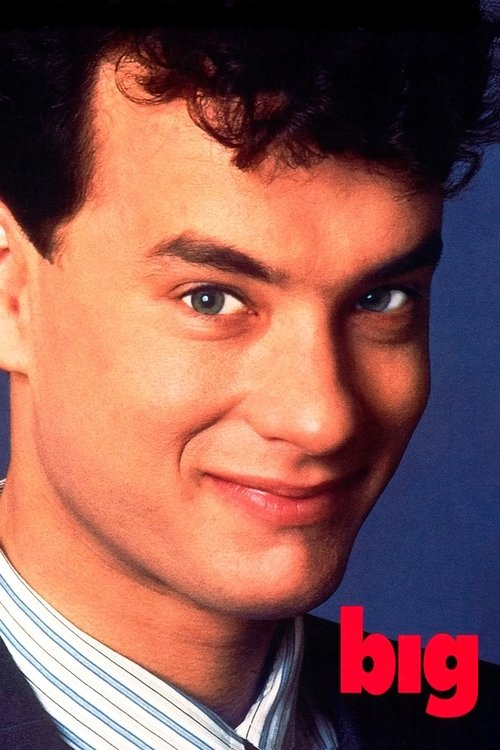
1988When a young boy makes a wish at a carnival machine to be big—he wakes up the following morning to find that it has been granted and his body has grown older overnight. But he is still the same 13-year-old boy inside. Now he must learn how to cope with the unfamiliar world of grown-ups including getting a job and having his first romantic encounter with a woman.
Crazy Heart
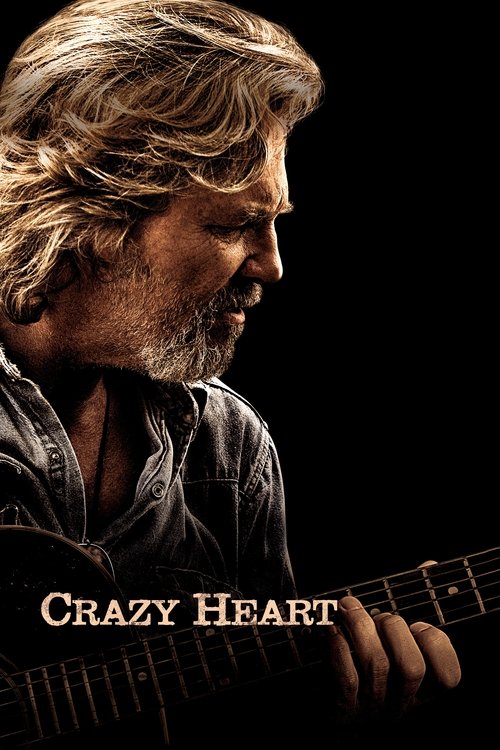
2009When reporter Jean Craddock interviews Bad Blake—an alcoholic, seen-better-days country music legend—they connect, and the hard-living crooner sees a possible saving grace in a life with Jean and her young son.
After young playwright, David Shayne obtains funding for his play from gangster Nick Valenti, Nick's girlfriend Olive miraculously lands the role of a psychiatrist—but not only is she a bimbo who could never pass for a psychiatrist—she's a dreadful actress. David puts up with the leading man who is a compulsive eater, the grand dame who wants her part jazzed up, and Olive's interfering hitman/bodyguard—but, eventually he must decide whether art or life is more important.
Jesus, a humble Judean carpenter beginning to see that he is the son of God, is drawn into revolutionary action against the Roman occupiers by Judas -- despite his protestations that love, not violence, is the path to salvation. The burden of being the savior of mankind torments Jesus throughout his life, leading him to doubt.
Portraying Philip the Apostle, Herman steps entirely outside his usual urban milieu into the realm of the spiritual and the ancient. It remains one of his most transformative roles, proving his range extended far beyond the streets of Brooklyn or the casinos of Nevada.

The Big Blue
1988Childhood friends Jacques and Enzo share a passion for the danger of free diving. Professional diver Jacques opted to follow in the footsteps of his father, who died at sea when Jacques was a boy; to the bewilderment of scientists, Jacques harbors a remarkable ability to adjust his heart rate and breathing pattern in the water, so that his vital signs more closely resemble that of dolphins than men. As Enzo persuades a reluctant Jacques to compete against him in a free diving contest -- determining who can dive deeper and longer without scuba gear -- Jacques meets Johana, a beautiful American insurance investigator, and finds that he must choose between his love for her and his love of the sea.
Herman provides a surprising American perspective in Luc Besson's stylized underwater dreamscape. His presence adds a layer of grounded reality to the film's otherwise ethereal and competitive diving atmosphere.
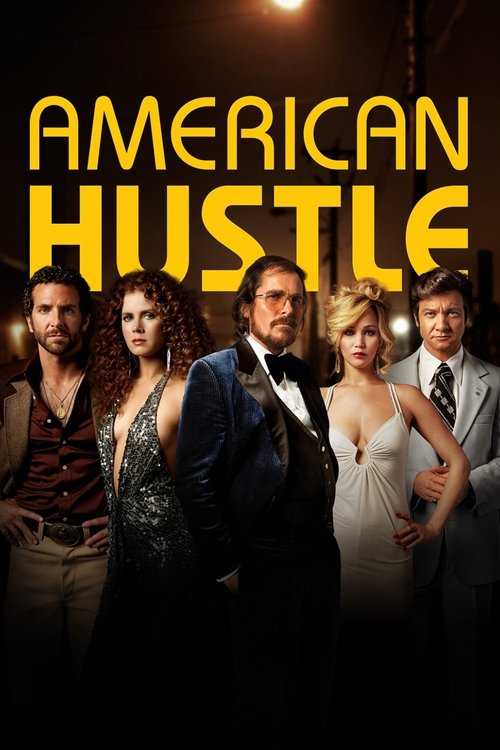
American Hustle
2013A conman and his seductive partner are forced to work for a wild FBI agent, who pushes them into a world of Jersey power-brokers and the Mafia.
In this ensemble of flamboyant con artists, Herman serves as a crucial anchor of old-school legitimacy. He embodies a specific era of New York influence, providing a necessary foil to the more theatrical performances of his co-stars.
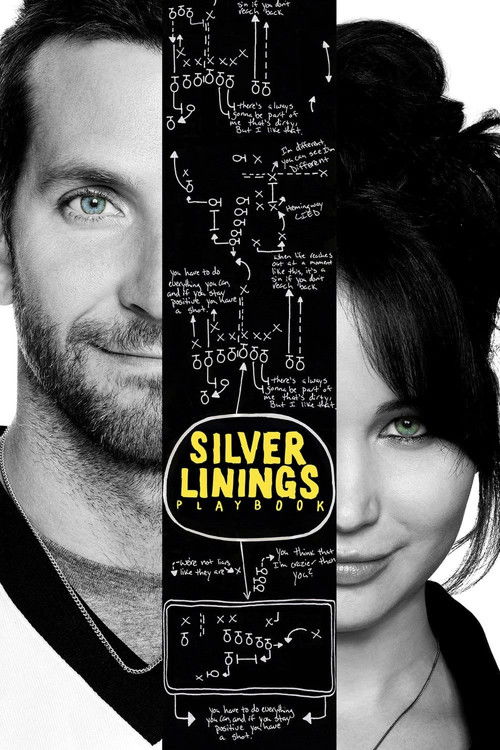
Silver Linings Playbook
2012After losing his job and wife, and spending time in an institution, a former teacher winds up living with his parents. He wants to rebuild his life and reconcile with his wife, but his father would be happy if he shared his obsession with the Philadelphia Eagles. Things get complicated when he meets Tiffany Maxwell who offers to help him reconnect with his wife if he will do something very important for her in exchange.
Trading mob hits for parlay bets, Herman excels as Randy, capturing the frantic energy of a Philadelphia sports fanatic with hilarious accuracy. This role proved his versatility, showing he could handle David O. Russell's rapid-fire comedic dialogue just as effectively as his earlier dramatic work.
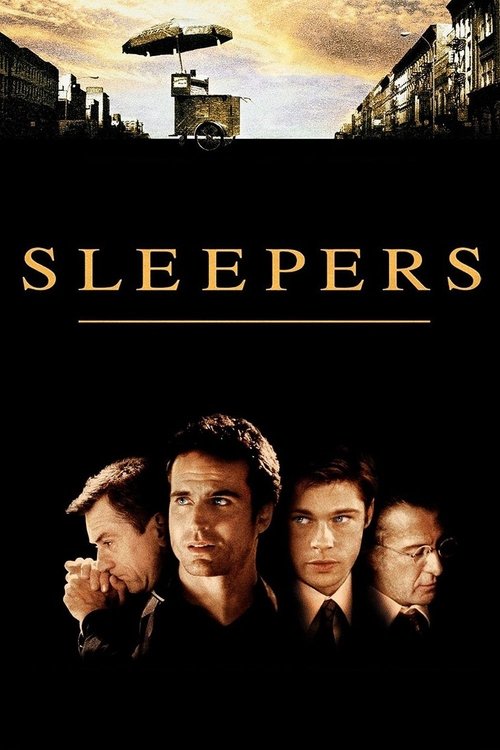
Sleepers
1996Two gangsters seek revenge on the state jail worker who during their stay at a youth prison sexually abused them. A sensational court hearing takes place to charge him for the crimes.
Herman brings a gritty, institutional weight to this dark tale of justice and revenge. His ability to project a looming sense of intimidation without overacting provides the film with its most grounded moments of tension.
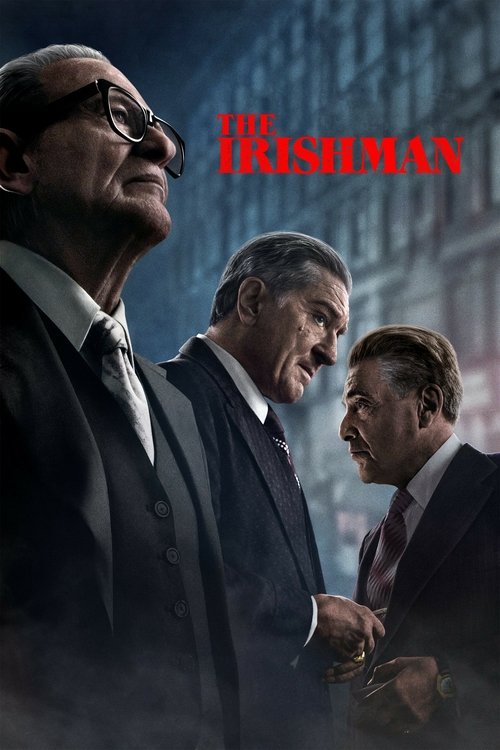
The Irishman
2019Pennsylvania, 1956. Frank Sheeran, a war veteran of Irish origin who works as a truck driver, accidentally meets mobster Russell Bufalino. Once Frank becomes his trusted man, Bufalino sends him to Chicago with the task of helping Jimmy Hoffa, a powerful union leader related to organized crime, with whom Frank will maintain a close friendship for nearly twenty years.
Acting as Whispers DiTullio once more in a meta-textual nod to his legacy, Herman brings a lifetime of genre gravitas to his scenes with Joe Pesci. It is a poignant final collaboration with Scorsese that subtly acknowledges the passage of time within the gangster archetype.
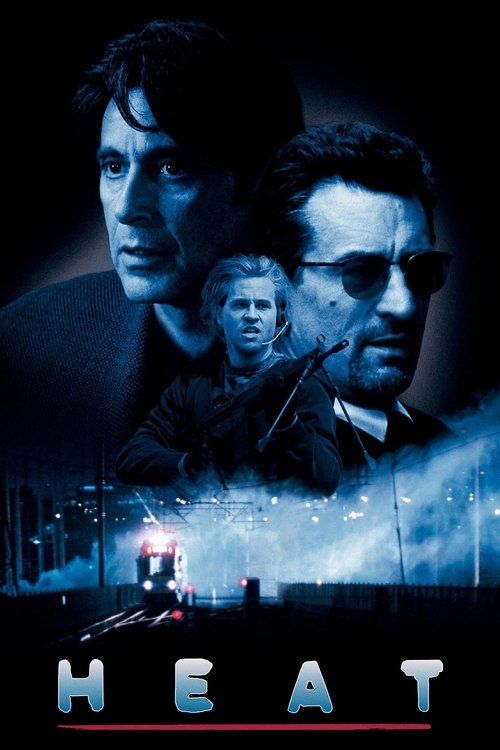
Heat
1995Obsessive master thief Neil McCauley leads a top-notch crew on various daring heists throughout Los Angeles while determined detective Vincent Hanna pursues him without rest. Each man recognizes and respects the ability and the dedication of the other even though they are aware their cat-and-mouse game may end in violence.
In a brief but electric exchange, Herman provides the necessary connective tissue for Robert De Niro's crew to navigate the criminal underworld of Los Angeles. He inhabits the role of a professional informant with a precision that matches the film's technical mastery.
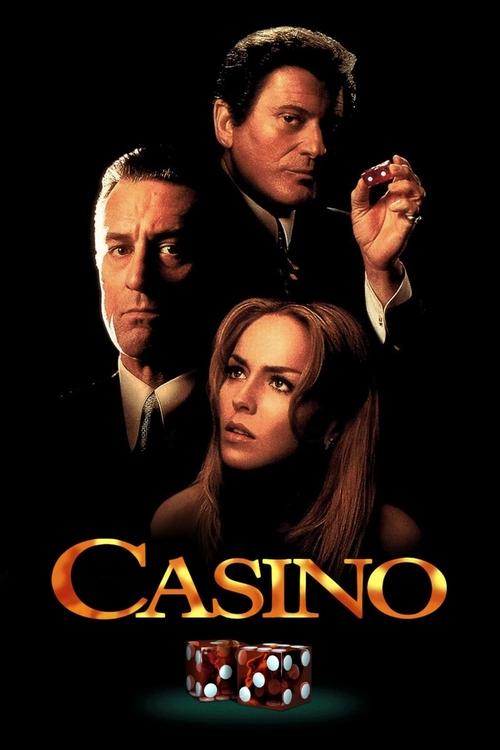
Casino
1995In Las Vegas, two best friends--a casino executive and a Mafia enforcer--compete for a gambling empire and a fast-living, fast-loving socialite.
Playing a pivotal role in the Tangiers power structure, Herman channels a specific brand of Vegas cynicism that contrasts sharply with the film's neon excess. His character helps map the intricate web of skimmed profits and backroom deals that eventually collapse the empire.
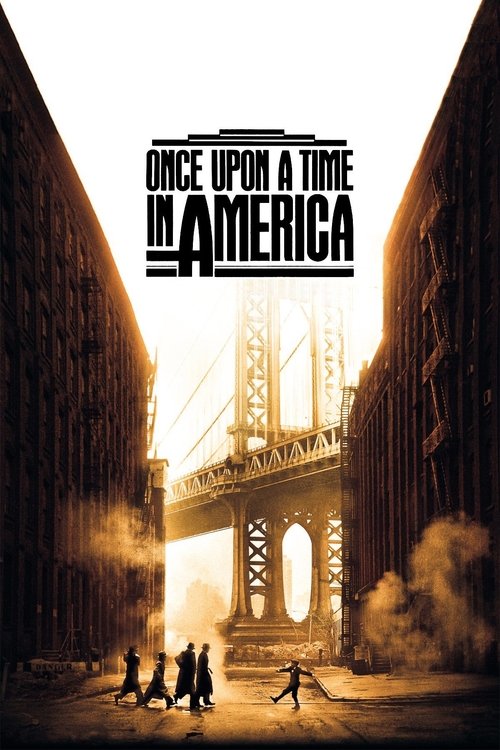
A former Prohibition-era Jewish gangster returns to the Lower East Side of Manhattan over thirty years later, where he once again must confront the ghosts and regrets of his old life.
Herman finds a haunting rhythm in Sergio Leone's sprawling epic, portraying Monkey with a weary loyalty that mirrors the film's obsession with time and betrayal. He effectively translates the grim realities of the Prohibition era into a grounded, human experience.
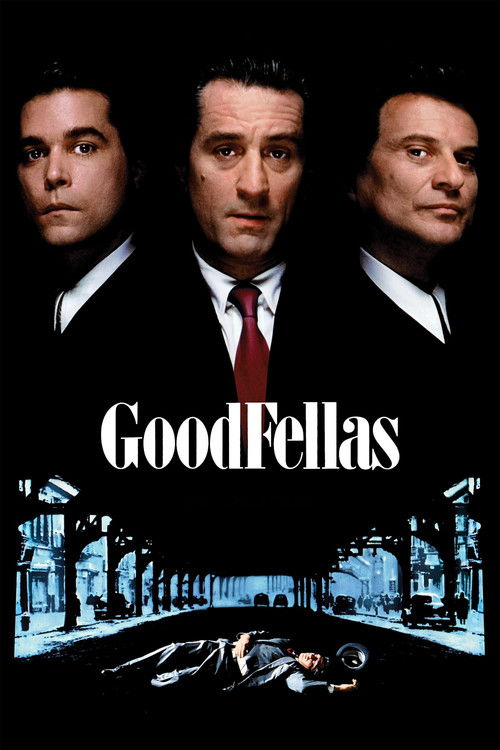
GoodFellas
1990The true story of Henry Hill, a half-Irish, half-Sicilian Brooklyn kid who is adopted by neighbourhood gangsters at an early age and climbs the ranks of a Mafia family under the guidance of Jimmy Conway.
As the resiliently unimpressed The 'Whispers' DiTullio, Herman provides a vital texture of authentic neighborhood suspicion that anchors the film's frenetic mob hierarchy. His presence serves as a bridge between the street-level hustle and the high-stakes violence of the Lucchese family.
Frequently Asked Questions
Everything you need to know about this list and SnakeDrafts
- "GoodFellas" is ranked as Paul Herman's best movie because it showcases his memorable role in a legendary Martin Scorsese crime drama, highlighting his ability to embody authentic, gritty characters in a high-stakes narrative.
- Paul Herman frequently appeared in crime dramas directed by cinema greats like Martin Scorsese, Sergio Leone, and Michael Mann, reflecting his niche as a character actor who excelled in portraying complex figures within the crime and drama genres.
- Yes, it is notable that Paul Herman's range extended beyond crime dramas to include acclaimed films like "Silver Linings Playbook" and "American Hustle," directed by David O. Russell, illustrating his versatility in both drama and comedy genres.
- Collaborations with Martin Scorsese in films such as "GoodFellas," "Casino," and "The Irishman" significantly cemented Paul Herman's reputation as a key figure in cinematic crime dramas, providing him with pivotal roles that capitalized on their shared New York film sensibility.
- "The Big Blue" and "The Purple Rose of Cairo" are somewhat lesser-known in Paul Herman's oeuvre because they deviate from his typical crime drama roles, exploring genres like romance, fantasy, and adventure, thus demonstrating his ability to diversify his acting portfolio.
- Yes, while Paul Herman was renowned for crime dramas, he also collaborated with directors like Woody Allen in "Bullets Over Broadway" and "The Purple Rose of Cairo," showcasing his adaptability across comedy and fantasy genres.
- Paul Herman's performances feel authentic and grounded because he brought a lived-in, realistic quality to his characters, often portraying individuals deeply embedded in their worlds, from mobsters in "Casino" and "GoodFellas" to nuanced supporting roles in more dramatic or comedic settings.