A Ranking of Spike Lee's Best Films
The Essential Cinema of a Visionary Auteur
Explore the definitive filmography of Spike Lee, featuring his most impactful cinematic masterpieces and culturally significant joint ventures.
About Spike Lee
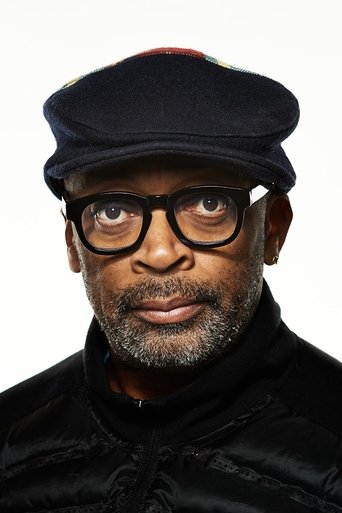
If cinema is a language, Spike Lee speaks it at a volume most directors are too timid to reach. To watch one of his joints is to enter a world where the colors are oversaturated, the politics are unapologetic, and the camera moves with a rhythmic, almost percussive energy. He is the ultimate chronicler of the American street corner, a filmmaker who treats Brooklyn like a Shakespearean stage and the sidewalk like a pulpit. His signature move, the double dolly shot, makes his characters appear to float through their environments, detached from reality yet anchored by a profound social weight. It is a visual trick that captures the disorientation of life in a country that often feels like it is vibrating at a different frequency than you are.
The impact of his 1989 masterpiece Do the Right Thing cannot be overstated. By compressing the tension of a racial boiling point into a single, sweltering day in Bed Stuy, he changed the grammar of independent film. He broke the fourth wall long before it was trendy, using direct address to force the audience into uncomfortable confrontations with their own biases. This bold, confrontational spirit defines his entire catalog. In Bamboozled, he utilized a biting, satirical lens to dismantle the history of Black representation in media, while BlacKkKlansman proved he could still weaponize irony and historical rhymes to win over a global box office decades into his career.
Beyond the grit and the protests, there is a deep, soulful musicality to his work. Whether he is exploring the jazz-soaked melancholia of Mo Better Blues or the slick, high stakes tension of a heist in Inside Man, his films breathe with a specific urban tempo. He understands that a basketball court in He Got Game is a cathedral, and that the neon lights of Jungle Fever can illuminate the fractures in the American family. Even when he ventures into epic territory, as he did with the towering, three hour monumentalism of Malcolm X or the visceral, jungle set trauma of Da 5 Bloods, he never loses the intimate human heartbeat at the center of the spectacle.
Lee is a stylist who refuses to blend into the background. His films are punctuated by bold typography, vibrant costumes, and a refusal to play it safe. From the scrappy, black and white revolution of Shes Gotta Have It to the operatic, tragic sprawl of 25th Hour, he has spent forty years acting as America's conscience. He captures the beauty of Black life and the ugliness of structural rot with equal fervor. To sit through a film like School Daze or Clockers is to see a director who isn't just telling a story, but is actively participating in a cultural dialogue. He has built a legacy on the idea that movies should do more than entertain. They should provoke, they should scream, and above all, they should tell the truth as loudly as possible.
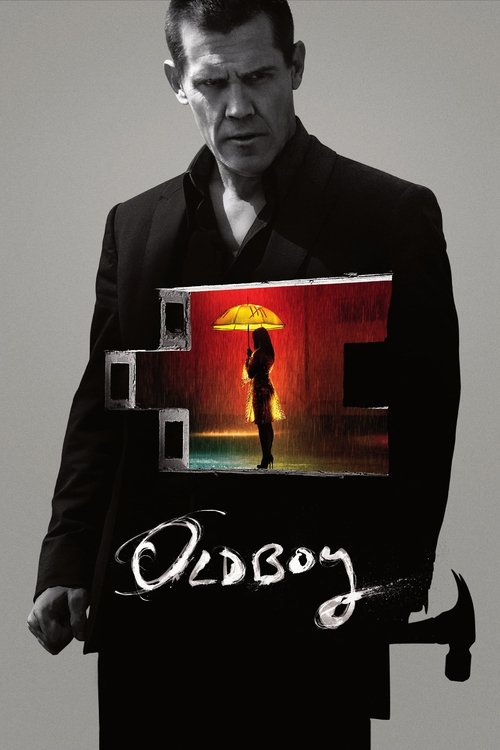
Oldboy
2013A man has only three and a half days and limited resources to discover why he was imprisoned in a nondescript room for 20 years without any explanation.
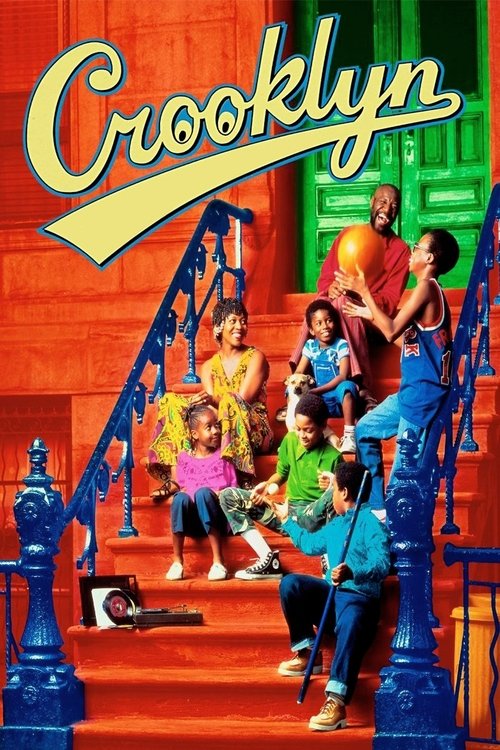
Crooklyn
1994From Spike Lee comes this vibrant semi-autobiographical portrait of a school-teacher, her stubborn jazz-musician husband and their five kids living in '70s Brooklyn.
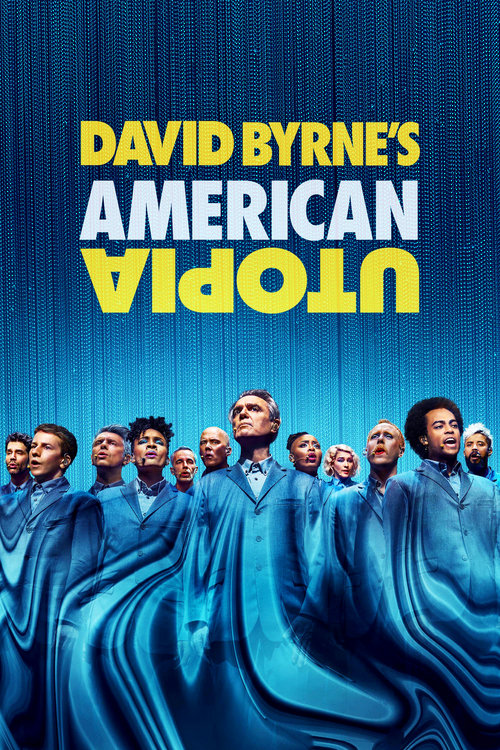
David Byrne's American Utopia
2020A filmed version of David Byrne's Broadway show, a unifying musical celebration that inspires audiences to connect to each other and to the global community.
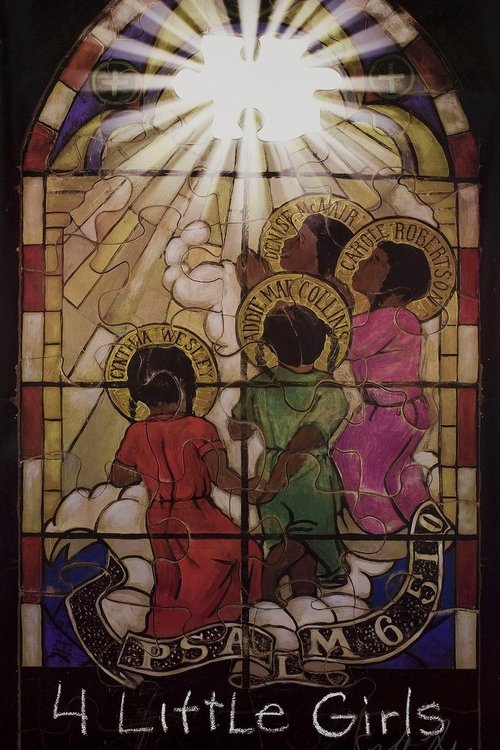
4 Little Girls
1997On September 15, 1963, a bomb destroyed a black church in Birmingham, Alabama, killing four young girls who were there for Sunday school. It was a crime that shocked the nation--and a defining moment in the history of the civil-rights movement. Spike Lee re-examines the full story of the bombing, including a revealing interview with former Alabama Governor George Wallace.
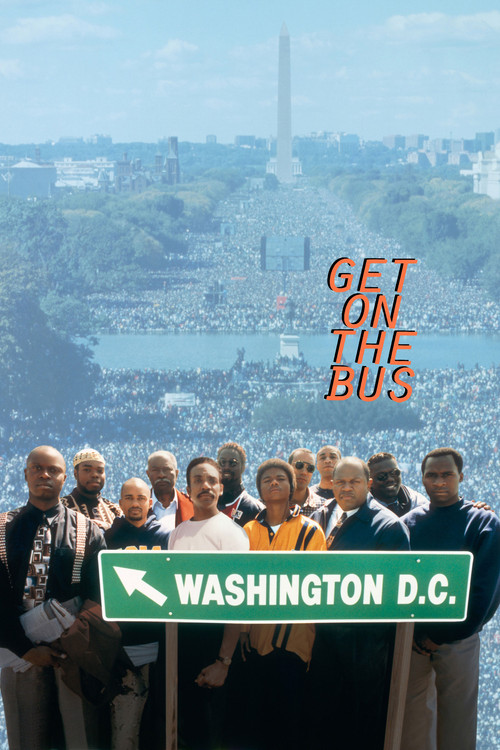
Get on the Bus
1996Several Black men take a cross-country bus trip to attend the Million Man March in Washington, DC in 1995. On the bus are an eclectic set of characters including a laid-off aircraft worker, a man whose at-risk son is handcuffed to him, a black Republican, a former gangsta, a Hollywood actor, a cop who is of mixed racial background, and a white bus driver. All make the trek discussing issues surrounding the march, including manhood, religion, politics, and race.
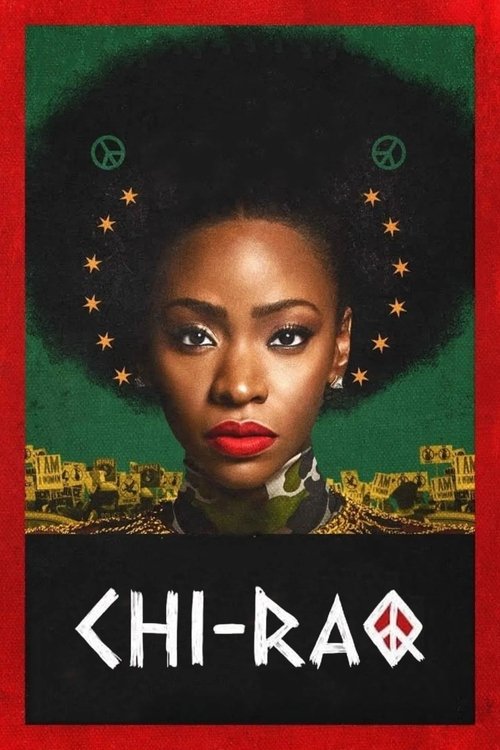
Chi-Raq
2015A modern day adaptation of the ancient Greek play Lysistrata by Aristophanes, set against the backdrop of gang violence in Chicago.
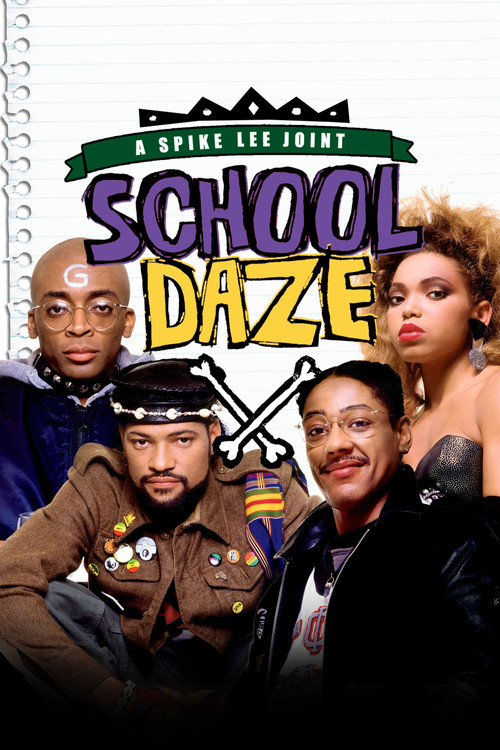
School Daze
1988Fraternity and sorority members clash with other students at a historically black college during homecoming weekend.
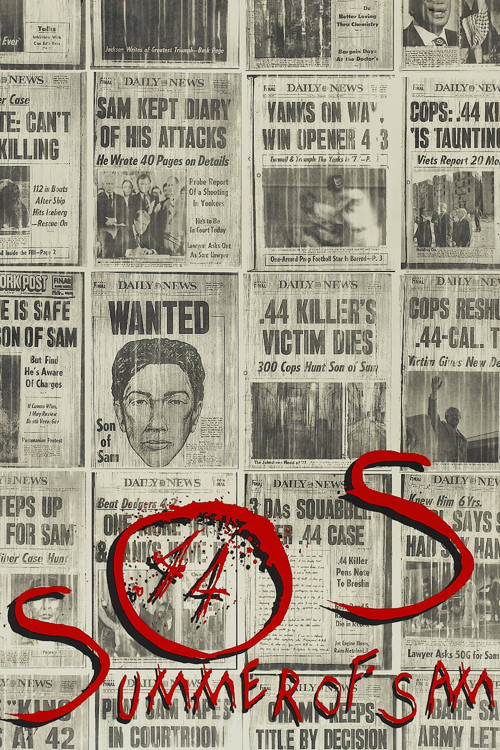
Summer of Sam
1999Spike Lee's take on the "Son of Sam" murders in New York City during the summer of 1977 centering on the residents of an Italian-American Northeast Bronx neighborhood who live in fear and distrust of one another.
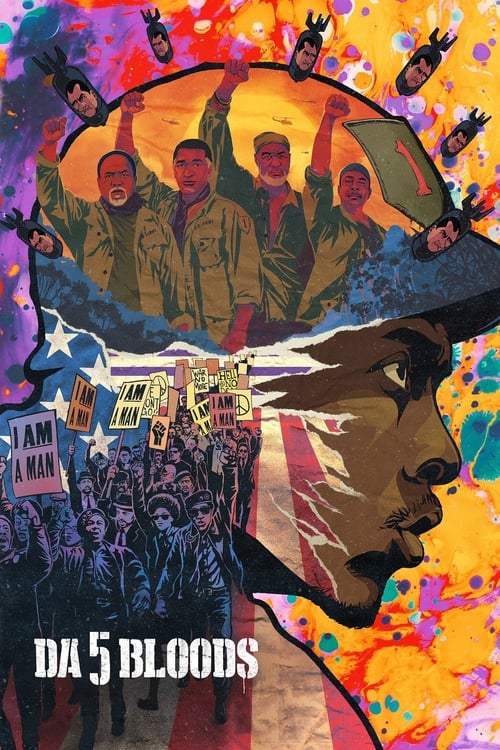
Da 5 Bloods
2020Four African-American Vietnam veterans return to Vietnam. They are in search of the remains of their fallen squad leader and the promise of buried treasure. These heroes battle forces of humanity and nature while confronted by the lasting ravages of the immorality of the Vietnam War.
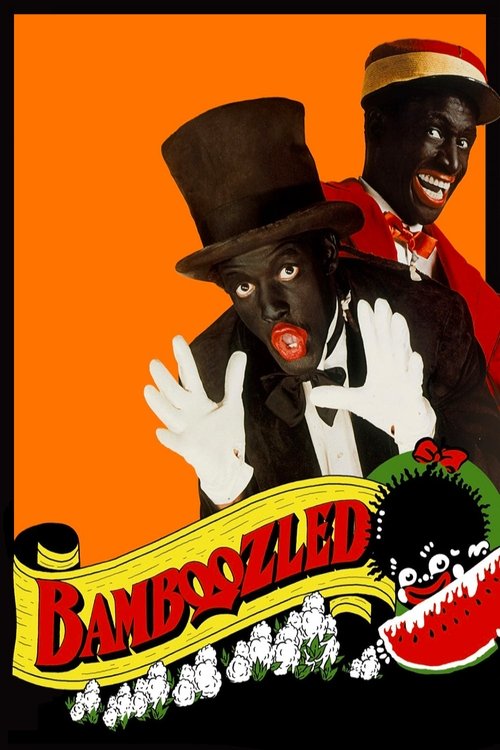
Bamboozled
2000Frustrated when network brass reject his sitcom idea, producer Pierre Delacroix pitches the worst idea he can think of in an attempt to get fired: a 21st century minstrel show. The network not only airs it, but it becomes a smash hit.
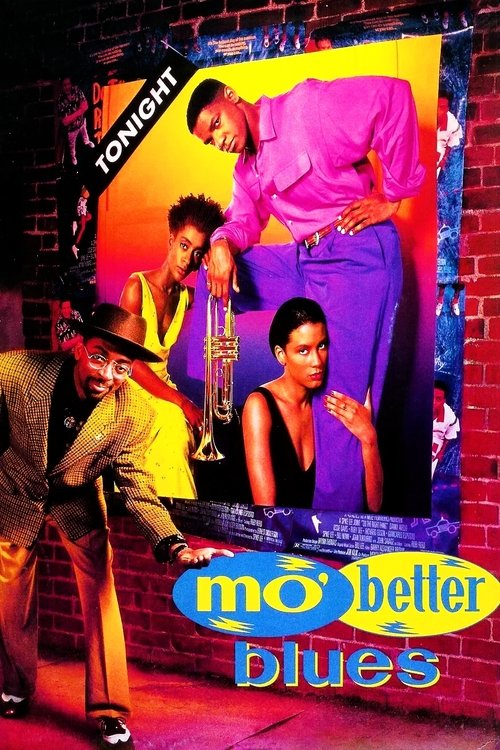
Mo' Better Blues
1990Talented but self-centered trumpeter Bleek Gilliam is obsessed with his music and indecisiveness about his girlfriends Indigo and Clarke. But when he is forced to come to the aid of his manager and childhood friend, Bleek finds his world more fragile than he ever imagined.
A lush, rhythmic tribute to the jazz aesthetic, this film showcases Lee's ability to translate musicality directly into his editing and camera movement. It functions as a gorgeous meditation on the sacrifices required by art, bathed in a smoky, neon soaked romanticism.
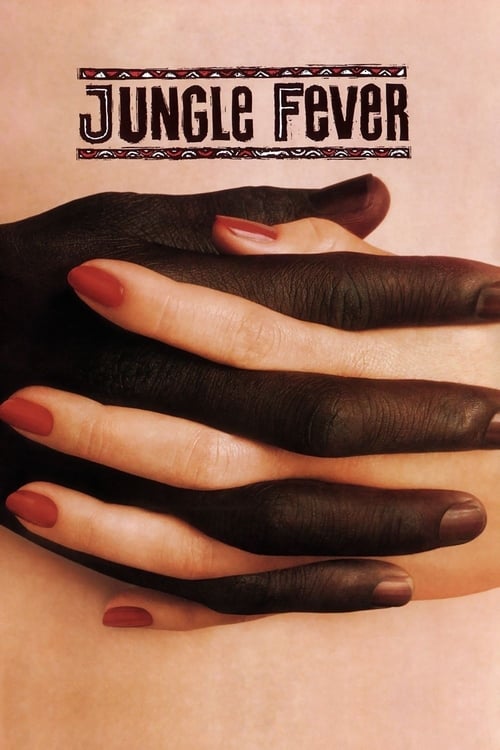
Jungle Fever
1991A successful and married black man contemplates having an affair with a white girl from work. He's quite rightly worried that the racial difference would make an already taboo relationship even worse.
Fearless in its examination of taboos, this film utilizes a vivid, surrealist visual style to interrogate the intersection of race and desire. It remains an essential work for the way it weaponizes saturated lighting and confrontational staging to challenge the viewer's unconscious biases.
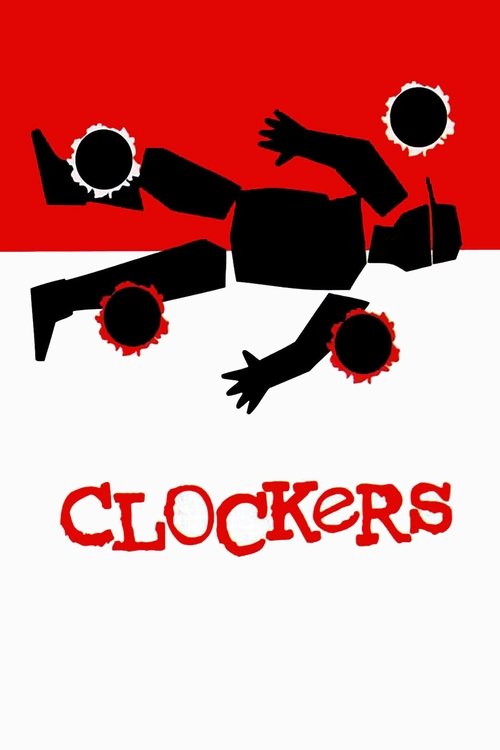
Clockers
1995Strike is a young city drug pusher under the tutelage of drug lord Rodney Little. When a night manager at a fast-food restaurant is found with four bullets in his body, Strike’s older brother turns himself in as the killer. Detective Rocco Klein doesn’t buy the story, however, setting out to find the truth, and it seems that all the fingers point toward Strike & Rodney.
Lee employs a gritty, hyper-kinetic visual language to deconstruct the cycle of inner city violence with a painterly touch. The film's saturated colors and innovative camera techniques transform a police procedural into a complex tapestry of community breakdown.
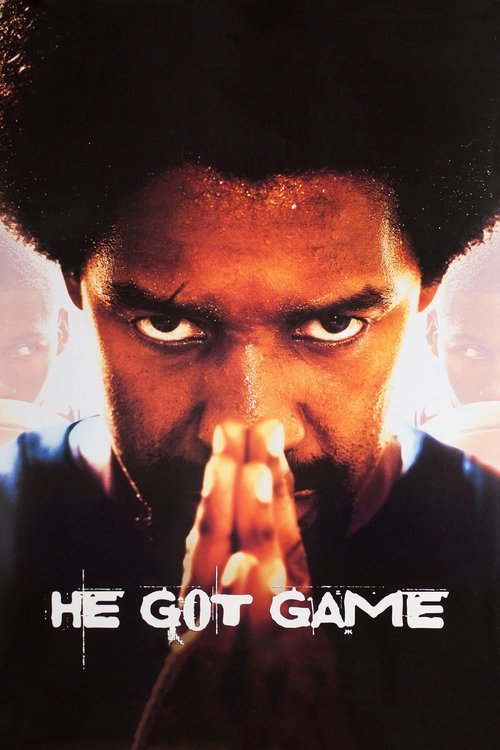
He Got Game
1998A basketball player's father must try to convince him to go to a college so he can get a shorter prison sentence.
A visually operatic exploration of paternal legacy and systemic exploitation, this film elevates the basketball drama into a grand, almost biblical struggle. Lee utilizes grandiose wide shots and a sweeping Aaron Copland score to grant the urban experience a mythic stature.
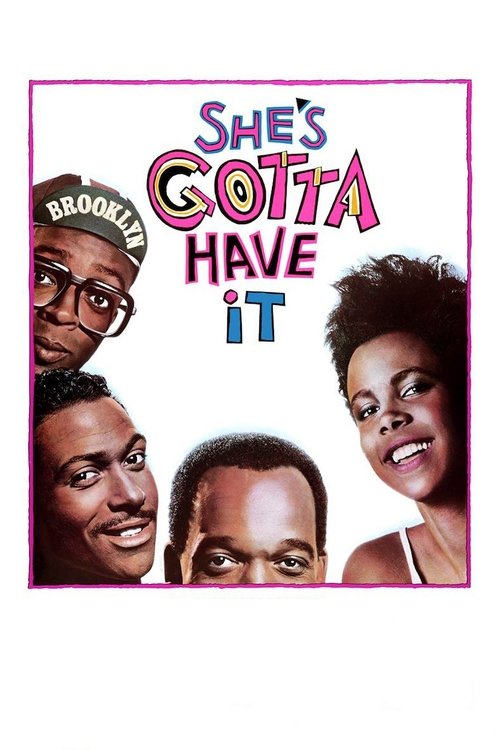
The story of Nola Darling's simultaneous sexual relationships with three different men is told by her and by her partners and other friends. All three men wanted her to commit solely to them; Nola resists being "owned" by a single partner.
This stylish debut announced a revolutionary new voice in American independent cinema, utilizing experimental framing and direct address to dismantle traditional gender dynamics. Its lo-fi aesthetic and bold sexual politics laid the groundwork for the entirety of Lee's provocative career.
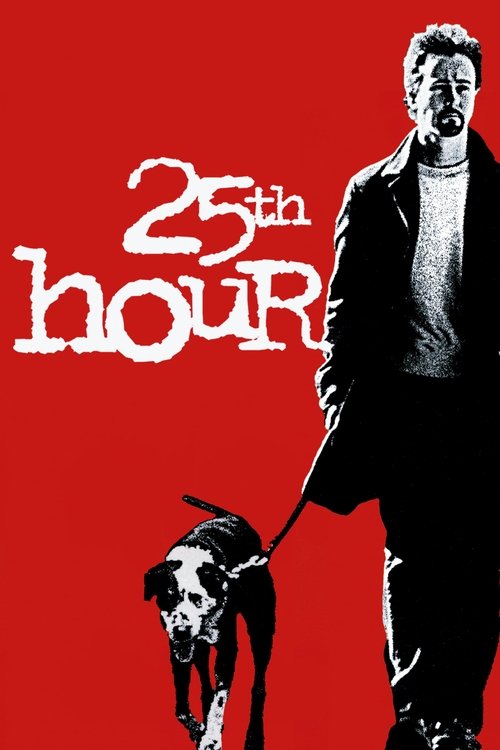
25th Hour
2002On the eve of a seven-year prison sentence, a New York drug dealer spends his final day of freedom confronting his past, his relationships, and the choices that led to his downfall in a city still reeling from 9/11.
Wrapped in a somber, post 9/11 melancholia, this film captures a wounded city's psyche through lyrical cinematography and a hauntingly patient pace. It is a vital entry that highlights Lee’s ability to translate collective mourning into a deeply personal character study.
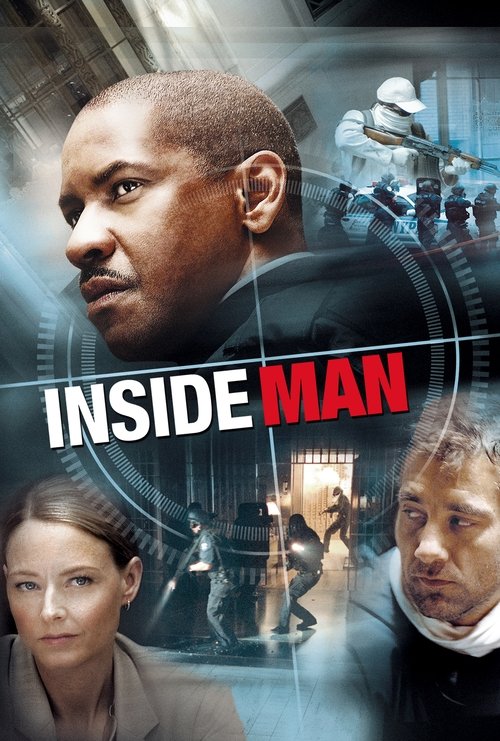
Inside Man
2006When an armed, masked gang enter a Manhattan bank, lock the doors and take hostages, the detective assigned to effect their release enters negotiations preoccupied with corruption charges he is facing.
Lee demonstrated his absolute technical precision by reinventing the heist genre through a sophisticated, quintessentially New York lens. This sleek exercise in genre craft proves he can command a mainstream studio machine while maintaining his distinctive visual rhythm and urban wit.
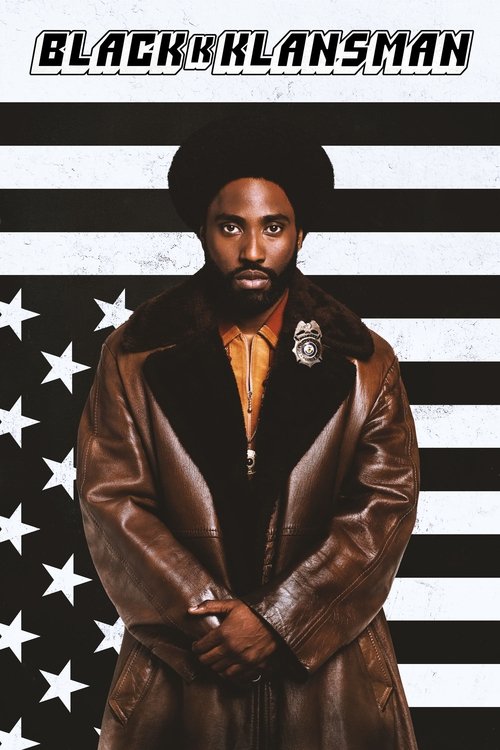
BlacKkKlansman
2018Colorado Springs, late 1970s. Ron Stallworth, an African American police officer, and Flip Zimmerman, his Jewish colleague, run an undercover operation to infiltrate the Ku Klux Klan.
This late career firebrand uses a sharp, satirical edge to bridge the gap between historical absurdity and contemporary political urgency. It showcases a director who has refined his fury into a polished, high stakes tonal tightrope walk.
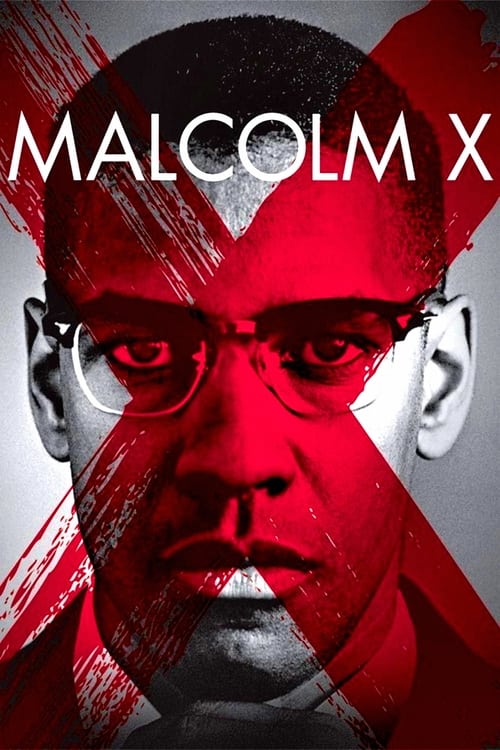
Malcolm X
1992A tribute to the controversial black activist and leader of the struggle for black liberation. He hit bottom during his imprisonment in the '50s, he became a Black Muslim and then a leader in the Nation of Islam. His assassination in 1965 left a legacy of self-determination and racial pride.
Lee reached for the monumental with this sprawling biographical epic, proving his mastery over large scale historical narratives without losing his signature intimate intensity. The film stands as a towering achievement of formal ambition that redefined the boundaries of the Hollywood biopic.
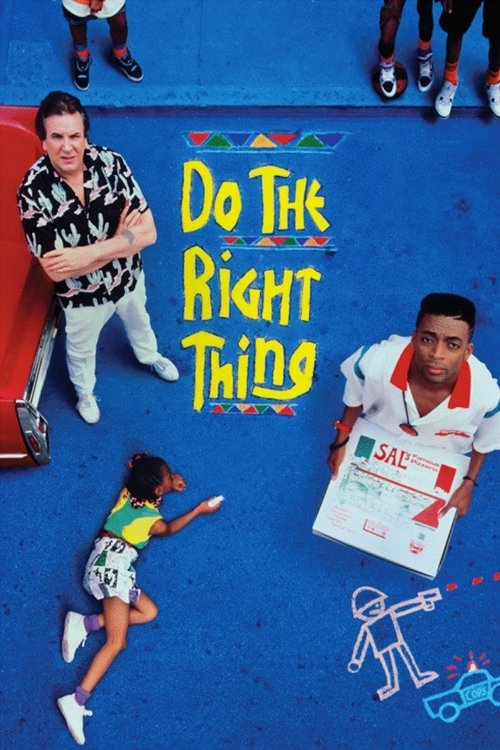
Sal is the Italian owner of a pizzeria in Brooklyn. A neighborhood local, Buggin' Out, becomes upset when he sees that the pizzeria's Wall of Fame exhibits only Italian actors. Buggin' Out believes a pizzeria in a black neighborhood should showcase black actors, but Sal disagrees. The wall becomes a symbol of racism and hate to Buggin' Out and to other people in the neighborhood, and tensions rise.
A sweltering masterpiece of pressurized tension, this film remains the definitive thesis on American racial friction through Lee's vibrant palette and confrontational street photography. It solidified his status as a cinematic provocateur who could balance stylistic bravado with an urgent, simmering sociological critique.
Frequently Asked Questions
Everything you need to know about this list and SnakeDrafts
- Spike Lee's films often delve into themes of racial identity, social justice, and urban life challenges. For instance, movies like 'Do the Right Thing' and 'BlacKkKlansman' highlight racial tensions and activism, while 'Inside Man' explores crime within an urban setting.
- Spike Lee is known for his distinctive use of vibrant colors, dynamic camera movements, and the signature double dolly shot, which creates a unique visual rhythm. This style is evident in films such as 'Malcolm X' and 'She's Gotta Have It', enhancing their emotional and thematic impact.
- 'Malcolm X' is a pivotal film that chronicles the life of the influential civil rights leader, reflecting Lee's commitment to highlighting African American history and struggles. Its powerful storytelling and historical depth make it a cornerstone in understanding the director's focus on political and social issues.
- 'BlacKkKlansman' uniquely combines crime, comedy, and historical drama to tell the true story of an African American detective infiltrating the Ku Klux Klan. The film's genre blend showcases Lee's versatility and his approach to tackling serious topics with a nuanced tone.
- Brooklyn often serves as a vibrant backdrop and character within Spike Lee's films, depicted as a complex urban landscape filled with cultural and social dynamics. Movies like 'Do the Right Thing' and 'Clockers' portray Brooklyn as a Shakespearean stage where the city's stories unfold authentically.
- 'Inside Man' stands out as a crime thriller that blends suspense with sharp social commentary, differing from Lee's more overtly political dramas. It showcases his ability to craft tension-filled narratives while still embedding meaningful reflections on race and society.
- Yes, films like 'Mo' Better Blues' and 'School Daze' highlight music and urban culture as central elements, reflecting the vibrancy of African American artistic expression. These movies explore themes of identity, community, and the arts within the urban experience.
- In 'Do the Right Thing', Lee uses bold color saturation, dynamic camera angles, and rhythmic editing to heighten the emotional intensity and urgency of the narrative. These techniques engage viewers deeply, making the film a powerful exploration of racial tensions.