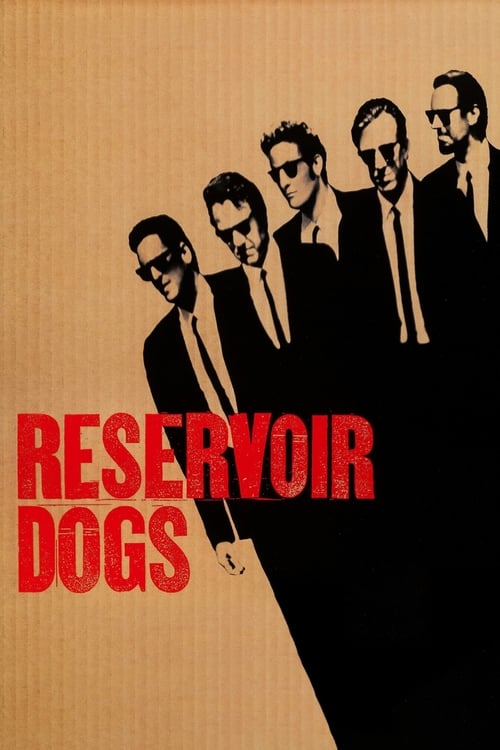
Reservoir Dogs
Quentin Tarantino's directorial debut explodes onto the screen with a non-linear narrative, razor-sharp dialogue, and iconic performances, forever changing the landscape of independent cinema. This gritty crime thriller masterfully explores themes of loyalty, betrayal, and the unraveling of a botched heist, keeping audiences on the edge of their seats from its explosive opening to its unforgettable climax.
Director
Release Year
1992
Runtime
99 minutes
Main Cast
Harvey Keitel, Tim Roth, Michael Madsen, Chris Penn, Steve Buscemi
About Reservoir Dogs
Reservoir Dogs, Quentin Tarantino's 1991 directorial debut, didn’t just launch a career; it ignited a cinematic movement. Shot on a shoestring budget, the film defied conventions with its daring non-linear storytelling and a script brimming with pop culture references and streetwise banter. It quickly became a touchstone for independent filmmakers and a favorite among cinephiles, cementing Tarantino’s reputation as a visionary.
The premise is deceptively simple: following a diamond heist gone wrong, a group of colorfully-named criminals—Mr. White, Mr. Orange, Mr. Blonde, Mr. Pink, Mr. Blue, and Mr. Brown—rendezvous at a warehouse. As accusations fly and paranoia mounts, it becomes clear that one of them is an informant. The film peels back layers of character and motive, not through the heist itself, which is famously unseen, but through its bloody aftermath and fragmented flashbacks.
Critically acclaimed for its bold style and innovative structure, Reservoir Dogs garnered significant attention at the Sundance Film Festival, though it also sparked controversy for its graphic violence. It showcased Tarantino's nascent talent for crafting memorable characters and crafting tension, drawing comparisons to classic noir and Westerns while pushing the boundaries of what a crime film could be. Its dialogue-driven scenes and meticulous character development elevated it beyond typical genre fare.
The film's legacy is undeniable, influencing countless filmmakers and becoming a staple in film school curricula. It introduced the world to Tarantino's unique directorial voice, characterized by its kinetic energy, sharp wit, and unapologetic embrace of cinematic violence. Reservoir Dogs remains a powerful and influential work, a true independent classic that continues to resonate with new generations of viewers.
Drafts Featuring Reservoir Dogs
Every SnakeDrafts listicle where this movie appears
The Best Steve Buscemi Movies
Ranked #1
The Best Chris Penn Movies Ranked
Ranked #1
The Best Michael Madsen Movies Ranked
Ranked #1
The Best Harvey Keitel Movies Ranked
Ranked #4
The Best Tim Roth Movies Ranked
Ranked #1
Every Quentin Tarantino Movie Ranked
Ranked #3
The Greatest Films of 1992
Ranked #3
The Best Movies of the 1990s Ranked
Ranked #39
Best Crime Movies of 1992, Ranked
Ranked #1
The Greatest Crime Movies Ranked
Ranked #42
The Greatest 1990s Crime Movies Ranked
Ranked #7
The Best Thriller Movies of 1992, Ranked
Ranked #6
Similar Movies
Movies related to Reservoir Dogs
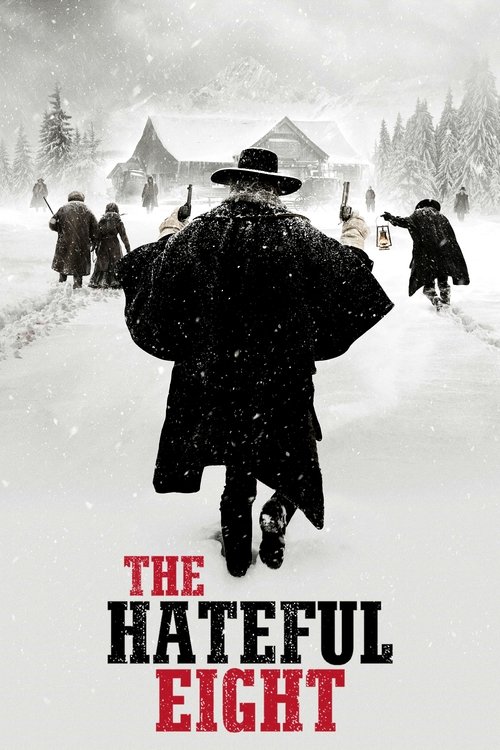
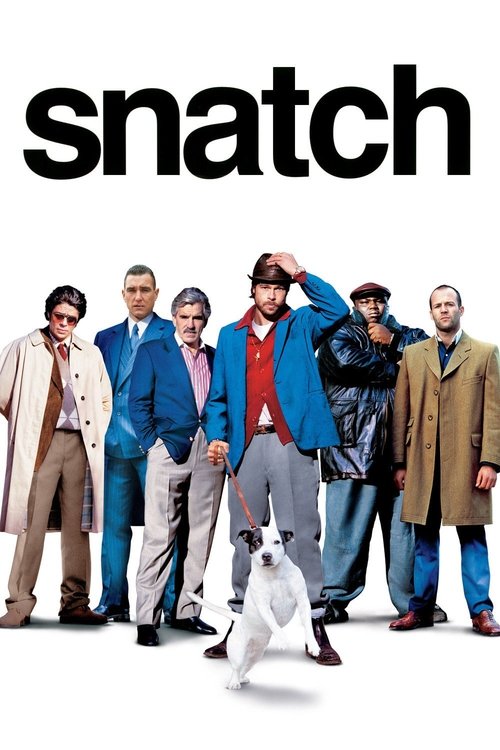
Frequently Asked Questions
Everything you need to know about Reservoir Dogs
- The color-coded aliases in Reservoir Dogs serve to strip the characters of their individual identities, reducing them to archetypes within the heist scenario. This anonymity heightens the sense of suspicion and distrust among the crew, as their true loyalties and backgrounds remain obscured, making it easier for the audience to focus on their collective predicament rather than their personal lives.
- The decision to omit the actual heist is a deliberate stylistic choice that subverts traditional crime film tropes, emphasizing the consequences and psychological aftermath rather than the event itself. This narrative strategy allows for a deeper exploration of character dynamics and the escalating paranoia among the surviving criminals, making the unseen heist more impactful through its bloody repercussions and fragmented retellings.
- The discussion about Madonna's 'Like a Virgin' in the opening scene serves multiple purposes: it immediately establishes Tarantino's signature dialogue style, introduces the distinct personalities of the characters, and sets a casual, almost mundane tone that starkly contrasts with the brutal events that follow. It also subtly hints at the characters' irreverence and their tendency to find humor in inappropriate contexts.
- The non-linear structure of Reservoir Dogs constantly reshuffles time, creating suspense by revealing information out of order and forcing the audience to piece together the events of the botched heist. This fractured narrative enhances the film's tension and mystery, keeping viewers engaged as they try to understand the motivations and betrayals unraveling on screen, ultimately leading to a more impactful and surprising climax.
- The infamous ear-cutting scene orchestrated by Mr. Blonde is a visceral demonstration of his psychopathic tendencies and the stark brutality underlying the film's stylized violence. It serves to shock the audience and establish the extreme stakes of the situation, showcasing the characters' capacity for cruelty and marking a turning point where the group's already fragile trust completely shatters.

