The Definitive Ranking of Cybill Shepherd Movies
From Cinema Sweetheart to Hollywood Legend
Discover the best movies of Cybill Shepherd, featuring her iconic roles in Taxi Driver, The Last Picture Show, and beloved Hollywood classics.
About Cybill Shepherd
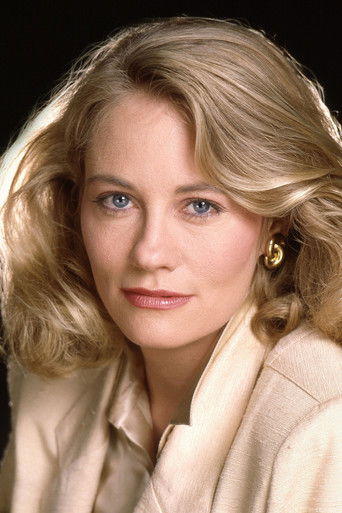
In the pantheon of Hollywood blondes, there is a specific, cool radiance that belongs exclusively to Cybill Shepherd. To look at her in 1971, emerging from the dust of a dying Texas town in The Last Picture Show, was to understand why film cameras were invented in the first place. She possessed a mid-century magnetism that felt both classic and dangerous, a quality that Peter Bogdanovich harnessed to turn her into an immediate avatar of the American dream and its subsequent disillusionment. She did not just walk onto a set; she arrived as a finished product, radiating a self-possessed confidence that could dismantle a man with a single sideways glance.
While many starlets would have leaned into being a mere muse, she spent her career subverting the very beauty that made her famous. In The Heartbreak Kid, she weaponized her charm to highlight the absurdity of romantic obsession, playing a role that required her to be both the prize and the punchline. This duality defines her legacy. She was never just a pretty face in a frame; she was a sharp-witted performer who understood that a pedestal is a boring place to stand. Even when she stepped into the gritty neon nightmare of Taxi Driver, she brought a grounded, almost regal distance to her role as the object of Travis Bickle's fixation, providing the necessary moral anchor for a film descending into madness.
Audiences connect with her because she never mastered the art of being demure. There is an unmistakable Memphis steel underneath her delivery, a trait that allowed her to navigate the professional highs and lows of the late seventies with a survivor's grit. For every experimental swing like the musical At Long Last Love or the period nuance of Daisy Miller, she proved she could handle the weight of high-concept cinema and low-stakes fun with equal grace. By the time she led the way in eighties staples like Chances Are, she had evolved from the ethereal girl in the distance to a relatable, witty screen presence who felt like the smartest person in the room.
Her longevity is a testament to her refusal to be pigeonholed. Whether returning to her roots in Texasville or popping up as a seasoned pro in She's Funny That Way, she retains that same incandescence that first stopped traffic decades ago. In later character studies like Kelly & Cal and Being Rose, she stripped away the artifice to reveal a performer comfortable with the complexities of aging and the quiet power of reflection. She remains a rare vintage of movie star, one who survived the era of the auteur to become an auteur of her own resilience. She didn't just inhabit the silver screen; she illuminated it, reminding us that true stardom is less about perfection and more about the courage to be exactly who you are while the world is watching.
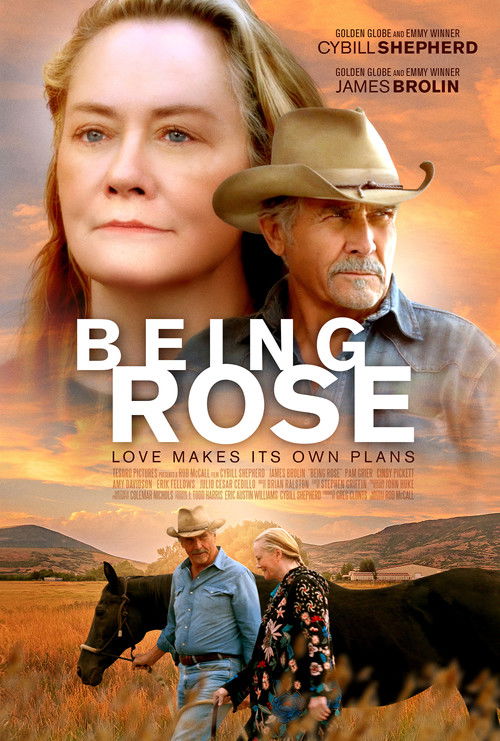
Being Rose
2017A widowed ex-cop discovers that she may have a life threatening illness, and decides to go on a solo road trip in a motorized wheelchair to explore the beauty of the Southwest. On her journey, Rose discovers more than just the simple beauty of New Mexico when she meets -- and falls in love with -- Max, an old cowboy who comes to a crossroads of his own. Sometimes love takes the backroads.
Casting By
2012This essential new documentary pays tribute to the legacy of the late, legendary casting director Marion Dougherty and shines a light on one of the most overlooked and least understood crafts in filmmaking.
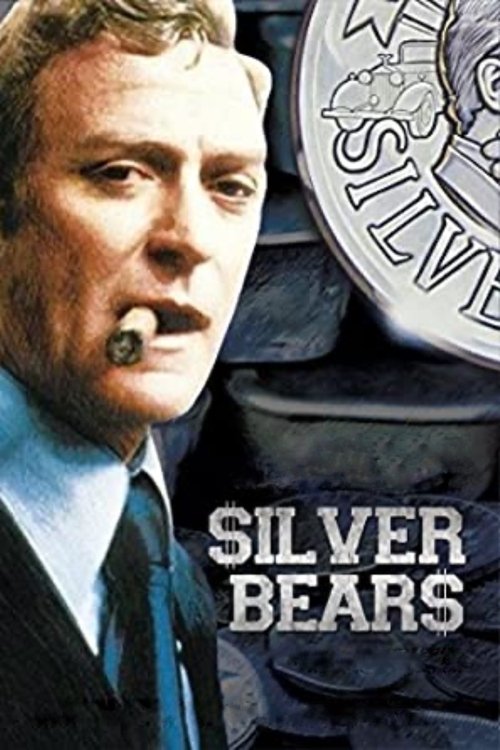
Silver Bears
1977Financial wizard "Doc" Fletcher is sent by crime boss Joe Fiore to buy a bank in Switzerland in order to more easily launder their profits. When he arrives, Fletcher finds that the bank, acquired by his associate Prince di Siracusa, consists of some shabby offices above a restaurant. To make up for this, the Prince suggests that Fletcher invests in a silver mine owned by Shireen and Agha Firdausi. This solves one problem, but the mine also attracts the attention of some of the most powerful people in the silver business. Fletcher must pull out all his wheeler-dealing skills in order to keep hold of everything he's worked for, in the process romancing a banker's discontented wife.
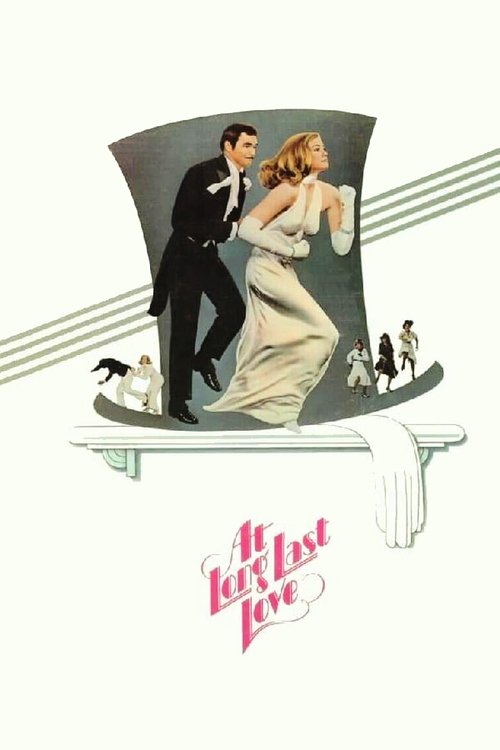
At Long Last Love
1975Four socialites unexpectedly clash: heiress Brooke Carter runs into gambler Johnny Spanish at the race track while playboy Michael O. Pritchard nearly runs into stage star Kitty O'Kelly with his car. Backstage at Kitty's show, it turns out she and Brooke are old friends who attended public school together. The foursome do the town, accompanied by Brooke's companion Elizabeth, who throws herself at Michael's butler and chauffeur Rodney James.
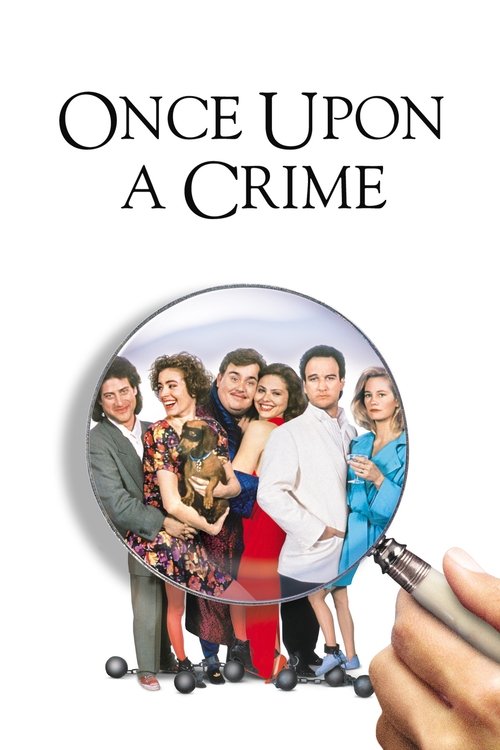
Once Upon a Crime
1992On their way to Monte Carlo, Monaco, Marilyn and her husband, Neil, meet several other married couples, including Julian and Phoebe, who are traveling with a lost dog they plan to return to its wealthy owner for a large reward. But, when the dog's mistress is murdered, the travelers become the prime suspects, and Inspector Bonnard is determined to track them all down.
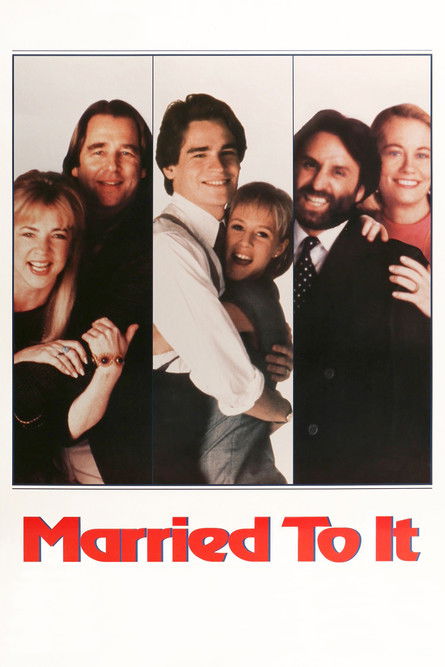
Married to It
1991While setting up a school pageant, the parents at an elite private academy in New York City with contrastive lifestyles and professional paths reflect on their lives and marriages.
Navigating the complexities of adult commitment, Shepherd utilizes her natural poise to explore the domestic frictions of middle-age. She elevates the ensemble piece by projecting a sophisticated vulnerability that feels both relatable and distinctly her own.
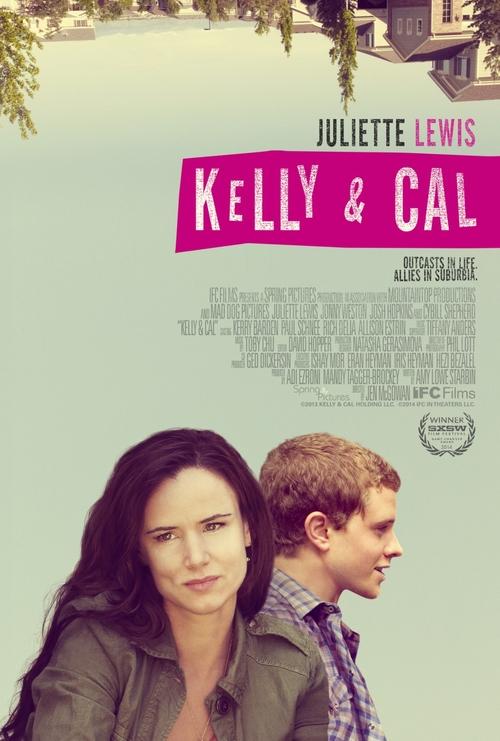
Kelly & Cal
2014Punk-rocker turned suburban mom, Kelly, is nostalgic for a life she can no longer have and uncertain of a future she doesn’t yet fit in. Seventeen-year-old Cal is frustrated at his lack of control over the hand he's been dealt. When the two strike up an unlikely friendship, it's the perfect spark needed to thrust them both back to life.
Shepherd brings a grounded, unsentimental warmth to this character study of suburban stagnation. Her brief but vital contribution reminds audiences of her capacity for understated realism away from the high-concept projects of her youth.
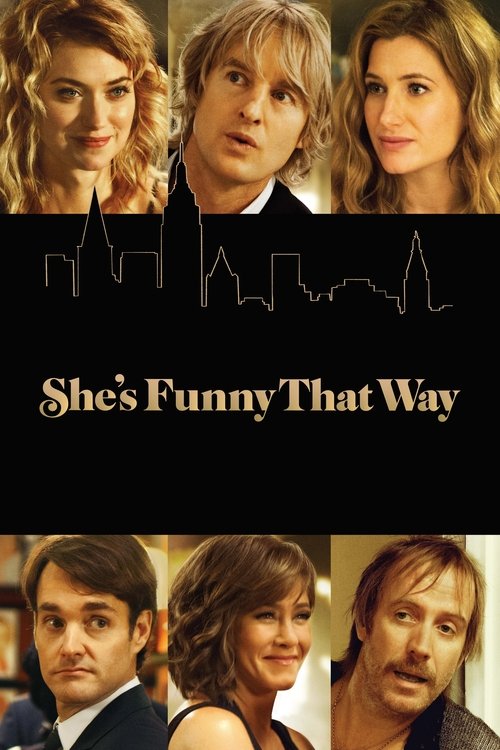
She's Funny That Way
2015On the set of a playwright's new project, a love triangle forms between his wife, her ex-lover, and the call girl-turned-actress cast in the production.
In this ensemble screwball throwback, Shepherd adapts her legacy of classic Hollywood glamour to fit a modern, chaotic farce. She proves her enduring ability to command a scene with sharp comedic timing and an effortless, regal authority.
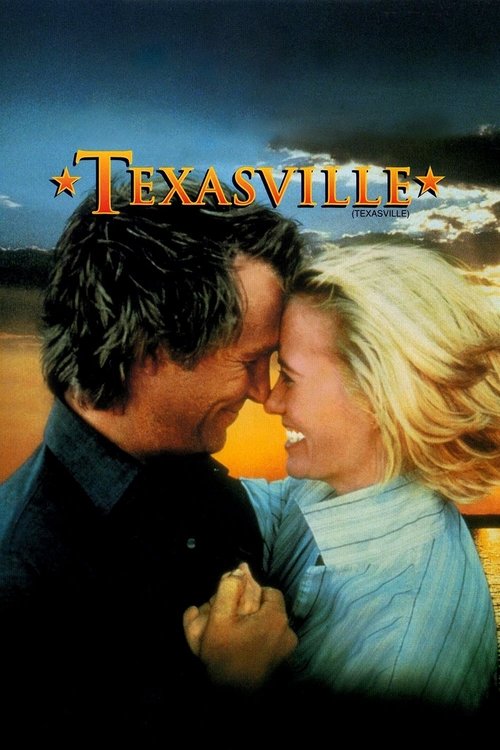
Texasville
1990Summer, 1984: 30 years after Duane captained the high school football team and Jacy was homecoming queen, this Texas town near Wichita Falls prepares for its centennial. Oil prices are down, banks are failing, and Duane's $12 million in debt. His wife Karla drinks too much, his children are always in trouble, and he tom-cats around with the wives of friends. Jacy's back in town, after a mildly successful acting career, life in Italy, and the death of her son. Folks assume Duane and Jacy will resume their high school romance. And Sonny is "tired in his mind," causing worries for his safety. Can these friends find equilibrium in middle age?
Returning to the character of Jacy decades later, Shepherd trades youthful sharpness for a weathered, poignant complexity. This performance serves as a fascinating meta-commentary on the passage of time and the fading luster of her most iconic role.
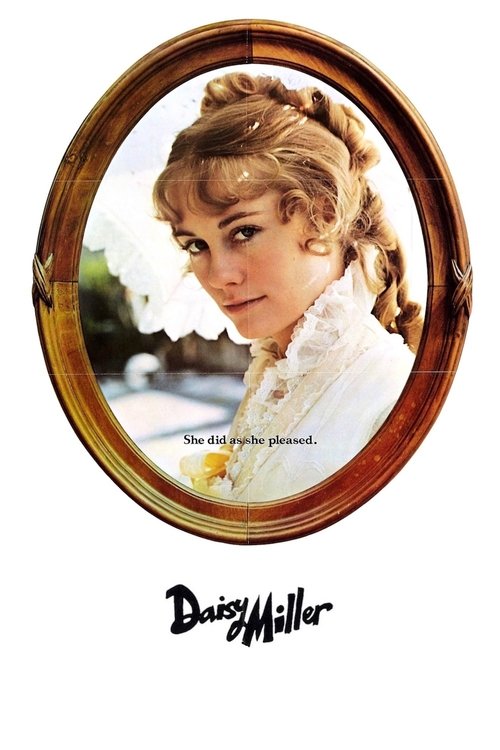
Daisy Miller
1974Despite mixed emotions, Frederick Winterbourne tries to figure out the bright and bubbly Daisy Miller, only to be helped and hindered by false judgments from their fellow friends.
Peter Bogdanovich’s controversial adaptation rests entirely on Shepherd’s ability to project a misunderstood, radical autonomy. Though divisive at the time, her performance captures the tragic friction between a vibrant American spirit and the stifling rigidity of European high society.
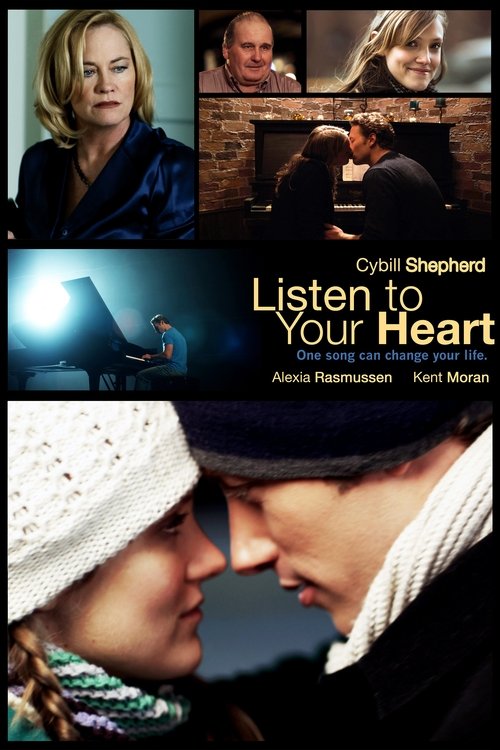
Listen to Your Heart
2010Danny Foster doesn't have much: an apartment as small as his paychecks, no family, and a struggling music career. Yet for him, "every day is a great day to be alive," an attitude he gained from his mother's unwavering optimism during her losing battle with cancer. It's love at first sight when Danny meets Ariana, a wealthy girl from Greenwich, CT who tragically cannot hear the music she inspires him to write. Ariana, hearing impaired since childhood, is torn between hanging onto the shelter her controlling mother provides and fighting for a love that, if given the chance, might just change her life
Taking on a more maternal and supporting texture, Shepherd provides the necessary emotional ballast for this indie melodrama. Her presence here offers a glimpse of her late-career evolution toward roles defined by quiet empathy and lived-in grace.
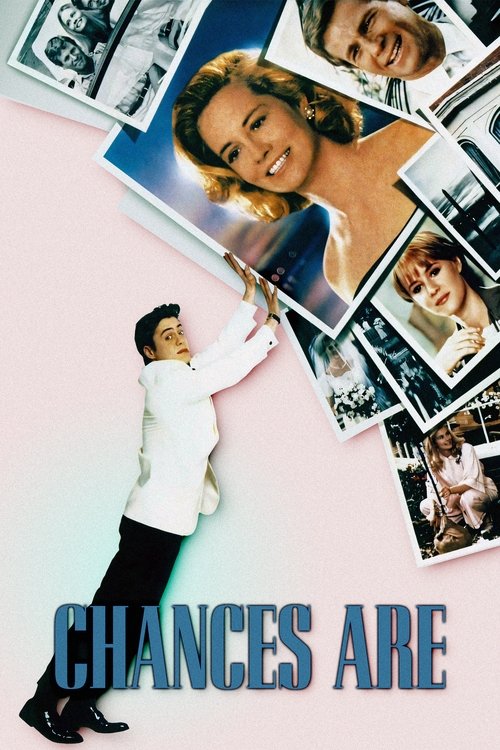
Chances Are
1989Louie Jeffries is happily married to Corinne. On their first anniversary, Louie is killed crossing the road. Louie is reincarnated as Alex Finch, and twenty years later, fate brings Alex and Louie's daughter, Miranda, together. It's not until Alex is invited to Louie's home that he begins to remember his former life, wife and best friend. Of course, there's also the problem that he's attracted to Louie's/his own daughter.
Shifting gears into the realm of supernatural romance, Shepherd demonstrates a seasoned light-comedy touch that paved the way for her television success. She carries the emotional weight of this reincarnation fantasy by grounding the whimsical premise in genuine melancholy and rediscovered charm.
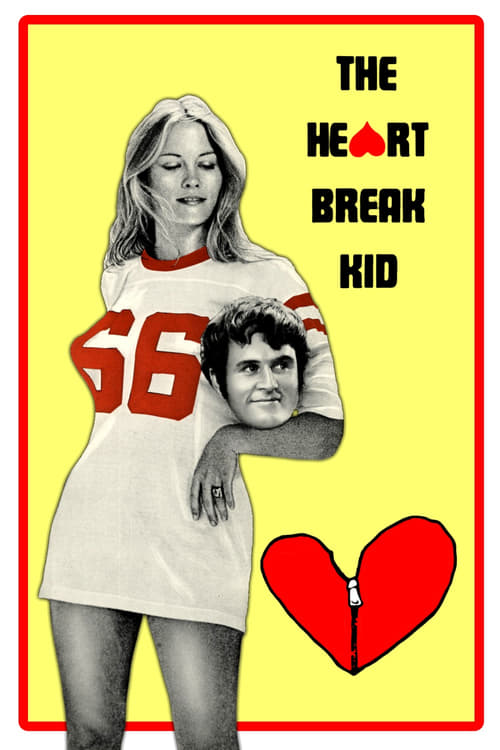
The Heartbreak Kid
1972Three days into his Miami honeymoon with needy and unsophisticated Lila, Lenny meets tall, blonde Kelly. This confirms his fear that he has made a serious mistake and he decides he wants to be with Kelly instead.
As the ultimate object of obsession, Shepherd masterfully occupies the space between a dream girl and a source of profound discomfort. She handles Elaine May's biting satirical tone with a cool detachment that effectively highlights the absurdity of the protagonist’s manic pursuit.
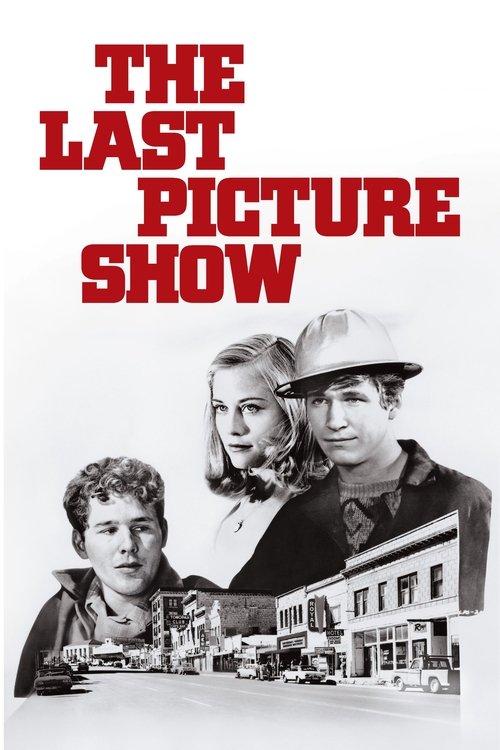
The Last Picture Show
1971High school seniors and best friends, Sonny and Duane, live in a dying Texas town. The handsome Duane is dating a local beauty, while Sonny is having an affair with the coach's wife. As graduation nears and both boys contemplate their futures, Duane eyes the army and Sonny takes over a local business. Each struggles to figure out if he can escape this dead-end town and build a better life somewhere else.
In her scorching film debut, Shepherd weaponizes her flawless screen presence to embody the cruel indifference of small-town privilege. She navigates the role of Jacy Farrow with a lethal blend of innocence and calculation that anchor the film's haunting exploration of dying Americana.
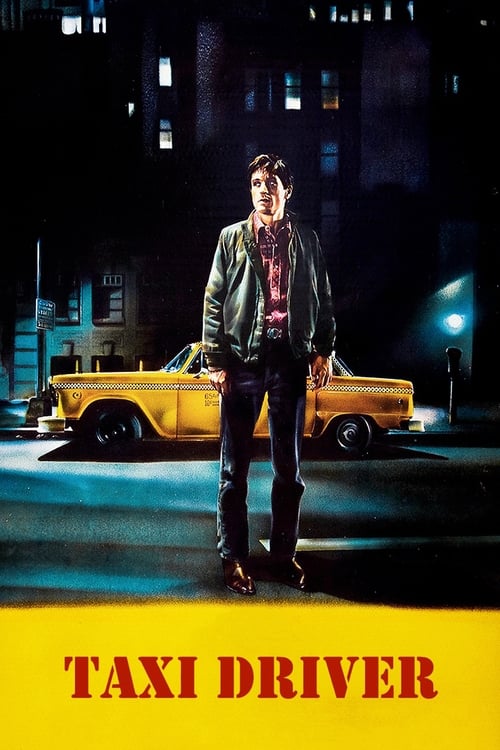
Taxi Driver
1976Suffering from insomnia, disturbed loner Travis Bickle takes a job as a New York City cabbie, haunting the streets nightly, growing increasingly detached from reality as he dreams of cleaning up the filthy city.
Shepherd serves as the ethereal, unattainable Betsy, providing the crucial icy contrast to the decaying urban landscape of Scorsese’s New York. Her portrayal of a political worker caught in a voyeur's crosshairs remains the definitive cinematic bridge between her modeling origins and her maturation into a nuanced dramatic presence.
Frequently Asked Questions
Everything you need to know about this list and SnakeDrafts
- Cybill Shepherd stars in the iconic crime drama "Taxi Driver," directed by Martin Scorsese. Her role in this film highlights her versatility and adds a compelling depth to the gritty narrative of urban isolation and moral decay.
- In "The Last Picture Show," Cybill Shepherd captured a cool, magnetic presence that defined her as a quintessential American blonde of her era. This film established her as a symbol of both the allure and disillusionment of the American dream.
- Cybill Shepherd often portrays complex female characters in dramas and romantic comedies, demonstrating a blend of vulnerability and strength. Her roles range from heartfelt romances in films like "The Heartbreak Kid" to nuanced dramatic performances in "Texasville."
- Yes, Cybill Shepherd collaborated multiple times with director Peter Bogdanovich, including memorable films like "The Last Picture Show," "Daisy Miller," "Texasville," and "She's Funny That Way." These films highlight her long-standing creative partnership with Bogdanovich.
- Cybill Shepherd's filmography in this ranking predominantly features a mix of romance, drama, and comedy. Films like "Chances Are" combine fantasy and humor, while titles like "Listen to Your Heart" showcase romantic drama, illustrating her genre versatility.
- "At Long Last Love," directed by Peter Bogdanovich, features Cybill Shepherd in a musical romantic comedy, highlighting her ability to take on varied roles, including those that showcase her musical and comedic talents.
- Yes, Cybill Shepherd appears in the documentary "Casting By," which explores the pivotal role of casting directors in Hollywood. This project adds a unique insight into the industry perspective beyond her acting roles.