The Definitive Ranking of Justin Bartha Movies
The Definitive Filmography of a Comedy Icon
Discover the best movies of Justin Bartha, from the National Treasure franchise to The Hangover trilogy and his standout indie performances.
About Justin Bartha

There is a specific kind of cinematic alchemy required to play the straight man in a whirlwind of chaos, and Justin Bartha has mastered it with a self-assured, quiet charisma that often anchors the loudest movies in the room. He first cemented his place in the pop-culture consciousness as Riley Poole, the wisecracking tech expert in National Treasure and its sequel Book of Secrets. While Nicolas Cage handled the historical intensity, Bartha provided the necessary smirk, turning a sidekick role into a vital heartbeat that made the high-stakes treasure hunting feel grounded and accessible. He possesses an innate ability to look at an absurd situation and react with the exact level of skepticism the audience is feeling, making him our most reliable surrogate on screen.
His career took a turn toward the iconic with The Hangover trilogy, though in a way that remains one of Hollywood’s great ironies. For much of the first film, he is the missing piece of the puzzle, the catalyst for the mayhem rather than a participant in it. Yet, his presence is the glue. He brings a certain everyman gravity to the Wolfpack that makes the stakes matter. Whether he is being rescued from a Las Vegas rooftop or navigating the escalating darkness of the sequels, he avoids the caricature often found in broad comedies. Instead, he treats the humor with a dry, intellectual edge that elevates the material.
Beyond the massive blockbusters, he has consistently gravitated toward projects that challenge his polished image. In the gritty White Girl, he shed his commercial skin for something far more visceral, while his turn in the indie drama Dear Zoe showed a fatherly vulnerability that felt a world away from the high-concept hijinks of his youth. Even in stylistic departures like CBGB or the stylish thriller Sweet Girl, he maintains a certain intellectual sharpness. He is the actor directors call when they need someone who can handle a fast-paced banter script like Failure to Launch but still carry the romantic weight of a film like The Rebound opposite Catherine Zeta-Jones.
What makes him stand out in a crowded industry is his refusal to overplay his hand. He never begs for the spotlight, which is exactly why the camera finds him. He can move from the whimsical segments of New York, I Love You to the intense, socially conscious storytelling of the legal drama world without breaking a sweat. There is a cerebral quality to his performances, a sense that he is always the smartest person in the frame even when he is playing the fool. Audiences connect with him because he feels like a real person who coincidentally wandered into a movie set. He is the guy who survives the heist, survives the bachelor party, and survives the industry’s fickle nature by simply being the most dependable, charmingly cynical professional in the business. Whether he is digging up the past or surviving a modern-day conspiracy, he remains the sophisticated soul of every story he joins.
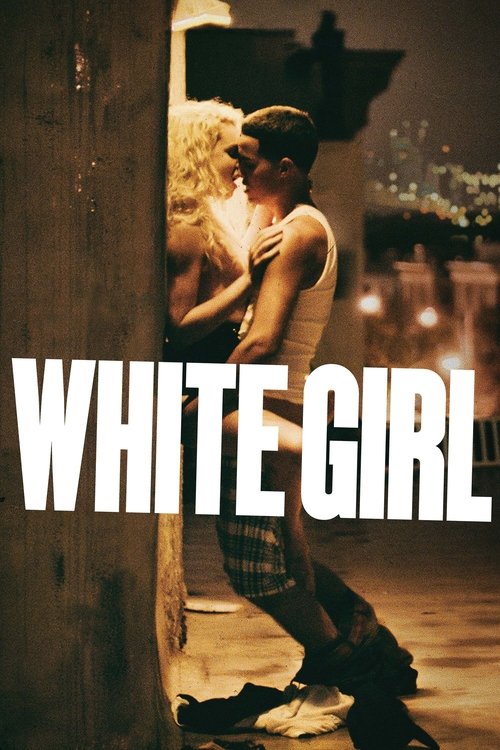
White Girl
2016Summer, New York City. A college girl falls hard for a guy she just met. After a night of partying goes wrong, she goes to wild extremes to get him back.
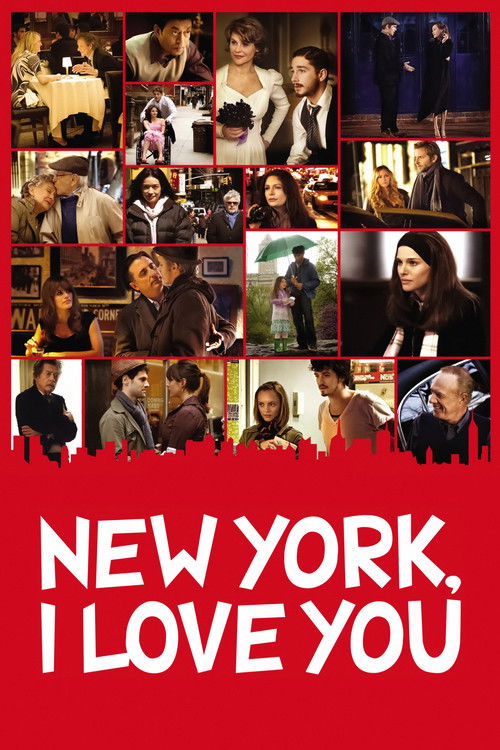
New York, I Love You
2008New York, I Love You delves into the intimate lives of New Yorkers as they grapple with, delight in and search for love. Journey from the Diamond District in the heart of Manhattan, through Chinatown and the Upper East Side, towards the Village, into Tribeca, and Brooklyn as lovers of all ages try to find romance in the Big Apple.
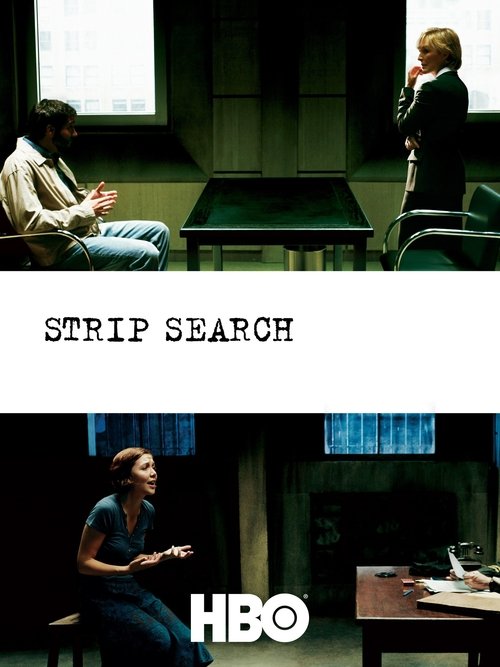
Strip Search
2004Strip Search follows several parallel stories examining personal freedoms vs. national security in the aftermath of 9/11; two main subplots involve an American woman detained in China and an Arab man detained in New York City.
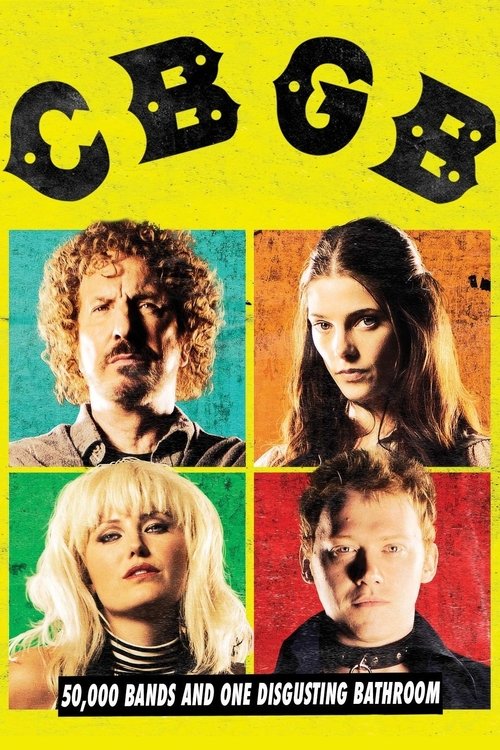
CBGB
2013A look at New York's dynamic punk rock scene through the lens of the ground-breaking Lower East Side club started by eccentric Hilly Kristal in 1973 which launched thousands of bands.
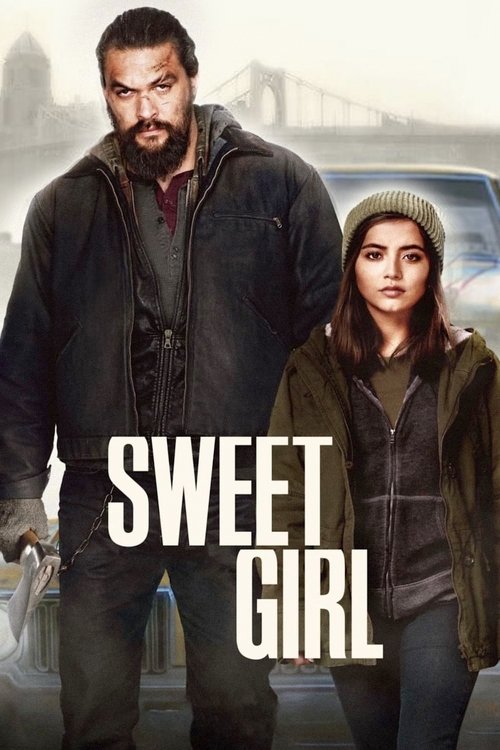
Sweet Girl
2021A man vows to bring justice to those responsible for his wife's death while protecting the only family he has left, his daughter.

Dark Horse
2012Abe is a man who is in his thirties and who lives with his parents. He works regretfully for his father while pursuing his hobby of collecting toys. Aware that his family doesn't think highly of him, he tries to spark a relationship with Miranda, who recently moved back home after a failed literary/academic career. Miranda agrees to marry Abe out of desperation, but things go awry.
Contributing to Todd Solondz’s world of suburban malaise, Bartha utilizes his natural charisma to create a biting contrast against the film’s pervasive awkwardness. It is a brief but effective exercise in his ability to adapt to the specific tonal demands of auteur-driven dark comedy.
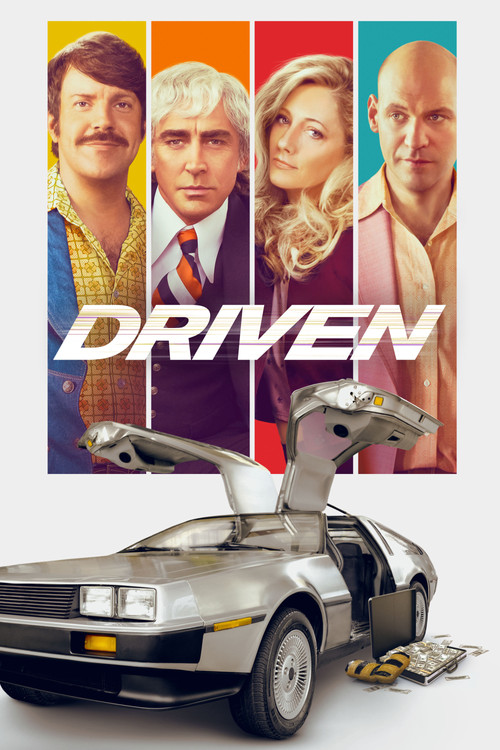
Driven
2019FBI informant Jim Hoffman lures troubled automobile magnate John DeLorean to an undercover sting for cocaine trafficking.
Bartha dives into the gritty atmosphere of this period thriller with a sharp, calculated energy that complements the film’s tension. This role allows him to shed his approachable persona in favor of something more cynical and survival-focused within a high-stakes historical drama.

Dear Zoe
2022Tess enlists her biological father – a lovable slacker from the wrong side of the tracks – and the charming juvenile delinquent next door to help her come to grips with the death of her little sister.
In this departure from high-energy comedy, Bartha explores paternal complexity and the quietude of grief with a refined sensitivity. It acts as a mature pivot in his filmography, demonstrating a capacity for somber, grounded character studies in independent cinema.

Failure to Launch
2006At 35, Tripp has an interesting job, a hip car, a passion for sailing, an active dating life, and a great house - trouble is, he still lives with his parents, Al and Sue, who are not happy about it. Al and Sue are fascinated when friends whose adult son has recently moved away from home reveal they hired an expert to help. In desperation to push Tripp out of the nest once and for all, Al and Sue hatch a plan to hire Paula, an "interventionist," who has a formula in these cases.
Operating within an ensemble of heavy hitters, Bartha carves out a niche with a quirky supporting turn that highlights his ability to steal scenes through eccentric character choices. His performance adds a layer of unexpected levity to the predictable beats of the mid-2000s rom-com formula.
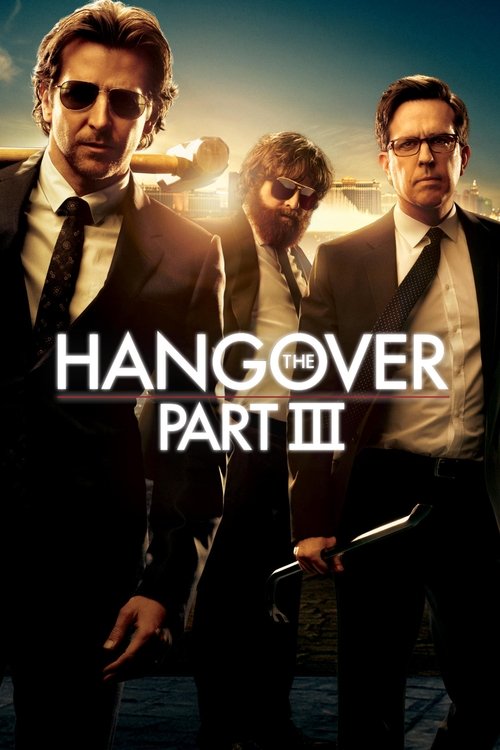
The Hangover Part III
2013This time, there's no wedding. No bachelor party. What could go wrong, right? But when the Wolfpack hits the road, all bets are off.
By the trilogy’s conclusion, Bartha’s character functions as the ultimate barometer for the group’s maturity or lack thereof. He provides a brief but vital sense of normalcy that emphasizes just how far the surrounding characters have spiraled into their iconic dysfunction.
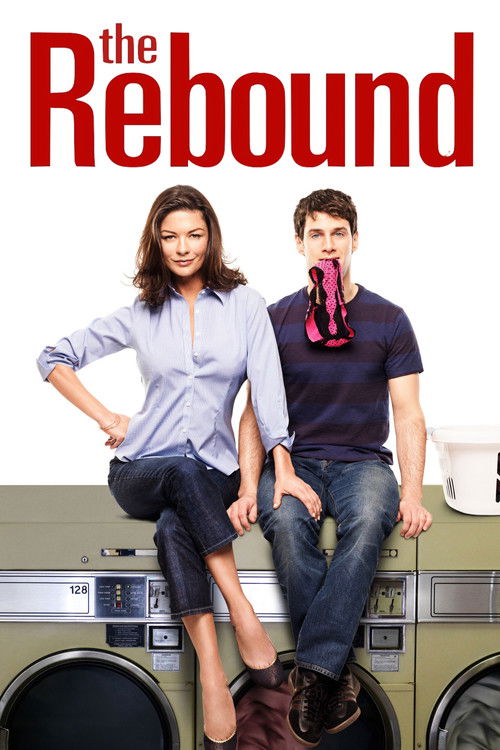
The Rebound
2009Upon discovering her husband's infidelity, Sandy leaves the suburbs and moves into the city. There, she befriends Aram, a guy whose wife only married him so she could get a green card. Sandy hires Aram to be her nanny, and it isn't long until Aram and Sandy find out they get along wonderfully and start to date. But is their relationship real or is it, in fact, just a rebound for both of them?
Bartha shifts into a romantic lead role with a disarming vulnerability that explores the nuances of an age-gap relationship. This performance showcases a softer dramatic range beyond his usual ensemble work, proving he can carry a film’s emotional weight with understated sincerity.
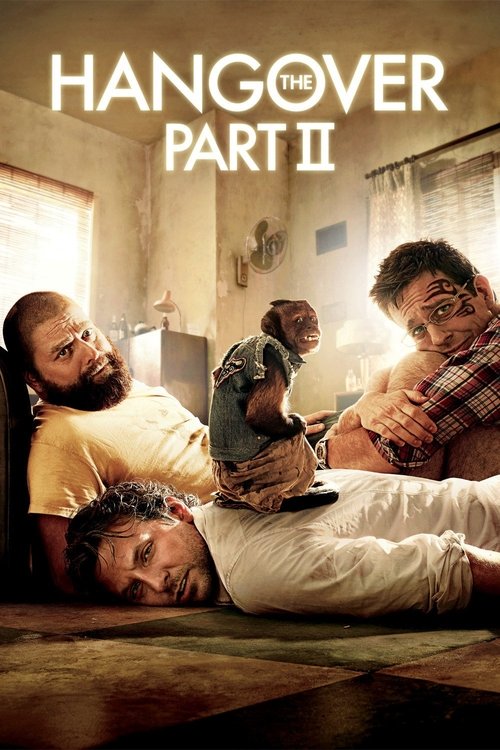
The Hangover crew heads to Thailand for Stu's wedding. After the disaster of a bachelor party in Las Vegas last year, Stu is playing it safe with a mellow pre-wedding brunch. However, nothing goes as planned and Bangkok is the perfect setting for another adventure with the rowdy group.
In this darker follow-up, Bartha expertly navigates the transition from suburban stability to the looming dread of the plot's recurring nightmare. He maintains a specific poise that highlights the absurdity of the situation, acting as the necessary tether to reality amidst the escalating mayhem.
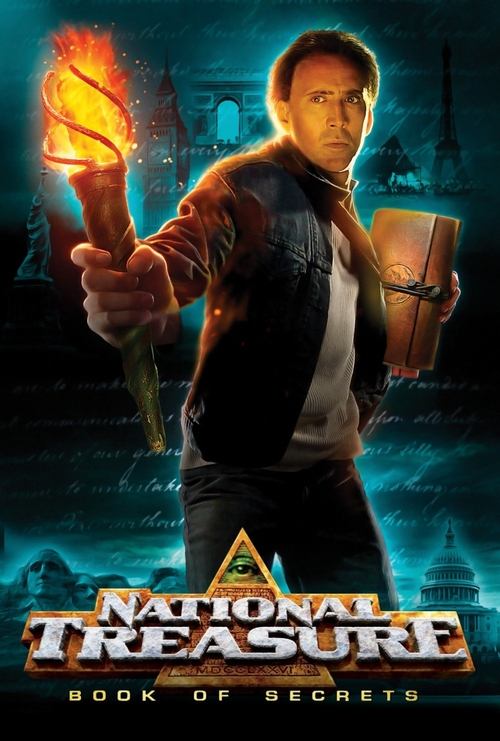
National Treasure: Book of Secrets
2007Benjamin Franklin Gates and Abigail Chase re-team with Riley Poole and, now armed with a stack of long-lost pages from John Wilkes Booth's diary, Ben must follow a clue left there to prove his ancestor's innocence in the assassination of Abraham Lincoln.
Returning to his signature role with heightened comic timing, Bartha leans into the physicality of the genre while maintaining his status as the audience’s relatable surrogate. He successfully avoids the sequel slump by layering a frantic charm over the film’s complex puzzle-solving sequences.
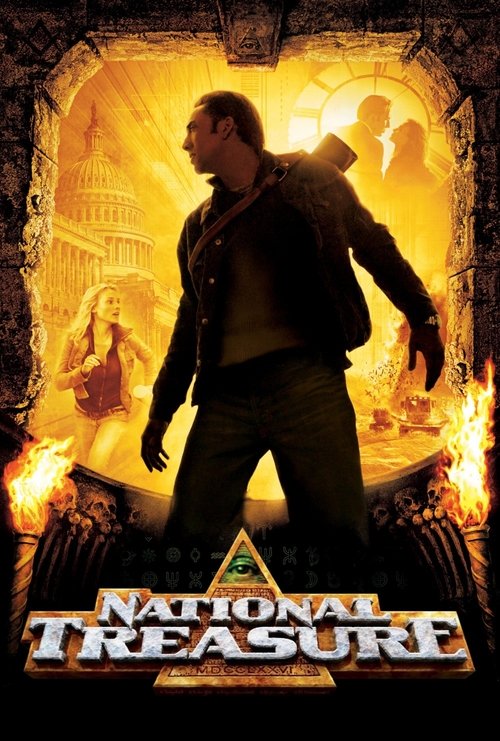
National Treasure
2004Modern treasure hunters, led by archaeologist Ben Gates, search for a chest of riches rumored to have been stashed away by George Washington, Thomas Jefferson and Benjamin Franklin during the Revolutionary War. The chest's whereabouts may lie in secret clues embedded in the Constitution and the Declaration of Independence, and Gates is in a race to find the gold before his enemies do.
Bartha reinvented the sidekick archetype here by providing a neurotic, tech-savvy counterpoint to Nicolas Cage’s high-stakes intensity. This role established him as a premier comedic foil capable of humanizing a sprawling historical adventure through sheer skeptical wit.
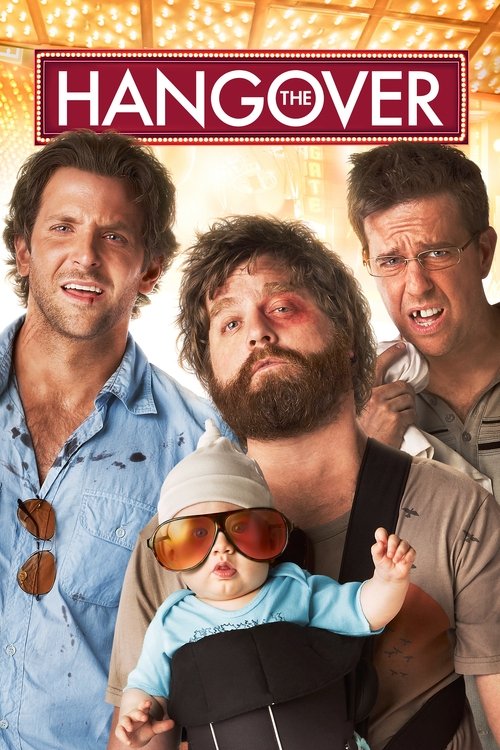
The Hangover
2009When three friends finally come to after a raucous night of bachelor-party revelry, they find a baby in the closet and a tiger in the bathroom. But they can't seem to locate their best friend, Doug – who's supposed to be tying the knot. Launching a frantic search for Doug, the trio perseveres through a nasty hangover to try to make it to the church on time.
As the catalyst for the entire chaotic narrative, Bartha anchors the film with an elusive presence that defines the stakes of the Wolfpack legacy. His character serves as the grounded heart of the franchise, proving that a performance can resonate deeply even when relegated to the periphery of the screen.
Frequently Asked Questions
Everything you need to know about this list and SnakeDrafts
- Justin Bartha's breakout role was in National Treasure, where he played Riley Poole, the tech-savvy sidekick to Nicolas Cage's character. This role showcased his ability to blend humor with intelligence, helping him gain widespread recognition.
- In The Hangover trilogy, Justin Bartha plays Doug Billings, the straight man amidst chaotic comedic scenarios, contrasting with his tech-expert sidekick Riley Poole in National Treasure. This demonstrates his versatility in handling both comedic and adventure genres.
- Yes, movies like Dear Zoe and CBGB highlight Justin Bartha's dramatic acting skills, offering a contrast to his more comedic roles. These films allow him to explore deeper, more emotional performances.
- Justin Bartha's filmography prominently includes comedy, action, adventure, and drama genres, as seen in movies like The Hangover series, National Treasure franchise, and Dear Zoe. This variety showcases his range as an actor.
- According to the listicle, Justin Bartha's collaborations with Todd Phillips are primarily within The Hangover trilogy. This partnership is notable for cementing his comedic presence in Hollywood.
- Films like The Rebound and Failure to Launch feature Justin Bartha in romantic comedy roles, highlighting his charm and comedic timing in lighter, relationship-focused narratives.
- Yes, recent films such as Sweet Girl and Dear Zoe in the list indicate Justin Bartha's continued exploration into thriller and drama genres, displaying his evolving acting career beyond his earlier comedic roles.
- Humor is central to Justin Bartha's most popular roles, such as in The Hangover trilogy and National Treasure, where his timing and delivery help balance intense action or chaotic plots. This blend of charm and wit is a hallmark of his screen presence.