Every John Forsythe Movie Ranked
The Elegant Legacy of a Hollywood Icon
Explore the best films of John Forsythe, from Hitchcock's masterpiece to legal dramas and high-stakes submarines.
About John Forsythe
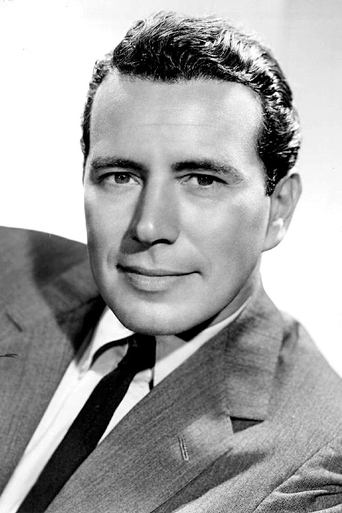
John Forsythe possessed a voice that sounded like mahogany and expensive scotch, a sonic thumbprint of authority that defined his sixty year survival in Hollywood. He belonged to a rare breed of leading men who could move from the stage to the silver screen and eventually into the living rooms of America without ever losing their innate sense of poise. While many of his contemporaries relied on rugged grit, he leaned into a polished, silver haired sophistication that suggested he was always the smartest person in the room, even when he was playing a man caught in a desperate situation.
His early days in the industry saw him navigating a range of textures, from the high stakes tension of Destination Tokyo to the sharp, dark whimsy of Alfred Hitchcock. In The Trouble with Harry, he served as the grounded center to a surreal comedy about a lingering corpse, proving he had the comedic timing to match his matinee idol looks. Hitchcock clearly saw something versatile in him, later casting him in Topaz as a high level intelligence operative. This ability to inhabit the world of mystery and legal drama became a staple of his mid century run. Whether he was playing opposite Lana Turner in the tearjerker Madame X or navigating the noir shadows of The Captive City and The Glass Web, he maintained an effortless, buttoned up elegance that audiences found deeply comforting.
There was a specific moral weight to his presence that directors loved to exploit. In Richard Brooks’ chilling In Cold Blood, he portrayed Alvin Dewey with a somber, obsessive focus that anchored the film’s grim reality. Years later, he would offer a pitch perfect counterpoint to Al Pacino’s volatility in And Justice for All, showcasing his ability to hold his own against the new guard of Method actors. He never felt outdated because he understood the power of restraint. Even in late career gems like Scrooged, where he appeared as a decaying, golf loving ghost, he retained that quintessential charm that made him a household fixture.
The culture at large likely remembers him best as the invisible architect of Charlie’s Angels or the towering patriarch of Dynasty, but those roles were only possible because of the foundation he built in cinema. People connected with him because he represented an aspirational version of American masculinity. He was the man who kept his cool during a siege in Escape from Fort Bravo and the reliable romantic lead in It Happens Every Thursday and Everything But the Truth. He managed to be both commanding and approachable, a feat that made him one of the most enduring figures in the history of the medium. By the time he appeared in The Happy Ending or the intense television film The Deadly Tower, it was clear that he wasn’t just a star but a reliable craftsman. John Forsythe didn’t just occupy the screen; he presided over it with a grace that few have managed to replicate since.
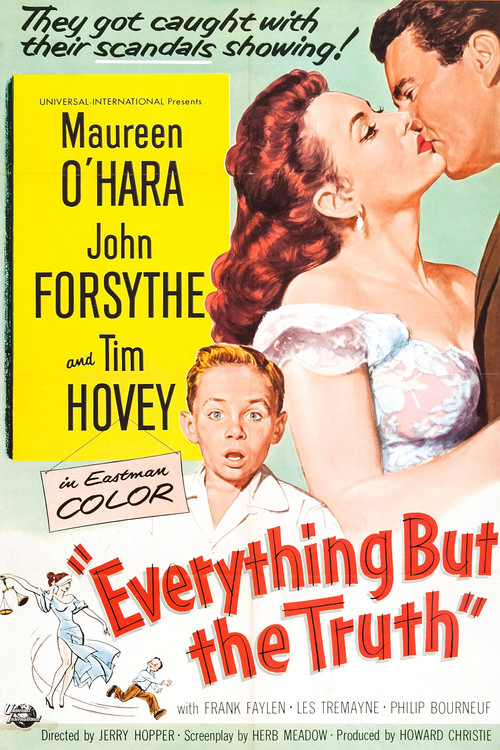
Everything But the Truth
1956Upset with the prevarications of the adult world, Willie launches a truth-telling campaign at school, with the blessings of his pretty teacher Joan Madison.
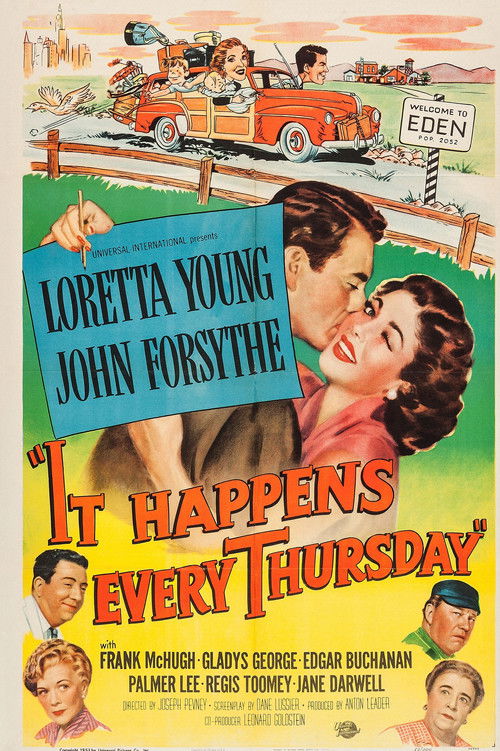
It Happens Every Thursday
1953New York reporter Bob MacAvoy is persuaded by pregnant wife Jane to buy a broken-down weekly newspaper in Eden, California. They have humorous problems with small town mores and eccentric citizens. But their schemes to increase circulation get them in over their heads.
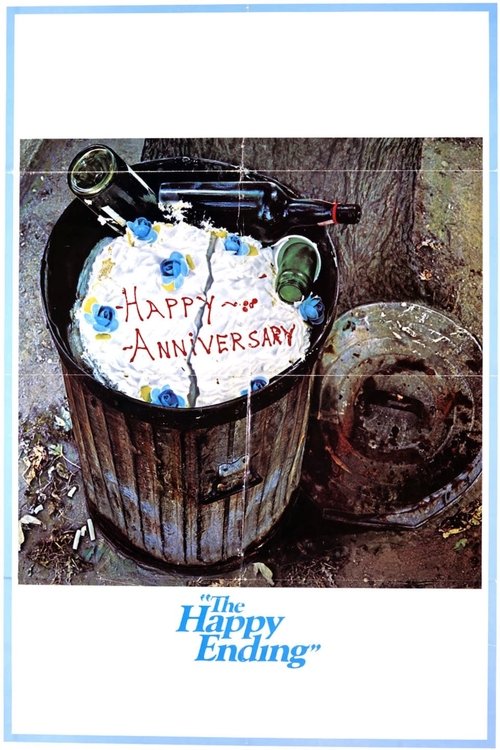
The Happy Ending
1969When Fred asked for Mary's hand in marriage, she thought she had the happy ending she only read about in fairy tales. Now it's 16 years later; Fred has had an affair, and Mary drowns her sorrows in pills and booze, a dangerous combination that nearly resulted in her death the year before. As Mary rushes off to the Bahamas for a relaxing escape from her crumbling marriage, she reflects on the past and wonders just where it all went wrong.
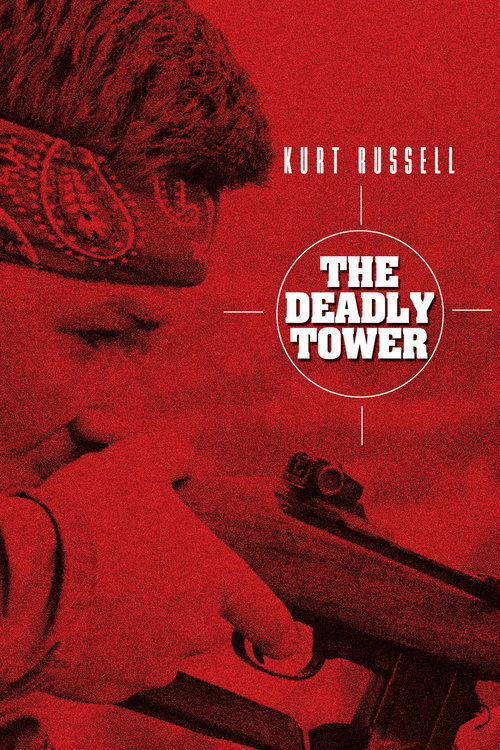
The Deadly Tower
1975The real-life story of Charles Whitman's deadly shooting spree at the University of Texas is retold. In August 1966, after killing his wife and mother, Whitman climbed to the top of the school's tower and opened fire on passers-by, killing 13 and wounding many others.
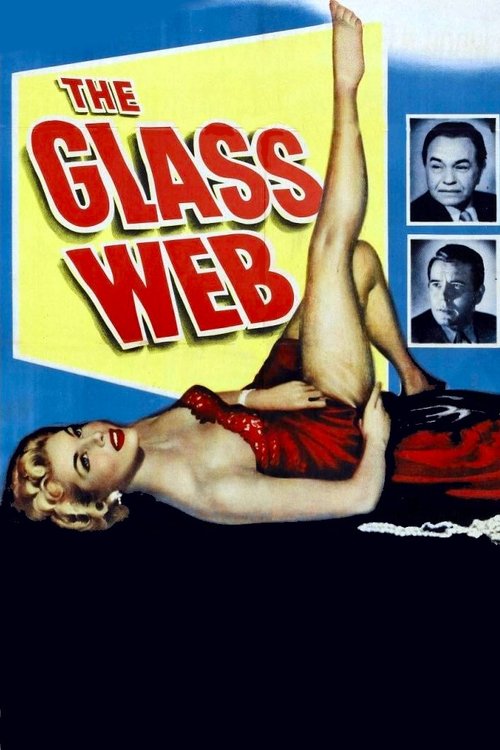
The Glass Web
1953A manipulative diva blackmails a married man and insults her secret lover, leading to her murder. As the husband tries to cover his tracks, the lover sabotages him and suggests turning the case into a TV show episode.
In this innovative 3D thriller, Forsythe cleverly utilizes his suave persona to mask a character’s bubbling anxiety and professional desperation. He effectively navigates the intersection of early television culture and classic suspense, making his protagonist’s moral dilemmas feel urgent.
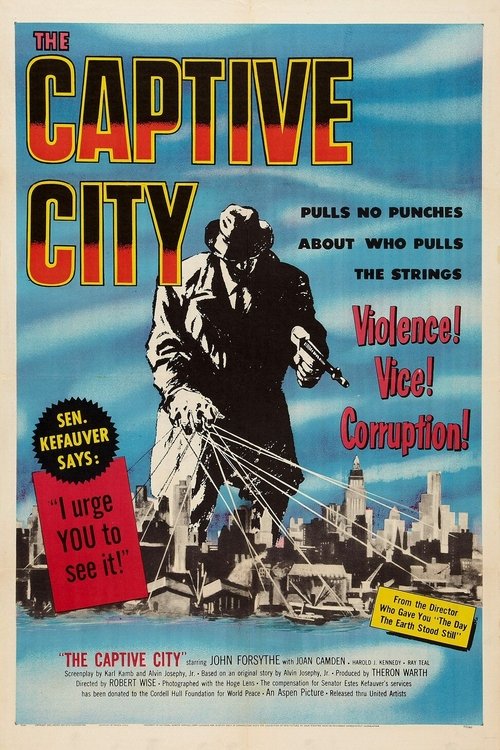
The Captive City
1952A small-town newspaper editor defies threats to expose the mob.
Forsythe is electrifying as an idealistic small-town editor caught in a web of organized crime in this taut noir. His performance captures a frantic, paranoid energy that elevates the film into a sharp critique of post-war American complacency.
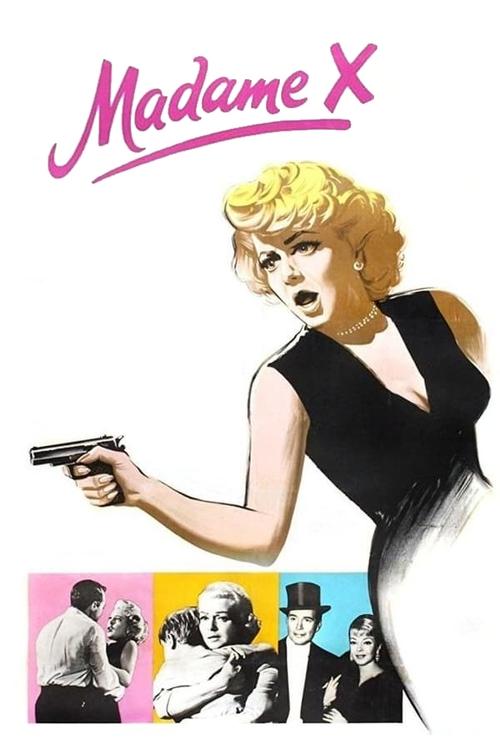
Madame X
1966Holly Parker, the wife of a wealthy diplomat, is compromised by the accidental death of a man who has been romantically pursuing her. She is forced by her mother-in-law to assume a new identity in order to save the reputation of her husband and infant son. She wanders the world, trying to forget her heartbreak with the aid of alcohol and unsavory men. Eventually returning to the city of her downfall, she murders a blackmailer who threatens to expose her past. Amazingly, Holly is represented at her murder trial by her now adult son, who has become a public defender. In the hope of protecting her family, she refuses to reveal her real name and is known to the court as "Madame X".
Playing the steady, loyal husband in this lush melodrama, Forsythe provides the essential emotional bedrock for Lana Turner’s histrionics. He excels at the subtle art of the supporting partner, making the domestic stakes feel palpable and sincere.
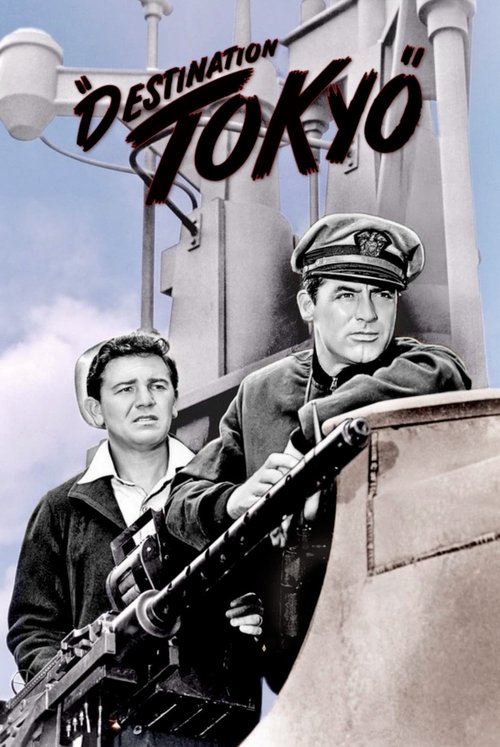
Destination Tokyo
1943During World War II, Captain Cassidy and his crew of submariners are ordered into Tokyo Bay on a secret mission. They are to gather information in advance of the planned bombing of Tokyo. Along the way, the crew learn about each other as they face the enemy and some of them lose their lives.
In his cinematic debut, Forsythe brings a fresh-faced earnestness to the ensemble that captures the patriotic urgency of the wartime era. Even in a smaller role, his screen presence is immediate, signaling the arrival of a performer with significant leading-man potential.
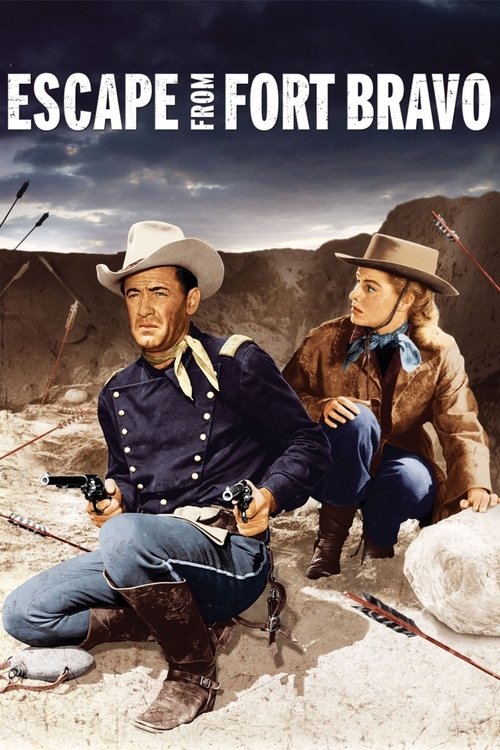
Escape from Fort Bravo
1953A Southern belle frees a Rebel officer and his men from a Union captain's Arizona fort.
Forsythe displays a surprising hardness in this rugged Western, proving he could hold his own in the dust against seasoned genre veterans. His performance explores the tension between duty and survival with a gritty physicality often overlooked in his later television work.
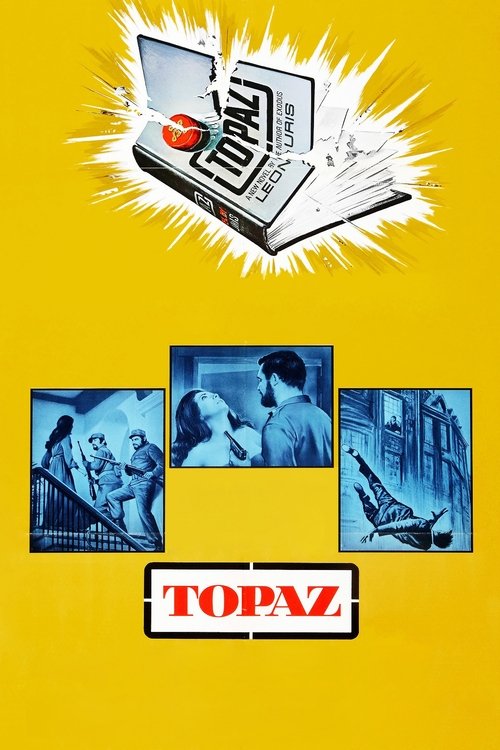
Topaz
1969Copenhagen, Denmark, 1962. When a high-ranking Soviet official decides to change sides, a French intelligence agent is caught up in a cold, silent and bloody spy war in which his own family will play a decisive role.
Taking center stage in this sprawling espionage thriller, Forsythe carries the narrative with a sophisticated, transatlantic coolness that fits the Hitchcockian mold perfectly. He navigates the complex political chess match with a restrained intensity that anchors the film’s globe-trotting scale.
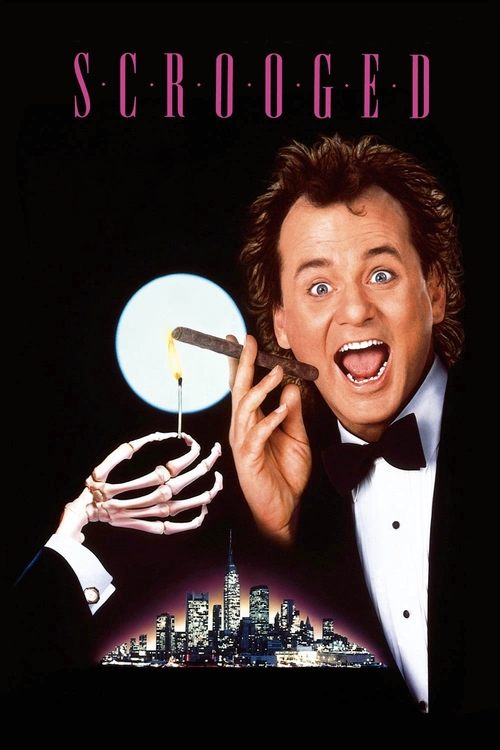
Scrooged
1988Frank Cross is a wildly successful television executive whose cold ambition and curmudgeonly nature has driven away the love of his life. But after firing a staff member on Christmas Eve, Frank is visited by a series of ghosts who give him a chance to re-evaluate his actions and right the wrongs of his past.
Even from beneath layers of decaying prosthetic makeup, Forsythe’s distinctive vocal command and comic timing dominate his scenes as the golf-obsessed specter. He provides the perfect, high-concept foil to Bill Murray, blending corporate satire with a supernatural warning.
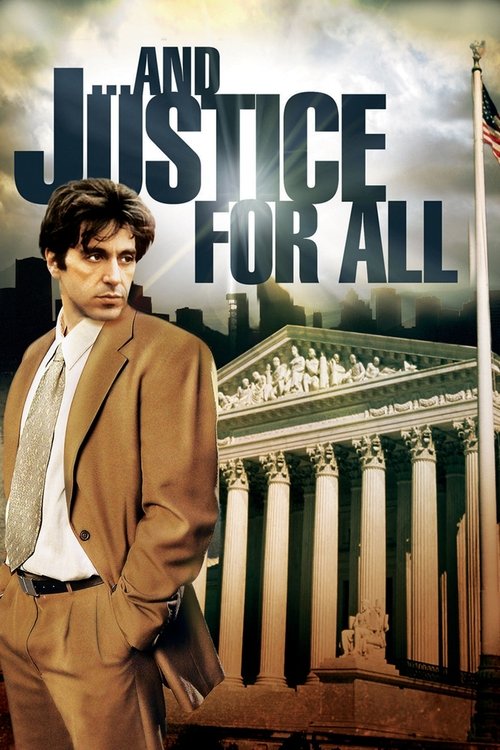
...And Justice for All
1979An ethical Baltimore defense lawyer disgusted with rampant legal corruption is forced to defend a judge he despises in a rape trial under the threat of being disbarred.
Casting against his usual likability, Forsythe is chillingly rigid as a judge who embodies the systemic rot Pacino’s protagonist fights against. It is a masterful turn in cold, bureaucratic villainy that weaponizes his natural poise into something genuinely sinister.
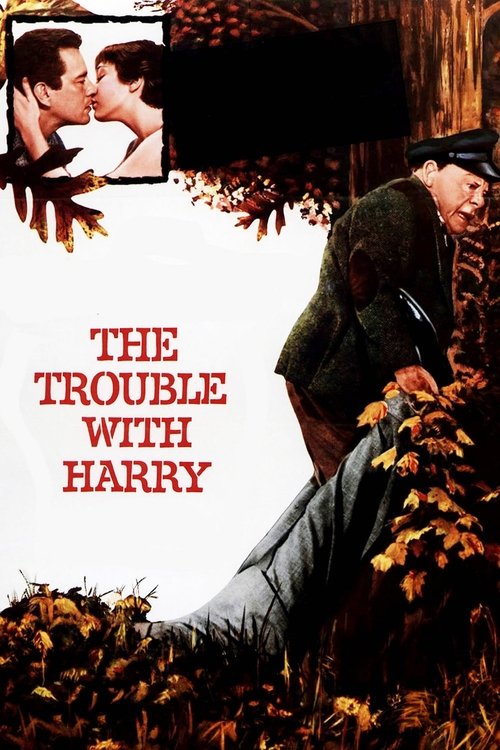
The Trouble with Harry
1955The trouble with Harry is that he’s dead. In a quiet Vermont village, a corpse creates unexpected chaos as several townspeople each believe they may be to blame.
In Hitchcock’s morbidly funny departure, Forsythe exhibits a nimble, dry wit that proves he could handle rhythmic banter as deftly as any leading man of the era. He plays the bohemian artist with a breezy cynicism that keeps the film’s macabre premise from ever feeling too heavy.
In Cold Blood
1967After a botched robbery results in the brutal murder of a rural family, two drifters elude police, in the end coming to terms with their own mortality and the repercussions of their vile atrocity.
Forsythe serves as the moral compass in this chilling true-crime masterpiece, grounding the stylistic chaos with a steady, investigative gravitas. His portrayal of Alvin Dewey transforms the procedural into a deeply human study of obsession and the weight of justice.
Frequently Asked Questions
Everything you need to know about this list and SnakeDrafts
- The listicle features two Alfred Hitchcock films starring John Forsythe: 'The Trouble with Harry' (1955), a unique blend of comedy and mystery, and 'Topaz' (1969), a gripping drama-thriller. These films showcase Forsythe's versatility under Hitchcock's direction.
- In 'In Cold Blood' (1967), John Forsythe delivers a compelling performance in a crime drama based on true events, portraying complex emotional depth. In contrast, 'Scrooged' (1988) features Forsythe in a comedic yet dramatic fantasy setting, emphasizing his ability to adapt to diverse genres across his career.
- Yes, 'Destination Tokyo' (1943), directed by Delmer Daves, is a war film included in the ranking that features John Forsythe. This film highlights his presence in intense, high-stakes narrative environments beyond his more polished roles.
- Yes, 'The Deadly Tower' (1975) is a TV movie listed in the ranked films starring John Forsythe. This thriller showcases his adaptability to both cinema and television formats throughout his extensive career.
- John Forsythe's filmography in the listicle spans crime, drama, mystery, and thriller genres predominantly, with notable entries in comedy and fantasy. This diverse mix reflects his ability to embody various characters, from serious legal dramas like '...And Justice for All' to lighter fare like 'It Happens Every Thursday.'
- The film 'Escape from Fort Bravo' (1953), directed by John Sturges, represents John Forsythe's work in the western genre. This role adds to his repertoire of distinguished performances across multiple cinematic styles.
- In '...And Justice for All' (1979), John Forsythe plays a significant role in this intense legal drama, contributing to the film's exploration of morality and justice. His performance adds gravitas, complementing the movie's powerful narrative on the flaws within the legal system.