Jessica Lange Movies Ranked From Worst to Best
The Definitive Screen Legacy of a Hollywood Icon
Discover the finest cinematic performances of Oscar winner Jessica Lange, from her breakout roles to her most powerful dramatic achievements.
About Jessica Lange
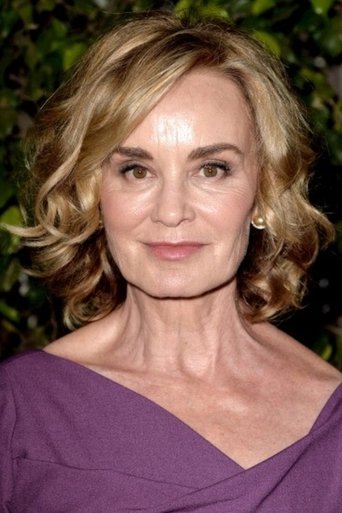
There is a specific kind of stillness Jessica Lange owns that few other actors dare to inhabit. It is a vibrating, high-stakes composure that suggests a woman both one second away from a breakthrough and one second away from a breakdown. This duality has defined her half-century on screen, transforming her from the object of a giant ape’s affection into the most formidable character actress of her generation. While many of her peers leaned into the soft comfort of middle age, she pivoted toward a jagged, electric brand of intensity that remains unmatched.
The early eighties served as the definitive crucible for her talent. In 1982, she achieved a rare feat by earning two Oscar nominations in the same year, playing two characters who could not have been further apart. In Tootsie, she was the ethereal, vulnerable soap opera star who became the heart of a chaotic comedy. Simultaneously, she bared her teeth in Frances, a harrowing descent into the life of troubled actress Frances Farmer. That performance erased any lingering doubts about her range, proving she possessed a ferocious, almost frightening emotional depth. She followed this by channeling the grit of the American heartland in Country and embodying the tragic, whiskey-soaked soul of Patsy Cline in Sweet Dreams, projects that cemented her as the poet laureate of the complicated woman.
Audiences connect with her because she never plays a victim, even when her characters are suffering. Whether she is the unfaithful wife caught in a noir spiral in The Postman Always Rings Twice or the resilient matriarch in Rob Roy, there is a backbone of steel in every role. Even in her smaller, more textured work like Big Fish or the understated Broken Flowers, she commands the frame with a look that feels lived-in and wise. Her Academy Award winning turn in Blue Sky highlighted her unique ability to play mercurial, unpredictable women whose internal weather changes by the minute. She makes instability feel like a high-wire act rather than a trope.
Her reputation is built on this refusal to be boring. In the courtroom drama Music Box, she wrestled with the moral rot of family secrets, while in Titus, she took on Shakespeare with a stylized, vengeful fury that felt modern and ancient all at once. Even when she moved into more overtly commercial fare like The Vow or explored the nuances of motherhood in Losing Isaiah, she brought a sense of gravity that elevated the material. She has never been an actress who disappears into a role until she is unrecognizable; instead, she pulls the role toward her, infusing it with her signature blend of elegance and raw, unvarnished nerve. To watch her today is to witness a master who understands that silence is often more powerful than a scream, and that true presence is something that cannot be taught, only possessed.
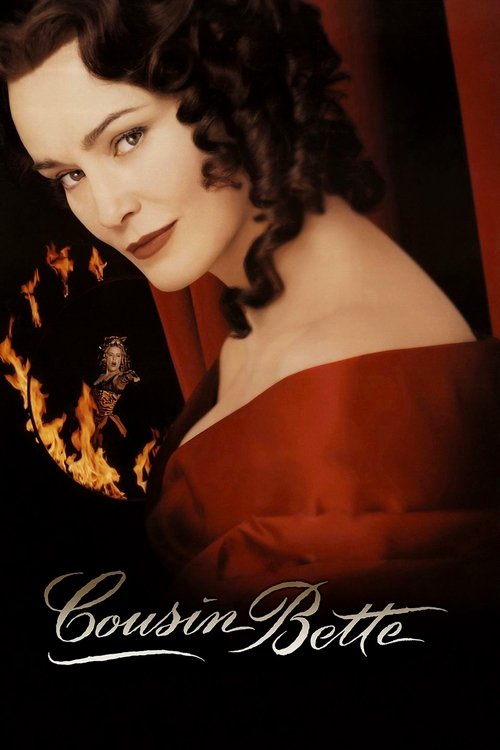
Cousin Bette
1998In 19th century Paris, Bette Fischer, a poor and homely spinster, forms an alliance with the seductive courtesan Valerie Marneffe to orchestrate revenge on her handsome and wealthy relatives.
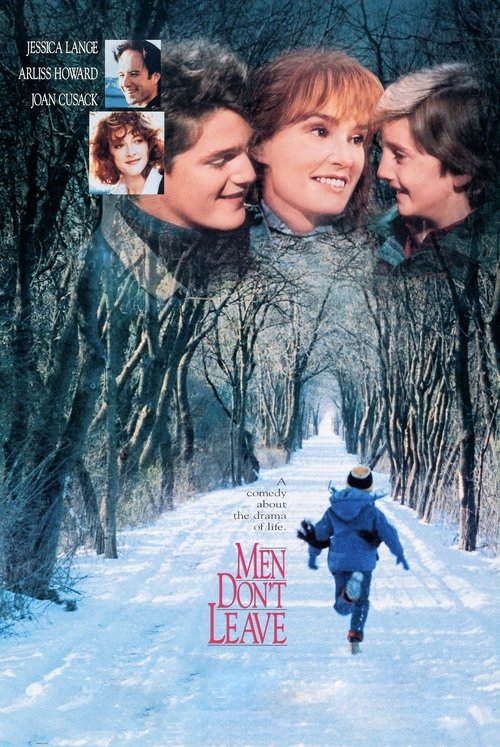
Men Don't Leave
1990A widowed mother and her two sons move to Baltimore and struggle to adjust to urban life, encountering numerous eccentric characters along the way.
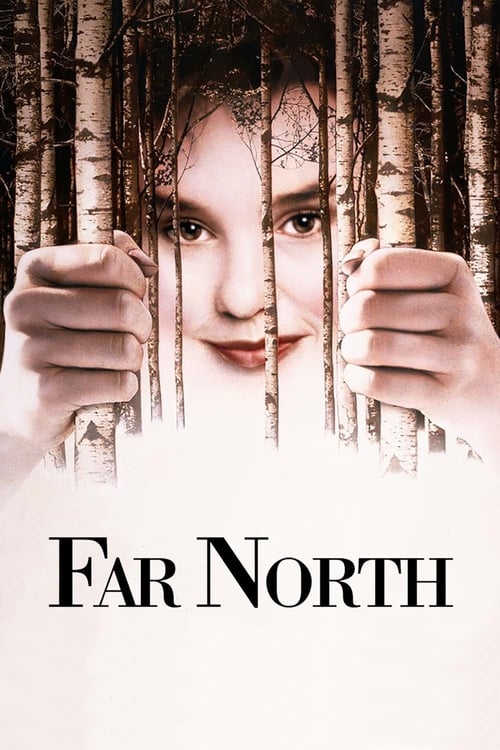
Far North
1988After generations of being apart, an accident brings a family back together and they begin to cope with their original issues.
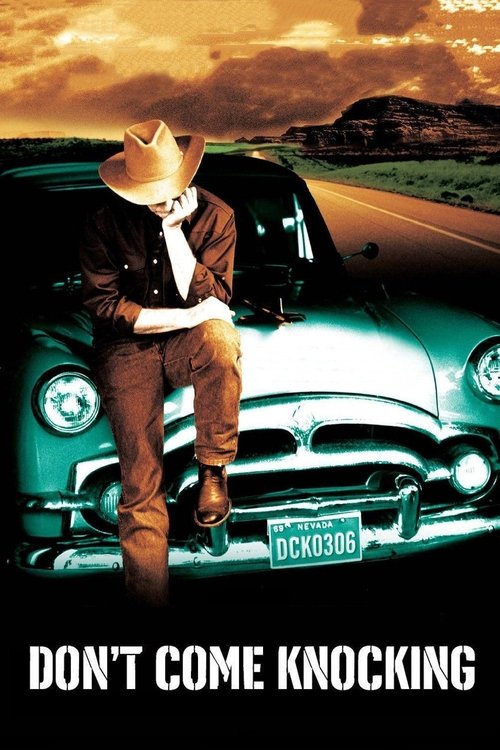
Don't Come Knocking
2005Howard Spence has seen better days. Once a big Western movie star, he now drowns his disgust for his selfish and failed life with alcohol, drugs and young women. If he were to die now, nobody would shed a tear over him, that's the sad truth. Until one day Howard learns that he might have a child somewhere out there...
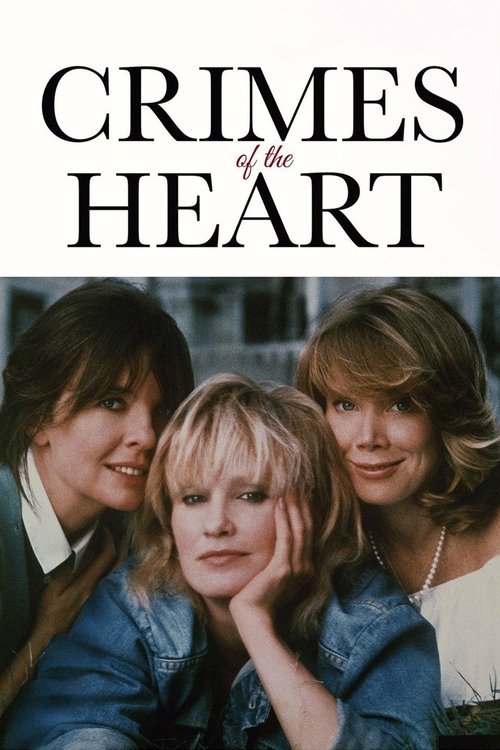
Crimes of the Heart
1986Three sisters try to come to grips with the meaning of their mother's suicide.
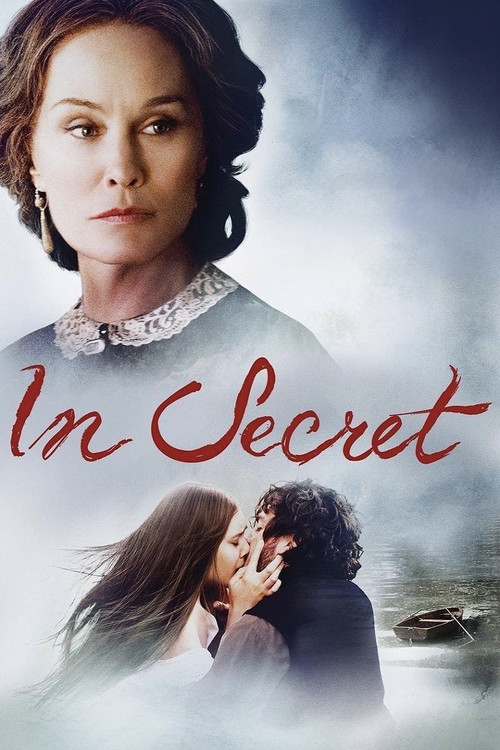
In Secret
2014In 1860s Paris, a young woman, Therese, is trapped in a loveless marriage to the sickly Camille by her domineering aunt, Madame Raquin. She spends her days behind the counter of a small shop and her evenings watching Madame play dominos with an eclectic group. After she meets her husband’s alluring friend, Laurent, she embarks on an illicit affair that leads to tragic consequences. Based on Emile Zola’s novel, Thérèse Raquin.
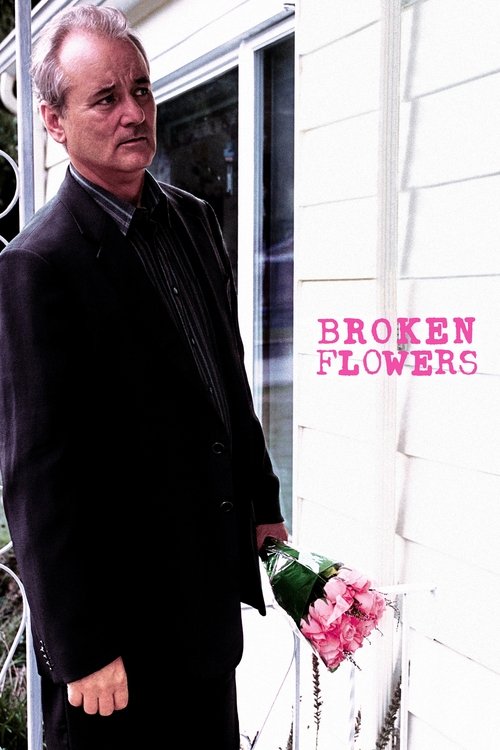
Broken Flowers
2005Introverted Don Johnston receives an anonymous letter from an ex-lover informing him that he has a son who may be looking for him. A freelance sleuth neighbor motivates Don to embark on a cross-country search for his past flames seeking answers.

The Vow
2012Happy young married couple Paige and Leo are, well, happy. Then a car accident puts Paige into a life-threatening coma. Upon awakening she has lost the previous five years of memories, including those of her beloved Leo, her wedding, a confusing relationship with her parents, or the ending of her relationship with her ex-fiance. Despite these complications, Leo endeavors to win her heart again and rebuild their marriage.
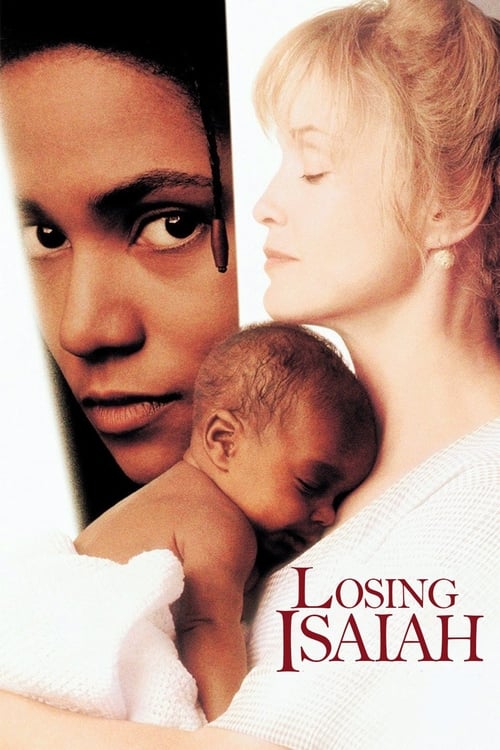
Losing Isaiah
1995Khaila Richards, a crack-addicted single mother, accidentally leaves her baby in a dumpster while high and returns the next day in a panic to find he is missing. In reality, the baby has been adopted by a warm-hearted social worker, Margaret Lewin, and her husband, Charles. Years later, Khaila has gone through rehab and holds a steady job. After learning that her child is still alive, she challenges Margaret for the custody.
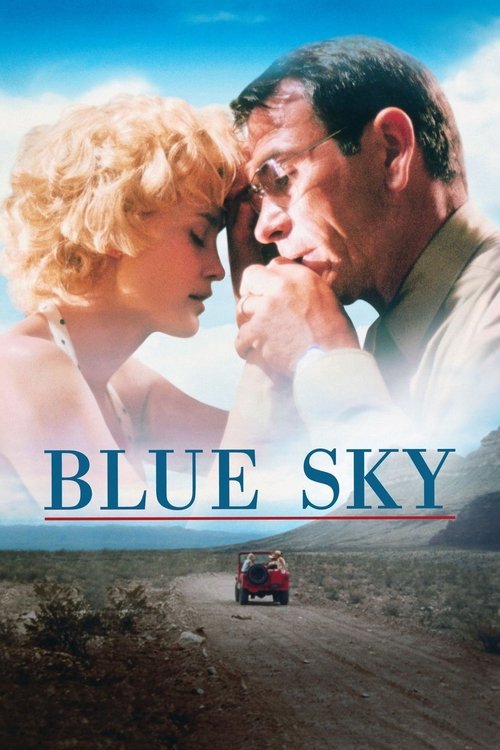
Blue Sky
1994Hank Marshall is a tough, square-jawed, straitlaced Army engineer and nuclear science expert, assigned to help conduct weapons testing in 1950s America. Hank has become a thorn in the side of the Army, though, for a couple of very different reasons. He is an outspoken opponent of atmospheric testing, though his superiors hold contrary views and want to squelch his concerns...and his reports. The other problem is his wife, Carly. She is voluptuous and volatile, wreaking havoc in his personal life and stirring up intrigue at each new Army base.
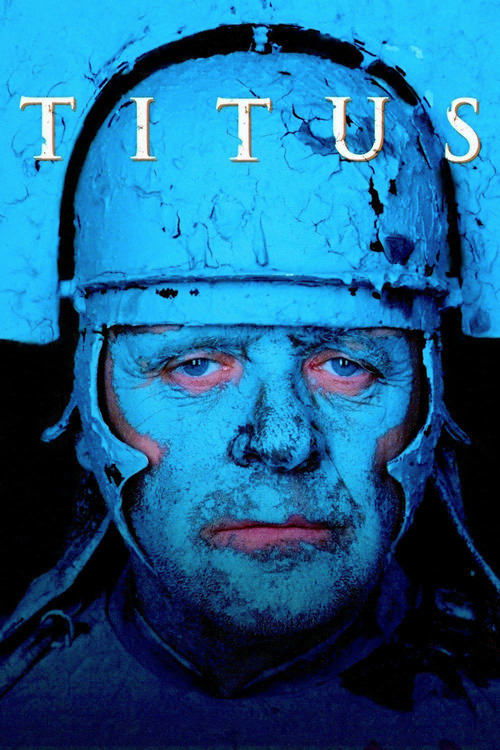
Titus
1999Titus Andronicus returns from the wars and sees his sons and daughters taken from him, one by one. Shakespeare's goriest and earliest tragedy.
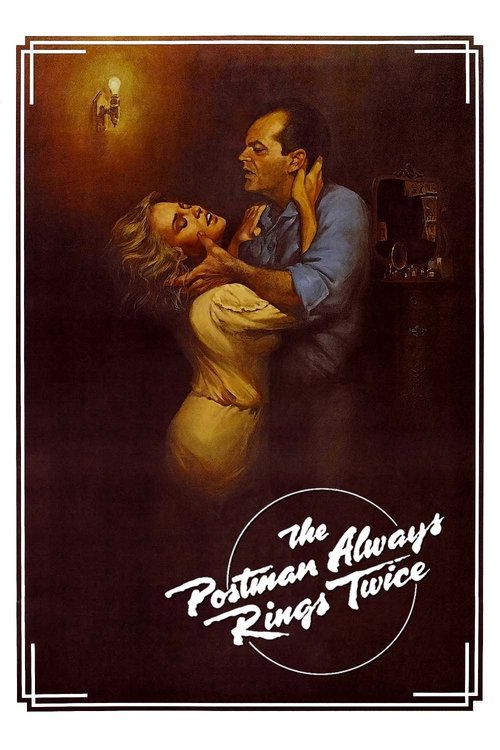
The Postman Always Rings Twice
1981The sensuous wife of a lunch wagon proprietor and a rootless drifter begin a sordidly steamy affair and conspire to murder her Greek husband.
With a smoldering, dangerous magnetism, Lange redefined the noir femme fatale for a more visceral era of filmmaking. She brings a desperate, earthy hunger to the screen that transformed the role into something far more psychological and savage than its predecessors.
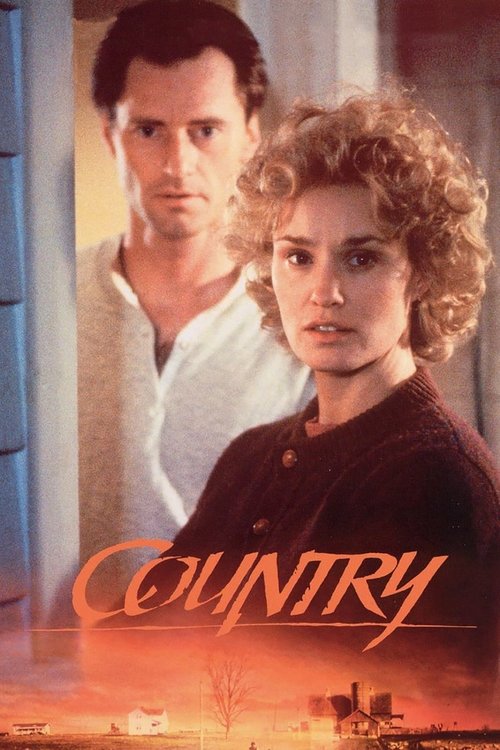
Country
1984Jewell and Gil are farmers. They seem to be working against the odds, producing no financial surplus. Gil has lost hope of ever becoming prosperous, but Jewell decides to fight for her family.
This performance thrives on a stark, unglamorous tenacity that perfectly mirrors the crumbling American farmstead. Lange’s work here is notable for its refusal of sentimentality, opting instead for a bruised and beautiful resilience.
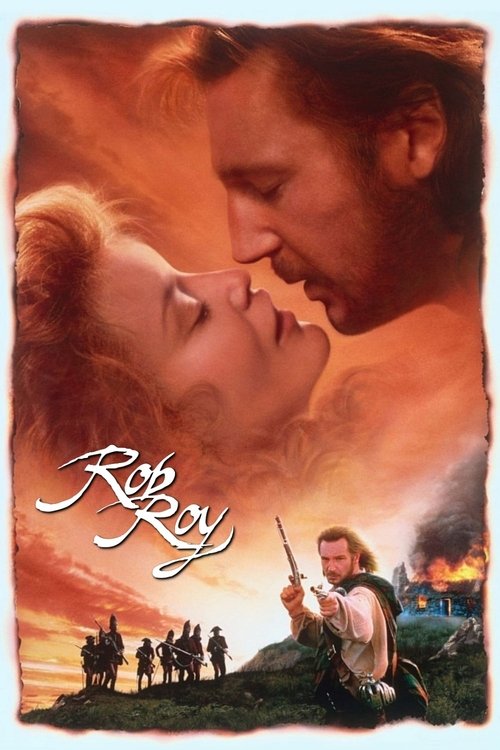
Rob Roy
1995In the highlands of Scotland in the 1700s, Rob Roy tries to lead his small town to a better future, by borrowing money from the local nobility to buy cattle to herd to market. When the money is stolen, Rob is forced into a Robin Hood lifestyle to defend his family and honour.
Amidst the sweeping highlands and masculine posturing, Lange provides a flinty, formidable backbone as Mary MacGregor. She imbues the traditional period wife role with a fierce resolve and sexual autonomy that feels contemporary and vital.
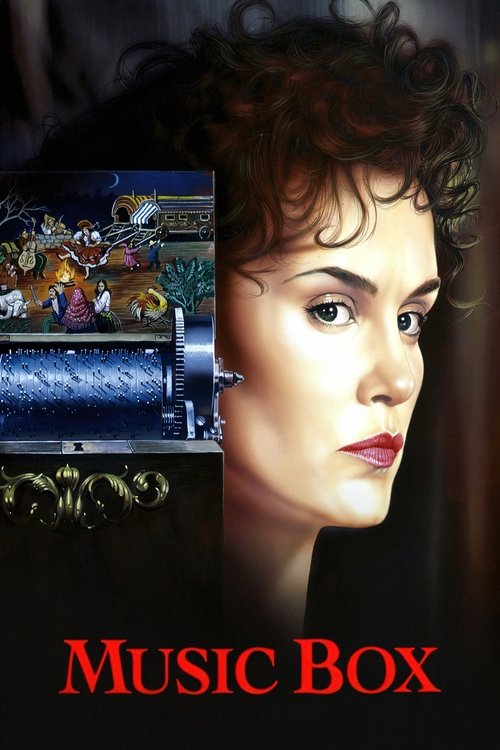
Music Box
1989A lawyer defends her father accused of war crimes, but there is more to the case than she suspects.
Lange excels in this courtroom drama by internalizing a moral collapse as she discovers the dark truth about her father. Her performance is a masterclass in the slow erosion of certainty, favoring pained silences over theatrical outbursts.
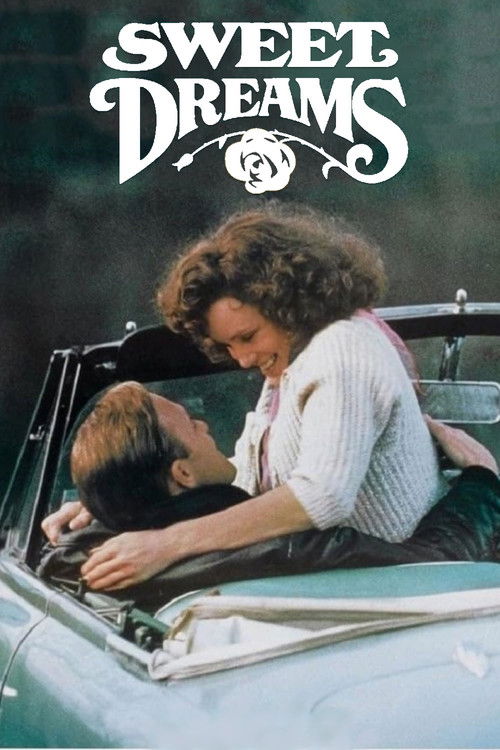
Sweet Dreams
1985The story of Patsy Cline, the velvet-voiced country music singer who died in a tragic plane crash at the height of her fame.
Tackling the ghost of Patsy Cline, Lange captures the brassy, vulnerable spirit of a legend without succumbing to mere imitation. It is a gritty, lived-in portrait of ambition and heartache that solidified her status as the preeminent dramatic lead of the eighties.
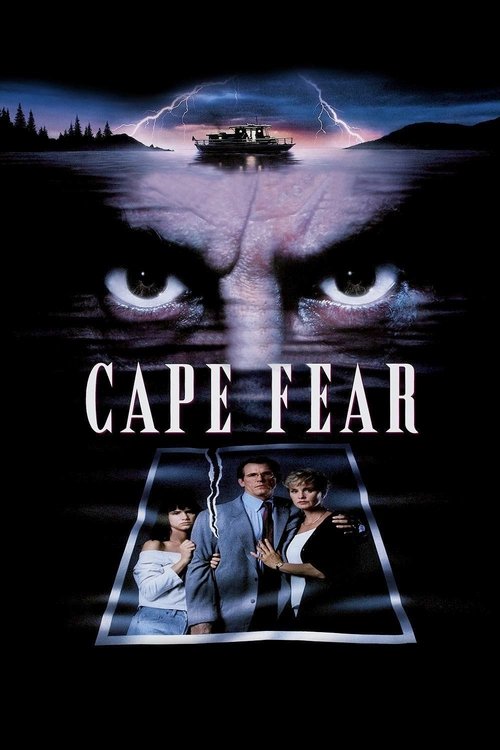
Cape Fear
1991Sam Bowden is a small-town corporate attorney. Max Cady is a tattooed, cigar-smoking, Bible-quoting, psychotic rapist. What do they have in common? 14 years ago, Sam was a public defender assigned to Max Cady's rape trial, and he made a serious error: he hid a document from his illiterate client that could have gotten him acquitted. Now, the cagey Cady has been released, and he intends to teach Sam Bowden and his family a thing or two about loss.
Lange navigates the suffocating dread of this thriller by portraying a domestic fracture with jagged, nervous energy. She refuses to be a passive victim, instead finding the sharp edges of a woman trapped in a psychological and physical pressure cooker.

All That Jazz
1979Joe Gideon is at the top of the heap, one of the most successful directors and choreographers in musical theater. But he can feel his world slowly collapsing around him - his obsession with work has almost destroyed his personal life, and only his bottles of pills keep him going.
In the ethereal role of Angelique, Lange serves as a shimmering, philosophical foil to Bob Fosse's frantic ego. Her otherworldly composure and feline elegance marked her as a sophisticated screen presence capable of commanding high-concept art house cinema.
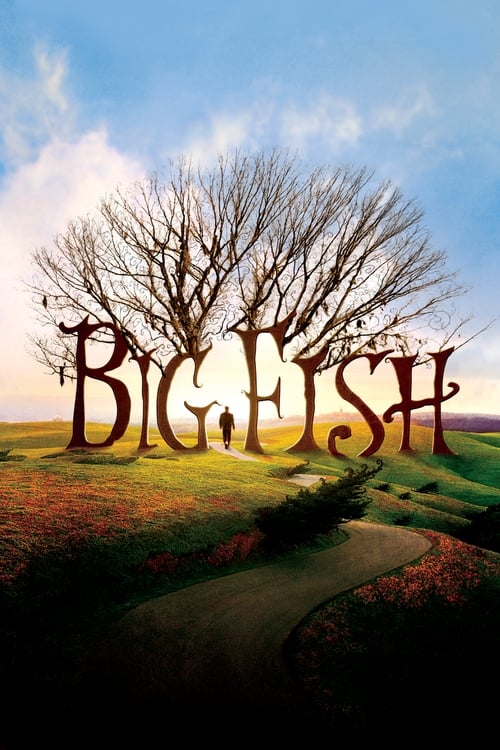
Big Fish
2003Throughout his life Edward Bloom has always been a man of big appetites, enormous passions and tall tales. In his later years, he remains a huge mystery to his son, William. Now, to get to know the real man, Will begins piecing together a true picture of his father from flashbacks of his amazing adventures.
As the serene heartbeat of Tim Burton’s whimsical odyssey, Lange utilizes a quiet, weathered grace to ground the film’s fantastical elements. Her ability to convey decades of shared history through a single look proves her mastery of subtler, autumnal roles.
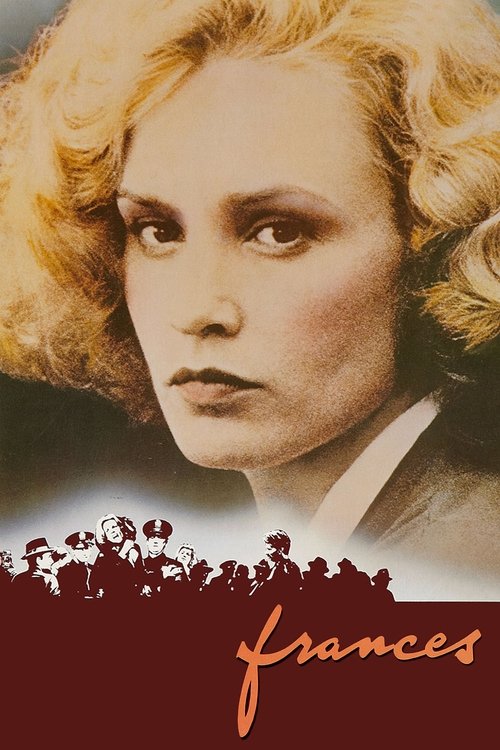
Frances
1982The true story of Frances Farmer's meteoric rise to fame in Hollywood and the tragic turn her life took when she was blacklisted.
A visceral tour de force of unraveling sanity and righteous indignation, this performance remains the definitive showcase of Lange's raw, uncompromising range. She elevates biographical tragedy into a haunting scream against institutional cruelty.
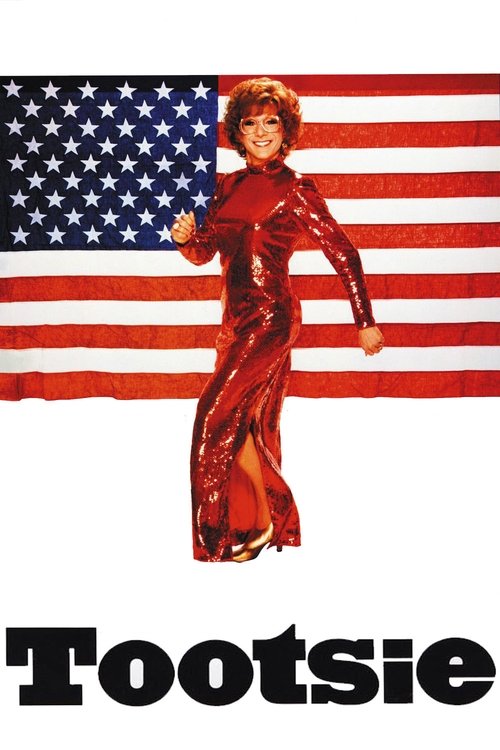
Tootsie
1982When struggling, out of work actor Michael Dorsey secretly adopts a female alter ego – Dorothy Michaels – in order to land a part in a daytime drama, he unwittingly becomes a feminist icon and ends up in a romantic pickle.
Lange radiates a soft, luminous intelligence that provides the film's essential emotional anchor. This Oscar winning role successfully pivoted her away from bombshell perceptions and into the realm of respected character study.
Frequently Asked Questions
Everything you need to know about this list and SnakeDrafts
- In "Tootsie," Jessica Lange delivers a comedic performance blended with romance, portraying the love interest in a story about an actor navigating gender roles. This film highlights her versatility beyond dramatic roles.
- Jessica Lange's portrayal in "Frances" is widely regarded as a powerful dramatic achievement, reflecting a deeply emotional and intense performance. This role cemented her reputation as a formidable character actress in Hollywood.
- Movies like "Cape Fear" and "Music Box" showcase Jessica Lange's strength in drama and thriller genres, where she plays complex characters faced with moral and psychological challenges. These films emphasize her ability to convey tension and emotional depth.
- Yes, Jessica Lange has collaborated with renowned directors such as Sydney Pollack, Tim Burton, Martin Scorsese, and Bob Fosse. These collaborations have contributed to some of her most iconic and critically praised performances.
- Jessica Lange often embodies characters with a compelling duality of strength and vulnerability, portraying women on the brink of breakthrough or breakdown. This complexity is evident in films like "Blue Sky" and "Frances," making her performances deeply resonant.
- "Big Fish" is the film that combines adventure, fantasy, and drama, featuring Jessica Lange in a whimsical yet emotionally rich narrative. Her role adds a profound layer to this Tim Burton-directed classic.
- Yes, "Sweet Dreams" is a biographical drama with musical elements, where Jessica Lange portrays country singer Patsy Cline. This film highlights her ability to capture real-life figures with authenticity and emotional depth.