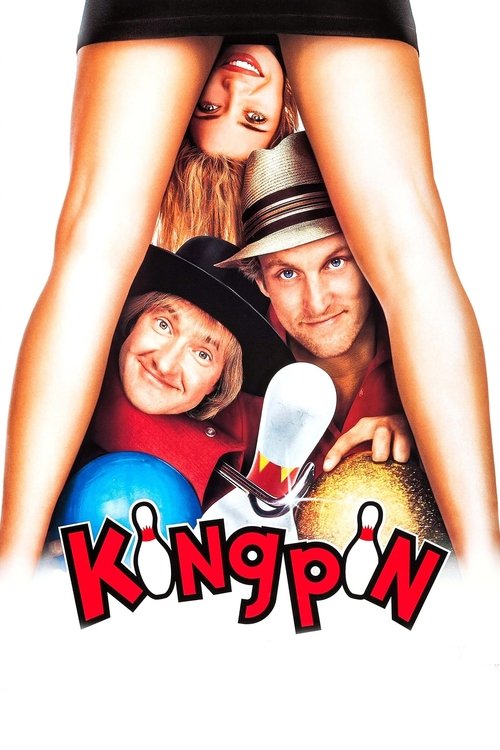
Kingpin
Get ready for a strike of laughter with "Kingpin," the uproarious 1996 comedy that bowls audiences over with its unforgettable characters and outrageous premise. This cult classic delivers a perfect game of slapstick humor and heartfelt underdog spirit, making it a must-watch for comedy fans. Discover the hilarious journey of a disgraced bowling prodigy and his unlikely Amish protégé as they aim for greatness and redemption on the lanes.
Director
Bobby Farrelly
Release Year
1996
Runtime
114 minutes
Genres
Main Cast
Woody Harrelson, Randy Quaid, Vanessa Angel, Bill Murray, Chris Elliott
About Kingpin
"Kingpin," directed by the Farrelly brothers, arrived in 1996 as a memorable entry in the canon of gross-out comedies, yet it cleverly infused its raunchy humor with a surprising amount of heart. While not an immediate box office smash, its unique blend of comedic timing, eccentric characters, and a genuinely engaging underdog story resonated deeply with audiences over time, securing its status as a beloved cult classic. Its quotable lines and memorable sequences have been ingrained in popular culture.
The film introduces us to Roy Munson, a once-promising professional bowler whose career is tragically cut short by a fateful encounter with a group of hustlers. Years later, living a life of destitution, he stumbles upon Ishmael, an Amish bowling prodigy with an innocent demeanor and an undeniable talent. Roy sees in Ishmael his ticket back to the big leagues, not just for the money, but for a chance to settle an old score with his former rival, the arrogant and flamboyant Big Ern. The premise sets the stage for a riotous road trip comedy filled with bizarre encounters and hilarious mishaps.
Critically, "Kingpin" received a mixed reception upon its initial release, with some critics appreciating its audacious humor and performances, particularly Bill Murray's scene-stealing turn as Big Ern. Others found its comedic style too broad or its humor too outlandish. However, its reputation has steadily grown, with many now recognizing its sharp wit and clever subversion of sports movie clichés. The film has been lauded for its unique comedic voice, which blends the absurd with genuinely endearing character arcs.
The legacy of "Kingpin" is cemented by its enduring popularity and its influence on subsequent comedies. It effectively showcases the Farrelly brothers' signature style of combining outrageous gags with underlying warmth. The film's memorable characters and iconic one-liners continue to be referenced and celebrated, ensuring its place as a comedy favorite that exemplifies the irreverent spirit of 90s cinema.
Drafts Featuring Kingpin
Every SnakeDrafts listicle where this movie appears
Similar Movies
Movies related to Kingpin
Frequently Asked Questions
Everything you need to know about Kingpin
- Roy Munson's hook hand is a central plot device and a symbol of his downfall. It's a constant reminder of the fateful incident that ended his professional bowling career and fuels his desire for redemption, driving the narrative forward as he seeks to vicarious return to his former glory.
- Ishmael's Amish background provides a stark contrast to Roy's cynical, worldly perspective, creating much of the film's comedic tension and heart. His innocence, strong moral compass, and initial unfamiliarity with modern life lead to hilarious misunderstandings and ultimately, a profound impact on Roy's journey of self-discovery.
- Big Ern McCracken, expertly portrayed by Bill Murray, embodies the antithesis of sportsmanship with his flashy demeanor, blatant cheating, and smug arrogance. His over-the-top personality and memorable taunts cemented his status as a quintessential comedic antagonist, providing the perfect foil to Roy and Ishmael's underdog story.
- The theme of redemption is central to "Kingpin," as both Roy and Ishmael seek a form of salvation. Roy aims to reclaim his lost glory and clear his conscience, while Ishmael strives to save his family farm. Their shared goal on the bowling lanes ultimately leads to personal growth and a chance for a new beginning for both characters.
- Claudia, initially appearing as an opportunist, becomes a crucial catalyst for both humor and narrative progression. She often acts as a voice of reason (or unreason), providing a bridge between Roy's cynicism and Ishmael's naivety, contributing significantly to the film's chaotic and comedic road trip dynamic.
- Roy Munson's hook hand is a central plot device and a symbol of his downfall. It's a constant reminder of the fateful incident that ended his professional bowling career and fuels his desire for redemption, driving the narrative forward as he seeks to vicarious return to his former glory.

