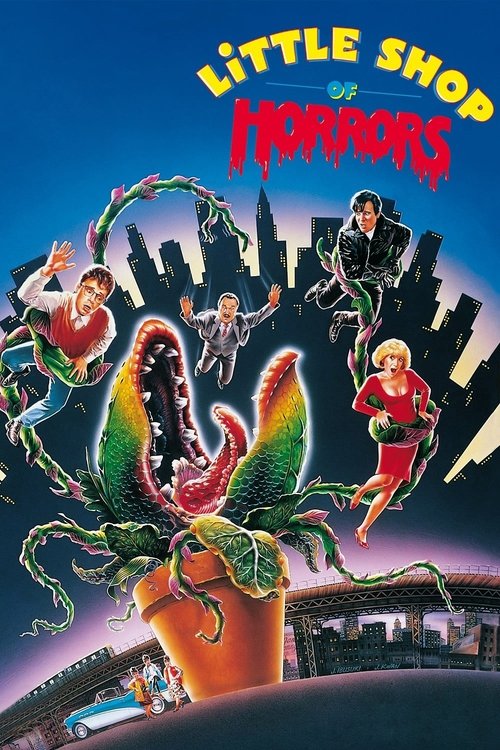
Little Shop of Horrors
Get ready for a darkly comedic, rock-and-roll musical romp where a timid florist's assistant discovers a plant with a peculiar appetite. This cult classic blends horror and humor, delivering catchy tunes and unforgettable performances that will leave you both laughing and screaming for more. Dive into the eccentric world of Skid Row, where a carnivorous plant promises fame and fortune, but demands a bloody price.
Director
Frank Oz
Release Year
1986
Runtime
94 minutes
Main Cast
Rick Moranis, Ellen Greene, Vincent Gardenia, Levi Stubbs, Steve Martin
About Little Shop of Horrors
"Little Shop of Horrors" bloomed onto screens in 1986, captivating audiences with its unique blend of horror, comedy, and musical spectacle. Directed by Frank Oz, the film is an adaptation of the 1982 Off-Broadway musical, which itself was based on Roger Corman's low-budget 1960 B-movie. The film's vibrant aesthetic, memorable songs by Alan Menken and Howard Ashman, and unforgettable puppetry for the insatiable Audrey II cemented its place as a cult classic, celebrated for its stylistic audacity and genre-bending charm.
At its core, the film tells the tale of Seymour Krelborn, a meek floral assistant who stumbles upon a sentient, carnivorous plant he names Audrey II. As Audrey II grows, so does Seymour's fame and fortune, but at a horrifying cost: the plant demands human blood to survive. The narrative cleverly explores themes of ambition, moral compromise, and the seductive nature of material gain, all wrapped in a darkly humorous package. The escalating demands of Audrey II push Seymour into increasingly desperate acts, highlighting the slippery slope of Faustian bargains.
The critical reception for "Little Shop of Horrors" was largely positive, with praise directed at its innovative production design, the energetic performances of its cast (particularly Rick Moranis as Seymour and Ellen Greene reprising her stage role as Audrey), and the infectious musical numbers. The film garnered an Academy Award nomination for Best Original Song and earned a dedicated following for its unique tone and creative execution. Its blend of practical effects and lively music made it a standout in the musical horror genre.
Beyond its initial theatrical run, "Little Shop of Horrors" has enjoyed a lasting legacy, inspiring countless stage productions, parodies, and even a dedicated fan base. Its influence can be seen in subsequent films and television shows that experiment with genre conventions and dark humor. The film's cautionary tale about unchecked desires and the consequences of compromising one's ethics continues to resonate, while its memorable songs remain beloved by musical theater and film enthusiasts alike. It stands as a testament to the power of creative adaptation and the enduring appeal of a giant, singing, man-eating plant.
Drafts Featuring Little Shop of Horrors
Every SnakeDrafts listicle where this movie appears
Similar Movies
Movies related to Little Shop of Horrors
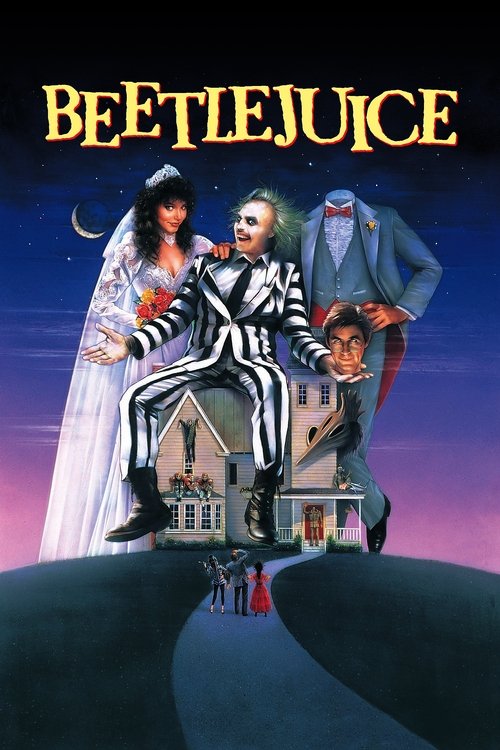
Beetlejuice
1988
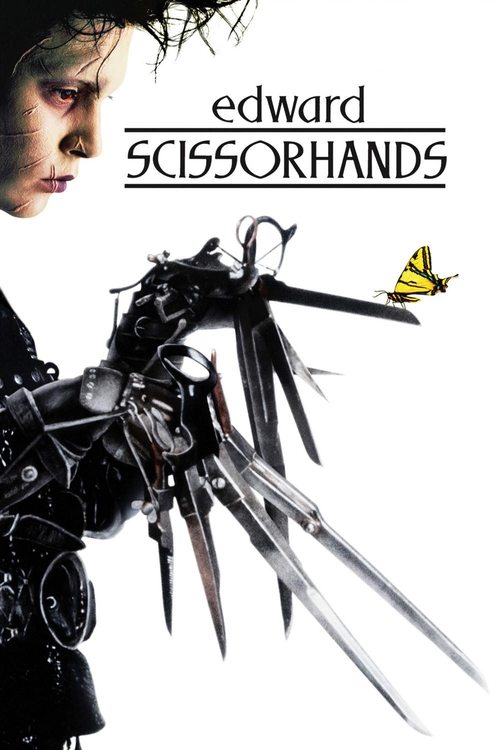
Edward Scissorhands
1990
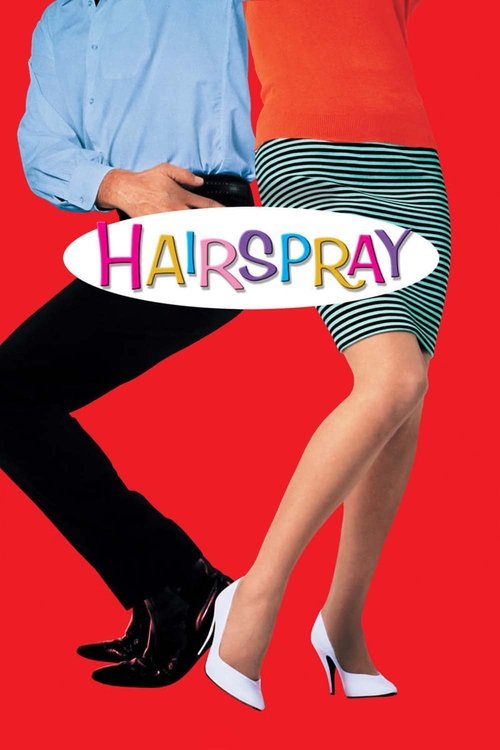
Hairspray
1988
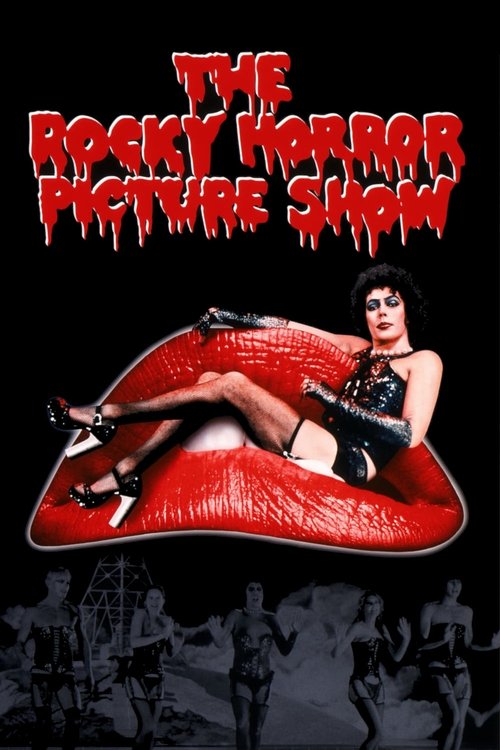
The Rocky Horror Picture Show
1975
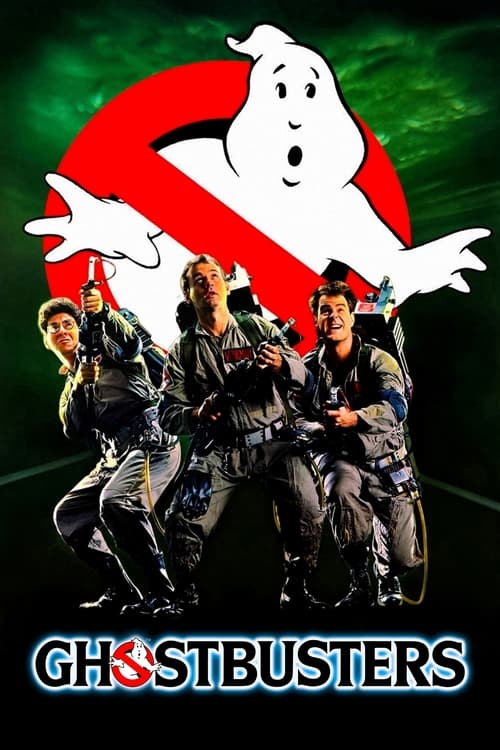
Ghostbusters
1984
Frequently Asked Questions
Everything you need to know about Little Shop of Horrors
- Seymour names the unique plant Audrey II after his coworker and crush, Audrey Fulquard. This act imbues the plant with a personal connection to Seymour's desires and aspirations, linking his love for Audrey with the plant's growth and, ultimately, his downfall.
- The theatrical release features a more upbeat ending where Seymour and Audrey survive and move into a suburban home, while the original cut, famously known as the Director's Cut, depicts Audrey II succeeding in its conquest, leading to the destruction of Seymour, Audrey, and eventually, the world. The darker original ending aligns more closely with the stage musical's tragic conclusion.
- Audrey II primarily symbolizes unchecked greed, ambition, and the corrupting nature of material success. The plant offers Seymour everything he desires – fame, fortune, and Audrey's love – but at the increasing cost of his morality and the lives of others, reflecting a Faustian bargain.
- The perpetual rain in Skid Row can be interpreted as a symbol of the pervasive dreariness, poverty, and despair that define the characters' lives. It visually emphasizes the bleak environment from which Seymour yearns to escape and contrasts with the vibrant, yet sinister, allure of Audrey II.
- 'Suddenly, Seymour' is a pivotal moment for Audrey as it showcases her vulnerability, her deep yearning for a loving relationship, and her blossoming hope for a better future with Seymour. The song reveals her inner world and her dreams beyond the harsh realities of Skid Row, making her character more relatable and sympathetic to the audience.

