The Top Movies Featuring Ted Knight
Legendary Performances from a Comedy Icon
Discover the most impactful film roles of Ted Knight, from his legendary turn in Caddyshack to his early dramatic career in Hollywood.
About Ted Knight
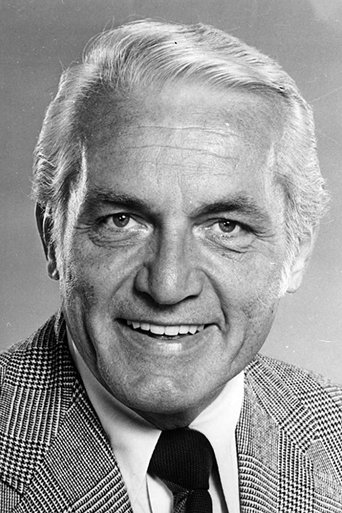
In the pantheon of twentieth century character actors, few possessed the ability to weaponize self importance quite like Ted Knight. He was a master of the slow burn, a performer who could take a veneer of distinguished authority and let it crumble into a chaotic, spluttering mess for our collective amusement. While he eventually became a household name through television, his path through the studio system was paved with a surprising variety of textures. He spent years inhabiting the gritty corners of the industry, lending his unmistakable voice and rigid posture to hard boiled features like Cage of Evil and 13 West Street. In those early days, he was often the man in the suit who looked like he knew something you didnt, a quality he brought to the tense atmosphere of Blindfold and the criminal underworld of Young Dillinger.
Audiences connected with him because he represented a very specific, very recognizable brand of American fragility. He was the avatar for every middle manager or authoritative figure who felt the world was moving just a little too fast for their liking. Even in the high stakes political drama of The Candidate or the claustrophobic tension of the space race thriller Countdown, there was a simmering intensity beneath his silver haired exterior. He understood that the most effective way to play ego was to make it brittle. By the time he appeared in Anatomy of a Crime or the urban paranoia of Nightmare in Chicago, he had perfected the art of the respectable man on the verge of a very public tantrum.
Of course, the zenith of this archetype arrived when he stepped onto the grass at Bushwood Country Club. As Judge Elihu Smails in the 1980 classic Caddyshack, he created one of the most enduring antagonists in film history. It takes a monumental talent to act as the straight man against a whirlwind like Rodney Dangerfield, yet Knight stood his ground by leaning into Smails’ hilariously misplaced sense of dignity. He turned snobbery into a physical comedy routine, proving that no one was better at playing a man who took himself far too seriously. Whether he was losing his temper on a putting green or trying to maintain decorum in a world of slobs, he made the audience love to hate him.
His legacy is one of impeccable timing and a deep understanding of human vanity. He transformed the quintessential authority figure into a fountain of comedic gold without ever losing the humanity that made the characters feel real. Even decades later, as evidenced by the retrospective celebrations in Caddyshack: The 19th Hole, his impact on the genre remains a benchmark for how to play the foil. He didn't just deliver lines; he inhabited an entire mindset of hilariously misplaced confidence. Behind that booming voice and those perfectly tailored blazers was a performer who knew that the funniest thing in the world is a powerful man realizing he has absolutely no control. He was the gold standard for the beautiful, blustering fool.
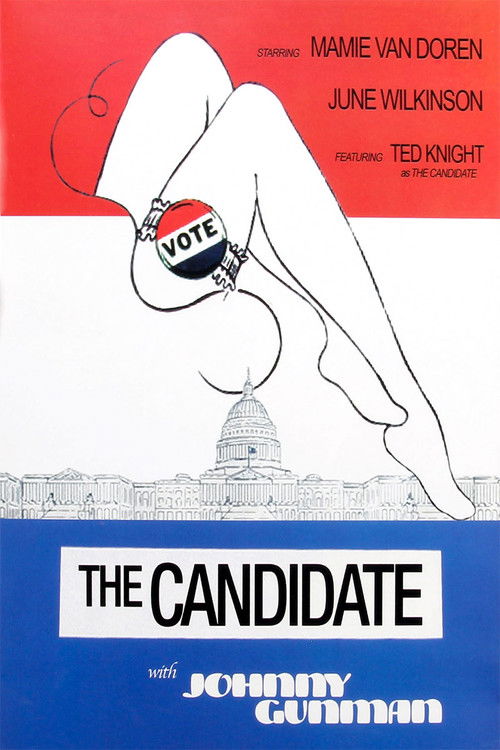
The Candidate
1964Samantha, a hard working modern woman who, because of a chance encounter with senatorial candidate Frank Carlton, is offered a job by conniving campaign runner Eric aiming to work for the prospective senator. She agrees and we are then shown the complicated way various relationships shape the campaign and how it all falls apart.
Knight fits seamlessly into this political drama, projecting a polished and calculated reliability that hints at the media-savvy characters he would eventually perfect. It is an understated turn that relies on his natural screen presence rather than overt theatricality.
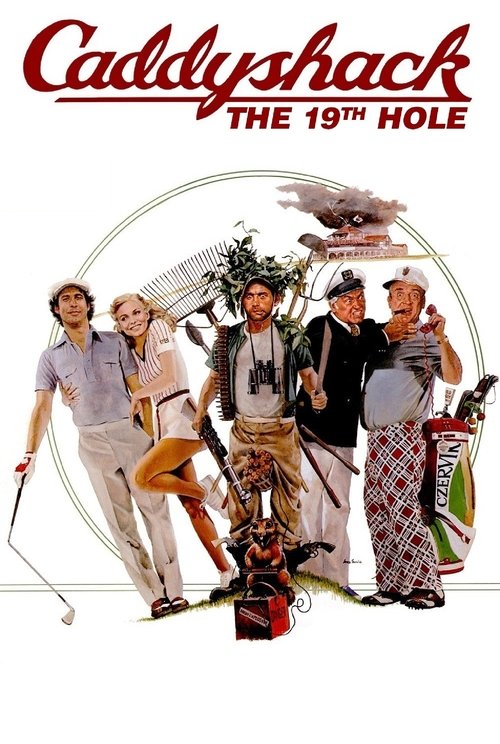
Caddyshack: The 19th Hole
1999Behind-the-scenes documentary of the making of 'Caddyshack'. Among the people interviewed: producer Jon Peters, writer/director Harold Ramis, and players Cindy Morgan, Scott Colomby, Ann Ryerson, Hamilton Mitchell, and Chevy Chase.
Though appearing through archival means, Knight’s spectral presence in this documentary serves as a tribute to his status as a comedic titan. The retrospective highlights how his specific brand of pomposity became the architectural foundation for the entire franchise.
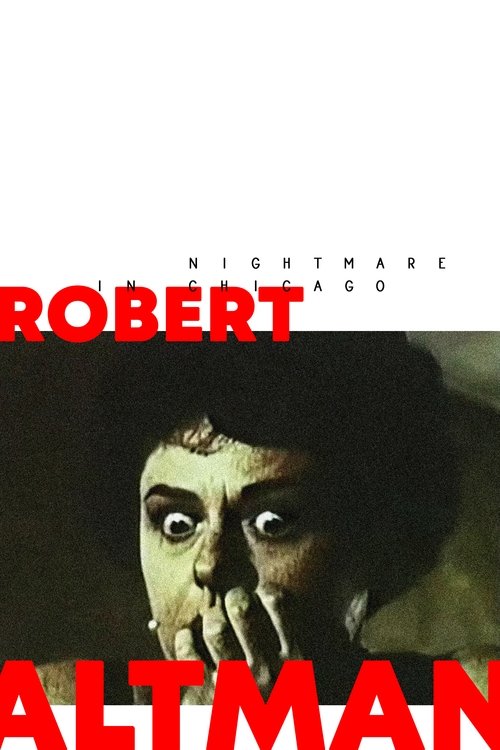
Nightmare in Chicago
1964The story of a serial killer known as "Georgie Porgie." The Chicago turnpike is threatened over a three-day period as the police try to catch him by blocking the whole area.
The actor’s role in this chilling manhunt story is marked by a frantic, high-stakes energy that utilizes his gift for expressing mounting panic. It is a rare opportunity to see him operate within a pure suspense framework where his character’s survival is genuinely in doubt.
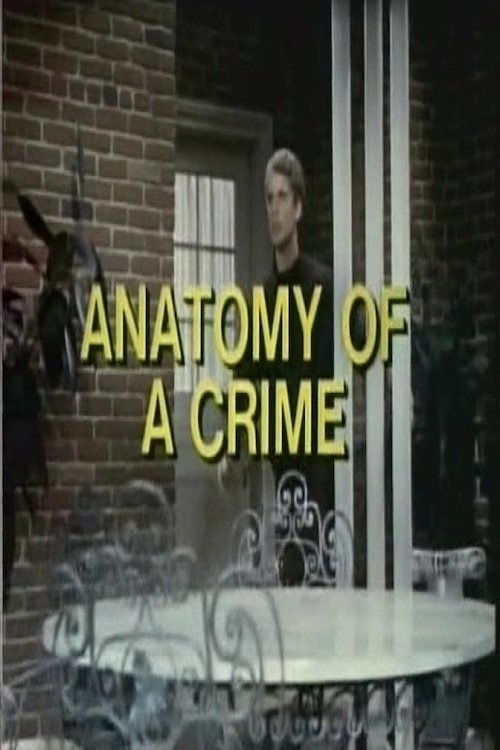
Anatomy of a Crime
1969Private detective David Ross has two apparently unconnected cases to investigate in the same day. In the first he is hired by a millionaire who paid a large ransom for his kidnapped daughter twelve years before, but she was never seen again. Now a woman has come forward who claims the young girl she raised is the millionaire's missing daughter. Later, Ross is contacted by a retired burlesque dancer who's about to publish her memoirs and possibly reveal the secrets of some important people, but someone is determined to stop her.
Knight explores the moral gray areas of law enforcement here, offering a more nuanced and cynical take on his usual authoritative archetype. The film serves as a pivotal bridge between his early character work and the polished personas of his television peak.
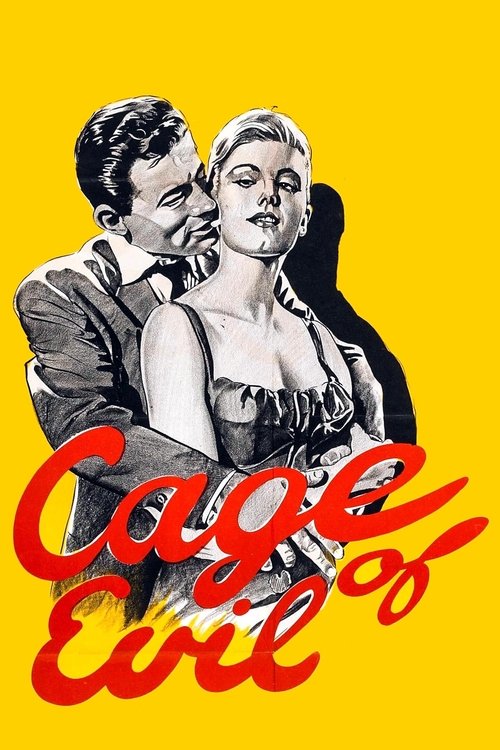
Cage of Evil
1960While investigating a diamond heist, disgruntled cop Harper falls for Holly, the top suspect's main squeeze. When she convinces him to kill her boyfriend and make off with her and the loot, they start down a treacherous path full of dark surprises.
In this low-budget crime piece, Knight navigates the shadows with a lean intensity that highlights his early struggle for leading-man recognition. He brings a surprising gravity to the B-movie material, elevating the production through sheer conviction.
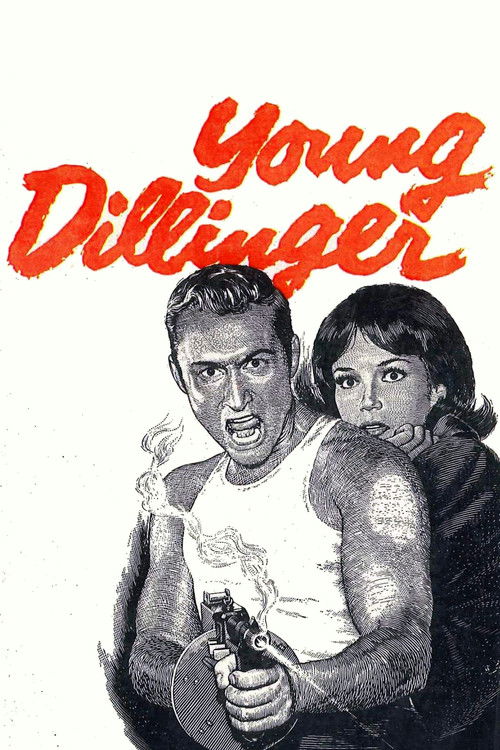
Young Dillinger
1965The 1930s outlaw teams up with Pretty Boy Floyd, Baby Face Nelson and Homer Van Meter.
Knight leans into the noir aesthetic as a federal agent, offering a rigid and moralistic counterpoint to the titular outlaw. This early role showcases his knack for portraying characters who represent the unyielding, often humorless, face of the law.
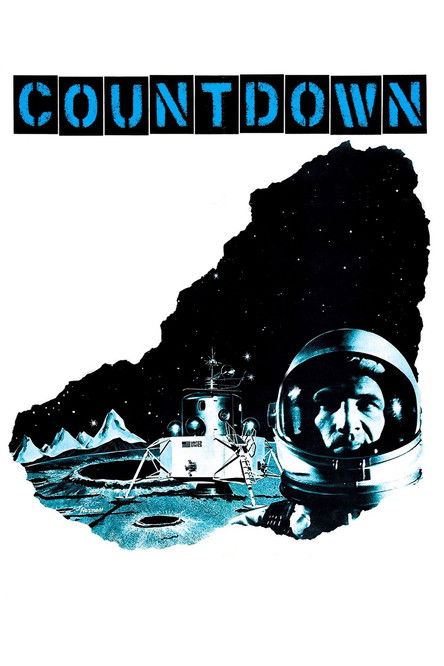
Countdown
1967Desperate to land a man on the moon before Russia does, NASA hastily preps a would-be spaceman for a mission that would leave him alone in a lunar shelter for a year.
Knight brings a necessary bureaucratic coldness to Robert Altman’s space race procedural. His ability to inhabit the sterile world of high-stakes science provides a fascinating look at his career before he became synonymous with high-energy caricature.
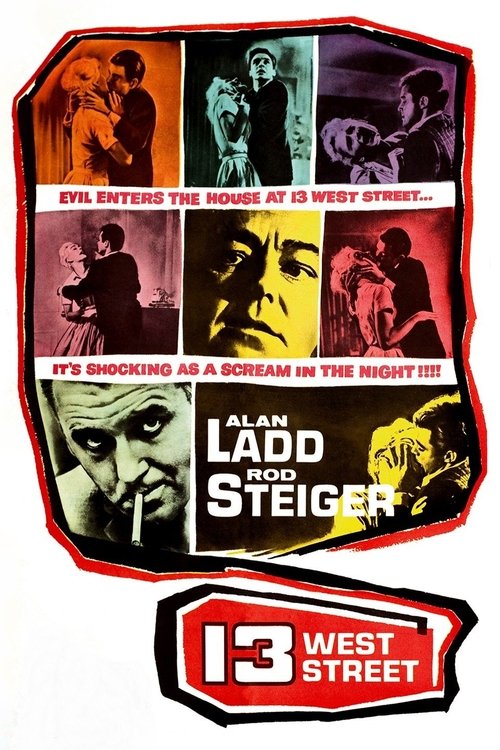
13 West Street
1962Walt Sherill is attacked and beat down by a group of juvenile delinquents on his way home from work one night. The boys who attacked him are not previously known by the police and are therefore hard to track down. As Sherill starts getting impatient he begins his own investigation. Meanwhile, Detective Sergeant Koleski does his best to track down the culprits.
Playing a detective in this gritty urban drama, Knight utilizes his booming vocal presence to command authority without the wink of a sitcom eye. His performance grounds the film’s tension, proving he could hold his own alongside hard-boiled veterans.
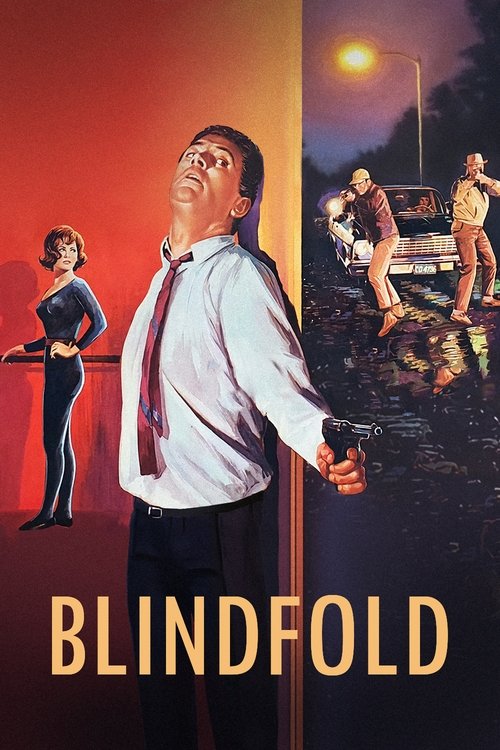
Blindfold
1966A patient being psychoanalyzed by Dr. Snow is a government scientist. General Pratt hides him in a secret place known as "Base X," forcing Dr. Snow to wear a blindfold whenever he is taken there ...
In this psychological thriller, Knight demonstrates a sharp, professional restraint that departs significantly from his later comedic persona. It stands as a vital record of his versatility within the studio system’s more serious genre offerings.
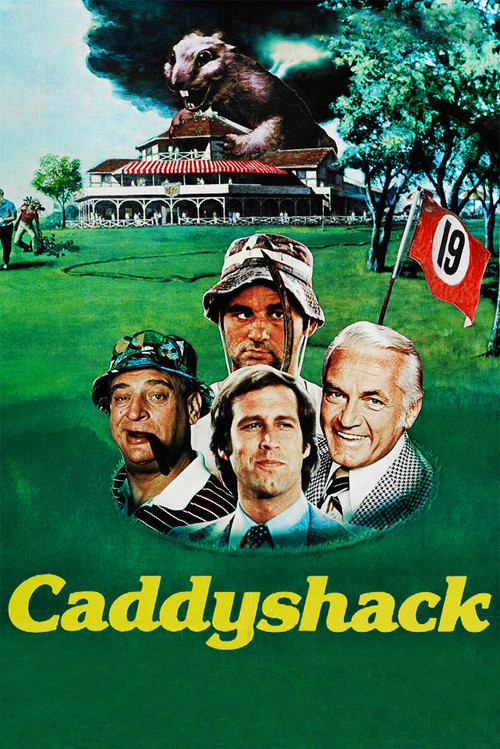
Caddyshack
1980At an exclusive country club, an ambitious young caddy, Danny Noonan, eagerly pursues a caddy scholarship in hopes of attending college and, in turn, avoiding a job at the lumber yard. In order to succeed, he must first win the favour of the elitist Judge Smails, and then the caddy golf tournament which Smails sponsors.
Knight’s Judge Smails is a masterclass in slow-burn comedic entitlement, providing the essential abrasive friction that makes the film’s anarchy work. This role remains his definitive big-screen contribution, immortalizing his talent for playing the flustered architect of a crumbling social order.
Frequently Asked Questions
Everything you need to know about this list and SnakeDrafts
- In 'Caddyshack,' Ted Knight portrayed Judge Elihu Smails, a role that showcased his masterful ability to blend self-importance with comedic chaos. His performance remains iconic for its slow burn and the comedic disintegration of his character's façade, making it a standout in his career.
- Ted Knight's early roles, such as in '13 West Street' and 'Cage of Evil,' often placed him in gritty, dramatic settings where he played complex characters in crime and thriller genres. This contrasted with his later comedic work, exemplified by 'Caddyshack,' where he leveraged his authority figure persona for humor.
- Ted Knight worked under notable directors like Robert Altman, who directed him in 'Countdown' and 'Nightmare in Chicago,' and Philip Dunne, who directed 'Blindfold.' These collaborations highlight Knight's versatility across different genres including thriller, romance, and crime drama.
- Ted Knight's filmography demonstrates significant thematic diversity, ranging from comedy in 'Caddyshack' to crime dramas like '13 West Street' and sci-fi thrillers such as 'Countdown.' This variety underlines his adaptability and depth as an actor capable of handling different tones and styles.
- Ted Knight was renowned for his ability to weaponize self-importance, transforming authoritative characters into sources of humor or tension through subtle decay of their composure. This is especially evident in 'Caddyshack' and 'Blindfold,' where his slow-burn comedic style became his signature.
- Yes, Ted Knight starred in TV movies like 'Anatomy of a Crime' and 'Nightmare in Chicago,' which often had darker, more suspenseful narratives compared to his theatrical comedies. These roles allowed him to explore more nuanced and dramatic aspects of his craft.
- Ted Knight's performances in crime dramas such as '13 West Street' and 'Young Dillinger' showcased his ability to portray complex characters facing moral and legal challenges. These roles helped establish him as a versatile character actor capable of delivering intense and compelling performances.