The Complete Ranking of Rodney Dangerfield Movies
The King of No Respect and Comedy Classics
Explore the finest cinematic performances and iconic comedies of legendary master of one-liners Rodney Dangerfield in this definitive career guide.
About Rodney Dangerfield

In the pantheon of comedy legends, few figures loom as large or as sweatily as the man who turned self-deprecation into a high art form. He built an empire on the premise of being a perpetual loser, yet his career remains one of the most improbable success stories in Hollywood history. With his trademark bulging eyes and a hand perpetually tugging at a red necktie, he became the patron saint of the overlooked. He spoke for every person who ever felt like they were on the outside looking in, perfecting a persona that weaponized insecurity into a relentless barrage of one-liners.
While most actors find their footing in their twenties, he didn't truly explode into the cultural consciousness until his fifties. This late-bloomer status gave him a gritty, blue-collar authenticity that resonated deeply with audiences. By the time he crashed the elite country club set in Caddyshack, he wasn't just playing a character; he was a human wrecking ball aimed directly at the snobbery of the upper class. As Al Czervik, he provided the chaotic heart of the film, proving that a loud suit and a louder personality could dismantle any social hierarchy. It was a role that established him as the ultimate disruptor, a title he would carry through a decade of box office dominance.
The 1980s saw him pivot from a scene-stealer to a legitimate leading man. In Easy Money, he channeled the domestic frustrations of a man struggling with his vices, while Back to School turned him into the world's unlikeliest college freshman. These films leaned into his unique ability to be simultaneously vulgar and vulnerable. Watching him perform a Triple Lindy or trade barbs with stone-faced academics, you realized his appeal lay in his refusal to play by the rules. He was the uncle who told inappropriate jokes at Thanksgiving but ultimately had the biggest heart in the room. Even when he ventured into animation with Rover Dangerfield, that raspy, weary voice carried a world-weary charm that made a cartoon dog feel remarkably human.
His versatility often went underappreciated because his stand-up persona was so potent. However, his turn in Natural Born Killers offered a jarring, terrifying glimpse into his range, stripping away the laughs to reveal a sickeningly dark side of the Everyman. It was a reminder that his comedy was rooted in real, sometimes painful, human observation. He could play the concerned coach in Ladybugs or the media-savvy protagonist in Meet Wally Sparks, yet he always maintained that thread of frantic desperation that made him so relatable. Even in smaller, later turns like his devilish cameo in Little Nicky, his timing remained surgical.
Long before the blockbusters, his appearance in The Projectionist hinted at the surreal, cinematic mind lurking behind the jokes. He never actually stopped working for respect, and in the process, he earned the eternal devotion of comedy fans worldwide. He remains a pillar of the genre because he understood a fundamental truth about the human condition: most of us feel like we are failing, and there is immense power in laughing at that failure. He didn't just tell jokes; he gave us permission to be a little bit of a mess. In an industry obsessed with polished perfection, he was a glorious, sweating, shouting reminder that the loudest guy in the room is often the one we love the most.
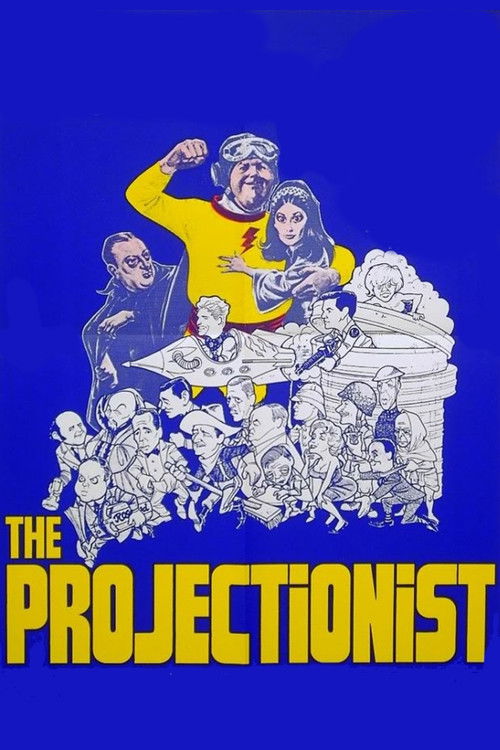
The Projectionist
1970A projectionist bored with his everyday life begins fantasizing about his being one of the superheroes he sees in the movies he shows.
This early experimental work captures a raw, unrefined version of the legend before his persona became a polished comedy franchise. It is a fascinating historical artifact that showcases his ability to move between surrealism and silent-film style physicality long before he became a household name.
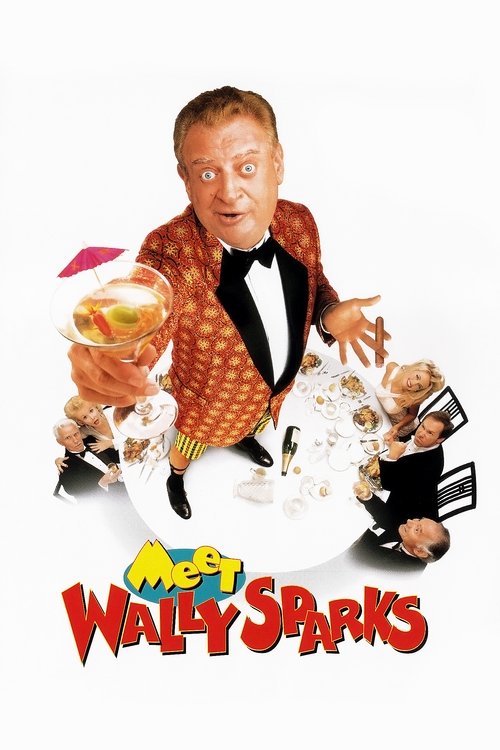
Meet Wally Sparks
1997Wally Sparks is a tabloid TV show reporter who's trying to boost ratings on his show. He goes to the governor's mansion to uncover a sex scandal.
Returning to his roots as a tabloid-baiting provocateur, Dangerfield leans heavily into the shock-humor tropes of the late nineties. The role serves as a final, loud reclamation of his 'no respect' mantra in a media landscape that had already begun to move past his style of broad satire.
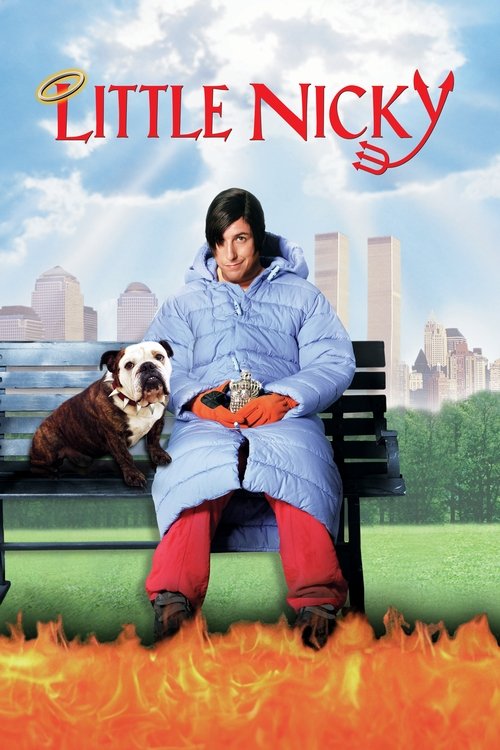
Little Nicky
2000After the lord of darkness decides he will not cede his throne to any of his three sons, the two most powerful of them escape to Earth to create a kingdom for themselves. This action closes the portal filtering sinful souls to Hell and causes Satan to wither away. He must send his most weak but beloved son, Little Nicky, to Earth to return his brothers to Hell.
Playing Lucifer as a cranky grandfather passing the torch, Dangerfield provides a bridge between his era of comedy and the next generation of Saturday Night Live stars. His weary authority offers some much-needed grounding amidst the screeching chaos of the film's frenetic energy.
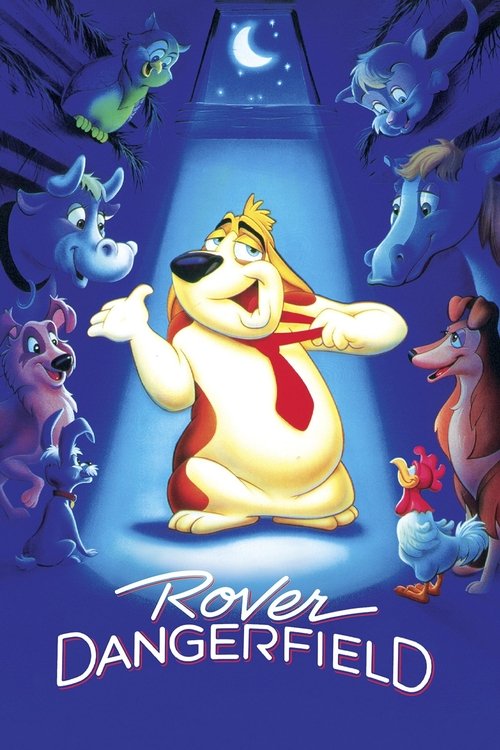
Rover Dangerfield
1991Rover, a street-smart dog owned by a Las Vegas showgirl is dumped off Hoover Dam by the showgirl's boyfriend. Rather than drowning, Rover winds up in your basic idyllic farm in a classic city-boy-in-country shtick.
By transposing his physical tics and weary cynicism onto an animated bloodhound, Dangerfield successfully distilled his entire brand into a cartoon avatar. It stands as a curious monument to his vanity, serving as an feature-length tribute to his own iconic stand-up rhythm.
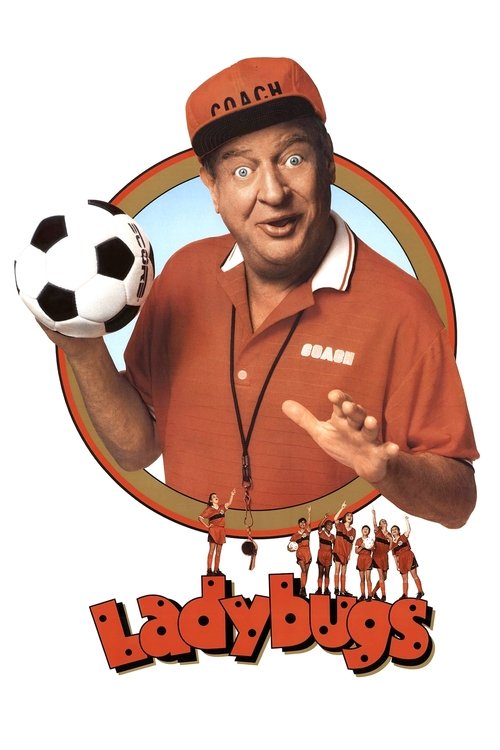
Ladybugs
1992To climb the corporate ladder to success, a businessman agrees to coach his company's all-girl soccer team with the help of his secret weapon: his fiancee's son.
Attempting to bridge the gap between his blue humor and family-friendly slapstick, Dangerfield relies on pure persistence to carry this drag-centric farce. While the material is lightweight, his commitment to the bit remains unshakable even when surrounded by the conventions of a standard nineties youth comedy.
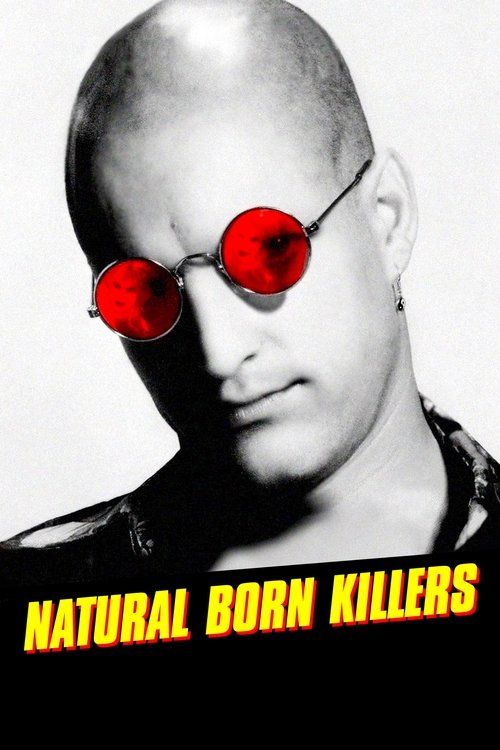
Two victims of traumatized childhoods become lovers and serial murderers irresponsibly glorified by the mass media.
Oliver Stone tapped into the genuine menace lurking behind those bulging eyes, casting Dangerfield as a grotesque patriarch in a chilling departure from his usual self-deprecation. This brief but terrifying turn revealed a dramatic range that few suspected lay beneath his comedic veneer.
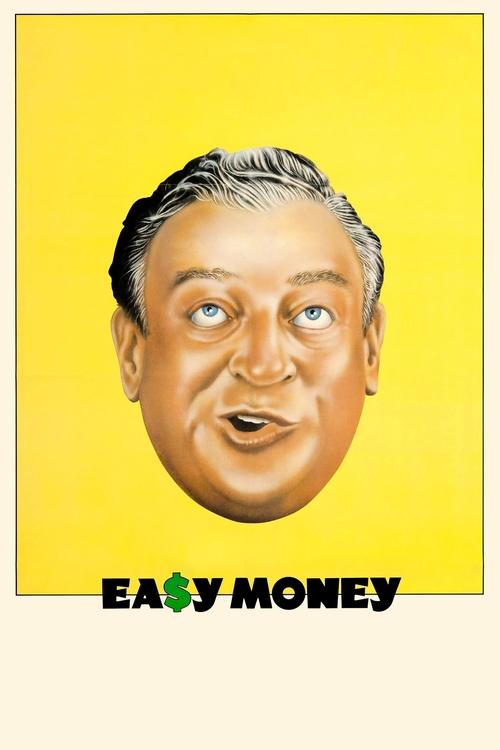
Easy Money
1983To inherit his mother-in-law's colossal fortune, a hard living gambling addict must change his unhealthy ways before it gets the best of him.
The comedian finds a gritty, working-class rhythm here, discarding the tuxedo for a more grounded portrayal of suburban vice and domestic chaos. It is a vital showcase of his writing voice, capturing the sweaty anxiety of a man struggling to suppress his worst instincts for a payday.
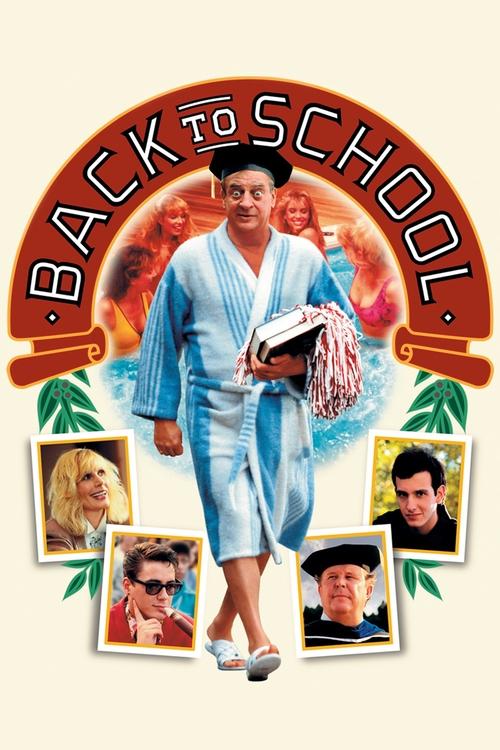
Back to School
1986Self-made millionaire Thornton Melon decides to get a better education and enrolls at his son Jason's college. While Jason tries to fit in with his fellow students, Thornton struggles to gain his son's respect, giving way to hilarious antics.
By leaning into the absurdity of the self-made tycoon, Dangerfield proves that his frantic persona could anchor a high-concept comedy without losing its edge. This film represents the commercial apex of his career, proving he could play a sympathetic lead while remaining the loudest guy in the room.
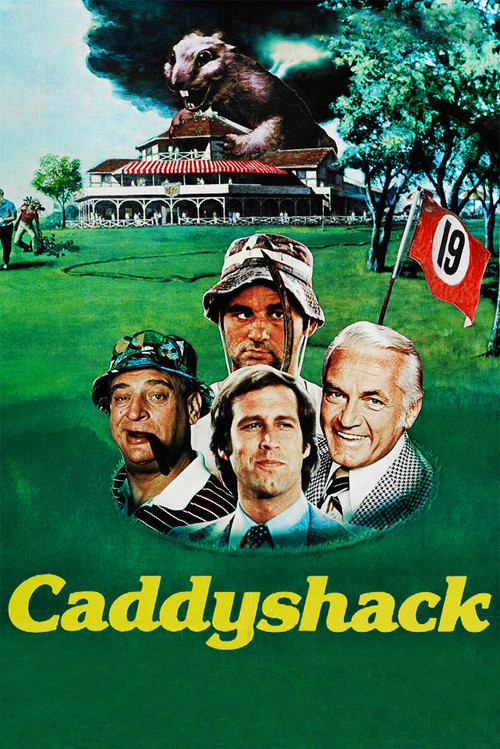
Caddyshack
1980At an exclusive country club, an ambitious young caddy, Danny Noonan, eagerly pursues a caddy scholarship in hopes of attending college and, in turn, avoiding a job at the lumber yard. In order to succeed, he must first win the favour of the elitist Judge Smails, and then the caddy golf tournament which Smails sponsors.
Dangerfield functions as a human wrecking ball of lowbrow charisma, shattering the stiff upper lip of the country club elite with a relentless barrage of improvised zingers. This role transformed him from a lounge act into a cinematic force of nature, perfectly weaponizing his manic energy against the establishment.
Frequently Asked Questions
Everything you need to know about this list and SnakeDrafts
- "Caddyshack" is widely regarded as the quintessential Rodney Dangerfield film that highlights his signature self-deprecating humor, where his comedic timing and quick one-liners steal many scenes among a stellar ensemble cast.
- "Back to School" is a classic Rodney Dangerfield comedy that combines his trademark humor with a heartwarming story about self-improvement and family, showcasing his ability to blend slapstick with more relatable, heartfelt moments.
- Yes, Rodney Dangerfield voiced the titular character in "Rover Dangerfield," an animated comedy and family film that allowed him to bring his unique personality to a new medium and reach younger audiences.
- Rodney Dangerfield's role in "Natural Born Killers" demonstrates his versatility as an actor, as he steps away from his usual comedy roles to contribute to this critically acclaimed crime thriller, highlighting his range beyond humor.
- Many of Rodney Dangerfield's films, such as "Easy Money" and "Ladybugs," explore themes of underdog perseverance, mistaken identities, and social awkwardness, often wrapped in a comedic tone that emphasizes his relatable charm and self-effacing wit.
- "Ladybugs" centers on a sports-themed comedy where Rodney Dangerfield plays a coach trying to lead a girls’ soccer team, blending family-friendly humor with his classic comedic style.
- In "Meet Wally Sparks," Dangerfield's trademark brash and unabashed comedy shines through, showcasing his influence on the film’s edgy humor and boundary-pushing character portrayal, which appeals to fans of his more adult-oriented stand-up material.
- Yes, "The Projectionist," one of Dangerfield’s earlier films from 1970, is included and provides insight into his development as a comedic actor, combining fantasy elements with his emerging deadpan style.