The Best Martin Landau Movies Ranked
From Hitchcock Villain to Oscar Winning Legend
Discover the finest performances of Martin Landau, featuring his Academy Award-winning role in Ed Wood and legendary cinema classics.
About Martin Landau
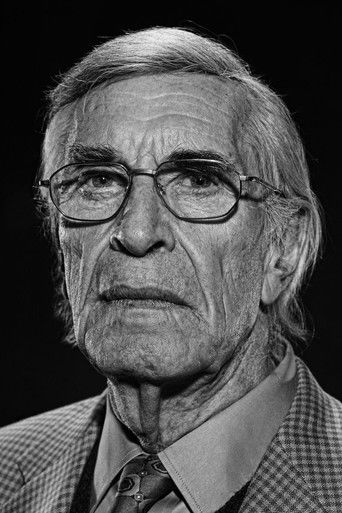
In the annals of Hollywood, few figures embodied the transition from the golden age to the modern era with as much grace and grit as Martin Landau. He possessed the face of a classicist—sharp, architectural, and often deceptively cold—but his spirit belonged to the Method. He was an actor who could project a terrifying stillness, a quality that Alfred Hitchcock weaponized in North by Northwest, where Landau played the chillingly obedient Leonard. That early role established him as a master of the refined menace, though history would prove he was far more than a high-end heavy.
To understand why audiences remained captivated by him for over sixty years, one has to look at the persistence of his craft. He was a student of Lee Strasberg, a contemporary of James Dean, and a man who treated acting as an ongoing excavation of the human psyche. This intensity allowed him to navigate the sprawling spectacles of the sixties, like Cleopatra and The Greatest Story Ever Told, without losing his grounding. Even when the industry tried to box him into the rigid confines of television stardom, he maintained an aura of sophisticated mystery that suggested a deeper reservoir of talent waiting for the right moment to overflow.
That overflow arrived in a late-career renaissance that redefined his legacy. In the eighties, Francis Ford Coppola saw past the baggage of the past and cast him in Tucker: The Man and His Dream, a vulnerable performance that signaled a new chapter. Suddenly, he wasn't just a veteran; he was a powerhouse. When Woody Allen cast him in Crimes and Misdemeanors, he delivered a masterclass in the quiet agony of a man haunted by his own choices, proving he could anchor a psychological drama with the same ease he once brought to Pork Chop Hill or Nevada Smith.
The pinnacle of this resurgence remains his transformative turn as Bela Lugosi in Ed Wood. In the hands of a lesser actor, the role might have descended into caricature, but he found the tragic beauty in a forgotten man's decline. He captured the pride, the loneliness, and the skeletal remains of a star’s ego, earning an Academy Award and a permanent place in the pantheon of great cinematic performances. It was a role that mirrored his own longevity—a reminder that talent doesn't evaporate with age; it only becomes more concentrated.
Even in his later years, he refused to coast. Whether he was lending his soulful gravity to the high-stakes poker world of Rounders, finding comedic timing in EDtv, or navigating the nostalgic artifice of The Majestic, he brought a specific, undeniable dignity to the frame. His late-period work in Remember and the animated 9 showed a man still hungry for new textures. He remained a bridge between the old-school discipline of the studio system and the raw emotional honesty of independent film. Audiences connected with him because he never feigned an emotion. He was a craftsman who understood that the most compelling thing an actor can do is simply exist truthfully in the light, carrying the weight of a lifetime in a single weary glance. He left behind a body of work that feels less like a filmography and more like a map of the human experience, spanning from the biblical hills of Joseph to the noir-tinted shadows of modern-day Hollywood.
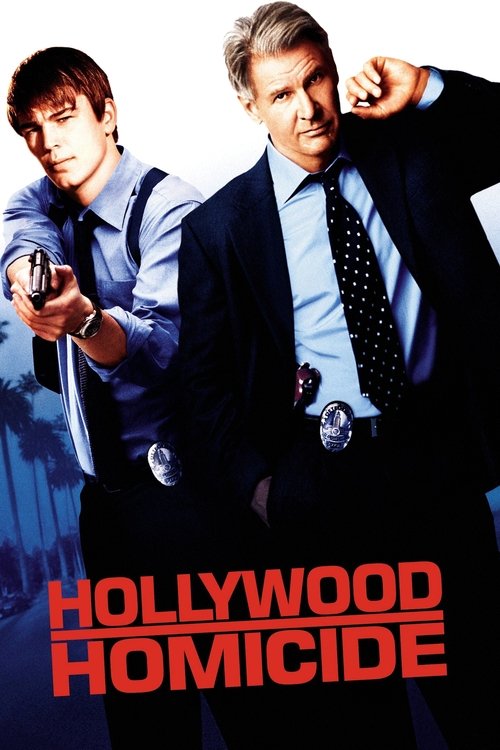
Hollywood Homicide
2003Joe Gavilan and his new partner K. C. Calden, are detectives on the beat in Tinseltown. Neither one of them really wants to be a cop, Gavilan moonlights as a real estate broker, and Calden is an aspiring actor moonlighting as a yoga instructor. When the two are assigned a big case they must work out whether they want to solve the case or follow their hearts.

The X-Files
1998Mulder and Scully, now taken off the FBI's X Files cases, must find a way to fight the shadowy elements of the government to find out the truth about a conspiracy that might mean the alien colonization of Earth.
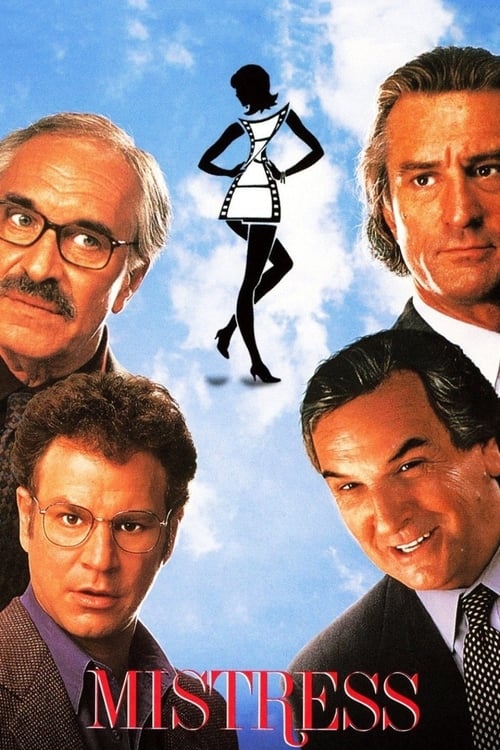
Mistress
1992A comedy about a screenwriter (Wuhl) whose old movie script is read by a producer (Landau) and the search for financial backers begins. But it seems that each money source (Aiello, DeNiro, Wallach) has his own mistress that he wants put into the film. Gradually, the screenwriter is forced to make changes to his script to accommodate these backers until he finally sees no semblance of his original ideas in the writing.
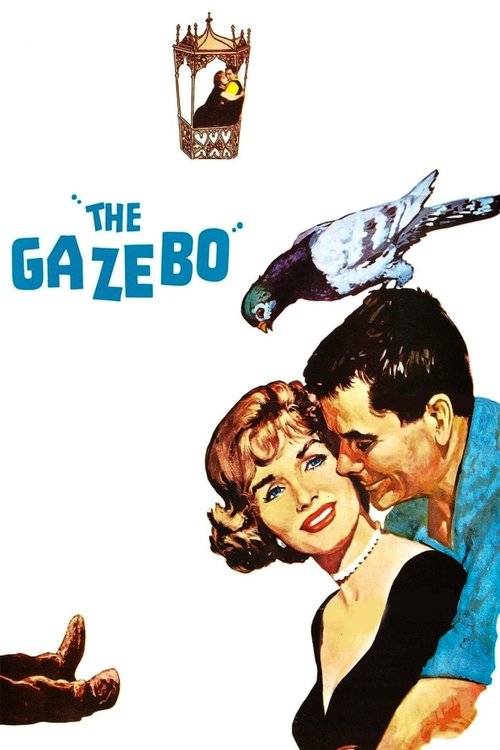
The Gazebo
1960TV writer Elliott Nash buries a blackmailer under the new gazebo in his suburban backyard. But the nervous man can't let the body rest there.
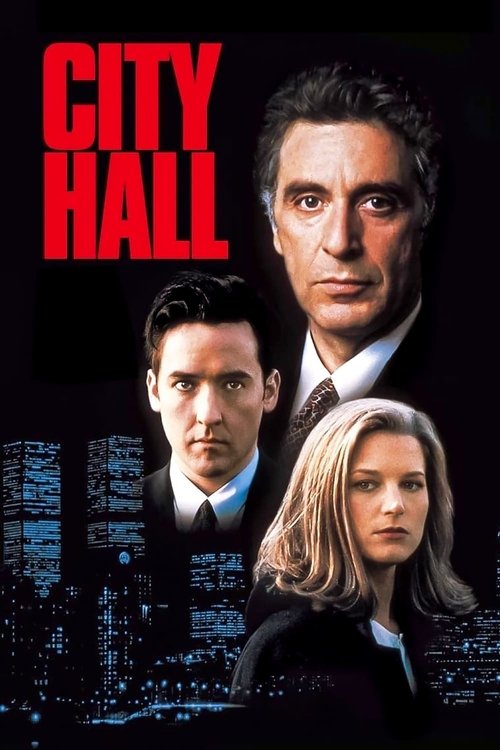
City Hall
1996The accidental shooting of a boy in New York City leads to an investigation by the Deputy Mayor, and unexpectedly far-reaching consequences.
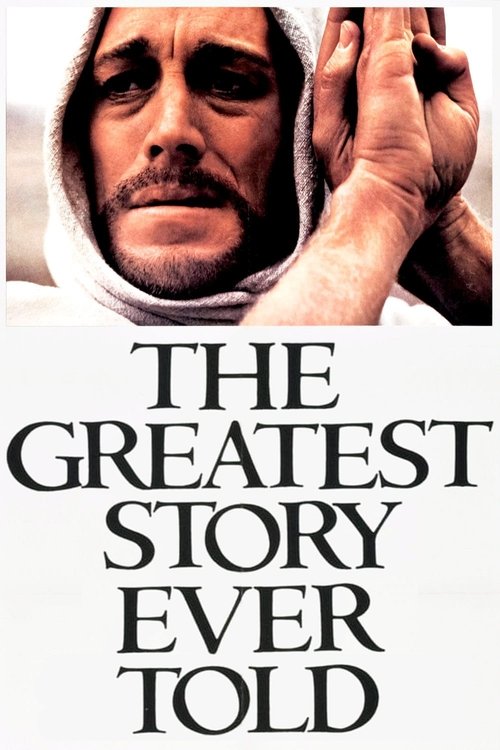
The Greatest Story Ever Told
1965From his birth in Bethlehem to his death and eventual resurrection, the life of Jesus Christ is given the all-star treatment in this epic retelling. Major aspects of Christ's life are touched upon, including the execution of all the newborn males in Egypt by King Herod; Christ's baptism by John the Baptist; and the betrayal by Judas after the Last Supper that eventually leads to Christ's crucifixion and miraculous return.
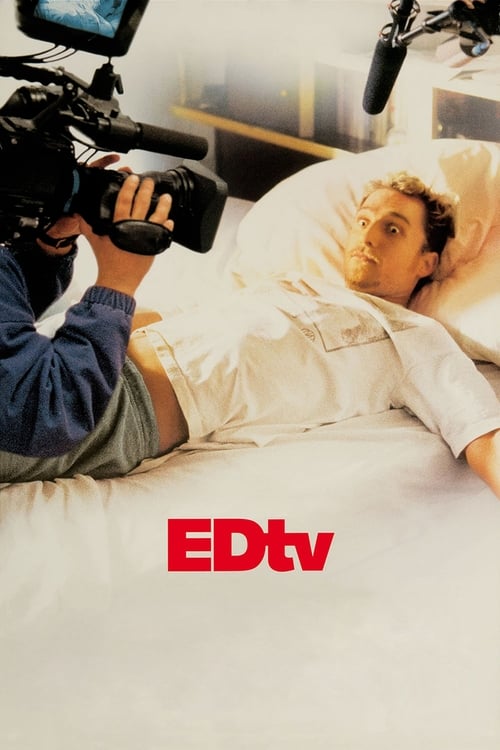
EDtv
1999Video store clerk Ed agrees to have his life filmed by a camera crew for a tv network.
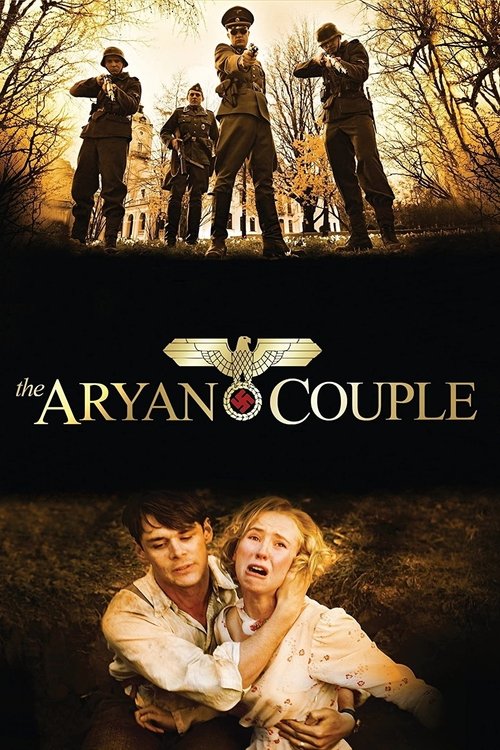
The Aryan Couple
2004A German Jewish industrialist is forced to hand over his business to the Nazis in order to ensure his family's safe passage out of Germany.
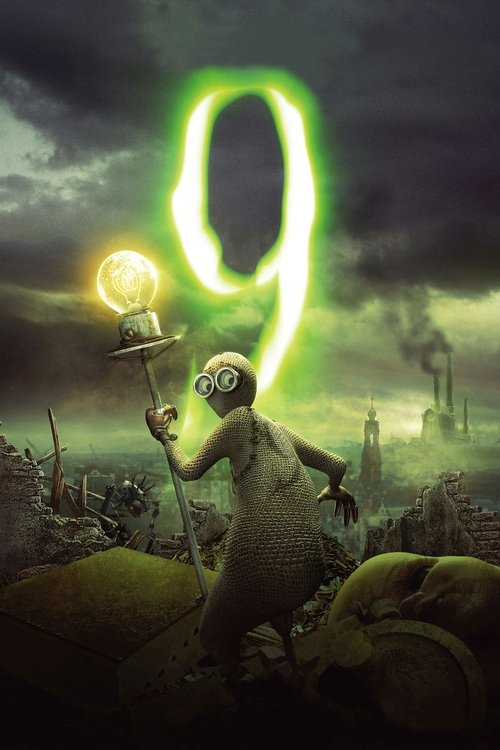
9
2009When 9 first comes to life, he finds himself in a post-apocalyptic world. All humans are gone, and it is only by chance that he discovers a small community of others like him taking refuge from fearsome machines that roam the earth intent on their extinction. Despite being the neophyte of the group, 9 convinces the others that hiding will do them no good.
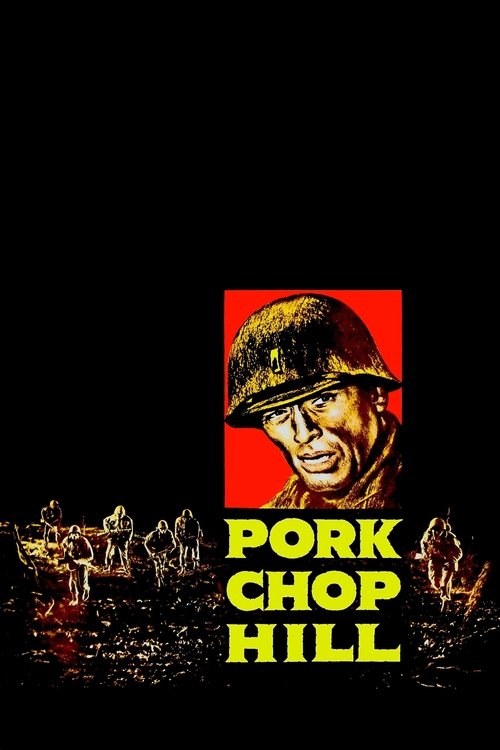
Pork Chop Hill
1959Korean War, April 1953. Lieutenant Clemons, leader of the King company of the United States Infantry, is ordered to recapture Pork Chop Hill, occupied by a powerful Chinese Army force, while, just seventy miles away, at nearby the village of Panmunjom, a tense cease-fire conference is celebrated.
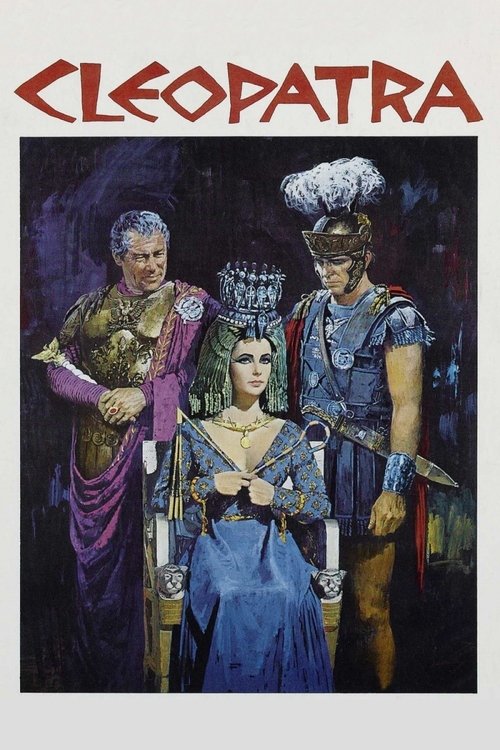
Cleopatra
1963Determined to hold on to the throne, Cleopatra seduces the Roman emperor Julius Caesar. When Caesar is murdered, she redirects her attentions to his general, Marc Antony, who vows to take power—but Caesar’s successor has other plans.
Even amidst the colossal scale of Hollywood’s most expensive production, Landau’s portrayal of Rufio maintains a sharp, focused intensity. He treats the historical spectacle with the seriousness of a Shakespearean stage, ensuring his character’s political maneuvering isn’t lost in the sea of gold-leafed grandeur.
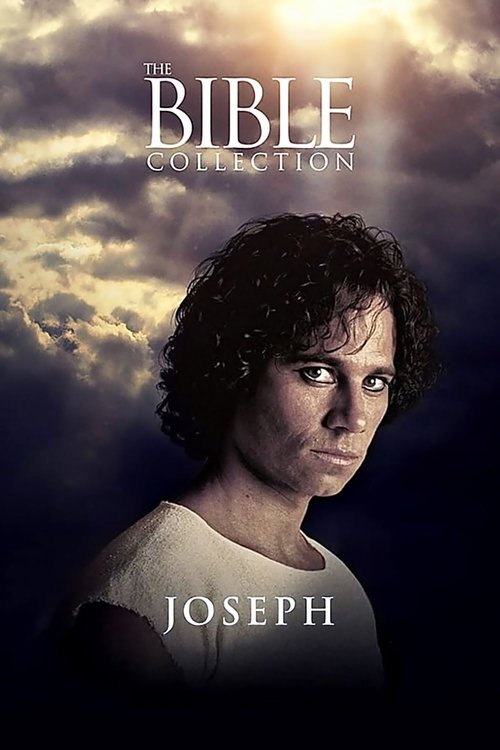
Joseph
1995Joseph, favored son of Jacob and great-grandson of Abraham, is sold into slavery by his jealous brothers. Rising to become prime minister of Egypt. Joseph governed the country during a seven year famine, during which his brothers visit Egypt seeking grain, only to encounter their brother, presumed long dead.
Portraying the biblical patriarch Jacob, Landau occupies the frame with an ancient, tectonic power that anchors the sprawling epic. He avoids the traps of hagiography, instead finding the relatable human exhaustion in a man burdened by divine legacy and internal family strife.
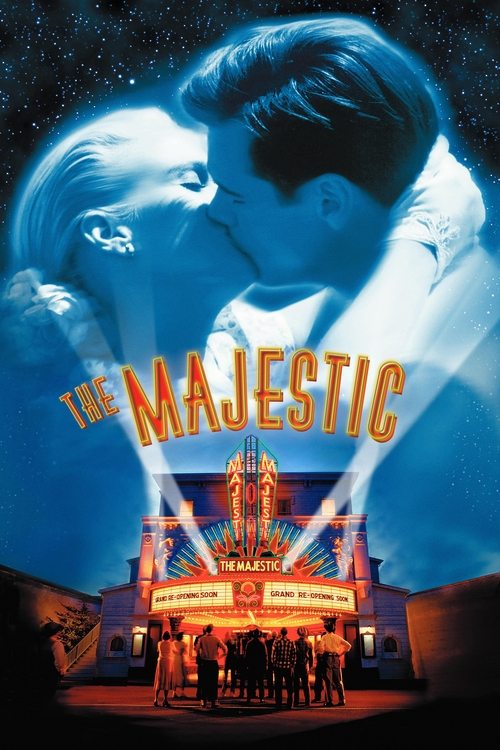
The Majestic
2001Set in 1951, a blacklisted Hollywood writer gets into a car accident, loses his memory and settles down in a small town where he is mistaken for a long-lost son.
Landau provides the emotional scaffolding for this Capra-esque fantasy, grounding the sentimentality in a sincere, grief-stricken longing. His portrayal of a father clinging to hope is the film's most resonant element, circumventing the script's sweetness with a rugged, old-world gravitas.
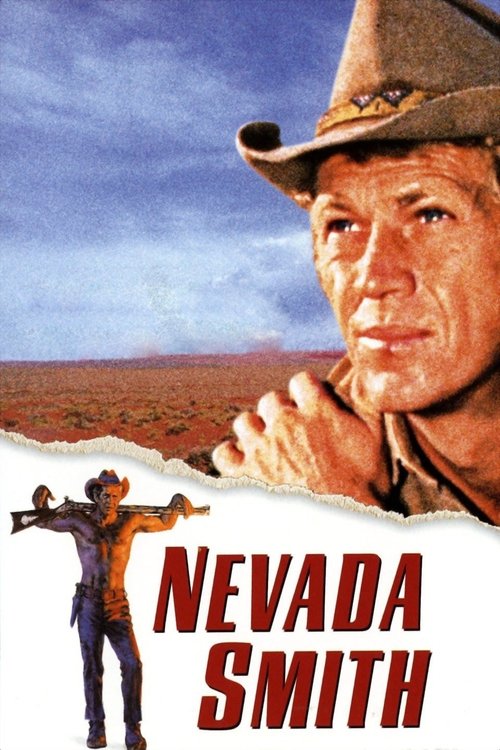
Nevada Smith
1966Nevada Smith is the young son of an Indian mother and white father. When his father is killed by three men over gold, Nevada sets out to find them and kill them. The boy is taken in by a gun merchant. The gun merchant shows him how to shoot and to shoot on time and correct.
Stepping into a rugged Western landscape, Landau crafts a visceral, gritty antagonist that stood in sharp contrast to his more refined theatrical persona. It remains a key exhibit of his versatility, proving he could master brutal, dusty realism just as effectively as high-concept artifice.
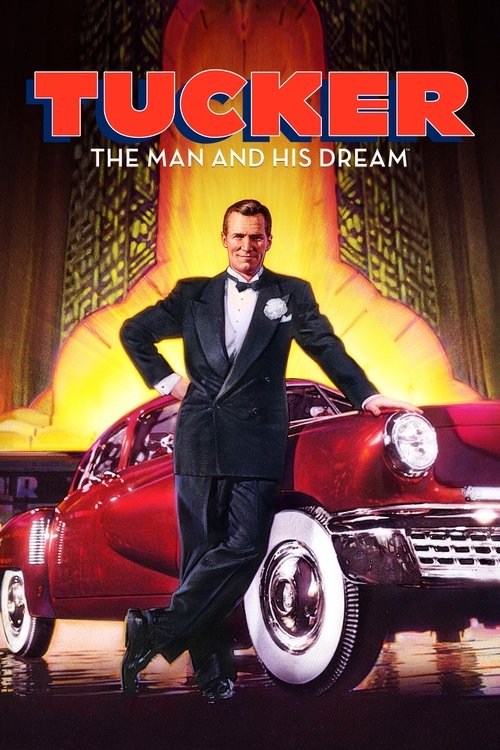
Tucker: The Man and His Dream
1988Ypsilanti, Michigan, 1945. Engineer Preston Tucker dreams of designing the car of future, but his innovative envision will be repeatedly sabotaged by his own unrealistic expectations and the Detroit automobile industry tycoons.
Landau serves as the essential cynical ballast to Jeff Bridges’ relentless optimism, portraying Abe Karatz with a weary, street-smart wisdom. This role revitalized his standing in Hollywood, earning him his first Oscar nomination by demonstrating a sophisticated ability to blend business acumen with a sense of impending tragedy.
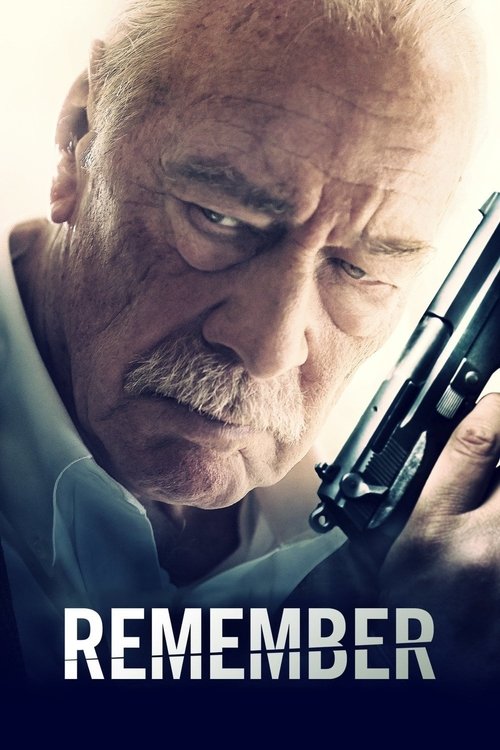
Remember
2015With the aid of a fellow Auschwitz survivor and a hand-written letter, an elderly man with dementia goes in search of the person responsible for the death of his family.
In one of his final leading roles, Landau utilizes his weathered physicality to play a master manipulator of memory, controlling the narrative rhythm from a stationary position. His performance is a testament to the power of a steady gaze and a deliberate cadence, turning a late-career thriller into a poignant exercise in reckoning.
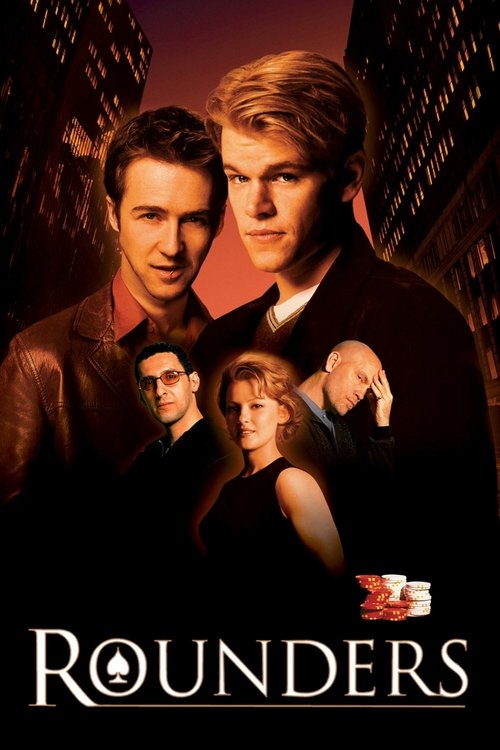
Rounders
1998Poker addict Mike McDermott knows the game inside out, but loses his money one night in a game to Russian-American gangster Teddy KGB. Promising his partner Jo he'll give up, he meets up with best friend Lester 'Worm' Murphy, just out of prison and owing lots of money to the wrong kind of people. McDermott becomes his co-guarantor and now there's only one way to raise the money, the pair have to get back into the game.
As the moral compass of the New York underground, Landau’s Abe Petrovsky radiates a patriarchal warmth that acts as the film's unexpected spiritual center. He elevates the poker drama with a quiet, scholarly dignity, portraying a man of the law who understands the high stakes of personal redemption.
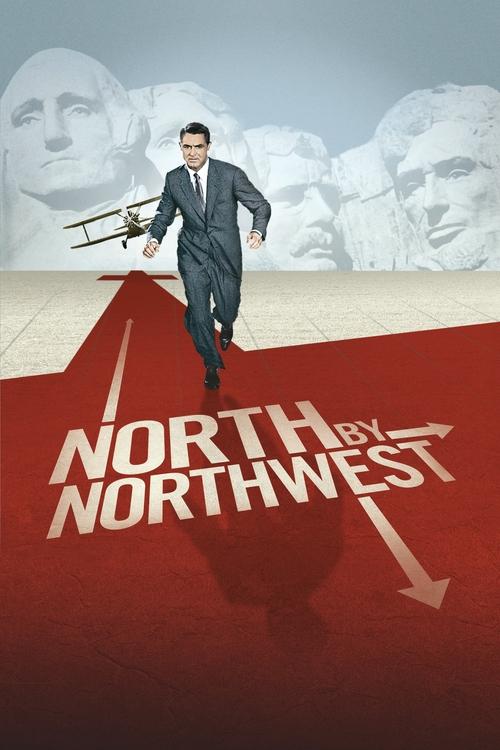
North by Northwest
1959Advertising man Roger Thornhill is mistaken for a spy, triggering a deadly cross-country chase.
Even while sharing the screen with icons like Cary Grant, Landau commands attention through a silent, coiled menace as the henchman Leonard. This early-career standout established his penchant for calculating villainy, weaponizing a lean, predatory stillness that remains one of Hitchcock's most effective supporting threats.
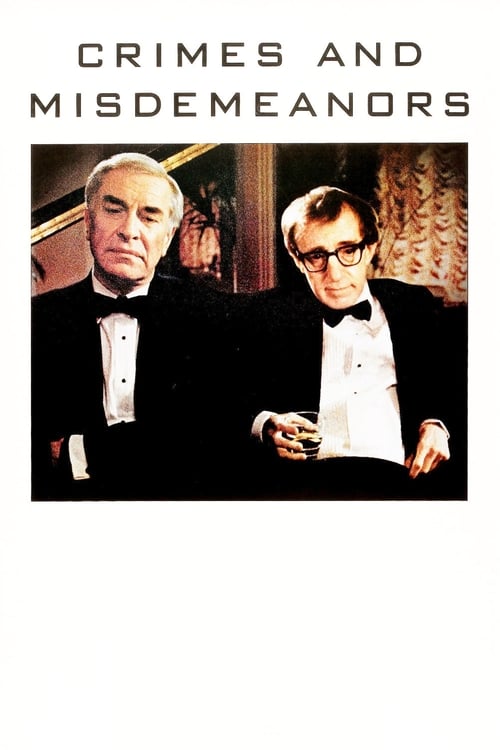
A renowned ophthalmologist is desperate to cut off an adulterous relationship…which ends up in murder; and a frustrated documentary filmmaker woos an attractive television producer while making a film about her insufferably self-centered boss.
In this chillingly precise anatomical study of guilt, Landau masterfully navigates the moral collapse of a man whose desperation curdles into cold pragmatism. It is a masterclass in psychological subtlety, proving his ability to carry the heavy thematic weight of a prestige existential drama without ever breaking a sweat.
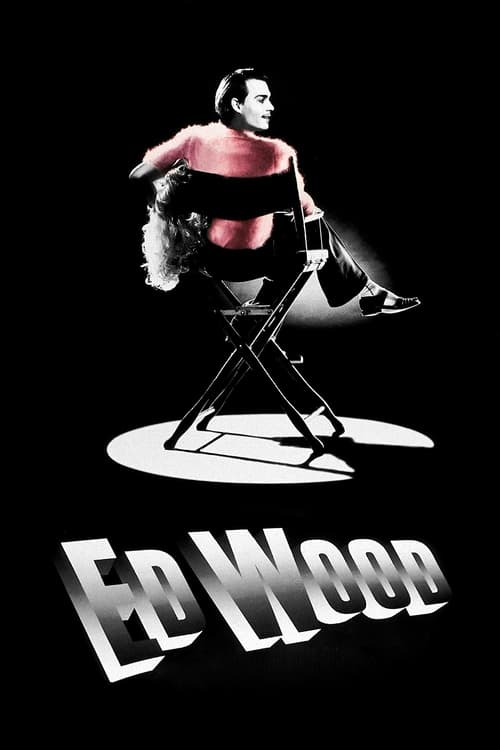
Ed Wood
1994The mostly true story of the legendary "worst director of all time", who, with the help of his strange friends, filmed countless B-movies without ever becoming famous or successful.
Landau’s definitive triumph lies in his haunting, Academy Award-winning transformation into an aging Bela Lugosi, capturing a tragic cocktail of venomous pride and terminal vulnerability. He transcends mere caricature to provide the film’s soulful, beating heart, grounding Tim Burton’s kitsch in a profound meditation on the indignity of fading fame.
Frequently Asked Questions
Everything you need to know about this list and SnakeDrafts
- Martin Landau won the Academy Award for Best Supporting Actor for his role in 'Ed Wood' (1994), directed by Tim Burton. His portrayal of Bela Lugosi brought a poignant depth and authenticity, making it a standout performance in his career.
- Martin Landau plays the enigmatic Leonard in Alfred Hitchcock's 'North by Northwest' (1959). His ability to project a cold and controlled demeanor significantly enhanced the film's suspense and intrigue.
- Landau delivered memorable performances in crime dramas like Woody Allen's 'Crimes and Misdemeanors' (1989) and John Dahl's 'Rounders' (1998). These roles showcased his versatility in portraying morally complex characters within crime narratives.
- The epic historical drama 'Cleopatra' (1963), directed by Joseph L. Mankiewicz, features Martin Landau in a significant role. The film melds grand historical events with a sweeping romantic storyline, highlighting Landau's ability to thrive in large-scale productions.
- Yes, Martin Landau lent his voice to the animated science fiction thriller '9' (2009), directed by Shane Acker. This film allowed him to explore a different medium, demonstrating his adaptability as an actor.
- Landau's films frequently explore complex human emotions and moral dilemmas, often within dramatic, historical, crime, and thriller genres. His work in movies like 'Remember' (2015) and 'The Aryan Couple' (2004) reflects his interest in intense psychological and historical narratives.
- Martin Landau worked with renowned directors such as Tim Burton in 'Ed Wood,' Alfred Hitchcock in 'North by Northwest,' and Woody Allen in 'Crimes and Misdemeanors.' These collaborations with top-tier filmmakers helped define his distinguished career.
- Yes, Martin Landau appeared in war-themed films like 'Pork Chop Hill' (1959) and 'The Aryan Couple' (2004). These roles demonstrated his compelling presence in narratives centered around conflict and historical warfare.