The Best John Goodman Movies Ranked
Unforgettable Performances by a Hollywood Legend
Explore the definitive ranking of John Goodman's greatest films, from iconic Coen Brothers classics to beloved blockbuster voice roles.
About John Goodman
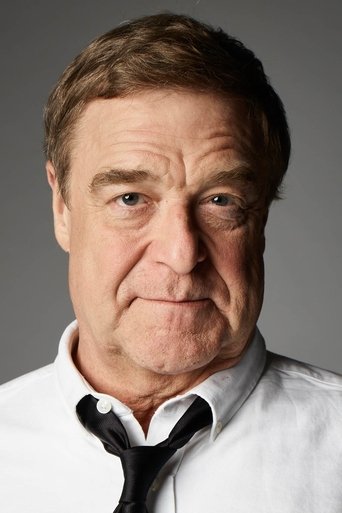
In the landscape of modern cinema, few figures loom as large or as comforting as John Goodman. He possesses a rare, tectonic gravity, an ability to anchor a frame just by existing within it. While many actors spend their careers trying to vanish into roles, he does something far more difficult: he brings a thunderous, soulful humanity to every character, making the extraordinary feel lived-in and the ordinary feel operatic. Whether he is playing a blue-collar patriarch or a cosmic blowhard, there is an unmistakable sense of a man who understands the weight of the world and still finds a reason to crack a joke.
Much of his cultural DNA is tied to his decades-long collaboration with the Coen brothers, a partnership that weaponizes his physical presence and booming baritone. In Raising Arizona, he burst onto the scene as an escaped convict literally screaming his way into the world. By the time he reached Barton Fink, he was channeling something far more sinister and surreal, proving he could pivot from slapstick to psychological horror without breaking a sweat. Yet, it is his turn as Walter Sobchak in The Big Lebowski that remains his most indelible contribution to the zeitgeist. As the world’s most volatile pacifist, he turned a fringe caricature into a folk hero, delivering lines that have been etched into the collective memory of film fans for over a quarter-century.
Audiences connect with him because he feels like the uncle who knows exactly when to offer a bear hug and when to tell a hard truth. This inherent trustworthiness made him the perfect vocal choice for Sulley in Monsters, Inc. and its prequel Monsters University. As the gentle giant with a heart of gold, he gave life to one of the most beloved animated characters of the millennium. He doubled down on that charm in The Emperor's New Groove, grounding a high-energy comedy with a performance rooted in decency and patience. These roles created a shorthand with the public; we see his face, or hear that rumble of a voice, and we instinctively lean in.
But to pigeonhole him as merely a lovable sidekick is to ignore the dark, volatile energy he keeps in his back pocket. In 10 Cloverfield Lane, he delivered a masterclass in claustrophobic tension, reminding everyone that a man of his stature can be terrifying when he chooses to be. He excels at playing the loud, charismatic disruptor, often stealing entire movies with just a few scenes. Think of his bombastic turn in Argo, his cynical edge in Inside Llewyn Davis, or his scene-stealing bravado in The Artist and Trumbo. Even in blockbusters like Patriots Day or genre favorites like Arachnophobia, he provides a ballast that keeps the narrative from drifting.
His career is a masterclass in longevity and versatility. He survived the transition from sitcom stardom to prestige cinema without ever losing the populist appeal that made him a household name. He can play a high-functioning addict in Flight or a cyclopean bible salesman in O Brother, Where Art Thou? with equal conviction. Ultimately, he is a craftsman who values the work over the spotlight. In an industry that often prioritizes the flash of the new, he remains a steady, roaring fire—a reminder that true greatness doesn't need to shout to be heard, even if he happens to be very, very good at shouting.
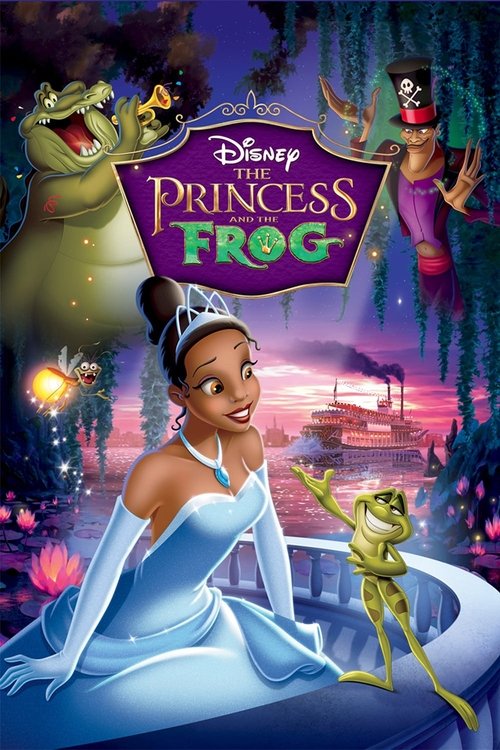
The Princess and the Frog
2009A waitress, desperate to fulfill her dreams as a restaurant owner, is set on a journey to turn a frog prince back into a human being, but she has to face the same problem after she kisses him.
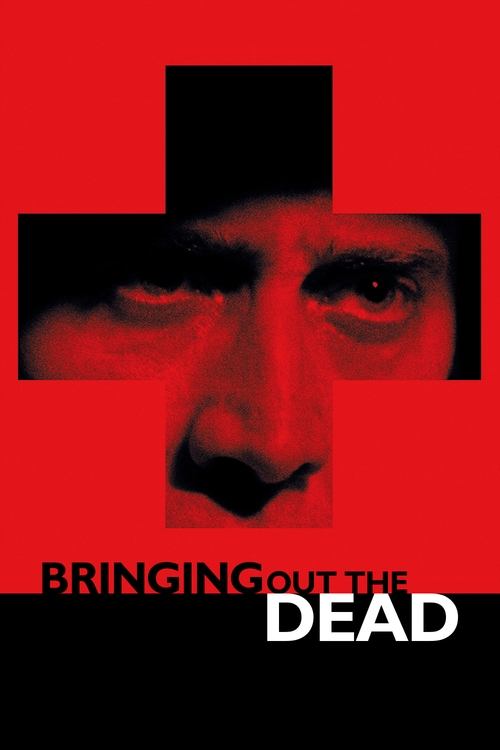
Once called "Father Frank" for his efforts to rescue lives, Frank Pierce sees the ghosts of those he failed to save around every turn. He has tried everything he can to get fired, calling in sick, delaying taking calls where he might have to face one more victim he couldn't help, yet cannot quit the job on his own.
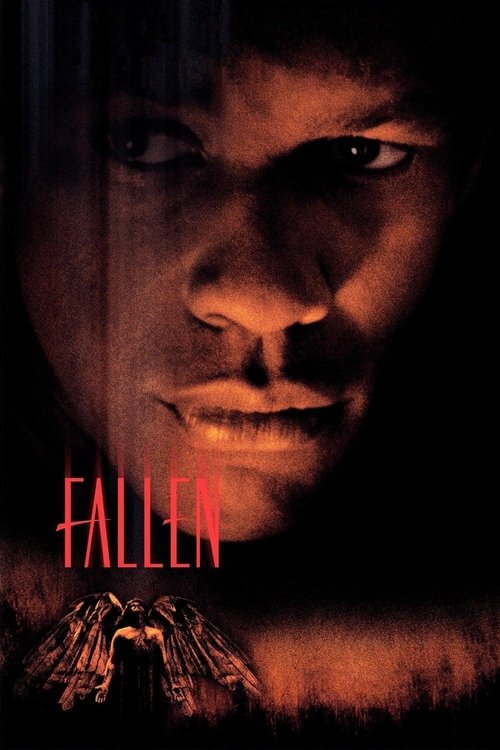
Fallen
1998Homicide detective John Hobbes witnesses the execution of serial killer Edgar Reese. Soon after the execution the killings start again, and they are very similar to Reese's style.
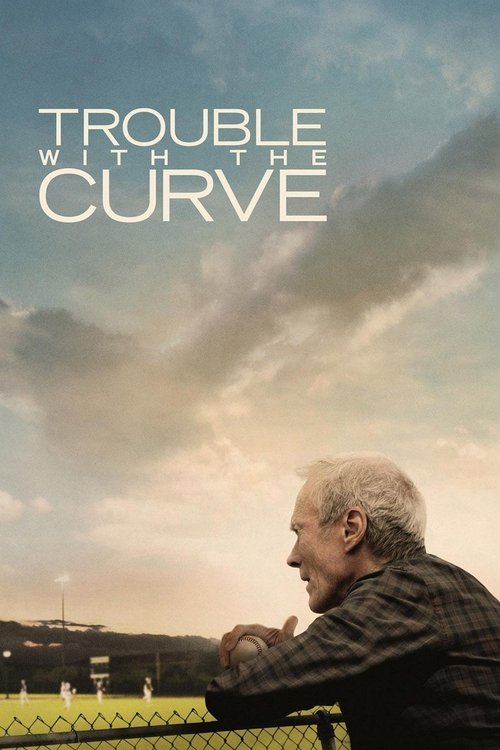
Trouble with the Curve
2012Slowed by age and failing eyesight, crack baseball scout Gus Lobel takes his grown daughter along as he checks out the final prospect of his career. Along the way, the two renew their bond, and she catches the eye of a young player-turned-scout.
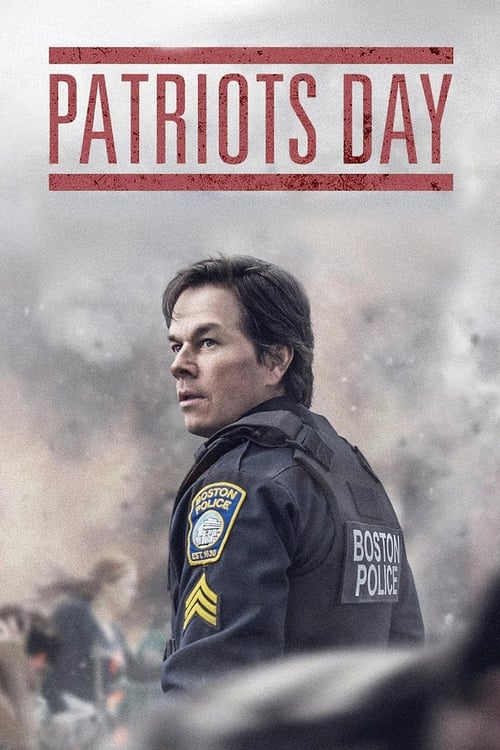
Patriots Day
2016In the aftermath of an unspeakable act of terror, Police Sergeant Tommy Saunders joins courageous survivors, first responders and investigators in a race against the clock to hunt down the Boston Marathon bombers before they strike again.
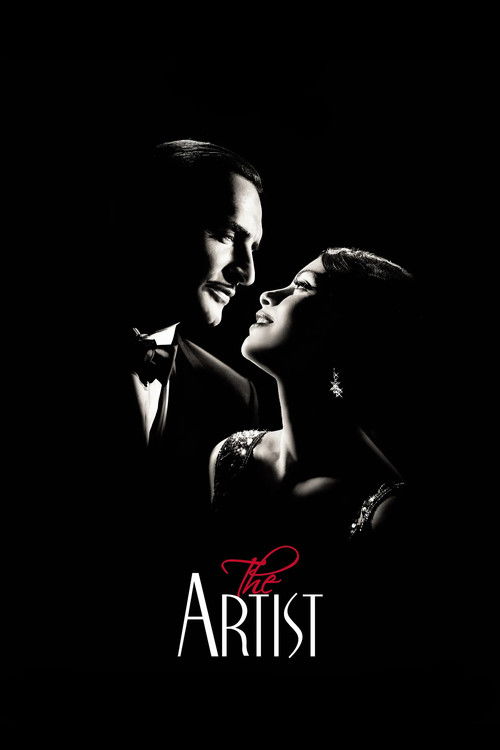
The Artist
2011Hollywood, 1927: As silent movie star George Valentin wonders if the arrival of talking pictures will cause him to fade into oblivion, he sparks with Peppy Miller, a young dancer set for a big break.
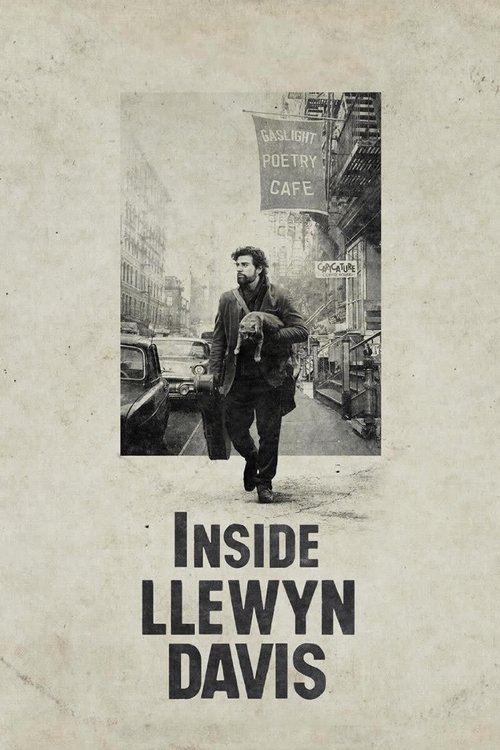
Inside Llewyn Davis
2013In Greenwich Village in the early 1960s, gifted but volatile folk musician Llewyn Davis struggles with money, relationships, and his uncertain future.
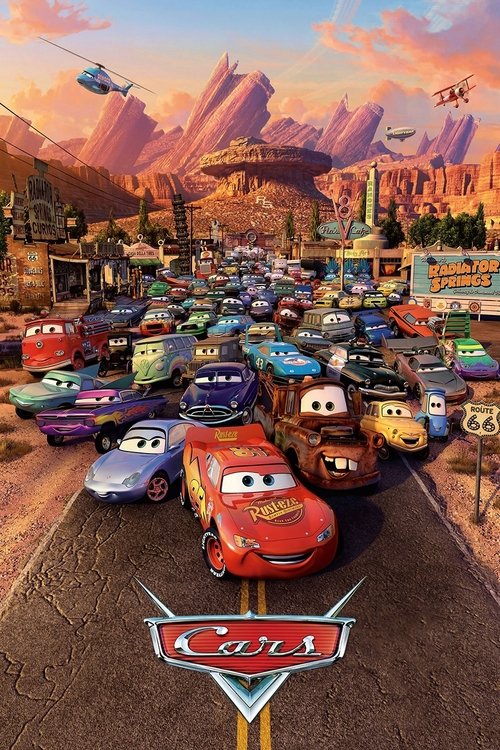
Cars
2006Lightning McQueen, a hotshot rookie race car driven to succeed, discovers that life is about the journey, not the finish line, when he finds himself unexpectedly detoured in the sleepy Route 66 town of Radiator Springs. On route across the country to the big Piston Cup Championship in California to compete against two seasoned pros, McQueen gets to know the town's offbeat characters.
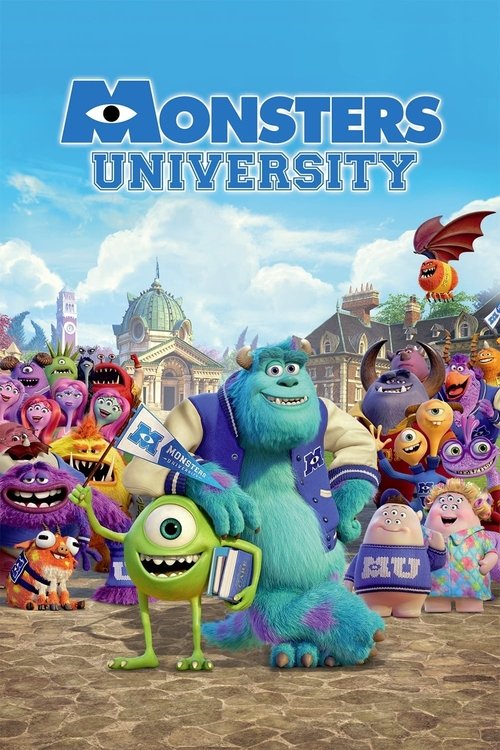
Monsters University
2013A look at the relationship between Mike and Sulley during their days at Monsters University — when they weren't necessarily the best of friends.
Returning to the role of James P. Sullivan, Goodman expertly de-ages his vocal performance to capture the unearned arrogance of youth before softening it into the character we know. This prequel succeeds largely because he finds new layers of vulnerability in an established icon, avoiding the trap of simple imitation.
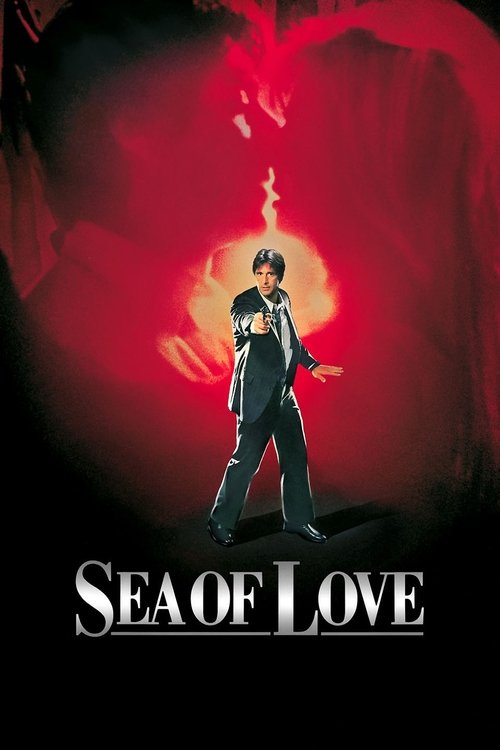
Sea of Love
1989Seen-it-all New York detective Frank Keller is unsettled - he has done twenty years on the force and could retire, and he hasn't come to terms with his wife leaving him for a colleague. Joining up with an officer from another part of town to investigate a series of murders linked by the lonely hearts columns he finds he is getting seriously and possibly dangerously involved with Helen, one of the main suspects.
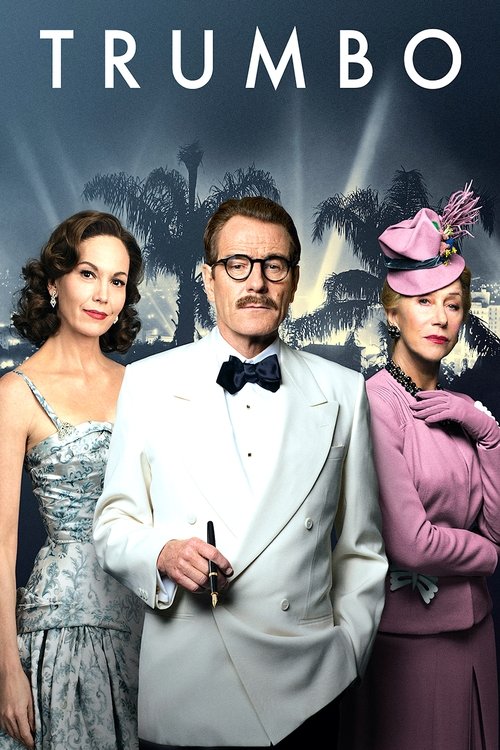
Trumbo
2015The career of screenwriter Dalton Trumbo is halted by a witch hunt in the late 1940s when he defies the anti-communist HUAC committee and is blacklisted.
Goodman provides a jolt of pure, profane energy as the baseball-bat-wielding producer Frank King, embodying the defiant spirit of B-movie Hollywood. It is a vital supporting turn that injects the historical drama with much-needed grit and a blue-collar middle finger to the establishment.
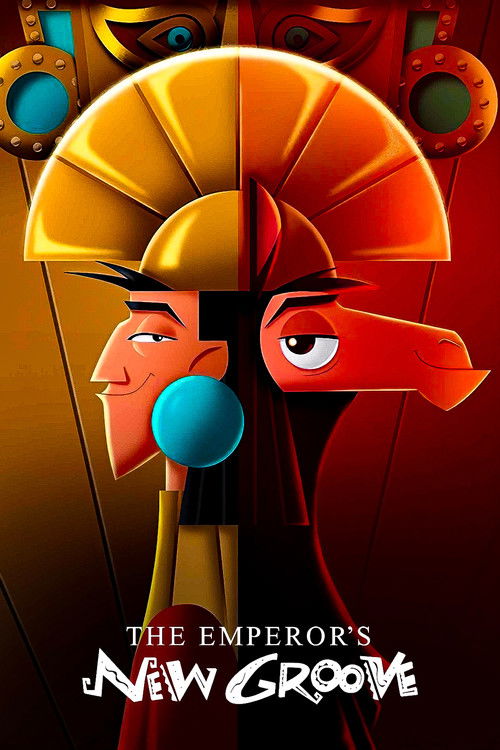
Emperor Kuzco is turned into a llama by his ex-administrator Yzma, and must now regain his throne and his human form with the help of Pacha, a gentle llama herder.
Serving as the essential empathetic ballast to David Spade’s acerbic wit, Goodman’s Pacha is a masterclass in the 'straight man' archetype. His performance preserves the film’s emotional integrity amidst the surrounding slapstick, grounding the frantic energy with a necessary human decency.
Arachnophobia
1990A large spider from the jungles of South America is accidentally transported in a crate with a dead body to America where it mates with a local spider. Soon after, the residents of a small California town disappear as the result of spider bites from the deadly spider offspring. It's up to a couple of doctors with the help of an insect exterminator to annihilate these eight legged freaks.
John Goodman weaponizes his blue-collar gravitational pull to turn Delbert McClintock into a swaggering, tactical buffoon who treats pest control like a high-stakes military operation. By leaning into a deadpan, comic-book absurdity, Goodman proved he could hijack a horror film through sheer charisma, establishing himself as cinema’s premier scene-stealer. He is the movie’s essential pressure valve, providing a masterclass in how to play a caricature with total, stone-faced conviction.
Raising Arizona
1987When a childless couple—an ex-con and an ex-cop—take one of a wealthy family’s quintuplets to raise as their own, their lives grow more complicated than anticipated.
Emerging from the earth like a mud-caked force of nature, Goodman’s Gale Snoats is a riotous explosion of unchecked id that signaled the actor’s arrival as a major cinematic presence. His chemistry with William Forsythe creates a frantic, sweaty desperation that perfectly complements the film’s kinetic visual language.
Flight
2012Commercial airline pilot Whip Whitaker has a problem with drugs and alcohol, though so far he's managed to complete his flights safely. His luck runs out when a disastrous mechanical malfunction sends his plane hurtling toward the ground. Whip pulls off a miraculous crash-landing that results in only six lives lost. Shaken to the core, Whip vows to get sober -- but when the crash investigation exposes his addiction, he finds himself in an even worse situation.
John Goodman swagger-walks into the frame like a counterculture force of nature, injecting a jolt of darkly comedic adrenaline into an otherwise somber procedural. He masterfully weaponizes his massive physical presence to transform a drug-dealing enabler into the film’s essential, chaotic heartbeat. It is a brilliant late-career pivot that proves Goodman can hijack a movie with nothing more than a ponytail, a Stones track, and absolute confidence.
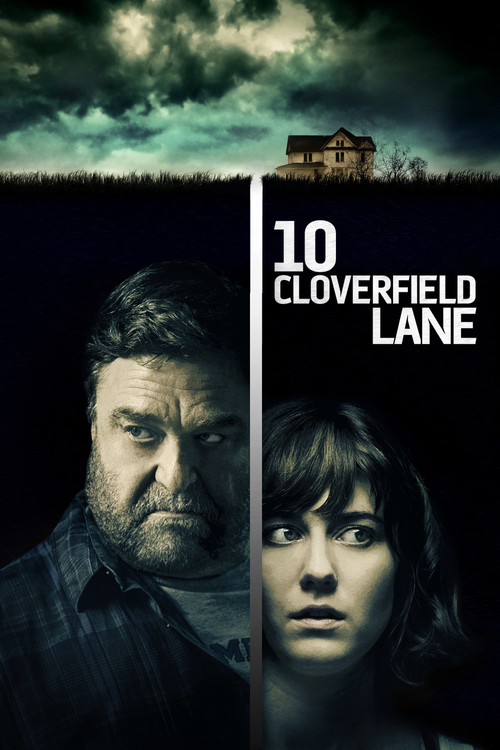
After a catastrophic car crash, a young woman wakes up in a survivalist's underground bunker, where he claims to have saved her from an apocalyptic attack that has left the outside world uninhabitable.
Dominating every frame with a suffocating, paranoid intensity, Goodman subverts his 'lovable bear' persona to create a portrait of predatory domesticity. This late-career masterclass in psychological claustrophobia relies entirely on his capacity to make a single twitch feel like an imminent threat.
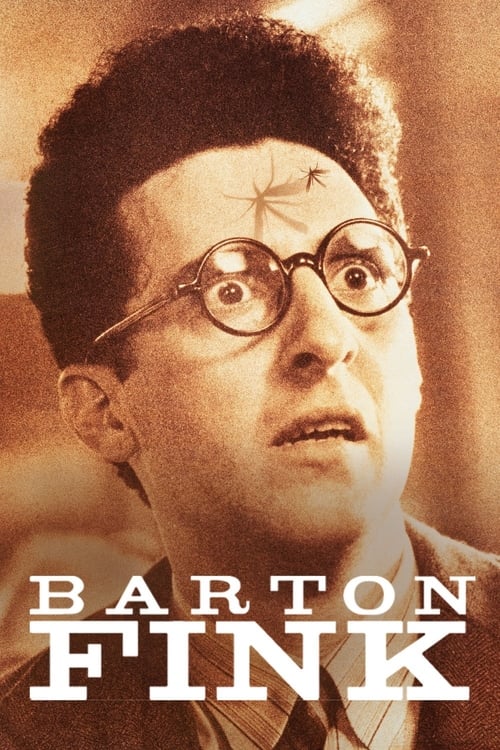
Barton Fink
1991A renowned New York playwright is enticed to California to write for the movies and discovers the hellish truth of Hollywood.
The actor’s collaboration with the Coen brothers reaches a chilling zenith here as he masks a primordial, hellish fury behind the mundane grin of a traveling salesman. It remains his most haunting transformation, utilizing his massive frame to alternate between jovial sweatiness and sheer, apocalyptic dread.
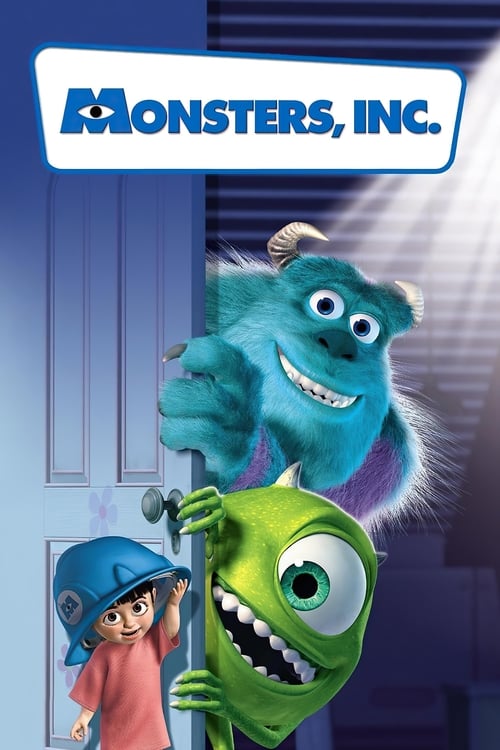
Monsters, Inc.
2001Lovable Sulley and his wisecracking sidekick Mike Wazowski are the top scare team at Monsters, Inc., the scream-processing factory in Monstropolis. When a little girl named Boo wanders into their world, it's the monsters who are scared silly, and it's up to Sulley and Mike to keep her out of sight and get her back home.
Goodman finds the soulful frequency of a blue-collar behemoth, proving that his booming baritone could convey deep paternal warmth without losing its physical gravity. This role redirected his career trajectory, establishing him as a premier vocal powerhouse capable of carrying a global franchise on pure charisma.
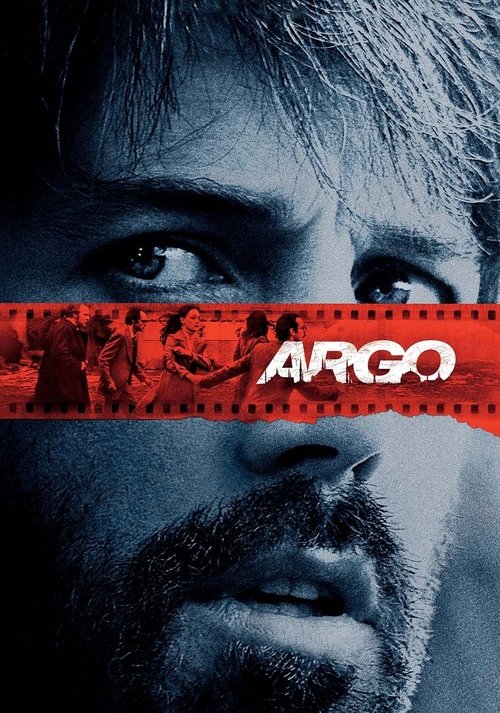
Argo
2012As the Iranian revolution reaches a boiling point, a CIA 'exfiltration' specialist concocts a risky plan to free six Americans who have found shelter at the home of the Canadian ambassador.
As make-up maestro John Chambers, Goodman offers a dry, seasoned cynicism that serves as the perfect foil to the high-stakes political maneuvering elsewhere. He navigates the film’s meta-commentary on Hollywood artifice with a weary professionalism, making the absurd central heist feel grounded and possible.
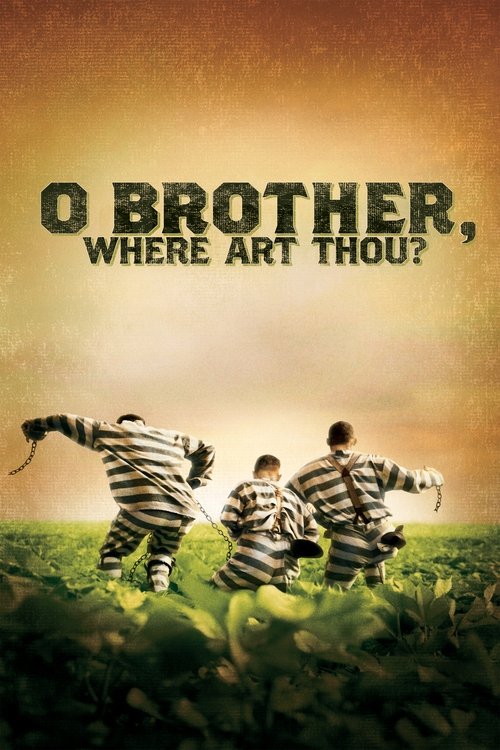
In the deep south during the 1930s, three escaped convicts search for hidden treasure while a relentless lawman pursues them.
Playing a cyclopean bible salesman with a terrifyingly deceptive joviality, Goodman steals his scenes by weaponizing his sheer physical scale. He represents the film’s most dangerous pivot, shifting the tone from picaresque comedy to sudden, visceral menace with a single predatory grin.
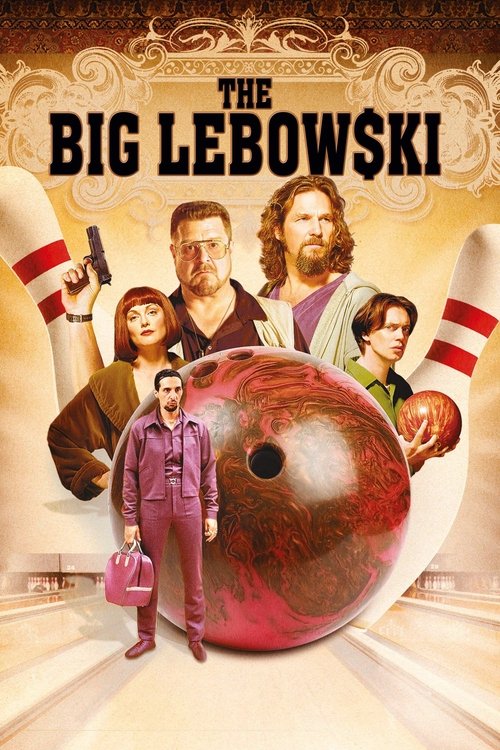
The Big Lebowski
1998Jeffrey 'The Dude' Lebowski, a Los Angeles slacker who only wants to bowl and drink White Russians, is mistaken for another Jeffrey Lebowski, a wheelchair-bound millionaire, and finds himself dragged into a strange series of events involving nihilists, adult film producers, ferrets, errant toes, and large sums of money.
As the hair-trigger Walter Sobchak, Goodman weaponizes a specific brand of suburban militarism, transforming a ticking time bomb of a sidekick into the film’s erratic moral barometer. It is the definitive showcase of his ability to anchor absurdism with terrifying, sweat-soaked conviction.
Frequently Asked Questions
Everything you need to know about this list and SnakeDrafts
- John Goodman's work with the Coen Brothers shines in several films, particularly in the crime comedy genre with movies like "The Big Lebowski" and "Raising Arizona." These films highlight his talent for blending humor with complex characters in unique narrative settings.
- John Goodman lends his distinctive voice talent to major animated films such as "Monsters, Inc." and "The Emperor's New Groove." His performances in these family-friendly movies demonstrate his versatility and ability to engage audiences of all ages.
- The list includes thrilling entries like "10 Cloverfield Lane" and "Argo," where John Goodman excels in creating tense, atmospheric roles that showcase his range beyond comedy and drama into suspense and thriller genres.
- John Goodman's dramatic prowess is evident in films such as "Flight" and "Trumbo," where he delivers powerful and nuanced performances that deepen the emotional impact of these stories.
- Many of John Goodman's best movies explore themes of family, survival, and identity, often combining humor with deeper, sometimes darker, human experiences. This blend is clear in films like "O Brother, Where Art Thou?" and "Barton Fink."
- In "Argo," John Goodman takes on a more serious and grounded character compared to his often comedic roles, showcasing his ability to adapt to different tones and genres while maintaining his signature commanding presence.
- Yes, John Goodman frequently collaborates with the Coen Brothers, starring in several of their films such as "The Big Lebowski," "O Brother, Where Art Thou?," and "Barton Fink." This partnership has been pivotal in defining much of his acclaimed filmography.
- Family-friendly films featuring John Goodman on the list include "Monsters, Inc.," "Monsters University," and "Cars," where he contributes voice performances that have become beloved by audiences of all ages.