The Best Patricia Arquette Movies
From Indie Masterpieces to Hollywood Icon
Explore the definitive ranking of Patricia Arquette's most essential film performances, including her Oscar-winning role and cult classics.
About Patricia Arquette

Patricia Arquette possesses a quality rare among the Hollywood elite: an utter lack of vanity that makes her feel less like a movie star and more like a force of nature. For nearly four decades, she has operated as a shapeshifter, moving between the surrealist dreamscapes of auteur cinema and the gritty realism of prestige television with a restlessness that suggests she is always chasing a deeper truth. There is a specific, soulful vibration to her work, a mixture of wide-eyed vulnerability and iron-willed resilience that anchors even her most eccentric projects.
Her journey into the collective consciousness began with a scream in A Nightmare on Elm Street 3: Dream Warriors, but it was the 1990s that solidified her as the quintessential indie muse. In True Romance, she delivered a performance for the ages as Alabama Whitman, a character who could have easily been a caricature but became, in her hands, a symbol of fierce, blood-spattered devotion. That same era saw her navigating the pitch-black psychosexual hallways of David Lynch’s Lost Highway and the retro-kitsch charm of Tim Burton’s Ed Wood. While other actors of her generation were angling for blockbuster franchises, she was busy building a filmography that felt like a curated gallery of outsiders, from the frantic comedy of Flirting with Disaster to the harrowing spiritual weight of Stigmata.
Audiences connect with her because she refuses to airbrush the human experience. This commitment to authenticity reached its zenith in Richard Linklater’s Boyhood. By filming over twelve years, she allowed the world to watch her age in real time, capturing the quiet, agonizing, and beautiful evolution of motherhood. It was a performance stripped of artifice, culminating in an Oscar win that felt like a formal recognition of her status as the industry’s emotional North Star. She doesn't just play roles; she inhabits different frequencies of personhood, whether she’s the weary wife in Bringing Out the Dead or the legendary outlaw Kissin' Kate Barlow in the desert-baked fable Holes.
Even when she ventures into the strange by taking on the absurdism of Human Nature or the corporate dread of recent television triumphs, there is an unmistakable warmth at the center of her work. She has never been interested in the polished, untouchable perfection that many of her peers strive for. Instead, she leans into the messiness. From the historical urgency of Beyond Rangoon to the suburban reflections of Otherhood, she finds the connective tissue between her life and ours. To watch her on screen is to see a woman who has navigated the industry on her own terms, emerging not just as a survivor of the Hollywood machine, but as its most vital, empathetic heartbeat. In a world of carefully managed personas, she remains refreshingly, defiantly real.
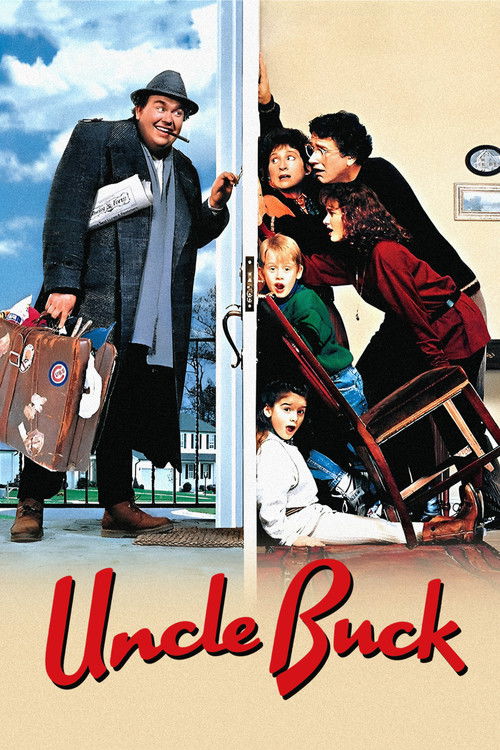
Uncle Buck
1989Buck Russell, a lovable but slovenly bachelor, suddenly becomes the temporary caretaker of his nephew and nieces after a family emergency. His freewheeling attitude soon causes tension with his older niece Tia, loyal girlfriend Chanice and just about everyone else who crosses his path.
Far North
1988After generations of being apart, an accident brings a family back together and they begin to cope with their original issues.
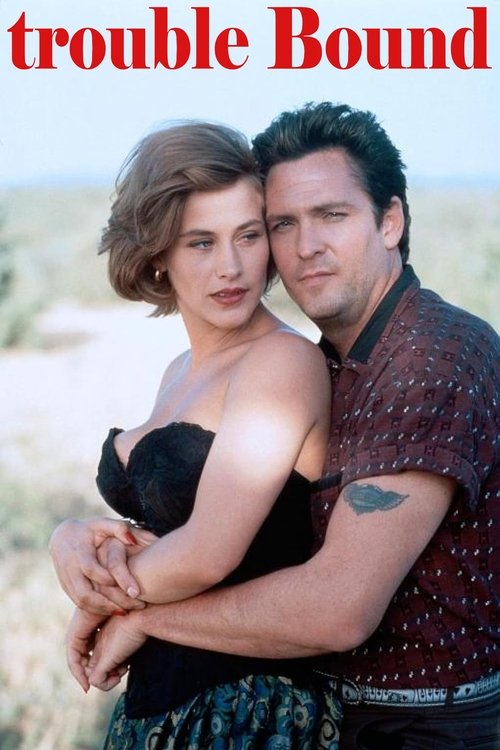
Trouble Bound
1993Upon getting out of prison, a man who took the rap for some thief buddies gets together with them again, and tells them he's not interested in doing things with them any more. They stick a dead body in his trunk, unbeknownst to him, and he roars off to find his future. Unfortunately, they forgot to get the key they need off the body, so they're chasing him. Meanwhile, a mafia kingpin's daughter is trying to kill the hitman that killed her father, but her grandmother is trying to make peace with the family that hired the hitman, so she and her thugs are trying to stop the daughter. The guy and the daughter get together and experience mayhem on the run from two directions.
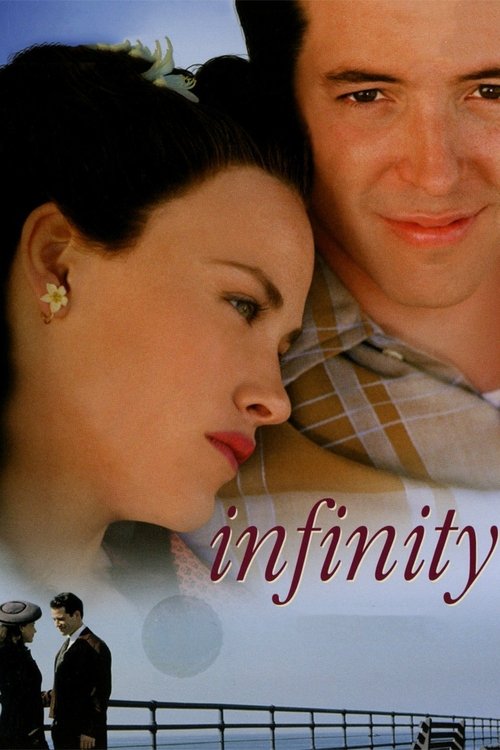
Infinity
1996Story of the early life of genius and Nobel Prize-winning physicist Richard Feynman.
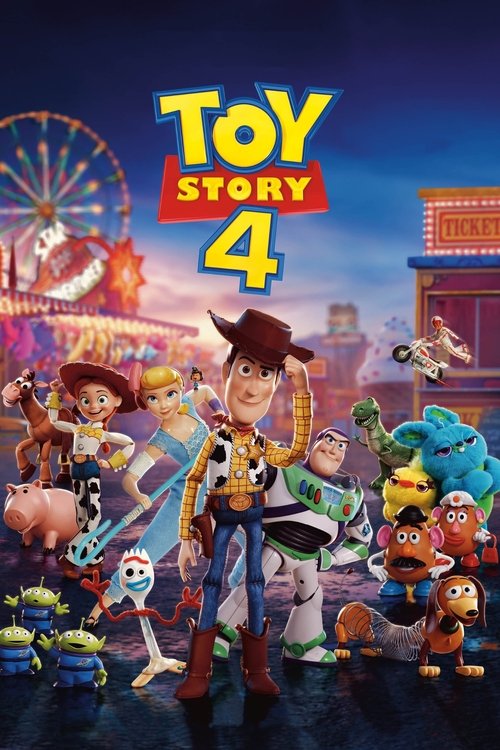
Toy Story 4
2019Woody has always been confident about his place in the world and that his priority is taking care of his kid, whether that's Andy or Bonnie. But when Bonnie adds a reluctant new toy called "Forky" to her room, a road trip adventure alongside old and new friends will show Woody how big the world can be for a toy.

Otherhood
2019Feeling forgotten on Mother's Day, three best friends leave the suburbs and drive to New York City to surprise their adult sons.
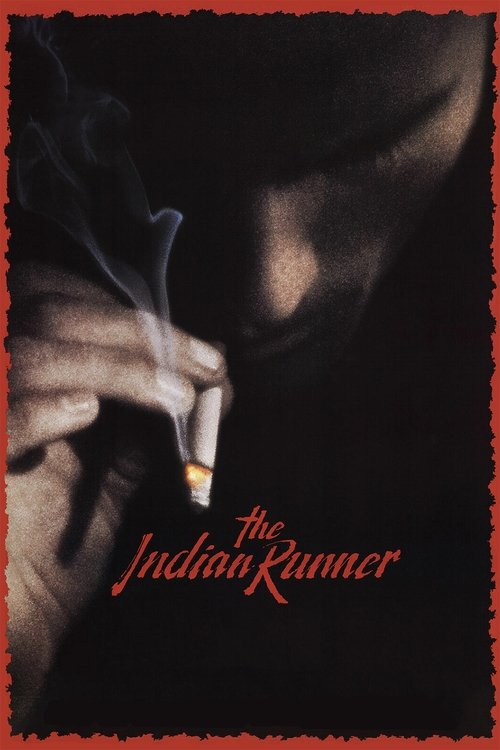
The Indian Runner
1991Two brothers cannot overcome their opposite perceptions of life. One brother sees and feels bad in everyone and everything, subsequently he is violent, antisocial and unable to appreciate or enjoy the good things which his brother desperately tries to point out to him.
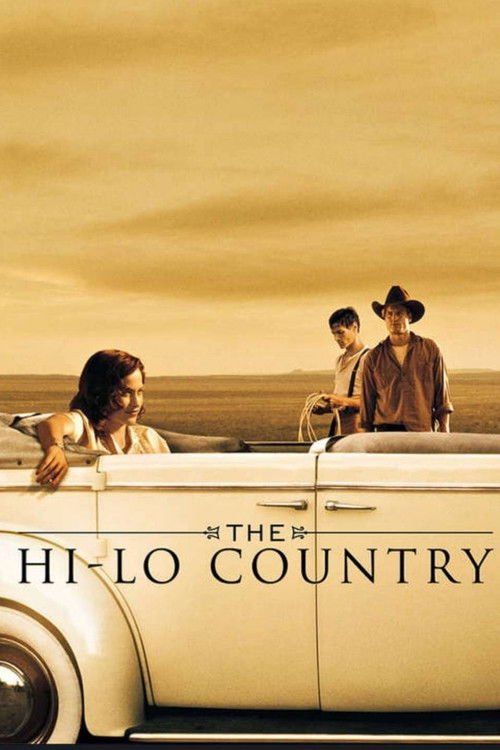
The Hi-Lo Country
1998An intimate story of the enduring bond of friendship between two hard-living men, set against a sweeping backdrop: the American West, post-World War II, in its twilight. Pete and Big Boy are masters of the prairie, but ultimately face trickier terrain: the human heart.
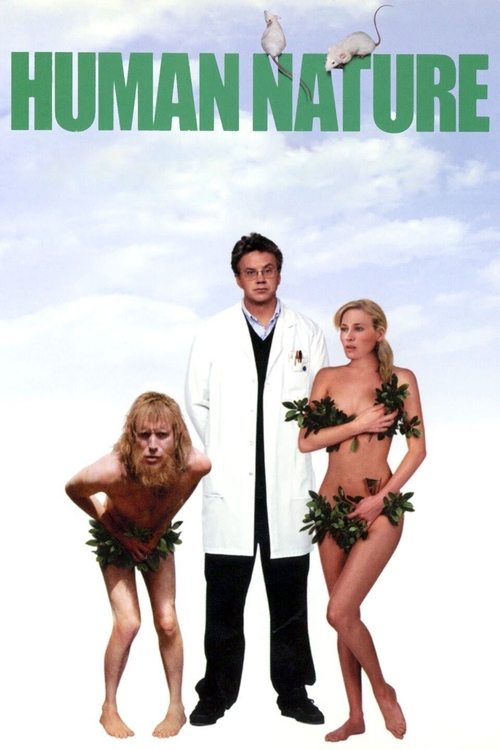
Human Nature
2001Obsessive scientist Nathan and his lover, the naturalist Lila, discover Puff: a man born and raised in the wild. As Nathan trains the wild man in the civilized ways of the world, Lila fights to preserve the man’s natural state. In the power struggle that ensues, an unusual love triangle emerges.
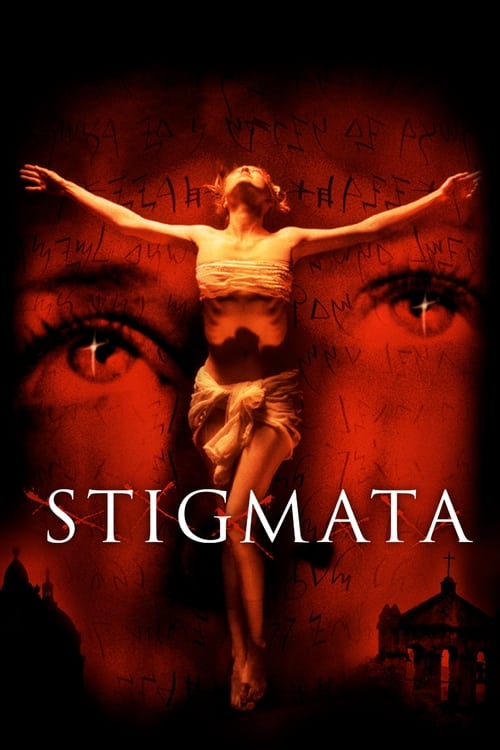
Stigmata
1999A young woman with no strong religious beliefs, Frankie Paige begins having strange and violent experiences, showing signs of the wounds that Jesus received when crucified. When the Vatican gets word of Frankie's situation, a high-ranking cardinal requests that the Rev. Andrew Kiernan investigate her case. Soon Kiernan realizes that very sinister forces are at work, and tries to rescue Frankie from the entity that is plaguing her.
Navigating the visceral demands of religious horror, Arquette leans into the frenetic, stylistically loud energy of the late nineties. She handles the film's grueling physical requirements with a commitment that elevates the supernatural premise into a harrowing character study.

Beyond Rangoon
1995Dr. Laura Bowman is a young widow who's unwittingly drawn into political turmoil while vacationing in Burma in the late 1980s. Bowman initially left San Francisco with her sister in an attempt to escape painful memories of her husband and son's violent deaths. But her fight to escape to Thailand could prove just as harrowing.
Arquette carries the weight of this political drama with a raw, physical performance that demands grueling endurance. It is a rare leading turn that showcases her ability to internalize a character’s political awakening through sheer, silent grit.
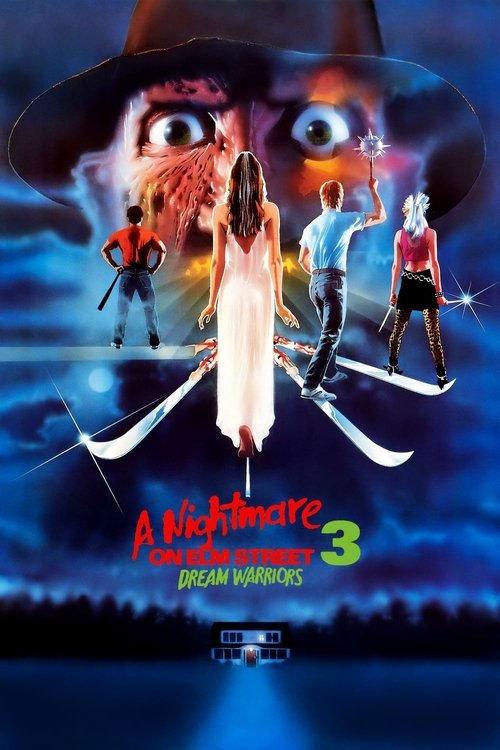
A Nightmare on Elm Street 3: Dream Warriors
1987A psychiatrist, familiar with the knife-wielding dream demon Freddy Krueger, helps teens at a mental hospital battle the killer who is invading their dreams.
While many horror debuts are forgettable, Arquette’s turn as the dream-sensitive Kristen Parker established her immediately as a formidable screen presence. She brings an uncommon depth to the 'Final Girl' archetype, grounding the fantastical slasher elements in palpable, wide-eyed terror.
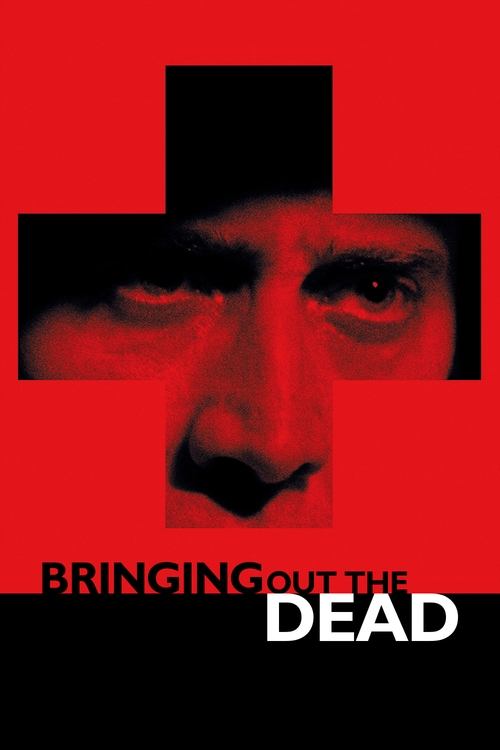
Once called "Father Frank" for his efforts to rescue lives, Frank Pierce sees the ghosts of those he failed to save around every turn. He has tried everything he can to get fired, calling in sick, delaying taking calls where he might have to face one more victim he couldn't help, yet cannot quit the job on his own.
In Scorsese’s kinetic descent into urban exhaustion, Arquette acts as a flickering lighthouse of grief and hope. Her performance is defined by a subdued, nocturnal intensity that perfectly mirrors the twitchy, sleep-deprived pace of the film's New York underworld.
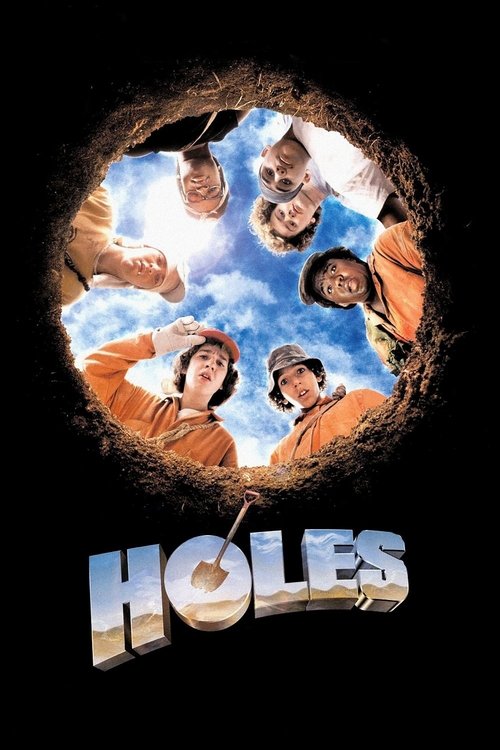
Holes
2003After being wrongfully convicted for stealing a pair of shoes, Stanley Yelnats is sent away to Camp Green Lake, a boys detention facility where inmates are forced to dig holes all day in the hot desert sun as a form of character building. But Stanley and the other boys start to unravel a mystery, linked with the camps tough-as-nails warden —and possibly Stanley’s family itself.
Trading her usual vulnerability for the sharp edges of a folk-legend outlaw, Arquette’s turn as Kissin' Kate Barlow is a masterstroke of tone-shifting. She infuses a family adventure with a tragic, dusty operatics that lends the film its most resonant historical weight.
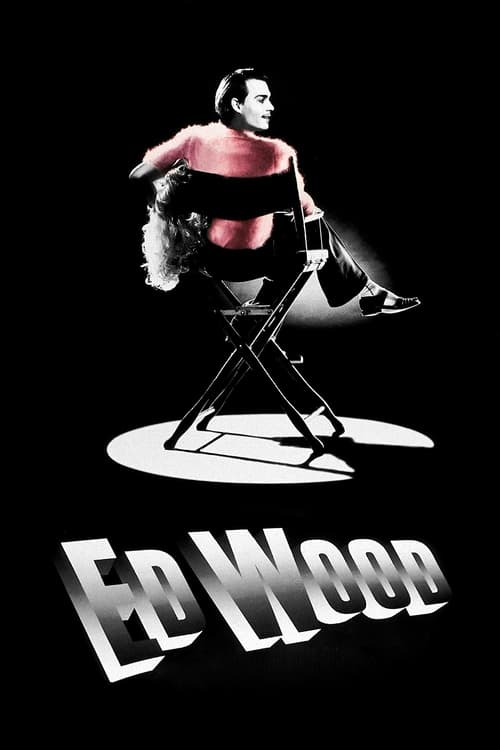
Ed Wood
1994The mostly true story of the legendary "worst director of all time", who, with the help of his strange friends, filmed countless B-movies without ever becoming famous or successful.
Arquette provides the essential emotional ballast to Tim Burton’s eccentric biopic, playing Kathy O'Hara with a sunny, unwavering sincerity. Her ability to project genuine warmth amidst a cast of caricatures proves she can be the heart of even the most kitschy ensemble.
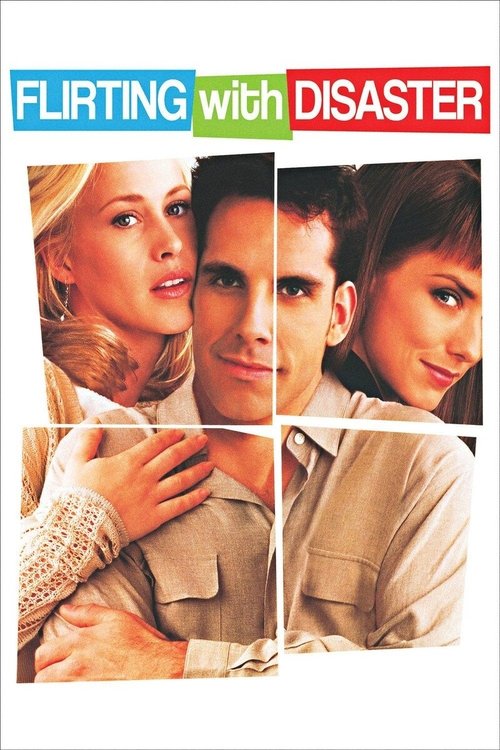
Adopted as a child, new father Mel Colpin decides he cannot name his son until he knows his birth parents, and determines to make a cross-country quest to find them. Accompanied by his wife, Nancy, and an inept yet gorgeous adoption agent, Tina, he departs on an epic road trip that quickly devolves into a farce of mistaken identities, wrong turns, and overzealous and love-struck ATF agents.
Arquette displays a nimble comedic timing here, playing the frustrated wife in this screwball odyssey with a prickly, reactionary energy. She thrives in the chaos of David O. Russell’s neurotic dialogue, proving her versatility extends far beyond heavy drama or genre thrillers.
Lost Highway
1997A tormented jazz musician finds himself lost in an enigmatic story involving murder, surveillance, gangsters, doppelgängers, and an impossible transformation inside a prison cell.
Splitting herself into a dual role of the icy blonde and the shadowy brunette, Arquette serves as the ultimate Lynchian cipher in this neo-noir nightmare. She commands the screen with a haunting, tactile presence, navigating the director’s surrealist demands with a chillingly precise sense of mystery.

Boyhood
2014The film tells a story of a divorced couple trying to raise their young son. The story follows the boy for twelve years, from first grade at age 6 through 12th grade at age 17-18, and examines his relationship with his parents as he grows.
Arquette delivers a generational masterclass in naturalism, grounding Linklater’s twelve-year experiment with a weary, soulful dignity that feels less like acting and more like a lived-in history of American motherhood. It is the definitive anchor of her filmography, capturing the physical and emotional erosion of time with profound, unforced vulnerability.
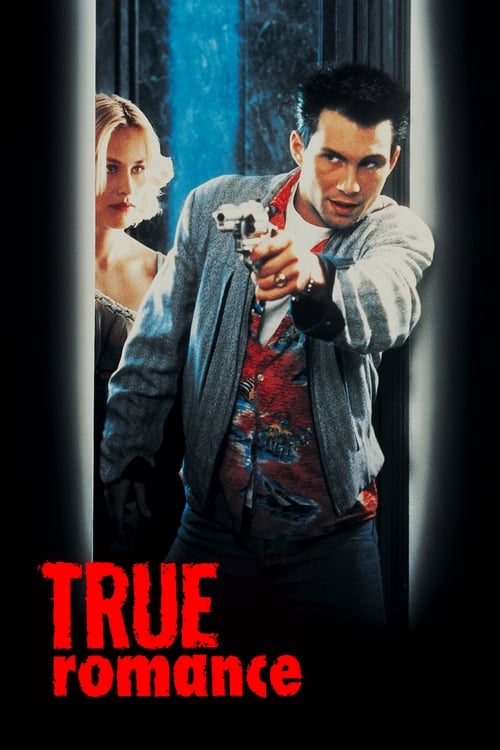
True Romance
1993Clarence marries hooker Alabama, steals cocaine from her pimp, and tries to sell it in Hollywood, while the owners of the coke try to reclaim it.
As the bubblegum-popping Alabama Whitman, Arquette crafts a cult icon through a volatile mix of crystalline sweetness and grit. She maneuvers through Tony Scott’s hyper-stylized violence with a fierce, romantic conviction that transformed her into the quintessential nineties indie sweetheart.
Frequently Asked Questions
Everything you need to know about this list and SnakeDrafts
- Patricia Arquette won the Academy Award for Best Supporting Actress for her role in "Boyhood" (2014), directed by Richard Linklater. Her performance is notable for its emotional authenticity as she portrays a mother navigating the complexities of family life over 12 years of real-time filming.
- Patricia Arquette has showcased remarkable versatility, starring in diverse genres from horror in "A Nightmare on Elm Street 3: Dream Warriors" to quirky comedy in "Flirting with Disaster," and the surreal thriller "Lost Highway." This range highlights her ability to adapt to both mainstream and avant-garde storytelling styles.
- Patricia Arquette worked with David Lynch in the enigmatic thriller "Lost Highway" (1997). This role deepened her association with complex, atmospheric cinema and solidified her reputation as a compelling actress capable of haunting and mysterious performances.
- Themes of vulnerability, emotional depth, and resilience frequently emerge in Patricia Arquette’s best movies. Whether dealing with personal identity in "Human Nature" or family dynamics in "Boyhood," her roles often explore profound human experiences with nuance and authenticity.
- "True Romance" (1993) is widely regarded as a cult classic featuring Patricia Arquette. She played Alabama Whitman, a spirited and fearless woman whose relationship with the protagonist drives the film’s mix of action, romance, and crime.
- Patricia Arquette has worked with visionary directors such as Martin Scorsese in "Bringing Out the Dead," Tim Burton in "Ed Wood," and Richard Linklater in "Boyhood." Her ability to embody complex characters complements these directors’ unique storytelling approaches, enhancing the overall cinematic impact.
- Yes, Patricia Arquette stars in the family-friendly adventure "Holes" (2003), a blend of drama and comedy that appeals to younger audiences. Additionally, she lent her voice to the animated film "Toy Story 4," expanding her range into family animation.
- In independent and auteur films like "Lost Highway" and "Human Nature," Arquette often portrays layered, psychologically intricate characters within unconventional narratives. In contrast, her mainstream projects such as "A Nightmare on Elm Street 3: Dream Warriors" align with popular genre conventions, showcasing her adaptability across cinematic styles.